 Skip to content



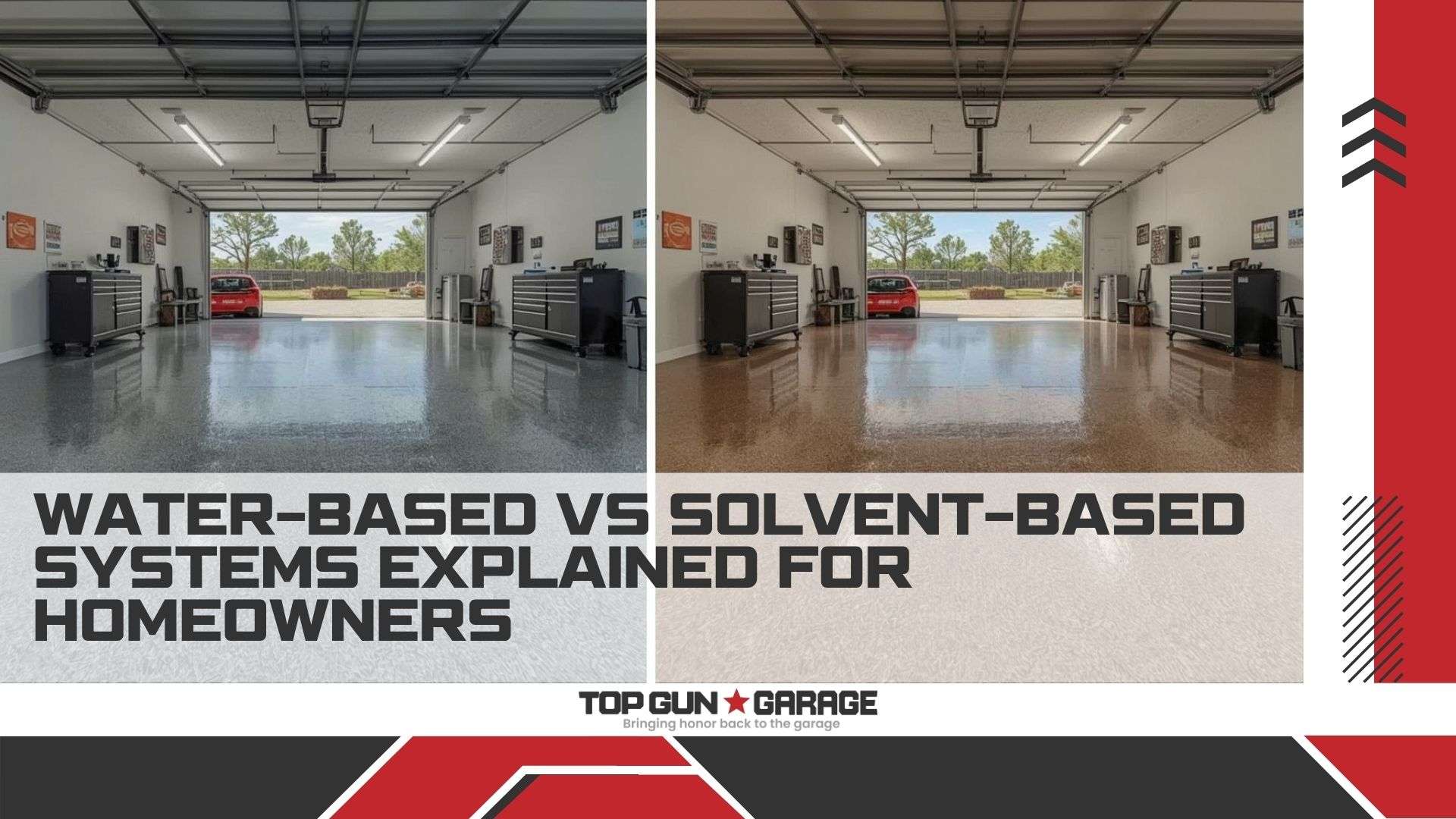
When homeowners embark on flooring projects, one of the most crucial decisions they face involves choosing between water-based and solvent-based coating systems. This fundamental choice affects everything from application ease and drying time to long-term durability and environmental impact. Understanding the differences between these two systems can mean the difference between a successful flooring investment and costly mistakes down the road.
Water-based flooring systems have gained significant popularity in recent years, particularly among environmentally conscious homeowners and those sensitive to strong chemical odors. These systems utilize water as the primary carrier for the coating materials, resulting in lower volatile organic compound (VOC) emissions and faster cleanup processes. The technology behind water-based systems has evolved dramatically, offering performance characteristics that rival traditional solvent-based alternatives in many applications.
Solvent-based systems, on the other hand, have been the industry standard for decades, particularly in demanding commercial and industrial environments. These systems use chemical solvents as carriers, which often results in deeper penetration into substrate materials and enhanced adhesion properties. While they typically require more careful handling and ventilation during application, solvent-based systems often provide superior performance in high-traffic areas and extreme conditions.
The choice between these systems isn’t merely technical—it’s deeply personal and situational. Factors such as indoor air quality concerns, application timeline, budget constraints, and intended use patterns all play crucial roles in determining the optimal solution. Homeowners must also consider their local climate conditions, as humidity and temperature can significantly impact the performance and application success of both system types.
Making an informed decision requires understanding not just the basic differences between water-based and solvent-based systems, but also how these differences translate into real-world performance, maintenance requirements, and long-term satisfaction. This comprehensive analysis will explore every aspect of both systems, providing homeowners with the knowledge needed to make confident flooring decisions that align with their specific needs, preferences, and circumstances.
Key Takeaways
Environmental Impact: Water-based systems produce significantly lower VOC emissions, making them the preferred choice for environmentally conscious homeowners and those with chemical sensitivities. These systems contribute to better indoor air quality and comply with increasingly strict environmental regulations.
Application Convenience: Water-based coatings offer easier cleanup, reduced odor during application, and faster recoat times. This makes them particularly attractive for DIY enthusiasts and situations where minimal disruption to daily routines is essential.
Durability Performance: While both systems can provide excellent longevity, solvent-based systems traditionally offer superior chemical resistance and adhesion properties, particularly in demanding commercial applications or high-traffic residential areas.
Cost Considerations: Initial material costs may vary, but the total project cost includes factors such as ventilation requirements, application time, and potential need for professional installation. Water-based systems often reduce labor costs due to faster application and cleanup.
Climate Sensitivity: Water-based systems can be more sensitive to humidity and temperature conditions during application, while solvent-based systems typically offer more forgiving application windows but require better ventilation.
Maintenance Requirements: Both systems require proper maintenance for optimal longevity, but their cleaning and care requirements differ significantly. Understanding these differences helps homeowners plan for long-term upkeep costs and efforts.
Professional vs. DIY Suitability: Water-based systems are generally more forgiving for DIY applications, while solvent-based systems often benefit from professional installation to ensure proper safety protocols and optimal results.
Understanding Coating System Fundamentals
The foundation of any successful flooring project lies in understanding how different coating systems function at a molecular level. Water-based and solvent-based systems represent fundamentally different approaches to delivering protective and decorative coatings to floor surfaces. These differences extend far beyond simple composition, affecting every aspect of the coating’s behavior from initial application through decades of service life.
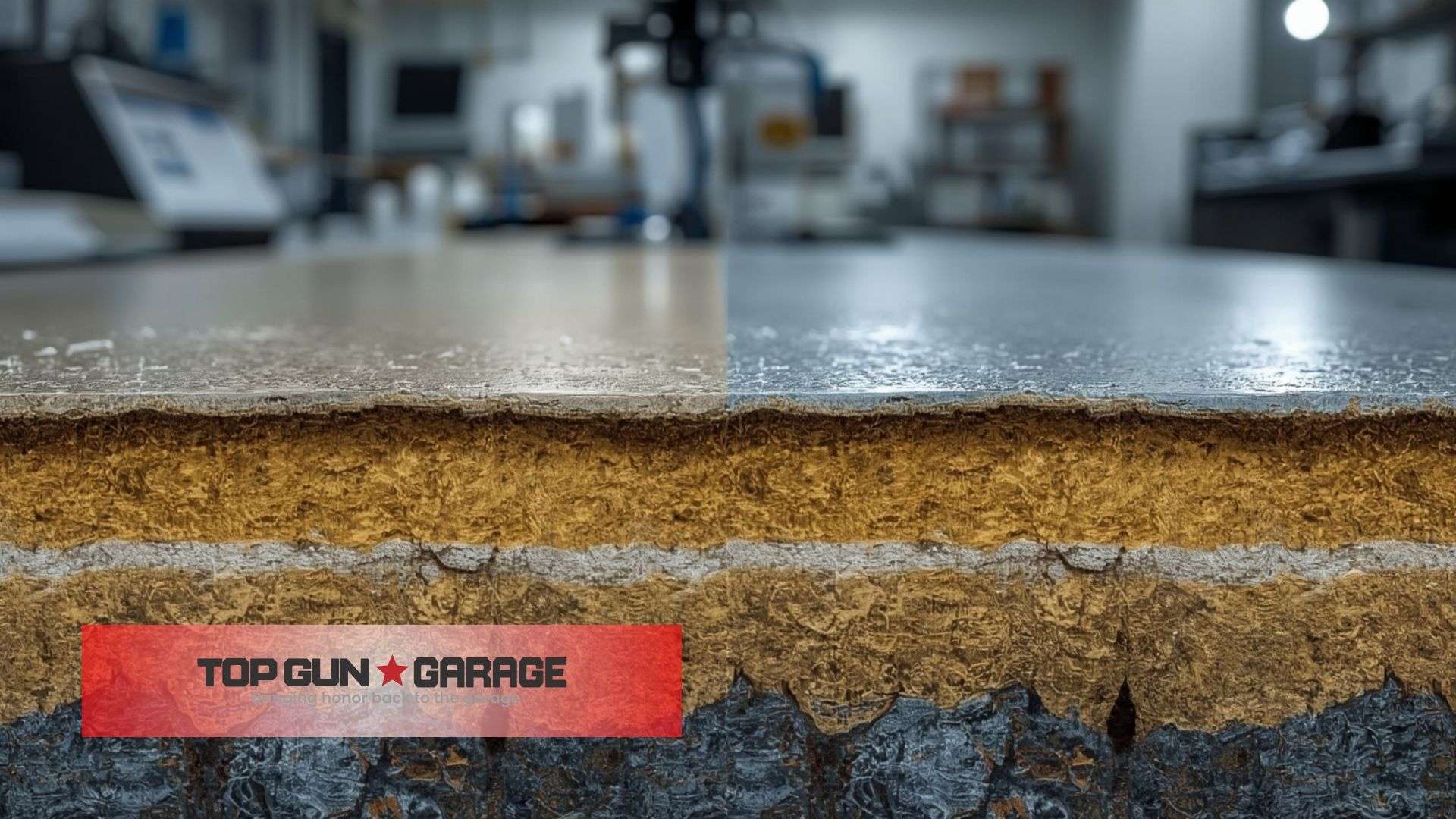
Water-based systems rely on sophisticated polymer chemistry that allows coating materials to remain stable in aqueous suspension until application. During the curing process, water evaporates, leaving behind a continuous film of protective material. This process requires careful formulation to ensure proper film formation, adhesion, and performance characteristics. Modern water-based systems incorporate advanced additives and crosslinking agents that significantly enhance their performance compared to early formulations.
Solvent-based systems use organic solvents as carriers for the coating materials. These solvents serve multiple functions: they keep the coating materials in solution, facilitate penetration into the substrate, and control the flow and leveling characteristics during application. As solvents evaporate, they leave behind a dense, highly crosslinked coating film. The choice of solvent system significantly impacts the coating’s performance characteristics, application properties, and environmental considerations.
The curing mechanisms of these systems also differ substantially. Water-based systems typically cure through a combination of water evaporation and chemical crosslinking, which can be influenced by temperature, humidity, and air circulation. Solvent-based systems cure primarily through solvent evaporation followed by chemical crosslinking, with the process being less sensitive to humidity but more dependent on adequate ventilation for safety and optimal results.
Understanding what is the difference between water and solvent epoxy provides technical insights into these fundamental chemical differences. The molecular structure and curing process directly affect final performance characteristics and application requirements.
Water-Based Flooring Systems: Advantages and Applications
Water-based flooring systems have revolutionized the coating industry by offering exceptional performance while addressing environmental and health concerns that have become increasingly important to modern homeowners. These systems excel in residential applications where indoor air quality, ease of application, and environmental responsibility are primary considerations. The technology behind water-based systems continues to advance, with manufacturers developing formulations that challenge traditional assumptions about performance limitations.
One of the most significant advantages of water-based systems is their dramatically reduced environmental impact. With VOC content typically below 100 grams per liter compared to 300-600 grams per liter for solvent-based systems, water-based coatings contribute to healthier indoor environments and comply with strict environmental regulations. This makes them particularly suitable for homes with children, elderly residents, or individuals with respiratory sensitivities.
The application process for water-based systems offers numerous practical benefits that appeal to both professional installers and DIY enthusiasts. Cleanup requires only soap and water, eliminating the need for harsh chemical solvents. The reduced odor during application means that homeowners can often remain in their homes during the coating process, and the space can typically be reoccupied much sooner than with solvent-based alternatives.
From a performance standpoint, modern water-based systems provide excellent durability, UV stability, and resistance to yellowing over time. They maintain their appearance longer when exposed to sunlight, making them ideal for spaces with large windows or outdoor exposure. The color retention properties of water-based systems are particularly noteworthy, as they resist the amber tinting that can occur with some solvent-based coatings as they age.
Water-based systems also offer superior flexibility, which can be crucial in environments subject to thermal cycling or minor structural movement. This flexibility helps prevent cracking and delamination, contributing to longer service life and reduced maintenance requirements. Understanding how humidity affects installation timing becomes particularly important with water-based systems.
For homeowners considering low-VOC garage flooring solutions, water-based systems provide an eco-friendly option without compromising performance. The environmental benefits extend beyond installation to include easier disposal and reduced long-term environmental impact.
Solvent-Based Systems: Performance and Professional Applications
Solvent-based flooring systems represent the traditional gold standard in high-performance coating applications, particularly where maximum durability, chemical resistance, and adhesion are paramount. These systems have earned their reputation through decades of proven performance in the most demanding commercial, industrial, and residential applications. While environmental considerations have led to increased interest in water-based alternatives, solvent-based systems continue to offer unmatched performance characteristics in specific applications.
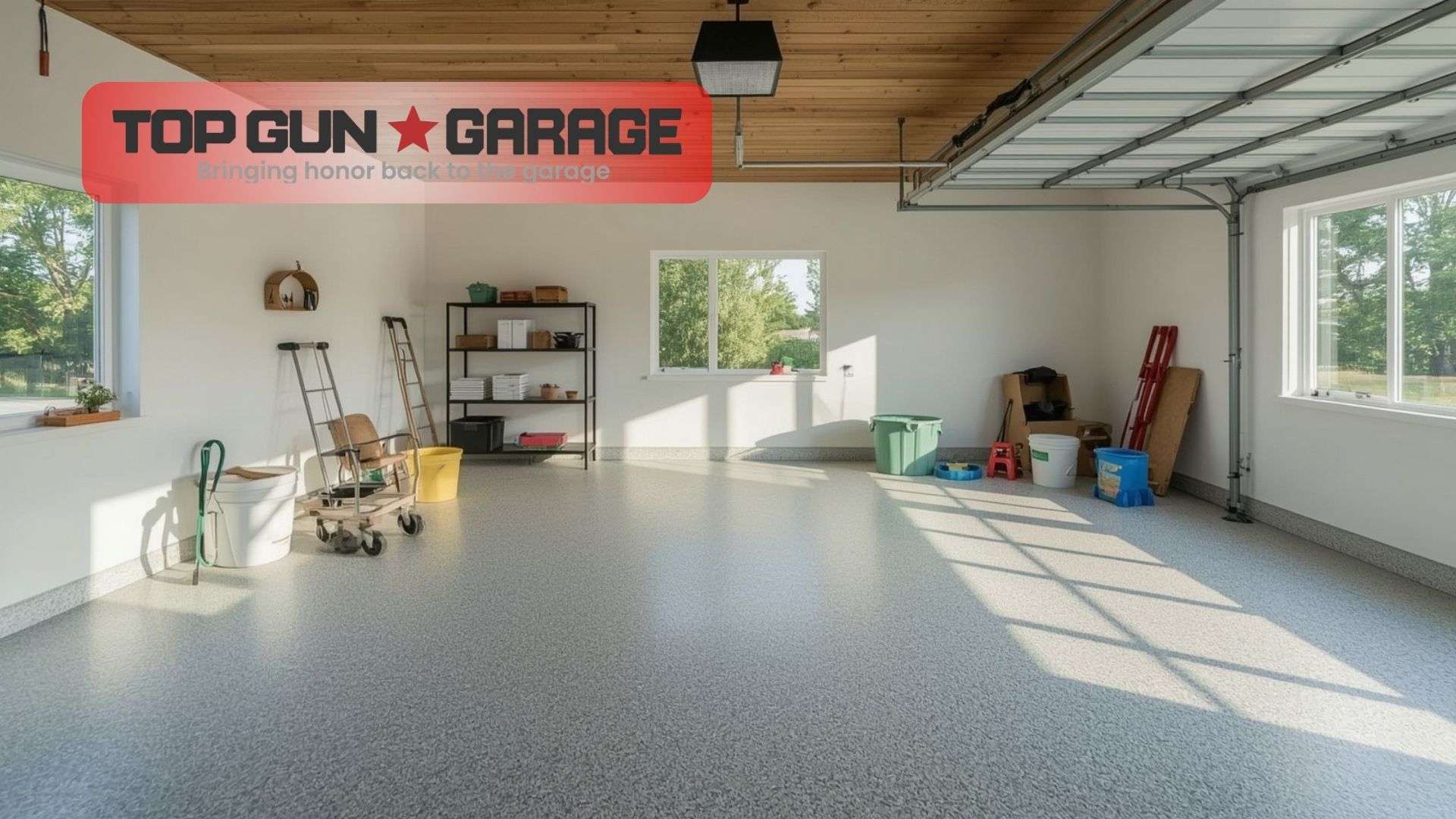
The superior penetration characteristics of solvent-based systems often result in exceptional adhesion to substrate materials. The solvents can carry coating materials deeper into porous surfaces, creating mechanical bonds that are difficult to achieve with water-based systems. This deep penetration is particularly valuable when coating older concrete surfaces or substrates with questionable preparation history.
Chemical resistance represents another area where solvent-based systems traditionally excel. The dense, highly crosslinked coating films produced by these systems can withstand exposure to automotive fluids, industrial chemicals, and aggressive cleaning agents that might compromise water-based coatings. For homeowners with workshops, automotive enthusiasts, or those requiring maximum chemical resistance, solvent-based systems often provide the most reliable long-term protection.
The application characteristics of solvent-based systems offer certain advantages in challenging conditions. These coatings are generally less sensitive to humidity during application and can often be applied successfully in a wider range of environmental conditions. The longer open time provided by slower-evaporating solvents allows for better flow and leveling, potentially resulting in smoother final surfaces when applied by experienced professionals.
However, the application of solvent-based systems requires careful attention to safety protocols and ventilation requirements. Professional installation is often recommended to ensure proper handling of volatile materials and achievement of optimal results. The complexity of working with these systems highlights the importance of understanding when professional expertise is necessary, as detailed in our analysis of DIY limitations versus professional advantages.
Temperature performance is another area where solvent-based systems often demonstrate superiority. These coatings typically maintain their properties across wider temperature ranges and can better withstand thermal shock from hot tires or equipment. This makes them particularly suitable for spaces that experience significant temperature variations or thermal stress, which is why understanding how temperature affects molecular structure is critical.
Application Considerations and Environmental Factors
The successful application of any flooring system depends heavily on understanding and controlling environmental factors during the installation process. Temperature, humidity, air circulation, and substrate conditions all play critical roles in determining the final quality and longevity of the coating system. These factors affect water-based and solvent-based systems differently, making it essential for homeowners to understand how environmental conditions impact their specific project requirements.
Temperature control during application is crucial for both system types, but the acceptable ranges and sensitivity differ significantly. Water-based systems typically require temperatures between 50°F and 85°F for optimal application, with the curing process being sensitive to both temperature and humidity levels. Cold temperatures can slow curing to unacceptable levels, while excessive heat can cause rapid water evaporation that interferes with proper film formation.
Humidity presents unique challenges for water-based systems, as high moisture levels can significantly extend curing times and potentially affect final coating properties. Relative humidity above 85% can prevent proper water evaporation, leading to extended cure times and potential application defects. Conversely, extremely low humidity can cause rapid water evaporation that prevents proper flow and leveling.
Solvent-based systems generally offer more forgiving application windows regarding humidity but require careful attention to ventilation and temperature control for safety reasons. These systems can often be applied successfully in higher humidity conditions that would be problematic for water-based alternatives. However, the need for adequate ventilation to remove solvent vapors safely can complicate application in enclosed spaces.
Substrate preparation requirements vary between system types, with both requiring clean, dry surfaces but having different sensitivities to substrate moisture content. Water-based systems can be more tolerant of slightly damp substrates, while solvent-based systems typically require completely dry surfaces for optimal adhesion. Understanding why concrete moisture matters helps ensure proper preparation for either system type.
The porosity and texture of the substrate also affect system selection, as these characteristics influence penetration and adhesion properties. Learning what concrete surface profile is needed ensures optimal bonding regardless of coating system choice.
Air circulation plays different roles in each system type. Water-based systems benefit from moderate air movement to facilitate water evaporation without causing rapid surface skinning. Solvent-based systems require more aggressive ventilation for safety reasons but must balance vapor removal with maintaining optimal application conditions.
Cost Analysis and Long-Term Value Considerations
Understanding the true cost implications of choosing between water-based and solvent-based flooring systems requires analysis that extends far beyond initial material costs. While the price per gallon might seem like the primary consideration, factors such as coverage rates, application costs, maintenance requirements, and long-term durability significantly impact the total cost of ownership over the coating’s service life.
Initial material costs can vary significantly between and within system types, depending on specific formulation, quality level, and performance requirements. Generally, high-performance water-based systems command premium pricing due to advanced polymer technology and specialized additives required to achieve solvent-like performance characteristics. However, these costs must be evaluated against the total project expense, including labor, equipment, and preparation requirements.
Application costs represent a significant portion of total project expenses and can vary dramatically between system types. Water-based systems often reduce labor costs through faster application, easier cleanup, and reduced safety requirements. The ability to apply multiple coats in a single day and the elimination of extensive ventilation setup can substantially reduce installation time and associated costs.
Equipment and safety requirements differ significantly between systems, affecting both DIY feasibility and professional installation costs. Water-based systems require minimal specialized equipment and safety measures, making them accessible to homeowners and reducing professional installation costs. Solvent-based systems often require specialized ventilation equipment, respiratory protection, and fire safety measures that increase installation complexity and cost.
Long-term maintenance costs should factor heavily into system selection decisions. While both system types require regular cleaning and occasional maintenance, their specific requirements and costs differ. Water-based systems typically require gentler cleaning products and methods, potentially reducing ongoing maintenance expenses. However, they may require more frequent recoating in high-traffic applications, affecting long-term costs.
Durability and service life directly impact long-term value propositions. While solvent-based systems may offer longer service life in demanding applications, the difference in residential settings may be minimal. Understanding what determines epoxy floor durability helps homeowners evaluate long-term value. The cost of premature replacement due to poor system selection or application can far exceed the initial savings from choosing a less expensive option.
Energy costs during application also merit consideration. Solvent-based systems often require extensive ventilation during and after application, increasing heating and cooling costs. Water-based systems typically allow normal HVAC operation to resume more quickly, reducing energy consumption during the installation period.
Professional Installation vs. DIY Considerations
The decision between professional installation and DIY application significantly impacts both the immediate success and long-term performance of flooring systems. Water-based and solvent-based systems present different challenges and opportunities for homeowners considering self-installation, with safety, complexity, and skill requirements varying substantially between the two approaches.
Water-based systems generally offer more forgiving application characteristics that make them suitable for experienced DIY enthusiasts. The reduced safety hazards, easier cleanup, and more predictable curing behavior lower the barriers to successful self-installation. However, achieving professional-quality results still requires proper surface preparation, attention to environmental conditions, and careful application techniques.
The safety considerations for DIY application differ dramatically between system types. Water-based systems pose minimal health risks when proper ventilation and basic safety measures are observed. Standard household ventilation is often adequate, and the risk of fire or explosion is minimal. This makes them accessible to homeowners who might be uncomfortable with the safety requirements of solvent-based systems.
Solvent-based systems present significant safety challenges that often make professional installation the preferred choice. The need for adequate ventilation, fire safety precautions, and respiratory protection can overwhelm typical homeowner capabilities. Professional installers have the equipment, training, and experience necessary to handle these materials safely while achieving optimal results.
The complexity of surface preparation varies between systems but remains critical for both. Water-based systems may be slightly more forgiving of minor preparation defects, but both require properly cleaned, profiled, and prepared substrates for optimal performance. Professional installers bring expertise in substrate evaluation and preparation that can prevent costly failures. Understanding different concrete surface preparation methods helps DIYers recognize when projects exceed their capabilities.
Quality control during application represents another area where professional expertise provides significant value. Professionals understand the subtle signs of application problems and can make real-time adjustments to prevent defects. They also have access to specialized tools and techniques that may not be practical for one-time DIY use.
Warranty considerations often favor professional installation, as many manufacturers require professional application for full warranty coverage. This protection can provide significant value and peace of mind that may justify the additional installation cost. Additionally, professional installers typically provide their own workmanship warranties, adding another layer of protection for homeowners.
Frequently Asked Questions
What are the main environmental differences between water-based and solvent-based flooring systems? Water-based systems produce significantly lower VOC emissions, typically under 100 grams per liter compared to 300-600 grams per liter for solvent-based systems. This results in better indoor air quality, reduced environmental impact, and compliance with strict environmental regulations. Water-based systems also eliminate the need for chemical solvents during cleanup, further reducing environmental impact.
How do application times compare between water-based and solvent-based systems? Water-based systems generally allow for faster project completion due to quicker drying times between coats and faster return to service. Multiple coats can often be applied in a single day, and spaces can typically be reoccupied within 24-48 hours. Solvent-based systems usually require longer cure times and extended ventilation periods, potentially extending project timelines by several days. Understanding what affects epoxy cure time provides insight into these differences.
Which system offers better long-term durability? Both systems can provide excellent longevity when properly selected and applied. Solvent-based systems traditionally offer superior chemical resistance and may last longer in high-traffic commercial applications. However, in typical residential applications, high-quality water-based systems can provide comparable durability while offering better UV stability and color retention over time.
Are there significant cost differences between the two systems? While material costs vary by specific product and quality level, the total project cost includes factors such as application time, ventilation requirements, and safety measures. Water-based systems often reduce overall project costs through faster application, easier cleanup, and reduced safety equipment requirements, even when material costs are slightly higher.
Can I apply these systems myself, or do I need professional installation? Water-based systems are generally more suitable for experienced DIY enthusiasts due to lower safety risks and more forgiving application characteristics. Solvent-based systems typically require professional installation due to safety considerations, ventilation requirements, and the specialized knowledge needed for optimal results. The complexity of your specific project should also factor into this decision.
How do climate conditions affect system selection and application? Water-based systems are more sensitive to humidity during application and may not be suitable for application in very humid conditions. Solvent-based systems are generally less affected by humidity but require more extensive ventilation. Temperature ranges for optimal application also differ, with water-based systems typically having narrower acceptable application windows. Understanding how Florida humidity affects application is crucial for successful installation.
What maintenance differences should I expect between the two systems? Both systems require regular cleaning and maintenance, but their specific requirements differ. Water-based systems typically require gentler cleaning products and methods, while solvent-based systems can often withstand more aggressive cleaning. The frequency of maintenance may vary depending on traffic levels and specific performance requirements of your application. Learning the proper cleaning process helps maintain either system type.
How do I choose between water-based and solvent-based systems for my specific application? Consider factors such as indoor air quality concerns, chemical resistance requirements, application timeline, environmental conditions, and whether you plan to hire professionals or attempt DIY installation. Residential applications with moderate traffic often favor water-based systems, while demanding commercial or industrial applications may benefit from solvent-based systems. Consulting with flooring professionals can help ensure optimal system selection for your specific needs.
Conclusion
The choice between water-based and solvent-based flooring systems represents a critical decision that affects every aspect of your flooring project, from initial installation through decades of service life. Both system types offer distinct advantages and limitations that must be carefully weighed against your specific requirements, environmental conditions, and long-term expectations.
Water-based systems have emerged as the preferred choice for many residential applications, offering environmental benefits, application convenience, and performance characteristics that meet the needs of most homeowners. Their reduced environmental impact, easier cleanup, and DIY-friendly application make them particularly attractive for families prioritizing indoor air quality and installation convenience. The continued advancement of water-based technology has largely eliminated the performance gaps that once favored solvent-based alternatives in residential settings.
Solvent-based systems continue to excel in demanding applications where maximum chemical resistance, superior adhesion, or extreme durability are paramount. Professional installation is typically recommended for these systems, but the investment often pays dividends in applications subject to heavy traffic, chemical exposure, or extreme environmental conditions. The proven track record of solvent-based systems in commercial and industrial applications demonstrates their value when performance requirements exceed typical residential demands.
At Top Gun Garage, we understand that selecting the optimal flooring system requires careful consideration of numerous factors unique to each project. Our expertise in both water-based and solvent-based systems enables us to provide objective guidance that prioritizes your specific needs rather than promoting any particular technology. Whether your project demands the environmental benefits of water-based systems or the extreme performance of solvent-based alternatives, professional guidance ensures optimal results that provide lasting value and satisfaction.
The investment in professional consultation and installation often proves invaluable, regardless of which system type best suits your needs. The complexity of modern flooring systems, combined with the critical importance of proper surface preparation and application techniques, makes professional expertise a wise investment in your project’s long-term success.