 Skip to content



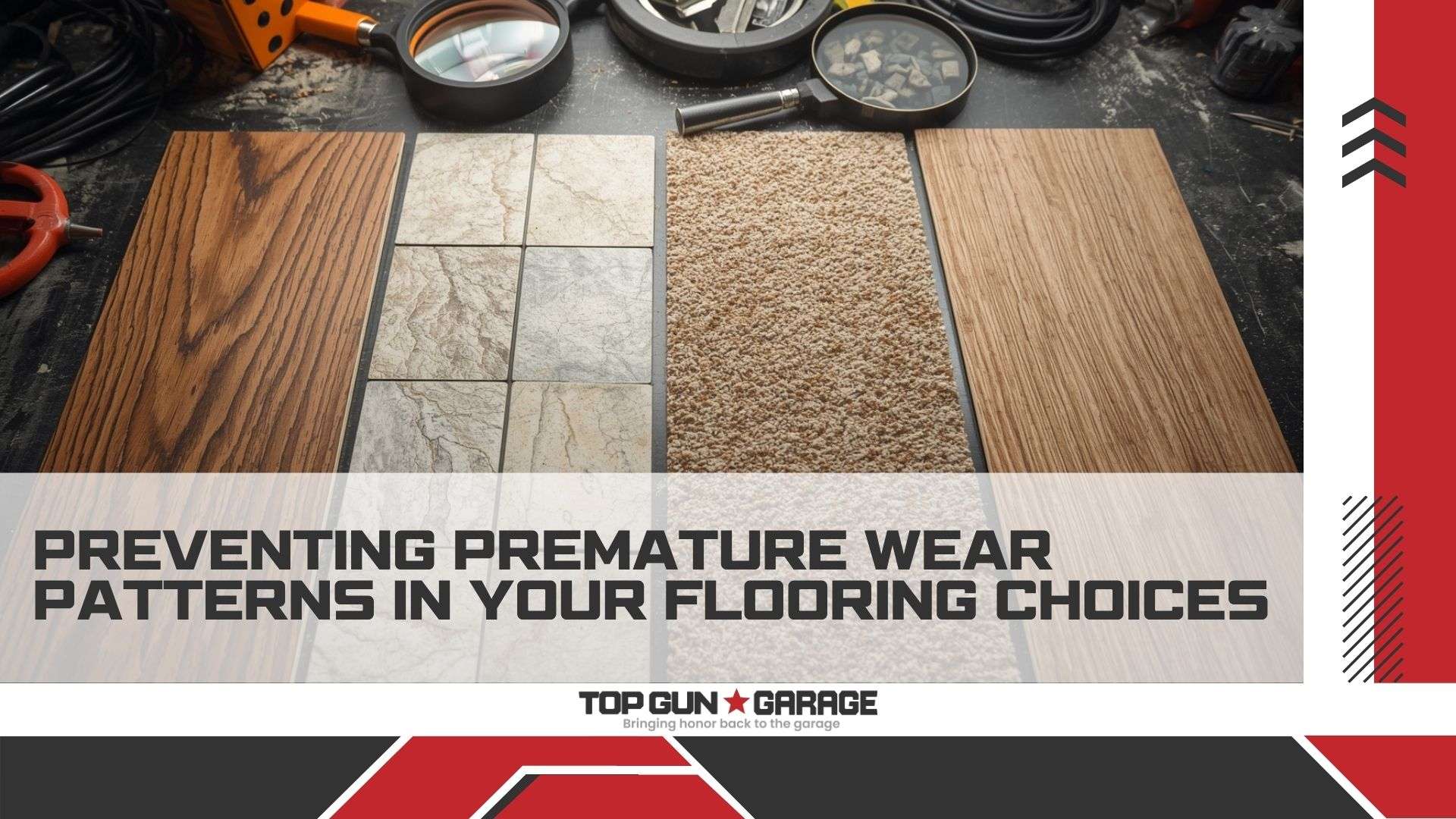
Flooring represents one of the most significant investments in any property, whether residential or commercial. Yet despite the considerable expense and effort involved in installation, many property owners find themselves dealing with unexpected wear patterns that compromise both aesthetics and functionality far sooner than anticipated. Understanding and implementing strategies for preventing premature wear patterns is crucial for maximizing your flooring investment and maintaining beautiful, durable surfaces for years to come.
Premature wear patterns manifest in various ways depending on the flooring type, from scratches and scuffs on hardwood to cracking in tile grout, fading in carpets, or delamination in luxury vinyl planks. These issues don’t just affect appearance – they can lead to costly repairs, complete replacement needs, and potential safety hazards. The good news is that most premature wear can be prevented through proper planning, quality installation, appropriate material selection, and consistent maintenance practices.
The key to successful premature wear prevention lies in understanding that different flooring materials have unique vulnerabilities and requirements. What works perfectly for protecting ceramic tile may be inadequate for engineered hardwood, and the maintenance routine that keeps carpet looking fresh could damage natural stone. This comprehensive approach to preventing premature wear patterns requires consideration of factors including traffic patterns, environmental conditions, usage requirements, and long-term maintenance capabilities.
Professional flooring contractors understand that preventing premature wear patterns begins long before installation day. It starts with honest assessment of space usage, realistic expectations about performance, and careful selection of materials that match both lifestyle and environmental demands. The expertise that companies like Top Gun Garage bring to flooring projects ensures that every aspect of wear prevention is considered from the initial consultation through ongoing maintenance guidance.
Key Takeaways
Material Selection Matters Most: Choosing flooring appropriate for your specific traffic levels, environmental conditions, and usage patterns is the foundation of preventing premature wear patterns. High-traffic commercial spaces require different solutions than low-traffic residential bedrooms.
Professional Installation Is Critical: Even the highest quality flooring materials will develop premature wear if not installed correctly. Proper subfloor preparation, acclimation, and installation techniques are essential for long-term performance.
Preventive Maintenance Outweighs Reactive Repairs: Consistent, appropriate maintenance practices cost significantly less than addressing premature wear after it occurs. Regular cleaning, protective treatments, and prompt attention to minor issues prevent major problems.
Environmental Controls Extend Lifespan: Managing humidity, temperature fluctuations, and UV exposure through HVAC systems, window treatments, and proper ventilation dramatically reduces premature wear in all flooring types.
Traffic Management Strategies Work: Strategic placement of rugs, mats, and furniture can redirect foot traffic away from vulnerable areas while protecting high-impact zones from excessive wear.
Quality Underlayment and Accessories Matter: Investing in appropriate underlayment, transition strips, and protective accessories provides crucial support that prevents premature wear patterns from developing at vulnerable points.
Regular Professional Inspections Catch Problems Early: Annual or bi-annual professional assessments can identify developing wear patterns before they become visible, allowing for preventive interventions that extend flooring life significantly.
Understanding Premature Wear Patterns in Different Flooring Types
Premature wear patterns vary dramatically across different flooring materials, each presenting unique challenges and requiring specific prevention strategies. Hardwood flooring commonly develops premature wear through surface scratching from grit and debris, denting from heavy furniture or dropped objects, and finish degradation from UV exposure or chemical damage. These issues often appear first in high-traffic areas like entryways and hallways, but can develop anywhere improper care practices are employed.

Ceramic and porcelain tile, while highly durable, can experience premature wear through grout deterioration, surface etching from acidic cleaners, and cracking from substrate movement or thermal expansion. The grout lines often show the first signs of premature wear, becoming discolored, cracked, or loose, which then allows moisture penetration that can compromise the entire installation.
Carpet and soft flooring materials face different challenges, with premature wear typically manifesting as traffic lane development, pile crushing, staining, and edge fraying. These issues are often accelerated by inadequate padding, improper cleaning methods, or exposure to excessive moisture. Luxury vinyl and laminate flooring can develop premature wear through edge lifting, surface scratching, joint separation, and wear layer degradation, particularly when subjected to conditions beyond their design specifications.
Natural stone flooring requires special consideration for preventing premature wear patterns, as different stone types have varying porosity, hardness, and chemical sensitivity. Marble and limestone are particularly susceptible to acid etching, while softer stones like travertine can develop surface wear from abrasive cleaning or heavy traffic. Understanding these material-specific vulnerabilities is essential for developing effective prevention strategies.
Proper Material Selection for Long-Term Durability
Selecting appropriate flooring materials based on intended use represents the most critical factor in preventing premature wear patterns. This process requires honest assessment of traffic levels, user behaviors, environmental conditions, and maintenance capabilities. Commercial spaces with heavy foot traffic demand different solutions than residential areas, while homes with pets, children, or specific lifestyle requirements need materials that can withstand those particular stresses.
Traffic analysis should consider not just the volume of foot traffic, but the type of activity occurring in each space. Areas near exterior doors experience different stresses than interior hallways, kitchens face unique challenges from spills and temperature changes, and bathrooms require materials that can handle moisture and humidity fluctuations. Understanding these specific demands allows for material selection that matches performance capabilities to actual requirements.
Environmental factors play a crucial role in material selection for preventing premature wear patterns. Spaces with large windows may experience significant UV exposure, requiring materials with appropriate fade resistance or protective treatments. Areas with high humidity need materials that won’t warp, cup, or develop mold issues, while spaces with temperature fluctuations require materials with appropriate expansion and contraction characteristics.
Budget considerations must balance initial cost against long-term performance and maintenance requirements. While premium materials often provide better durability and wear resistance, proper installation and maintenance of mid-range materials can often provide excellent performance when matched appropriately to usage requirements. The key is understanding the true cost of ownership, including maintenance, repair, and eventual replacement needs.
Professional guidance from experienced contractors like Top Gun Garage ensures that material selection considers all relevant factors, from subfloor conditions and installation requirements to long-term performance expectations and maintenance capabilities. This expertise helps avoid common mistakes that lead to premature wear patterns and ensures that chosen materials will provide the expected performance and longevity.
Installation Best Practices That Prevent Early Wear
Professional installation practices form the foundation of preventing premature wear patterns, as even the highest quality materials will fail prematurely if not installed correctly. Proper subfloor preparation is absolutely critical, requiring assessment and correction of any moisture issues, level variations, or structural problems that could cause stress points or movement in the finished flooring. Inadequate subfloor preparation is one of the leading causes of premature flooring failure across all material types.
Acclimation procedures must be followed precisely for materials that are sensitive to environmental conditions. Hardwood, engineered wood, and some luxury vinyl products require specific acclimation periods and conditions to prevent expansion, contraction, or warping after installation. Rushing this process or ignoring manufacturer specifications often leads to premature wear patterns including gaps, buckling, or joint separation.
Proper installation techniques specific to each material type are essential for long-term performance. This includes correct spacing for expansion and contraction, appropriate adhesive selection and application, proper fastener placement and spacing, and accurate cutting and fitting around obstacles. Professional installers understand these technical requirements and have the tools and experience necessary to execute them correctly.
Transition areas between different flooring materials or between rooms require special attention during installation. These areas often experience higher stress and are vulnerable to premature wear if not properly planned and executed. Appropriate transition strips, proper height matching, and secure fastening are essential for preventing problems in these critical areas.
Quality control during installation involves continuous monitoring of progress, checking for proper alignment and spacing, verifying adhesive cure times, and ensuring that all manufacturer specifications are met. Professional contractors maintain detailed installation records and conduct thorough final inspections to identify and correct any issues before they can lead to premature wear patterns.
Environmental Controls and Protection Strategies
Environmental management plays a crucial role in preventing premature wear patterns across all flooring types. Humidity control is particularly important, as excessive moisture can cause warping, cupping, and mold growth in wood products, while insufficient humidity can lead to gaps and cracking. Maintaining relative humidity between 30-50% through proper HVAC operation and supplemental humidification or dehumidification helps preserve flooring integrity and appearance.
Temperature stability prevents the expansion and contraction cycles that can lead to joint separation, buckling, and other premature wear patterns. Gradual temperature changes are less stressful to flooring materials than rapid fluctuations, making proper HVAC programming and insulation important factors in flooring longevity. Avoiding extreme temperature swings also helps maintain the stability of adhesives and fasteners used in installation.
UV protection through window treatments, films, or coatings prevents fading and degradation of flooring materials exposed to direct sunlight. Many flooring materials, including hardwood, carpet, and some luxury vinyl products, can experience significant color changes and surface degradation from prolonged UV exposure. Strategic use of blinds, curtains, or UV-filtering window films protects flooring while maintaining natural light.
Air quality management through proper filtration and ventilation reduces the accumulation of abrasive particles that can scratch and wear flooring surfaces. Regular HVAC filter replacement and professional duct cleaning minimize the circulation of dust, dirt, and other particles that contribute to premature wear. This is particularly important in areas with high outdoor dust levels or construction activity.
Moisture management extends beyond humidity control to include prompt cleanup of spills, proper ventilation in high-moisture areas, and use of appropriate barriers and sealers. Water damage is one of the leading causes of premature flooring failure, making quick response to moisture events and proper moisture prevention strategies essential for long-term flooring performance.
Maintenance Programs That Extend Flooring Life
Comprehensive maintenance programs represent the most cost-effective approach to preventing premature wear patterns and maximizing flooring investment returns. These programs must be tailored to specific flooring materials and usage patterns, as maintenance requirements vary significantly between different flooring types. Regular maintenance schedules prevent small issues from developing into major problems requiring expensive repairs or replacement.
Daily maintenance practices form the foundation of effective premature wear prevention. This includes prompt cleanup of spills, regular sweeping or vacuuming to remove abrasive particles, and use of appropriate cleaning products that won’t damage flooring surfaces. Many premature wear issues result from accumulated damage over time rather than single dramatic events, making consistent daily care essential.
Weekly and monthly maintenance tasks address deeper cleaning needs and preventive treatments. This might include mopping with appropriate cleaners, applying protective treatments, deep vacuuming of carpets, or polishing of hard surfaces. These regular treatments help maintain protective finishes and remove embedded dirt that can cause abrasive wear over time.
Seasonal maintenance addresses specific challenges related to weather changes and varying usage patterns. This includes deep cleaning before and after high-traffic seasons, reapplication of protective treatments, assessment and repair of minor damage, and adjustment of environmental controls for changing conditions. Professional maintenance services can provide specialized treatments that extend flooring life significantly.
Professional maintenance assessments should be conducted annually or bi-annually to identify developing issues before they become visible problems. Experienced contractors like Top Gun Garage can spot early signs of wear patterns, recommend preventive treatments, and provide specialized services that maintain flooring performance and appearance. These professional services often cost significantly less than addressing premature wear after it becomes severe.
Frequently Asked Questions
How can I tell if my flooring is developing premature wear patterns?
Early signs include increased difficulty cleaning certain areas, subtle color changes, minor surface roughness, or small gaps and separations. Professional inspections can identify developing issues before they become visible to untrained eyes.
What’s the most important factor in preventing premature wear patterns?
Proper material selection for your specific usage requirements is crucial, followed closely by professional installation and consistent maintenance practices appropriate for your flooring type.
How often should I have my flooring professionally inspected?
Annual inspections are recommended for most residential installations, while commercial spaces may benefit from bi-annual assessments depending on traffic levels and usage intensity.
Can premature wear prevention strategies save money long-term?
Absolutely. Preventive maintenance and protection strategies typically cost 10-20% of premature replacement expenses while extending flooring life by 50-100% or more.
Are there specific products that help prevent premature wear patterns?
Yes, including appropriate entrance mats, furniture pads, area rugs for high-traffic zones, and protective treatments specific to your flooring material type.
How does humidity affect different flooring types?
Wood products can warp or gap with humidity changes, while tile grout can crack, and carpet can develop mold. Maintaining 30-50% relative humidity helps all flooring types.
What role does professional installation play in wear prevention?
Professional installation ensures proper subfloor preparation, correct acclimation, appropriate techniques, and quality materials – all essential for preventing premature wear patterns.
How do I choose the right maintenance products for my flooring?
Always follow manufacturer recommendations and consult with professional contractors who understand your specific flooring material and finish requirements.
Conclusion
Preventing premature wear patterns in flooring requires a comprehensive approach that begins with proper material selection and continues through professional installation, environmental management, and consistent maintenance practices. The investment in quality materials, expert installation, and preventive care pays significant dividends through extended flooring life, maintained appearance, and reduced long-term costs.
Success in premature wear prevention depends on understanding that different flooring materials have unique requirements and vulnerabilities. What works for one flooring type may be inappropriate or even damaging for another, making professional guidance essential for developing effective protection strategies. Companies like Top Gun Garage bring the expertise necessary to navigate these complexities and ensure optimal flooring performance.
The key to long-term flooring success lies in viewing flooring as a system rather than just a surface material. This system includes the subfloor, installation methods, environmental controls, maintenance practices, and usage patterns – all of which must work together to prevent premature wear patterns and maximize flooring investment returns. Taking a holistic approach to flooring care ensures beautiful, durable surfaces that provide years of reliable service and satisfaction.