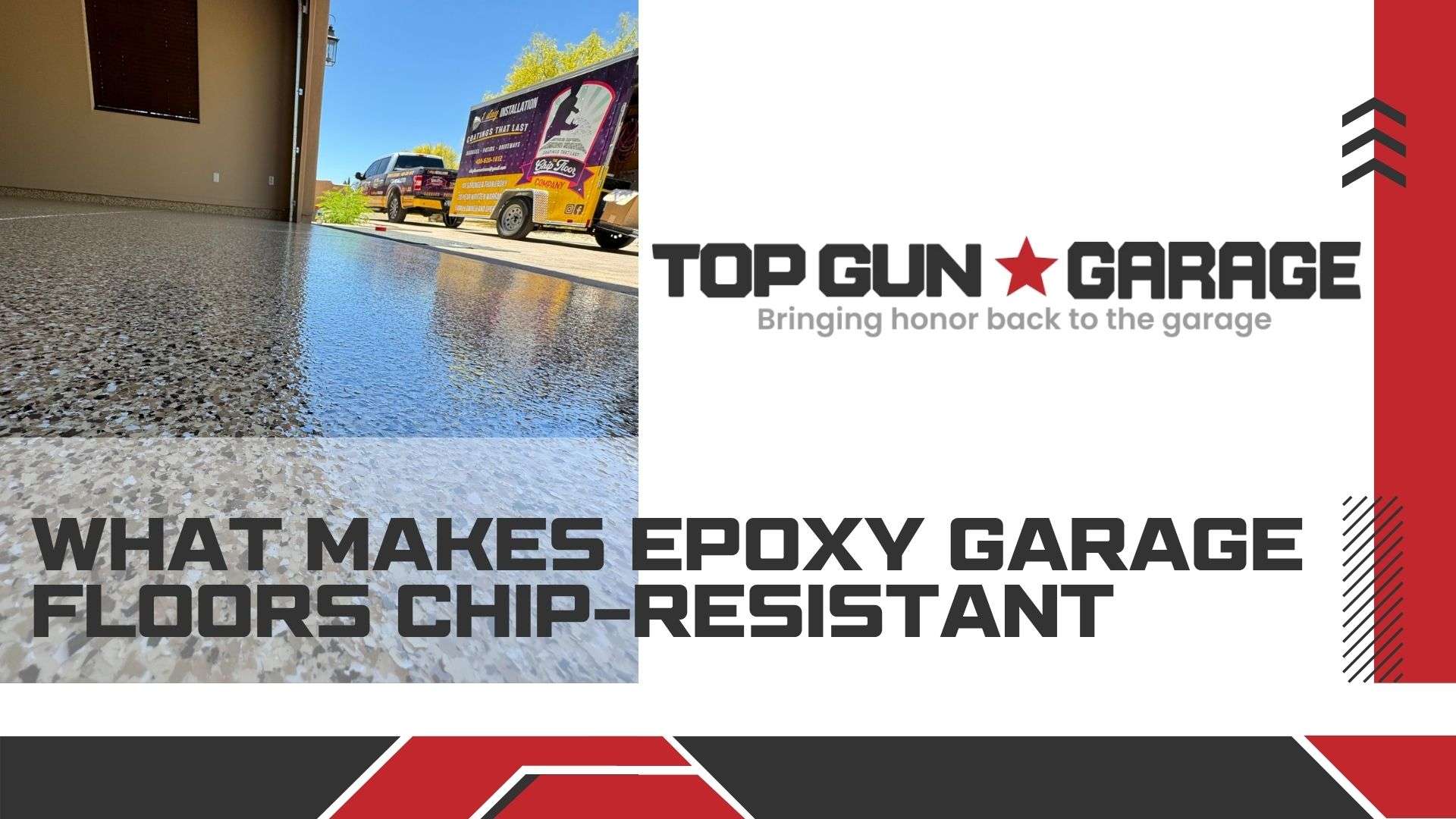
Discover what makes epoxy garage floors chip-resistant and how to maintain your durable flooring. Learn more about epoxy coatings at Top Gun Garage in Naples, FL (239)488-7000.
Concrete cracks. Paint peels. But resin-based coatings transform garage surfaces into shields that laugh at oil spills and dropped toolboxes. At Top Gun Garage, we’ve seen how proper installations in Naples homes withstand decades of abuse while cheaper options crumble in months.
The secret lies in chemistry. High-quality coatings chemically fuse with concrete, creating a bond stronger than most adhesives. This fusion prevents chips caused by impacts or temperature shifts. Surface preparation matters just as much – skip the grinding step, and your floor becomes a ticking time bomb.
Professional application techniques ensure uniform thickness and proper curing. DIY kits often fail because uneven layers create weak spots. Environmental factors like humidity during installation also determine whether your coating becomes armor or art supplies.
Key Takeaways
Chemical bonding prevents separation between coating and concrete
Surface grinding creates critical adhesion for long-term performance
Professional-grade materials withstand heavy impacts better than retail products
Proper curing time ensures maximum hardness development
Multi-layer systems distribute stress across the surface
Understanding Epoxy Floor Coatings and Their Properties
Industrial-strength protection starts at the molecular level. Resin-based systems combine science and practicality to outlast traditional floor treatments.
Core Components and Reactions
Every quality floor coating begins with two elements: resin and hardener. When mixed, they trigger an exothermic reaction called curing. This transforms the liquid blend into a rigid polymer with three key traits:
Denser molecular structure than raw concrete
Flexibility to absorb sudden impacts
Non-porous finish that blocks contaminants
Adhesion Science Explained
Properly applied epoxy coatings don’t just sit on concrete – they become part of it. The liquid mixture seeps into microscopic pores during application. As it hardens, mechanical interlocks form between the materials. Simultaneously, polar groups in the epoxy create chemical bonds with the concrete’s minerals.
Thicker applications provide better load distribution. However, improper curing temperatures can weaken these connections. Ideal conditions allow gradual hardening, letting the material achieve its maximum tensile strength.
Factors Contributing to Epoxy Floor Durability
Resilient surfaces require strategic engineering. Two critical elements determine how well your floor handles daily stress: application depth and chemical defenses. These factors work together to create lasting defense mechanisms against common threats.
Role of Material Thickness
Thicker layers act like shock absorbers for your floor. When tools drop or heavy objects roll across the surface, ample material depth spreads impact energy across a wider area. This prevents concentrated force from breaking through the protective barrier.
Quality products contain 85-100% volume solids. These formulas leave minimal evaporation during curing, maintaining their designed thickness. Thin applications from low-solids mixtures (under 40%) crumble faster under pressure.
Chemical and Wear Resistance
Advanced formulas battle multiple enemies simultaneously. Cross-linked polymers form tight molecular networks that repel oil, antifreeze, and cleaning agents. Specially added modifiers boost specific defenses:
UV blockers prevent sun damage
Flex agents absorb vibration
Scratch inhibitors reduce surface marks
This multi-layered approach ensures protection evolves with your needs. Properly cured systems handle years of foot traffic and equipment movement without breaking down.
Performance Under Real-World Garage Conditions
Your garage faces daily battles against forces most floor coverings can’t handle. From scorching tires to rolling tool chests, surfaces need armor-like protection that adapts to real-life demands.
Impact of Hot Tire Pickup and Heavy Traffic
Parking a car with warm tires creates a hidden threat. As rubber cools, it contracts and grips surfaces like industrial-strength glue. Inferior coatings tear free in sticky patches, leaving ugly bald spots. Premium systems combat this through:
Heat-resistant formulas that maintain flexibility
Deep concrete penetration during application
Multi-layer construction distributing stress
Constant vehicle movement adds another challenge. Each entry/exit applies 500-800 pounds of focused pressure on tire contact points. Robust coatings absorb these loads without developing fatigue cracks.
Handling Everyday Wear and Tear
Dragging equipment across your floor acts like sandpaper over time. Quality surfaces shrug off abrasion through hardened topcoats containing:
Quartz aggregates for scratch resistance
Polymer networks absorbing impact energy
Seamless finishes eliminating weak joints
Dropped tools test the system’s shock absorption. Properly installed coatings flex slightly on impact, then rebound without permanent marks. This dynamic response keeps surfaces intact through years of active use.
Surface Preparation and Professional Application
The foundation of a durable floor starts long before the coating touches the ground. Proper bonding requires meticulous attention to the concrete’s condition and environmental factors. Skipping these steps risks premature failure, even with premium materials.
Importance of Concrete Condition
Your existing surface must be free of grease, cracks, and moisture. Professionals use diamond grinding to open pores in the concrete, creating a texture that resembles coarse sandpaper. This texture allows coatings to grip tightly through mechanical adhesion.
Moisture levels matter more than you might think. Concrete exceeding 4-5% moisture content causes bubbling and peeling over time. Installers test surfaces with specialized meters to ensure optimal conditions before applying epoxy.
Installation Techniques and Expertise
Timing and precision separate amateur results from professional-grade finishes. Temperature fluctuations during application alter curing rates, leading to uneven hardness. Experts monitor humidity and adjust mixing ratios to match your garage’s climate.
Multi-layer systems require strategic timing between coats. Too soon, and layers blend improperly. Too late, and adhesion weakens. Proper tool selection ensures even coverage without thin spots that invite chipping.
Maintenance Tips for Longevity and Protection
Preserving your floor’s pristine condition requires smart habits that complement its durable design. While these surfaces handle heavy use better than traditional options, simple care routines amplify their lifespan and visual appeal.
Routine Cleaning Practices
Daily sweeping makes a bigger difference than you might expect. Grit and sand act like tiny blades underfoot, slowly scuffing surfaces over weeks of use. A soft-bristle broom captures debris without scratching.
For deeper cleaning, mix warm water with pH-neutral soap. Avoid citrus-based cleaners or vinegar solutions – their acidic nature degrades protective layers. Blot spills immediately, especially oil or chemical drips that could penetrate if left unattended.
Use microfiber mops for streak-free drying
Place walk-off mats at entry points
Apply automotive-grade wax quarterly
Furniture protection matters year-round. Attach felt pads to chair legs and workbench feet. When moving heavy items, lift rather than drag them across the surface.
Inspect your floor seasonally for hairline cracks or dull spots. Professional resealing every 2-3 years refreshes the top layer’s protective qualities. This preventive approach saves money compared to major repairs down the road.
Environmental Influences on Epoxy Coating Longevity
Environmental conditions play a critical role in how well protective systems bond with concrete floors. Temperature shifts and moisture levels directly impact both installation success and long-term performance.
Thermal Stress and Material Response
Daily temperature swings challenge protective layers. When surfaces heat and cool, coatings expand and contract at different rates than concrete. Over time, this mismatch creates micro-fractures that weaken the system’s integrity.
Extreme heat accelerates wear patterns near garage doors. Cold snaps make materials brittle, reducing impact absorption. Properly formulated systems balance flexibility with rigidity to handle these changes.
Humidity’s Hidden Impact
Moisture levels during application determine curing quality. High humidity slows chemical reactions, leaving surfaces tacky. Low humidity causes premature hardening before bonds fully develop.
Seasonal changes test installed systems differently. Summer moisture seeps into tiny gaps, while winter dryness causes subtle shrinkage. Multi-layer applications compensate by distributing stress across varying depths.
Unlike polyaspartic alternatives, resin-based systems require stricter climate control during installation. Professionals monitor weather forecasts to schedule projects during stable conditions, ensuring optimal cross-linking for durable results.
Comparison with Alternative Garage Floor Coatings
Modern protective systems offer distinct solutions for different needs. Understanding material properties helps match the right technology to your garage’s demands. Performance and appearance vary widely across available options.
Epoxy Versus Polyaspartic Performance
Polyaspartic coatings provide four times greater strength than basic resin-based systems. Their enhanced flexibility reduces cracking from thermal shifts. However, rapid curing demands precise application timing – a challenge for DIY projects.
Professional-grade options share similarities. Both high-quality resin and polyaspartic systems contain 85-100% solids for optimal thickness. The choice depends on your priorities:
Speed: Polyaspartic sets in hours vs days
Durability: Both resist chips when properly installed
Cost: Advanced formulas carry higher price tags
Customization and Aesthetic Options
Visual appeal matters as much as function. Decorative flakes add texture while hiding minor imperfections. Metallic pigments create depth under lighting, transforming utilitarian spaces.
Color options range from practical neutrals to bold statements. Textured finishes improve traction without compromising cleanability. Some systems allow combining multiple effects for truly unique designs.
Key Factors Behind Chip-Resistance
Achieving lasting protection for concrete surfaces involves precise science and skilled execution. The right combination of materials and methods creates an unyielding barrier against daily wear. At Top Gun Garage, we’ve refined installation processes that prevent surface damage through strategic technical approaches.
Insights From Installation Experts
Surface preparation determines 60% of a coating’s success. Our team uses industrial grinders to create optimal texture for mechanical bonding. Without this step, even premium formulas risk peeling when subjected to heavy impacts.
Material handling proves equally critical. Precise mixing ratios activate chemical reactions that build tensile strength. Temperature-controlled application spaces prevent premature curing, ensuring seamless integration with your existing floors.
Three elements work in tandem for chip-resistant results:
Deep concrete penetration creates anchor points
Consistent layer thickness distributes stress
Climate-adjusted curing prevents weak spots
Professional installers adapt techniques to your space’s unique needs. High-traffic areas receive extra reinforcement, while decorative finishes maintain protective qualities. This tailored approach eliminates vulnerabilities that cause premature tear or surface degradation.
Enhancing Garage Design and Functionality
Transform your garage into a polished extension of your home through modern surface solutions. High-performance coatings elevate spaces beyond basic utility, blending practical durability with customizable style.
Aesthetic Benefits of Protective Coatings
Glossy finishes create visual depth while amplifying natural light. Lighter tones reflect 300% more illumination than bare concrete, reducing the need for extra fixtures. This brightness transforms cluttered storage areas into welcoming multipurpose rooms.
Utilizing Decorative Elements for Modern Appeal
Personalize your space with design-forward features that withstand heavy use:
Textured quartz blends improve traction in work zones
Custom stenciling patterns define activity areas
Strategic color selection serves dual purposes. Neutral grays hide dirt between cleanings, while bold accents complement your home’s exterior palette. Professional installers help balance these elements for cohesive results.
Seamless surfaces maintain sleek lines that traditional tiles can’t match. Integrated baseboard designs prevent dust accumulation in corners. These details turn overlooked spaces into functional showpieces that impress guests and increase home value.
Dedicated Contact Information and Service Overview
Protecting your garage’s surface requires more than just quality materials—it demands expert application. Proper techniques transform durable products into lasting solutions that withstand daily challenges. For homeowners seeking reliable results, professional installation bridges the gap between product potential and real-world performance.
About Top Gun Garage in Naples FL
Our Naples-based team specializes in epoxy garage floor systems designed for Southwest Florida’s unique climate. With 15 years of local experience, we’ve perfected surface preparation methods that ensure coatings bond securely to concrete. Our process includes moisture testing, diamond grinding, and climate-controlled application tailored to your space.
How to Reach Us at (239) 488-7000
Ready to upgrade your garage flooring? Call (239) 488-7000 for a free consultation. We’ll assess your needs, recommend optimal protection strategies, and schedule installations around your timeline. Serving Collier County homeowners since 2009, we combine technical expertise with personalized service for floors that perform as good as they look.
 Skip to content