Epoxy flooring has revolutionized the way we think about durable, long-lasting surfaces, particularly in garages, warehouses, and commercial spaces. Among the most fascinating developments in epoxy technology is the emergence of self-healing properties that allow minor scratches and surface imperfections to repair themselves over time. Understanding what makes epoxy self-healing in minor scratches requires delving into the sophisticated chemistry and engineering behind these advanced coating systems.
The concept of self-healing materials might sound like science fiction, but it’s grounded in real scientific principles that have been refined over decades of research and development. When we examine epoxy self-healing properties, we’re looking at a complex interplay of polymer chemistry, molecular engineering, and innovative additive technologies that work together to create surfaces capable of autonomous repair.
Traditional epoxy coatings, while incredibly durable and resistant to many forms of damage, have always been susceptible to scratches, chips, and minor surface abrasions. These imperfections not only affect the aesthetic appeal of the flooring but can also compromise the protective barrier that epoxy provides to the underlying substrate. The development of self-healing epoxy represents a significant leap forward in addressing these limitations.
The self-healing mechanism in epoxy systems operates through several different approaches, each with its own advantages and applications. Some systems rely on encapsulated healing agents that are released when damage occurs, while others utilize thermoplastic additives that can flow and fill minor scratches when activated by heat or other environmental factors. More advanced systems incorporate shape-memory polymers or reversible chemical bonds that allow the material to literally remember its original form and return to it when conditions are right.
For property owners, contractors, and facility managers, understanding these self-healing capabilities is crucial for making informed decisions about flooring investments. The technology not only extends the lifespan of epoxy installations but also reduces maintenance requirements and helps preserve the professional appearance of floors in high-traffic environments. As we explore the science behind what makes epoxy self-healing in minor scratches, we’ll uncover the remarkable engineering that makes this seemingly magical property possible.
Key Takeaways
Microcapsule Technology: Self-healing epoxy systems often incorporate microscopic capsules containing healing agents that rupture when scratches occur, releasing materials that polymerize to fill and repair the damage automatically.
Thermoplastic Additives: Specialized thermoplastic polymers mixed into epoxy formulations can soften and flow when exposed to ambient heat, allowing them to migrate into scratches and restore surface continuity.
Shape Memory Polymers: Advanced epoxy systems utilize polymers with molecular memory that can return to their original configuration when triggered by specific environmental conditions like temperature or humidity changes.
Reversible Chemical Bonds: Some self-healing mechanisms rely on dynamic covalent bonds that can break and reform, allowing the polymer network to rearrange and heal minor damage at the molecular level.
Environmental Activation: Most self-healing processes require specific environmental triggers such as heat, moisture, or UV light to activate the repair mechanisms effectively.
Scratch Depth Limitations: Self-healing properties are typically effective for surface-level scratches and minor abrasions but may not address deeper gouges or cuts that penetrate significantly into the coating thickness.
Time-Dependent Healing: The self-repair process is not instantaneous and may take hours to days depending on environmental conditions, scratch severity, and the specific healing mechanism employed.
Performance Durability: Self-healing capabilities can diminish over time as healing agents are consumed or as the polymer matrix ages, though properly formulated systems maintain effectiveness for years under normal conditions.
Understanding the Science Behind Self-Healing Epoxy Technology
The foundation of self-healing epoxy technology lies in sophisticated polymer chemistry that goes far beyond traditional coating formulations. At its core, the science involves creating a polymer matrix that can detect damage and initiate repair processes automatically. This requires careful engineering of the molecular structure to incorporate healing mechanisms that remain dormant until activated by specific triggers.
The most fundamental aspect of what makes epoxy self-healing in minor scratches is the integration of responsive materials within the polymer network. These materials are designed to remain stable under normal conditions but become active when the coating experiences damage. The activation can occur through various mechanisms, including mechanical stress, exposure to air, temperature changes, or chemical reactions triggered by the damage event itself.
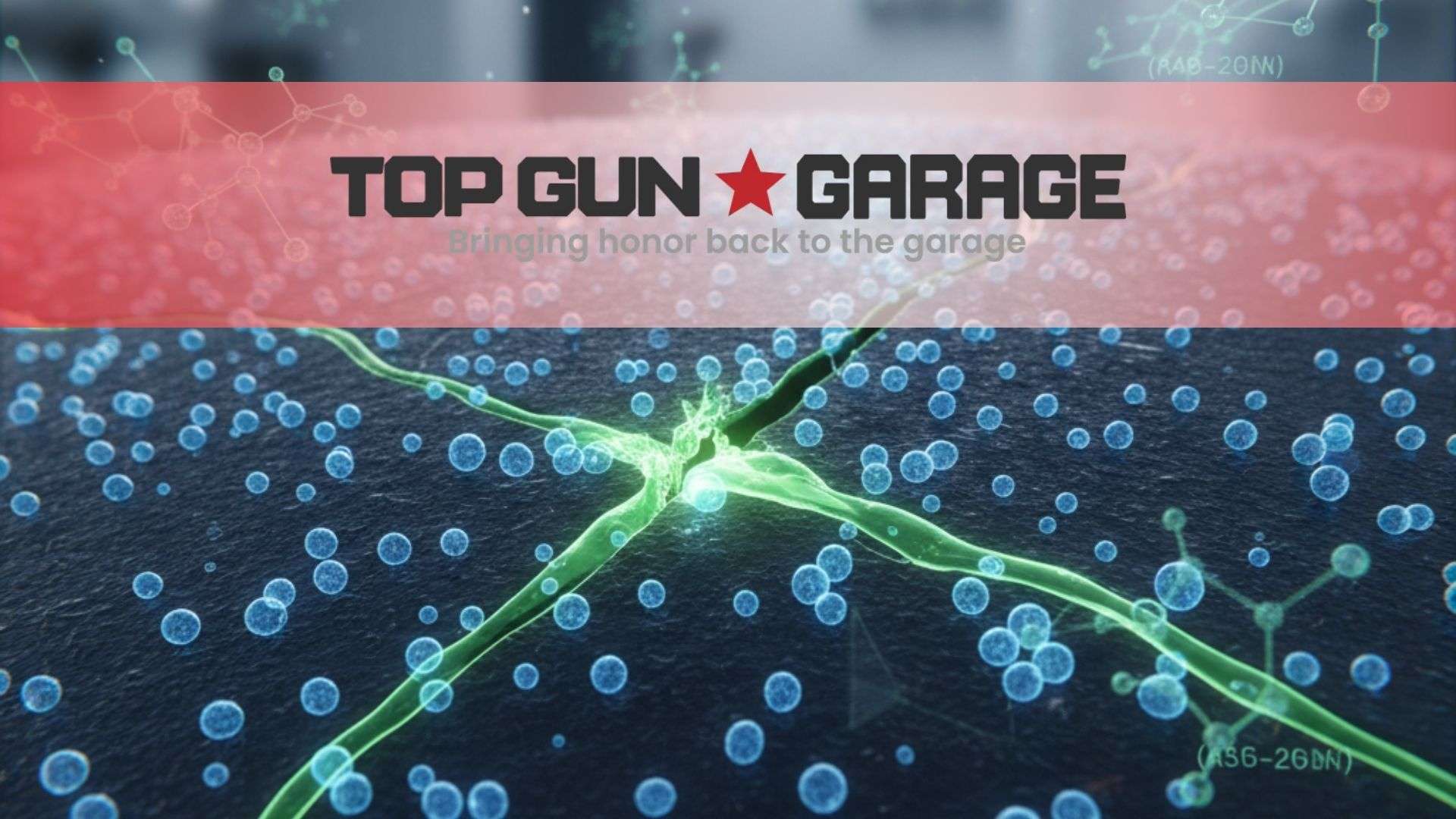
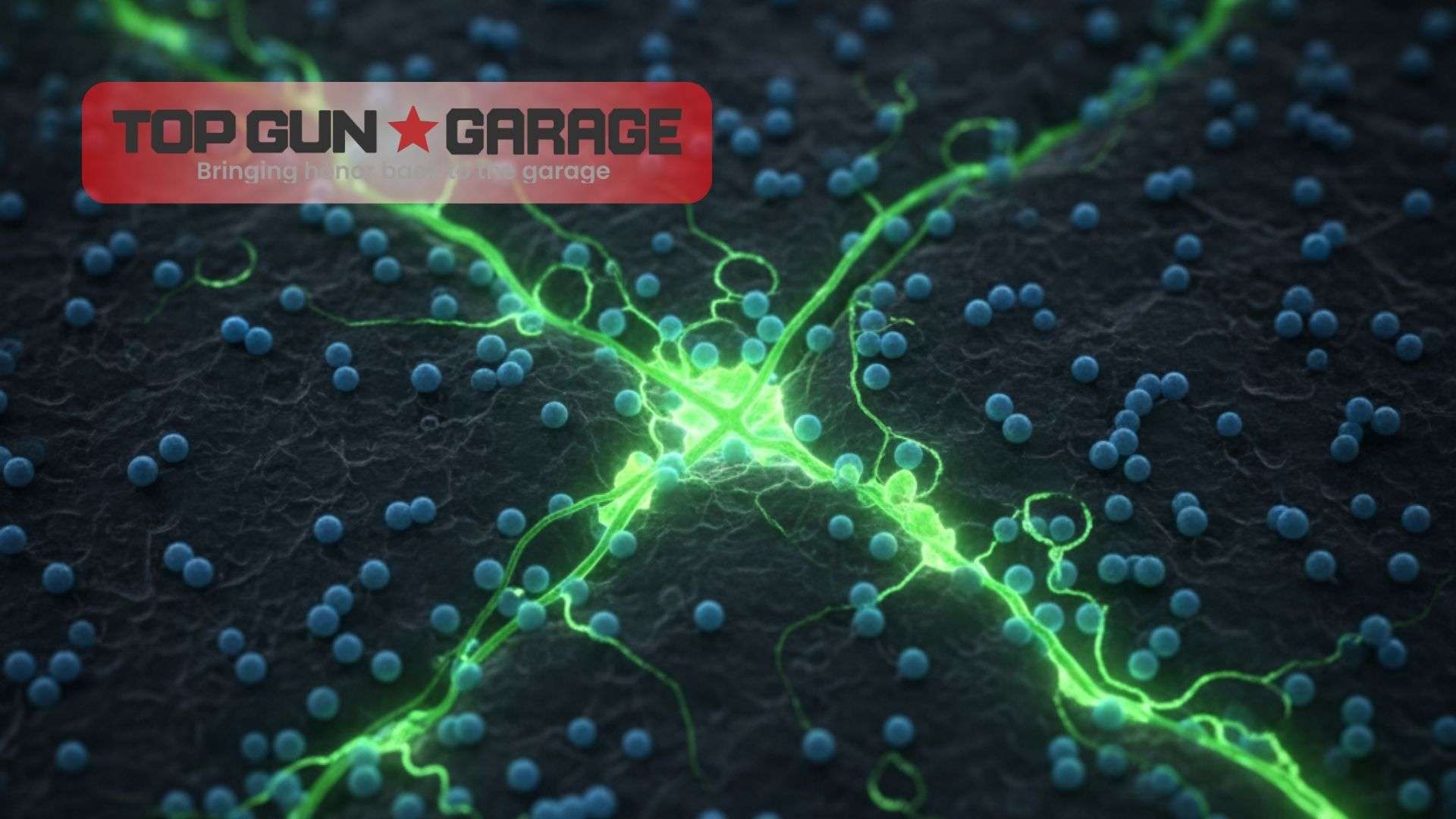
One of the primary approaches involves the use of microcapsules containing healing agents dispersed throughout the epoxy matrix. These capsules, typically ranging from 10 to 200 micrometers in diameter, are designed to rupture when a crack or scratch propagates through the coating. Upon rupture, the healing agent is released directly into the damaged area, where it can polymerize or react with other components to form new polymer chains that bridge the gap created by the damage.
The chemistry of the healing agents themselves is crucial to the effectiveness of the system. Common healing agents include monomers that can polymerize when exposed to air or catalysts, low-viscosity polymers that can flow into cracks and cure, or reactive compounds that form crosslinks with the existing polymer matrix. The selection of healing agents depends on the specific application requirements, environmental conditions, and desired healing speed.
Another critical component of self-healing systems is the catalyst or initiator that triggers the healing reaction. These catalysts can be incorporated into separate microcapsules, embedded in the polymer matrix, or designed to be activated by the damage event itself. The timing and efficiency of catalyst activation directly impact the speed and completeness of the healing process.
Microcapsule-Based Healing Mechanisms
Microcapsule technology represents one of the most widely researched and commercially viable approaches to creating self-healing epoxy systems. This method involves embedding millions of microscopic capsules throughout the epoxy matrix, each containing a carefully formulated healing agent. When a scratch or crack propagates through the coating, it inevitably encounters and ruptures some of these capsules, releasing their contents directly into the damaged area.
The engineering of effective microcapsules requires precise control over several critical parameters. The capsule wall material must be strong enough to survive the mixing and curing processes during epoxy application, yet brittle enough to rupture reliably when subjected to the mechanical stress of crack propagation. Common capsule wall materials include urea-formaldehyde resins, melamine-formaldehyde polymers, and various polymer shells that can be tuned for specific rupture characteristics.
The size distribution of microcapsules is another crucial factor in system performance. Capsules that are too large may create weak points in the coating or be visible to the naked eye, compromising the aesthetic quality of the finish. Conversely, capsules that are too small may not contain sufficient healing agent to effectively repair scratches. Optimal systems typically employ capsules in the 50-150 micrometer range, providing a good balance between healing capacity and coating integrity.
The healing agent contained within the capsules must meet several demanding requirements. It must remain stable during long-term storage, be compatible with the epoxy matrix, have appropriate viscosity to flow into scratches, and be capable of forming strong bonds with the surrounding polymer. Common healing agents include dicyclopentadiene (DCPD), various epoxy resins, and specialized monomers that can undergo ring-opening metathesis polymerization (ROMP) when exposed to catalysts.
The activation mechanism for microcapsule-based systems often relies on Grubbs’ catalyst or similar organometallic compounds that can initiate polymerization of the healing agent. These catalysts may be dispersed throughout the polymer matrix or contained in separate microcapsules that rupture simultaneously with the healing agent capsules. The dual-capsule approach provides better control over the healing reaction but requires more complex formulation and processing.
One of the significant advantages of microcapsule-based healing is that it can provide multiple healing events in the same area, as long as sufficient capsules remain intact. However, each healing event consumes some of the available capsules, so the system’s capacity for repeated healing gradually diminishes over time. Research continues into developing systems with higher capsule densities and more efficient healing agents to maximize the number of possible healing cycles.
Thermoplastic and Shape Memory Polymer Integration
An alternative approach to achieving self-healing properties in epoxy systems involves the integration of thermoplastic polymers and shape memory materials that can respond to environmental stimuli. Unlike microcapsule systems that rely on stored healing agents, these approaches utilize the inherent properties of specialized polymers to enable healing through molecular mobility and reformation of the polymer network.
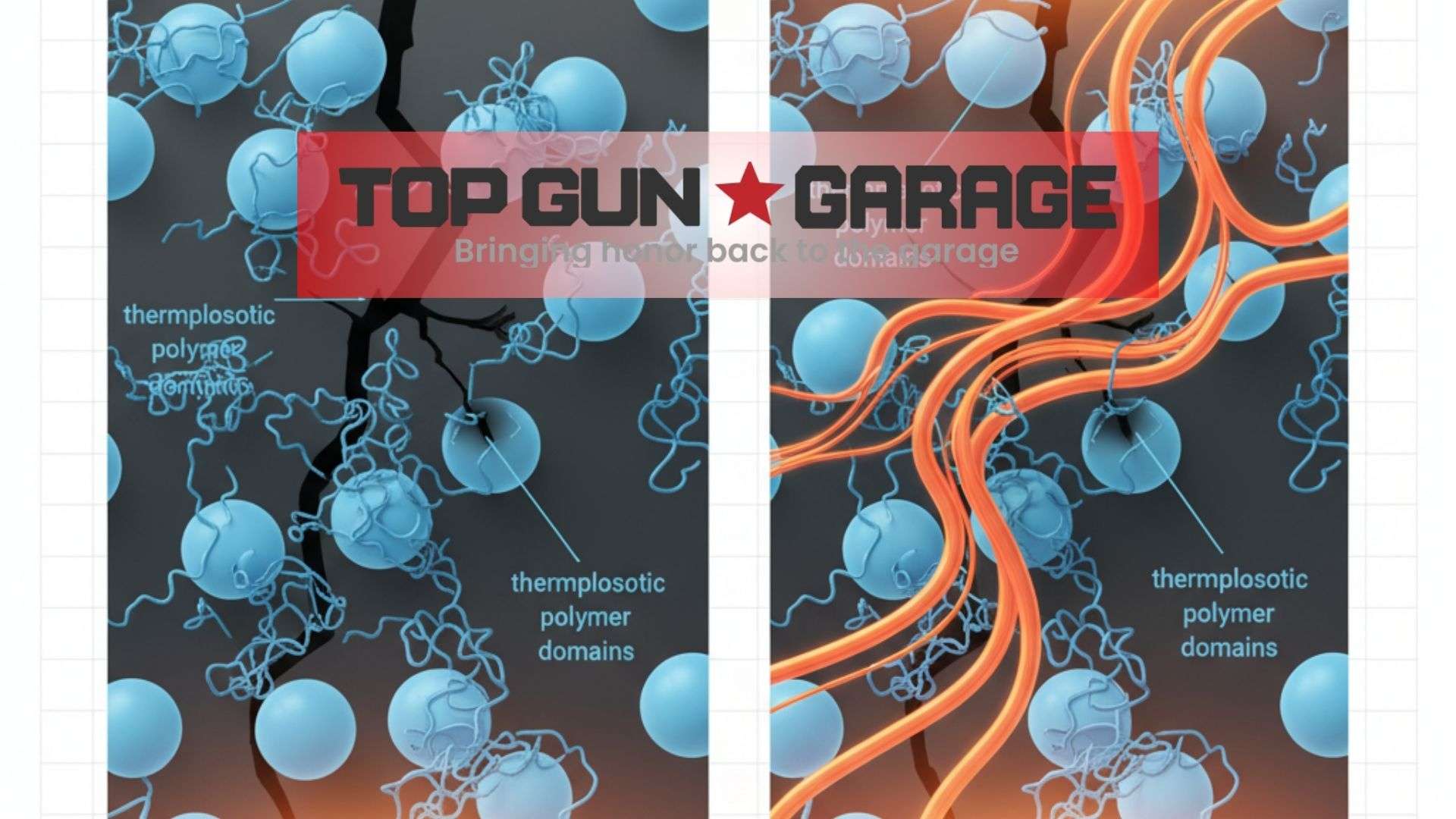
Thermoplastic additives work by creating regions within the epoxy matrix that can soften and become mobile when exposed to elevated temperatures. These thermoplastic domains remain solid and integrated with the epoxy network under normal conditions but can flow and fill scratches when activated by heat. The healing process occurs as the softened thermoplastic material migrates into the damaged area and re-solidifies upon cooling, effectively bridging the gap created by the scratch.
The selection of appropriate thermoplastic materials is critical for achieving effective healing while maintaining the overall performance characteristics of the epoxy coating. The thermoplastic must have a glass transition temperature that allows activation under realistic service conditions without compromising the coating’s thermal stability. Common choices include polyethylene-co-methacrylic acid (EMAA) ionomers, thermoplastic polyurethanes, and various block copolymers that can be tailored for specific temperature responses.
Shape memory polymers represent an even more sophisticated approach to self-healing, utilizing materials that can remember and return to a predetermined shape when triggered by specific stimuli. In the context of epoxy coatings, shape memory polymers can be programmed to maintain a smooth, continuous surface as their “remembered” state. When scratches occur, the application of appropriate stimuli causes the polymer to attempt to return to its original configuration, effectively healing the surface damage.
The programming of shape memory behavior involves carefully controlling the polymer’s molecular architecture and crosslinking density. Temporary shapes (including scratched or damaged states) are maintained by physical or chemical constraints that can be overcome when the appropriate stimulus is applied. The stimulus might be heat, specific wavelengths of light, changes in pH, or exposure to particular solvents or vapors.
One of the advantages of thermoplastic and shape memory approaches is their potential for multiple healing cycles. Unlike microcapsule systems that consume healing agents with each repair event, these systems can theoretically heal the same area repeatedly as long as the underlying polymer structure remains intact. However, repeated healing cycles may gradually reduce the effectiveness of the system as the polymer network experiences fatigue or degradation.
The integration of these smart polymers into epoxy systems requires careful attention to compatibility and processing conditions. The healing polymers must be dispersed uniformly throughout the matrix without significantly compromising the mechanical properties, chemical resistance, or appearance of the coating. This often involves specialized mixing techniques, controlled curing schedules, and precise formulation to achieve optimal performance.
Chemical Bond Reformation and Molecular Healing
At the most fundamental level, some self-healing epoxy systems operate through the reformation of chemical bonds at the molecular scale. This approach involves incorporating reversible or dynamic chemical bonds into the polymer network that can break and reform in response to damage or environmental stimuli. The result is a material that can literally repair itself at the molecular level, restoring both structural integrity and surface continuity.
Dynamic covalent bonds are at the heart of many molecular healing systems. These bonds can undergo reversible reactions under specific conditions, allowing the polymer network to rearrange and heal damage. Common examples include Diels-Alder reactions, disulfide bonds, and hydrogen bonding networks that can be disrupted and reformed through temperature changes, pH variations, or exposure to specific chemicals.
The Diels-Alder reaction is particularly attractive for self-healing applications because it is thermally reversible and can occur multiple times without degradation. In epoxy systems incorporating Diels-Alder chemistry, heating the material above a certain temperature causes the bonds to break, allowing polymer chains to move and rearrange. Upon cooling, the bonds reform, potentially in new configurations that eliminate cracks or scratches.
Hydrogen bonding represents another mechanism for molecular-level healing. While individual hydrogen bonds are relatively weak, networks of hydrogen bonds can provide significant cohesive strength. When damage occurs, broken hydrogen bonds can reform as polymer chains move and reorient. This type of healing can occur at relatively low temperatures and may even happen spontaneously under ambient conditions.
The incorporation of healing chemistry into epoxy systems requires careful molecular design to ensure that the reversible bonds don’t compromise the overall performance of the coating. The density and distribution of dynamic bonds must be optimized to provide healing capability while maintaining adequate mechanical properties, chemical resistance, and durability. Too many reversible bonds can make the material too soft or unstable, while too few may not provide sufficient healing capacity.
One of the challenges in molecular healing systems is controlling the conditions required for bond reformation. The healing process typically requires some form of activation energy, whether thermal, photochemical, or chemical. The system must be designed so that healing can occur under realistic service conditions without requiring extreme temperatures or harsh chemicals that might damage the surrounding material or environment.
Research into molecular healing mechanisms continues to evolve, with new chemistries and approaches being developed regularly. Recent advances include the use of metal-ligand coordination bonds, supramolecular assemblies, and bio-inspired healing mechanisms that mimic natural repair processes. These emerging technologies hold promise for creating even more effective and versatile self-healing epoxy systems in the future.
Environmental Factors and Healing Activation
The effectiveness of self-healing epoxy systems is heavily dependent on environmental conditions that influence the activation and progression of healing mechanisms. Understanding these environmental factors is crucial for both the design of effective self-healing systems and the optimization of healing performance in real-world applications. Temperature, humidity, chemical exposure, and even light conditions can all play significant roles in determining how well and how quickly healing occurs.
Temperature is perhaps the most critical environmental factor affecting epoxy self-healing properties. Most healing mechanisms are thermally activated to some degree, whether through the softening of thermoplastic domains, the acceleration of chemical reactions, or the activation of shape memory responses. The relationship between temperature and healing rate typically follows Arrhenius kinetics, with healing occurring more rapidly at elevated temperatures.
However, the temperature requirements for healing must be balanced against the service conditions of the epoxy coating. Systems that require very high temperatures for activation may not be practical for applications where such temperatures are never reached under normal use. Conversely, systems that are too sensitive to temperature may experience unwanted healing or softening under normal service conditions, potentially compromising the coating’s performance.
Humidity and moisture content can also significantly influence healing behavior. Some healing mechanisms rely on moisture to activate catalysts or facilitate chemical reactions. Water can act as a plasticizer, increasing polymer chain mobility and enabling healing at lower temperatures. However, excessive moisture can also interfere with certain healing chemistries or cause swelling that disrupts the healing process.
The presence of oxygen or other atmospheric gases can affect healing mechanisms that involve oxidative reactions or free radical processes. Some healing agents are designed to polymerize upon exposure to air, making oxygen availability crucial for effective healing. Other systems may be inhibited by oxygen or require inert atmospheres for optimal performance.
Chemical exposure from cleaning agents, solvents, or other environmental contaminants can either enhance or inhibit healing processes. Some chemicals may act as catalysts or activators for healing reactions, while others may interfere with the healing mechanism or cause degradation of the healing agents. The compatibility of healing systems with expected chemical exposures must be carefully considered during system design.
Light exposure, particularly UV radiation, can play a role in photochemically activated healing systems. Some self-healing mechanisms are designed to be triggered by specific wavelengths of light, allowing for controlled activation of healing processes. However, prolonged UV exposure can also cause degradation of polymer systems, potentially compromising long-term healing effectiveness.
For contractors and facility managers working with companies like Top Gun Garage, understanding these environmental factors is essential for maximizing the benefits of self-healing epoxy systems. Proper installation techniques, appropriate system selection for specific environmental conditions, and optimization of service conditions can all contribute to enhanced healing performance and extended coating life.
Frequently Asked Questions
How long does it take for self-healing epoxy to repair minor scratches?
The healing time for self-healing epoxy varies depending on the specific mechanism and environmental conditions, typically ranging from several hours to a few days. Microcapsule-based systems may show initial healing within hours, while complete healing can take 24-48 hours. Temperature, humidity, and scratch depth all influence healing speed.
What size scratches can self-healing epoxy actually repair?
Self-healing epoxy is most effective on surface-level scratches and minor abrasions, typically those less than 10-20 micrometers deep. Deeper gouges or cuts that penetrate significantly into the coating thickness may not heal completely and may require traditional repair methods.
Does self-healing epoxy work indefinitely, or does the healing ability diminish over time?
The healing capacity of self-healing epoxy systems gradually diminishes over time as healing agents are consumed or the polymer matrix ages. Microcapsule systems have limited healing cycles, while thermoplastic and shape memory systems may maintain effectiveness longer but can experience gradual degradation of healing efficiency.
Can self-healing epoxy repair the same area multiple times?
This depends on the healing mechanism employed. Microcapsule systems can provide multiple healing events in the same area as long as sufficient capsules remain intact. Thermoplastic and shape memory systems can theoretically heal repeatedly, while molecular healing systems may have varying capabilities for repeated repair.
What environmental conditions are needed to activate self-healing in epoxy coatings?
Most self-healing mechanisms require specific environmental triggers such as elevated temperature (typically 40-80°C), adequate humidity, or exposure to air. Some advanced systems can heal at room temperature, while others may require deliberate heating or other activation methods to initiate the repair process.
Is self-healing epoxy more expensive than traditional epoxy coatings?
Self-healing epoxy systems typically cost more initially than conventional epoxy coatings due to the sophisticated chemistry and specialized materials involved. However, the reduced maintenance requirements and extended service life can provide long-term cost benefits that offset the higher initial investment.
Can self-healing epoxy be applied over existing epoxy floors?
In many cases, self-healing epoxy can be applied as a topcoat over existing epoxy floors, provided the substrate is properly prepared and compatible. Professional assessment by experienced contractors like Top Gun Garage is recommended to ensure proper adhesion and performance of the self-healing system.
How can you tell if self-healing epoxy is actually working?
Successful healing can be observed through visual inspection, where minor scratches gradually become less visible or disappear entirely over time. More sophisticated assessment methods include microscopic examination, surface profilometry, or mechanical testing to verify that both appearance and properties have been restored.
Conclusion
Understanding what makes epoxy self-healing in minor scratches reveals the remarkable sophistication of modern polymer chemistry and materials engineering. The various mechanisms—from microcapsule technology to shape memory polymers and molecular bond reformation—represent significant advances in creating truly intelligent coating systems that can maintain their appearance and performance over extended periods.
The science behind epoxy self-healing properties demonstrates how multiple approaches can be employed to achieve autonomous repair capabilities. Whether through the release of encapsulated healing agents, the thermal activation of thermoplastic domains, or the reformation of dynamic chemical bonds, these systems offer unprecedented capabilities for maintaining coating integrity with minimal human intervention.
For property owners and facility managers, the implications of self-healing technology extend far beyond mere convenience. These advanced systems can significantly reduce maintenance costs, extend coating lifespans, and maintain professional appearances in high-traffic environments. The technology is particularly valuable in applications where regular maintenance is difficult or costly, such as large warehouse floors, industrial facilities, or residential garages.
As the technology continues to evolve, we can expect to see even more sophisticated self-healing mechanisms and improved performance characteristics. Current research into bio-inspired healing systems, advanced catalyst technologies, and multi-functional healing agents promises to deliver even more effective and versatile solutions in the future.
For those considering self-healing epoxy systems, working with experienced professionals who understand both the capabilities and limitations of these technologies is essential. Companies like Top Gun Garage, with expertise in advanced epoxy systems, can provide valuable guidance on system selection, proper installation techniques, and optimization strategies to maximize the benefits of self-healing technology. The investment in self-healing epoxy represents not just an upgrade in coating technology, but a step toward truly intelligent building materials that can adapt and respond to their environment.
Maintaining these surfaces is straightforward; knowing how to clean an epoxy floor ensures the self-healing topcoat remains free of debris that could cause deeper gouges. For those in high-moisture areas, it is vital to address garage floors stay damp issues before installation to ensure the chemical bonds form correctly. To further protect your investment, consider overhead racks to keep heavy items off the floor surface. If you are concerned about the environment, there are sustainable concrete treatments available that complement these advanced coatings. Finally, always ensure your installer understands how proper ventilation affects the curing process to achieve the best self-healing results.
 Skip to content



 The most fundamental aspect of what makes epoxy self-healing in minor scratches is the integration of responsive materials within the polymer network. These materials are designed to remain stable under normal conditions but become active when the coating experiences damage. The activation can occur through various mechanisms, including mechanical stress, exposure to air, temperature changes, or chemical reactions triggered by the damage event itself.
One of the primary approaches involves the use of microcapsules containing healing agents dispersed throughout the epoxy matrix. These capsules, typically ranging from 10 to 200 micrometers in diameter, are designed to rupture when a crack or scratch propagates through the coating. Upon rupture, the healing agent is released directly into the damaged area, where it can polymerize or react with other components to form new polymer chains that bridge the gap created by the damage.
The chemistry of the healing agents themselves is crucial to the effectiveness of the system. Common healing agents include monomers that can polymerize when exposed to air or catalysts, low-viscosity polymers that can flow into cracks and cure, or reactive compounds that form crosslinks with the existing polymer matrix. The selection of healing agents depends on the specific application requirements, environmental conditions, and desired healing speed.
Another critical component of self-healing systems is the catalyst or initiator that triggers the healing reaction. These catalysts can be incorporated into separate microcapsules, embedded in the polymer matrix, or designed to be activated by the damage event itself. The timing and efficiency of catalyst activation directly impact the speed and completeness of the healing process.
The most fundamental aspect of what makes epoxy self-healing in minor scratches is the integration of responsive materials within the polymer network. These materials are designed to remain stable under normal conditions but become active when the coating experiences damage. The activation can occur through various mechanisms, including mechanical stress, exposure to air, temperature changes, or chemical reactions triggered by the damage event itself.
One of the primary approaches involves the use of microcapsules containing healing agents dispersed throughout the epoxy matrix. These capsules, typically ranging from 10 to 200 micrometers in diameter, are designed to rupture when a crack or scratch propagates through the coating. Upon rupture, the healing agent is released directly into the damaged area, where it can polymerize or react with other components to form new polymer chains that bridge the gap created by the damage.
The chemistry of the healing agents themselves is crucial to the effectiveness of the system. Common healing agents include monomers that can polymerize when exposed to air or catalysts, low-viscosity polymers that can flow into cracks and cure, or reactive compounds that form crosslinks with the existing polymer matrix. The selection of healing agents depends on the specific application requirements, environmental conditions, and desired healing speed.
Another critical component of self-healing systems is the catalyst or initiator that triggers the healing reaction. These catalysts can be incorporated into separate microcapsules, embedded in the polymer matrix, or designed to be activated by the damage event itself. The timing and efficiency of catalyst activation directly impact the speed and completeness of the healing process.
 Thermoplastic additives work by creating regions within the epoxy matrix that can soften and become mobile when exposed to elevated temperatures. These thermoplastic domains remain solid and integrated with the epoxy network under normal conditions but can flow and fill scratches when activated by heat. The healing process occurs as the softened thermoplastic material migrates into the damaged area and re-solidifies upon cooling, effectively bridging the gap created by the scratch.
The selection of appropriate thermoplastic materials is critical for achieving effective healing while maintaining the overall performance characteristics of the epoxy coating. The thermoplastic must have a glass transition temperature that allows activation under realistic service conditions without compromising the coating’s thermal stability. Common choices include polyethylene-co-methacrylic acid (EMAA) ionomers, thermoplastic polyurethanes, and various block copolymers that can be tailored for specific temperature responses.
Shape memory polymers represent an even more sophisticated approach to self-healing, utilizing materials that can remember and return to a predetermined shape when triggered by specific stimuli. In the context of epoxy coatings, shape memory polymers can be programmed to maintain a smooth, continuous surface as their “remembered” state. When scratches occur, the application of appropriate stimuli causes the polymer to attempt to return to its original configuration, effectively healing the surface damage.
The programming of shape memory behavior involves carefully controlling the polymer’s molecular architecture and crosslinking density. Temporary shapes (including scratched or damaged states) are maintained by physical or chemical constraints that can be overcome when the appropriate stimulus is applied. The stimulus might be heat, specific wavelengths of light, changes in pH, or exposure to particular solvents or vapors.
One of the advantages of thermoplastic and shape memory approaches is their potential for multiple healing cycles. Unlike microcapsule systems that consume healing agents with each repair event, these systems can theoretically heal the same area repeatedly as long as the underlying polymer structure remains intact. However, repeated healing cycles may gradually reduce the effectiveness of the system as the polymer network experiences fatigue or degradation.
The integration of these smart polymers into epoxy systems requires careful attention to compatibility and processing conditions. The healing polymers must be dispersed uniformly throughout the matrix without significantly compromising the mechanical properties, chemical resistance, or appearance of the coating. This often involves specialized mixing techniques, controlled curing schedules, and precise formulation to achieve optimal performance.
Thermoplastic additives work by creating regions within the epoxy matrix that can soften and become mobile when exposed to elevated temperatures. These thermoplastic domains remain solid and integrated with the epoxy network under normal conditions but can flow and fill scratches when activated by heat. The healing process occurs as the softened thermoplastic material migrates into the damaged area and re-solidifies upon cooling, effectively bridging the gap created by the scratch.
The selection of appropriate thermoplastic materials is critical for achieving effective healing while maintaining the overall performance characteristics of the epoxy coating. The thermoplastic must have a glass transition temperature that allows activation under realistic service conditions without compromising the coating’s thermal stability. Common choices include polyethylene-co-methacrylic acid (EMAA) ionomers, thermoplastic polyurethanes, and various block copolymers that can be tailored for specific temperature responses.
Shape memory polymers represent an even more sophisticated approach to self-healing, utilizing materials that can remember and return to a predetermined shape when triggered by specific stimuli. In the context of epoxy coatings, shape memory polymers can be programmed to maintain a smooth, continuous surface as their “remembered” state. When scratches occur, the application of appropriate stimuli causes the polymer to attempt to return to its original configuration, effectively healing the surface damage.
The programming of shape memory behavior involves carefully controlling the polymer’s molecular architecture and crosslinking density. Temporary shapes (including scratched or damaged states) are maintained by physical or chemical constraints that can be overcome when the appropriate stimulus is applied. The stimulus might be heat, specific wavelengths of light, changes in pH, or exposure to particular solvents or vapors.
One of the advantages of thermoplastic and shape memory approaches is their potential for multiple healing cycles. Unlike microcapsule systems that consume healing agents with each repair event, these systems can theoretically heal the same area repeatedly as long as the underlying polymer structure remains intact. However, repeated healing cycles may gradually reduce the effectiveness of the system as the polymer network experiences fatigue or degradation.
The integration of these smart polymers into epoxy systems requires careful attention to compatibility and processing conditions. The healing polymers must be dispersed uniformly throughout the matrix without significantly compromising the mechanical properties, chemical resistance, or appearance of the coating. This often involves specialized mixing techniques, controlled curing schedules, and precise formulation to achieve optimal performance.
 Temperature is perhaps the most critical environmental factor affecting epoxy self-healing properties. Most healing mechanisms are thermally activated to some degree, whether through the softening of thermoplastic domains, the acceleration of chemical reactions, or the activation of shape memory responses. The relationship between temperature and healing rate typically follows Arrhenius kinetics, with healing occurring more rapidly at elevated temperatures.
However, the temperature requirements for healing must be balanced against the service conditions of the epoxy coating. Systems that require very high temperatures for activation may not be practical for applications where such temperatures are never reached under normal use. Conversely, systems that are too sensitive to temperature may experience unwanted healing or softening under normal service conditions, potentially compromising the coating’s performance.
Humidity and moisture content can also significantly influence healing behavior. Some healing mechanisms rely on moisture to activate catalysts or facilitate chemical reactions. Water can act as a plasticizer, increasing polymer chain mobility and enabling healing at lower temperatures. However, excessive moisture can also interfere with certain healing chemistries or cause swelling that disrupts the healing process.
The presence of oxygen or other atmospheric gases can affect healing mechanisms that involve oxidative reactions or free radical processes. Some healing agents are designed to polymerize upon exposure to air, making oxygen availability crucial for effective healing. Other systems may be inhibited by oxygen or require inert atmospheres for optimal performance.
Chemical exposure from cleaning agents, solvents, or other environmental contaminants can either enhance or inhibit healing processes. Some chemicals may act as catalysts or activators for healing reactions, while others may interfere with the healing mechanism or cause degradation of the healing agents. The compatibility of healing systems with expected chemical exposures must be carefully considered during system design.
Light exposure, particularly UV radiation, can play a role in photochemically activated healing systems. Some self-healing mechanisms are designed to be triggered by specific wavelengths of light, allowing for controlled activation of healing processes. However, prolonged UV exposure can also cause degradation of polymer systems, potentially compromising long-term healing effectiveness.
For contractors and facility managers working with companies like Top Gun Garage, understanding these environmental factors is essential for maximizing the benefits of self-healing epoxy systems. Proper installation techniques, appropriate system selection for specific environmental conditions, and optimization of service conditions can all contribute to enhanced healing performance and extended coating life.
Temperature is perhaps the most critical environmental factor affecting epoxy self-healing properties. Most healing mechanisms are thermally activated to some degree, whether through the softening of thermoplastic domains, the acceleration of chemical reactions, or the activation of shape memory responses. The relationship between temperature and healing rate typically follows Arrhenius kinetics, with healing occurring more rapidly at elevated temperatures.
However, the temperature requirements for healing must be balanced against the service conditions of the epoxy coating. Systems that require very high temperatures for activation may not be practical for applications where such temperatures are never reached under normal use. Conversely, systems that are too sensitive to temperature may experience unwanted healing or softening under normal service conditions, potentially compromising the coating’s performance.
Humidity and moisture content can also significantly influence healing behavior. Some healing mechanisms rely on moisture to activate catalysts or facilitate chemical reactions. Water can act as a plasticizer, increasing polymer chain mobility and enabling healing at lower temperatures. However, excessive moisture can also interfere with certain healing chemistries or cause swelling that disrupts the healing process.
The presence of oxygen or other atmospheric gases can affect healing mechanisms that involve oxidative reactions or free radical processes. Some healing agents are designed to polymerize upon exposure to air, making oxygen availability crucial for effective healing. Other systems may be inhibited by oxygen or require inert atmospheres for optimal performance.
Chemical exposure from cleaning agents, solvents, or other environmental contaminants can either enhance or inhibit healing processes. Some chemicals may act as catalysts or activators for healing reactions, while others may interfere with the healing mechanism or cause degradation of the healing agents. The compatibility of healing systems with expected chemical exposures must be carefully considered during system design.
Light exposure, particularly UV radiation, can play a role in photochemically activated healing systems. Some self-healing mechanisms are designed to be triggered by specific wavelengths of light, allowing for controlled activation of healing processes. However, prolonged UV exposure can also cause degradation of polymer systems, potentially compromising long-term healing effectiveness.
For contractors and facility managers working with companies like Top Gun Garage, understanding these environmental factors is essential for maximizing the benefits of self-healing epoxy systems. Proper installation techniques, appropriate system selection for specific environmental conditions, and optimization of service conditions can all contribute to enhanced healing performance and extended coating life.