Learn why epoxy thickness varies for Naples garages and understand the factors influencing epoxy coat thickness with Top Gun Garage’s expert insights.
Imagine losing nearly half your floor coating’s durability from a single oversight. Research shows a 1mm measurement error in protective layers can slash surface longevity by 40% – a critical concern for Southwest Florida properties.
Coastal environments demand specialized solutions. Humidity levels here accelerate wear patterns differently than inland regions. Foot traffic from sandy shoes and seasonal temperature swings create unique stress points most standard applications can’t handle.
Local experts emphasize tailored approaches. Factors like vehicle weight, chemical exposure from pool equipment, and even hurricane preparation needs influence ideal coating depth. One homeowner learned this the hard way when their DIY project peeled within eight months.
Proper material specification acts as your first defense against moisture intrusion and surface degradation. At Top Gun Garage, we’ve mapped how Naples’ microclimate impacts curing times and adhesion properties. Our assessments account for everything from golf cart storage to seasonal humidity spikes.
Generic floor protection systems often degrade faster in humid conditions
Professional thickness assessments prevent premature wear
Vehicle usage and environmental factors dictate application needs
Custom solutions outperform standard off-the-shelf products
Understanding Epoxy Flooring Systems
Modern protective surfaces rely on advanced chemistry to outlast conventional options. Epoxy systems form molecular bridges with concrete through covalent bonding – a process stronger than traditional paint adhesion. This creates a unified shield that withstands impacts better than surface-level coatings.
Science Meets Surface Protection
Three components work together in premium installations. A primer prepares the substrate for maximum adhesion. The base coat provides structural reinforcement through cross-linked polymers. A final sealant adds chemical resistance and UV protection. These layers adapt to temperature shifts without cracking.
Practical Advantages for Active Spaces
Non-porous surfaces prevent oil stains from seeping into concrete. Textured finishes reduce slip risks even when wet. Maintenance becomes simpler since spills wipe clean without residue. Unlike tiles or bare concrete, there are no grout lines or cracks for dirt accumulation.
Professional-grade installations account for substrate conditions and expected usage patterns. Thermal expansion capabilities ensure long-term performance in fluctuating climates. The right combination of layers creates surfaces that maintain integrity under heavy loads.
Key Factors Influencing Epoxy Thickness
Precision measurements separate temporary fixes from lasting protection. Professionals use mils (1/1000th inch) to gauge material depth during application. Fresh coatings appear thicker when wet, but solvents evaporate during curing – reducing volume by 30-50%.
Technical Considerations in Surface Applications
Concrete porosity changes material absorption rates. Dense substrates require thinner layers, while porous surfaces need extra material. Specialized tools like gauge rakes measure wet film depth during application. Infrared meters verify dry results post-cure.
Industry Insights on Material Consistency
National standards guide minimum thickness requirements, but local conditions demand adjustments. Our team uses cross-hatch application techniques to maintain even distribution. Temperature-controlled environments prevent premature drying that causes uneven surfaces.
Proper installation accounts for future wear patterns. High-traffic zones receive reinforced layers without creating tripping hazards. The right balance ensures durability while preventing material waste. This approach extends surface life through precise engineering.
Assessing Your Garage’s Concrete Substrate
Your floor’s foundation determines coating success. Southwest Florida’s unique geology creates distinct challenges for protective installations. Coastal concrete contains higher salt content and mineral deposits from local sand sources, affecting how materials bond.
Why Substrate Integrity Matters Here
Our team starts with diamond grinding to expose fresh material. This removes contaminants like sealants or oil that prevent proper adhesion. Moisture meters check humidity levels within the slab – critical in regions with 80%+ summer humidity.
Crafting the Perfect Bonding Surface
Surface profiles get measured using specialized tools. A 3-5 mil profile depth allows optimal mechanical bonding. Unfilled cracks require extra material layers, increasing total application depth. Proper preparation prevents bubbles and peeling caused by trapped moisture.
Repair compounds fill spalled areas before installation. We adjust techniques based on aggregate exposure and curing history. This attention to detail ensures uniform coverage without wasteful over-application. Your floor gets exactly what it needs – nothing less.
Local Environmental Impacts and Regulations
Living in Naples means your flooring battles salt-laden breezes and 90% summer humidity daily. These coastal conditions demand protective solutions that outperform standard options. Collier County building codes require specific material specifications for moisture-prone areas, guiding our approach to durable installations.
Weather Patterns Shape Installation Strategies
High humidity slows curing times, requiring adjusted application schedules. Thicker layers compensate for moisture interference during rainy seasons. Salt particles carried by Gulf winds accelerate wear on improperly sealed surfaces.
Summer heat causes concrete to expand, while winter cool-downs create contraction cycles. Flexible systems with thermal resistance adapt to these shifts without cracking. Our team uses formulas tested against Naples’ 12-month climate data for reliable performance.
Local regulations mandate specific vapor barrier requirements in flood-prone areas. We follow guidelines from the Naples Infrastructure Department to ensure compliance. Proper documentation protects your investment and prevents future liability issues.
Afternoon thunderstorms create tight installation windows during peak months. Strategic scheduling and rapid-cure materials maintain quality in unpredictable weather. These tailored approaches address challenges other regions never face.
Evaluating Foot Traffic and Equipment Load
Your garage floor endures more stress than you realize. Every step, wheel rotation, and stored item contributes to wear patterns that demand strategic protection. Proper surface preparation starts with understanding your unique usage habits rather than generic assumptions.
How Daily Activities Shape Protective Needs
Frequent foot movement creates distinct pressure points. Families with children’s play areas need different protection than woodworking enthusiasts. Storage racks holding power tools require thicker barriers than seasonal decoration bins. Even shoe tread patterns influence how coatings degrade over time.
Vehicle dynamics play a crucial role. Cars making sharp turns exert sideways force that thins coatings faster than straight parking. Electric vehicles’ added weight demands reinforced layers. Our team maps tire paths and high-pressure zones using laser-guided tools to customize applications.
Seasonal shifts alter requirements dramatically. Hurricane prep months bring heavy appliance movements and water exposure risks. Holiday gatherings increase foot traffic temporarily. We account for these fluctuations by designing systems that handle peak loads while maintaining year-round resilience.
Three key factors determine ideal specifications:
Weight distribution from stored equipment
Frequency of vehicle entries/exits
Surface contact types (rubber soles vs. metal tool drops)
Professional assessments prevent over-engineering or inadequate protection. We analyze scratch patterns, existing damage, and future usage plans to recommend solutions matching your lifestyle. This approach eliminates guesswork while optimizing material costs.
Application Techniques and Their Effect on Thickness
The difference between a temporary fix and lifelong protection comes down to application precision. Our technicians use industrial-grade tools to achieve military-spec accuracy in every project. Proper material distribution prevents weak zones that compromise your floor’s integrity.
Layering Methods for Flawless Results
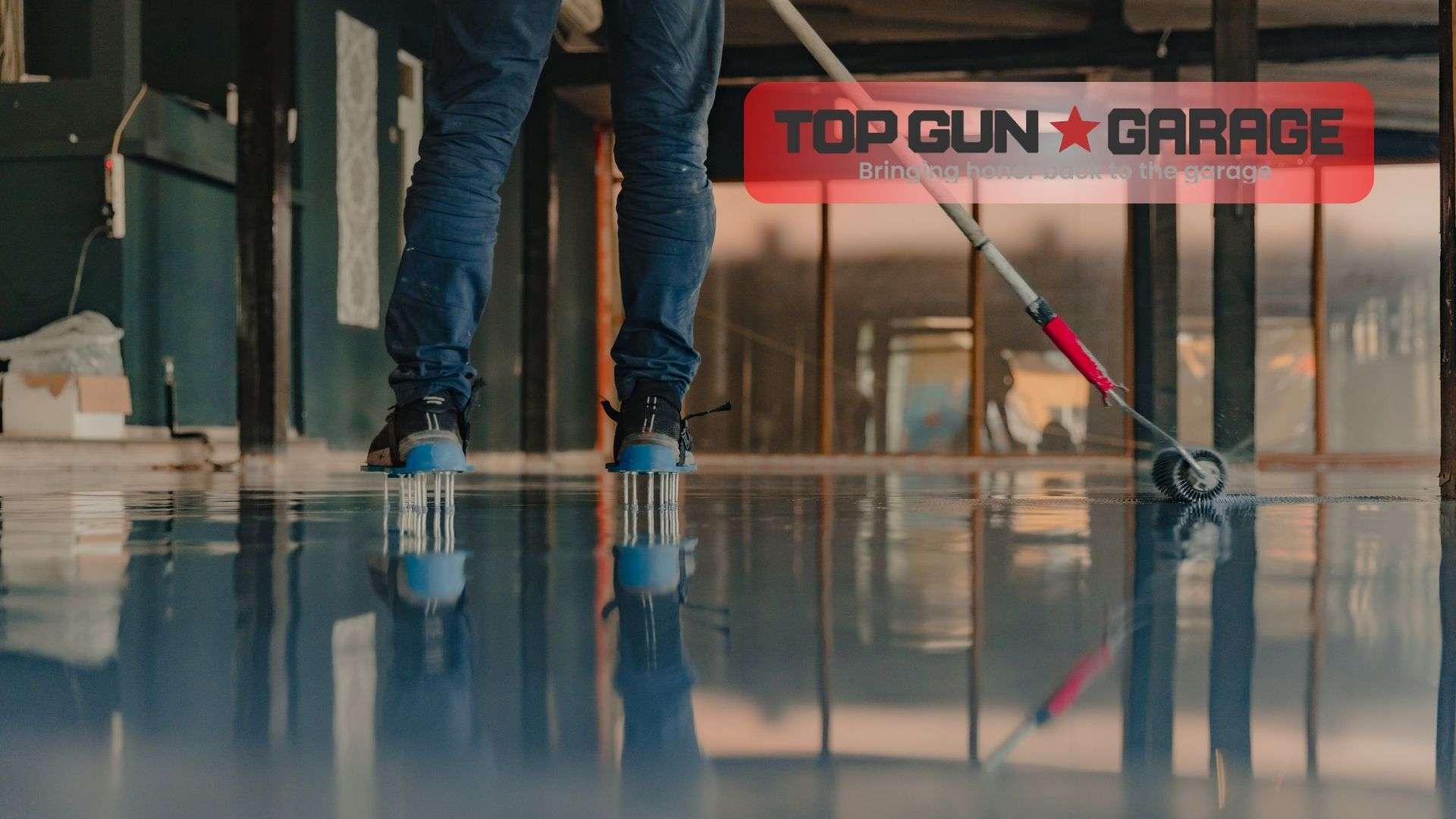
Power trowels create smooth surfaces by distributing materials evenly across large areas. We apply multiple thin coats instead of single heavy pours – this approach controls heat buildup during curing. Each layer gets timed perfectly to balance strength development and moisture resistance.
Serrated squeegees make diagonal passes that push air bubbles to the edges. Cross-hatching patterns ensure complete coverage around cracks and corners. These techniques eliminate trapped pockets that cause peeling in humid climates.
Three critical factors guide our process:
Ambient temperature during installation
Humidity levels affecting cure speed
Substrate absorption rates
Specialized gauges monitor thickness in real-time, adjusting application pressure as needed. This attention to detail delivers surfaces that withstand decades of use without uneven wear. Your floor becomes a unified shield rather than separate coatings.
Quality Assurance in Epoxy Installation
Proper installation processes determine whether your floor becomes a lasting asset or recurring expense. Certified teams combine technical expertise with rigorous protocols to deliver surfaces that meet exact specifications. This systematic approach eliminates guesswork while protecting your investment.
Adhering to Industry Standards and Local Guidelines
Every project begins with baseline measurements using digital thickness gauges. Technicians record multiple data points before applying materials. Real-time adjustments maintain consistent coverage across the entire surface.
Three-phase inspections occur during critical stages:
Substrate preparation verification
Wet film thickness checks
Post-cure performance testing
Certified professionals follow ASTM International guidelines for material applications. Local building codes dictate specific moisture barriers and cure times. Documentation includes before/after readings and compliance certificates for your records.
Precision tools prevent thin spots near edges and corners. Thermal imaging cameras detect uneven curing patterns caused by humidity. These measures ensure uniform protection without wasteful over-application.
Partnering with accredited installers guarantees manufacturer warranty validation. Regular staff training updates techniques to match evolving industry benchmarks. Your floor receives protection engineered to outlast standard installations.
Why Epoxy Thickness Varies for Naples Garages
Choosing protective systems for concrete surfaces involves balancing immediate costs against long-term performance. Southwest Florida’s combination of environmental forces and practical demands requires solutions you won’t find in generic guides. Four key elements dictate ideal material depth here:
Coastal humidity interacts with temperature swings, creating expansion cycles that test surface integrity. Sandy particles from beach access roads act like sandpaper on thin protective layers. Local building codes mandate specific moisture barriers that influence application methods.
Standard thickness recommendations often fail because they ignore:
Salt content in coastal concrete substrates
Vehicle tire patterns from frequent turning
Pool chemical storage needs
Hurricane preparation requirements
Our team evaluates your space’s unique profile using regional weather data and stress-point mapping. This approach prevents overspending on unnecessary material while ensuring critical areas receive reinforced protection. Properly engineered systems last 3x longer than generic installations despite harsh conditions.
Smart investments in tailored floor coatings eliminate recurring repair costs. You gain durable surfaces that withstand Naples’ unique challenges without compromising aesthetics. The right balance of protection and practicality keeps your space functional for decades.
Comparing Epoxy Coatings to Alternative Floor Coatings
What makes one protective layer outlast others by decades? The answer lies in material science and application flexibility. Unlike basic paints or sealers, epoxy coatings bond molecularly with concrete to create customized shields. This fusion allows precise thickness adjustments that thinner alternatives can’t match.
Standard floor coatings like acrylic paints offer temporary protection at best. Their thin layers wear down quickly under vehicle tires or chemical spills. Stains penetrate surfaces but lack structural reinforcement. Sealers provide minimal barriers that require annual reapplication in active spaces.
Three critical advantages set epoxy apart:
Buildable layers resist impacts from dropped tools
Chemical-resistant formulas block oil absorption
Flexible curing adapts to substrate movements
Polyurethane hybrids excel in airports but cost 3x more than garage-grade systems. Novolac resins suit factories but overperform for home use. The right epoxy choice balances your needs without excess expense.
Reapplying thin coatings every 2-3 years wastes time and money. Properly installed systems last 10+ years through heat waves and humidity swings. Custom thickness options target high-wear zones while maintaining seamless aesthetics.
Your garage deserves protection that evolves with your lifestyle. Epoxy coatings deliver this adaptability through science-backed engineering other solutions can’t replicate.
Adapting to Temperature and Humidity Variations
Southwest Florida’s climate tests every protective system through seasonal extremes. Coastal conditions demand solutions that adjust to environmental shifts while maintaining structural integrity.
Climate-Driven Installation Protocols
Summer humidity extends curing times, requiring modified application schedules. Winter temperature drops thicken materials, demanding specialized mixing techniques. Our team uses climate-controlled equipment to counteract these effects.
Thermal expansion cycles influence protective layer specifications. Flexible formulas prevent cracks during concrete movement. Cross-linking agents get adjusted based on real-time weather data for optimal bonding.
Three strategies ensure year-round performance:
Dynamic curing time calculations
Moisture-resistant base layers
Expansion gap allowances
These adaptations create surfaces that withstand 90°F summer days and rare winter chills equally. Your flooring maintains consistent protection without seasonal compromises.
 Skip to content