...
Top Gun Garage • Fort Myers, FL

What to Do When Garage Floors Stay Damp: Expert Solutions

|||
Dealing with a persistently damp garage floor can be one of the most frustrating challenges homeowners face. Whether you’ve noticed puddles forming after rain, condensation that never seems to dry, or a musty smell that permeates your garage space, understanding what to do when garage floors stay damp is crucial for maintaining both your property’s value and your family’s health. A damp garage floor isn’t just an inconvenience—it’s a sign of underlying issues that can lead to serious structural damage, mold growth, and deterioration of stored items if left unaddressed. The complexity of garage floor moisture problems stems from multiple potential causes working individually or in combination. Poor drainage, inadequate ventilation, foundation issues, plumbing leaks, and even seasonal weather patterns can all contribute to persistent dampness. What makes this particularly challenging is that garage floors are typically constructed from concrete, a porous material that naturally absorbs and retains moisture under certain conditions. This absorption can create a cycle where dampness persists long after the initial moisture source has been addressed. Many homeowners assume that a damp garage floor is simply a fact of life, especially in regions with high humidity or frequent precipitation. However, this resignation often leads to more significant problems down the road. Persistent moisture can compromise the structural integrity of your garage’s foundation, create ideal conditions for harmful mold and mildew growth, and even affect the air quality in adjacent living spaces. Additionally, the financial impact of ignoring damp garage floor issues can be substantial, as moisture damage often requires extensive repairs that could have been prevented with proper intervention. The good news is that effective damp garage floor solutions exist for virtually every situation. From simple ventilation improvements to comprehensive waterproofing systems, the right approach depends on accurately identifying the root cause of your moisture problem. Professional flooring contractors like Top Gun Garage have developed systematic approaches to diagnose and resolve even the most persistent dampness issues, combining technical expertise with proven materials and methods to deliver lasting results.

Key Takeaways

  • Identify the root cause first: Before implementing any solution, it’s essential to determine whether your damp garage floor results from external water intrusion, internal condensation, plumbing issues, or foundation problems. Proper diagnosis saves time and money by ensuring you address the actual problem rather than just symptoms.
  • Ventilation is often the simplest solution: Many garage dampness issues stem from poor air circulation, which can be resolved through strategic placement of exhaust fans, opening windows, or installing passive ventilation systems. Improved airflow helps prevent condensation and accelerates drying of existing moisture.
  • Drainage improvements provide long-term benefits: Installing proper drainage systems, including French drains, sump pumps, or improved guttering, addresses water intrusion at its source. These solutions are particularly effective for garages built below grade or in areas with poor natural drainage.
  • Concrete sealing and coatings offer protection: Professional-grade sealers and epoxy coatings create moisture barriers that prevent water absorption while making floors easier to clean and maintain. These treatments work best when applied to properly prepared surfaces after moisture issues have been resolved.
  • Dehumidification controls ambient moisture: Installing dehumidifiers or upgrading HVAC systems helps maintain optimal humidity levels, preventing condensation and creating an environment where existing moisture can evaporate effectively.
  • Professional assessment saves money: While some dampness issues can be addressed with DIY solutions, complex problems involving foundation damage, extensive water intrusion, or structural issues require professional evaluation to avoid costly mistakes and ensure effective resolution.

Understanding Garage Floor Dampness: Causes and Consequences

Garage floor dampness manifests in various ways, from obvious standing water to subtle moisture that you might only notice as a persistent musty odor or cool, clammy feeling underfoot. Understanding the different types of moisture problems helps in selecting appropriate solutions. Surface moisture typically appears as visible water droplets or small puddles, often resulting from condensation when warm, humid air contacts cool concrete surfaces. This type of dampness is common during seasonal transitions when temperature differences are most pronounced. Subsurface moisture presents a more complex challenge, as water infiltrates through the concrete itself due to hydrostatic pressure from groundwater or inadequate vapor barriers beneath the slab. This type of moisture problem often indicates more serious foundation or drainage issues that require comprehensive solutions. The porous nature of concrete allows water to move through the material via capillary action, meaning that moisture can travel significant distances from its original source before appearing on the surface. The consequences of persistent garage floor dampness extend far beyond mere inconvenience. Structurally, continuous moisture exposure can lead to concrete deterioration, including spalling, cracking, and weakening of the slab. This damage often starts subtly but accelerates over time, potentially requiring expensive repairs or complete floor replacement. From a health perspective, damp conditions create ideal environments for mold, mildew, and bacteria growth, which can affect indoor air quality throughout your home, particularly if your garage shares ventilation systems with living spaces. Environmental factors play a significant role in garage floor dampness. Seasonal weather patterns, local climate conditions, and even daily temperature fluctuations can contribute to moisture problems. Garages are particularly susceptible because they often lack the climate control systems found in main living areas, making them subject to greater temperature and humidity variations. Understanding these environmental influences helps in developing both immediate solutions and long-term prevention strategies.

Immediate Assessment and Diagnosis Techniques

Effective resolution of garage floor dampness begins with thorough assessment and accurate diagnosis of the underlying causes. Professional contractors like Top Gun Garage employ systematic diagnostic approaches that examine multiple factors simultaneously to identify all contributing elements. The first step involves visual inspection of the entire garage space, including floors, walls, ceiling, and any visible plumbing or HVAC components. This comprehensive examination often reveals obvious issues such as leaking pipes, damaged gutters, or inadequate drainage around the foundation. Moisture testing provides quantitative data about the extent and source of dampness problems. Professional-grade moisture meters can detect water content within concrete slabs, helping distinguish between surface condensation and deeper infiltration issues. Calcium chloride tests and relative humidity measurements provide additional data points that inform solution selection. These tests are particularly valuable because they can detect moisture problems that aren’t yet visible to the naked eye, allowing for proactive intervention before damage becomes extensive. Temperature and humidity monitoring over extended periods reveals patterns that might not be apparent during a single inspection. Seasonal variations, daily temperature swings, and humidity fluctuations all contribute to garage floor dampness in different ways. Professional assessment often includes installation of monitoring equipment that tracks these variables over several weeks, providing data that guides both immediate interventions and long-term prevention strategies. Foundation and drainage evaluation examines the broader context surrounding your garage’s moisture problems. This assessment includes checking grade slopes around the foundation, evaluating gutter and downspout effectiveness, inspecting foundation walls for cracks or damage, and assessing the adequacy of existing drainage systems. Many garage floor dampness problems actually originate from issues in these surrounding systems, making the importance of concrete moisture testing essential for developing effective solutions.

Ventilation and Air Circulation Solutions

Proper ventilation represents one of the most effective and cost-efficient approaches to resolving garage floor dampness, particularly when condensation is a primary contributing factor. Garage spaces often suffer from stagnant air conditions that allow humidity to accumulate and moisture to persist long after its initial source has been removed. Strategic ventilation improvements can dramatically alter the moisture dynamics within your garage, creating conditions that naturally prevent dampness and accelerate drying when moisture does occur. Exhaust fan installation provides active air movement that removes humid air and replaces it with drier outside air. The key to effective exhaust ventilation lies in proper sizing and placement of fans based on your garage’s specific dimensions and usage patterns. Professional installation considers factors such as air volume calculations, optimal fan placement to create effective air circulation patterns, and integration with existing electrical systems. Modern exhaust fans often include humidity sensors that automatically activate when moisture levels exceed predetermined thresholds, providing continuous protection without manual intervention. Passive ventilation systems work continuously without requiring electrical power, making them excellent supplements to active ventilation or standalone solutions for moderate moisture problems. Ridge vents, soffit vents, and strategically placed wall vents create natural air movement driven by temperature and pressure differentials. The effectiveness of passive systems depends on proper design that considers prevailing wind patterns, seasonal weather variations, and the specific orientation of your garage relative to your home and surrounding landscape. Cross-ventilation design maximizes air movement efficiency by creating clear pathways for air to enter and exit your garage space. This approach typically involves installing intake vents at lower elevations and exhaust points at higher levels, taking advantage of natural convection currents that move warm, humid air upward and out of the space. Professional ventilation design also considers the placement of stored items, vehicle parking patterns, and workflow requirements to ensure that improved air circulation doesn’t interfere with garage functionality.

Drainage and Waterproofing Strategies

Comprehensive drainage solutions address water intrusion at its source, providing long-term protection against garage floor dampness. Effective drainage systems work on multiple levels, from surface water management to subsurface moisture control, creating integrated protection that handles various types of water intrusion. Professional drainage design considers your property’s unique topography, soil conditions, local precipitation patterns, and existing infrastructure to develop customized solutions that provide reliable protection under all weather conditions. French drain installation represents one of the most effective methods for managing groundwater and surface water that threatens garage foundations. These systems consist of perforated pipes surrounded by gravel and filter fabric, installed at strategic depths and locations to intercept water before it reaches your garage floor. Proper French drain design includes adequate slope for gravity drainage, connection to appropriate discharge points, and integration with existing drainage infrastructure. The installation process requires careful attention to depth, grading, and backfill materials to ensure long-term effectiveness. Interior waterproofing systems provide protection when exterior drainage improvements aren’t feasible or sufficient. These solutions include the installation of interior drainage channels, sump pump systems, and waterproof membrane applications that capture and redirect water that penetrates the foundation. Modern interior waterproofing often incorporates advanced materials such as crystalline concrete additives that seal micro-cracks and reduce permeability, providing ongoing protection that actually improves over time as the crystalline structure continues to develop. Surface grading and landscape modifications redirect water away from your garage foundation, reducing hydrostatic pressure and eliminating many sources of water intrusion. Professional grading ensures that soil slopes away from your garage at appropriate angles, typically requiring a minimum slope of six inches over the first ten feet from the foundation. This work often includes soil amendments to improve drainage characteristics, installation of swales or berms to direct water flow, and strategic landscaping that enhances drainage while maintaining aesthetic appeal.

Professional Flooring Solutions and Treatments

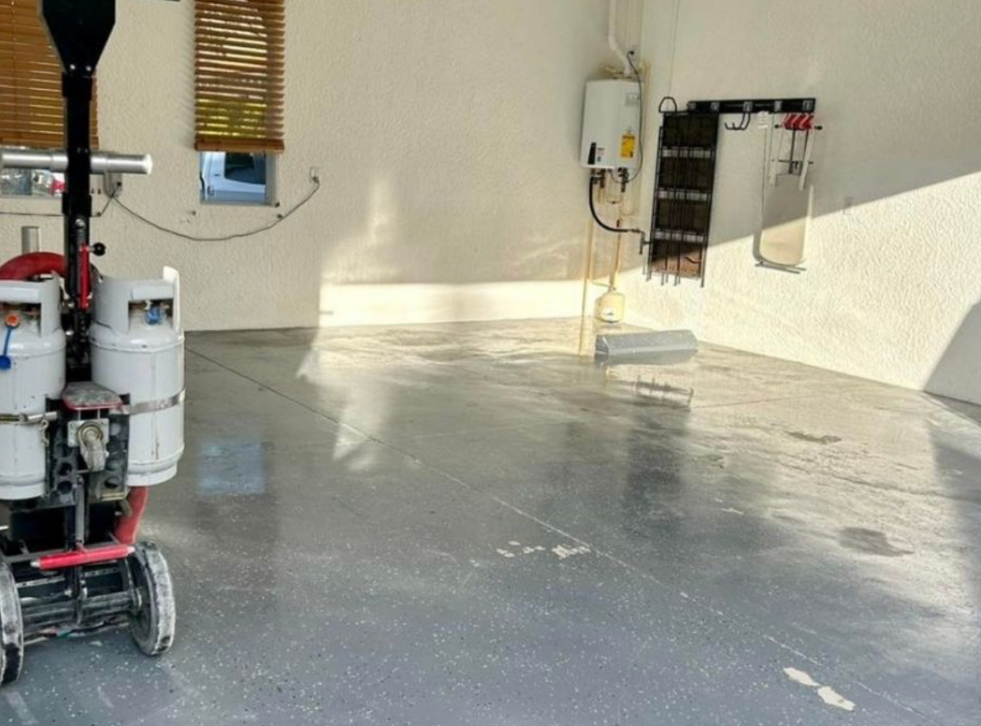
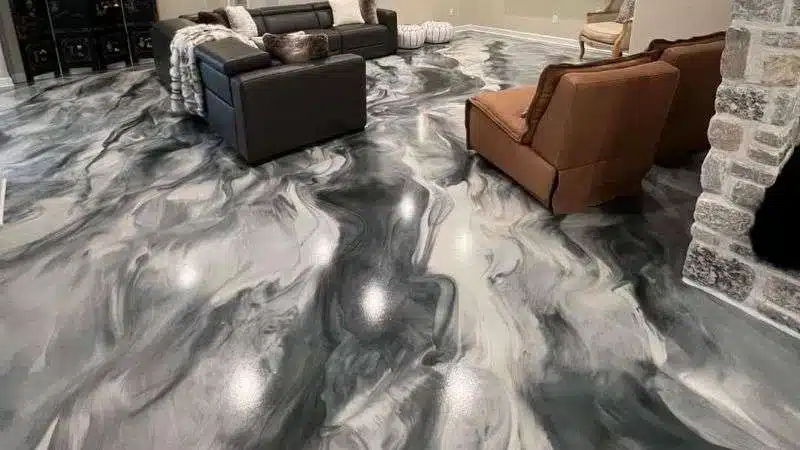
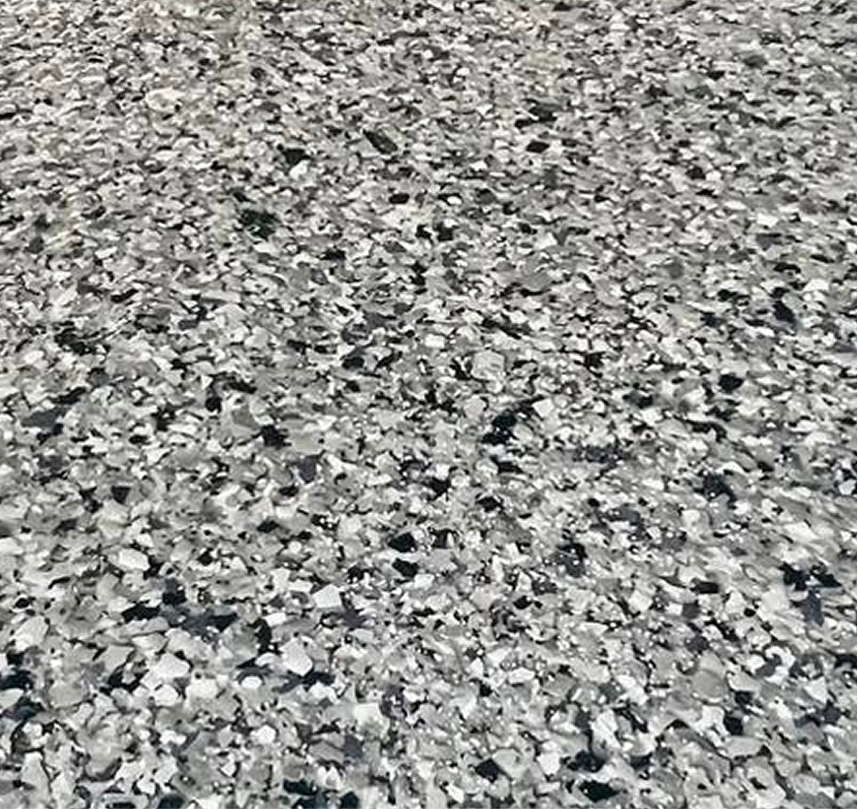
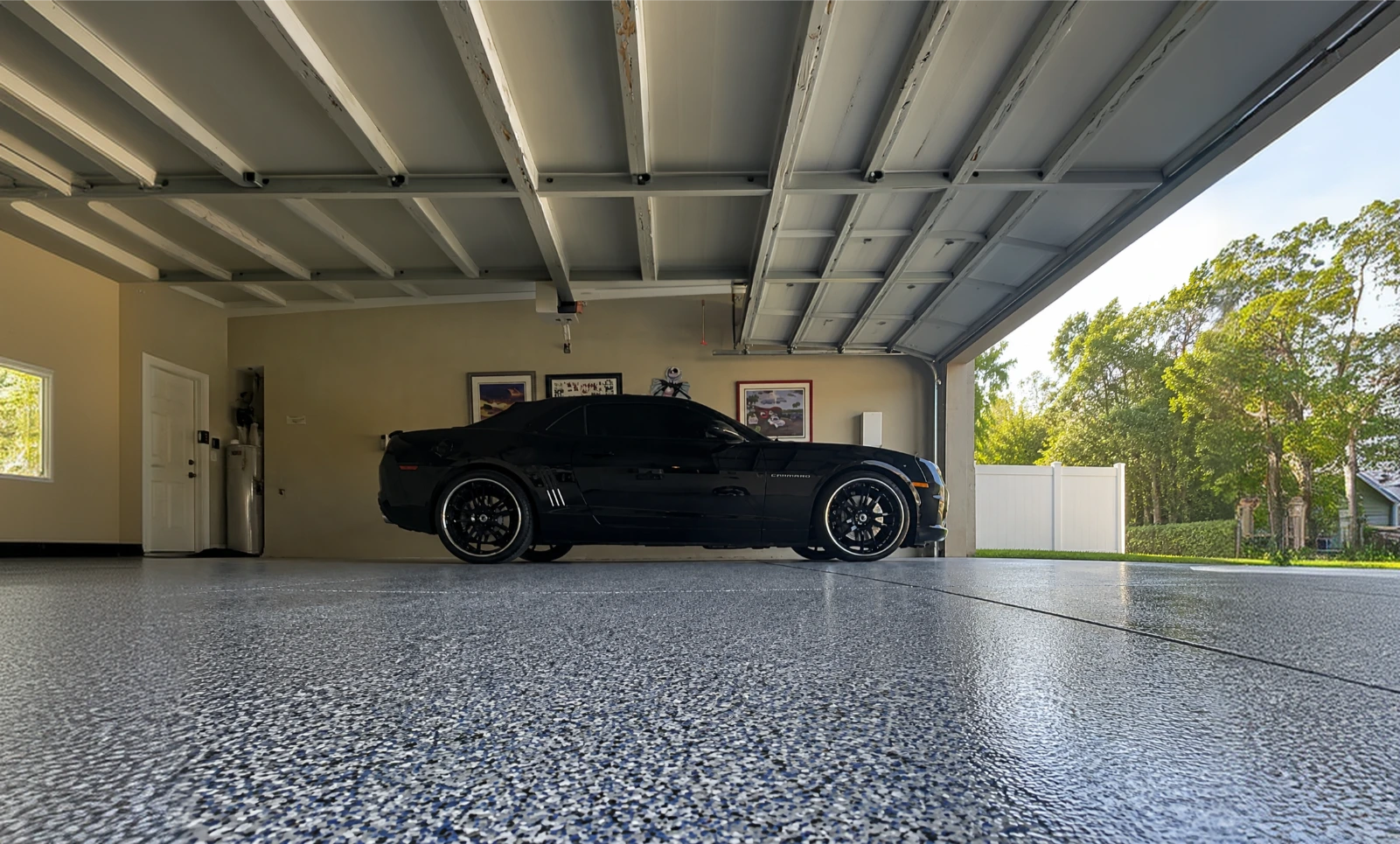
Professional flooring treatments provide both immediate moisture protection and long-term prevention when properly selected and applied. Modern flooring solutions for damp garage environments go far beyond simple concrete sealers, incorporating advanced materials and application techniques that create durable moisture barriers while enhancing the functionality and appearance of your garage space. Top Gun Garage specializes in selecting and installing flooring solutions that address specific moisture challenges while meeting the demanding requirements of garage environments. Epoxy flooring systems offer exceptional moisture resistance when properly applied over adequately prepared concrete surfaces. Professional-grade epoxy formulations include moisture-tolerant primers that can be applied even when minor dampness is present, followed by multiple coats of high-performance epoxy that creates an impermeable barrier. These systems often incorporate decorative elements such as color flakes or metallic effects that enhance appearance while maintaining superior functionality. The installation process requires precise surface preparation, including concrete grinding, crack repair, and thorough cleaning to ensure optimal adhesion and long-term performance. Polyurea and polyaspartic coatings represent the latest advancement in garage floor protection, offering rapid cure times and exceptional durability under challenging conditions. These systems can often be applied and ready for use within a single day, minimizing disruption to garage usage. The superior flexibility and chemical resistance of these materials make them particularly well-suited for environments where temperature fluctuations and moisture exposure are ongoing concerns. Professional application ensures proper mixing ratios, application thickness, and curing conditions that maximize the protective properties of these advanced materials. Concrete densification and sealing treatments penetrate deep into concrete pores, creating moisture barriers that work from within the slab itself. These treatments include penetrating sealers, crystalline hardeners, and lithium-based densifiers that chemically react with concrete to reduce porosity and increase surface hardness. The advantage of these systems lies in their ability to provide protection without creating a surface film that might delaminate under moisture pressure. Professional application includes surface preparation, multiple treatment applications, and proper curing procedures that ensure maximum penetration and effectiveness.

Frequently Asked Questions

Why does my garage floor stay damp even when there’s no visible water source? Persistent dampness often results from subsurface moisture migration through concrete pores due to hydrostatic pressure from groundwater or inadequate vapor barriers beneath the slab. Concrete naturally absorbs moisture from the ground, and without proper moisture barriers, this water can continue to migrate upward through capillary action, creating persistent dampness even when no obvious water source is present. Can I fix a damp garage floor myself, or do I need professional help? Simple ventilation improvements and minor drainage adjustments can often be handled as DIY projects, but persistent or extensive moisture problems typically require professional assessment and intervention. Professional contractors have specialized equipment for moisture testing, access to commercial-grade materials, and expertise in identifying complex moisture sources that might not be apparent to homeowners. How long does it take to resolve garage floor dampness problems? Resolution timeframes vary significantly based on the underlying causes and chosen solutions. Simple ventilation improvements might show results within days, while comprehensive drainage and waterproofing projects can take several weeks to complete and additional time to fully dry existing moisture. Professional assessment can provide realistic timelines based on your specific situation. What’s the difference between sealing and waterproofing a garage floor? Sealing typically involves applying surface treatments that reduce concrete porosity and provide some moisture resistance, while waterproofing creates complete moisture barriers that prevent water penetration entirely. Waterproofing solutions are more comprehensive and expensive but provide superior protection for severe moisture problems. Will improving garage ventilation affect my home’s energy efficiency? Properly designed garage ventilation should have minimal impact on home energy efficiency, especially if the garage isn’t directly connected to your home’s HVAC system. In fact, controlling garage moisture can improve overall home efficiency by preventing moisture migration into adjacent living spaces. How do I know if my garage floor dampness is caused by a plumbing leak? Plumbing leaks typically create localized wet areas that persist regardless of weather conditions, often accompanied by unusually high water bills or the sound of running water when fixtures aren’t in use. Professional moisture testing can help distinguish between plumbing leaks and other moisture sources. Can garage floor dampness affect my home’s indoor air quality? Yes, garage moisture problems can significantly impact indoor air quality, especially if your garage shares ventilation systems with living spaces or if moisture leads to mold growth. Damp conditions create ideal environments for mold and mildew in Florida that can affect respiratory health. What maintenance is required after implementing damp garage floor solutions? Maintenance requirements depend on the specific solutions implemented but typically include periodic inspection of drainage systems, cleaning of ventilation equipment, and occasional reapplication of surface treatments. Professional solutions often include maintenance guidelines and schedules to ensure long-term effectiveness.

Conclusion

Successfully addressing persistent garage floor dampness requires a comprehensive approach that combines accurate diagnosis, appropriate solution selection, and professional implementation. The complexity of moisture problems means that effective resolution often involves multiple strategies working together, from improved ventilation and drainage to epoxy floor coating treatments and ongoing maintenance. Understanding what to do when garage floors stay damp empowers homeowners to take decisive action before minor moisture issues develop into major structural or health problems. The investment in proper damp garage floor solutions pays dividends through improved property value, enhanced usability of garage space, and prevention of costly damage that can result from neglected moisture problems. Professional contractors like Top Gun Garage bring essential expertise in diagnosing complex moisture issues and implementing solutions that provide lasting protection under challenging conditions. Their systematic approach ensures that all contributing factors are addressed, creating comprehensive protection that stands up to long-term use and environmental challenges. Taking action sooner rather than later is crucial when dealing with garage floor dampness. Moisture problems tend to worsen over time, and early intervention typically requires less extensive and expensive solutions than addressing advanced damage. Whether your situation calls for simple ventilation improvements or concrete moisture problems systems, professional assessment provides the foundation for effective solution selection and implementation that protects your investment and creates a healthier, more functional garage environment for years to come.