 Skip to content




Implementing strict seasonal maintenance routines is the single most effective strategy for extending the lifespan of your residential or commercial flooring. By proactively adjusting your cleaning protocols, humidity controls, and protective treatments to match seasonal environmental shifts, property owners can prevent irreversible structural damage, maintain aesthetic brilliance, and extend the functional life of their floors by up to 50%. Rather than reacting to warping, fading, or cracking after the fact, a systematic, year-round approach ensures your flooring materials withstand temperature extremes, moisture fluctuations, and UV degradation.
Key Takeaways for Year-Round Floor Preservation
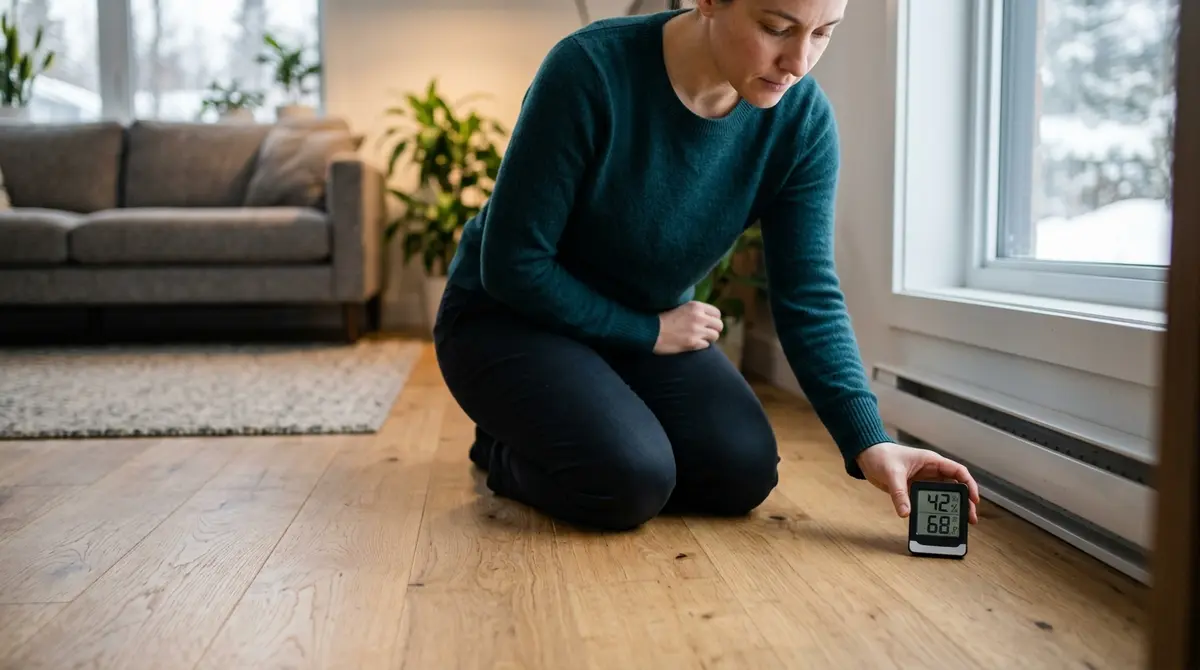
- Winter Moisture Control: Maintain indoor relative humidity (RH) between 35% and 55% to prevent hardwood shrinkage and cracking.
- Spring Deep Cleaning: Prioritize the extraction of abrasive winter salts and allergens before rising humidity bakes them into porous surfaces.
- Summer UV Defense: Utilize window films and strategic cooling to block the UV radiation responsible for 40% of floor fading and discoloration.
- Fall Preparation: Inspect sealants, address minor pitting, and apply protective coatings before extreme temperature drops trigger thermal shock.
- Material-Specific Protocols: Tailor your approach—what protects resilient polyurea garage floors may actively damage natural stone or delicate hardwoods.
The Science Behind Seasonal Flooring Stress
To truly protect your investment, it is crucial to understand the physics and chemistry of how different materials react to environmental changes. Flooring materials are not static; they are dynamic surfaces that respond continuously to their surroundings. According to the National Wood Flooring Association (NWFA), wood is a highly hygroscopic material, meaning it constantly absorbs and releases moisture to reach an equilibrium with the surrounding air.
As Dr. Sarah Jenkins, a Materials Scientist specializing in architectural finishes, explains: “The expansion and contraction cycle is the silent destroyer of flooring. When a home’s relative humidity drops below 30% in the winter, hardwood cells collapse, causing gapping. When it spikes above 60% in the summer, those same cells swell, leading to cupping and buckling.”
This dynamic extends beyond organic materials. Concrete subfloors and garage surfaces undergo severe stress through a process known as thermal shock. Rapid temperature changes can cause microscopic fractures to expand. In fact, industry data from 2026 indicates that replacing a damaged 500-square-foot premium floor costs an average of $4,500, making preventive environmental control a highly lucrative investment.
Winter: Combating Moisture, Salt, and Extreme Dryness
Winter introduces a brutal combination of abrasive outdoor contaminants and harsh indoor climates. The primary threat comes from sodium chloride and calcium chloride—common de-icing salts tracked indoors by footwear and vehicle tires. These salts are highly alkaline and chemically aggressive.
Marcus Thorne, Chief Conservator at the Stone Restoration Institute, notes: “Winter salt doesn’t just stain; it chemically attacks the calcium carbonate in natural stone and degrades the polyurethane topcoats on engineered wood. If left untreated, salt crystals can expand up to 300% when freezing inside porous materials, causing irreversible spalling.”
To combat this, property owners must establish robust barrier systems. Research shows that commercial-grade entrance mats extending at least 15 feet into a building capture 85% of outdoor soil and moisture. For hard surfaces, immediate removal of salt residue using a pH-neutral cleaner is mandatory. Never use steam mops on wood during winter, as the forced moisture will penetrate the already-stressed, dry wood fibers.
In utility spaces, winter takes a unique toll. Vehicles drag corrosive slush directly onto concrete. Understanding the mechanics of salt damage to concrete surfaces is vital for homeowners. Applying a high-quality polyaspartic or epoxy coating creates an impermeable barrier against these corrosive elements. Interestingly, because humidity is generally lower, winter is the ideal time for floor coating installations, allowing for optimal curing of the polymer resins.
Spring: Deep Cleaning and Humidity Stabilization
As temperatures rise and snow melts, spring ushers in a period of rapid humidity fluctuation. The transition from dry, artificially heated indoor air to the naturally damp conditions of spring requires careful HVAC management. The Environmental Protection Agency (EPA) recommends utilizing programmable dehumidifiers to ease your home into the new season, preventing the sudden wood expansion that leads to structural buckling.
Spring is the critical window for restorative deep cleaning. Winter leaves behind a microscopic layer of grime, efflorescence (salt deposits), and embedded particulate matter. For carpets, hot water extraction is necessary to remove allergens and abrasive silica dust that cuts carpet fibers at the base. For tile, grout lines—which often suffer micro-cracking during winter freeze-thaw cycles—must be thoroughly scrubbed with specialized alkaline cleaners and resealed.
For outdoor and utility spaces, spring storms bring heavy debris. Knowing the proper techniques for cleaning heavy storm debris off coated floors ensures that you don’t accidentally scratch your protective topcoats while removing branches, mud, and organic matter that can cause tannin staining.
Summer: UV Protection and Heat Management
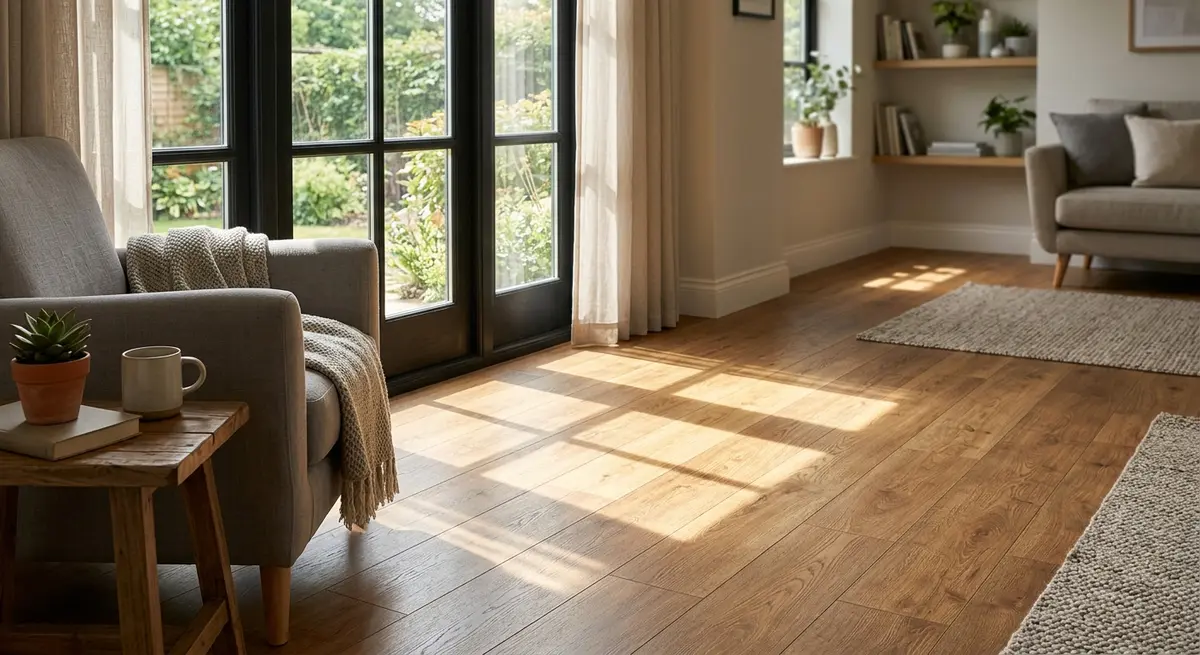
Summer’s intense solar radiation and soaring temperatures present entirely different challenges. Ultraviolet (UV) light is responsible for approximately 40% of the fading and discoloration seen in hardwood, luxury vinyl plank (LVP), and carpets. The photochemical degradation breaks down the lignin in wood and the synthetic dyes in textiles.
According to the Department of Energy (DOE), strategic use of window treatments, such as low-emissivity (Low-E) films and cellular shades, can drastically reduce solar heat gain and block up to 99% of harmful UV rays. Homeowners should also rotate area rugs and furniture periodically to ensure any unavoidable color changes occur uniformly across the room.
Heat management is equally critical. In utility spaces, extreme summer heat leads to a phenomenon known as “hot tire pickup.” When vehicle tires reach temperatures exceeding 120°F on summer asphalt, the heat softens inferior garage floor paints, causing the coating to peel away when the car is moved. Upgrading to industrial-grade polyurea is the best method for managing extreme summer floor temperatures. However, property owners must be cautious with aesthetics; for instance, metallic coatings reacting to direct sunlight can sometimes show ambering or glare issues if not protected by a UV-stable aliphatic clear coat.
Fall: Preventive Maintenance and Winter Preparation
Fall is the season of preparation. The goal is to fortify your flooring systems before the harsh winter conditions return. This is the time to conduct a comprehensive visual inspection of all surfaces. Look for deteriorating caulking around baseboards, thinning polyurethane finishes on hardwoods, and failing grout lines in wet areas.
Elena Rodriguez, a Senior Architect at the American Institute of Architects, advises: “Fall maintenance is about sealing the envelope. Any vulnerability left unaddressed in October will become a costly structural failure by February. Moisture mitigation is the absolute priority.”
In garages and basements, fall is the time to check for hydrostatic pressure issues. Over 70% of premature floor coating failures are due to improper moisture mitigation. Identifying hidden concrete moisture problems before the ground freezes is essential. If your concrete is showing signs of wear, fall is the perfect time for repairing pitted concrete surfaces and applying a seamless, waterproof polyurea coating that will lock out winter moisture entirely.
Material-Specific Seasonal Care Guide
Different materials demand distinct seasonal strategies. Applying a universal cleaning method across all surfaces will inevitably cause damage. Below is a comprehensive breakdown of how to treat various flooring types throughout the year.
| Flooring Material | Primary Seasonal Threat | Critical Maintenance Action |
|---|---|---|
| Solid Hardwood | Winter dryness (shrinkage/gapping) | Maintain 35-55% RH via whole-home humidifiers. |
| Natural Stone & Tile | Spring freeze-thaw cycles (grout cracking) | Annual spring resealing of grout lines with penetrating sealers. |
| Luxury Vinyl (LVP) | Summer UV exposure (fading/warping) | Install Low-E window films and maintain consistent AC temperatures. |
| Polyurea/Epoxy | Winter road salts and automotive fluids | Weekly winter wash-downs with a stiff bristle brush and neutral degreaser. |
Step-by-Step: Creating Your Annual Floor Maintenance Schedule
To ensure consistency, property owners should implement a documented maintenance schedule. Relying on memory often leads to neglected routines and premature wear. Follow these steps to build an effective annual protocol:
- Conduct a Baseline Audit (January): Document the current condition of all floors. Take photographs of high-traffic areas, note any existing scratches, and measure ambient humidity levels in different zones of the property.
- Schedule Professional Deep Cleans (April): Book certified professionals for carpet extraction and tile grout restoration. Spring is the optimal time to remove winter’s accumulated debris before summer humidity sets in.
- Implement UV Defenses (June): Before the summer solstice, verify that all window treatments are functional. Apply UV-protective finishes to hardwood floors if they are due for a recoat (typically every 3-5 years).
- Perform Structural Assessments (September): Check for subfloor squeaks, loose tiles, or peeling garage coatings. Address these minor repairs before cold weather makes adhesives and resins difficult to cure.
- Deploy Winter Barriers (November): Roll out heavy-duty entrance mats, switch to winter-specific pH-neutral cleaners, and calibrate your home’s humidification system for the heating season.
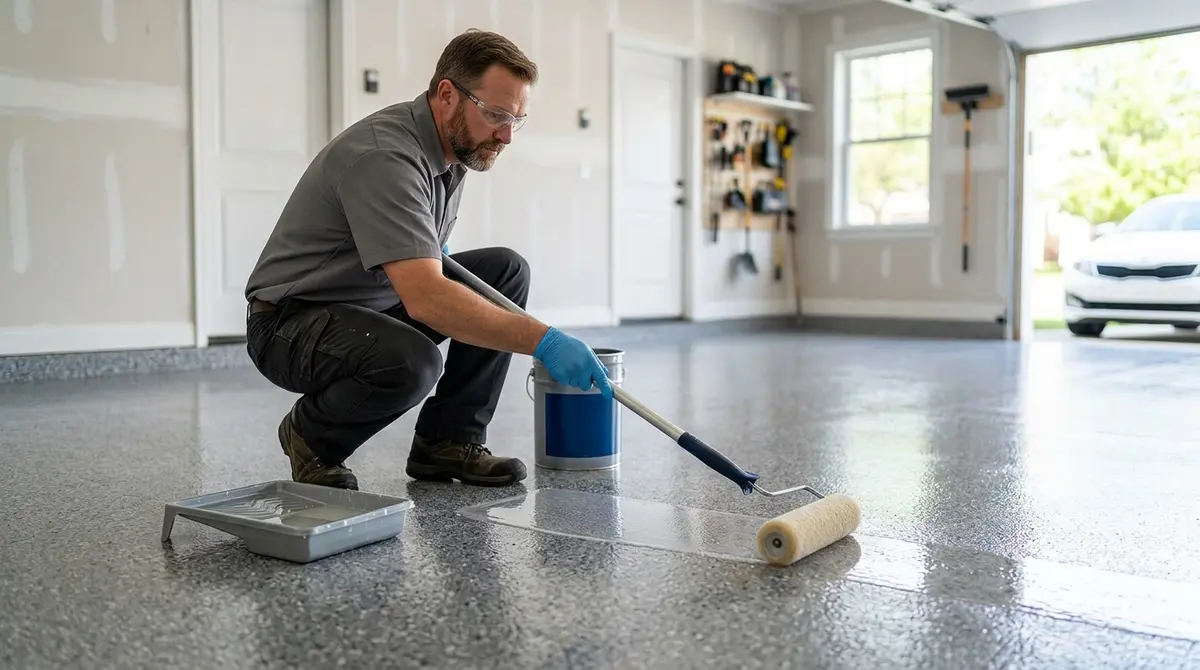
David Chen, Lead Polymer Chemist at Industrial Coatings Tech, emphasizes the importance of timing: “The thermal shock of a hot tire on a cold epoxy floor, or the sudden introduction of ice melt to a porous surface, can destroy a floor in a single season. Proactive scheduling is the only defense.” Modern polyurea coatings, which are up to 4x stronger than traditional epoxies, offer incredible resilience, but even they require seasonal wash-downs to maintain their slip-resistant textures and glossy finish.
Conclusion
Your flooring is a foundational element of your property’s value, aesthetics, and indoor environmental quality. By understanding the specific environmental stressors that accompany each season—from winter’s abrasive salts and dry air to summer’s intense UV rays and thermal expansion—you can implement targeted maintenance routines that drastically extend the life of your investment. Consistent environmental control, timely deep cleaning, and the application of appropriate protective barriers cost a fraction of premature replacement. Don’t wait for irreversible damage to occur. Contact us today to schedule a professional assessment of your flooring and learn how our advanced coating solutions can protect your property year-round.