When designing the perfect outdoor kitchen, homeowners often focus on appliances, layout, and aesthetics while overlooking one of the most critical elements: the foundation that will support their culinary haven through years of weather extremes. Outdoor kitchen concrete that weathers storms isn’t just about durability—it’s about creating a space that maintains its beauty, functionality, and structural integrity regardless of what Mother Nature throws its way.
The outdoor kitchen has evolved from a simple grilling station to a sophisticated extension of the home’s living space. These elaborate setups often feature full-sized refrigerators, pizza ovens, bar seating, and intricate lighting systems—all of which require a robust foundation capable of supporting significant weight while resisting the constant assault of rain, wind, temperature fluctuations, and seasonal freeze-thaw cycles.
Storm-resistant concrete represents the gold standard for outdoor kitchen construction, offering unparalleled protection against weather-related damage that can compromise both safety and investment value. Unlike traditional concrete applications, storm-resistant formulations incorporate advanced additives, specialized mixing techniques, and strategic reinforcement methods that create a virtually impenetrable barrier against moisture infiltration, thermal expansion, and structural degradation.
The financial implications of choosing the right concrete solution extend far beyond initial installation costs. A properly designed storm-resistant concrete foundation can prevent thousands of dollars in future repairs, protect expensive appliances from settling or shifting, and maintain the outdoor kitchen’s usability throughout extreme weather events. Conversely, inadequate concrete work often leads to cracking, settling, water damage, and the eventual need for complete reconstruction—a costly mistake that savvy homeowners avoid through informed decision-making.
Professional contractors understand that outdoor kitchen concrete must perform multiple functions simultaneously: providing structural support, resisting moisture penetration, accommodating thermal movement, and maintaining aesthetic appeal. This complex set of requirements demands expertise in material selection, proper installation techniques, and long-term maintenance strategies that ensure optimal performance across decades of use.
Key Takeaways
Advanced Material Composition: Storm-resistant concrete incorporates specialized additives including waterproofing agents, fiber reinforcement, and chemical admixtures that enhance durability and weather resistance far beyond standard concrete formulations.
Proper Installation Techniques: Professional installation requires precise attention to substrate preparation, reinforcement placement, curing procedures, and joint design to create a monolithic structure capable of withstanding extreme weather conditions.
Moisture Management Systems: Effective outdoor kitchen concrete installations include comprehensive drainage solutions, vapor barriers, and surface treatments that prevent water infiltration and eliminate freeze-thaw damage risks.
Thermal Expansion Accommodation: Strategic joint placement and flexible sealant systems allow the concrete to expand and contract with temperature changes without developing stress cracks or structural failures.
Long-term Cost Benefits: While storm-resistant concrete requires higher initial investment, the elimination of repair costs, appliance protection, and extended lifespan deliver superior return on investment compared to conventional concrete solutions.
Professional Expertise Requirements: Successful storm-resistant concrete installation demands specialized knowledge of local climate conditions, soil characteristics, and building codes that only experienced contractors possess.
Maintenance Optimization: Regular inspection and preventive maintenance protocols maximize the lifespan and performance of storm-resistant concrete while identifying potential issues before they become costly problems.
Design Flexibility: Modern storm-resistant concrete systems accommodate various aesthetic preferences through decorative finishes, color integration, and texture options without compromising weather resistance properties.
Understanding Storm-Resistant Concrete Technology
The science behind outdoor kitchen concrete that weathers storms begins with understanding how traditional concrete fails under weather stress and implementing advanced solutions that address each vulnerability. Standard concrete’s porous structure allows water infiltration, leading to freeze-thaw damage, while its brittle nature makes it susceptible to cracking under thermal stress and ground movement.
Storm-resistant concrete formulations incorporate multiple protective mechanisms working in concert to create an impenetrable defense system. Crystalline waterproofing additives react with moisture to form insoluble crystals that permanently seal capillary pores and micro-cracks. These self-healing properties mean that minor stress cracks automatically seal themselves when exposed to water, preventing further deterioration.
Fiber reinforcement systems distribute stress loads across the entire concrete matrix, preventing crack propagation and maintaining structural integrity even under extreme loading conditions. Synthetic fibers resist chemical degradation and provide long-term reinforcement, while steel fibers add tensile strength for heavy-duty applications requiring maximum durability.
Chemical admixtures optimize the concrete’s performance characteristics by reducing water content while maintaining workability, accelerating or retarding curing times based on weather conditions, and introducing air-entrainment systems that provide freeze-thaw protection in cold climates. These carefully balanced formulations require precise mixing procedures and quality control measures that distinguish professional installations from amateur attempts.
The epoxy floor cure time for storm-resistant concrete demands extended attention and controlled conditions to achieve optimal strength development and weather resistance. Proper hydration requires maintained moisture levels, temperature control, and protection from rapid drying that can compromise the concrete’s ultimate performance characteristics.
Design Considerations for Weather-Resistant Outdoor Kitchens
Creating an outdoor kitchen foundation that withstands severe weather requires comprehensive planning that addresses site-specific challenges, local climate patterns, and long-term performance expectations. The design phase establishes the framework for success, determining everything from concrete thickness and reinforcement placement to drainage integration and expansion joint locations.
Site evaluation begins with soil analysis to determine bearing capacity, drainage characteristics, and potential settlement risks. Poor drainage conditions require additional waterproofing measures and possibly subsurface drainage systems to prevent hydrostatic pressure buildup that can compromise even the most robust concrete installations. Expansive soils demand special attention to foundation design and may require deep pier systems or specialized soil stabilization techniques.
Climate considerations influence every aspect of the concrete design, from mix proportions to installation timing. Regions experiencing frequent freeze-thaw cycles require air-entrained concrete with specific void ratios to accommodate ice expansion without structural damage. High-wind areas may necessitate additional anchoring systems and reinforced edges to resist uplift forces, while areas prone to flooding require elevated designs and enhanced waterproofing systems.
The outdoor kitchen’s layout directly impacts concrete requirements, with heavy appliances requiring additional reinforcement and proper load distribution. Pizza ovens, large grills, and refrigeration units create concentrated loads that must be accommodated through thickened sections or specialized footings. Utility penetrations for gas, electrical, and plumbing services require careful planning to maintain the concrete’s integrity while providing necessary access.
Thermal management becomes critical in outdoor applications where concrete experiences extreme temperature variations. Light-colored finishes reflect heat and reduce thermal stress, while proper joint spacing accommodates expansion and contraction without compromising structural integrity. Insulation systems may be necessary in extreme climates to moderate temperature fluctuations and protect embedded utilities.
Integration with existing structures requires careful attention to connection details and differential movement accommodation. Properly designed control joints and flexible sealants allow independent movement while maintaining weather-tight seals. Flashing systems and waterproof membranes protect vulnerable transition areas where different materials meet.
Installation Best Practices for Maximum Storm Resistance
The installation phase transforms carefully planned designs into reality through precise execution of proven techniques that maximize storm resistance and long-term performance. Professional installation begins with meticulous site preparation that establishes the foundation for decades of reliable service under extreme weather conditions.
Excavation and substrate preparation require attention to proper grades, compaction levels, and moisture management. The subgrade must achieve specified density levels to prevent differential settlement that can crack even the strongest concrete. Vapor barriers and drainage layers protect against moisture migration from below while providing a stable platform for concrete placement.
Reinforcement installation follows engineering specifications with precise attention to spacing, lap lengths, and protective cover requirements. Rebar positioning systems maintain proper placement during concrete placement, ensuring that reinforcement provides maximum benefit. Fiber reinforcement requires careful integration during mixing to achieve uniform distribution without creating workability issues.
Concrete placement techniques significantly impact final quality and weather resistance. Proper consolidation eliminates voids and ensures complete encasement of reinforcement while avoiding segregation that can create weak zones. Surface finishing procedures must balance aesthetic requirements with weather resistance, avoiding overworking that brings excess water to the surface and compromises durability.
Curing procedures determine the concrete’s ultimate strength and weather resistance characteristics. Maintained moisture levels, temperature control, and protection from environmental extremes during the critical early curing period establish the foundation’s long-term performance capabilities. Curing compounds and membrane systems provide consistent conditions regardless of weather variations during installation.
Quality control measures throughout installation ensure compliance with specifications and identify potential issues before they compromise performance. Testing procedures verify concrete strength, air content, and other critical properties while documentation provides valuable reference information for future maintenance and warranty purposes.
Joint sealing and waterproofing applications complete the installation process by providing the final barrier against moisture infiltration and weather damage. High-quality sealants maintain flexibility across temperature ranges while providing long-term adhesion to concrete surfaces. Surface treatments enhance weather resistance and may include decorative concrete elements that complement the outdoor kitchen’s aesthetic design.
Maintenance and Longevity Strategies
Even the most robust storm-resistant concrete requires ongoing maintenance to achieve its full lifespan potential and maintain optimal performance under challenging weather conditions. A comprehensive maintenance program identifies potential issues early, prevents minor problems from becoming major failures, and preserves the outdoor kitchen’s functionality and appearance across decades of use.
Regular inspection protocols establish baseline conditions and track changes over time that may indicate developing problems. Visual inspections focus on crack development, joint condition, surface wear, and drainage performance while more detailed evaluations may include core sampling or non-destructive testing to assess internal conditions. Seasonal inspections following severe weather events help identify storm-related damage before it compromises the structure’s integrity.
Preventive maintenance activities address minor issues before they escalate into costly repairs. Joint resealing on scheduled intervals maintains weather-tight barriers against moisture infiltration while surface treatments refresh protective coatings and enhance appearance. Drainage system maintenance ensures proper water management and prevents hydrostatic pressure buildup that can stress even storm-resistant concrete.
Cleaning procedures remove contaminants that can degrade concrete surfaces over time while avoiding harsh chemicals or techniques that might damage protective treatments. How to Clean an Epoxy Floor or a concrete surface properly maintains the concrete’s appearance and prevents the accumulation of materials that can retain moisture or create slip hazards in the outdoor kitchen environment.
Repair procedures for storm-resistant concrete require specialized materials and techniques that maintain the structure’s weather resistance properties. Standard concrete repair materials may not provide adequate protection, necessitating compatible products that integrate seamlessly with the existing storm-resistant system. Professional repair work ensures proper adhesion, curing, and long-term performance.
Documentation systems track maintenance activities, inspection results, and repair history to optimize future maintenance schedules and identify patterns that may indicate design or installation issues. This information proves valuable for warranty claims and helps contractors refine their techniques for future projects.
Seasonal preparation activities protect the outdoor kitchen during extreme weather periods and ensure rapid return to service following storm events. Winter preparation may include drainage system protection and surface treatments while hurricane preparation focuses on securing loose items and protecting vulnerable components from wind and water damage.
Cost Analysis and Return on Investment
Understanding the financial implications of outdoor kitchen concrete that weathers storms requires analysis beyond initial installation costs to encompass long-term value, maintenance expenses, and protection of related investments. Storm-resistant concrete represents a premium investment that delivers superior returns through reduced maintenance costs, extended lifespan, and protection of expensive outdoor kitchen components.
Initial cost comparisons between standard and storm-resistant concrete reveal modest premiums that pale in comparison to potential repair and replacement costs. The additional expense typically ranges from 15-30% above standard concrete costs but provides exponentially greater protection against weather-related damage that can require complete reconstruction in severe cases.
Lifecycle cost analysis demonstrates the superior value proposition of storm-resistant concrete through reduced maintenance requirements, extended service life, and elimination of premature replacement needs. Standard concrete installations in outdoor kitchen applications often require significant repairs within 5-10 years, while properly installed storm-resistant systems can provide decades of trouble-free service with minimal maintenance.
Insurance considerations may favor storm-resistant installations through reduced premiums or coverage benefits that recognize the superior protection provided by advanced concrete systems. Some insurance providers offer discounts for homes with storm-resistant features, while others may require such protection in high-risk areas to maintain coverage.
Property value enhancement from professional outdoor kitchen installations depends heavily on the foundation’s quality and longevity. Storm-resistant concrete ensures that the outdoor kitchen remains a valuable asset rather than becoming a liability due to weather-related deterioration. Real estate professionals consistently report does epoxy flooring increase home value and similar high-quality upgrades.
Top Gun Garage specializes in storm-resistant concrete installations that maximize return on investment through superior materials, proven techniques, and comprehensive warranty protection. Their expertise in outdoor kitchen applications ensures that clients receive optimal value from their concrete investment while avoiding the costly mistakes that plague amateur installations.
Financing garage floor coating and outdoor concrete projects can make storm-resistant installations more accessible while spreading costs over time. Many contractors offer flexible payment terms that align with project milestones, allowing homeowners to invest in quality without compromising their financial stability. The long-term savings from reduced maintenance and repair costs often offset financing charges within the first few years of operation.
Frequently Asked Questions
How does storm-resistant concrete differ from regular concrete in outdoor kitchen applications?
Storm-resistant concrete incorporates specialized additives, fiber reinforcement, and advanced mixing techniques that provide superior weather protection compared to standard concrete. These enhancements create a more durable, waterproof, and flexible foundation that withstands extreme weather conditions without cracking or deteriorating.
What weather conditions can storm-resistant concrete withstand?
Properly installed storm-resistant concrete can withstand freeze-thaw cycles, high winds, heavy rainfall, extreme temperature fluctuations, and even minor flooding. The specific resistance capabilities depend on the formulation used and local climate conditions, but these systems typically provide protection against weather events that would damage standard concrete installations.
How long does storm-resistant concrete last in outdoor kitchen applications?
With proper installation and maintenance, storm-resistant concrete can provide 30-50 years or more of reliable service in outdoor kitchen applications. This significantly exceeds the 10-20 year lifespan typical of standard concrete in similar applications, making it a superior long-term investment.
Is storm-resistant concrete worth the additional cost?
The premium cost of storm-resistant concrete typically pays for itself within 5-10 years through reduced maintenance and repair expenses. When considering the protection of expensive outdoor kitchen appliances and the potential for complete reconstruction with standard concrete, storm-resistant systems provide excellent return on investment.
Can storm-resistant concrete be decoratively finished?
Yes, storm-resistant concrete accepts all standard decorative finishes including stamping, staining, polishing, and textural treatments. The enhanced durability actually helps maintain decorative finishes longer than standard concrete, preserving the outdoor kitchen’s aesthetic appeal through years of weather exposure.
What maintenance does storm-resistant concrete require?
Maintenance requirements are minimal but important for optimal performance. Regular cleaning, periodic joint resealing, and annual inspections help identify potential issues early. Most homeowners can perform basic maintenance tasks, while professional inspections every few years ensure continued storm resistance.
How is storm-resistant concrete installed differently than regular concrete?
Installation requires specialized mixing procedures, precise timing, controlled curing conditions, and specific finishing techniques. Professional contractors use advanced equipment and proven procedures to ensure proper integration of storm-resistant additives and optimal performance characteristics.
Can existing outdoor kitchen concrete be upgraded to storm-resistant specifications?
In some cases, existing concrete can be enhanced with surface treatments, overlay systems, or structural modifications that improve weather resistance. However, complete replacement often provides better long-term value and performance compared to retrofit solutions, depending on the existing foundation’s condition.
Conclusion
Investing in outdoor kitchen concrete that weathers storms represents one of the most important decisions in creating a durable, functional, and valuable outdoor living space. The advanced technology behind storm-resistant concrete provides unparalleled protection against weather-related damage while supporting the significant investment in outdoor kitchen appliances and amenities.
The comprehensive approach to storm resistance encompasses material selection, design optimization, professional installation, and ongoing maintenance that work together to create a foundation capable of withstanding decades of weather extremes. This systematic approach ensures that outdoor kitchens remain functional and beautiful regardless of what Mother Nature delivers.
Professional expertise proves essential in achieving optimal results from storm-resistant concrete installations. The specialized knowledge required for proper material selection, installation techniques, and quality control measures distinguishes experienced contractors from general construction providers. Top Gun Garage brings this expertise to every outdoor kitchen project, ensuring that clients receive maximum value from their concrete investment.
The long-term benefits of storm-resistant concrete extend far beyond initial cost considerations to encompass reduced maintenance expenses, extended lifespan, and protection of related investments. These factors combine to create superior return on investment that justifies the premium cost through decades of reliable performance and minimal maintenance requirements.
As extreme weather events become more frequent and severe, the importance of storm-resistant construction techniques continues to grow. Homeowners who invest in proven storm-resistant concrete technology today position themselves for years of worry-free outdoor kitchen enjoyment while protecting their investment against an uncertain climate future.
 Skip to content



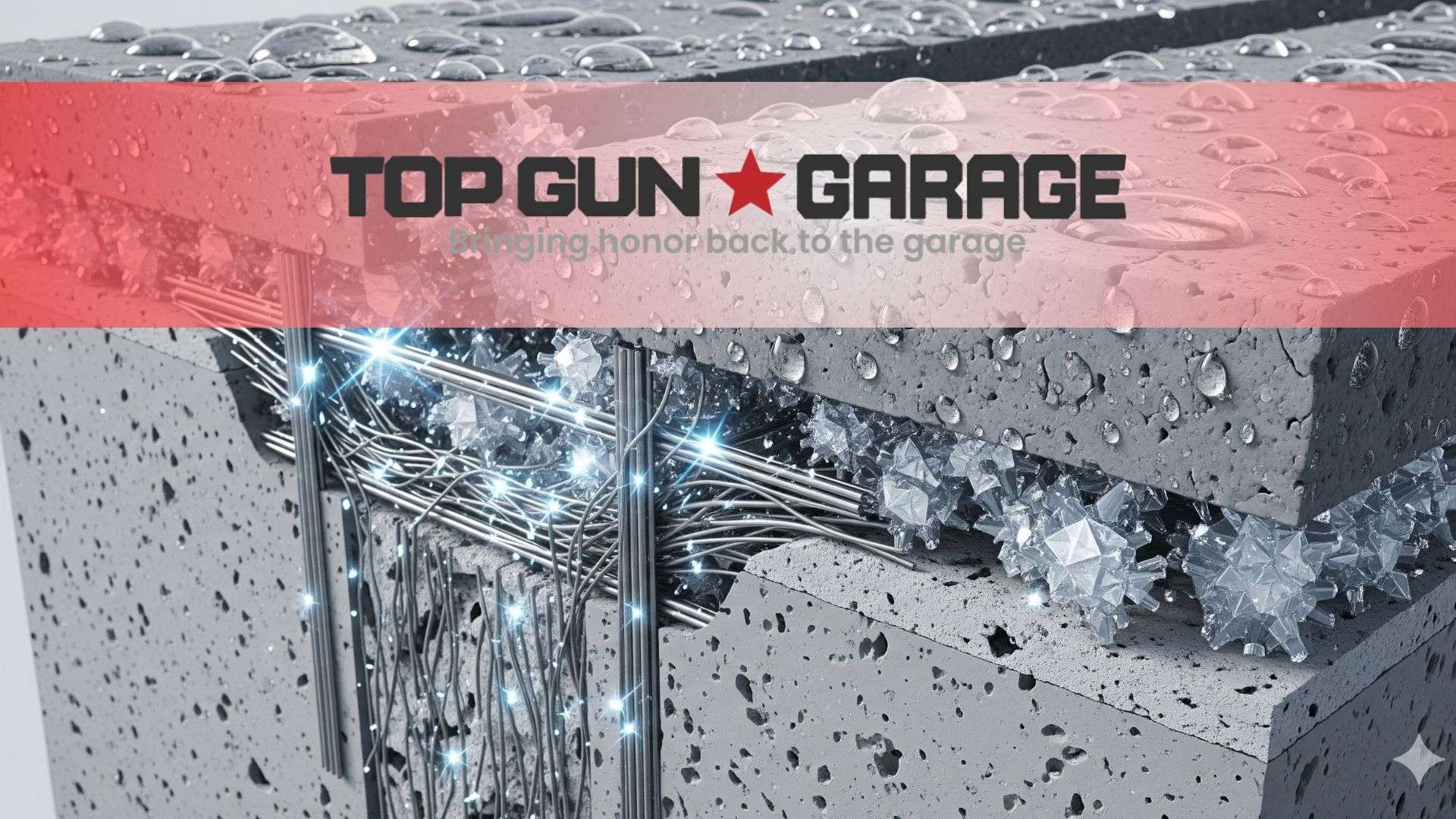 Storm-resistant concrete formulations incorporate multiple protective mechanisms working in concert to create an impenetrable defense system. Crystalline waterproofing additives react with moisture to form insoluble crystals that permanently seal capillary pores and micro-cracks. These self-healing properties mean that minor stress cracks automatically seal themselves when exposed to water, preventing further deterioration.
Fiber reinforcement systems distribute stress loads across the entire concrete matrix, preventing crack propagation and maintaining structural integrity even under extreme loading conditions. Synthetic fibers resist chemical degradation and provide long-term reinforcement, while steel fibers add tensile strength for heavy-duty applications requiring maximum durability.
Chemical admixtures optimize the concrete’s performance characteristics by reducing water content while maintaining workability, accelerating or retarding curing times based on weather conditions, and introducing air-entrainment systems that provide freeze-thaw protection in cold climates. These carefully balanced formulations require precise mixing procedures and quality control measures that distinguish professional installations from amateur attempts.
The epoxy floor cure time for storm-resistant concrete demands extended attention and controlled conditions to achieve optimal strength development and weather resistance. Proper hydration requires maintained moisture levels, temperature control, and protection from rapid drying that can compromise the concrete’s ultimate performance characteristics.
Storm-resistant concrete formulations incorporate multiple protective mechanisms working in concert to create an impenetrable defense system. Crystalline waterproofing additives react with moisture to form insoluble crystals that permanently seal capillary pores and micro-cracks. These self-healing properties mean that minor stress cracks automatically seal themselves when exposed to water, preventing further deterioration.
Fiber reinforcement systems distribute stress loads across the entire concrete matrix, preventing crack propagation and maintaining structural integrity even under extreme loading conditions. Synthetic fibers resist chemical degradation and provide long-term reinforcement, while steel fibers add tensile strength for heavy-duty applications requiring maximum durability.
Chemical admixtures optimize the concrete’s performance characteristics by reducing water content while maintaining workability, accelerating or retarding curing times based on weather conditions, and introducing air-entrainment systems that provide freeze-thaw protection in cold climates. These carefully balanced formulations require precise mixing procedures and quality control measures that distinguish professional installations from amateur attempts.
The epoxy floor cure time for storm-resistant concrete demands extended attention and controlled conditions to achieve optimal strength development and weather resistance. Proper hydration requires maintained moisture levels, temperature control, and protection from rapid drying that can compromise the concrete’s ultimate performance characteristics.
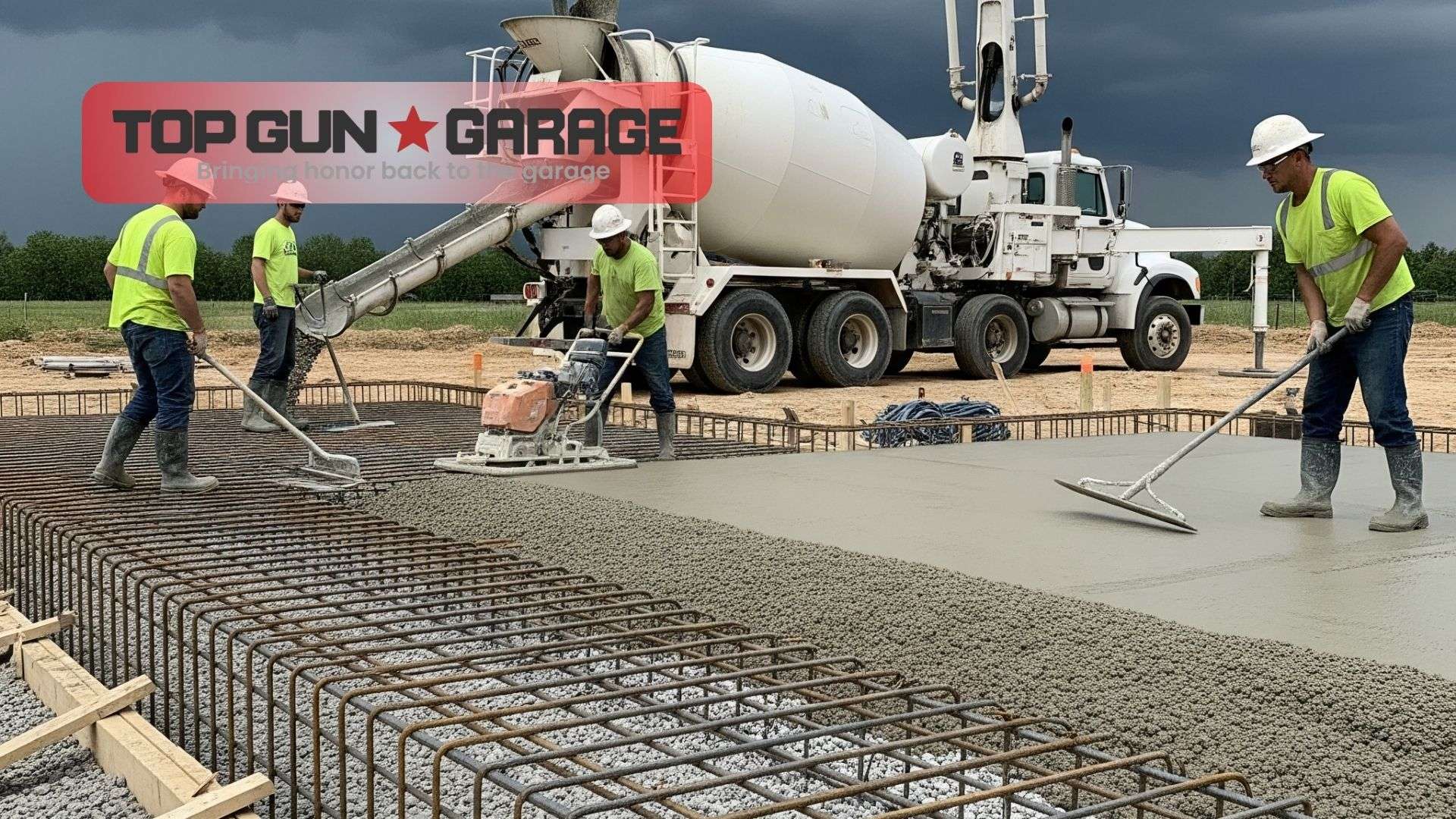 Excavation and substrate preparation require attention to proper grades, compaction levels, and moisture management. The subgrade must achieve specified density levels to prevent differential settlement that can crack even the strongest concrete. Vapor barriers and drainage layers protect against moisture migration from below while providing a stable platform for concrete placement.
Reinforcement installation follows engineering specifications with precise attention to spacing, lap lengths, and protective cover requirements. Rebar positioning systems maintain proper placement during concrete placement, ensuring that reinforcement provides maximum benefit. Fiber reinforcement requires careful integration during mixing to achieve uniform distribution without creating workability issues.
Concrete placement techniques significantly impact final quality and weather resistance. Proper consolidation eliminates voids and ensures complete encasement of reinforcement while avoiding segregation that can create weak zones. Surface finishing procedures must balance aesthetic requirements with weather resistance, avoiding overworking that brings excess water to the surface and compromises durability.
Curing procedures determine the concrete’s ultimate strength and weather resistance characteristics. Maintained moisture levels, temperature control, and protection from environmental extremes during the critical early curing period establish the foundation’s long-term performance capabilities. Curing compounds and membrane systems provide consistent conditions regardless of weather variations during installation.
Quality control measures throughout installation ensure compliance with specifications and identify potential issues before they compromise performance. Testing procedures verify concrete strength, air content, and other critical properties while documentation provides valuable reference information for future maintenance and warranty purposes.
Joint sealing and waterproofing applications complete the installation process by providing the final barrier against moisture infiltration and weather damage. High-quality sealants maintain flexibility across temperature ranges while providing long-term adhesion to concrete surfaces. Surface treatments enhance weather resistance and may include decorative concrete elements that complement the outdoor kitchen’s aesthetic design.
Excavation and substrate preparation require attention to proper grades, compaction levels, and moisture management. The subgrade must achieve specified density levels to prevent differential settlement that can crack even the strongest concrete. Vapor barriers and drainage layers protect against moisture migration from below while providing a stable platform for concrete placement.
Reinforcement installation follows engineering specifications with precise attention to spacing, lap lengths, and protective cover requirements. Rebar positioning systems maintain proper placement during concrete placement, ensuring that reinforcement provides maximum benefit. Fiber reinforcement requires careful integration during mixing to achieve uniform distribution without creating workability issues.
Concrete placement techniques significantly impact final quality and weather resistance. Proper consolidation eliminates voids and ensures complete encasement of reinforcement while avoiding segregation that can create weak zones. Surface finishing procedures must balance aesthetic requirements with weather resistance, avoiding overworking that brings excess water to the surface and compromises durability.
Curing procedures determine the concrete’s ultimate strength and weather resistance characteristics. Maintained moisture levels, temperature control, and protection from environmental extremes during the critical early curing period establish the foundation’s long-term performance capabilities. Curing compounds and membrane systems provide consistent conditions regardless of weather variations during installation.
Quality control measures throughout installation ensure compliance with specifications and identify potential issues before they compromise performance. Testing procedures verify concrete strength, air content, and other critical properties while documentation provides valuable reference information for future maintenance and warranty purposes.
Joint sealing and waterproofing applications complete the installation process by providing the final barrier against moisture infiltration and weather damage. High-quality sealants maintain flexibility across temperature ranges while providing long-term adhesion to concrete surfaces. Surface treatments enhance weather resistance and may include decorative concrete elements that complement the outdoor kitchen’s aesthetic design.
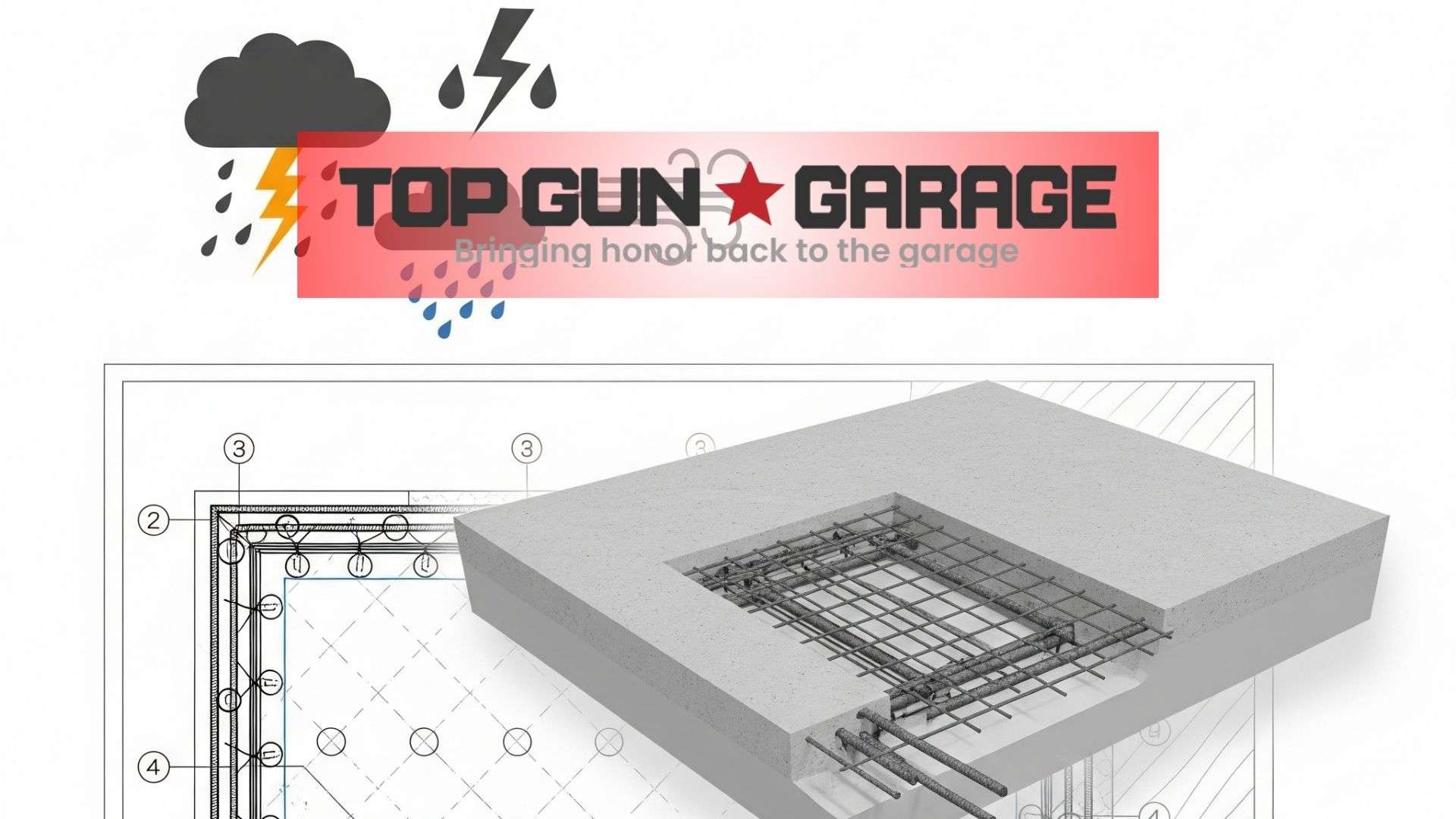 Initial cost comparisons between standard and storm-resistant concrete reveal modest premiums that pale in comparison to potential repair and replacement costs. The additional expense typically ranges from 15-30% above standard concrete costs but provides exponentially greater protection against weather-related damage that can require complete reconstruction in severe cases.
Lifecycle cost analysis demonstrates the superior value proposition of storm-resistant concrete through reduced maintenance requirements, extended service life, and elimination of premature replacement needs. Standard concrete installations in outdoor kitchen applications often require significant repairs within 5-10 years, while properly installed storm-resistant systems can provide decades of trouble-free service with minimal maintenance.
Insurance considerations may favor storm-resistant installations through reduced premiums or coverage benefits that recognize the superior protection provided by advanced concrete systems. Some insurance providers offer discounts for homes with storm-resistant features, while others may require such protection in high-risk areas to maintain coverage.
Property value enhancement from professional outdoor kitchen installations depends heavily on the foundation’s quality and longevity. Storm-resistant concrete ensures that the outdoor kitchen remains a valuable asset rather than becoming a liability due to weather-related deterioration. Real estate professionals consistently report does epoxy flooring increase home value and similar high-quality upgrades.
Top Gun Garage specializes in storm-resistant concrete installations that maximize return on investment through superior materials, proven techniques, and comprehensive warranty protection. Their expertise in outdoor kitchen applications ensures that clients receive optimal value from their concrete investment while avoiding the costly mistakes that plague amateur installations.
Financing garage floor coating and outdoor concrete projects can make storm-resistant installations more accessible while spreading costs over time. Many contractors offer flexible payment terms that align with project milestones, allowing homeowners to invest in quality without compromising their financial stability. The long-term savings from reduced maintenance and repair costs often offset financing charges within the first few years of operation.
Initial cost comparisons between standard and storm-resistant concrete reveal modest premiums that pale in comparison to potential repair and replacement costs. The additional expense typically ranges from 15-30% above standard concrete costs but provides exponentially greater protection against weather-related damage that can require complete reconstruction in severe cases.
Lifecycle cost analysis demonstrates the superior value proposition of storm-resistant concrete through reduced maintenance requirements, extended service life, and elimination of premature replacement needs. Standard concrete installations in outdoor kitchen applications often require significant repairs within 5-10 years, while properly installed storm-resistant systems can provide decades of trouble-free service with minimal maintenance.
Insurance considerations may favor storm-resistant installations through reduced premiums or coverage benefits that recognize the superior protection provided by advanced concrete systems. Some insurance providers offer discounts for homes with storm-resistant features, while others may require such protection in high-risk areas to maintain coverage.
Property value enhancement from professional outdoor kitchen installations depends heavily on the foundation’s quality and longevity. Storm-resistant concrete ensures that the outdoor kitchen remains a valuable asset rather than becoming a liability due to weather-related deterioration. Real estate professionals consistently report does epoxy flooring increase home value and similar high-quality upgrades.
Top Gun Garage specializes in storm-resistant concrete installations that maximize return on investment through superior materials, proven techniques, and comprehensive warranty protection. Their expertise in outdoor kitchen applications ensures that clients receive optimal value from their concrete investment while avoiding the costly mistakes that plague amateur installations.
Financing garage floor coating and outdoor concrete projects can make storm-resistant installations more accessible while spreading costs over time. Many contractors offer flexible payment terms that align with project milestones, allowing homeowners to invest in quality without compromising their financial stability. The long-term savings from reduced maintenance and repair costs often offset financing charges within the first few years of operation.