Creating an accessible garage space requires careful consideration of flooring design, materials, and installation techniques that prioritize both safety and functionality for wheelchair users. Garage floors designed for multiple vehicle types and wheelchair accessibility represent a crucial investment in home modification that can dramatically improve independence and quality of life for individuals with mobility challenges. Unlike standard garage flooring, wheelchair accessible garage floors must meet specific requirements for surface texture, slope gradients, and material durability to ensure safe navigation and long-term performance.
The importance of proper garage floor design extends beyond basic accessibility compliance. These specialized flooring systems must withstand the unique demands of garage environments while providing the smooth, stable surface necessary for wheelchair maneuverability. From epoxy coatings with anti-slip additives to specialized concrete treatments, the options for creating wheelchair-friendly garage spaces have expanded significantly in recent years, offering homeowners multiple pathways to achieve both functionality and aesthetic appeal.
Professional installation of accessible garage flooring requires expertise in ADA compliance standards, proper drainage considerations, and the integration of safety features that don’t compromise the garage’s primary functions. The flooring must accommodate not only daily wheelchair use but also the storage of vehicles, tools, and equipment while maintaining its accessibility features over time. Understanding the intersection of building codes, accessibility requirements, and practical garage use is essential for creating spaces that truly serve their intended purpose.
Modern wheelchair accessible garage floors incorporate advanced materials and design principles that address common challenges such as moisture management, temperature fluctuations, and the need for easy maintenance. These solutions go beyond simple compliance to create environments that enhance the user experience while providing the durability and performance characteristics expected in garage settings.
Key Takeaways
Surface Requirements: Wheelchair accessible garage floors must feature smooth, non-slip surfaces with minimal texture variations to prevent wheel catching while maintaining adequate traction for safety during wet conditions.
Slope Specifications: Proper grade management is critical, with maximum slopes of 1:20 (5%) for accessible routes and 1:50 (2%) for optimal wheelchair navigation, ensuring easy movement without creating drainage issues.
Material Selection: Epoxy coatings, polished concrete, and specialized rubber flooring systems offer different benefits for wheelchair accessibility, each requiring specific installation techniques and maintenance protocols.
Threshold Elimination: Seamless transitions between garage floors and adjacent areas prevent wheelchair obstruction and reduce trip hazards for all users, requiring careful planning during installation.
Drainage Integration: Accessible garage floors must incorporate proper drainage without creating barriers, using channel drains or gentle slopes that don’t impede wheelchair movement.
Durability Standards: Wheelchair accessible flooring must withstand repeated wheel traffic, potential spills, and garage-specific wear patterns while maintaining its accessibility features over time.
Maintenance Considerations: Easy-to-clean surfaces that don’t require specialized equipment or techniques ensure long-term accessibility and reduce ongoing maintenance burdens for users.
Professional Installation: Proper installation by experienced contractors ensures compliance with accessibility standards and optimal performance of the flooring system throughout its lifespan.
The foundation of any successful wheelchair accessible garage floor lies in understanding the specific requirements that differentiate these installations from standard garage flooring projects. Accessibility standards, primarily guided by the Americans with Disabilities Act (ADA), establish clear parameters for surface characteristics, slope limitations, and transition details that must be incorporated into the design and installation process.
Surface texture represents one of the most critical aspects of wheelchair accessible garage floors. The flooring must provide sufficient traction to prevent slipping during wet conditions while maintaining a smooth enough surface to allow easy wheelchair navigation. This balance requires careful selection of materials and finishing techniques that avoid creating obstacles for wheelchair wheels while ensuring safety for all users. Textured surfaces that work well for walking can create significant challenges for wheelchair users, making material selection a crucial decision point in the design process.
Slope management extends beyond simple compliance with accessibility codes to encompass practical considerations for garage functionality. While accessibility standards set maximum slope requirements, optimal wheelchair accessible garage floors often incorporate gentler grades that improve usability while maintaining proper drainage. The integration of slope requirements with garage door thresholds, drainage systems, and adjacent flooring areas requires careful planning and professional expertise to achieve seamless results.
Transition zones between the garage floor and other areas of the home demand special attention in wheelchair accessible designs. Eliminating thresholds and creating smooth transitions prevents wheelchair obstruction while maintaining weather sealing and structural integrity. These transition areas often require custom solutions that address the specific configuration of each garage and its relationship to the main residence.
Material Options for Wheelchair Accessible Garage Flooring
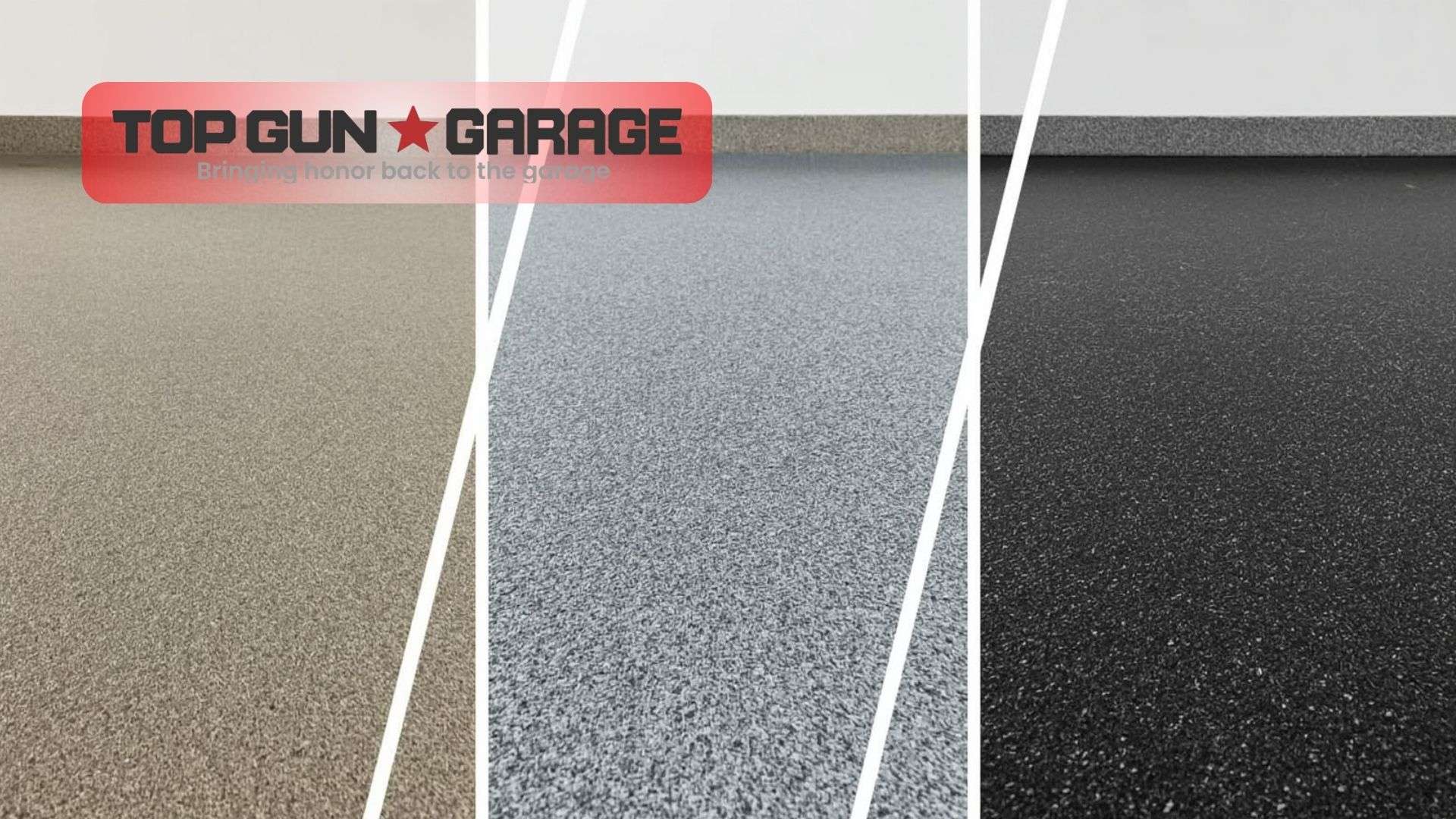
Epoxy flooring systems have emerged as one of the most popular choices for wheelchair accessible garage floors due to their ability to create smooth, seamless surfaces with customizable slip resistance properties. High-quality epoxy coatings can be formulated with specific aggregate additives that provide controlled texture for traction without creating obstacles for wheelchair wheels. The seamless nature of properly installed epoxy systems eliminates joints and seams that could catch wheelchair wheels while providing excellent resistance to moisture, chemicals, and wear.
The application process for wheelchair accessible epoxy floors requires specialized techniques to ensure uniform thickness and surface characteristics. Professional installers must carefully control the curing process and surface preparation to achieve the smooth, consistent finish necessary for wheelchair navigation. Color options and decorative elements can be incorporated without compromising accessibility, allowing homeowners to achieve aesthetic goals while maintaining functional requirements.
Polished concrete represents another excellent option for wheelchair accessible garage floors, offering exceptional durability and a naturally smooth surface when properly executed. The polishing process creates a dense, non-porous surface that resists staining and moisture penetration while providing the smooth texture ideal for wheelchair use. Different levels of polish can be achieved to balance slip resistance with wheelchair maneuverability, and the process can incorporate decorative elements such as scoring patterns or color treatments.
Specialized rubber flooring systems designed for accessibility applications offer unique benefits including superior shock absorption, inherent slip resistance, and excellent wheelchair traction characteristics. These systems typically feature interlocking tiles or rolled goods that can be installed over existing concrete surfaces, making them ideal for retrofit applications. The flexibility of rubber flooring provides comfort benefits for users while maintaining the durability necessary for garage environments.
Hybrid flooring solutions that combine multiple materials or coating systems can address specific accessibility challenges while optimizing performance characteristics. For example, epoxy base coats with specialized topcoats can provide enhanced durability and specific texture requirements, while combination systems might incorporate different materials in high-wear areas versus general traffic zones.
Installation Techniques and Best Practices
Proper surface preparation forms the foundation of any successful wheelchair accessible garage floor installation. The existing concrete must be evaluated for structural integrity, proper slope, and surface condition before any coating or overlay system can be applied. Surface preparation techniques may include diamond grinding, shot blasting, or chemical etching to achieve the proper surface profile for adhesion while ensuring the finished surface meets accessibility requirements.
Moisture management during installation is particularly critical for wheelchair accessible garage floors, as these surfaces must maintain their characteristics over time without developing issues that could compromise accessibility. Proper vapor barrier installation, moisture testing, and the use of moisture-tolerant materials help ensure long-term performance. Installation timing and environmental controls during the curing process can significantly impact the final surface characteristics and overall system performance.
Quality control measures throughout the installation process help ensure that accessibility requirements are met consistently across the entire garage floor surface. Regular testing of surface texture, slope measurements, and transition details during installation allows for corrections before the system is fully cured. Professional installers use specialized tools and techniques to verify that accessibility standards are maintained throughout the installation process.
The integration of drainage systems with wheelchair accessible garage floors requires careful coordination to ensure that drainage features don’t create accessibility barriers. Channel drains, floor drains, and slope management must be designed and installed to complement the accessibility features rather than compromise them. This often requires custom solutions and careful attention to detail during the installation process.
Final inspection and testing procedures verify that the completed installation meets all accessibility requirements and performance standards. This includes verification of surface characteristics, slope measurements, transition details, and overall system integrity. Professional installers provide documentation of compliance and performance testing to ensure that the installation meets both accessibility standards and long-term durability requirements.
Safety Features and Compliance Standards
Slip resistance management in wheelchair accessible garage floors requires a sophisticated understanding of how different surface textures affect both wheelchair maneuverability and safety for all users. The optimal surface provides adequate traction to prevent slipping during wet conditions while avoiding textures that could impede wheelchair movement or cause excessive wear on wheelchair wheels. Professional testing methods can evaluate slip resistance characteristics to ensure compliance with safety standards while maintaining accessibility features.
Lighting integration plays a crucial role in the safety of wheelchair accessible garage floors, as proper illumination helps users identify potential hazards and navigate safely. The flooring system should complement lighting design by providing appropriate reflectance characteristics without creating glare or visual confusion. Light-colored flooring systems often enhance overall garage illumination while dark colors can help hide stains and wear patterns.
Edge protection and transition management prevent accidents and ensure smooth navigation between different flooring areas. Properly designed transitions eliminate trip hazards while maintaining weather sealing and structural requirements. Professional installation includes careful attention to edge details, threshold elimination, and the integration of safety features that don’t compromise accessibility.
Emergency egress considerations ensure that wheelchair accessible garage floors support safe evacuation procedures when necessary. This includes maintaining accessibility features under emergency conditions and ensuring that the flooring system doesn’t create obstacles during emergency situations. Fire resistance and smoke development characteristics of flooring materials may be regulated by local building codes and should be considered during material selection.
Regular safety inspections and maintenance protocols help ensure that accessibility and safety features are maintained over time. Professional maintenance programs can identify potential issues before they compromise accessibility or safety, extending the life of the flooring system while maintaining its intended performance characteristics.
Maintenance and Long-term Performance
Developing an effective maintenance program for wheelchair accessible garage floors requires understanding the specific wear patterns and cleaning requirements associated with wheelchair use. Regular wheel traffic can create unique wear patterns that differ from foot traffic, requiring specialized maintenance approaches to preserve surface characteristics and accessibility features. Professional maintenance programs address these specific requirements while maintaining the overall performance of the flooring system.
Cleaning protocols for wheelchair accessible garage floors must balance effectiveness with accessibility requirements. Cleaning methods and products should not create temporary accessibility barriers or leave residues that could affect surface characteristics. Non-slip cleaning solutions and equipment that doesn’t require extensive drying time help maintain accessibility while ensuring proper hygiene and appearance.
Preventive maintenance strategies focus on preserving the accessibility features of the flooring system while addressing normal wear and environmental exposure. Regular inspection schedules help identify potential issues before they compromise accessibility, while preventive treatments can extend the life of the flooring system and maintain its performance characteristics. Professional maintenance providers understand the specific requirements of wheelchair accessible floors and can develop customized maintenance programs.
Repair and restoration procedures for wheelchair accessible garage floors must maintain accessibility standards while addressing damage or wear. Repair materials and techniques should match the original installation characteristics to ensure consistent performance across the entire floor surface. Professional repair services can address localized damage without compromising the overall accessibility of the flooring system.
Performance monitoring over time helps ensure that wheelchair accessible garage floors continue to meet their intended purpose throughout their service life. Regular assessment of surface characteristics, accessibility features, and overall system performance allows for proactive maintenance and timely upgrades when necessary. Documentation of performance over time provides valuable information for future maintenance planning and system upgrades.
At Top Gun Garage, we specialize in creating wheelchair accessible garage floors that combine safety, functionality, and aesthetic appeal. Our experienced team understands the unique requirements of accessible flooring systems and works closely with homeowners to develop solutions that meet both accessibility standards and individual needs. We use only the highest quality materials and proven installation techniques to ensure long-term performance and satisfaction.
IMAGE PROMPT: Professional maintenance scene showing a clean, well-maintained wheelchair accessible garage floor with maintenance equipment nearby, featuring a person in a wheelchair demonstrating the smooth surface navigation, bright overhead lighting highlighting the pristine floor condition and accessibility features
Frequently Asked Questions
What makes a garage floor wheelchair accessible compared to standard flooring?
Wheelchair accessible garage floors feature specific surface textures, slope requirements, and transition details that facilitate safe wheelchair navigation. These floors must provide smooth surfaces without obstacles while maintaining adequate slip resistance and proper drainage.
How much does wheelchair accessible garage flooring typically cost?
Costs vary depending on materials, garage size, and specific accessibility requirements, typically ranging from $3-8 per square foot for basic systems to $10-15 per square foot for premium installations with advanced features.
Can existing garage floors be modified for wheelchair accessibility?
Many existing garage floors can be retrofitted with appropriate coating systems or overlay materials to achieve wheelchair accessibility, though some situations may require more extensive modifications to meet slope and transition requirements.
What maintenance is required for wheelchair accessible garage floors?
How long does installation of wheelchair accessible garage flooring take?
Installation typically requires 2-5 days depending on the system chosen, garage size, and any necessary surface preparation, with additional time for proper curing before full use.
Are there specific building codes for wheelchair accessible garage floors?
Accessibility requirements are governed by ADA standards and how Florida building codes affect garage flooring, which specify slope limitations, surface characteristics, and transition requirements for accessible flooring systems.
What happens if the flooring becomes damaged or worn?
Professional repair services can address localized damage while maintaining accessibility standards, and most quality installations include warranties covering material and installation defects.
Can wheelchair accessible garage floors accommodate vehicle parking?
Yes, properly designed systems accommodate both wheelchair use and vehicle parking, with materials selected for durability under vehicle loads while maintaining slip-resistant surfaces that stay effective long-term.
Conclusion
Investing in garage floors designed for wheelchair accessibility represents a significant step toward creating truly inclusive home environments that prioritize both safety and independence. The specialized requirements of wheelchair accessible garage floors demand careful consideration of materials, installation techniques, and long-term maintenance strategies that go beyond standard flooring solutions. Professional installation ensures compliance with accessibility standards while optimizing performance characteristics for the unique demands of garage environments.
The evolution of materials and installation techniques has created numerous options for achieving wheelchair accessible garage floors without compromising on durability, aesthetics, or functionality. From advanced epoxy systems to specialized rubber flooring and polished concrete solutions, homeowners can select systems that meet their specific needs while providing the accessibility features necessary for safe wheelchair navigation. The key lies in working with experienced professionals who understand both the technical requirements and practical considerations involved in creating truly accessible spaces.
Long-term success with wheelchair accessible garage floors depends on proper maintenance, regular inspection, and proactive care that preserves accessibility features while maintaining overall system performance. The investment in quality materials and professional installation pays dividends through years of reliable service and maintained accessibility. As accessibility awareness continues to grow, these specialized flooring systems represent an essential component of comprehensive home modification strategies that enhance quality of life and promote independence for individuals with mobility challenges.
 Skip to content




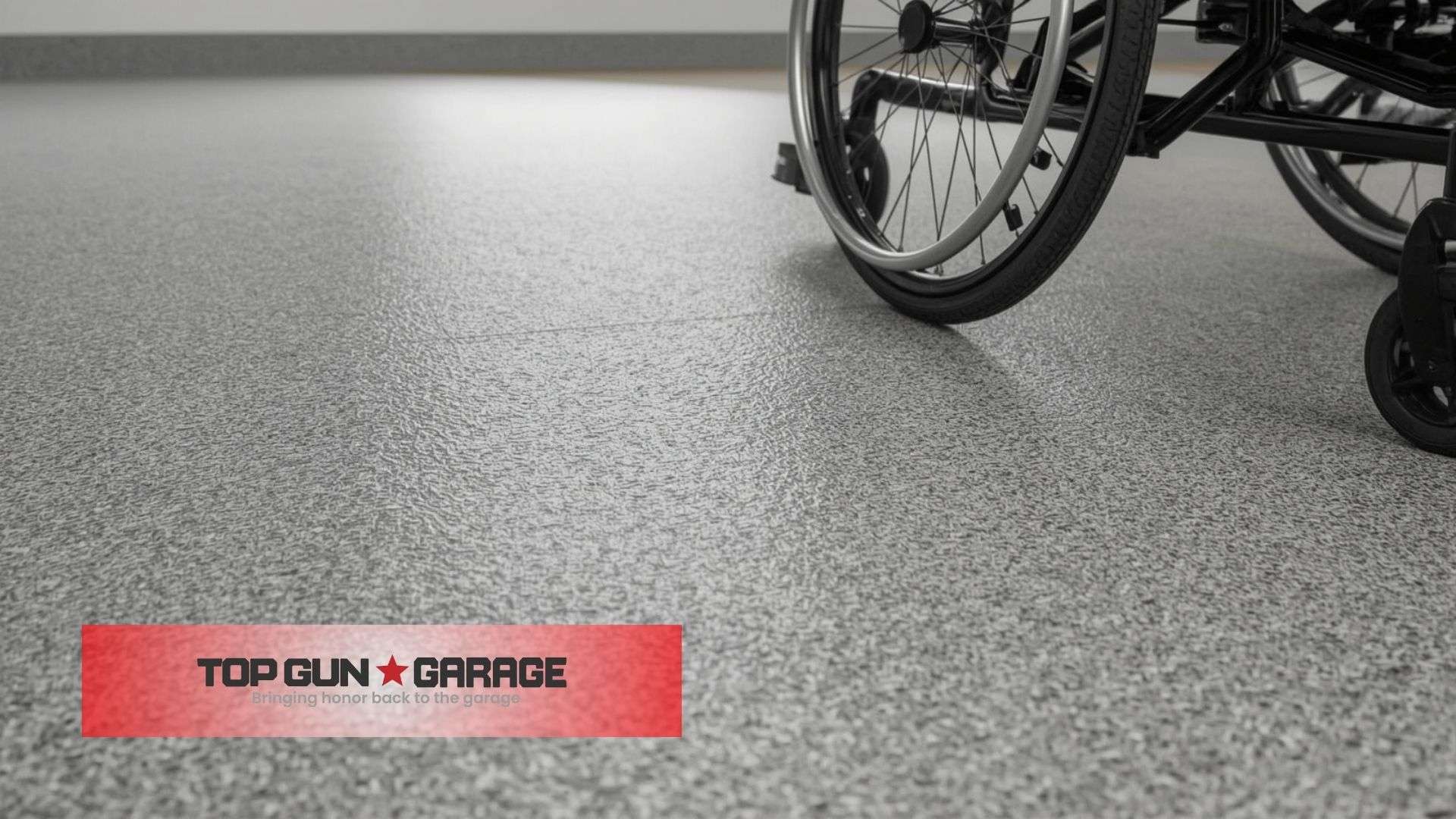 Surface texture represents one of the most critical aspects of wheelchair accessible garage floors. The flooring must provide sufficient traction to prevent slipping during wet conditions while maintaining a smooth enough surface to allow easy wheelchair navigation. This balance requires careful selection of materials and finishing techniques that avoid creating obstacles for wheelchair wheels while ensuring safety for all users. Textured surfaces that work well for walking can create significant challenges for wheelchair users, making material selection a crucial decision point in the design process.
Slope management extends beyond simple compliance with accessibility codes to encompass practical considerations for garage functionality. While accessibility standards set maximum slope requirements, optimal wheelchair accessible garage floors often incorporate gentler grades that improve usability while maintaining proper drainage. The integration of slope requirements with garage door thresholds, drainage systems, and adjacent flooring areas requires careful planning and professional expertise to achieve seamless results.
Transition zones between the garage floor and other areas of the home demand special attention in wheelchair accessible designs. Eliminating thresholds and creating smooth transitions prevents wheelchair obstruction while maintaining weather sealing and structural integrity. These transition areas often require custom solutions that address the specific configuration of each garage and its relationship to the main residence.
Surface texture represents one of the most critical aspects of wheelchair accessible garage floors. The flooring must provide sufficient traction to prevent slipping during wet conditions while maintaining a smooth enough surface to allow easy wheelchair navigation. This balance requires careful selection of materials and finishing techniques that avoid creating obstacles for wheelchair wheels while ensuring safety for all users. Textured surfaces that work well for walking can create significant challenges for wheelchair users, making material selection a crucial decision point in the design process.
Slope management extends beyond simple compliance with accessibility codes to encompass practical considerations for garage functionality. While accessibility standards set maximum slope requirements, optimal wheelchair accessible garage floors often incorporate gentler grades that improve usability while maintaining proper drainage. The integration of slope requirements with garage door thresholds, drainage systems, and adjacent flooring areas requires careful planning and professional expertise to achieve seamless results.
Transition zones between the garage floor and other areas of the home demand special attention in wheelchair accessible designs. Eliminating thresholds and creating smooth transitions prevents wheelchair obstruction while maintaining weather sealing and structural integrity. These transition areas often require custom solutions that address the specific configuration of each garage and its relationship to the main residence.
 Moisture management during installation is particularly critical for wheelchair accessible garage floors, as these surfaces must maintain their characteristics over time without developing issues that could compromise accessibility. Proper vapor barrier installation, moisture testing, and the use of moisture-tolerant materials help ensure long-term performance. Installation timing and environmental controls during the curing process can significantly impact the final surface characteristics and overall system performance.
Quality control measures throughout the installation process help ensure that accessibility requirements are met consistently across the entire garage floor surface. Regular testing of surface texture, slope measurements, and transition details during installation allows for corrections before the system is fully cured. Professional installers use specialized tools and techniques to verify that accessibility standards are maintained throughout the installation process.
The integration of drainage systems with wheelchair accessible garage floors requires careful coordination to ensure that drainage features don’t create accessibility barriers. Channel drains, floor drains, and slope management must be designed and installed to complement the accessibility features rather than compromise them. This often requires custom solutions and careful attention to detail during the installation process.
Final inspection and testing procedures verify that the completed installation meets all accessibility requirements and performance standards. This includes verification of surface characteristics, slope measurements, transition details, and overall system integrity. Professional installers provide documentation of compliance and performance testing to ensure that the installation meets both accessibility standards and long-term durability requirements.
Moisture management during installation is particularly critical for wheelchair accessible garage floors, as these surfaces must maintain their characteristics over time without developing issues that could compromise accessibility. Proper vapor barrier installation, moisture testing, and the use of moisture-tolerant materials help ensure long-term performance. Installation timing and environmental controls during the curing process can significantly impact the final surface characteristics and overall system performance.
Quality control measures throughout the installation process help ensure that accessibility requirements are met consistently across the entire garage floor surface. Regular testing of surface texture, slope measurements, and transition details during installation allows for corrections before the system is fully cured. Professional installers use specialized tools and techniques to verify that accessibility standards are maintained throughout the installation process.
The integration of drainage systems with wheelchair accessible garage floors requires careful coordination to ensure that drainage features don’t create accessibility barriers. Channel drains, floor drains, and slope management must be designed and installed to complement the accessibility features rather than compromise them. This often requires custom solutions and careful attention to detail during the installation process.
Final inspection and testing procedures verify that the completed installation meets all accessibility requirements and performance standards. This includes verification of surface characteristics, slope measurements, transition details, and overall system integrity. Professional installers provide documentation of compliance and performance testing to ensure that the installation meets both accessibility standards and long-term durability requirements.