Homeowners across Naples, Fort Myers, and Bonita Springs are getting burned by garage floor coating scams in Florida that seem legitimate on the surface. The tactics range from impossibly low advertised prices to warranty language designed to deny claims. Some contractors disappear mid-project. Others install substandard materials that fail within months. Southwest Florida’s growing population has attracted both reputable installers and opportunistic operators who know how to exploit eager homeowners.
This guide breaks down the specific scams circulating right now, explains how to verify contractor credentials, and gives you the questions that separate honest installers from those looking to take your money.
Overview
The garage floor coating industry has a low barrier to entry. Some manufacturers offer training programs that last only a few days, after which installers present themselves as experts. Combined with Florida’s post-hurricane construction demand and a steady stream of new residents unfamiliar with local contractors, conditions are ripe for deceptive practices. Understanding the most common schemes protects your investment and helps you find contractors who actually deliver on their promises.
Key Takeaways
Bait-and-switch pricing turns $899 quotes into $3,000+ invoices through mandatory “add-ons” that any legitimate job requires from the start.
Warranty exclusions for moisture and tire staining void coverage the moment problems appear, even on “lifetime” warranties.
Unlicensed operators borrow credentials or push homeowners to pull owner-builder permits, leaving you liable for substandard work.
Verifying licenses through the Florida DBPR takes seconds and reveals complaint histories most contractors hope you never check.
High-pressure sales tactics, same-day discounts, and cash-only demands are reliable warning signs of fraudulent operations.
The Bait-and-Switch Price Game
You see an advertisement: “$899 for a 2-car garage floor coating.” The price seems aggressive compared to other quotes you have received, but a salesperson shows up, inspects your garage, and confirms the deal. Then the conversation shifts. Surface preparation? That is extra. Crack repair? Another charge. Premium coating for durability? Add $600. By the time the contract hits the table, that $899 has become $3,000 or more.
The truth is that prep work, crack repair, and quality coatings are not optional upgrades. They are standard requirements for any proper garage floor installation. Contractors using this tactic advertise impossibly low prices knowing they will upsell mandatory components. Once the salesperson is in your driveway, they count on you feeling committed.
Watch for “today-only” discounts and claims that pricing changes tomorrow. Legitimate contractors provide transparent quotes that include everything your floor needs without surprise charges.
Warranty Loopholes That Void Your Protection
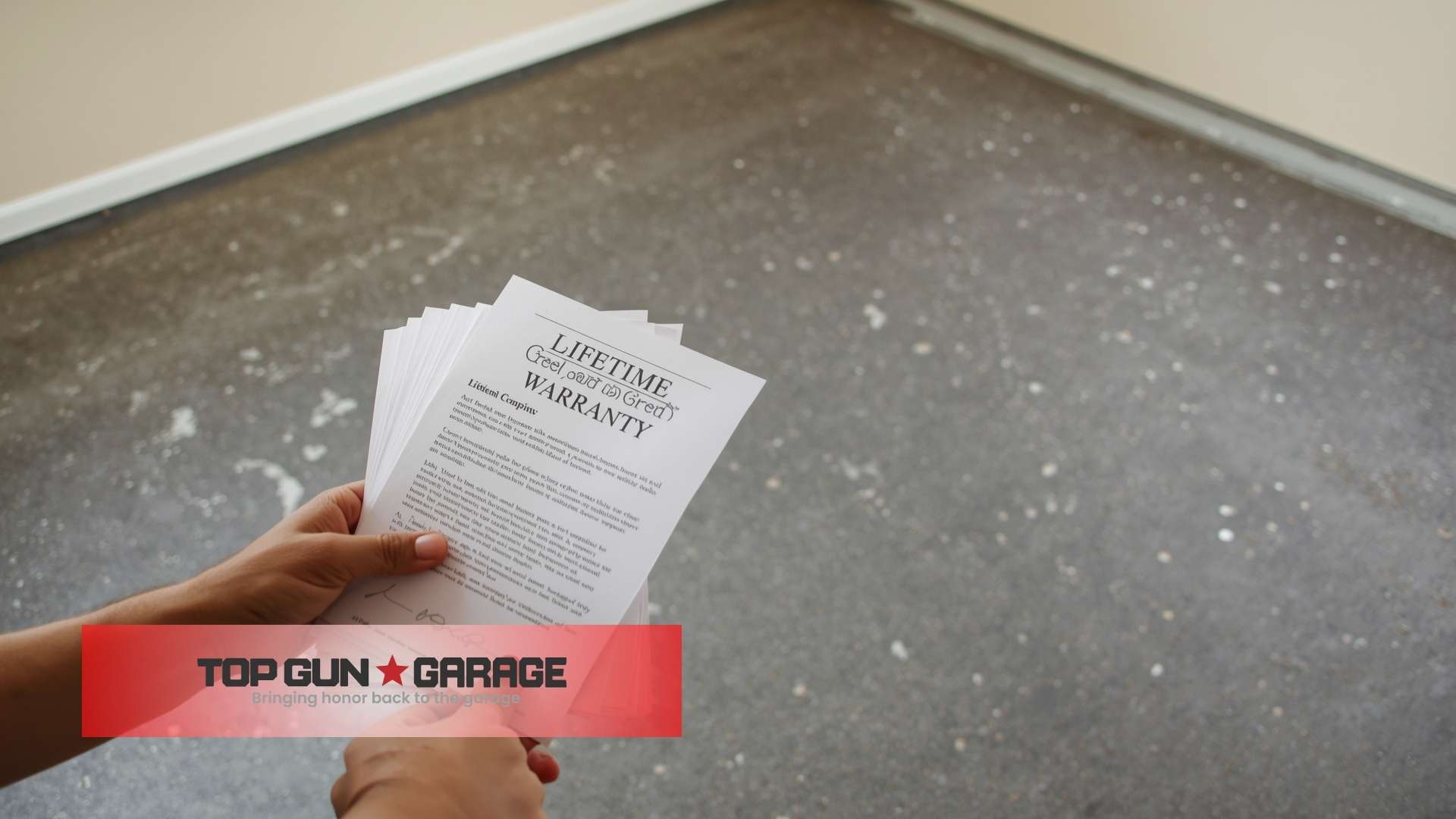
A “lifetime warranty” sounds reassuring until you read the fine print. Many garage floor coating warranties quietly exclude the two most common failure causes in Florida: moisture-related issues and hot tire pickup.
Moisture vapor moves through concrete continuously, especially in Southwest Florida’s humid climate. Some warranties use thresholds like 3 lbs MVER or vague Tramex readings that automatically void coverage when failures occur. This is not accidental. These exclusions are written specifically because moisture affects installation and causes most coating failures in this region.
Hot tire pickup, where tire compounds leach into coatings as slabs heat up, is another common exclusion. Many one-day systems, thin epoxies, and lower-grade polyaspartics cannot resist plasticizer migration. Rather than using materials that handle the problem, some contractors exclude tire staining from coverage entirely.
Before signing any contract, ask directly: Does this warranty cover moisture-related failures without exclusions? Does it cover tire staining? If the answer involves conditions, thresholds, or hedging, you have found a warranty designed to protect the installer rather than your floor.
The Moisture Discovery Upcharge
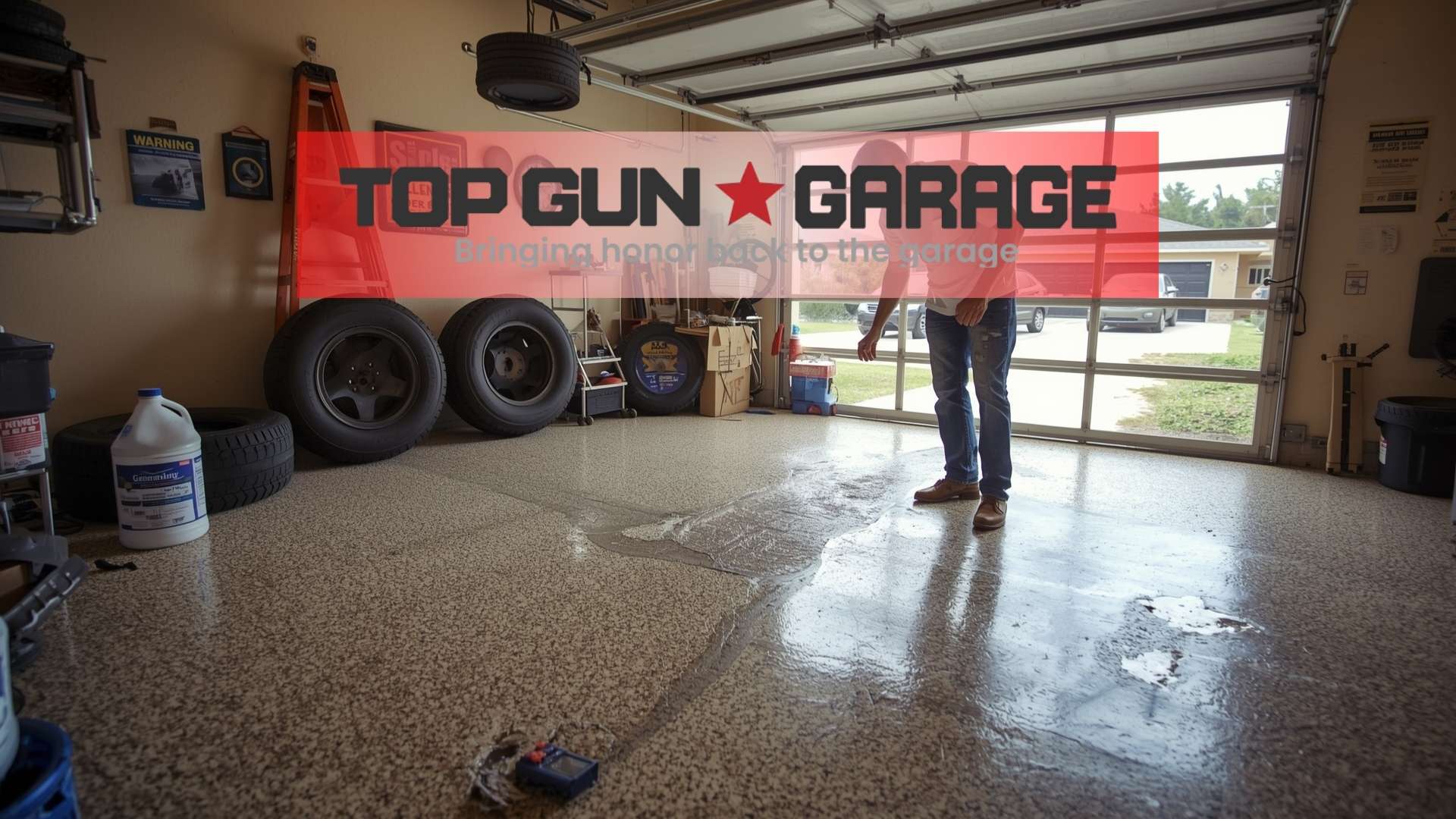
A related scam involves contractors who grind your slab, then claim moisture was an “unexpected discovery” requiring last-minute upcharges. Here is the reality: moisture in Florida concrete is predictable, not a surprise. Any professional installer in Southwest Florida knows to test for moisture before starting work and include appropriate primers in the original quote.
When a contractor presents moisture mitigation as an unexpected extra charge, you are either dealing with someone inexperienced with regional conditions or someone deliberately using this tactic to inflate the final price.
Unlicensed Operators and Borrowed Credentials
Florida law requires contractors to hold valid state or county licenses for their trade. Contracting without a license on projects over $5,000 is a third-degree felony, one of the harshest penalties in the country. Despite this, the Florida Department of Business and Professional Regulation investigates thousands of unlicensed activity cases annually.
Some unlicensed operators borrow credentials from licensed individuals, display fake or expired license numbers, or pressure homeowners to pull owner-builder permits. The owner-builder route shifts liability entirely to you. If work is substandard or causes damage, you have no recourse against an unlicensed contractor, and your homeowner’s insurance may deny claims for unpermitted work.
Verifying credentials takes seconds. Search the contractor’s name or license number at MyFloridaLicense.com. Confirm the license is active, the type matches your project, and check for any disciplinary history. Also verify that the business entity is registered and in good standing with the Florida Division of Corporations.
Material Substitution and Product Switching
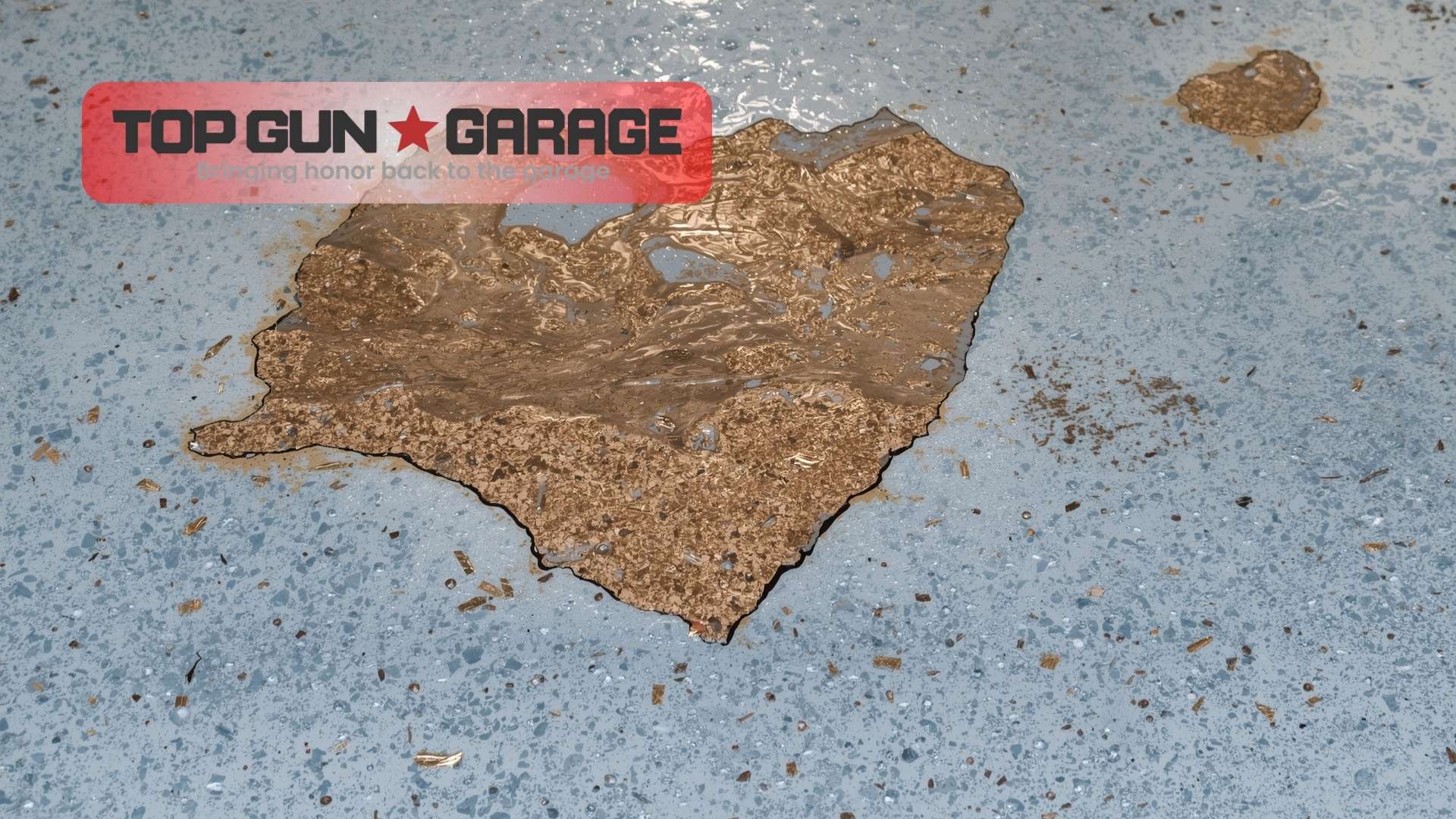
You agree to a specific coating system based on the contractor’s presentation. The floor goes down. Months later, it fails. You discover the contractor installed different materials than promised. This is not hypothetical. The “old switcheroo” happens when contractors substitute cheaper, lower-grade products while charging premium prices.
Protect yourself by requesting Technical Data Sheets for the products being installed. These documents specify coating thickness, chemical resistance, UV stability, and performance characteristics. If a contractor cannot or will not provide TDS documentation, the products may be untested, thin, or not designed for Florida conditions.
Vague contract language like “or equal” allows substitutions. Specify brand, model, and performance requirements in writing. Keep product containers or photograph labels before they are discarded.
High-Pressure Sales Tactics
“Sign today.” “Cash discount now.” “We can start tomorrow.” These are classic tactics designed to bypass your due diligence. Manufactured urgency prevents you from comparing quotes, checking references, or researching the company.
Storm chasers are particularly aggressive after hurricanes, moving from one disaster zone to another offering quick repairs at deep discounts. They may claim leftover materials from another job or offer pricing that expires within hours. Once they have your money, they either disappear, do minimal work, or deliver quality so poor you spend more fixing it than the job should have cost originally.
A reputable contractor recognizes you need time to evaluate options. They provide written estimates, answer questions thoroughly, and do not make you feel powerless to say no. If someone insists you commit immediately, that pressure is designed to prevent you from discovering problems with their operation.
Payment Structure Red Flags
Demanding large cash deposits or full payment upfront is one of the clearest warning signs of a potential scam. Once a contractor has your money, your leverage disappears. Some operators collect payments and vanish. Others do minimal work before claiming additional problems require more funds.
Legitimate contractors typically request a reasonable deposit, usually no more than 10 to 20 percent of the total project cost, with progress payments tied to specific milestones. Final payment should occur only after you are satisfied with completed work.
Always pay by check or credit card. These methods create a paper trail and offer dispute options if problems arise. Cash payments eliminate your ability to recover funds through financial institutions.
How to Verify Florida Contractor Credentials
Florida offers two license types. State certified contractors have passed a state examination and can work in any Florida county. Their license numbers typically start with “C” followed by a two-letter trade designation. County registered contractors meet requirements of a specific county’s licensing board and can only work within that county.
Before hiring any contractor, verify the following:
License status is active and not expired, revoked, or suspended
License type matches the work you need performed
No outstanding complaints or formal disciplinary actions
Insurance coverage includes general liability and workers’ compensation
Business entity is registered with the Florida Division of Corporations
The Florida DBPR maintains public records of all licensed contractors including complaint histories. A single resolved complaint may not be concerning, but multiple complaints or formal disciplinary actions are serious red flags.
Surface preparation method (diamond grinding, not just acid etching)
Crack and damage repair procedures
Moisture testing and mitigation approach
Specific coating products with brand names and thickness
Number of coating layers and cure time between applications
Written warranty terms without exclusionary fine print
Total project cost with no “optional extras” that are actually required
If any of these components are listed as add-ons or mentioned only after you ask, you may be dealing with a company using deceptive pricing tactics.
Questions to Ask Before Signing
Asking the right questions exposes contractors who rely on vague promises. These inquiries should be answered confidently and specifically:
What is your state contractor license number, and may I verify it?
Can you provide Technical Data Sheets for all products you will use?
Does your warranty cover moisture-related failures without exclusions?
Does your warranty cover hot tire pickup and tire staining?
How do you prepare the concrete surface before coating?
Is moisture testing and mitigation included in your quote?
Can you provide references from recent local projects?
What happens if the floor fails within the warranty period?
Contractors who hesitate, deflect, or become defensive when asked these questions are revealing exactly why you needed to ask.
Frequently Asked Questions
How do I verify if a garage floor coating contractor is licensed in Florida?
Search the contractor’s name or license number at MyFloridaLicense.com, the official Florida DBPR database. Confirm the license is active, matches the work type, and check for complaints or disciplinary actions. This takes less than a minute and reveals histories most contractors hope you never discover.
What is the bait-and-switch scam in garage floor coating?
Contractors advertise extremely low prices, then add mandatory “extras” like surface preparation and crack repair that any legitimate job requires. The final price often triples the advertised amount. Transparent contractors include all necessary work in their initial quote.
Why do some garage floor coating warranties not cover moisture damage?
Moisture-related failures are the most common cause of coating problems in Florida. Some contractors exclude moisture issues specifically because they know failures will occur, allowing them to deny warranty claims. Reputable installers include moisture-mitigating primers and warranty coverage without moisture exclusions.
What should a legitimate garage floor coating quote include?
Complete quotes specify diamond grinding preparation, crack repair, moisture testing, specific product brands and thicknesses, number of coating layers, cure times, warranty terms, and total cost. If any standard component is listed as an optional extra, the pricing is likely deceptive.
How can I tell if a contractor is using high-pressure sales tactics?
Warning signs include same-day-only pricing, demands for immediate signatures, claims that discounts expire within hours, and reluctance to provide written estimates you can review. Legitimate contractors give you time to compare options and never make you feel pressured to commit immediately.
What is hot tire pickup and why do warranties exclude it?
Hot tire pickup occurs when tire compounds leach into floor coatings as garage slabs heat up. Many thin epoxies and lower-grade polyaspartics cannot resist this, so contractors exclude it from warranties. Quality multi-layer systems with proper materials resist plasticizer migration.
What payment structure is normal for garage floor coating projects?
Expect a deposit of 10 to 20 percent with progress payments tied to milestones. Final payment should occur only after satisfactory completion. Demands for large cash deposits, full payment upfront, or cash-only transactions are warning signs of potential fraud.
How do I report a contractor scam in Florida?
File complaints with the Florida Department of Business and Professional Regulation at (850) 487-1395 for licensed contractor issues. Report unlicensed activity to the same agency. The Florida Attorney General’s office accepts complaints at myfloridalegal.com. For financial losses from licensed contractors, Florida’s Construction Recovery Fund may offer reimbursement.
Why do DIY epoxy kits from hardware stores often fail?
Hardware store kits are typically water-based, low-solids products that go on thin and wear out quickly. They lack proper primers, vapor barriers, and UV-stable topcoats. Without professional diamond grinding for surface preparation, coatings cannot bond properly to concrete.
What is the difference between state certified and county registered contractors?
State certified contractors pass a state examination and can work anywhere in Florida. County registered contractors meet specific county requirements and can only work in that county. If you live near county borders, verify your contractor is licensed for your specific location.
At Top Gun Garage, we believe honest contractors do not need gimmicks. Our quotes include everything your floor needs from the start: proper surface preparation, moisture mitigation, quality materials, and warranty coverage without exclusionary fine print. We back our work with a 15-year written warranty that actually protects your investment.
Get a Free Estimate and see what transparent pricing looks like.
 Skip to content



 The truth is that prep work, crack repair, and quality coatings are not optional upgrades. They are standard requirements for any proper garage floor installation. Contractors using this tactic advertise impossibly low prices knowing they will upsell mandatory components. Once the salesperson is in your driveway, they count on you feeling committed.
Watch for “today-only” discounts and claims that pricing changes tomorrow. Legitimate contractors provide transparent quotes that include everything your floor needs without surprise charges.
The truth is that prep work, crack repair, and quality coatings are not optional upgrades. They are standard requirements for any proper garage floor installation. Contractors using this tactic advertise impossibly low prices knowing they will upsell mandatory components. Once the salesperson is in your driveway, they count on you feeling committed.
Watch for “today-only” discounts and claims that pricing changes tomorrow. Legitimate contractors provide transparent quotes that include everything your floor needs without surprise charges.
 Protect yourself by requesting Technical Data Sheets for the products being installed. These documents specify coating thickness, chemical resistance, UV stability, and performance characteristics. If a contractor cannot or will not provide TDS documentation, the products may be untested, thin, or not designed for Florida conditions.
Vague contract language like “or equal” allows substitutions. Specify brand, model, and performance requirements in writing. Keep product containers or photograph labels before they are discarded.
Protect yourself by requesting Technical Data Sheets for the products being installed. These documents specify coating thickness, chemical resistance, UV stability, and performance characteristics. If a contractor cannot or will not provide TDS documentation, the products may be untested, thin, or not designed for Florida conditions.
Vague contract language like “or equal” allows substitutions. Specify brand, model, and performance requirements in writing. Keep product containers or photograph labels before they are discarded.
 A transparent garage floor coating quote should specify: