 Skip to content



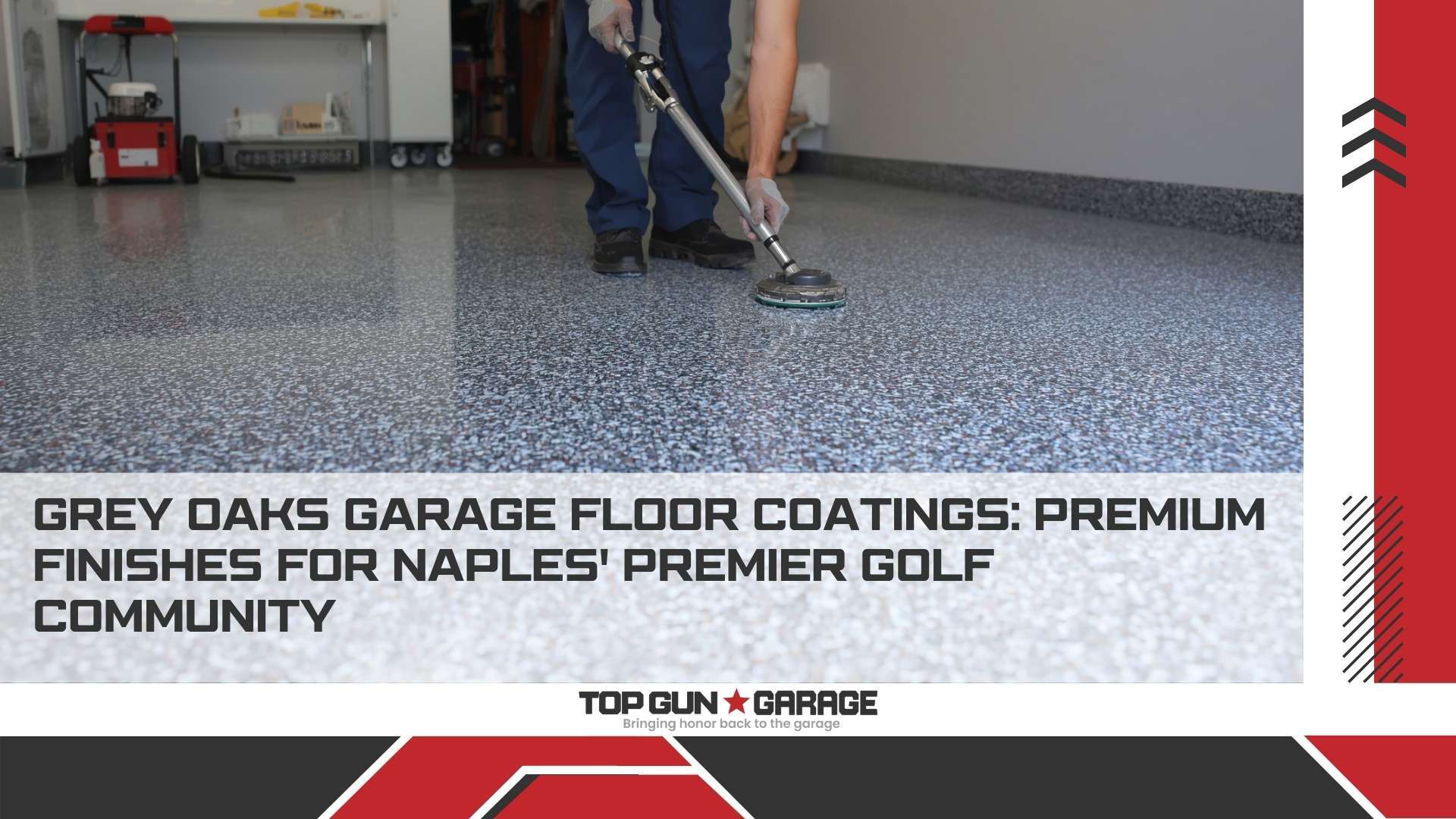
Naples’ Grey Oaks community represents the pinnacle of Southwest Florida luxury living, and homeowners here demand garage floor solutions that match the exceptional quality of their residences. Premium epoxy coatings transform ordinary concrete into stunning, durable surfaces that withstand the unique challenges of Florida’s climate while elevating the overall aesthetic of these prestigious homes.
Key Takeaways
- Epoxy garage floor coatings provide exceptional durability lasting 15-25 years with proper maintenance in Southwest Florida conditions
- Professional installation by certified contractors ensures proper surface preparation and coating adhesion
- Decorative options including metallic finishes, flake systems, and custom colors complement luxury home exteriors
- Climate-specific formulations resist humidity, heat, and UV exposure common in Collier County
- Property value increases an average of 3-5% with premium garage floor upgrades in high-end communities
- Slip-resistant additives provide safety without compromising the sleek appearance
- Professional coatings include comprehensive warranties covering both materials and workmanship
Why Grey Oaks Homeowners Choose Premium Garage Floor Coatings
The Grey Oaks community in Naples, Florida, stands as one of Collier County’s most prestigious addresses, featuring three championship golf courses, world-class amenities, and estate homes valued at several million dollars. Residents here understand that every detail contributes to their home’s overall value and aesthetic appeal. Your garage floor—often the first thing visitors see when they arrive—deserves the same attention to quality as your kitchen countertops or outdoor living spaces.
According to the National Association of Realtors, premium garage improvements rank among the top ROI renovations for luxury homes in Florida markets. Research from the Mortgage Bankers Association indicates that Collier County consistently ranks among the nation’s highest for luxury home appreciation, with discerning buyers expecting move-in ready excellence in every space.
Beyond aesthetics, these coatings address practical concerns unique to Southwest Florida living. The porous nature of untreated concrete absorbs oil stains, moisture, and debris, creating maintenance challenges that compound over time. Premium epoxy creates a seamless, non-porous barrier that repels liquids, resists stains, and simplifies cleaning to a simple sweep and occasional mop.
Understanding Epoxy and Resinous Floor Coatings
Epoxy floor coatings consist of two primary components: epoxy resin and a hardening agent that, when combined, create a chemical bond with the concrete substrate. This reaction produces an incredibly strong, rigid surface that adheres permanently to properly prepared concrete. Unlike paint, which merely sits on the surface, epoxy penetrates the concrete and creates a molecular-level bond that won’t peel or chip under normal use conditions.
The coatings industry, guided by standards from ASTM International, classifies epoxy systems by their composition and performance characteristics. For residential garage applications in Florida’s demanding environment, multi-layer systems with broadcast aggregate provide optimal durability and slip resistance. These systems typically include a primer coat for adhesion, one or more base coats for thickness and color, decorative broadcast media, and a clear topcoat for protection and shine.
Modern epoxy formulations have evolved significantly from the thick, industrial-looking coatings of previous decades. Today’s products offer remarkable versatility, from subtle solid colors to dramatic metallic effects, from natural stone-like textures to sleek, high-gloss finishes. This evolution has made epoxy coatings increasingly popular among homeowners who want durability without sacrificing visual appeal.
The Science Behind Epoxy Adhesion
Successful epoxy installation depends entirely on proper surface preparation. Concrete, despite appearing solid, contains millions of microscopic pores and capillaries. These pores must be opened through mechanical profiling—typically diamond grinding or shot blasting—to allow the epoxy to penetrate and create that critical chemical bond.
Industry experts recommend a surface profile equivalent to CSP 3 (Concrete Surface Profile) for garage applications. This profile provides sufficient roughness for the epoxy to grip while maintaining a smooth enough surface for comfortable foot traffic. Without adequate profiling, even the highest-quality epoxy will eventually delaminate, regardless of how well the coating is applied.
Moisture testing is equally critical in Southwest Florida, where high water tables and humidity levels create unique challenges. Excess moisture beneath the slab can vaporize and pressure the coating from below, causing bubbles, peeling, or complete failure. Professional installers use calcium chloride testing or relative humidity probes to assess moisture levels before proceeding.
Design Options for Discriminating Homeowners
Grey Oaks residents deserve garage floor solutions that complement their home’s architectural style and personal taste. Modern epoxy systems offer virtually unlimited design possibilities, from understated elegance to bold statements. Understanding the available options helps homeowners make informed decisions that align with their vision.
Solid Color Epoxy Systems
For homeowners seeking a clean, sophisticated look, solid color epoxy coatings provide timeless appeal. Available in an extensive palette—from classic grays and warm tans to deep navy and rich burgundy—these systems create a uniform, professional appearance that enhances any garage environment. Solid colors work particularly well in homes with contemporary or transitional architecture, where clean lines and consistent tones create visual harmony.
Decorative Flake Systems
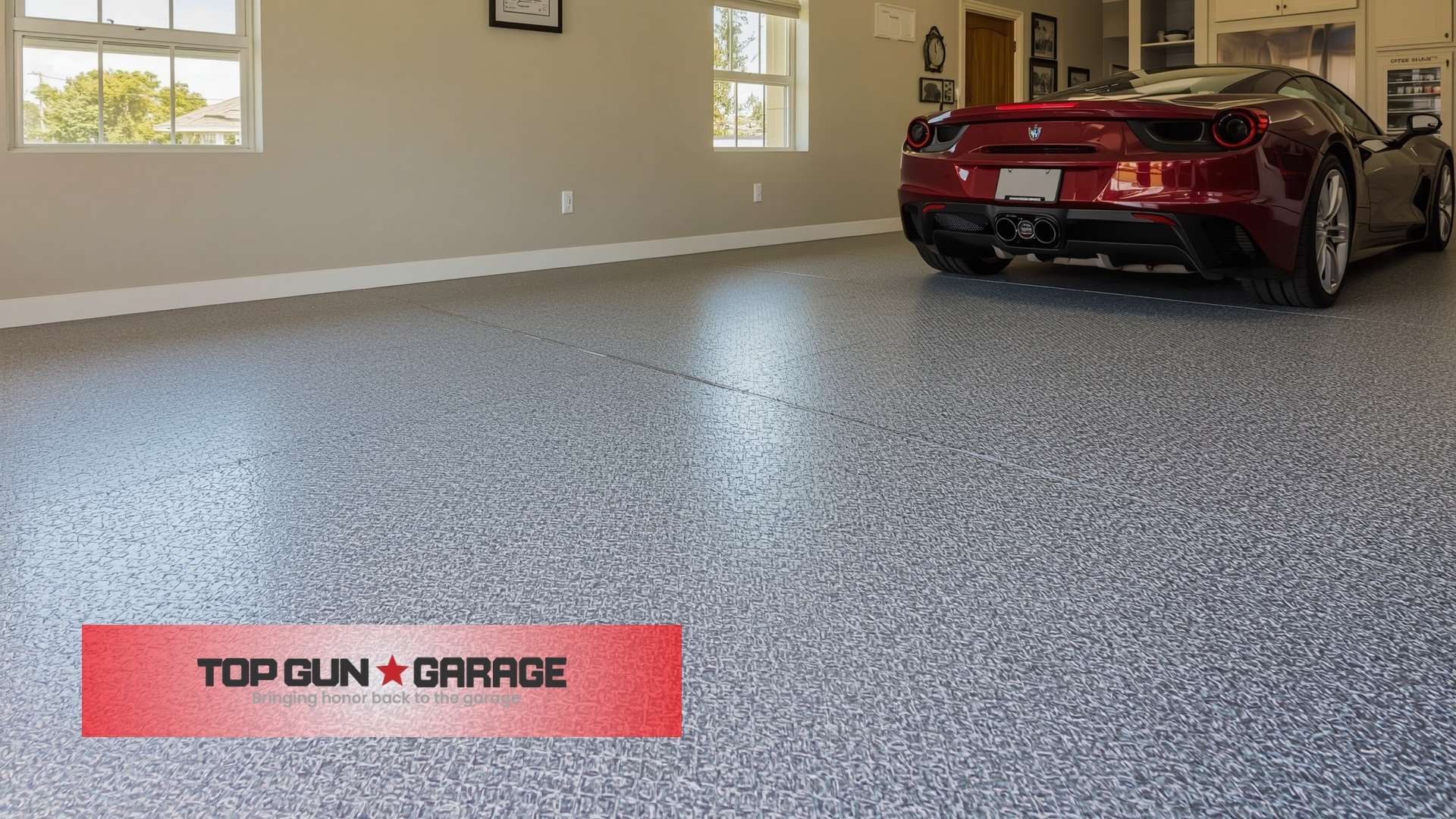
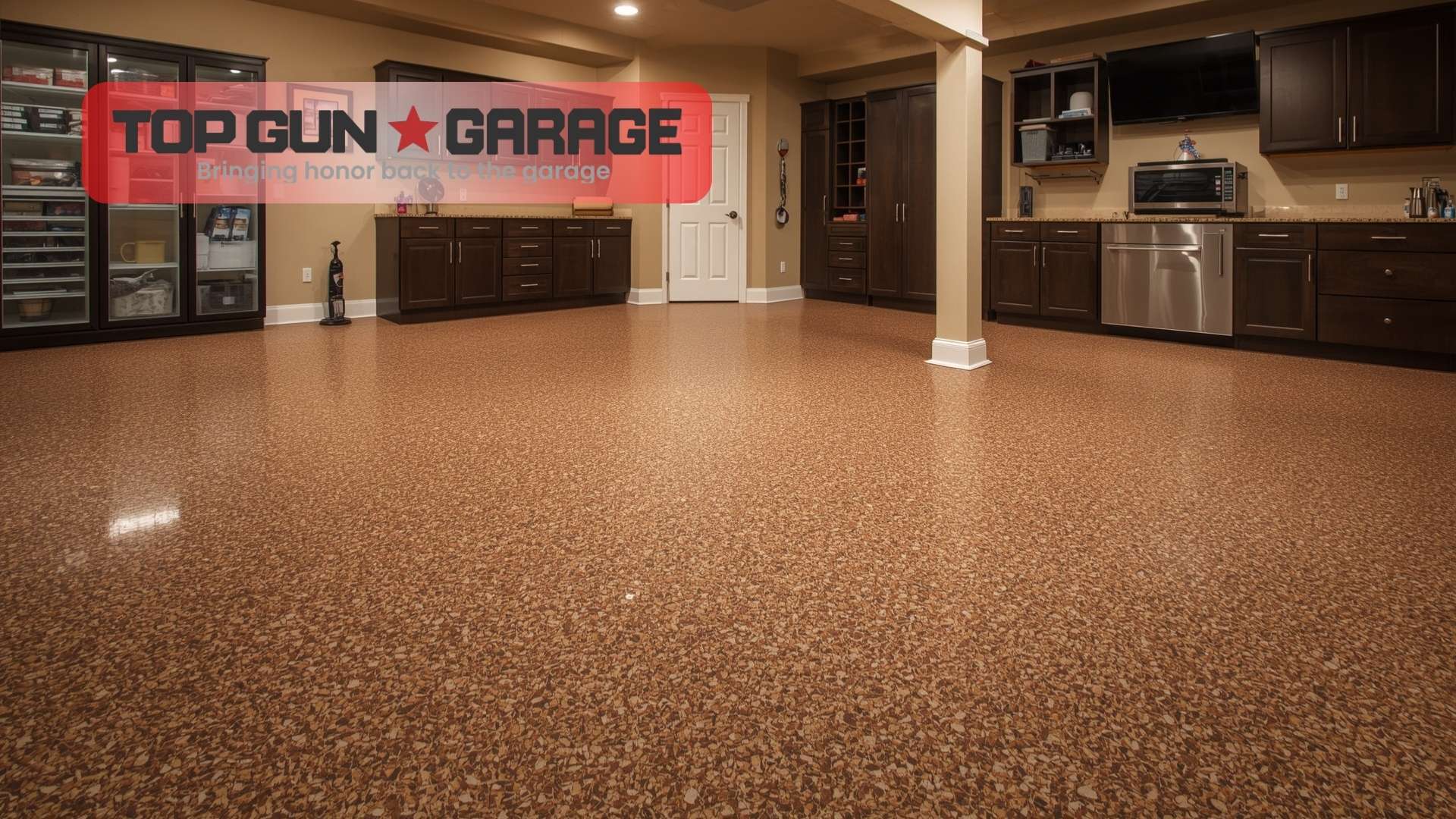
Broadcast flake systems add visual interest and practical benefits simultaneously. Colored vinyl flakes are scattered onto wet epoxy base coats, creating a speckled appearance that masks dirt, hides minor imperfections, and provides additional texture for slip resistance. Flake sizes range from tiny 1/32-inch micro-flakes to larger 1/4-inch flakes, with density customizable from subtle speckling to full coverage.
As detailed in our guide on modern epoxy flake flooring designs, these systems offer remarkable versatility. Homeowners can coordinate flake colors with their home’s exterior palette, vehicle color, or personal preferences. The resulting surface resembles terrazzo or granite, adding perceived value while maintaining practical durability.
Metallic Epoxy Finishes
For truly distinctive results, metallic epoxy coatings create pearlescent, three-dimensional effects that transform garage floors into conversation pieces. These coatings use metallic pigments suspended in the epoxy, which are manipulated during application to create swirling patterns, depth illusions, and light-refracting effects reminiscent of natural stone or abstract art.
Metallic finishes prove particularly popular in Grey Oaks estate homes, where the dramatic appearance matches the grandeur of the residence. Each installation produces unique results—the swirling patterns cannot be exactly replicated, ensuring your floor is genuinely one-of-a-kind. The glossy finish reflects light beautifully, making garages feel brighter and more inviting.
Climate Considerations for Southwest Florida Installations
Naples’ subtropical climate presents specific challenges that distinguish garage floor coating projects here from installations in other regions. Understanding these factors helps homeowners appreciate why professional installation and quality materials matter more in Southwest Florida than in temperate climates.
Heat and UV Exposure
Summer temperatures in Collier County regularly exceed 90°F, with direct sunlight heating garage floors to extreme temperatures. Standard epoxy coatings can soften in sustained heat, potentially leading to hot tire pickup—where vehicle tires bond to the coating when cool. Premium formulations designed for Florida conditions incorporate heat-resistant additives that maintain hardness even under intense sun exposure.
Our analysis of garage floor solutions for Florida heat demonstrates that UV-stable topcoats prevent the yellowing and degradation that affects standard coatings exposed to years of intense sunlight. These specialized formulations ensure your floor maintains its color and gloss despite Southwest Florida’s relentless sunshine.
Humidity and Moisture Management
Collier County’s humidity levels routinely exceed 70%, creating moisture challenges that demand specialized preparation techniques. Professional installers understand that concrete curing times vary dramatically based on weather conditions, and they adjust installation schedules accordingly. Rush jobs in humid conditions almost guarantee failure.
Moisture vapor barriers applied beneath the concrete slab help control upward moisture migration, but existing slabs may lack these protections. When moisture testing reveals elevated levels, penetrating epoxy primers that cure despite moisture provide a solution. These specialized products have become essential tools for successful installations in our humid climate.
Hurricane Resilience
Living in hurricane-prone Southwest Florida requires consideration of storm impacts on home features. While garage floor coatings won’t prevent storm damage, they can survive flooding and subsequent cleanup better than untreated concrete. The seamless, non-porous surface resists water absorption and doesn’t support mold growth, simplifying the post-storm recovery process.
Our guide on hurricane-resistant garage floors explores how proper coating systems handle the debris, water, and debris cleanup that follows severe weather events. For Grey Oaks residents, whose homes represent significant investments, floor coatings that survive hurricane season intact provide both practical and financial benefits.
The Professional Installation Process
Understanding what happens during professional epoxy installation helps homeowners appreciate the value of expert craftsmanship. Each step in the process exists for specific reasons that contribute to the coating’s long-term performance.
Step 1: Assessment and Surface Profiling
Professional installation begins with thorough concrete assessment. Installers examine the slab for cracks, spalling, oil contamination, and previous coatings. They measure moisture levels and assess the existing surface profile. This evaluation determines necessary repairs, appropriate coating systems, and realistic expectations for the finished result.
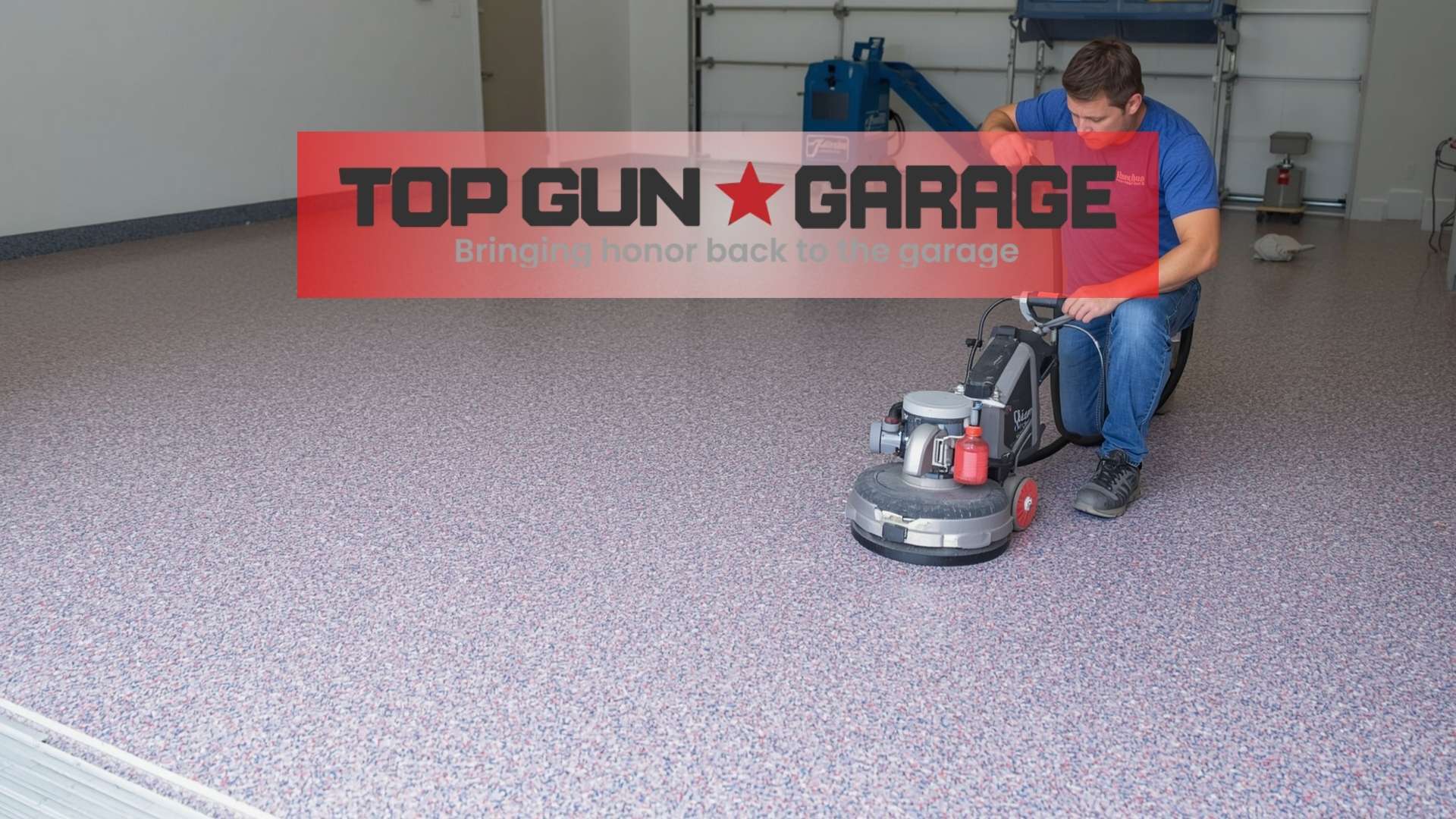
Surface profiling follows assessment, typically using diamond grinding equipment. This process removes contaminants, levels uneven surfaces, and creates the profile necessary for epoxy adhesion. The noise and dust generated during grinding indicate serious preparation—be wary of installers who skip or abbreviate this critical step.
Step 2: Repairs and Priming
Cracks and damaged areas receive appropriate repair materials before coating begins. Small cracks fill with flexible epoxy crack fillers, while larger damage may require concrete patching compounds. These repairs ensure a uniform surface and prevent crack patterns from telegraphing through the finished coating.
Primer application follows repairs, penetrating the profiled concrete to create a stable foundation for subsequent layers. Quality primers also help seal the concrete and control moisture vapor emission. The primer must cure completely before base coat application—rushing this step compromises the entire system.
Step 3: Base Coat and Decorative Application
The base coat provides color, thickness, and the primary bond to primed concrete. Installers apply this coat at specified thicknesses, ensuring complete coverage without thin spots that could fail prematurely. For flake systems, broadcast application happens while the base coat remains tacky, ensuring proper embedment and adhesion.
Metallic coatings require specialized application techniques where installers manipulate the material with brushes, rollers, or squeegees to create desired effects. This artistic process demands skilled technicians who understand how metallic pigments move and settle during curing. The results justify the premium pricing these systems command.
Step 4: Topcoat Application and Curing
The clear topcoat seals decorative layers, provides UV and chemical resistance, and creates the glossy finish that makes epoxy floors so appealing. Topcoat application requires careful attention to environmental conditions—temperature, humidity, and air circulation all affect how the coating cures.
Curing time varies based on formulation and conditions, but homeowners should plan for 24-72 hours before light foot traffic and 5-7 days before vehicle parking. Premature use risks permanent damage that voids warranties. Professional installers provide specific cure time recommendations based on actual installation conditions.
Maintenance and Long-Term Care
Premium epoxy garage floors in Grey Oaks homes require minimal maintenance compared to untreated concrete, but proper care extends their lifespan and preserves their appearance for decades. Understanding these requirements helps homeowners protect their investment.
Routine Cleaning Protocols
Daily maintenance involves simple dry mopping or sweeping to remove loose debris that could scratch the surface under vehicle traffic. Weekly cleaning with pH-neutral cleaners removes accumulated grime without damaging the coating’s gloss or color. Avoid harsh chemicals, acidic cleaners, or abrasive tools that could dull the finish over time.
Spills should receive prompt attention, particularly automotive fluids. While epoxy resists staining better than concrete, prolonged exposure to oil, brake fluid, or antifreeze may affect the surface. Most spills clean easily with appropriate absorbents followed by routine cleaning.
Preventive Measures
Placing protective mats beneath vehicles provides additional protection against fluid leaks and hot tire marks. While quality epoxy resists these issues, protective measures add layers of defense that extend the coating’s pristine appearance. Mats at garage entries also reduce sand, dirt, and debris that accelerates surface wear.
Our guide on seasonal maintenance routines recommends periodic deep cleaning and annual inspection to identify any developing issues before they become significant problems. Early intervention prevents minor concerns from escalating into costly repairs.
Addressing Minor Damage
Despite proper care, garage floors eventually show signs of wear in high-traffic areas. Professional installers can recoat worn sections or apply fresh topcoats over the entire surface to restore original appearance. This recoating process costs significantly less than complete removal and replacement while extending the floor’s service life by another 10-15 years.
Cost Considerations and Value Analysis
Premium garage floor coatings represent meaningful investments, and Grey Oaks homeowners deserve clear understanding of what they receive for their expenditure. Cost analysis must consider not just initial installation price but long-term value, maintenance requirements, and property impact.
Investment Tiers
Basic solid-color epoxy systems typically cost $3-5 per square foot for professional installation, while decorative flake systems range from $5-8 per square foot. Premium metallic finishes command $8-15 per square foot depending on complexity and design intricacy. These prices assume professionally prepared surfaces without significant repair needs—severe damage or moisture issues add to base costs.
For comparison, untreated concrete floors may seem economical initially, but ongoing staining, cleaning, and eventual replacement create costs that accumulate over the floor’s service life. When calculated against epoxy’s 15-25 year lifespan with minimal maintenance, premium coatings often prove more economical than they initially appear.
Property Value Impact
Research from the National Association of Realtors suggests that garage improvements rank among the highest-ROI residential renovations, particularly in luxury markets. According to their 2025 Remodeling Impact Report, garage floor upgrades recover 65-75% of their cost at resale in upscale neighborhoods—though actual recovery depends on neighborhood comparables and buyer expectations.
For Grey Oaks specifically, where homes regularly sell for $2 million and above, buyers expect turnkey excellence throughout the property. A premium garage floor signals that the homeowner has maintained every aspect of the residence to high standards, potentially justifying asking prices and accelerating sales.
Choosing the Right Contractor
The difference between successful epoxy installations and disappointing failures often comes down to contractor selection. Grey Oaks homeowners should verify credentials, review previous work, and understand warranty terms before committing to any installer.
Credentials and Experience
Look for contractors with specific experience in residential garage applications in Southwest Florida. General commercial coating experience doesn’t automatically translate to residential excellence—different requirements, aesthetics, and customer expectations demand specialized skills. Ask potential contractors about their project portfolios, specifically similar installations in Collier County.
Professional certifications, while not required, indicate commitment to industry best practices. Manufacturers often certify installers who meet their technical standards, providing confidence that the contractor understands proper product application. These certifications typically require ongoing training and quality verification.
Warranty Considerations
Warranty terms reveal contractor confidence in their work. Comprehensive warranties covering both materials and labor for 5+ years indicate quality installations. Be suspicious of warranties that exclude labor costs, limit coverage to materials only, or contain extensive conditions that void protection.
Written warranties should specify exactly what they cover, what circumstances void coverage, and how claims processes work. Verbal assurances mean nothing without documentation—ensure warranty terms appear in your installation contract before work begins.
Comparing Coating Systems
Understanding the differences between coating options helps homeowners make informed decisions. The following comparison summarizes key characteristics of popular garage floor coating systems.
| System Type | Durability | Appearance | Maintenance | Cost Range | Best For |
|---|---|---|---|---|---|
| Solid Color Epoxy | 15-20 years | Clean, uniform | Low | $3-5/sq ft | Modern homes, budget-conscious |
| Decorative Flake | 15-25 years | Textured, varied | Low-Medium | $5-8/sq ft | High-traffic, hiding dirt |
| Metallic Epoxy | 20-25 years | Dramatic, unique | Medium | $8-15/sq ft | Luxury homes, showpieces |
| Polyaspartic Hybrid | 20+ years | Glossy, clear | Very Low | $6-12/sq ft | Quick turnaround, UV exposure |
Our comparison of epoxy versus polyaspartic performance provides additional detail on these coating options, helping homeowners understand which system best suits their specific requirements and priorities.
Frequently Asked Questions
How long does professional epoxy garage floor installation take in Naples?
Typical installations require 3-5 days for completion, including surface preparation, repairs, coating application, and curing time. Weather conditions in Southwest Florida can extend this timeline—high humidity or unexpected rain may require additional cure time between coats. Professional contractors provide realistic schedules during the estimation process.
Will epoxy coatings hold up to Florida’s summer heat?
Quality epoxy coatings formulated for Florida conditions withstand heat without softening or experiencing hot tire pickup. These specialized formulations incorporate heat-resistant additives that maintain hardness even when garage temperatures exceed 120°F during summer afternoons. Always verify that your contractor uses climate-appropriate products.
Can epoxy floors be installed over existing coatings?
Existing coatings must be completely removed before new epoxy application. Layering new epoxy over old coatings risks adhesion failure—the new system bonds to the old coating rather than the concrete substrate, creating a weak link that eventually fails. Professional preparation always includes complete removal of existing coatings.
Do epoxy garage floors become slippery when wet?
Standard epoxy surfaces can become slippery when wet, but slip-resistant additives resolve this concern. These additives embed in the topcoat, providing texture that maintains traction even on wet floors. For households with children or elderly residents, slip-resistant formulations offer essential safety without compromising the floor’s appearance.
How do I prepare my garage for epoxy installation?
Clear the garage completely, removing all items, vehicles, and stored materials. Seal any items that cannot be removed in plastic bags to protect against dust. Ensure the garage is accessible to installers and that environmental controls (such as air conditioning) remain available during installation and cure periods.
What causes epoxy coating failure in humid climates?
Moisture vapor transmission through concrete slabs creates pressure beneath coatings, causing bubbles, peeling, or complete delamination. Inadequate surface preparation, contaminated concrete, improper mixing ratios, and insufficient cure times also contribute to failures. Professional installers test for moisture and prepare surfaces rigorously to prevent these issues.
Are metallic epoxy finishes worth the additional cost?
Metallic finishes cost significantly more than solid colors or flakes, but homeowners who value distinctive aesthetics often consider the investment worthwhile. Each metallic installation produces unique results—the swirling, pearlescent effects cannot be exactly replicated. For luxury homes where the garage serves as an extension of living space, these dramatic floors justify their premium pricing.
What warranty should I expect from professional epoxy installation?
Reputable contractors offer warranties covering both materials and workmanship for 5-10 years on residential garage applications. Warranties should specifically address adhesion failure, delamination, and significant color change. Review warranty terms carefully before signing contracts, and ensure all promises appear in writing.
Conclusion
Grey Oaks homeowners deserve garage floor solutions that match the exceptional quality of their Southwest Florida residences. Premium epoxy coatings provide the durability, aesthetics, and climate-appropriate performance that discerning Collier County residents expect. From solid color systems to dramatic metallic finishes, professional installations transform ordinary concrete into stunning surfaces that enhance property value and simplify maintenance.
The investment in quality materials and professional installation pays dividends through decades of service, reduced maintenance requirements, and lasting visual appeal. By understanding the installation process, climate considerations, and maintenance requirements, Grey Oaks residents can make informed decisions that protect their investment for years to come.
Ready to transform your Grey Oaks garage with a premium floor coating that matches your home’s excellence? Contact our team today to schedule a consultation and discover how professional epoxy installation can elevate your Naples residence.