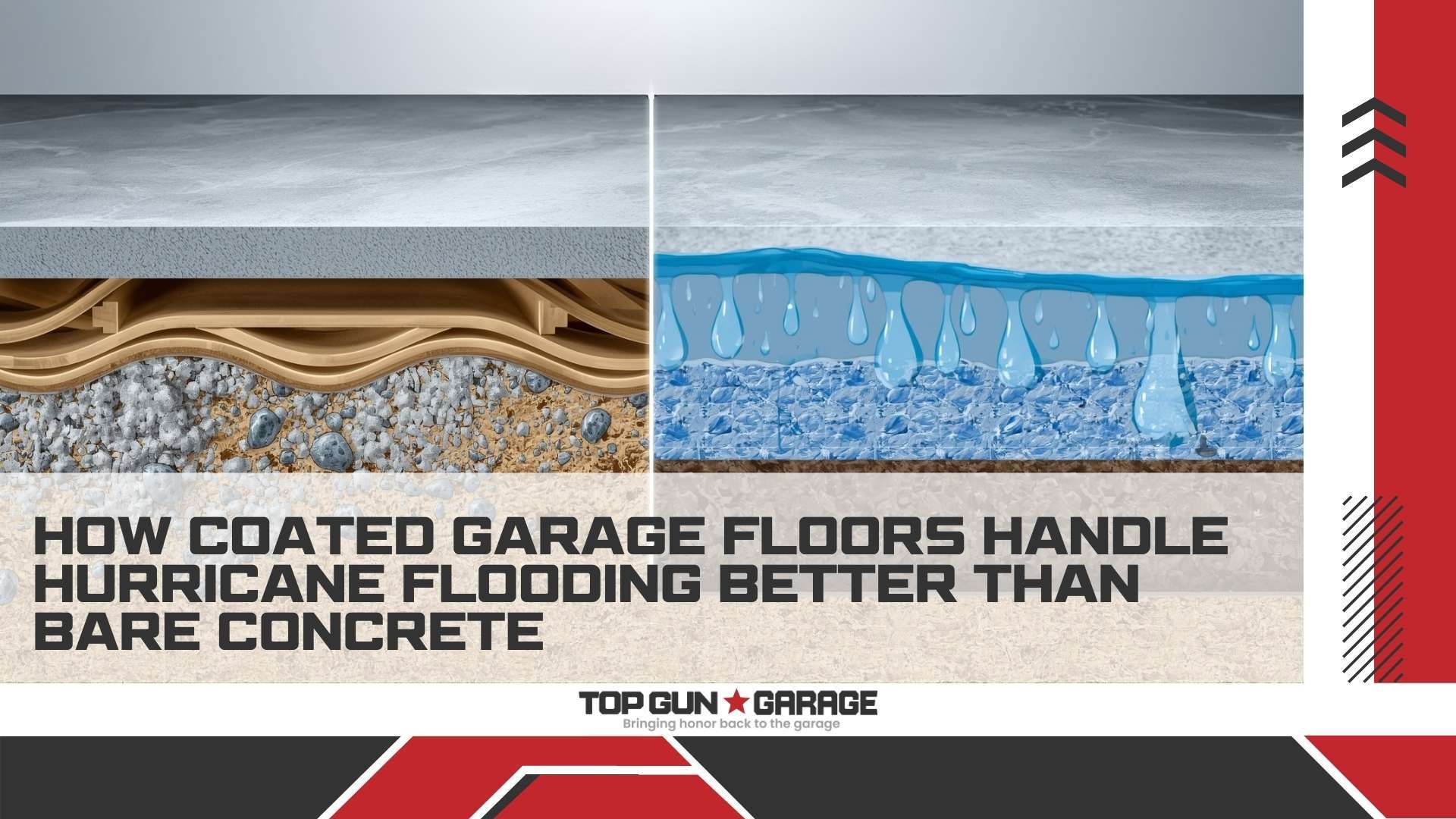
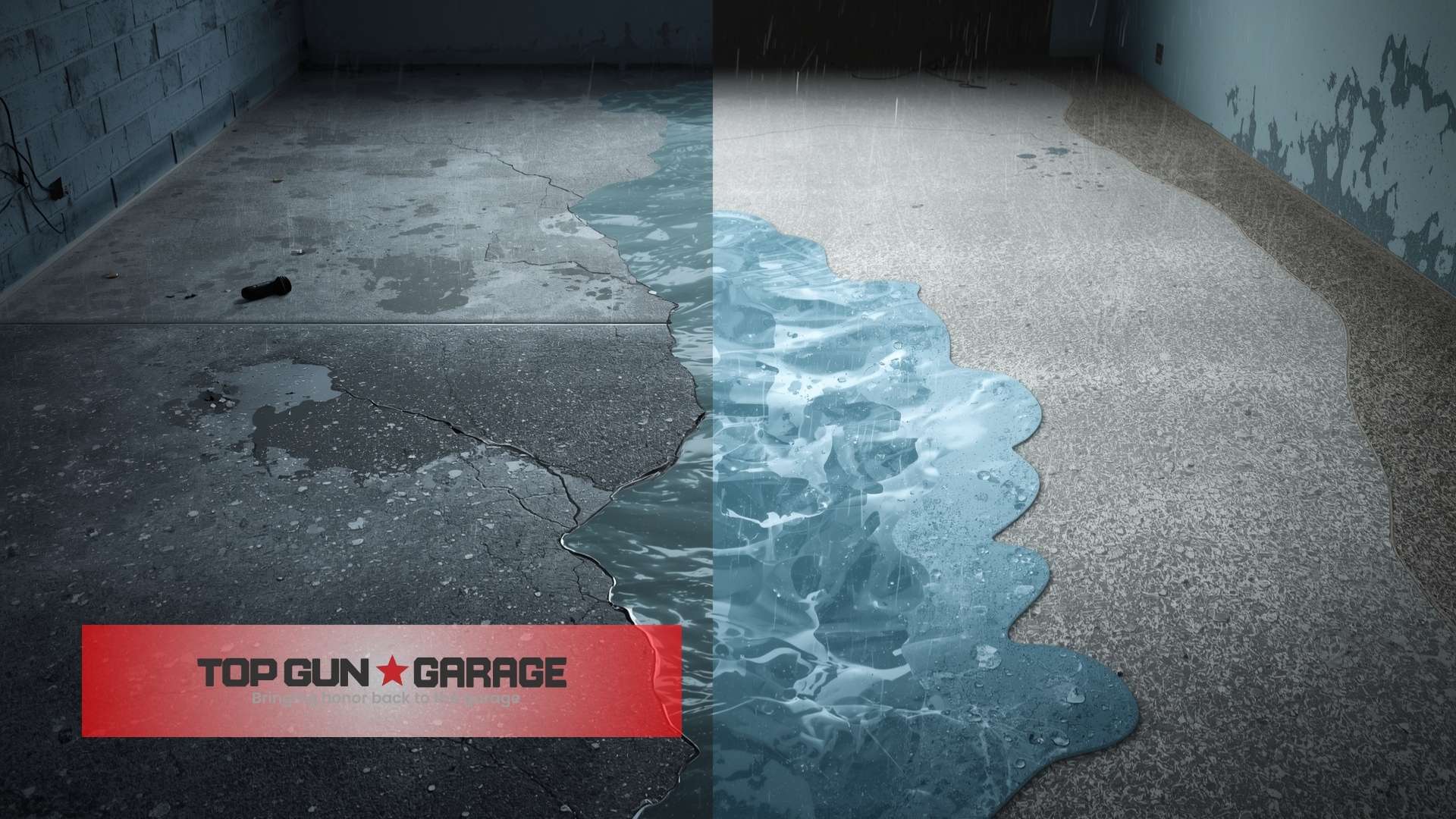
Professionally coated garage floors recover from hurricane flooding significantly faster than bare concrete. While uncoated concrete absorbs floodwater into its porous structure, a sealed floor with a polyaspartic or epoxy coating creates a non-porous barrier that water cannot penetrate. The result is faster drying times, dramatically reduced mold growth, easier debris removal, and a floor that looks and performs the same after flooding as it did before.
According to FEMA, the average flood insurance claim costs approximately $68,000, and garages are among the most vulnerable areas in any home during a hurricane. In Southwest Florida, where flood risk is a fact of life, protecting your garage floor is not just about aesthetics. It is about reducing damage, minimizing recovery time, and getting back to normal faster.
Why Bare Concrete Fails During Hurricane Flooding
Concrete looks solid, but it is inherently porous. Standard concrete contains between 12% and 18% porosity, meaning millions of microscopic channels allow water to penetrate the surface and migrate deep into the slab. During a flood, bare concrete acts like a sponge.
This creates several problems after floodwaters recede:
Extended drying times. Moisture trapped within the concrete can take weeks or even months to fully evaporate, especially in humid climates like Naples and Fort Myers.
Mold and mildew growth. The combination of absorbed moisture and Florida’s warmth creates ideal conditions for biological growth both on and within the concrete.
Efflorescence and staining. As water evaporates, it brings dissolved salts and minerals to the surface, leaving white residue and permanent discoloration.
Structural weakening. Repeated flood cycles cause concrete to degrade, crack, and spall as water expands and contracts within the material.
FEMA’s Technical Bulletin 2 classifies materials based on their flood damage resistance. While concrete is considered acceptable, the bulletin notes that prolonged exposure to contaminated floodwater can compromise concrete’s integrity, particularly when petroleum products or sewage are present. A protective coating adds a critical layer of defense against these contaminants.
How Coated Floors Create a Protective Barrier
High-performance floor coatings like polyaspartic and epoxy systems create a seamless, non-porous surface over the concrete. This barrier stops water at the surface rather than allowing it to absorb into the slab. Industry data shows that quality epoxy coatings can withstand water penetration rates of less than 1%, making them highly effective at keeping concrete protected during flood events.
The protection works on multiple levels:
Surface-Level Water Resistance
A properly applied coating fills the pores and micro-cracks in the concrete surface. When floodwaters enter your garage, they pool on top of the coating rather than soaking in. Once the water recedes, cleanup becomes straightforward: sweep out debris, mop the surface, and you are done. There is no waiting for weeks while moisture slowly evaporates from within the slab.
Chemical and Contaminant Resistance
Hurricane floodwater is rarely clean. It typically contains salt, petroleum products, sewage, and debris. FEMA research confirms that concrete exposed to contaminated floodwater may retain odors and contaminants that standard cleaning cannot remove. A sealed floor prevents these substances from penetrating the concrete in the first place, making post-flood remediation far simpler.
Mold and Mildew Prevention
Mold requires moisture, warmth, and a food source to grow. Bare concrete provides all three. A coated floor eliminates the moisture absorption that mold needs to establish itself within the slab. While surface mold can form on any wet surface, it is easily wiped away from a sealed floor rather than requiring professional remediation to address growth embedded in the concrete.
Recovery Time: Coated vs. Bare Concrete After Flooding
The practical difference between coated and uncoated floors becomes most apparent in the days and weeks following a flood. Here is how recovery typically compares:
Recovery Factor
Bare Concrete
Coated Floor
Surface drying time
3-7 days
Same day
Deep slab drying
2-6 weeks (or longer)
Not applicable
Mold risk
High
Low (surface only)
Staining from contaminants
Likely permanent
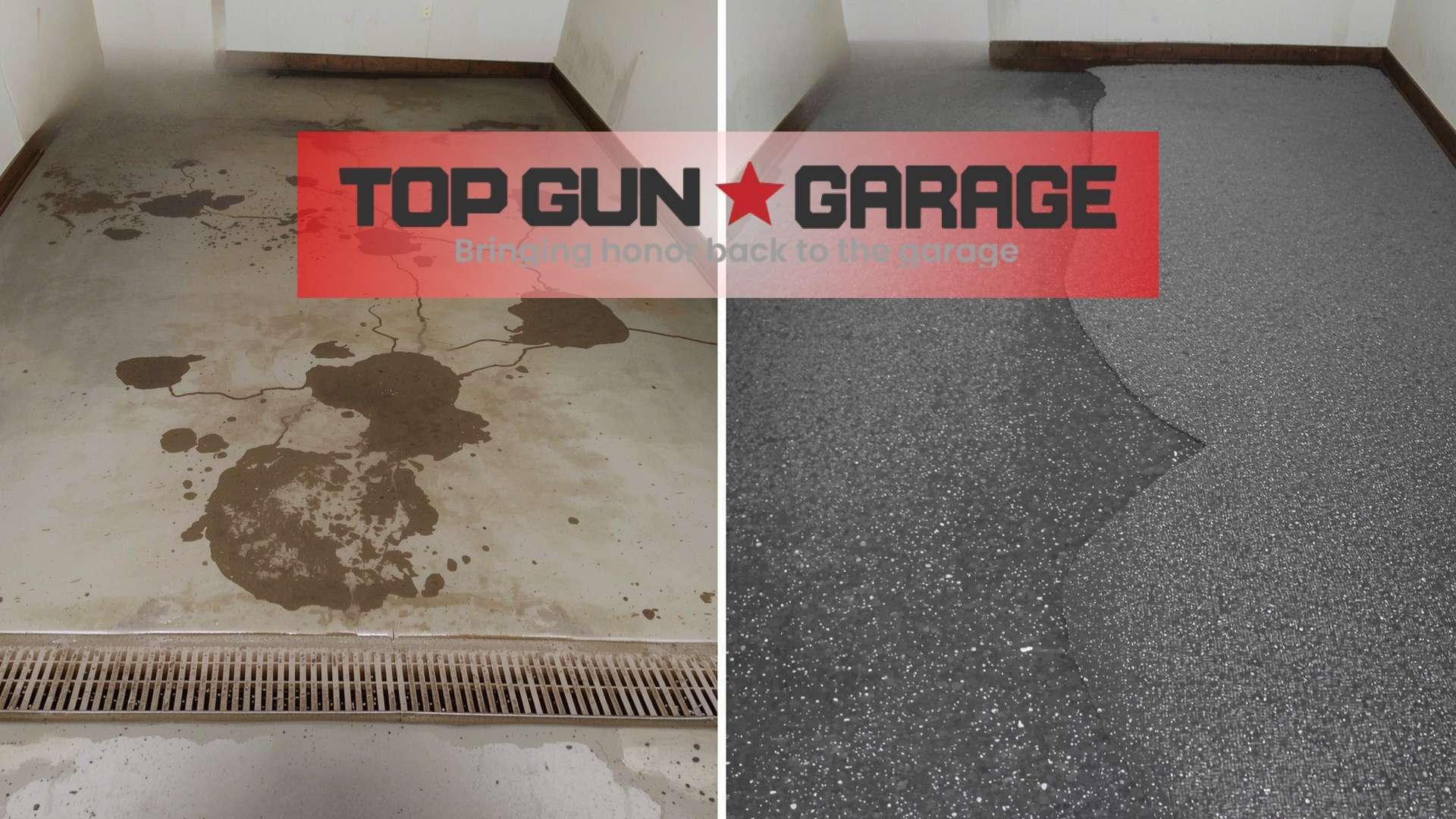
Wipes clean
Debris removal effort
High (embeds in pores)
Low (sweeps away)
Ready for vehicle use
1-2 weeks minimum
24-48 hours
Best Coating Systems for Hurricane Flood Resistance
Not all floor coatings offer the same level of flood protection. For Southwest Florida garages, the coating system needs to withstand not just water exposure but also the chemical contamination, salt air, and rapid temperature changes that accompany hurricanes.
Polyaspartic Coatings
Polyaspartic floor coatings are the top choice for flood-prone areas. They cure rapidly, typically becoming touch-dry in 4-6 hours and ready for vehicle traffic in 24 hours. This fast cure time is critical when you need to get your garage functional before hurricane season. Unlike traditional epoxy, which can take 2-7 days for full cure, polyaspartic allows same-day or next-day return to service.
Key advantages of polyaspartic for flood resistance include complete UV stability (they will not yellow in Florida sun), superior flexibility that moves with concrete expansion and contraction, and excellent chemical resistance against the petroleum and sewage contamination common in floodwater.
Epoxy Coating Systems
Professional-grade epoxy coatings also provide strong flood protection. When properly applied with a moisture vapor barrier primer, epoxy creates a seamless, impermeable surface. Epoxy coatings applied in high-moisture environments have demonstrated lifespans of 15-20 years with proper maintenance. However, epoxy requires longer cure times and can yellow with UV exposure, making it better suited for enclosed garages or those with UV-protective topcoats.
The Critical Role of Moisture Vapor Barriers
In flood-prone areas, installing a moisture vapor barrier (MVB) primer before the topcoat is essential. The MVB creates a dedicated seal that blocks moisture from rising through the concrete slab. This is particularly important in Southwest Florida, where high water tables and frequent rain mean concrete slabs are constantly exposed to moisture from below. Without an MVB, even the best topcoat can fail when moisture pressure builds beneath it.
What to Do After Your Coated Garage Floor Floods
When your coated garage floor experiences hurricane flooding, recovery is straightforward. Follow this process for best results:
Document the damage. Take photos before cleanup for insurance purposes. Note the high-water mark on your walls.
Remove standing water. Use a wet vacuum, pump, or squeegee to remove water as soon as safely possible. The faster you remove water, the less time contaminants have to settle.
Clear debris. Sweep or shovel out mud, leaves, and other debris. A coated floor makes this process far easier than bare concrete.
Clean the surface. Use a mild detergent and water to clean the floor. For contaminated floodwater, a diluted bleach solution can help sanitize the surface.
Inspect for damage. Check the coating for any chips, peeling, or damage. Professional coatings should withstand normal flooding, but debris impacts may cause localized damage that needs repair.
Allow to dry. Open the garage door to allow air circulation. A coated floor will be dry and ready for use within hours, not weeks.
Preparing Your Garage Floor Before Hurricane Season
The best time to install a protective floor coating is before hurricane season, which runs from June 1 through November 30 in Florida. Professional polyaspartic installations can be completed in a single day, with your garage ready for vehicle traffic within 24 hours. This minimal downtime makes it practical to upgrade even during the busy pre-season preparation window.
If you already have a coated floor, pre-season preparation includes inspecting for chips or damage that could allow water infiltration, cleaning the surface thoroughly, and ensuring your garage drainage is functioning properly. Addressing small repairs before a storm prevents them from becoming major problems during flood events.
For homeowners considering a coating installation, understanding what makes a coating work in Florida’s humidity is essential. Southwest Florida’s climate demands coatings that can handle moisture from below (rising through the slab), moisture from above (flooding), and the constant humidity that affects cure times and long-term performance.
Protecting Your Investment: Insurance Considerations
The average flood insurance policy in Florida costs between $700 and $900 annually through the NFIP, though premiums can range from $400 to over $5,000 depending on flood zone designation and property characteristics. While a coated floor does not directly reduce your insurance premiums, it significantly reduces the actual damage you experience during a flood event, potentially lowering your out-of-pocket costs and the time required to file and settle claims.
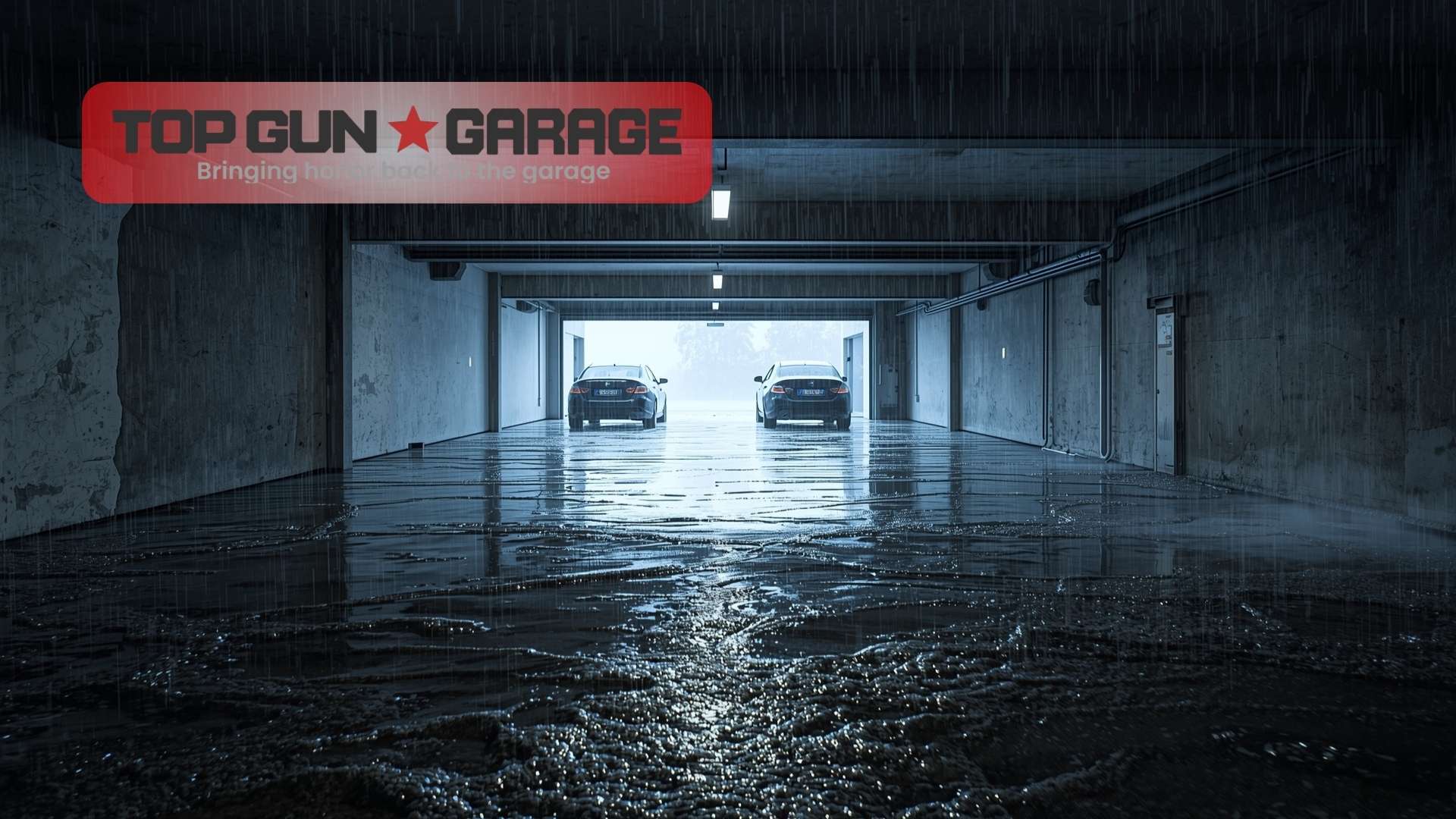
FEMA reports that just one inch of water in a home can cause over $25,000 in damage. A garage floor that sheds water rather than absorbing it is one less component requiring expensive remediation or replacement after a flood. This protection extends to items stored on the garage floor as well. A dry, cleanable surface allows you to salvage belongings that might otherwise be ruined by moisture wicking up from saturated concrete.
Learn more about how garage floor coatings impact flood recovery and insurance in our detailed guide.
Frequently Asked Questions
Will a coated garage floor prevent all flood damage?
No floor coating can prevent flood damage to items stored in your garage or to the garage structure itself. What a coating does is protect the concrete floor from absorbing water, contaminants, and debris. This makes cleanup faster, prevents mold growth within the slab, and allows you to return to using your garage much sooner than with bare concrete. For complete flood protection, combine floor coating with proper drainage, elevated storage, and flood vents as recommended by FEMA.
How long does it take to install a hurricane-resistant floor coating?
A professional polyaspartic coating can be installed in a single day. The floor typically becomes touch-dry within 4-6 hours and is ready for vehicle traffic in 24 hours. Traditional epoxy systems require longer, usually 2-3 days for installation with an additional 5-7 days before full cure. For homeowners preparing for hurricane season, polyaspartic offers the fastest path to protection. Learn about garage floor installation timelines in our detailed guide.
Can I apply a floor coating over concrete that has already flooded?
Yes, but the concrete must be completely dry first. Applying a coating over concrete with trapped moisture will cause the coating to bubble, peel, or delaminate. Professional installers conduct moisture testing before application, using methods like calcium chloride tests or relative humidity probes to verify the slab is ready. In Southwest Florida, this typically means waiting 2-4 weeks after flooding before coating, or using specialized moisture vapor barrier systems that can tolerate higher moisture levels. Concrete moisture testing is essential for long-term coating success.
What is the difference between polyaspartic and epoxy for flood protection?
Both provide excellent water resistance when properly installed. Polyaspartic offers faster cure times (24 hours vs. 5-7 days for full cure), better UV stability, and greater flexibility that helps it withstand concrete movement. Epoxy is typically less expensive but requires longer installation time and may yellow with sun exposure. For flood-prone garages in Southwest Florida, polyaspartic is generally the better choice due to its rapid cure and superior performance in humid conditions. Compare polyaspartic vs. epoxy for a detailed breakdown.
How much does a hurricane-resistant garage floor coating cost?
Professional polyaspartic coatings for a standard 2-car garage typically range from $1,500 to $3,500 depending on floor condition, design choices, and coating system selected. While DIY kits cost less upfront, they rarely provide the same level of flood protection as professional installations, which include proper surface preparation, moisture testing, and commercial-grade materials. Given that FEMA reports the average flood claim at approximately $68,000, investing in quality floor protection represents significant risk reduction. Get specific pricing in our cost guide for garage floor coatings.
Is a coated garage floor slippery when wet?
Smooth resinous coatings can become slippery when wet. However, professional installations incorporate anti-slip additives or textured aggregates that maintain traction even during flooding. The flake broadcast systems commonly used in garage coatings provide a naturally textured surface that offers grip in wet conditions. This is especially important during cleanup when you will be walking on a wet floor. Learn more about slip resistance in floor coatings.
Get Your Garage Ready for Hurricane Season
Hurricane season is not a question of if but when. Protecting your garage floor now means faster recovery, less damage, and peace of mind when storms threaten. Top Gun Garage provides professional polyaspartic and epoxy floor coatings throughout Southwest Florida, including Naples, Fort Myers, Cape Coral, Bonita Springs, and Marco Island.
Our installations include proper moisture testing, professional surface preparation, moisture vapor barrier application where needed, and coating systems designed specifically for Florida’s climate. Contact us for a free estimate and have your garage protected before the next storm.
 Skip to content



 According to FEMA, the average flood insurance claim costs approximately $68,000, and garages are among the most vulnerable areas in any home during a hurricane. In Southwest Florida, where flood risk is a fact of life, protecting your garage floor is not just about aesthetics. It is about reducing damage, minimizing recovery time, and getting back to normal faster.
 Not all floor coatings offer the same level of flood protection. For Southwest Florida garages, the coating system needs to withstand not just water exposure but also the chemical contamination, salt air, and rapid temperature changes that accompany hurricanes.
 FEMA reports that just one inch of water in a home can cause over $25,000 in damage. A garage floor that sheds water rather than absorbing it is one less component requiring expensive remediation or replacement after a flood. This protection extends to items stored on the garage floor as well. A dry, cleanable surface allows you to salvage belongings that might otherwise be ruined by moisture wicking up from saturated concrete.
Learn more about how garage floor coatings impact flood recovery and insurance in our detailed guide.
FEMA reports that just one inch of water in a home can cause over $25,000 in damage. A garage floor that sheds water rather than absorbing it is one less component requiring expensive remediation or replacement after a flood. This protection extends to items stored on the garage floor as well. A dry, cleanable surface allows you to salvage belongings that might otherwise be ruined by moisture wicking up from saturated concrete.
Learn more about how garage floor coatings impact flood recovery and insurance in our detailed guide.