 Skip to content



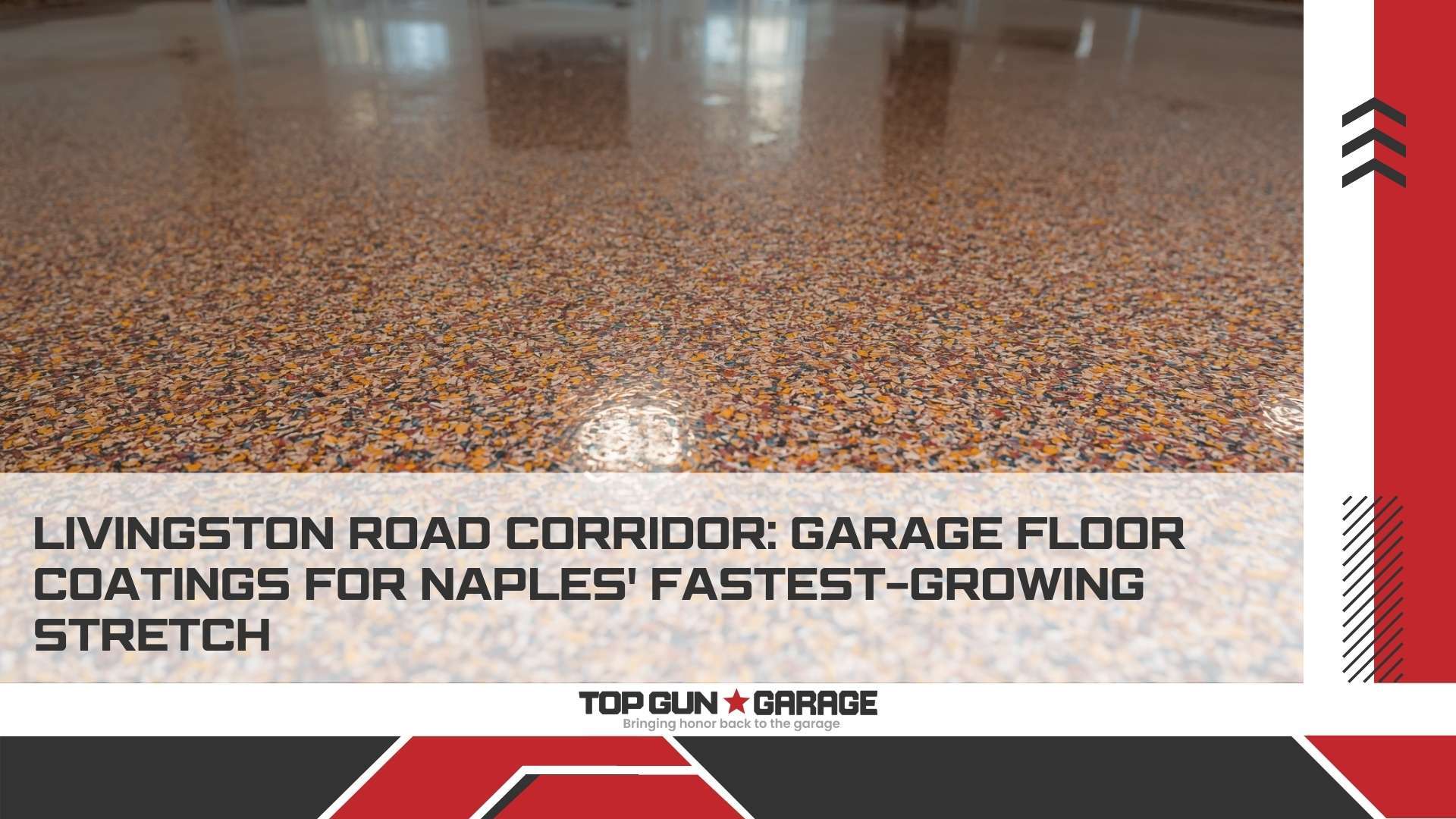
Golden Gate Estates presents unique challenges for homeowners seeking durable garage floor solutions. Properties in this Naples area often feature expansive concrete slabs that have weathered decades of Florida heat, humidity, and occasional flooding. Professional floor coating systems offer long-lasting protection that transforms worn, stained surfaces into attractive, functional spaces capable of withstanding heavy vehicles, equipment storage, and the demanding climate conditions specific to Southwest Florida.
Key Takeaways
- Golden Gate Estates properties typically require specialized preparation due to older concrete construction methods
- Polyaspartic and epoxy hybrid systems provide superior performance in Florida’s humid climate
- Larger garage spaces benefit from multi-layer coating systems with enhanced thickness
- Proper moisture testing is essential before any coating application in this area
- Professional installation extends coating lifespan to 15-20 years with proper maintenance
- Crack repair and leveling are critical steps often overlooked by inexperienced contractors
- Local climate considerations require UV-stable topcoats to prevent yellowing
Understanding Golden Gate Estates Property Characteristics
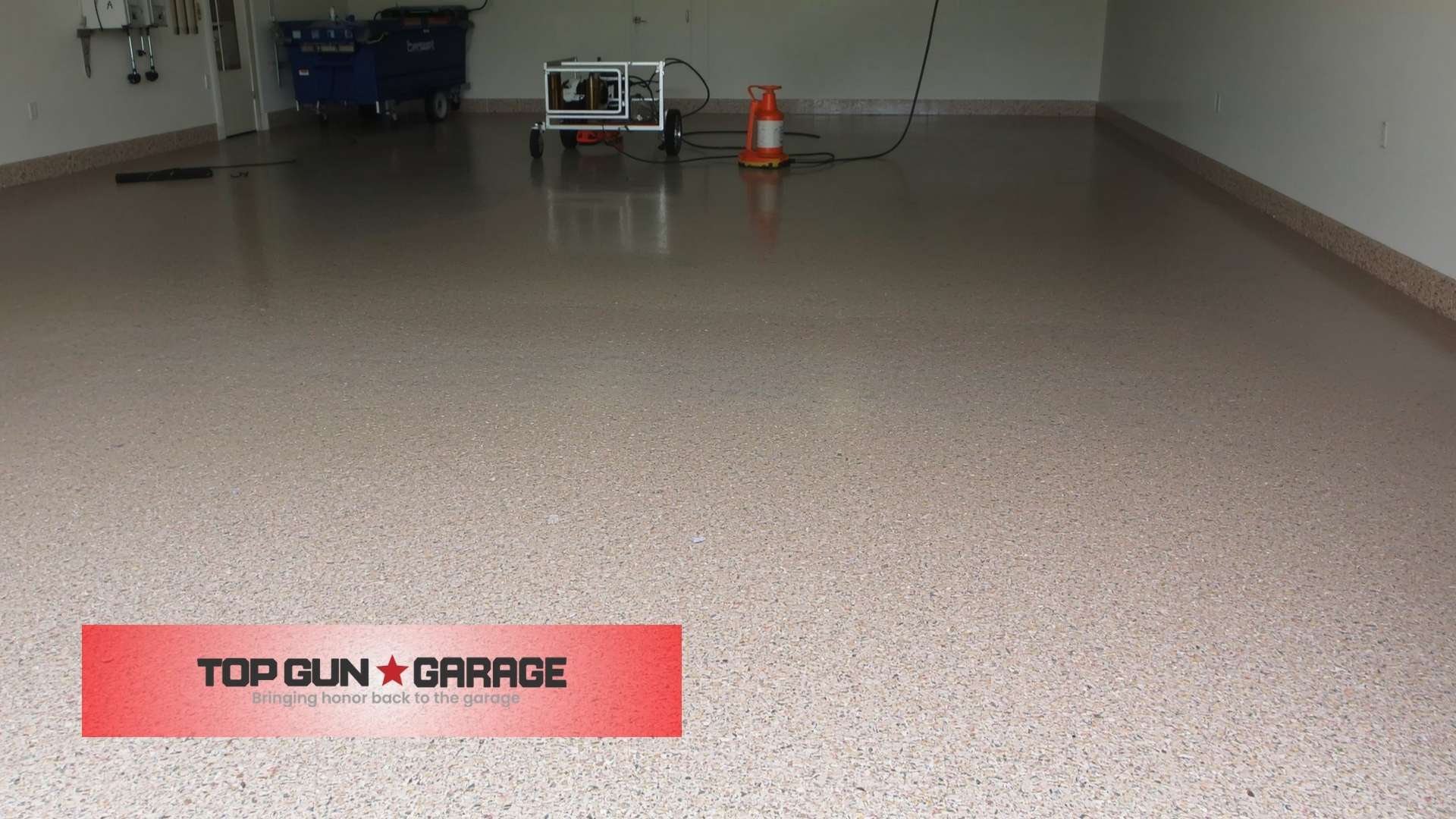
Golden Gate Estates represents one of Naples’ most distinctive residential areas, characterized by larger lot sizes—typically ranging from 1 to 5 acres—that differ significantly from typical suburban developments. This unique geography means that many homes in the area were constructed during different eras, with concrete slabs poured using construction methods that varied considerably over the decades. According to the Collier County Building Department, properties in this unincorporated area may have foundations ranging from 30 to over 50 years old, presenting specific challenges for modern coating applications.
Older concrete in this region often exhibits characteristics that complicate coating adhesion: efflorescence deposits from mineral migration, pH levels that have shifted due to prolonged moisture exposure, and surface profiles that have been altered by years of heavy use. Research from the International Association of Certified Home Inspectors indicates that concrete slabs older than 20 years frequently require more intensive surface preparation, including diamond grinding or shot blasting, to achieve proper coating bond strength.
The larger garage dimensions common to Golden Gate Estates properties—many featuring two-car, three-car, or even larger multi-vehicle configurations—create additional considerations for coating projects. These expansive surface areas demand systematic installation approaches and materials that maintain consistent coverage across varying substrate conditions.
Why Professional Concrete Preparation Matters
Surface preparation accounts for approximately 60-70% of total project success when applying garage floor coatings, according to industry standards established by the International Concrete Repair Institute. In Golden Gate Estates, where older slabs present variable conditions, this phase becomes even more critical. Professional contractors understand that Florida’s high water table and humidity levels create moisture challenges that must be addressed before any coating material touches the surface.
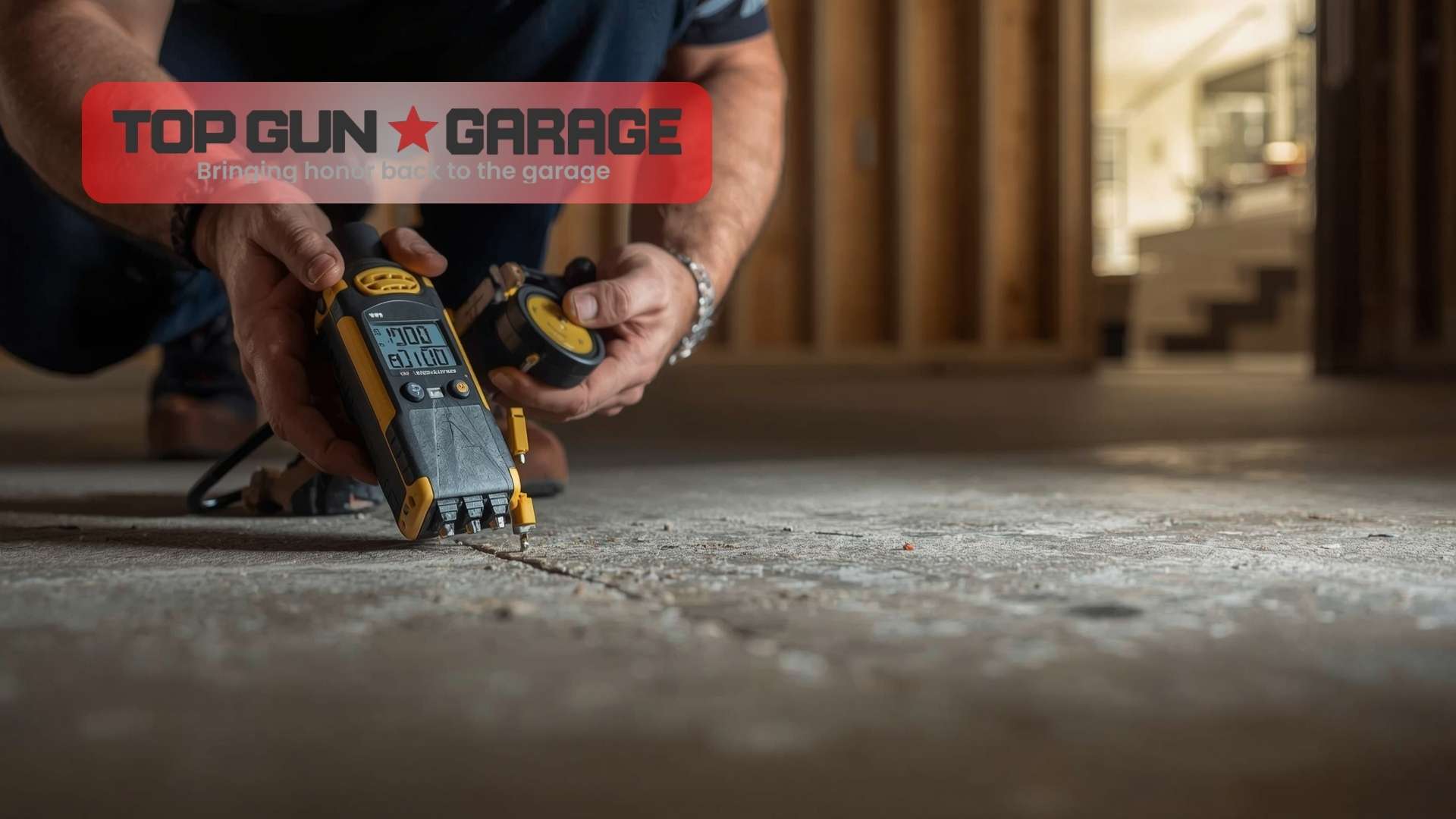
Moisture vapor transmission testing represents an essential step that reputable installers perform before quoting or proceeding with any project. This diagnostic process measures the rate at which water vapor passes through the concrete slab—a particularly important consideration in Golden Gate Estates where older homes may lack modern vapor barriers beneath their foundations. When moisture readings exceed manufacturer specifications, specialized moisture-mitigation primers become necessary to ensure long-term adhesion.
Surface profile measurement determines how rough the concrete surface is after preparation, expressed using a standardized scale. Coating manufacturers specify minimum profile requirements for their products to perform as warranted. For epoxy and polyaspartic systems applied to older Golden Gate Estates concrete, profile depths between 3 and 5 mils typically provide optimal bonding surfaces. Achieving this profile on worn,光滑的 older slabs often requires multiple preparation passes or more aggressive techniques.
Coating System Options for Estate-Sized Garages
Modern garage floor coatings fall into several distinct categories, each offering different performance characteristics suited to specific applications and budgets. Understanding these options helps Golden Gate Estates property owners make informed decisions when planning their coating projects.
Epoxy Coating Systems
Traditional epoxy coatings remain popular due to their proven performance record and relatively straightforward application process. These systems consist of a two-component resin that chemically bonds to create a hard, durable surface resistant to chemicals, abrasion, and impact. Standard epoxy installations typically achieve 10-15 mils total thickness when properly applied, providing adequate protection for residential garage applications.
However, epoxy systems present limitations for Golden Gate Estates applications. Standard epoxy yellows when exposed to UV light—a significant concern for garages with windows or doors that admit sunlight. Additionally, epoxy becomes brittle in extreme cold and can soften during prolonged heat exposure, though Florida’s climate generally avoids these extremes. More importantly, standard epoxy requires temperature ranges between 60°F and 85°F for proper curing, potentially limiting installation windows during Southwest Florida’s hot summer months.
Polyaspartic Hybrid Systems
Polyaspartic coatings represent the current state-of-the-art for garage floor applications, particularly in climates like Naples. These materials cure rapidly—often within 4-6 hours—allowing installation crews to complete projects faster and with less weather-related risk. According to coatings industry research, polyaspartic systems demonstrate superior chemical resistance, UV stability, and flexibility compared to traditional epoxy formulations.
The flexibility characteristic proves especially valuable for Golden Gate Estates properties where older slabs may experience subtle movement due to soil conditions or settling. Rigid epoxy coatings can crack or delaminate when substrate movement occurs, while polyaspartic’s inherent flexibility accommodates minor shifts without compromising adhesion. Temperature tolerance also expands dramatically—polyaspartic systems can be applied in conditions ranging from 0°F to 100°F, providing installation flexibility that epoxy cannot match.
Decorative Flake and Quartz Systems
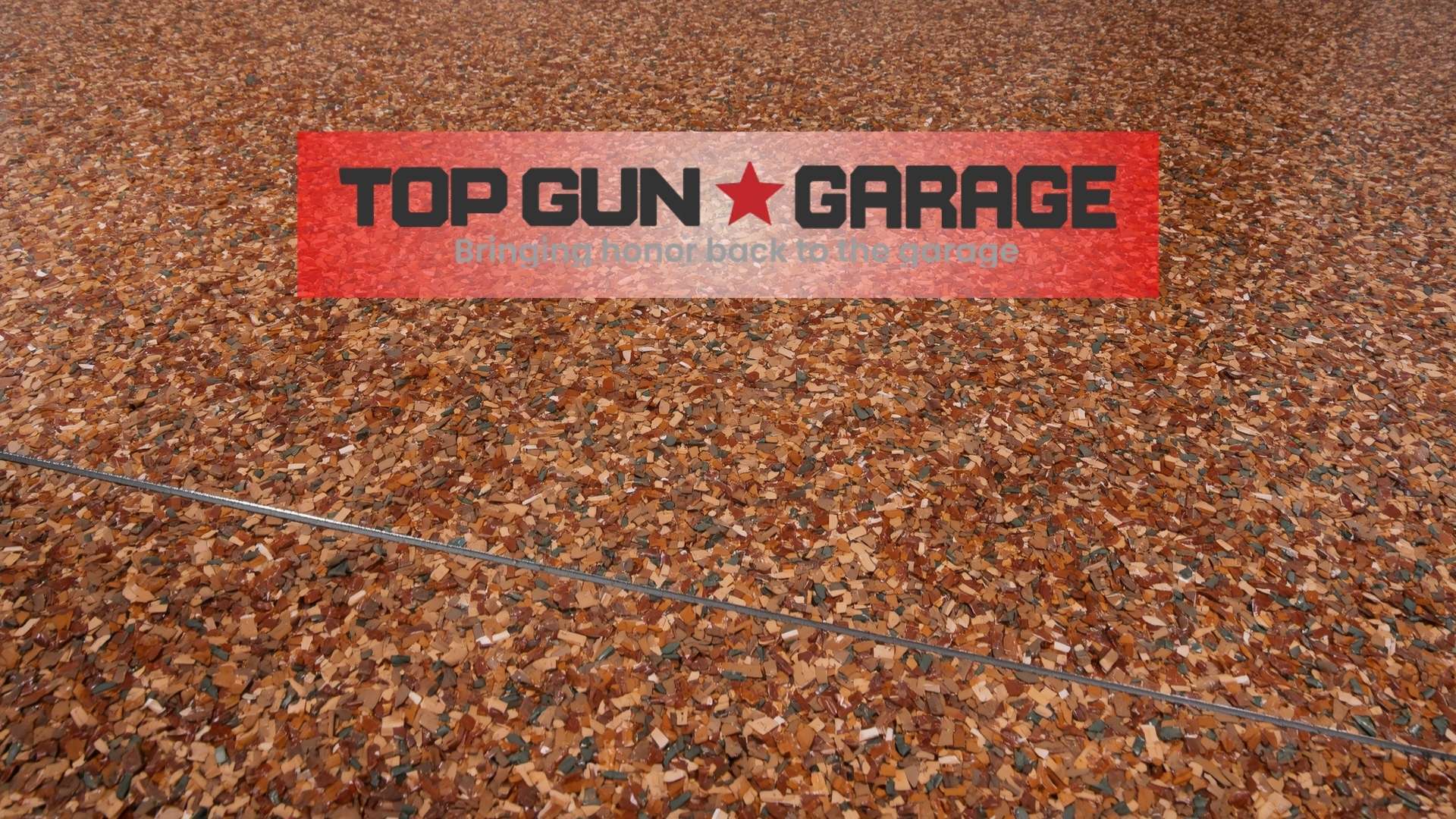
Beyond basic solid-color coatings, decorative broadcast systems add visual appeal while providing enhanced slip resistance. These systems involve scattering colored flakes or quartz granules onto wet primer, then sealing them with clear topcoat. The resulting texture creates additional traction—a practical consideration for garages that experience wet conditions from vehicles or Florida’s frequent rain.
For larger Golden Gate Estates garages, decorative systems offer another advantage: they effectively mask minor surface imperfections that might show through solid-color coatings. The random distribution of flakes or quartz creates visual complexity that disguises slight color variations or texture differences across older slabs.
Addressing Common Challenges in Older Slabs
Golden Gate Estates homeowners frequently encounter specific substrate issues that require targeted solutions during coating preparation. Identifying and addressing these problems before installation prevents premature coating failure and ensures satisfactory long-term results.
Crack Repair and Structural Damage
Concrete cracks result from various causes: shrinkage during curing, thermal expansion and contraction, soil movement, and heavy loads. In older Golden Gate Estates slabs, crack repair becomes especially important because these fissures often represent ongoing movement rather than static conditions. Professional installers assess crack patterns to determine appropriate repair methods—flexible joint sealants for active cracks, rigid epoxy injection for dormant cracks, and slab replacement for severely compromised sections.
For more information on addressing uneven surfaces, see our complete guide to fixing uneven garage floor surfaces which covers assessment techniques and repair options.
Spalling and Surface Delamination
Spalling occurs when concrete surface layers separate and flake away, often caused by freeze-thaw cycles (less common in Naples), corrosion of embedded steel reinforcement, or improper finishing during original construction. In Golden Gate Estates, spalling frequently appears in garage floors that experienced heavy use or were constructed with lower-quality concrete mixes common in earlier decades.
Surface delamination presents similar challenges but affects larger areas, creating hollow-sounding sections when tapped. Both conditions require removal of all compromised material before coating application—failure to do so results in coating failure as the weak material beneath continues to deteriorate. Professional assessment using chain drag testing or ultrasonic thickness measurement identifies the full extent of damage requiring repair.
Oil Stains and Contamination
Garage floors that have served their original purpose for years inevitably accumulate oil stains, grease deposits, and other contaminants that interfere with coating adhesion. Degreasing treatments using specialized concrete cleaners remove surface contamination, but penetrating oils that have soaked into the concrete require more aggressive remediation. In some cases, contaminated sections must be removed and replaced with new concrete to achieve suitable substrate conditions.
Climate-Specific Considerations for Naples Garages
Southwest Florida’s climate creates unique demands for garage floor coatings that differ significantly from conditions in other regions. Successful coating installations in Golden Gate Estates must account for these local factors to deliver satisfactory performance over time.
Heat and UV Exposure
Florida experiences intense summer heat that heats garage floors well above ambient air temperatures, especially in structures without climate control. This thermal stress challenges coating systems, causing expansion and contraction cycles that stress adhesion bonds. UV exposure through garage doors and windows accelerates degradation of coatings lacking UV-stable formulations. Our analysis of garage temperature effects provides detailed information on thermal dynamics affecting coating performance.
Professional installers specify UV-stable topcoats for any coating system in Golden Gate Estates, even for garages with limited direct sun exposure. This precaution prevents yellowing, chalking, and surface degradation that compromises appearance and performance over time.
Humidity and Moisture Management
Florida’s humidity levels, regularly exceeding 70% during summer months, create moisture challenges throughout the coating installation process. High humidity affects coating application by slowing solvent evaporation, potentially causing bubbles, blushing, or improper curing. Professional installers monitor conditions throughout the installation process, adjusting material application rates and ventilation as conditions change.
For detailed information on how humidity affects epoxy flooring performance, visit our comprehensive humidity guide for epoxy flooring.
Hurricane and Flood Considerations
Golden Gate Estates homeowners recognize the importance of hurricane preparedness given Southwest Florida’s vulnerability to tropical storms. Garage floor coatings should be evaluated for their ability to withstand flooding and subsequent cleanup. Flood-resistant coating systems that maintain adhesion after water exposure provide peace of mind during storm season.
Additionally, hurricane debris cleanup often involves dragging heavy objects across garage floors. Coating systems with high impact resistance and easy-clean surfaces simplify post-storm recovery and help protect concrete substrates from damage during debris removal.
Installation Process: What to Expect
Professional garage floor coating installation follows a systematic process designed to ensure consistent results across varying substrate conditions. Understanding this process helps Golden Gate Estates homeowners evaluate contractor qualifications and set realistic expectations.
Step 1: Site Assessment and Measurement
Professional installation begins with thorough site evaluation, including moisture testing, surface profile assessment, and crack mapping. Contractors measure the garage area precisely, accounting for any variations in layout or obstacles that affect material calculations. This assessment phase typically requires 1-2 hours for average-sized residential garages.
Step 2: Surface Preparation
Preparation intensity depends on existing substrate conditions. Lightly used newer slabs may require only degreasing and light profiling, while older Golden Gate Estates floors often need aggressive diamond grinding or shot blasting to achieve suitable bonding surfaces. Preparation crews use specialized equipment to achieve consistent profile depths across the entire surface.
Step 3: Repairs and Patching
Identified cracks, spalled areas, and other damage receive targeted repair using appropriate materials. Active cracks receive flexible joint fillers that accommodate continued movement, while dormant cracks can be repaired with rigid epoxy injection systems. This phase may require 24-48 hours for repair materials to cure before coating application proceeds.
Step 4: Primer Application
Primer coats penetrate the prepared concrete surface, creating a bonding layer between the substrate and subsequent coating layers. In Golden Gate Estates applications, moisture-mitigation primers may be required based on testing results. Primer application typically occurs within 24-48 hours following surface preparation completion.
Step 5: Base Coating and Decorative Broadcast
The primary coating layer provides thickness, color, and core performance characteristics. For decorative systems, flakes or quartz broadcast onto wet base coating create the desired texture and visual effect. Coverage rates depend on specified system thickness and decorative media type.
Step 6: Topcoat Sealing
Clear topcoat application seals decorative elements and provides the final wearing surface. Topcoat selection determines overall durability, UV stability, and chemical resistance. Professional installations typically include two topcoat layers for enhanced protection and appearance retention.
Cost Considerations for Estate-Sized Projects
Garage floor coating costs in Golden Gate Estates reflect several factors beyond simple square footage calculations. Understanding these variables helps homeowners budget appropriately and evaluate contractor quotes.
| Factor | Impact on Cost | Typical Range |
|---|---|---|
| Surface Preparation | High – varies by substrate condition | $1.50 – $4.00 per sq ft |
| Base Coating System | Medium – depends on material choice | $3.00 – $8.00 per sq ft |
| Decorative Elements | Medium – flake/quartz type | $1.00 – $3.00 per sq ft |
| Topcoat System | Medium – UV stability requirements | $2.00 – $5.00 per sq ft |
| Crack Repair | Variable – depends on damage extent | $50 – $200 per crack |
| Moisture Mitigation | High if required – substrate specific | $2.00 – $5.00 per sq ft |
For comparison purposes, a standard 400-square-foot two-car garage in Golden Gate Estates typically ranges from $2,400 to $6,400 for complete professional installation, depending on system selection and substrate conditions. Larger three-car or multi-vehicle garages scale proportionally, though per-square-foot costs may decrease slightly for very large installations due to equipment efficiency.
Homeowners should be cautious of significantly lower bids, which often indicate shortcuts in surface preparation, inferior materials, or inexperienced installation crews. Professional installation by qualified contractors typically represents the best value when considering long-term performance and appearance retention.
Maintenance Requirements for Long-Term Performance
Professional garage floor coatings provide decades of service when properly maintained. Understanding maintenance requirements helps Golden Gate Estates homeowners protect their investment and maximize coating lifespan.
Daily maintenance involves simple sweeping or dust mopping to remove loose debris that can scratch surfaces under foot traffic or vehicle movement. Weekly cleaning with pH-neutral cleaners removes scuff marks and maintains appearance without damaging coating surfaces. For seasonal maintenance routines that extend flooring life, our detailed guide covers quarterly and annual maintenance tasks.
Spill response should be immediate for automotive fluids, chemicals, and staining materials. While quality coatings resist chemical penetration, prolonged exposure to harsh substances can compromise surface integrity. Prompt cleanup with appropriate cleaners prevents potential damage and maintains appearance.
Periodic deep cleaning removes accumulated grime that household sweeping cannot address. Pressure washing at appropriate pressures (under 2,000 PSI) safely cleans coated surfaces without damaging the coating bond. Professional cleaning services familiar with coated concrete surfaces can provide annual deep cleaning as part of maintenance programs.
Choosing the Right Contractor in Golden Gate Estates
Selecting a qualified contractor significantly impacts project success for garage floor coating applications. Golden Gate Estates homeowners should evaluate potential contractors based on specific criteria relevant to local conditions.
Experience with older concrete substrates indicates contractor familiarity with the preparation challenges common to Golden Gate Estates properties. Ask potential contractors about their experience with properties in similar age ranges and their specific preparation approaches for variable substrate conditions.
Manufacturer certification demonstrates product knowledge and installation proficiency. Leading coating manufacturers certify installers who complete training programs and demonstrate consistent quality standards. Certified installers typically receive extended warranties unavailable through non-certified contractors.
Local references from Golden Gate Estates or similar Naples neighborhoods provide insight into actual performance over time. Request references from projects completed 2-3 years previously to evaluate how coatings have performed through seasonal cycles and any weather events that occurred.
For information on professional installation benefits, see our comprehensive comparison of professional versus DIY epoxy floor coating.
Conclusion
Garage floor coating in Golden Gate Estates requires careful attention to the unique challenges presented by older properties, larger garage dimensions, and Southwest Florida’s demanding climate. Professional coating systems transform worn concrete surfaces into attractive, durable floors capable of lasting 15-20 years or longer with proper maintenance. The investment in quality materials and professional installation pays dividends through enhanced property value, improved functionality, and reduced long-term maintenance costs.
Whether your Golden Gate Estates garage features a 30-year-old slab showing its age or a newer construction seeking maximum protection, the principles remain consistent: thorough preparation, quality materials, and professional installation deliver results that exceed expectations. Take time to evaluate coating options, verify contractor qualifications, and understand maintenance requirements before committing to your project.
Ready to transform your Golden Gate Estates garage floor? Contact our team today for a complimentary assessment and quote. Our experienced professionals understand the specific challenges of Naples-area properties and deliver installation quality that stands the test of time.
References
- Collier County Building Department – Local construction records and permit information
- International Concrete Repair Institute – Industry standards for surface preparation
- International Association of Certified Home Inspectors – Concrete assessment guidelines
- Environmental Protection Agency – Indoor air quality considerations for coating applications
- National Science Foundation – Concrete durability research publications
Frequently Asked Questions
How long does professional garage floor coating installation take in Golden Gate Estates?
Typical installations for a two-car garage require 2-3 days of active work, with an additional 24-48 hours between certain phases for curing. Larger three-car or estate-sized garages may require 4-5 days. Weather conditions can extend timelines, particularly during humid summer months when longer cure times between coats become necessary.
What is the typical lifespan of professionally installed garage floor coatings?
Quality polyaspartic and epoxy systems installed by professionals last 15-20 years with proper maintenance. Heavily used garages or exposure to harsh chemicals may require touch-up work or topcoat reapplication after 10-12 years. DIY installations typically show reduced longevity, often requiring replacement within 5-7 years.
Can coating be applied over previously coated garage floors?
Existing coatings can sometimes be over-coated if they remain well-adhered and the surface is properly prepared. However, older Golden Gate Estates floors often benefit from complete removal of failed or deteriorated coatings to address substrate issues. Professional assessment determines whether over-coating is appropriate or complete removal is necessary.
How do I know if my older concrete slab requires moisture mitigation before coating?
Professional moisture testing using calcium chloride or relative humidity probes provides definitive answers. Testing should occur at multiple locations across the slab, as moisture levels can vary significantly. Reputable contractors include moisture testing in their initial assessment and adjust recommendations based on results.
What causes coating to peel or delaminate from garage floors?
Coating failure typically results from inadequate surface preparation, moisture vapor transmission exceeding coating tolerance, or improper material application. In Golden Gate Estates, the most common causes are insufficient profiling of older concrete and failure to address moisture issues before installation. Choosing experienced contractors who perform proper preparation significantly reduces failure risk.
Are decorative flake coatings more expensive than solid-color epoxy?
Decorative flake and quartz systems typically cost $2-4 more per square foot than solid-color alternatives due to additional materials and labor for broadcast application. However, these systems often provide better long-term value by masking minor surface imperfections and providing enhanced slip resistance.
What maintenance is required for polyaspartic garage floor coatings?
Polyaspartic coatings require minimal maintenance beyond regular sweeping and occasional mopping with pH-neutral cleaners. Avoid abrasive scrubbers that can dull the surface finish. Annual inspection for any damage or wear areas allows timely repairs that extend coating life significantly.
Can garage floor coatings withstand hurricane flooding?
Quality polyaspartic and epoxy systems maintain adhesion after water exposure when properly installed. Flood waters should be removed promptly and the floor cleaned to prevent mold growth. Some coating systems may require professional evaluation and touch-up after significant flooding events. See our flood-resistant coating guide for detailed information.