Discover why epoxy floor hardness varies in Florida applications and how to achieve optimal results for your Naples garage with Top Gun Garage (239)488-7000.
Did you know 90% of failed protective coatings in coastal regions trace back to environmental factors? In Florida, where humidity averages 74% year-round, even high-performance surfaces face unique tests. The durability of resin-based systems depends on precise chemical reactions – reactions that Southwest Florida’s weather loves to disrupt.
At Top Gun Garage Naples, we’ve installed over 500,000 square feet of industrial-grade surfaces across Collier County. Our team battles salt air, sudden downpours, and 90°F+ temperatures daily. These conditions don’t just test materials – they expose flaws in mixing ratios, curing times, and installation methods.
Your garage’s concrete base acts like a sponge here. Morning dew seeps upward, creating bubbles under improperly sealed coatings. Summer heat accelerates curing, weakening molecular bonds. We combat this with climate-adjusted formulas and infrared moisture meters – tools many DIY kits lack.
Key Takeaways
Southwest Florida’s humidity directly impacts resin curing times
Temperature swings affect coating adhesion at the molecular level
Proper surface prep adds 3-5 years to your floor’s lifespan
Overview of Epoxy Flooring in Florida
Florida’s combination of sun, salt, and storms demands surfaces tougher than standard concrete. Resin-based protective systems form a seamless shield when properly applied, bonding chemically to create surfaces that withstand years of abuse. These solutions transform ordinary slabs into glossy, stain-resistant planes ideal for spaces needing both style and substance.
Coastal properties face relentless challenges – UV rays fade colors, salt air corrodes materials, and humidity sabotages adhesion. Modern protective coatings counteract these threats through advanced formulas. Garage surfaces here endure more than vehicle traffic; they battle pool chemicals, sandy shoes, and seasonal temperature swings.
Three key advantages make these systems ideal for Southwest Florida:
Chemical resistance protects against spills and cleaners
Customizable finishes maintain appearance under heavy use
Professional installation proves critical in our climate. DIY kits often lack the additives needed for proper curing during rainy seasons. Specialized contractors use climate-adjusted materials and precise application methods, ensuring your surface performs as designed despite environmental pressures.
Understanding the Science Behind Epoxy Floor Hardness
Chemical bonds determine whether your garage floor chips or lasts decades. When resin meets hardener, a molecular dance begins. This reaction forms cross-linked polymers – microscopic chains that create surfaces tougher than steel relative to thickness.
100% solid formulas pack more reactive molecules per gallon compared to solvent-based options. Less evaporation means denser molecular networks. These tightly woven structures resist indentation and abrasion, crucial for spaces storing heavy tools or vehicles.
Three factors control final hardness:
Resin-to-hardener ratios (precision matters)
Curing time adjustments for ambient heat
Additives like silica quartz or aluminum oxide
Thicker applications don’t always mean harder surfaces. Proper bonding requires thin, even layers that fully cure between coats. Our Naples team uses infrared thermometers to monitor chemical reactions in real time – stopping soft spots before they form.
The curing process transforms liquid mixtures into solid shields through exothermic heat. Rush this stage, and weak molecular bonds develop. Control humidity and temperature, and you’ll achieve optimal surface integrity. That’s why climate-adjusted formulas outperform generic blends in Southwest Florida’s unique conditions.
Why Epoxy Floor Hardness Varies in Florida Applications
Identical resin-based coatings cure differently on Marco Island than in Arizona deserts. Southwest Florida’s atmosphere alters chemical reactions at microscopic levels. Morning mists introduce moisture before layers fully set, while afternoon heat accelerates surface drying. These competing forces create uneven molecular structures beneath your feet.
High humidity acts like an uninvited guest during the curing party. Water vapor penetrates partially set layers, disrupting cross-linking between molecules. This interference explains why garage surfaces might feel tacky days after application. Proper ventilation helps, but seasonal rain patterns add another variable to control.
Three coastal factors complicate durability:
Salt particles settle into fresh coatings, creating weak points
Summer installations face particular risks. Surface temperatures exceeding 95°F make resin components separate prematurely. Winter brings different issues – cooler nights slow curing, allowing contaminants more time to embed. Our team schedules projects during stable weather windows, using industrial dehumidifiers when necessary.
Substrate preparation separates lasting installations from temporary fixes. Over 70% of premature failures stem from inadequate cleaning or skipped etching steps. Professional-grade diamond grinders remove contaminants better than store-bought acid washes. This crucial step ensures proper adhesion from the first coating layer.
Local Climate Impact on Epoxy Curing and Durability
Coastal installations face a hidden enemy that lurks in the air you breathe. Humidity levels above 85% act like invisible sandpaper, wearing down chemical bonds before they fully form. When paired with temperatures exceeding 90°F, these conditions create a race against time for proper hardening.
At Top Gun Garage Naples, we combat these challenges using climate-adaptive methods. Our technicians monitor dew points like meteorologists, adjusting application windows to avoid morning mists. Specialized additives slow premature hardening during summer installations while accelerating reactions in cooler months.
Three critical strategies ensure lasting results:
Real-time moisture mapping of concrete substrates
Climate-controlled curing environments using industrial dehumidifiers
Thermal expansion buffers in resin formulations
Winter brings different battles. Cooler nights extend curing periods, allowing airborne salt particles to embed in surfaces. We counter this with rapid-set compounds during dry seasons and vapor barriers for rainy months. Proper ventilation becomes non-negotiable – stagnant air invites moisture sabotage.
Our infrared scanners detect subsurface temperature variations before spreading materials. This prevents soft spots caused by uneven heat distribution. By working with Southwest Florida’s rhythms rather than against them, we create surfaces that flex with seasonal changes without cracking under pressure.
The Role of Temperature in Epoxy Installation
Temperature acts as both ally and adversary during surface coating projects. In Southwest Florida, daily swings from 70°F to 95°F create unique challenges for material performance. Our team at Top Gun Garage Naples navigates these thermal extremes using precision timing and specialized techniques.
Temperature Fluctuations and Their Effects
Morning applications face dew point challenges as surfaces warm. Evening installations risk condensation when temperatures drop rapidly. These shifts stress curing materials, creating weak points invisible during application.
Key thermal impacts include:
Workability windows shrinking by 40% in afternoon heat
Surface bubbles forming from trapped daytime moisture
Stress fractures appearing after rapid cooling cycles
Timing Your Installation in Hot Conditions
We target 65-85°F for optimal results – typically April-May and October-November in Naples. Infrared thermometers track slab temperatures, while climate-controlled materials maintain consistent viscosity. Nighttime climate tents prevent dew contamination during critical curing phases.
Three proven strategies ensure success:
Pre-dawn surface cooling for morning applications
Phase-changing additives that delay midday curing
Real-time thermal imaging to detect stress points
Our installation crews complete projects before peak heat arrives, ensuring proper molecular bonding. This approach prevents the chalky finishes and peeling edges common in DIY attempts.
Humidity Challenges for Epoxy Flooring in Naples
Naples’ coastal air carries more than just salt breeze – it brings a hidden challenge for garage surfaces. At Top Gun Garage, we combat daily humidity levels that average 80%, creating unique obstacles for protective coatings. Moisture doesn’t just linger in the air here; it actively seeks weaknesses in installation processes.
Impact of High Humidity on Curing
Water vapor becomes an uninvited guest during critical chemical reactions. When resin mixtures encounter damp air, curing slows by up to 40%. This delay allows microscopic moisture pockets to form, weakening structural integrity over time.
Three signs of humidity-related curing issues:
Cloudy or blotchy surface appearances
Persistent tackiness beyond 72 hours
Blisters forming near floor edges
Prevention Strategies for Moisture Intrusion
Our technicians use industrial-grade solutions to combat Naples’ moist climate. Climate-controlled tents create temporary dry zones, while real-time hygrometers track air moisture levels. These measures ensure optimal conditions during application windows.
Key protection methods include:
Vapor barrier primers that block subsurface moisture
Dehumidification systems running during installation
Infrared scanners detecting hidden dampness
Seasonal timing proves crucial. We schedule projects during drier months, avoiding summer’s peak humidity. Post-installation climate monitoring continues for 48 hours, ensuring complete curing before environmental exposure.
Importance of Proper Surface Preparation
Proper groundwork determines whether your garage surface lasts years or fails prematurely. At Top Gun Garage Naples, our process meets Collier County’s strict building codes while addressing Southwest Florida’s unique challenges. Three-quarters of early coating failures stem from overlooked prep steps – a statistic we refuse to become part of.
Local Government Guidelines on Surface Prep
Collier County mandates specific standards for coating installations. These regulations ensure surfaces withstand hurricane-season moisture and salt exposure. Key requirements include:
Minimum 85% relative humidity tolerance during application
Surface profile depth of CSP 3-5 for optimal adhesion
Our technicians begin with industrial diamond grinders, removing contaminants better than acid washes. This creates the ideal texture for resin bonding. Critical steps include:
Moisture mapping with 99% accurate digital hygrometers
Coastal environments demand extra vigilance. We conduct chloride tests before spreading any materials. Our quality checks verify surface readiness through cross-hatch adhesion tests and profilometer scans. This meticulous approach adds years to your installation’s lifespan.
Choosing the Right Epoxy Materials
Your coating’s performance starts with material chemistry. At Top Gun Garage Naples, we test formulations against Southwest Florida’s triple threat: salt, sun, and humidity. Professional-grade selections make the difference between surfaces that survive seasons and those that fail within months.
100% solid options outperform solvent-based counterparts through pure molecular density. These formulas eliminate evaporative elements, creating rock-hard finishes that resist tire marks and chemical spills. Hybrid blends with polyaspartic technology cure faster while blocking UV damage – critical for garage doors facing daily sunlight.
Three factors guide our material selection:
Coastal vs inland exposure levels
Project timelines and curing windows
Expected traffic types and weights
Consumer-grade kits often lack moisture inhibitors needed for barrier island installations. We use specialized additives that combat salt infiltration and humidity-induced clouding. Quality indicators like viscosity ratings and pot life determine whether products withstand Naples’ unique challenges.
Your application demands dictate final choices. Heavy equipment storage requires different formulations than showroom-style garages. Our team matches materials to your needs, ensuring optimal hardness and longevity despite environmental pressures.
Customizing Epoxy Flooring Systems for Your Garage
Your garage deserves a surface that reflects your style while defying Southwest Florida’s elements. At Top Gun Garage Naples, we design resin-based solutions matching your usage needs and visual preferences. Modern customization goes beyond color selection – it’s about engineering surfaces that thrive under local pressures.
Aggregates and additives transform standard installations into specialized performers. Aluminum oxide grit creates slip resistance without sacrificing durability. Metallic pigments add depth to decorative finishes, while UV inhibitors prevent sun-induced fading. These modifications maintain structural integrity despite Naples’ unique climate challenges.
Three factors guide our customization process:
Thickness matters more than you might think. Multi-layer builds with moisture-resistant primers outperform single-coat applications. Our team adjusts material viscosity for optimal coverage, ensuring consistent protection across expansion joints and edges.
Your garage’s function dictates the final design. Heavy equipment storage requires different formulations than hobby spaces. We balance aesthetic requests with technical requirements, creating surfaces that look stunning while resisting thermal expansion and chemical spills.
The Application Process Step by Step
Precision separates durable surfaces from disappointing results in coastal environments. Every stage demands exact timing and climate awareness – especially when working with reactive materials. Our team at Top Gun Garage Naples follows military-grade protocols to combat Southwest Florida’s unpredictable conditions.
Mixing Ratios for Optimal Curing
Measurements matter more than you’d guess. A 5% error in resin-hardener ratios can reduce surface integrity by 30%. We use calibrated pumps that dispense components within 0.1% accuracy. Digital timers track pot life, ensuring mixtures retain proper viscosity during spreading.
Summer heat accelerates chemical reactions, demanding adjusted proportions. Winter humidity requires slower-curing additives. Our climate-adjusted formulas compensate for real-time weather data, preventing premature hardening or incomplete bonding.
Techniques to Avoid Bubbles and Imperfections
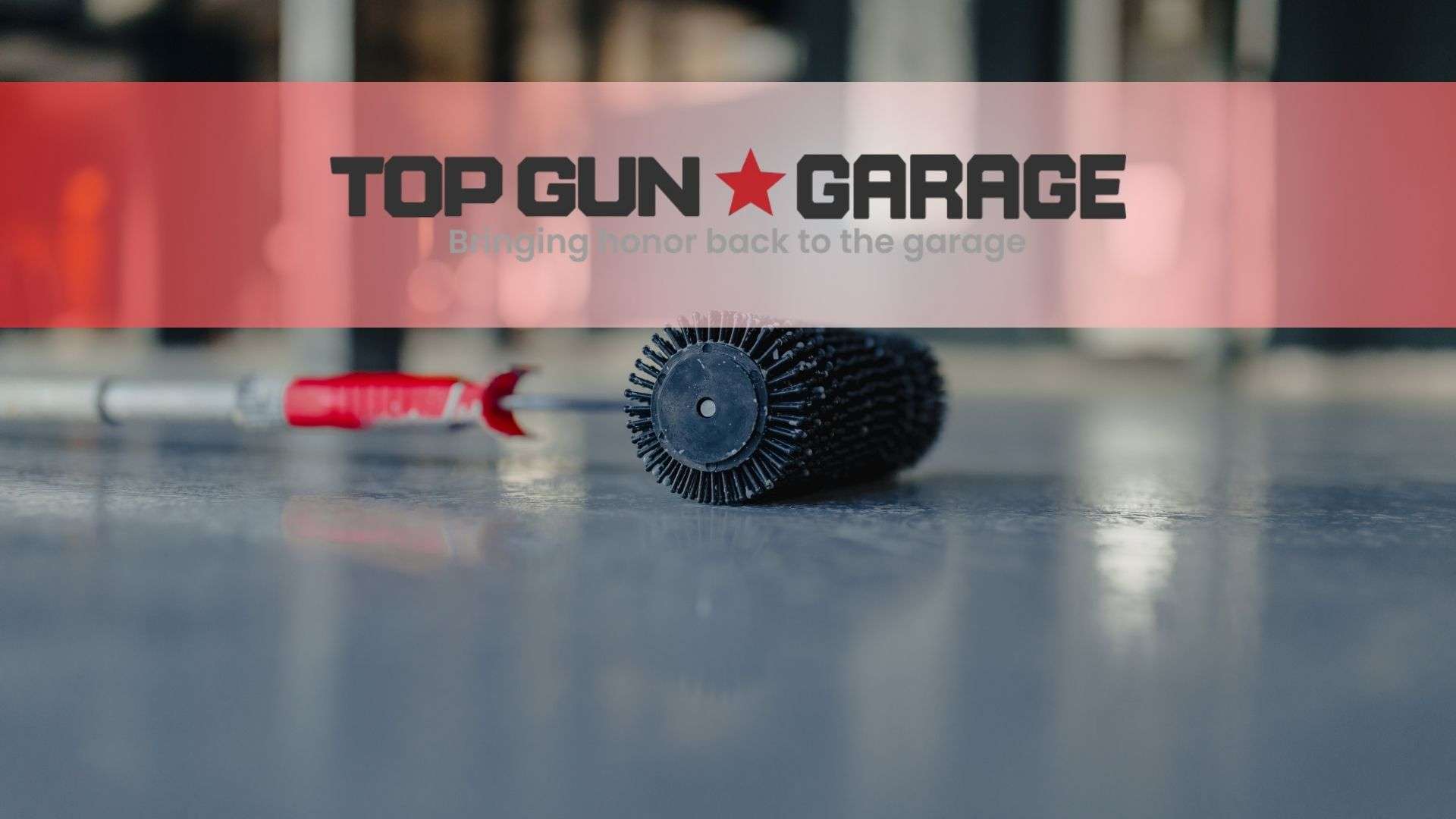
Air pockets form when moisture escapes during curing. Spiked rollers release trapped gases within minutes of application. Infrared scanners detect subsurface temperature spikes that indicate bubble formation risks.
We maintain 65-75°F in the workspace using portable climate control units. Multi-directional troweling ensures even distribution, while timed curing stages prevent surface tension issues. Post-installation inspections verify seamless results that withstand salt air and heavy use.
 Skip to content



 100% solid formulas pack more reactive molecules per gallon compared to solvent-based options. Less evaporation means denser molecular networks. These tightly woven structures resist indentation and abrasion, crucial for spaces storing heavy tools or vehicles.
Three factors control final hardness:
100% solid formulas pack more reactive molecules per gallon compared to solvent-based options. Less evaporation means denser molecular networks. These tightly woven structures resist indentation and abrasion, crucial for spaces storing heavy tools or vehicles.
Three factors control final hardness:
 At Top Gun Garage Naples, we combat these challenges using climate-adaptive methods. Our technicians monitor dew points like meteorologists, adjusting application windows to avoid morning mists. Specialized additives slow premature hardening during summer installations while accelerating reactions in cooler months.
Three critical strategies ensure lasting results:
At Top Gun Garage Naples, we combat these challenges using climate-adaptive methods. Our technicians monitor dew points like meteorologists, adjusting application windows to avoid morning mists. Specialized additives slow premature hardening during summer installations while accelerating reactions in cooler months.
Three critical strategies ensure lasting results: