Understand why concrete porosity varies in Naples foundations and its impact on your home’s stability. Get expert insights from Top Gun Garage in Naples, FL.
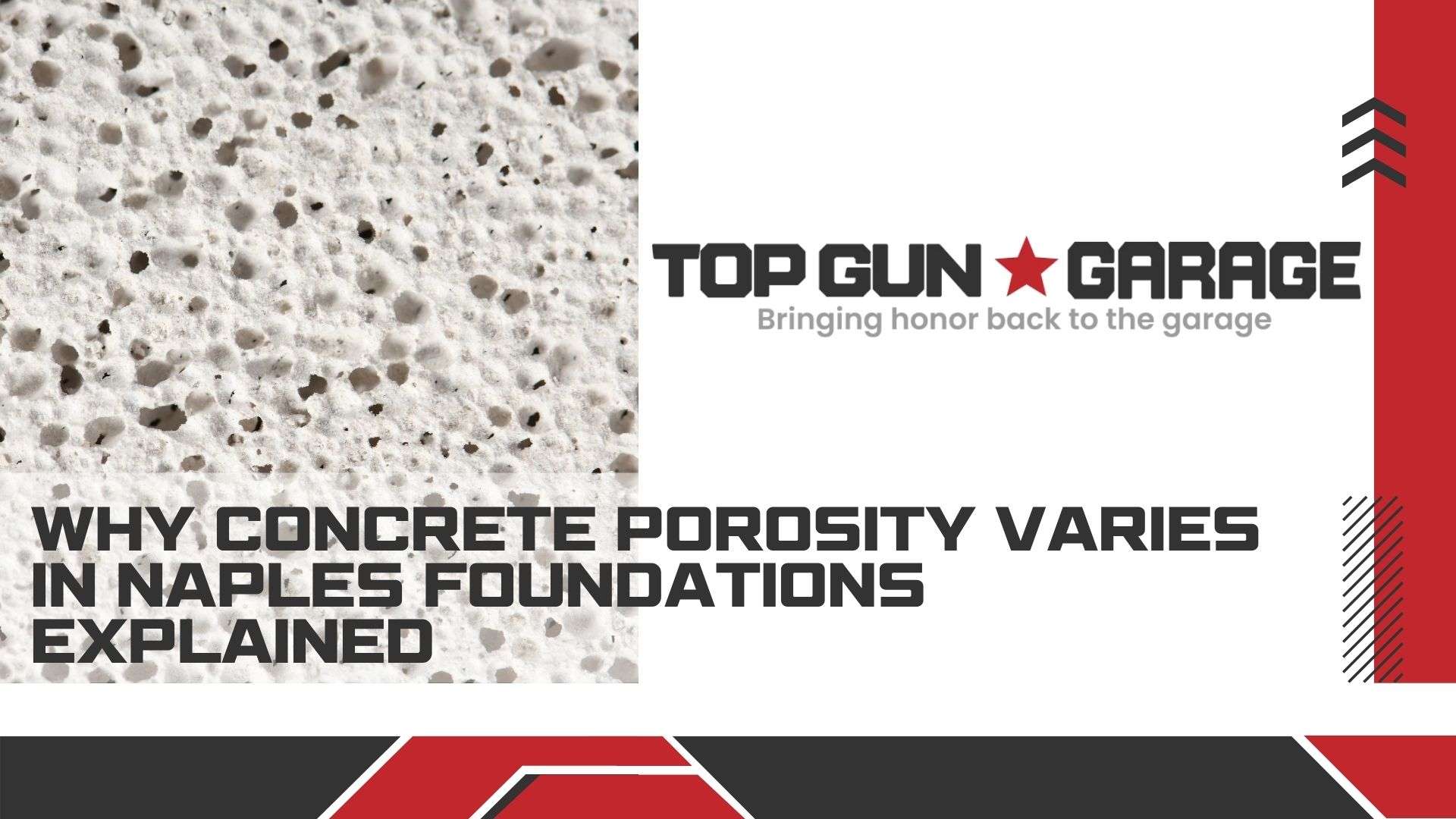
Did you know up to 18% of your home’s foundation could be microscopic holes? These tiny channels in building materials – each smaller than a human hair – create hidden pathways for water and gases. In coastal areas like Southwest Florida, this natural characteristic becomes a critical factor in structural health.
Local experts with years of inspection experience note that material composition directly impacts durability. When cement mixes with stone aggregates during construction, it forms a network of capillary pores. These spaces allow vapor movement that can lead to visible cracks and musty odors over time.
Soil conditions and weather patterns unique to our region intensify these challenges. High humidity accelerates moisture penetration through walls and floors. Left unaddressed, these issues compromise air quality and structural stability.
Early detection makes all the difference. Watch for warning signs like persistent dampness or uneven surfaces. Understanding how your home interacts with its environment helps prevent minor concerns from becoming major repairs.
Key Takeaways
Building materials naturally contain 12-18% microscopic voids
Moisture travels through pores smaller than 1/1000th of a millimeter
Local soil and climate accelerate wear in coastal regions
The strength of your home starts with the science of materials. When cement mixes with water during construction, a chemical reaction called hydration occurs. This process forms hardened material while creating microscopic pathways throughout the structure.
What This Means for Your Foundation
These tiny channels in building materials act like invisible highways. Water vapor and gases like radon move through spaces 1,000 times thinner than paper. Even solid-looking slabs contain these passages, allowing unwanted elements to reach your living areas.
Hydration’s Hidden Impact
The curing process determines pore size and distribution. Key factors include:
Radon gas molecules measuring 0.23 nanometers slipping through barriers
Horizontal surfaces absorbing more moisture than vertical walls
Surface treatments only address part of the issue. The entire material contains these microscopic pathways, requiring specialized solutions for complete protection. Recognizing this helps you make informed decisions about maintenance and repairs.
Why Concrete Porosity Varies in Naples Foundations
Southwest Florida’s environment creates distinct challenges for residential structures. The combination of loose earth composition and atmospheric dampness affects how building materials interact with their surroundings.
Local Environmental Influences and Moisture
Sandy earth dominates the area, creating fast-draining surfaces that mask hidden saturation. Three key elements intensify permeability issues:
Elevated water tables pushing moisture upward through slabs
Salt-laden air accelerating chemical changes in building materials
90%+ humidity maintaining constant dampness in subsurface layers
Construction Methods and Material Choices
Builders adapt techniques to address regional needs, though practices vary. Common approaches include:
Specialized mixtures using additives to reduce capillary action
Enhanced vapor barriers beneath floor systems
Drainage systems redirecting subsurface flows
While local codes require basic protections, many homes need supplementary measures. Seasonal rain patterns and shifting earth layers test even well-designed structures. Proper maintenance helps identify weaknesses before they escalate.
Mitigation Measures and Sealing Technologies
Your home’s defense starts beneath the surface with cutting-edge barrier technologies. Modern solutions address hidden pathways that allow moisture and gases to compromise structural integrity. These methods create lasting protection where it matters most – deep within building materials.
Deep-Sealing Innovations From Within the Structure
Advanced sealers penetrate up to 4 inches into slabs, transforming their internal composition. These liquid solutions react chemically with existing minerals, forming crystal structures that permanently block microscopic channels. Unlike temporary fixes, this process creates an impermeable barrier from the inside out.
Techniques to Prevent Water Vapor and Gas Intrusion
Effective protection requires understanding vapor pressure dynamics. Properly applied sealants account for air movement patterns and humidity changes. Key advantages include:
Internal crystallization that resists hydrostatic pressure
Permanent reduction in moisture transmission rates
Blockage of gas molecules at the molecular level
Surface coatings often fail because they don’t address subsurface pathways. Epoxy paints may peel when vapor builds beneath them, while deep treatments become part of the slab itself. Watch for musty smells or damp spots – these signal existing barrier failures needing attention.
Successful applications require thorough surface preparation. Professionals clean and open pores before treatment, ensuring maximum sealer penetration. This approach stops contaminants before they reach your living spaces, maintaining healthier indoor environments.
Connecting With Top Gun Garage in Naples FL
Your property’s longevity depends on precise diagnostics and tailored solutions. Our team combines technical knowledge with hands-on experience to protect structures from Southwest Florida’s demanding climate.
Our Expertise in Foundation Inspection and Repair
We use advanced scanning tools to map moisture paths in slabs and walls. Thermal imaging reveals hidden cracks before they breach surfaces. This proactive approach identifies weak zones in basements and floor systems early.
Our assessments consider multiple factors:
Soil composition beneath building footprints
Existing damage patterns in foundation walls
Local humidity effects on material degradation
Understanding Local Conditions and Best Practices
Coastal properties face unique challenges we address daily. Salt air accelerates wear in concrete slabs, while sandy soils shift under seasonal rains. We adapt repair methods to these conditions for lasting results.
Common solutions include:
Customized sealants for porous basement walls
Reinforcement techniques for load-bearing areas
Drainage adjustments to redirect groundwater
For expert evaluation of your property’s needs, call Top Gun Garage at (239) 488-7000. We provide clear explanations and science-backed strategies to fortify your investment against Florida’s elements.
Conclusion
Protecting your home starts with recognizing hidden risks beneath your feet. Southwest Florida’s unique blend of sandy ground and coastal humidity creates ongoing challenges for slabs and basement areas. Moisture movement through porous materials remains a constant threat to structural health.
Watch for early warning signs like floor cracks or musty air quality. These often indicate vapor pressure building within your foundation. Modern sealing technologies now address these issues at their source, creating lasting barriers against water and gas intrusion.
Regular inspections help catch problems before they escalate. Professionals assess material composition and ground conditions to recommend tailored solutions. Proper maintenance preserves your property’s value while safeguarding indoor environments.
For expert guidance on foundation care, contact trusted local specialists. Their knowledge of regional construction practices ensures your home stays protected against moisture damage and radon risks year-round.
 Skip to content