 Skip to content




Fort Myers homeowners along the Colonial Boulevard corridor are increasingly investing in professional garage floor coatings to protect their concrete surfaces from humidity damage, chemical spills, and heavy vehicle traffic. These durable finishes transform ordinary garage floors into attractive, long-lasting surfaces that resist Florida’s challenging climate conditions while adding significant value to residential properties.
- Epoxy and polyaspartic coatings provide 10-15 year lifespans in Fort Myers’ humid climate
- Professional installation costs range from $3 to $12 per square foot depending on coating type
- Colonial Boulevard properties benefit from coatings that resist moisture intrusion and salt air exposure
- Concrete preparation accounts for 60-70% of successful coating installation
- Anti-slip additives are essential for Florida garage safety during rainy seasons
- Local HOA requirements in Fort Myers communities often specify minimum coating standards
Why Colonial Boulevard Homeowners Choose Garage Floor Coatings
The Colonial Boulevard corridor serves as one of Fort Myers’ primary transportation arteries, connecting residential neighborhoods including Whiskey Creek, Cypress Lake, and the Gateway community to major employment centers and shopping destinations. This central location means that homes along Colonial Boulevard frequently experience higher-than-average garage usage, with vehicles tracking in moisture, road salt, and debris from the busy thoroughfare.
According to the Lee County Government, the Fort Myers metropolitan area sees an average of 55 inches of rainfall annually, with humidity levels frequently exceeding 80% during summer months. These conditions create significant challenges for unprotected concrete garage floors, which can develop cracks, surface erosion, and mold growth when exposed to persistent moisture intrusion.
Research from the International Association of Certified Home Inspectors indicates that concrete floors without protective coatings absorb an average of 3-5% of their weight in water within the first hour of exposure. Over time, this moisture penetration leads to freeze-thaw damage, efflorescence staining, and structural compromises that require costly repairs.
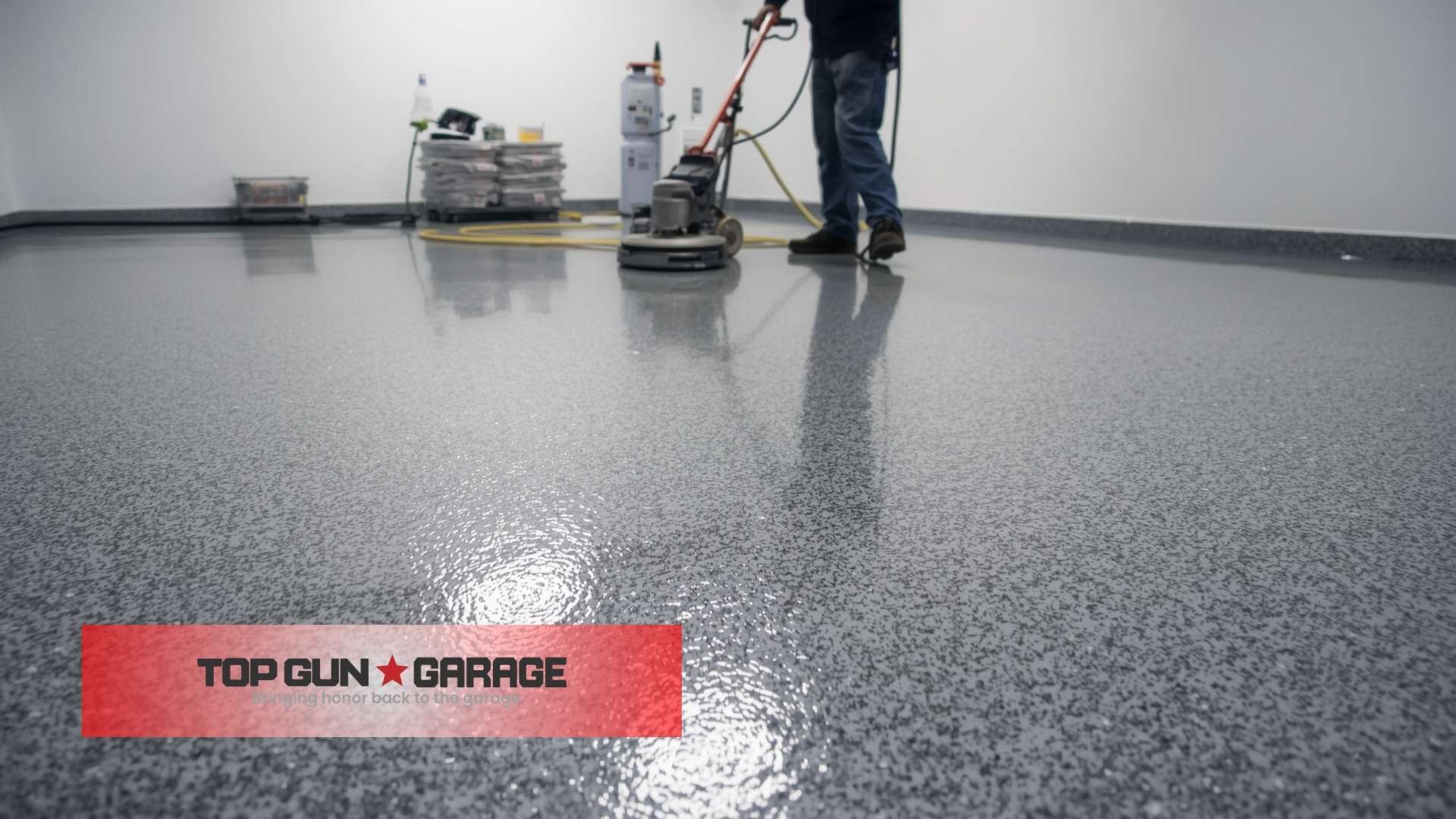
Understanding Coating Technologies: Epoxy vs. Polyaspartic
Modern garage floor coatings fall into two primary categories: epoxy-based systems and polyaspartic formulations. Each technology offers distinct advantages suited to different applications and budget considerations.
Epoxy Floor Coatings
Epoxy coatings consist of two components—a resin and a hardener—that chemically bond to create a rigid, durable surface. These coatings have been used in commercial and residential applications for over four decades, establishing a proven track record across diverse climate zones.
According to the Environmental Protection Agency, epoxy coatings emit low levels of volatile organic compounds (VOCs) when properly formulated, making them suitable for enclosed garage spaces. The cured surface creates a seamless barrier that resists petroleum products, antifreeze, brake fluid, and household chemicals commonly found in residential garages.
Epoxy systems typically require 24-72 hours to cure fully before accepting vehicle traffic, with full chemical resistance developing over seven days. For Colonial Boulevard homeowners who use their garages daily, this cure time represents a significant consideration when planning installation.
Polyaspartic Coatings
Polyaspartic coatings represent the newer generation of garage floor protection technology, offering faster cure times and enhanced UV stability compared to traditional epoxy systems. These coatings bond to concrete through a different chemical mechanism that provides superior adhesion and flexibility.
As Mike热水, Technical Director at American Coatings Association, explains: “Polyaspartic formulations cure within 4-8 hours in most climate conditions, allowing homeowners to return their vehicles to the garage the same day as installation. This rapid turnaround has made polyaspartic coatings increasingly popular for busy households.”
The UV resistance of polyaspartic coatings proves particularly valuable for Fort Myers garages with natural lighting or those facing south and west. Unlike epoxy coatings, which may yellow and chalk when exposed to prolonged sunlight, polyaspartic finishes maintain their color stability and surface integrity for years.
Comparing Coating Systems: A Detailed Analysis
| Feature | Epoxy Coating | Polyaspartic Coating |
|---|---|---|
| Typical Lifespan | 5-10 years | 10-15 years |
| Cure Time | 24-72 hours | 4-8 hours |
| UV Resistance | Poor (yellows) | Excellent |
| Application Temperature | 50°F minimum | Below freezing acceptable |
| Cost per Square Foot | $3-$6 | $6-$12 |
| Chemical Resistance | Very Good | Excellent |
| Flexibility | Moderate | High |
The Critical Role of Concrete Preparation
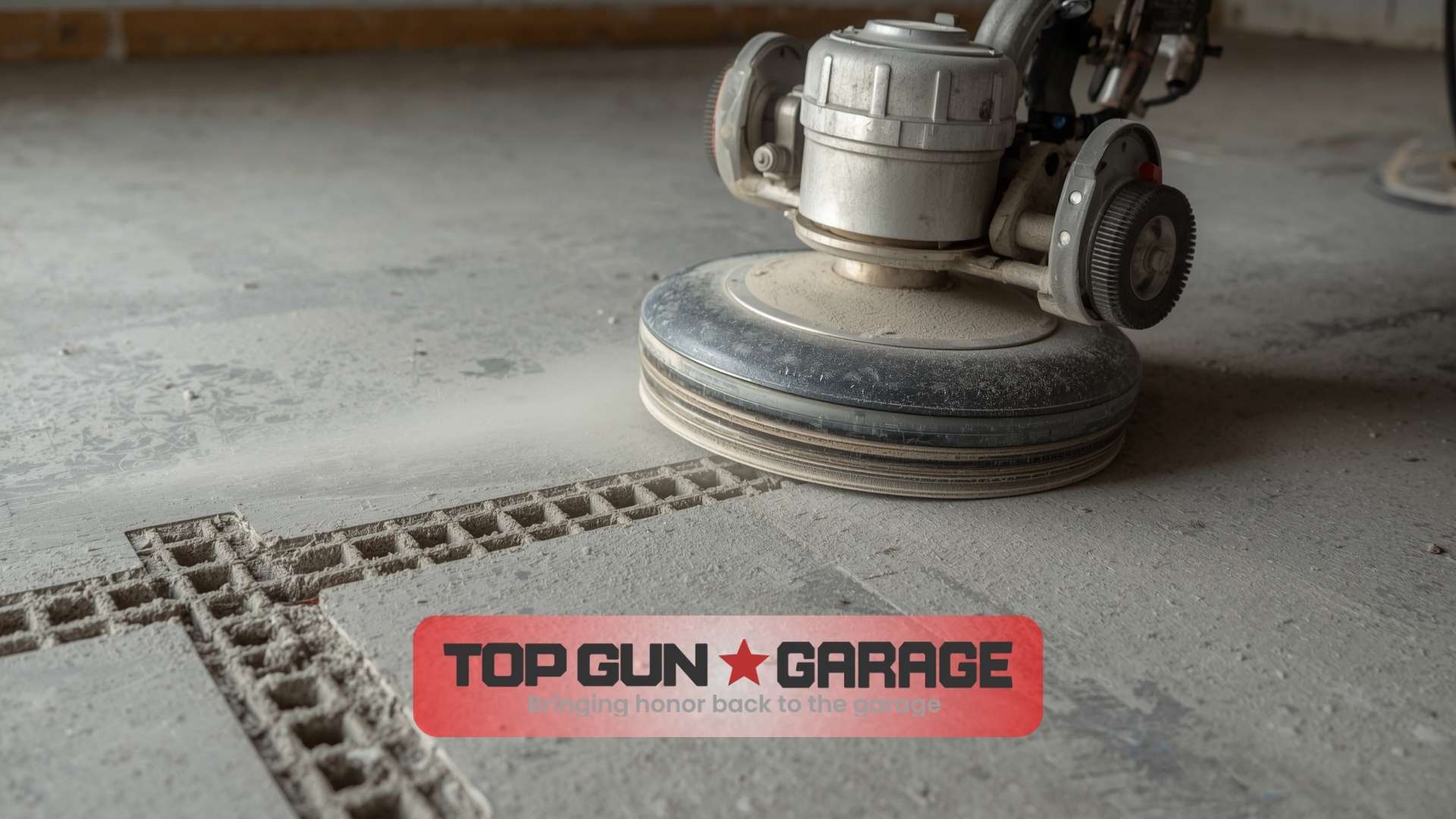
Industry experts consistently emphasize that concrete preparation determines the success or failure of any garage floor coating installation. The International Concrete Repair Institute estimates that 60-70% of coating failures originate from inadequate surface preparation rather than product defects.
For Colonial Boulevard homes, where concrete slabs may be 15-40 years old, thorough preparation becomes even more critical. The preparation process typically involves several sequential steps:
- Moisture Testing: Measuring vapor transmission rates through the concrete to ensure the slab can accept coating materials without blistering or delamination.
- Surface Profiling: Creating a mechanical bond profile through diamond grinding or shot blasting, typically achieving a 3-5 mil profile depth.
- Crack and Spall Repair: Filling active cracks and repairing damaged areas with appropriate patching compounds.
- Contaminant Removal: Eliminating oils, grease, paint, sealers, or other bond-breakers through chemical cleaning or mechanical methods.
- Primer Application: Sealing the concrete surface and promoting adhesion of the coating system.
As Sarah Mitchell, Owner of Fort Myers Concrete Solutions, notes: “We frequently encounter Colonial Boulevard properties where previous sealers or curing compounds were applied during original construction. These materials prevent proper coating adhesion unless completely removed through diamond grinding or specialized chemical stripping.”
Climate-Specific Considerations for Fort Myers Garages
Fort Myers’ subtropical climate presents unique challenges for garage floor coatings that differ substantially from northern markets. Understanding these regional factors helps Colonial Boulevard homeowners make informed decisions about coating selection and installation timing.
Humidity and Moisture Management
The combination of high humidity and occasional flooding in Lee County requires garage floor coatings that can withstand moisture vapor transmission from below the concrete slab. Standard epoxy coatings may trap moisture between the coating and concrete, causing blistering and adhesion failure.
Professional installers recommend moisture-mitigation primers for Colonial Boulevard properties in low-lying areas or those with poor drainage. These specialized products allow the concrete to breathe while maintaining coating adhesion, preventing the pressure buildup that leads to coating failure.
Heat and UV Exposure
Summer temperatures in Fort Myers regularly exceed 90°F, with direct sunlight through garage doors creating surface temperatures well above 120°F. These conditions accelerate the cure of coating materials, potentially causing working time issues for installers and adhesion problems if not properly managed.
For more information on how epoxy floors perform in Florida’s climate, see our guide on how epoxy floors affect garage temperature in Florida.
Salt Air and Corrosion Resistance
Proximity to the Gulf of Mexico means Colonial Boulevard homeowners must consider salt air exposure when selecting garage floor coatings. While salt doesn’t directly damage properly cured epoxy or polyaspartic coatings, it can accelerate corrosion of metal items stored in garages and may be tracked onto coated surfaces by vehicles.
Regular rinsing of coated garage floors during coastal weather events helps maintain surface integrity and appearance. The seamless nature of professional coatings makes this maintenance straightforward compared to bare concrete, which absorbs salt and moisture directly into its porous structure.
Design Options for Colonial Boulevard Homes
Modern garage floor coatings offer extensive customization options that allow homeowners to complement their home’s architectural style and personal preferences. Popular design choices in the Fort Myers market include:
- Solid Color Finishes: Available in gray, tan, blue, red, and custom colors to match exterior palettes or personal preferences.
- Metallic Epoxy Systems: Creating unique, swirling patterns through metallic pigments that shift appearance with viewing angle and lighting.
- Flake Broadcast Systems: Incorporating colored vinyl chips into the coating for texture, slip resistance, and visual interest.
- Quartz Sand Finishes: Using colored quartz aggregates for maximum durability and grip in high-traffic applications.
- Custom Graphics and Logos: Embedding team logos, family crests, or artistic designs into the coating system.
For inspiration on modern design approaches, explore our article on modern epoxy flake flooring designs beyond gray.
Cost Considerations and Return on Investment
Professional garage floor coating installation on Colonial Boulevard typically costs between $3 and $12 per square foot, depending on coating type, surface preparation requirements, and design complexity. For a standard two-car garage of 400-500 square feet, total project costs range from $1,200 to $6,000.
While this investment may seem substantial, the National Association of Realtors reports that garage improvements consistently rank among the highest-return residential renovations, with garage floor coatings specifically showing 70-80% cost recovery at resale.
Beyond resale value, properly maintained garage floor coatings eliminate ongoing costs associated with bare concrete deterioration. These savings include reduced repair frequency, eliminated resealing expenses, and decreased cleaning effort—factors that compound significantly over the coating’s service life.
Maintenance Requirements for Long-Term Performance
Protecting your Colonial Boulevard garage floor coating investment requires consistent but straightforward maintenance practices. Unlike bare concrete, which requires periodic resealing and can stain permanently, coated surfaces respond well to simple care routines.
Daily and weekly maintenance involves sweeping to remove loose debris and occasional damp mopping with pH-neutral cleaners. The seamless surface prevents dirt from embedding into pores, making cleanup significantly faster than bare concrete alternatives.
For seasonal maintenance guidance, see our detailed article on seasonal maintenance routines that extend flooring life.
Annual inspections should check for any areas of coating wear, particularly near garage door entries where UV exposure and foot traffic concentrate. Addressing minor issues promptly prevents them from developing into larger problems requiring extensive repair.

Choosing a Professional Installer in Lee County
Selecting the right contractor for your Colonial Boulevard garage floor coating project requires careful evaluation of experience, credentials, and references. The coatings industry lacks universal licensing requirements, making homeowner diligence essential.
Key evaluation criteria include manufacturer certification status, portfolio of completed projects in Lee County, insurance coverage verification, and detailed written warranties. Professional installers should provide comprehensive proposals that specify surface preparation methods, coating products, application procedures, and expected performance characteristics.
Requesting references from recent Colonial Boulevard or nearby Lee County installations allows homeowners to assess actual performance in comparable conditions. Reputable contractors willingly provide this information and may even arrange site visits to completed projects.
Frequently Asked Questions
How long does garage floor coating installation take in Fort Myers?
Professional garage floor coating installation typically requires 2-3 days for completion. Day one involves surface preparation, including cleaning, profiling, and repairs. The coating application occurs on day two, with optional decorative elements like flake broadcast. Cure times vary by product—epoxy systems may require 24-72 hours before vehicle traffic, while polyaspartic coatings often allow use within 4-8 hours.
Can I apply garage floor coating over existing paint or sealer?
No. Existing paints, sealers, and curing compounds must be completely removed before coating application. These materials prevent proper adhesion and will cause coating failure. Professional installers use diamond grinding or shot blasting to expose clean, sound concrete capable of bonding with the coating system.
Will garage floor coating prevent moisture from coming up through the concrete?
Properly applied coatings create a continuous barrier that prevents liquid water penetration from above. However, moisture vapor can still transmit through concrete from below the slab. Professional installers conduct moisture testing before application and may recommend moisture-mitigation primers for slabs with high vapor transmission rates.
Are garage floor coatings slippery when wet?
Standard epoxy and polyaspartic coatings can become slippery when wet or contaminated with oils. However, slip-resistant additives like aluminum oxide or polymer grit can be incorporated into the coating system to provide traction. These additives are particularly recommended for Colonial Boulevard garages where rain and road moisture may create wet conditions.
How do I know if my garage floor is suitable for coating?
Most structurally sound concrete garage floors are suitable for coating installation. Key requirements include minimal cracking (cracks wider than 1/8 inch require repair), absence of active moisture issues causing hydrostatic pressure, and adequate concrete age (typically 28 days minimum after pour). Professional installers assess these factors during initial consultations.
What warranty should I expect from professional garage floor coating installation?
Reputable installers typically offer warranties ranging from 1 year to 10 years, depending on coating type and installation scope. Warranty coverage should address coating delamination, blistering, and significant wear-through. Carefully review warranty terms to understand what conditions might void coverage, such as improper maintenance or failure to address moisture issues.
Can garage floor coatings be repaired if damaged?
Yes. Localized coating damage can often be repaired without replacing the entire floor. Repair processes involve removing damaged coating, preparing the exposed concrete, and applying new coating material that blends with surrounding areas. Successful repairs require matching the original coating system and color.
Conclusion
Colonial Boulevard homeowners in Fort Myers have access to professional garage floor coating solutions that address the region’s unique climate challenges while providing lasting beauty and durability. Whether selecting traditional epoxy systems or advanced polyaspartic technology, proper surface preparation and quality installation deliver garage floors that resist moisture damage, chemical exposure, and heavy use for years of reliable service.
The investment in professional garage floor coating not only protects your concrete slab but also enhances your home’s functionality, appearance, and resale value. For Colonial Boulevard properties where garage spaces serve as primary vehicle storage, workshop areas, and transition zones, the benefits of protective coatings compound significantly over time.
Ready to transform your Colonial Boulevard garage with a professional floor coating? Contact our team today to schedule a consultation and receive a detailed proposal for your Fort Myers home. Our experienced installers understand Lee County’s climate challenges and deliver coatings built to last.
References
- Lee County Government – Climate and weather data for Fort Myers metropolitan area
- International Association of Certified Home Inspectors – Concrete moisture absorption research
- Environmental Protection Agency – VOC emissions standards for epoxy coatings
- International Concrete Repair Institute – Surface preparation guidelines and coating failure analysis
- National Association of Realtors – Remodeling impact reports and cost recovery data