 Skip to content




The garage flooring industry has undergone a remarkable transformation in recent years, with recycled content in modern garage flooring emerging as a game-changing solution for environmentally conscious homeowners. This innovative approach to flooring design not only addresses growing environmental concerns but also delivers exceptional performance characteristics that rival traditional materials. As sustainability becomes increasingly important in home improvement decisions, garage flooring solutions incorporating recycled materials offer an intelligent balance between ecological responsibility and practical functionality.
Modern garage spaces serve multiple purposes beyond vehicle storage, functioning as workshops, fitness areas, and additional living spaces. This evolution in garage usage has created demand for flooring solutions that can withstand heavy use while maintaining aesthetic appeal and environmental integrity. Recycled content flooring options have risen to meet this challenge, utilizing post-consumer and post-industrial waste materials to create durable, attractive surfaces that perform exceptionally well under demanding conditions.
The integration of recycled materials into garage flooring represents a significant advancement in sustainable building practices. These innovative products transform waste materials that would otherwise end up in landfills into high-performance flooring solutions. From recycled rubber and plastic to reclaimed wood fibers and metal components, manufacturers have developed sophisticated processes to incorporate these materials while maintaining or even enhancing the flooring’s durability, slip resistance, and visual appeal.
Understanding the benefits and applications of recycled content flooring requires examining both the environmental impact and practical performance characteristics. These flooring solutions offer reduced carbon footprints, decreased reliance on virgin materials, and often superior performance in challenging garage environments. The technology behind recycled content flooring has advanced to the point where these products frequently outperform traditional options in terms of durability, maintenance requirements, and long-term value.
For homeowners considering garage renovations, recycled content flooring presents an opportunity to make environmentally responsible choices without compromising on quality or functionality. The variety of available options ensures that every garage application, from basic vehicle storage to sophisticated workshop environments, can benefit from sustainable flooring solutions that align with modern environmental values while delivering exceptional performance.
Key Takeaways
Environmental Impact Reduction: Recycled content in modern garage flooring significantly reduces environmental impact by diverting waste materials from landfills and reducing the demand for virgin raw materials. These flooring solutions can contain up to 90% recycled content while maintaining superior performance characteristics.
Enhanced Durability: Contrary to common misconceptions, recycled content flooring often exhibits superior durability compared to traditional options. The manufacturing processes used to create these products frequently result in enhanced resistance to chemicals, impacts, and wear patterns common in garage environments.
Cost-Effective Solutions: Sustainable garage flooring options incorporating recycled materials often provide better long-term value through reduced maintenance requirements, extended lifespan, and potential tax incentives for environmentally responsible home improvements.
Versatile Design Options: Modern recycled content flooring offers extensive design flexibility, with options ranging from industrial-grade rubber tiles to decorative composite materials that mimic natural stone or wood appearances while providing superior performance in garage environments.
Health and Safety Benefits: Many recycled content flooring products feature low-emission formulations and improved slip resistance, creating healthier indoor air quality and safer working conditions in garage spaces used for various activities beyond vehicle storage.
Professional Installation Advantages: While some recycled content flooring options are available for DIY installation, professional installation ensures optimal performance, warranty compliance, and proper integration with existing garage systems and drainage requirements.
Understanding Recycled Content Materials
The concept of recycled content in modern garage flooring encompasses a wide range of materials and manufacturing processes designed to transform waste products into high-performance flooring solutions. This innovative approach addresses the growing demand for sustainable building materials while delivering the durability and functionality required in demanding garage environments. Understanding the various types of recycled content and their applications helps homeowners make informed decisions about their flooring investments.
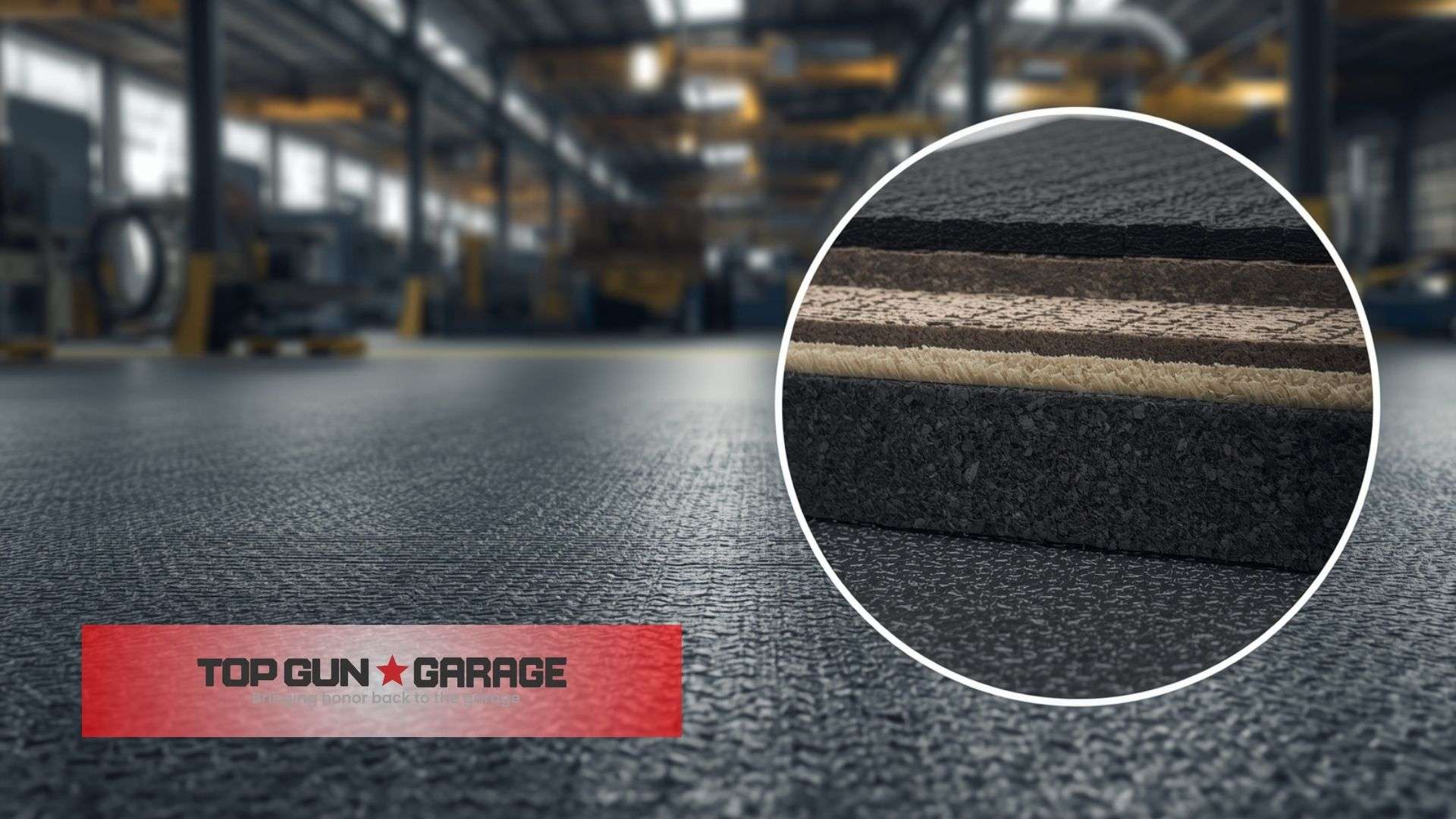
Recycled rubber represents one of the most successful applications of waste material transformation in garage flooring. Post-consumer tire rubber, which would otherwise accumulate in landfills, is processed and reformed into durable flooring tiles and rolls that provide excellent shock absorption, chemical resistance, and slip protection. The vulcanization process used in tire manufacturing actually enhances the durability of recycled rubber flooring, making it ideal for heavy-duty garage applications where vehicles, equipment, and tools create demanding use conditions.
Plastic waste streams contribute significantly to recycled content flooring options, with post-consumer bottles, packaging materials, and industrial plastic waste being transformed into interlocking tiles, composite planks, and seamless flooring systems. Advanced processing techniques ensure that recycled plastic components maintain structural integrity while providing moisture resistance, chemical tolerance, and easy maintenance characteristics essential for garage environments. These materials often incorporate additional recycled components such as glass fibers or mineral content to enhance performance properties.
The manufacturing processes used to create recycled content flooring have evolved to ensure consistent quality and performance standards. Quality control measures include rigorous testing for durability, slip resistance, chemical compatibility, and dimensional stability. Many recycled content flooring products exceed industry standards for traditional materials, demonstrating that environmental responsibility and superior performance are not mutually exclusive goals. For homeowners interested in comprehensive sustainable renovation approaches, exploring environmentally responsible renovation options provides valuable insights into creating cohesive eco-friendly garage spaces.
Environmental Benefits and Sustainability
The environmental advantages of incorporating recycled content in modern garage flooring extend far beyond simple waste diversion, creating measurable positive impacts throughout the product lifecycle. These benefits begin with the reduction of raw material extraction, which traditionally requires significant energy consumption and environmental disruption. By utilizing existing waste streams, recycled content flooring reduces the demand for virgin materials, leading to decreased mining, petroleum extraction, and forest harvesting activities associated with conventional flooring production.
Carbon footprint reduction represents a significant environmental benefit of recycled content flooring systems. The energy required to process recycled materials is typically 50-80% less than that needed for virgin material production, resulting in substantially lower greenhouse gas emissions, as documented by the Environmental Protection Agency’s waste reduction guidelines. Additionally, the transportation energy associated with waste material collection and processing is often offset by the reduced need for long-distance shipping of raw materials, particularly when recycled content is sourced regionally.
Landfill diversion constitutes another critical environmental benefit, with recycled content flooring helping to address the growing challenge of waste management. Tire waste, plastic bottles, and industrial byproducts that would otherwise require landfill space or incineration are transformed into valuable building materials with extended useful lives. This circular economy approach maximizes resource utilization while minimizing environmental burden, creating positive impacts that extend well beyond the immediate flooring application.
Water conservation benefits emerge from recycled content flooring manufacturing processes, which typically require less water than traditional material production. The reduced need for agricultural or forestry irrigation, mining operations, and chemical processing associated with virgin materials results in significant water savings. Additionally, many recycled content flooring products are designed for easy cleaning and maintenance, reducing long-term water consumption for upkeep compared to more porous traditional materials.
End-of-life considerations further enhance the environmental benefits of recycled content flooring, similar to approaches discussed in sustainable concrete treatments for Florida homes. Many of these products are designed for recyclability, allowing them to be reprocessed into new flooring materials or other applications when replacement becomes necessary. This closed-loop approach ensures that the environmental benefits continue beyond the initial installation, creating lasting positive impacts that align with long-term sustainability goals.
Performance Characteristics and Durability
The performance characteristics of recycled content in modern garage flooring often exceed those of traditional materials, challenging preconceptions about recycled products and demonstrating the advanced engineering behind sustainable flooring solutions. These performance advantages stem from the unique properties of recycled materials and the sophisticated manufacturing processes used to optimize their characteristics for demanding garage applications. Understanding these performance benefits helps homeowners appreciate the practical value of sustainable flooring choices.
Impact resistance represents a significant performance advantage of many recycled content flooring systems, particularly those incorporating recycled rubber components. The inherent shock-absorbing properties of processed tire rubber provide excellent protection against dropped tools, equipment impacts, and heavy vehicle loads. This impact resistance not only protects the flooring surface but also reduces noise transmission and provides more comfortable working conditions for extended periods of standing or kneeling during garage activities.
Chemical resistance characteristics of recycled content flooring often surpass traditional options due to the pre-existing durability of source materials. Recycled tire rubber has already undergone extensive chemical exposure during its automotive service life, while recycled plastic components have demonstrated chemical stability through their original applications. The reprocessing methods used to create flooring products frequently enhance these natural resistance properties, resulting in surfaces that effectively resist automotive fluids, cleaning chemicals, and other substances commonly encountered in garage environments.
Thermal stability and temperature resistance benefit from the diverse material composition found in recycled content flooring. The combination of different recycled components creates composite materials with enhanced thermal properties, reducing expansion and contraction issues that can affect flooring performance in unheated garage spaces, similar to considerations for how heated concrete works with epoxy coatings. This thermal stability contributes to longer service life and reduced maintenance requirements, particularly in climates with significant temperature variations throughout the year.
Slip resistance and traction characteristics receive careful attention in recycled content flooring design, with manufacturers incorporating textured surfaces and specialized compounds to optimize safety performance. The ability to control surface texture during the manufacturing process allows for customized slip resistance appropriate for different garage applications, from basic vehicle storage to active workshop environments. These safety features are particularly important in garage spaces where moisture, oils, and other slippery substances may be present, as outlined in how garage floors prevent slip and fall accidents.
Types and Applications
The diversity of recycled content flooring options available for modern garage applications reflects the innovative approaches manufacturers have developed to transform various waste streams into high-performance flooring solutions. Each type of recycled content flooring offers unique characteristics and benefits, allowing homeowners to select options that best match their specific garage requirements, aesthetic preferences, and performance expectations. Understanding the range of available options helps ensure optimal flooring selection for individual applications.
Recycled rubber flooring systems represent the most established category of sustainable garage flooring, utilizing post-consumer tire rubber and industrial rubber waste to create versatile flooring solutions. These products are available in multiple formats, including interlocking tiles, rolled goods, and poured-in-place systems. Recycled rubber tiles offer excellent modularity and easy replacement capabilities, while rolled rubber provides seamless coverage for larger garage areas. The natural properties of recycled rubber deliver superior comfort, noise reduction, and chemical resistance, making these options ideal for garages used as workshops or multi-purpose spaces.
Composite recycled content flooring combines multiple waste streams to create engineered products with optimized performance characteristics. These systems typically incorporate recycled plastic, rubber, and fiber components in carefully controlled ratios to achieve specific performance goals. Composite options can mimic the appearance of natural materials while providing superior durability and maintenance characteristics. The engineering flexibility inherent in composite manufacturing allows for customization of properties such as hardness, flexibility, slip resistance, and color options to meet diverse garage requirements.
Recycled plastic flooring systems utilize post-consumer plastic waste, including bottles, containers, and packaging materials, to create durable interlocking tile and plank systems. These products offer excellent moisture resistance, chemical tolerance, and dimensional stability, making them particularly suitable for garages in humid climates or areas prone to flooding, as discussed in how epoxy garage floors perform in Naples flooding. The manufacturing process allows for precise control of surface texture, color, and pattern options, enabling aesthetic coordination with overall garage design themes while maintaining practical performance benefits.
Hybrid recycled content systems combine recycled materials with selective virgin components to optimize specific performance characteristics while maintaining substantial environmental benefits. These products might incorporate recycled content in base layers while using specialized surface treatments for enhanced durability or appearance. Hybrid approaches allow manufacturers to achieve performance targets that might be challenging with 100% recycled content while still providing significant environmental benefits and waste diversion.
Application-specific recycled content flooring addresses particular garage use patterns and requirements. Heavy-duty formulations designed for automotive service applications incorporate enhanced oil resistance and load-bearing capabilities, similar to garage floors that withstand forklift traffic. Workshop-oriented products emphasize comfort and anti-fatigue properties for extended standing periods. Storage-focused options prioritize easy cleaning and moisture resistance for long-term vehicle protection. This specialization ensures that recycled content flooring can meet the demanding requirements of any garage application while delivering environmental benefits.
Installation Considerations
The installation of recycled content in modern garage flooring requires careful consideration of substrate preparation, environmental conditions, and application techniques to ensure optimal performance and longevity. While some recycled content flooring options are designed for DIY installation, the complexity of achieving professional results often justifies expert installation services, particularly for permanent installations or high-performance applications. Understanding installation requirements helps homeowners make informed decisions about project approach and expected outcomes.
Substrate preparation represents a critical factor in recycled content flooring installation success, with requirements varying based on the specific product type and garage conditions. Concrete substrate evaluation must address surface condition, moisture levels, chemical contamination, and structural integrity. Many recycled content flooring systems require specific surface preparation techniques, including grinding, shot blasting, or chemical etching to achieve proper adhesion, as explained in understanding different concrete surface preparations. Professional installers possess the equipment and expertise necessary to properly evaluate and prepare substrates, ensuring optimal bonding and long-term performance.
Environmental condition management during installation affects the performance characteristics and appearance of recycled content flooring systems. Temperature and humidity levels must be controlled within specified ranges during installation and curing periods to prevent adhesion failures, dimensional changes, or surface defects. Professional installers understand these requirements and can schedule installation activities to optimize environmental conditions, often resulting in superior outcomes compared to DIY approaches that may not account for these critical factors.
Adhesive selection and application techniques vary significantly among different recycled content flooring products, with compatibility between flooring materials, adhesives, and substrate conditions requiring careful evaluation. Professional installers maintain relationships with manufacturers and suppliers that ensure access to appropriate adhesive systems and application guidance. The proper selection and application of adhesives directly impacts flooring performance, warranty coverage, and long-term durability, making professional expertise valuable for achieving optimal results.
Quality control and installation verification procedures ensure that recycled content flooring installations meet manufacturer specifications and performance expectations. Professional installers typically follow detailed quality control protocols that address substrate preparation verification, adhesive coverage rates, seam integrity, and surface finish standards. These procedures help identify and correct potential issues before they affect long-term performance, providing peace of mind and warranty compliance that may be difficult to achieve with DIY installations.
Warranty considerations often favor professional installation, with many manufacturers requiring certified installer involvement to maintain full warranty coverage, as discussed in DIY limitations vs professional advantages. Professional installation documentation provides valuable protection for homeowners while ensuring that installation procedures meet manufacturer requirements. The investment in professional installation often pays dividends through improved performance, extended service life, and comprehensive warranty protection that protects the flooring investment over its entire lifecycle.
Cost Analysis and Value
The financial considerations surrounding recycled content in modern garage flooring extend beyond initial purchase prices to encompass long-term value propositions that often favor sustainable options over traditional alternatives. A comprehensive cost analysis must evaluate material costs, installation expenses, maintenance requirements, durability expectations, and potential incentives to accurately assess the total cost of ownership. This holistic approach reveals that recycled content flooring frequently provides superior value despite potentially higher upfront investments.
Initial material costs for recycled content flooring vary significantly based on product type, performance specifications, and market conditions. While some recycled content options may carry premium pricing compared to basic traditional materials, the cost differential has decreased substantially as manufacturing volumes have increased and production efficiencies have improved. Additionally, the superior performance characteristics of many recycled content products often justify higher initial costs through extended service life and reduced replacement frequency.
Installation cost considerations reflect the specific requirements of different recycled content flooring systems, with some products offering simplified installation procedures that can reduce labor costs. However, the complexity of achieving optimal results with high-performance recycled content flooring often justifies professional installation investment. The long-term cost benefits of proper installation typically outweigh short-term savings from DIY approaches, particularly when warranty coverage and performance optimization are considered.
Maintenance cost advantages represent a significant long-term value proposition for recycled content flooring systems. The chemical resistance, stain resistance, and durability characteristics of these products typically result in reduced cleaning requirements, fewer repairs, and extended intervals between major maintenance activities, as outlined in secrets to making garage floors last decades. The ease of cleaning and maintenance associated with many recycled content options translates to ongoing cost savings that accumulate over the flooring’s service life.
Durability and replacement cycle considerations favor recycled content flooring systems that often provide extended service life compared to traditional alternatives. The engineered nature of recycled content products allows manufacturers to optimize durability characteristics for specific applications, frequently resulting in flooring systems that outlast conventional options by significant margins. This extended service life reduces the frequency of replacement projects, providing substantial long-term cost savings.
Incentive programs and tax benefits may be available for environmentally responsible home improvements, including sustainable garage flooring installations. Federal, state, and local programs sometimes offer tax credits, rebates, or other financial incentives for projects that meet specific environmental criteria, as noted by the U.S. Green Building Council’s sustainable building programs. These incentives can significantly offset initial costs while supporting broader environmental goals, making recycled content flooring even more attractive from a financial perspective.
Health and Air Quality Benefits
The health and indoor air quality benefits of recycled content in modern garage flooring represent important considerations often overlooked in traditional flooring selection processes. Modern manufacturing techniques and quality control standards ensure that recycled content flooring products meet stringent health and safety requirements while providing environmental benefits. Understanding these health advantages helps homeowners make informed decisions that protect family wellbeing while supporting sustainability goals.
Low-VOC formulations characterize many recycled content flooring products, with manufacturers implementing advanced processing techniques to minimize volatile organic compound emissions. The recycling and reprocessing procedures used to create these flooring materials often eliminate or significantly reduce potentially harmful chemicals present in virgin material production. This results in flooring products that contribute to healthier indoor air quality, particularly important in garage spaces that may lack the ventilation systems found in main living areas.
Off-gassing concerns that often accompany traditional flooring materials are minimized in quality recycled content products through rigorous manufacturing standards and third-party testing. The materials used in recycled content flooring have typically already undergone initial off-gassing during their original use, with subsequent reprocessing further reducing volatile compound content. This pre-existing stability makes recycled content flooring particularly suitable for enclosed garage spaces or garages converted to workshop and hobby areas where air quality directly affects occupant health.
Antimicrobial properties found in certain recycled content flooring formulations provide additional health benefits by resisting mold, mildew, and bacterial growth. These characteristics prove particularly valuable in garage environments where moisture, humidity, and organic materials can create conditions conducive to microbial growth, as discussed in antimicrobial properties of modern floor coatings. The resistance to biological contamination helps maintain healthier indoor environments while reducing cleaning and maintenance requirements.
Allergen reduction benefits emerge from the seamless, non-porous surfaces provided by many recycled content flooring systems. Unlike porous concrete or materials with cracks and seams that can harbor dust, pollen, and other allergens, properly installed recycled content flooring creates smooth surfaces that resist allergen accumulation. This characteristic proves particularly beneficial for individuals with respiratory sensitivities or allergies who use garage spaces for extended periods.
Safety considerations extend beyond air quality to include slip resistance, cushioning properties, and ergonomic benefits that protect occupant wellbeing. The textured surfaces and shock-absorbing characteristics of recycled rubber flooring reduce fall injury risk while providing comfortable surfaces for prolonged standing during workshop activities. These physical safety benefits complement air quality advantages to create comprehensively healthier garage environments.
Maintenance and Longevity
The maintenance requirements and longevity expectations for recycled content in modern garage flooring represent significant advantages that contribute to the overall value proposition of sustainable flooring solutions. Understanding proper maintenance procedures ensures optimal performance throughout the flooring’s service life while maximizing return on investment. The durability characteristics inherent in quality recycled content flooring typically result in extended service life that exceeds traditional alternatives when properly maintained.
Routine cleaning requirements for recycled content flooring are typically minimal, involving regular sweeping or vacuuming to remove loose debris followed by periodic damp mopping with appropriate cleaning solutions. The chemical resistance and stain resistance of these products usually eliminate the need for harsh cleaners or intensive scrubbing procedures. Most manufacturers provide specific cleaning product recommendations that optimize appearance while protecting flooring integrity, similar to guidance for what is the proper cleaning process.
Stain resistance characteristics of recycled content flooring reduce maintenance burden while preserving aesthetic appeal. The non-porous surfaces provided by many recycled plastic and rubber products resist penetration by oils, chemicals, and other common garage contaminants. When spills occur, prompt cleanup with recommended cleaning agents typically restores original appearance without permanent staining. This ease of stain removal contrasts favorably with porous concrete surfaces that can retain discoloration despite intensive cleaning efforts.
Damage prevention and repair considerations favor recycled content flooring systems that resist common sources of garage floor damage. The impact resistance, chemical tolerance, and wear resistance inherent in these products reduce the likelihood of damage from normal garage activities. When damage does occur, many recycled content flooring systems allow for localized repairs or replacement of damaged sections without requiring complete floor replacement, similar to approaches discussed in fixing cracked garage floors before coating.
Long-term appearance retention represents another maintenance advantage of quality recycled content flooring. The color stability, UV resistance, and wear characteristics of these products help maintain aesthetic appeal throughout extended service life. Unlike some traditional flooring materials that may fade, discolor, or show wear patterns after several years, properly maintained recycled content flooring typically retains appearance characteristics that justify the initial investment.
Longevity expectations for recycled content garage flooring typically range from 15-25 years under normal residential use conditions, with some commercial-grade products designed for even longer service life. This extended durability results from the inherent stability of recycled materials combined with advanced manufacturing processes that optimize performance characteristics. The combination of minimal maintenance requirements and exceptional longevity makes recycled content flooring an economically attractive option when evaluated over the complete ownership cycle.
Frequently Asked Questions
What percentage of recycled content is typically found?
Recycled content percentages vary significantly among different products, ranging from 25% to 95% depending on the manufacturing process and performance requirements. High-quality recycled rubber flooring often contains 80-90% post-consumer tire content, while composite products may incorporate 50-70% recycled materials combined with performance-enhancing virgin components. Manufacturers typically provide detailed recycled content information to help consumers make informed environmental choices.
How does performance compare to traditional options?
Recycled content flooring frequently outperforms traditional options in key areas such as impact resistance, chemical tolerance, and slip resistance. The pre-existing durability of source materials like tire rubber and the advanced manufacturing processes used to create recycled content products often result in superior performance characteristics. Independent testing consistently demonstrates that quality recycled content flooring meets or exceeds industry standards for garage applications.
Are there any limitations or drawbacks?
While recycled content flooring offers numerous advantages, some limitations may include higher initial costs for premium products, potential color or pattern limitations compared to synthetic alternatives, and specific installation requirements for optimal performance. However, these limitations are generally outweighed by the environmental benefits and long-term performance advantages, particularly when professional installation ensures optimal results.
How long can I expect it to last?
Quality recycled content garage flooring typically provides 15-25 years of service life under normal residential use conditions, with some heavy-duty products designed for commercial applications lasting even longer, as discussed in why some garage floors age better than others. The actual lifespan depends on factors such as installation quality, maintenance practices, and usage intensity. Many manufacturers offer warranties ranging from 10-20 years, reflecting confidence in product durability.
Is it safe for indoor air quality?
Modern recycled content flooring products are designed to meet strict indoor air quality standards, with many options featuring low-VOC formulations and minimal off-gassing characteristics. The manufacturing processes used to create these products typically eliminate or neutralize potentially harmful compounds, resulting in products that contribute to healthy indoor environments, as outlined in how garage floors affect indoor air quality. Third-party testing and certifications provide verification of air quality safety.
Can it be installed over existing floors?
Most recycled content flooring systems are designed for installation over existing concrete floors, provided the substrate meets specific condition requirements. The concrete must be structurally sound, properly cured, and free from contamination or moisture issues. Professional evaluation of existing floors helps determine whether additional preparation is necessary to ensure optimal installation results and long-term performance.
What maintenance is required?
Maintenance requirements for recycled content garage flooring are typically minimal, involving regular sweeping or vacuuming and periodic damp mopping with appropriate cleaning solutions. The chemical resistance and stain resistance of these products usually eliminate the need for special treatments or intensive cleaning procedures. Most manufacturers provide specific maintenance guidelines to optimize appearance and performance over the flooring’s service life.
Are design and color options available?
Modern recycled content flooring offers extensive design flexibility, with options ranging from natural rubber colors to sophisticated patterns and textures that mimic traditional materials. Manufacturing advances have enabled the production of recycled content flooring in various colors, patterns, and surface textures, allowing coordination with overall garage design themes while maintaining environmental benefits and performance characteristics.
Conclusion
Recycled content in modern garage flooring represents a compelling convergence of environmental responsibility and superior performance that addresses the evolving needs of contemporary homeowners. The transformation of waste materials into high-performance flooring solutions demonstrates the potential for sustainable building practices to deliver exceptional results without compromising functionality or aesthetic appeal. As garage spaces continue to evolve beyond simple vehicle storage into multi-purpose areas, the demand for flooring solutions that combine durability, safety, and environmental consciousness will continue to grow.
The comprehensive benefits of recycled content flooring extend throughout the product lifecycle, from reduced environmental impact during manufacturing to enhanced performance characteristics during use and potential recyclability at end-of-life. These advantages position recycled content flooring as a forward-thinking choice that aligns with broader sustainability goals while delivering practical benefits that justify the investment. The continued advancement of recycling technologies and manufacturing processes promises even greater performance and environmental benefits in future product generations.
For homeowners considering garage flooring upgrades, recycled content options offer an opportunity to make environmentally responsible choices that enhance property value while supporting broader environmental goals, as discussed in eco-friendly garage flooring options that perform. The variety of available products ensures that specific performance requirements, aesthetic preferences, and budget considerations can be accommodated within sustainable flooring solutions. Professional consultation and installation services help ensure optimal results that maximize both environmental benefits and performance characteristics.
At Top Gun Garage, we understand the importance of balancing environmental responsibility with practical performance requirements in garage flooring applications. Our expertise in sustainable flooring solutions helps homeowners navigate the options available in recycled content flooring while ensuring installations that deliver long-term satisfaction and environmental benefits. The future of garage flooring clearly points toward sustainable solutions that demonstrate that environmental consciousness and superior performance are not only compatible but complementary goals in modern home improvement projects.