 Skip to content



Key Takeaways
- Slip-related injuries cost billions annually across commercial and residential settings
- Garages combine multiple hazards like fluids, weather, and high foot traffic
- Accidents here often lead to costly medical bills and legal complications
- Environmental factors worsen risks through seasonal temperature changes
- Professional treatments create safer surfaces while boosting visual appeal
Garage Floor Safety and Slip Hazard Overview
Unseen dangers transform garage surfaces into accident zones. Automotive leaks, seasonal moisture, and everyday debris create hidden risks that demand attention. At Top Gun Garage, we’ve addressed these challenges for Naples homeowners facing Southwest Florida’s unique climate.
Common Garage Hazards and Environmental Factors
Three primary threats compromise surface security:- Fluid leaks: Brake fluids and engine oils seep into porous concrete, creating slick patches that evade detection
- Water intrusion: Rain-soaked vehicles and humidity form puddles that linger in uneven flooring
- Debris accumulation: Dust bonds with moisture, forming a slippery film that reduces traction
Impact of Wet and Oily Conditions on Floor Safety
Combined contaminants amplify risks. Petroleum-based substances repel water, causing spills to spread rapidly across surfaces. Temperature swings in coastal regions like Naples worsen these issues – summer heat thins residues while winter coolness extends drying times. Untreated concrete absorbs liquids, turning minor drips into persistent hazards. Our team frequently encounters floors where oil stains hide beneath dust layers, creating unpredictable slip zones. Proper surface treatments neutralize these threats by sealing pores and enhancing grip.How Garage Floors Prevent Slip and Fall Accidents
Surface safety hinges on scientific principles that transform technical specs into real-world protection. At Top Gun Garage, we break down complex measurements into practical solutions for Naples homes.Understanding the Coefficient of Friction and Texture
The coefficient of friction (COF) measures surface grip. Safety standards require a minimum 0.42 COF – meaning your shoes must resist 42% of your weight before sliding. Untreated concrete often falls short when wet, dropping below 0.30. Our coated systems achieve 0.49-0.59 COF through engineered textures. Microscopic ridges and aggregate additives create multiple contact points. These features maintain traction even when oil or water contaminates surfaces.Comparing Bare Concrete to Coated Surfaces
Bare concrete develops invisible risks over time:- Absorbs automotive fluids, creating permanent slick spots
- Develops uneven texture from weathering and use
- Loses 60% traction when damp according to OSHA tests
- Non-porous barriers against liquid penetration
- Customizable texture profiles for optimal grip
- Durable formulations that withstand cleaning and wear
Exploring Advanced Non-Slip Coating Solutions
Modern coating technologies revolutionize surface safety through engineered solutions. At Top Gun Garage, we prioritize systems that balance grip, durability, and visual appeal for Naples homes. Let’s examine what makes these treatments effective in Southwest Florida’s humid climate.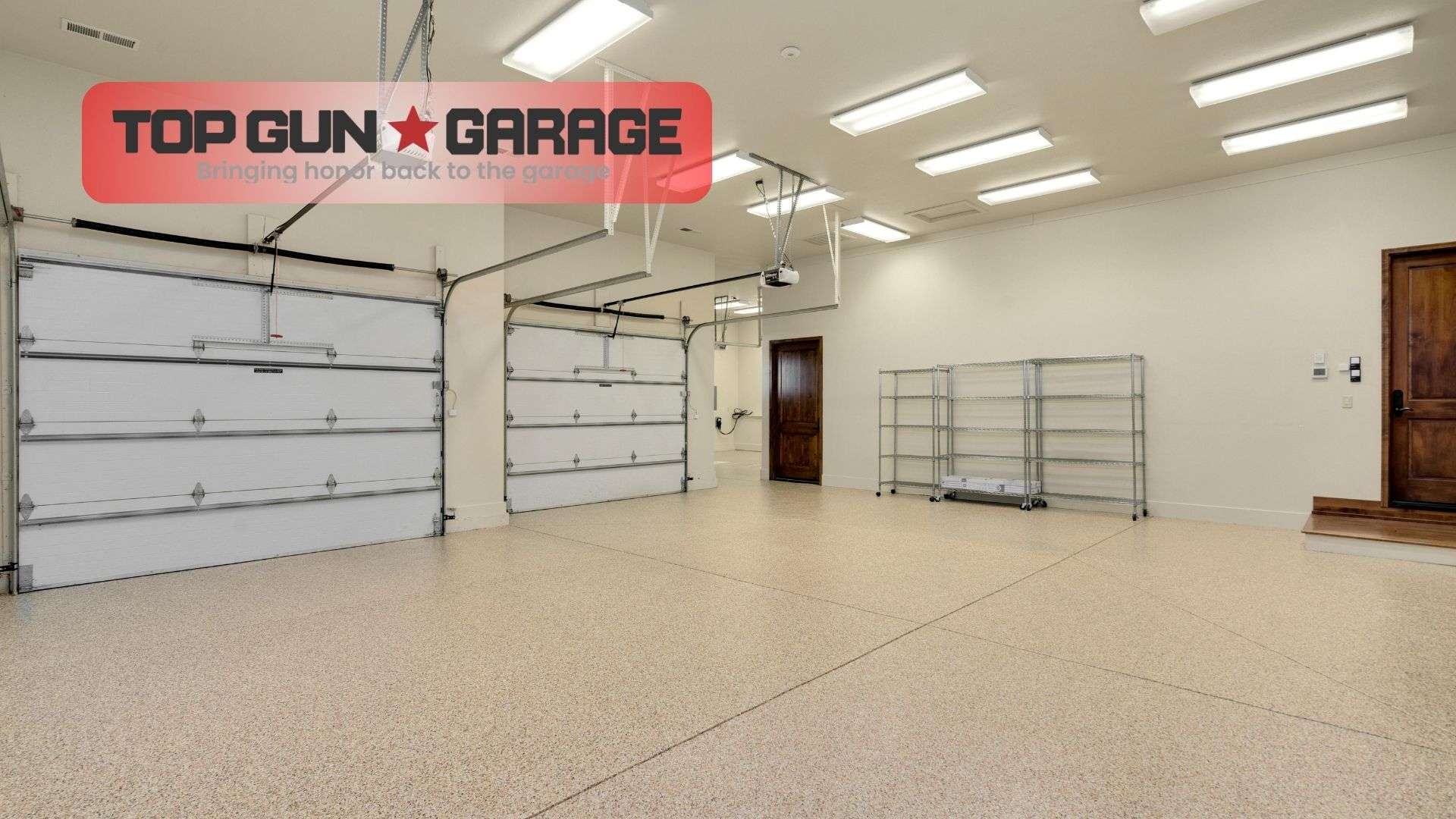
Benefits of Aggregates and Coating Additives
Microscopic texture matters. Silica and aluminum oxide additives create anti-slip surfaces without rough finishes. Silica outperforms other aggregates by staying suspended in coatings during the drying process. This prevents settling and maintains consistent traction. Our team uses specialized mixing techniques to distribute particles evenly. This approach preserves the flooring’s smooth appearance while enhancing safety. The result? Surfaces that resist oil spills and rainwater better than untreated concrete.Differences Between Coating Chemistries
Three main options dominate modern flooring systems:- Epoxy: Affordable but prone to slickness as particles settle during slow curing
- Polyurea: Cures twice as fast as epoxy, locking aggregates in place for reliable grip
- Polyaspartic: Quick-drying formula preserves concrete texture while adding inherent slip resistance
Innovative Maintenance Strategies and Regulatory Insights
Safety regulations shape effective maintenance approaches for durable surfaces. At Top Gun Garage, we align solutions with Naples’ unique climate needs and national safety benchmarks.Local Government Guidelines and OSHA Standards
OSHA requires 0.42+ friction coefficients under wet/oily conditions. While residential spaces aren’t federally regulated, these standards influence local codes. Naples enforces:- Drainage requirements for stormwater management
- Non-porous surface mandates in flood zones
- ADA-compliant textures for multi-use spaces
Essential Cleaning and Re-application Practices
Preserve your floor’s anti-slip properties with three key steps:- Weekly pH-neutral cleanser rinses
- Quarterly degreasing for oil spots
- Biannual professional inspections
Connect with Top Gun Garage in Naples FL
Your garage deserves more than basic protection—it needs a tailored safety strategy. As Southwest Florida’s trusted specialists, we transform high-risk areas into secure spaces through science-backed solutions.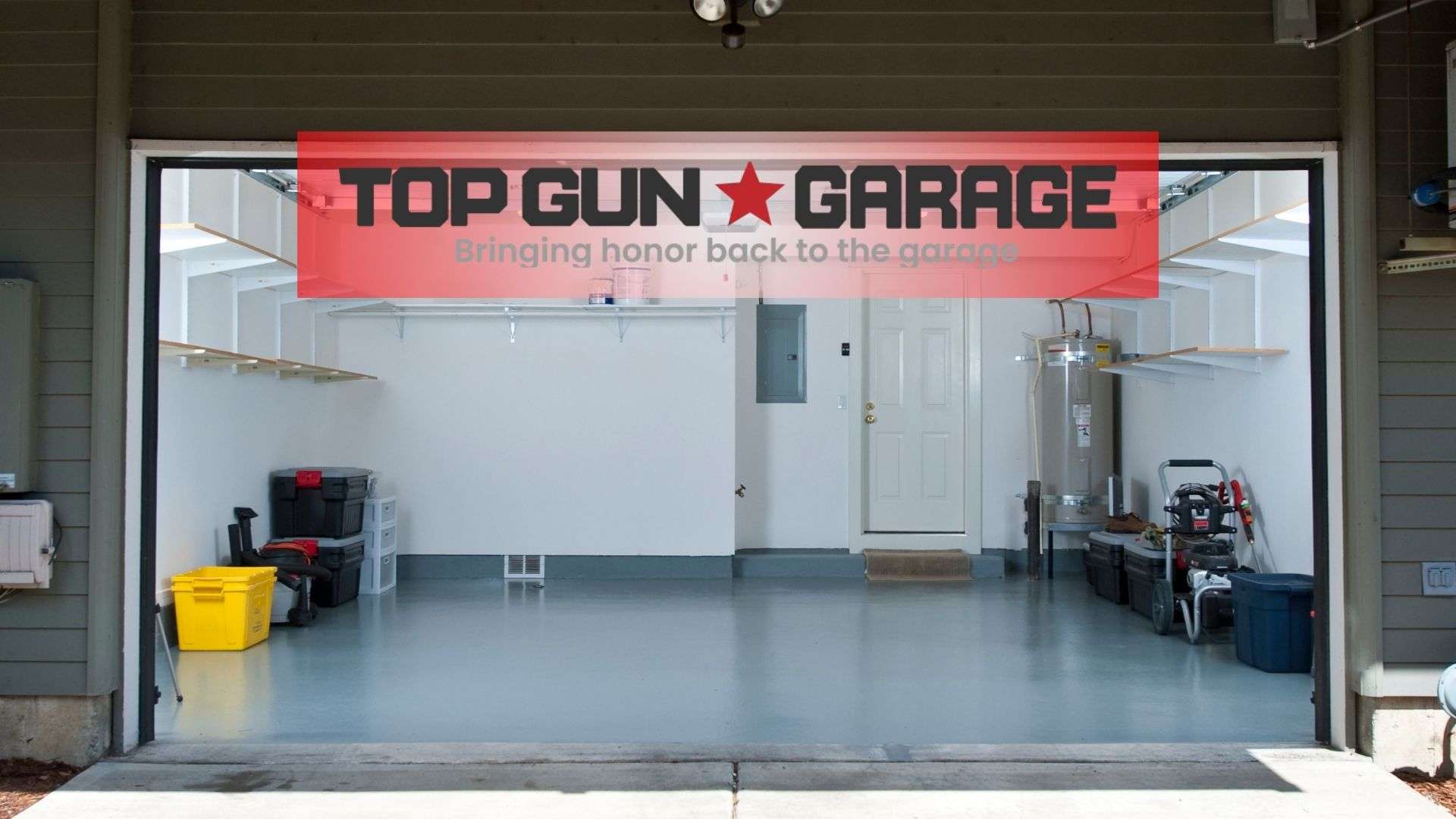
Our Expertise and Local Commitment
Top Gun Garage combines 14 years of regional experience with advanced coating technologies. We start by analyzing your floor’s condition, humidity levels, and usage patterns. Our team selects materials specifically formulated for Naples’ storm seasons and salt air. Unlike national contractors, we address unique coastal challenges:- Moisture-resistant polymer blends that prevent bubbling
- UV-stable formulas maintaining color in intense sunlight
- Texture customization for vehicle traffic and foot safety
Contact Information and Ongoing Support
Local service means faster responses and personalized care. Call (239) 488-7000 to schedule your free assessment. Our Naples-based team provides:- 5-year warranties on materials and labor
- Seasonal maintenance checklists
- Emergency repair services within 48 hours
Conclusion
Transforming risky zones into secure spaces requires proven solutions. Automotive fluids, water exposure, and environmental conditions create perfect storm scenarios in high-traffic areas. Temporary fixes like paint or tape often fail under real-world pressures, leaving families vulnerable. Professional-grade coatings and textured systems address root causes through science-backed designs. These solutions maintain optimal friction coefficients even when handling oil spills or seasonal humidity shifts. Proper installation ensures seamless integration with your home’s existing architecture. At Top Gun Garage, we prioritize lasting protection over quick fixes. Our Naples-tested process combines advanced materials with meticulous surface preparation. The result? Spaces that age gracefully while resisting wear, moisture, and daily stressors. Investing in quality today prevents costly tomorrows. Durable systems reduce liability risks and enhance property value through smart, safety-first design. Trust experts who understand Southwest Florida’s unique challenges to safeguard what matters most.FAQ
What makes concrete surfaces slippery when wet?
Bare concrete becomes slick due to its smooth texture and lack of traction. Water, oil, or debris reduces the coefficient of friction, increasing slip risks. Coatings with additives like quartz or aluminum oxide create a textured, non-slip surface for safer conditions.
Can epoxy coatings withstand oil spills and heavy use?
Yes. High-quality epoxy from brands like Rust-Oleum or Sherwin-Williams resists oil, chemicals, and abrasions. Its durable finish prevents liquid absorption and maintains grip even under vehicles or foot traffic. Regular cleaning ensures long-term performance.
How often should anti-slip treatments be reapplied?
Most polyurea or polyaspartic coatings last 10–15 years with proper care. Reapply sealants every 2–3 years in high-traffic zones. Check for wear patterns, fading, or reduced texture depth to determine if refreshing is needed sooner.
Are there OSHA-compliant options for commercial spaces?
Absolutely. Products like 3M™ Safety-Walk™ tapes or SlipDoctors’ industrial-grade coatings meet OSHA 1910.22 standards. These solutions provide certified slip resistance and visible safety markers to reduce workplace injuries.
Do textured finishes complicate cleaning routines?
Not with modern coatings. While deeper textures trap dirt, most epoxy or polyurea systems feature seamless surfaces that resist staining. Use pH-neutral cleaners and avoid harsh chemicals to maintain traction without damaging the finish.
Can I add anti-slip properties to an existing floor?
Yes. Retrofit solutions include etching bare concrete with muriatic acid before applying a non-slip paint. For coated floors, broadcast colored quartz aggregates during installation or use anti-slip additives like SharkGrip from Homax for instant traction.
How do temperature changes affect coating durability?
Polyaspartic coatings excel in extreme heat or cold, curing quickly without bubbling. Epoxy may yellow in UV-exposed areas, while polyurea remains flexible below freezing. Always check the manufacturer’s temperature range during application.
Are there eco-friendly slip-resistant options?
Brands like ECOS Paints offer low-VOC, water-based coatings with recycled glass aggregates. These provide LEED-compliant traction while minimizing environmental impact, ideal for homes or green-certified facilities.