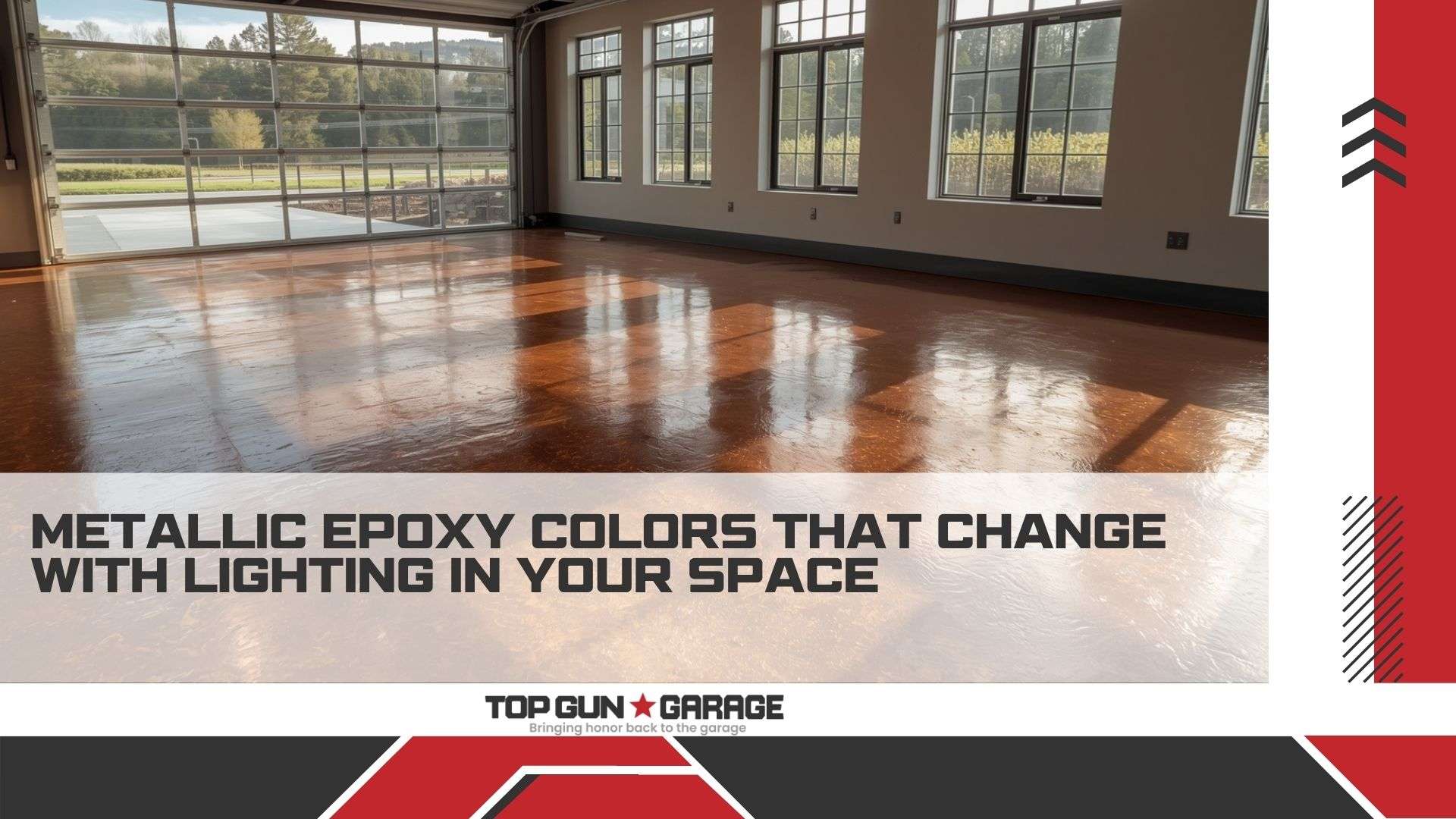
The world of flooring has been revolutionized by the introduction of metallic epoxy systems that create mesmerizing visual effects through their unique interaction with light. These innovative coatings transform ordinary concrete surfaces into dynamic, ever-changing canvases that shift and shimmer as lighting conditions change throughout the day. Unlike traditional flooring options that maintain a static appearance, metallic epoxy colors that change with lighting offer an unparalleled aesthetic experience that captivates viewers and adds extraordinary value to any space.
The science behind these remarkable color transformations lies in the specialized metallic pigments suspended within the epoxy resin. These microscopic particles are engineered to reflect and refract light at different angles, creating an optical illusion that makes colors appear to shift, flow, and dance across the surface. As natural sunlight moves across the floor throughout the day, or as artificial lighting is adjusted in the evening, the metallic particles respond by revealing different hues, depths, and intensities within the same coating system.
Professional flooring contractors have embraced this technology as a game-changing solution for clients seeking distinctive, high-impact flooring that goes beyond conventional options. The versatility of metallic epoxy systems allows for endless customization possibilities, from subtle pearl-like sheens that add elegance to residential spaces, to bold, dramatic color shifts that create statement floors in commercial environments. The durability and performance characteristics of these systems make them suitable for high-traffic areas while maintaining their stunning visual appeal for years to come.
Understanding the factors that influence color-changing properties is crucial for both contractors and property owners considering this flooring option. Variables such as the type and concentration of metallic pigments, the application technique used, the base color of the substrate, and even the specific lighting conditions in the space all play critical roles in determining the final visual effect. This comprehensive understanding ensures that the installation meets or exceeds expectations while delivering the desired aesthetic impact.
Key Takeaways
Dynamic Visual Impact: Metallic epoxy colors that change with lighting create floors that appear completely different under various lighting conditions, providing exceptional aesthetic value and visual interest that traditional flooring cannot match.
Advanced Pigment Technology: The color-changing effect is achieved through specialized metallic pigments that reflect and refract light at multiple angles, creating depth and movement that responds to both natural and artificial lighting sources.
Customization Opportunities: These systems offer virtually unlimited design possibilities, allowing for the creation of unique color combinations and effects that can be tailored to specific aesthetic preferences and architectural requirements.
Professional Installation Requirements: Achieving optimal color-changing effects requires expert application techniques, proper surface preparation, and precise timing during the installation process to ensure even distribution of metallic particles.
Durability and Performance: Despite their artistic appearance, metallic epoxy systems maintain excellent durability, chemical resistance, and ease of maintenance, making them suitable for both residential and commercial applications.
Lighting Considerations: The placement and type of lighting fixtures significantly impact the color-changing effects, requiring careful planning during the design phase to maximize the visual impact of the flooring system.
Surface Preparation Importance: Proper concrete preparation, including addressing issues like concrete spalling repair Florida contractors frequently encounter, is essential for achieving uniform color distribution and long-lasting results.
Overview of Metallic Epoxy Color-Changing Technology
The revolutionary technology behind metallic epoxy colors that change with lighting represents a significant advancement in decorative flooring systems. This innovative approach combines traditional epoxy durability with cutting-edge optical effects that transform static surfaces into dynamic, living floors. The foundation of this technology rests on the careful selection and application of specialized metallic pigments that possess unique light-reflecting properties.
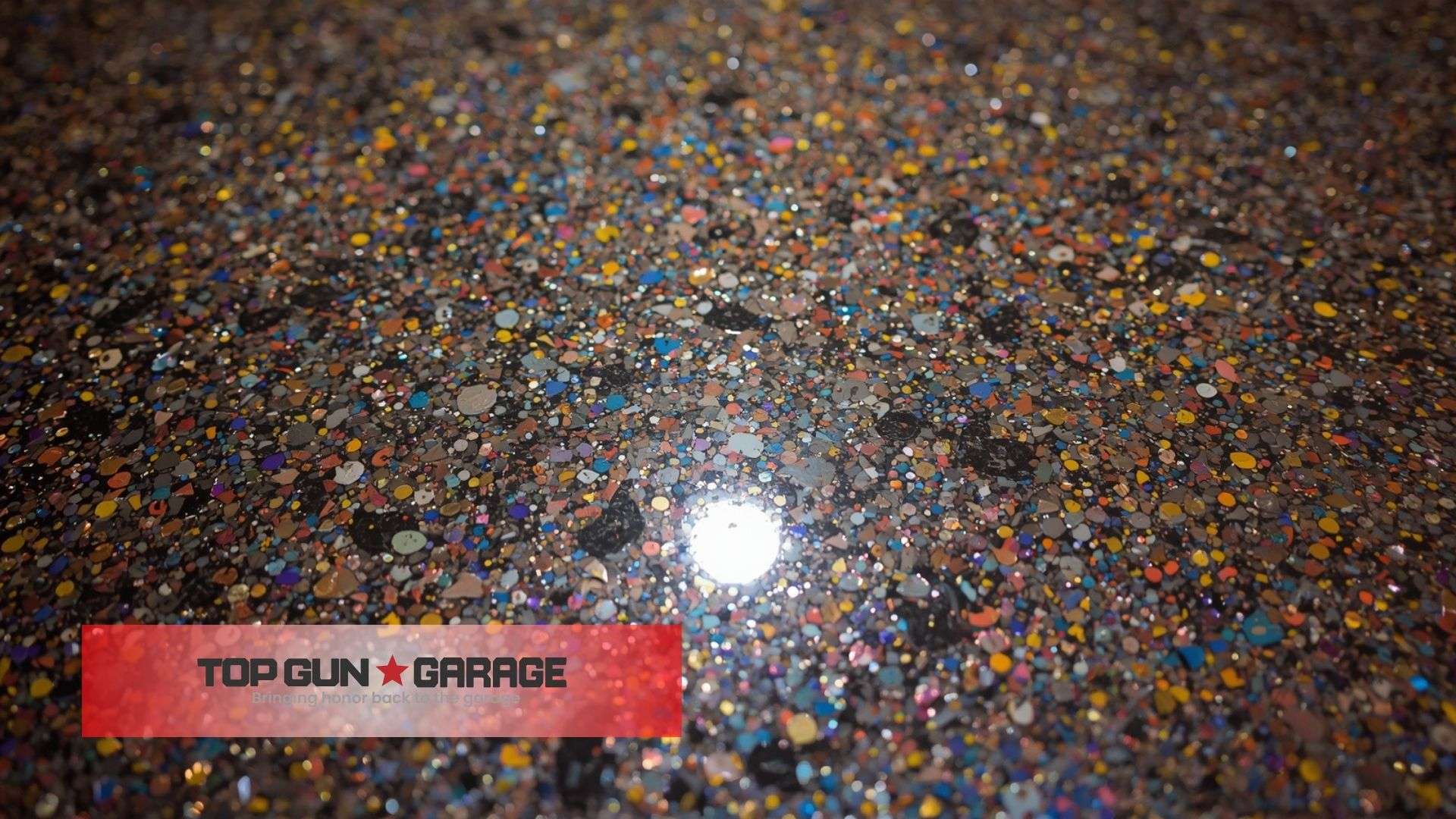
These metallic particles are typically composed of mica, aluminum, or other reflective materials that have been processed to specific sizes and shapes. The geometry of these particles is crucial to their performance, as it determines how light will interact with the surface at different angles. When incorporated into epoxy resin systems, these particles create a three-dimensional effect that gives the appearance of depth and movement, even on perfectly flat surfaces.
The application process itself plays a critical role in achieving the desired color-changing effects. Professional installers must carefully control factors such as the concentration of metallic additives, the timing of application, and the techniques used to distribute the materials across the surface. The epoxy must be applied while maintaining optimal viscosity to allow the metallic particles to settle naturally while preventing unwanted patterns or streaking.
Environmental conditions during installation significantly impact the final appearance of the floor. Temperature, humidity, and air circulation all affect how the epoxy cures and how the metallic particles orient themselves within the coating. Experienced contractors understand these variables and adjust their techniques accordingly to ensure consistent results across the entire installation area.
Color Palette Options and Light Interaction Effects
The spectrum of available colors in metallic epoxy systems that change with lighting is virtually limitless, ranging from subtle earth tones that shift between warm bronze and cool copper, to vibrant jewel tones that transition from deep emerald to bright gold. Each color family offers unique characteristics in how it responds to different lighting conditions, creating distinct moods and atmospheres throughout the day.
Warm metallic tones, including golds, coppers, and bronzes, tend to create cozy, inviting atmospheres that become more pronounced under warm artificial lighting. These colors often appear more subdued in natural daylight but come alive under incandescent or warm LED lighting, creating dramatic shifts that can completely transform the character of a space. The interplay between these warm tones and changing light conditions makes them particularly popular for residential applications where comfort and ambiance are priorities.
Cool metallic tones, such as silvers, pewters, and steel blues, offer a more contemporary aesthetic that responds dramatically to both natural and artificial lighting. These colors tend to appear brighter and more reflective under natural daylight, creating an open, airy feeling that enhances the perceived size of a space. Under artificial lighting, cool tones can shift to reveal subtle hints of blue, purple, or green undertones that add sophistication and depth to the overall design.
Multi-chromatic systems represent the pinnacle of color-changing technology, incorporating multiple metallic pigments that each respond differently to light. These complex systems can display three or more distinct color phases as lighting conditions change, creating floors that appear to be completely different surfaces at different times of day. The technical expertise required to successfully install these advanced systems makes professional installation essential for achieving optimal results.
The interaction between base colors and metallic additives creates additional layers of complexity in the color-changing effects. A dark base color will create more dramatic contrast with bright metallic particles, while lighter base colors allow for more subtle, nuanced transitions. Understanding these relationships allows designers and contractors to create custom color schemes that meet specific aesthetic goals while maximizing the impact of the lighting-responsive properties.
Application Techniques for Optimal Color-Changing Effects
Achieving superior color-changing effects in metallic epoxy installations requires mastery of specialized application techniques that go far beyond standard epoxy flooring methods. The process begins with meticulous surface preparation, which forms the foundation for uniform color distribution and optimal light reflection. Any imperfections in the substrate will be magnified by the reflective properties of the metallic particles, making thorough preparation absolutely critical.
The mixing process for metallic epoxy systems demands precise attention to ratios and timing. Metallic particles must be gradually incorporated into the epoxy resin using specific mixing techniques that prevent clumping while ensuring even distribution. The order of mixing components, the speed of mixing, and the duration of the mixing process all impact the final appearance of the installed system. Professional contractors often use specialized mixing equipment designed specifically for metallic epoxy applications.
Application timing represents one of the most critical aspects of the installation process. The epoxy must be applied within a specific window when the viscosity is optimal for allowing metallic particles to move freely while preventing excessive settling or separation. This timing window varies based on environmental conditions, product formulation, and the specific metallic additives being used, requiring experienced judgment to achieve consistent results.
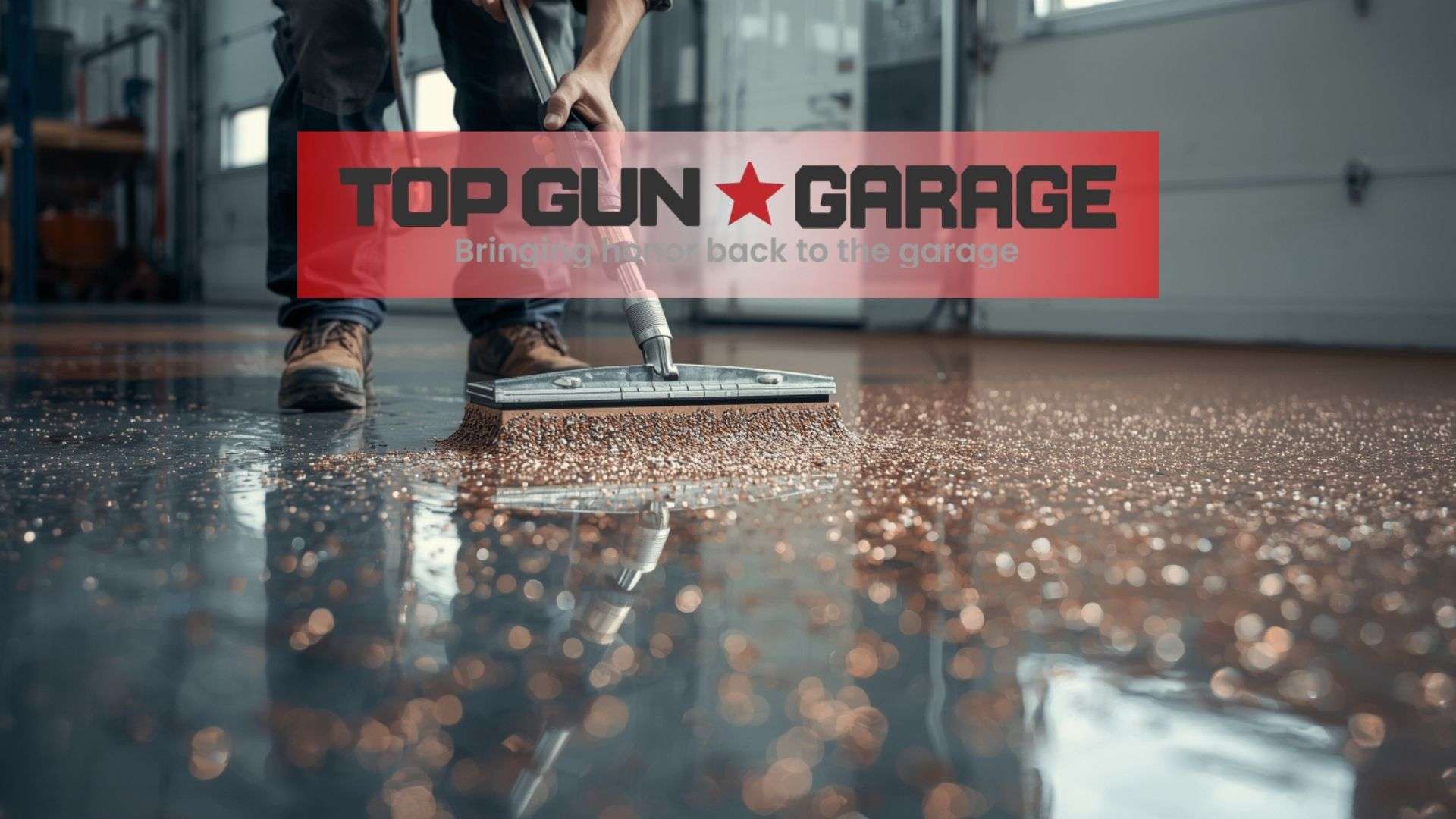
The physical application technique involves multiple specialized methods, including broadcast application, where metallic particles are scattered across wet epoxy, and incorporation methods, where particles are pre-mixed into the coating. Some installations utilize combination approaches that layer different application techniques to create complex, multi-dimensional effects. The choice of technique depends on the desired final appearance and the specific characteristics of the metallic additives being used.
Temperature and humidity control during application cannot be overstated in importance. These environmental factors affect not only the curing characteristics of the epoxy but also how the metallic particles move and settle within the coating. Professional installations often require climate control measures to maintain optimal conditions throughout the application and curing process, ensuring consistent color-changing effects across the entire floor area.
Lighting Design Considerations for Maximum Impact
The relationship between lighting design and metallic epoxy colors that change with lighting is symbiotic, with each element enhancing the performance of the other when properly coordinated. Strategic lighting placement can dramatically amplify the color-changing effects while poor lighting design can diminish or even negate the visual impact of these sophisticated flooring systems. Understanding this relationship is essential for maximizing the investment in metallic epoxy flooring.
Natural lighting considerations begin with analyzing the orientation and size of windows, skylights, and other sources of daylight. The angle and intensity of natural light change throughout the day and across seasons, creating constantly evolving displays on properly installed metallic epoxy floors. South-facing windows provide consistent, bright light that emphasizes the reflective qualities of metallic particles, while north-facing windows offer softer, more diffused light that can reveal subtle color variations.
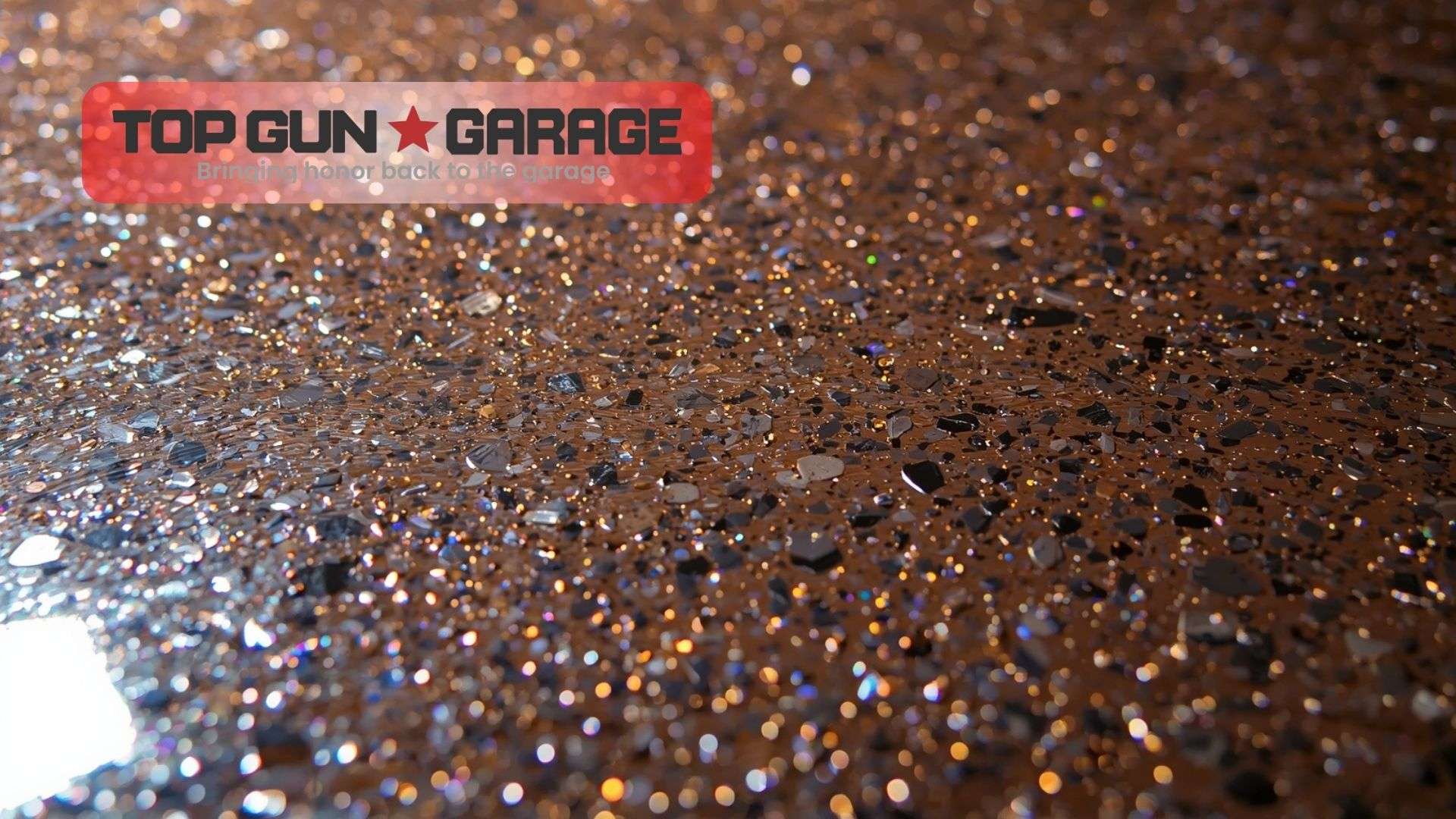
Artificial lighting systems offer more control over the color-changing effects and can be designed to highlight specific aspects of the metallic epoxy installation. Track lighting and adjustable spotlights allow for dynamic lighting scenarios that can emphasize different areas of the floor at different times. The color temperature of artificial lighting significantly impacts the appearance of metallic epoxy systems, with warm lights (2700K-3000K) enhancing gold and copper tones, while cool lights (4000K-5000K) bring out silver and blue undertones.
LED lighting technology has opened new possibilities for enhancing metallic epoxy installations through programmable color-changing capabilities. Smart lighting systems can be programmed to shift color temperatures throughout the day, creating constantly evolving interactions with the metallic floor surface. These systems can be integrated with home automation platforms to create lighting scenes that maximize the visual impact of the flooring at different times and for different activities.
The height and angle of lighting fixtures critically affect how light interacts with the metallic particles in the epoxy surface. Low-angle lighting creates dramatic highlights and shadows that emphasize texture and depth, while overhead lighting provides more uniform illumination that showcases the overall color palette. Combining multiple lighting angles creates the most dynamic and visually interesting effects, allowing the floor to display its full range of color-changing capabilities.
Maintenance and Longevity of Color-Changing Properties
Maintaining the vibrant color-changing properties of metallic epoxy floors requires understanding how various factors can impact the performance of metallic particles over time. Unlike traditional flooring that may simply show wear patterns, metallic epoxy systems can experience changes in their optical properties that affect their ability to create dramatic color shifts. Proper maintenance protocols preserve both the structural integrity and the aesthetic performance of these sophisticated flooring systems.
Regular cleaning procedures for metallic epoxy floors must balance effectiveness with protection of the metallic particles embedded in the surface. Harsh chemical cleaners or abrasive cleaning methods can damage the reflective properties of metallic particles, diminishing the color-changing effects over time. Professional-grade pH-neutral cleaners specifically formulated for epoxy surfaces provide effective cleaning while preserving the optical properties that create the desired visual effects.
Traffic patterns and wear considerations play important roles in maintaining color-changing properties. Heavy foot traffic or equipment movement can gradually wear down the surface layer of epoxy, potentially exposing or damaging metallic particles. Strategic placement of walk-off mats, protective coatings in high-traffic areas, and periodic professional maintenance can significantly extend the life of the color-changing effects while maintaining the overall appearance of the floor.
Environmental factors such as UV exposure, temperature fluctuations, and chemical exposure can impact the longevity of metallic epoxy systems. UV-resistant topcoats help protect both the epoxy resin and metallic particles from degradation due to sunlight exposure. In areas where concrete spalling repair Florida contractors frequently address, proper moisture control becomes critical for preventing substrate issues that could compromise the metallic epoxy installation.
Professional maintenance programs often include periodic assessment of the color-changing properties and recommendations for protective measures or restoration procedures. These programs can identify potential issues before they significantly impact the appearance of the floor and provide cost-effective solutions for maintaining optimal performance. Regular professional maintenance ensures that the investment in metallic epoxy flooring continues to provide exceptional visual impact for many years.
The longevity of color-changing effects also depends on the quality of the initial installation and the specific products used. High-quality metallic additives and professional-grade epoxy systems typically maintain their optical properties longer than economy alternatives. Working with experienced contractors like Top Gun Garage ensures that proper materials and techniques are used to maximize the lifespan of the color-changing effects while providing ongoing support for maintenance and care.
Metallic epoxy colors that change with lighting represent a revolutionary advancement in decorative flooring technology, offering property owners an opportunity to transform ordinary concrete surfaces into extraordinary visual experiences. The sophisticated interplay between specially engineered metallic particles and various lighting conditions creates floors that are truly dynamic, changing character and mood throughout the day in ways that traditional flooring simply cannot match.
The success of these installations depends heavily on professional expertise in both product selection and application techniques. From proper surface preparation to precise timing during installation, every aspect of the process contributes to the final performance of the color-changing effects. Working with experienced contractors ensures that the technical complexities are properly managed while achieving the desired aesthetic goals.
The investment in metallic epoxy flooring with color-changing properties provides long-term value through its combination of exceptional durability and unmatched visual impact. These systems offer the performance characteristics needed for demanding applications while delivering aesthetic benefits that enhance property values and create memorable experiences for occupants and visitors alike.
For property owners considering this innovative flooring option, Top Gun Garage provides the expertise and experience necessary to achieve outstanding results. Their understanding of the technical requirements and aesthetic possibilities of metallic epoxy systems ensures that each installation maximizes the dramatic potential of colors that change with lighting while delivering the durability and performance expected from professional-grade flooring solutions.
 Skip to content



 These metallic particles are typically composed of mica, aluminum, or other reflective materials that have been processed to specific sizes and shapes. The geometry of these particles is crucial to their performance, as it determines how light will interact with the surface at different angles. When incorporated into epoxy resin systems, these particles create a three-dimensional effect that gives the appearance of depth and movement, even on perfectly flat surfaces.
The application process itself plays a critical role in achieving the desired color-changing effects. Professional installers must carefully control factors such as the concentration of metallic additives, the timing of application, and the techniques used to distribute the materials across the surface. The epoxy must be applied while maintaining optimal viscosity to allow the metallic particles to settle naturally while preventing unwanted patterns or streaking.
Environmental conditions during installation significantly impact the final appearance of the floor. Temperature, humidity, and air circulation all affect how the epoxy cures and how the metallic particles orient themselves within the coating. Experienced contractors understand these variables and adjust their techniques accordingly to ensure consistent results across the entire installation area.
These metallic particles are typically composed of mica, aluminum, or other reflective materials that have been processed to specific sizes and shapes. The geometry of these particles is crucial to their performance, as it determines how light will interact with the surface at different angles. When incorporated into epoxy resin systems, these particles create a three-dimensional effect that gives the appearance of depth and movement, even on perfectly flat surfaces.
The application process itself plays a critical role in achieving the desired color-changing effects. Professional installers must carefully control factors such as the concentration of metallic additives, the timing of application, and the techniques used to distribute the materials across the surface. The epoxy must be applied while maintaining optimal viscosity to allow the metallic particles to settle naturally while preventing unwanted patterns or streaking.
Environmental conditions during installation significantly impact the final appearance of the floor. Temperature, humidity, and air circulation all affect how the epoxy cures and how the metallic particles orient themselves within the coating. Experienced contractors understand these variables and adjust their techniques accordingly to ensure consistent results across the entire installation area.
 Natural lighting considerations begin with analyzing the orientation and size of windows, skylights, and other sources of daylight. The angle and intensity of natural light change throughout the day and across seasons, creating constantly evolving displays on properly installed metallic epoxy floors. South-facing windows provide consistent, bright light that emphasizes the reflective qualities of metallic particles, while north-facing windows offer softer, more diffused light that can reveal subtle color variations.
Artificial lighting systems offer more control over the color-changing effects and can be designed to highlight specific aspects of the metallic epoxy installation. Track lighting and adjustable spotlights allow for dynamic lighting scenarios that can emphasize different areas of the floor at different times. The color temperature of artificial lighting significantly impacts the appearance of metallic epoxy systems, with warm lights (2700K-3000K) enhancing gold and copper tones, while cool lights (4000K-5000K) bring out silver and blue undertones.
LED lighting technology has opened new possibilities for enhancing metallic epoxy installations through programmable color-changing capabilities. Smart lighting systems can be programmed to shift color temperatures throughout the day, creating constantly evolving interactions with the metallic floor surface. These systems can be integrated with home automation platforms to create lighting scenes that maximize the visual impact of the flooring at different times and for different activities.
The height and angle of lighting fixtures critically affect how light interacts with the metallic particles in the epoxy surface. Low-angle lighting creates dramatic highlights and shadows that emphasize texture and depth, while overhead lighting provides more uniform illumination that showcases the overall color palette. Combining multiple lighting angles creates the most dynamic and visually interesting effects, allowing the floor to display its full range of color-changing capabilities.
Natural lighting considerations begin with analyzing the orientation and size of windows, skylights, and other sources of daylight. The angle and intensity of natural light change throughout the day and across seasons, creating constantly evolving displays on properly installed metallic epoxy floors. South-facing windows provide consistent, bright light that emphasizes the reflective qualities of metallic particles, while north-facing windows offer softer, more diffused light that can reveal subtle color variations.
Artificial lighting systems offer more control over the color-changing effects and can be designed to highlight specific aspects of the metallic epoxy installation. Track lighting and adjustable spotlights allow for dynamic lighting scenarios that can emphasize different areas of the floor at different times. The color temperature of artificial lighting significantly impacts the appearance of metallic epoxy systems, with warm lights (2700K-3000K) enhancing gold and copper tones, while cool lights (4000K-5000K) bring out silver and blue undertones.
LED lighting technology has opened new possibilities for enhancing metallic epoxy installations through programmable color-changing capabilities. Smart lighting systems can be programmed to shift color temperatures throughout the day, creating constantly evolving interactions with the metallic floor surface. These systems can be integrated with home automation platforms to create lighting scenes that maximize the visual impact of the flooring at different times and for different activities.
The height and angle of lighting fixtures critically affect how light interacts with the metallic particles in the epoxy surface. Low-angle lighting creates dramatic highlights and shadows that emphasize texture and depth, while overhead lighting provides more uniform illumination that showcases the overall color palette. Combining multiple lighting angles creates the most dynamic and visually interesting effects, allowing the floor to display its full range of color-changing capabilities.
 Regular cleaning procedures for metallic epoxy floors must balance effectiveness with protection of the metallic particles embedded in the surface. Harsh chemical cleaners or abrasive cleaning methods can damage the reflective properties of metallic particles, diminishing the color-changing effects over time. Professional-grade pH-neutral cleaners specifically formulated for epoxy surfaces provide effective cleaning while preserving the optical properties that create the desired visual effects.
Traffic patterns and wear considerations play important roles in maintaining color-changing properties. Heavy foot traffic or equipment movement can gradually wear down the surface layer of epoxy, potentially exposing or damaging metallic particles. Strategic placement of walk-off mats, protective coatings in high-traffic areas, and periodic professional maintenance can significantly extend the life of the color-changing effects while maintaining the overall appearance of the floor.
Environmental factors such as UV exposure, temperature fluctuations, and chemical exposure can impact the longevity of metallic epoxy systems. UV-resistant topcoats help protect both the epoxy resin and metallic particles from degradation due to sunlight exposure. In areas where concrete spalling repair Florida contractors frequently address, proper moisture control becomes critical for preventing substrate issues that could compromise the metallic epoxy installation.
Professional maintenance programs often include periodic assessment of the color-changing properties and recommendations for protective measures or restoration procedures. These programs can identify potential issues before they significantly impact the appearance of the floor and provide cost-effective solutions for maintaining optimal performance. Regular professional maintenance ensures that the investment in metallic epoxy flooring continues to provide exceptional visual impact for many years.
The longevity of color-changing effects also depends on the quality of the initial installation and the specific products used. High-quality metallic additives and professional-grade epoxy systems typically maintain their optical properties longer than economy alternatives. Working with experienced contractors like Top Gun Garage ensures that proper materials and techniques are used to maximize the lifespan of the color-changing effects while providing ongoing support for maintenance and care.
Regular cleaning procedures for metallic epoxy floors must balance effectiveness with protection of the metallic particles embedded in the surface. Harsh chemical cleaners or abrasive cleaning methods can damage the reflective properties of metallic particles, diminishing the color-changing effects over time. Professional-grade pH-neutral cleaners specifically formulated for epoxy surfaces provide effective cleaning while preserving the optical properties that create the desired visual effects.
Traffic patterns and wear considerations play important roles in maintaining color-changing properties. Heavy foot traffic or equipment movement can gradually wear down the surface layer of epoxy, potentially exposing or damaging metallic particles. Strategic placement of walk-off mats, protective coatings in high-traffic areas, and periodic professional maintenance can significantly extend the life of the color-changing effects while maintaining the overall appearance of the floor.
Environmental factors such as UV exposure, temperature fluctuations, and chemical exposure can impact the longevity of metallic epoxy systems. UV-resistant topcoats help protect both the epoxy resin and metallic particles from degradation due to sunlight exposure. In areas where concrete spalling repair Florida contractors frequently address, proper moisture control becomes critical for preventing substrate issues that could compromise the metallic epoxy installation.
Professional maintenance programs often include periodic assessment of the color-changing properties and recommendations for protective measures or restoration procedures. These programs can identify potential issues before they significantly impact the appearance of the floor and provide cost-effective solutions for maintaining optimal performance. Regular professional maintenance ensures that the investment in metallic epoxy flooring continues to provide exceptional visual impact for many years.
The longevity of color-changing effects also depends on the quality of the initial installation and the specific products used. High-quality metallic additives and professional-grade epoxy systems typically maintain their optical properties longer than economy alternatives. Working with experienced contractors like Top Gun Garage ensures that proper materials and techniques are used to maximize the lifespan of the color-changing effects while providing ongoing support for maintenance and care.