When it comes to transforming your garage, basement, or commercial space with epoxy flooring, one of the most important decisions you’ll face is choosing between solid color and metallic epoxy applications. This choice goes far beyond simple aesthetics – it impacts durability, maintenance requirements, cost considerations, and the overall functionality of your space. Understanding the fundamental differences between these two popular epoxy options will help you make an informed decision that aligns with your specific needs, budget, and design preferences.
Solid color epoxy applications have long been the standard choice for property owners seeking a clean, professional appearance with proven performance characteristics. These systems offer a uniform, consistent finish that provides excellent protection against stains, chemicals, and wear while maintaining a timeless appeal that works well in virtually any setting. The simplicity of solid color systems makes them an attractive option for those who prioritize functionality and cost-effectiveness without sacrificing quality or durability.
On the other hand, metallic epoxy applications have gained tremendous popularity in recent years, offering a sophisticated alternative that combines functional benefits with stunning visual appeal. These systems incorporate metallic pigments that create unique patterns, depth, and shimmer effects that can transform any ordinary space into something truly extraordinary. The three-dimensional appearance and light-reflecting properties of metallic epoxy can make spaces appear larger and more luxurious while still providing the same protective benefits as traditional solid color systems.
The decision between solid color vs metallic epoxy applications involves careful consideration of multiple factors including your space’s intended use, traffic patterns, maintenance preferences, and aesthetic goals. Commercial spaces may have different requirements than residential garages, and high-traffic areas might benefit from different characteristics than decorative spaces. Additionally, installation complexity, long-term maintenance needs, and budget considerations all play crucial roles in determining which option will best serve your specific situation.
Understanding these differences and their implications will ensure that your epoxy flooring investment delivers the performance, appearance, and value you expect for years to come. Whether you’re looking to create a showroom-quality garage, a durable workshop floor, or an eye-catching commercial space, the choice between solid color and metallic epoxy applications will significantly impact your project’s success and satisfaction.
Key Takeaways
When evaluating solid color vs metallic epoxy applications for your space, several critical factors will influence your decision-making process. Here are the essential points to consider:
Cost Considerations: Solid color epoxy systems typically cost 30-50% less than metallic applications due to simpler materials and installation processes. Metallic systems require specialized pigments, additional application steps, and more skilled labor, resulting in higher upfront investment but potentially greater long-term value through enhanced aesthetics.
Installation Complexity: Solid color applications offer more straightforward installation with fewer variables, making them ideal for DIY enthusiasts or projects with tight timelines. Metallic systems require precise timing, specialized techniques, and experienced installers to achieve optimal results and avoid costly mistakes.
Aesthetic Versatility: While solid colors provide clean, professional appearances suitable for any environment, metallic applications offer unlimited creative possibilities with unique patterns, color combinations, and visual effects that can’t be replicated with traditional systems.
Maintenance Requirements: Both systems offer excellent durability and easy maintenance, but solid colors may show scratches and wear patterns more readily than metallic finishes, which tend to camouflage minor imperfections within their complex patterns and reflective surfaces.
Performance Characteristics: Both solid color and metallic epoxy applications provide comparable chemical resistance, impact protection, and longevity when properly installed and maintained, making performance a secondary consideration to aesthetics and cost for most applications.
Resale Value Impact: Metallic epoxy systems often contribute more significantly to property value due to their premium appearance and perceived luxury, while solid color systems provide reliable, practical value that appeals to a broader range of potential buyers.
Application Suitability: Consider your space’s primary function – workshops and utility areas may benefit more from practical solid color systems, while showrooms, retail spaces, and entertainment areas often justify the investment in metallic applications for their visual impact.
Understanding Epoxy Flooring Fundamentals
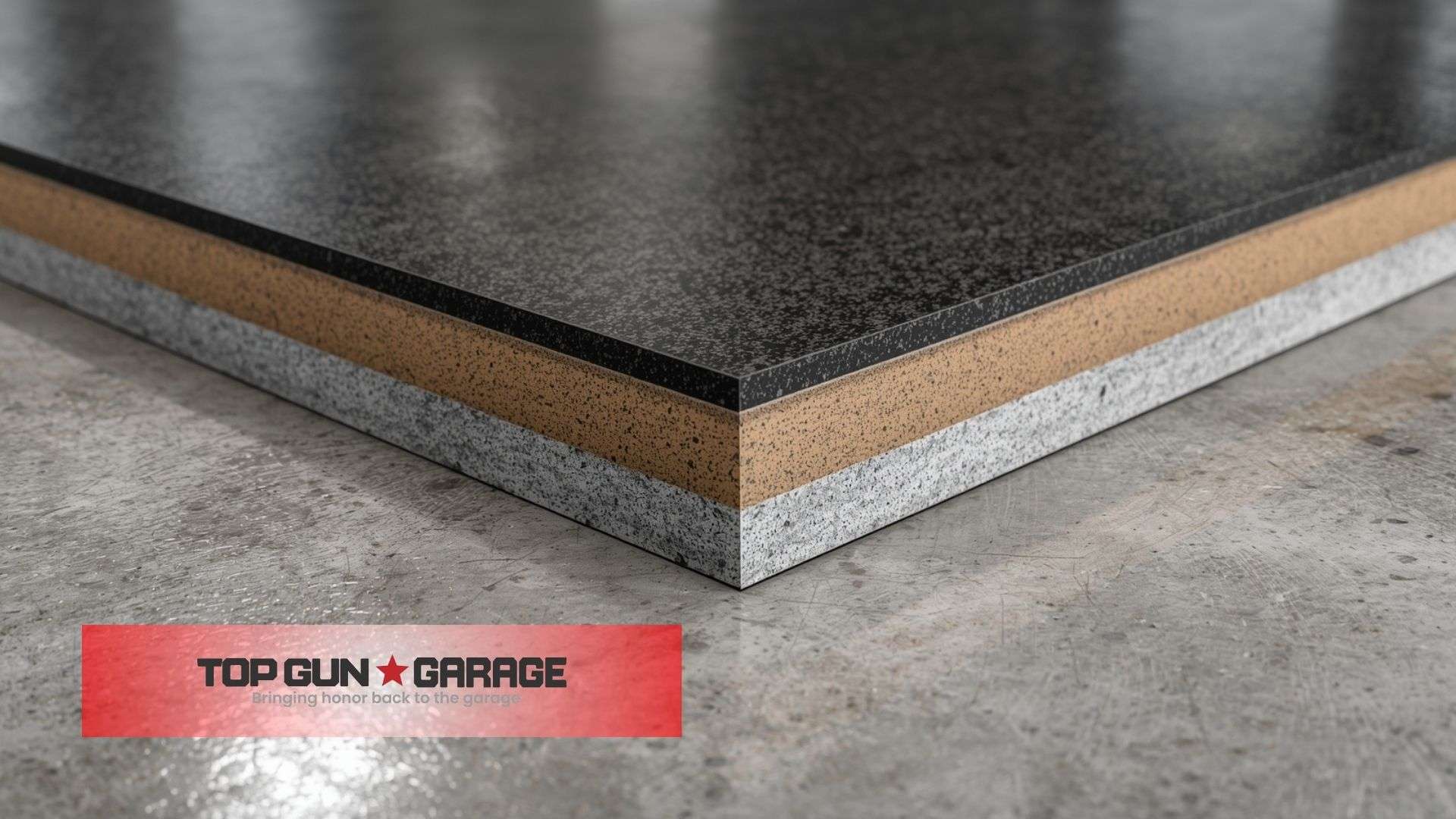
Before diving into the specific differences between solid color vs metallic epoxy applications, it’s essential to understand the fundamental properties that make epoxy flooring such a popular choice across residential, commercial, and industrial settings. Epoxy flooring systems consist of two primary components: epoxy resin and a polyamine hardener that, when combined, create a chemical reaction resulting in a rigid, durable plastic material that bonds exceptionally well to properly prepared concrete surfaces.
The base chemistry remains consistent between solid color and metallic applications, meaning both systems share core performance characteristics including excellent adhesion, chemical resistance, impact tolerance, and longevity. This shared foundation ensures that your choice between solid color and metallic options won’t compromise the fundamental protective and functional benefits that make epoxy flooring such an attractive investment for property owners seeking long-term value.
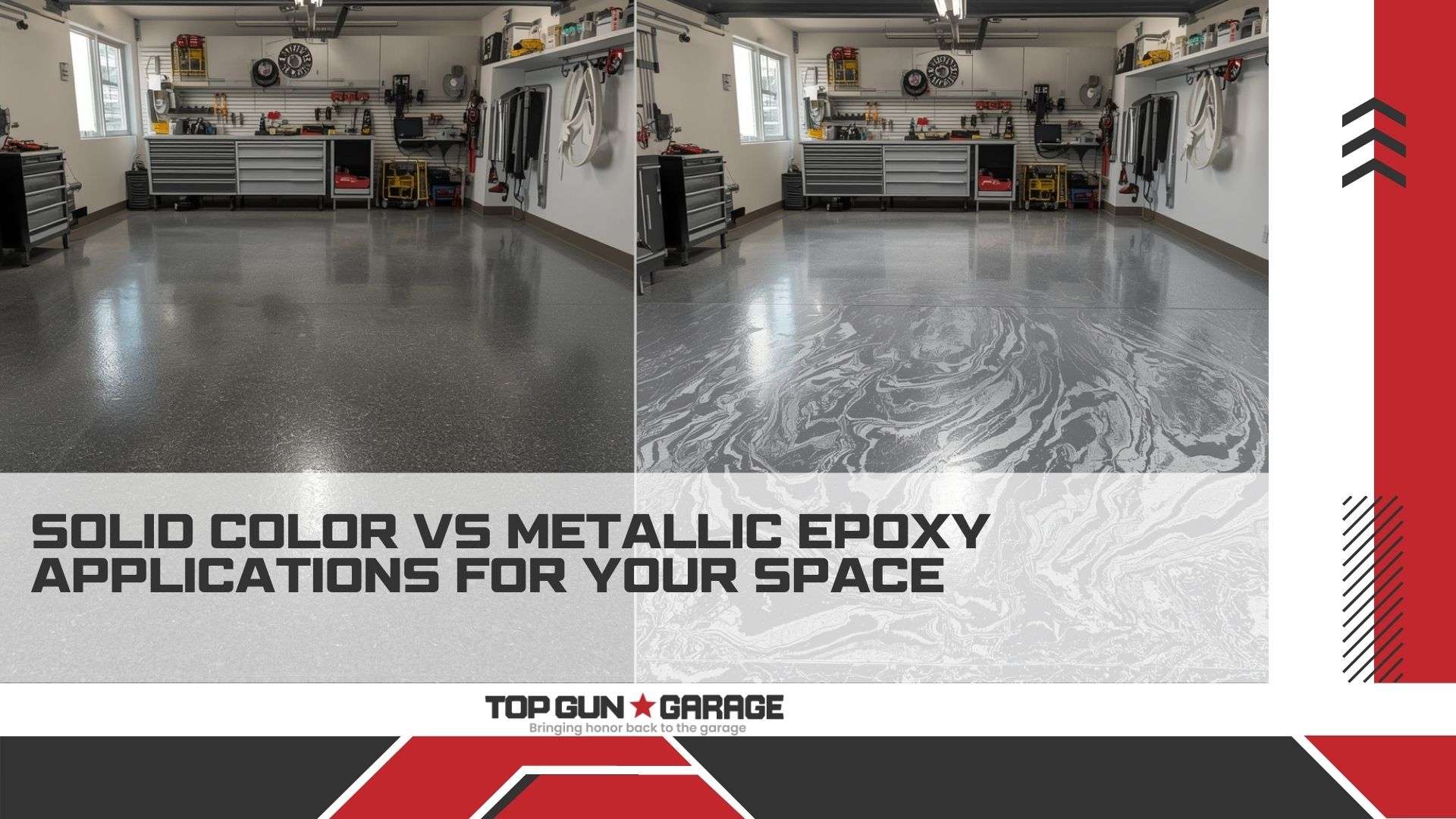
The primary difference lies in the additives and application techniques used to achieve the desired aesthetic results. Solid color systems incorporate color pigments directly into the epoxy mixture, creating uniform, consistent coloration throughout the coating. These systems typically require fewer application steps and can be completed more quickly than their metallic counterparts, making them an efficient choice for large areas or projects with tight deadlines.
Metallic systems, conversely, introduce specialized metallic pigments and often require additional manipulation during the application process to achieve the desired patterns and effects. This complexity doesn’t compromise performance but does require more skilled installation and careful timing to ensure optimal results. Understanding these fundamental differences helps explain the cost and complexity variations between the two systems while highlighting their shared performance benefits.
Solid Color Epoxy Applications: Practical Excellence
Solid color epoxy applications represent the foundation of professional epoxy flooring, offering a perfect balance of performance, aesthetics, and value that has made them the preferred choice for countless residential and commercial projects. These systems provide a clean, uniform appearance that works exceptionally well in environments where functionality takes precedence over decorative elements, though this doesn’t mean sacrificing visual appeal entirely.
The installation process for solid color systems is relatively straightforward, beginning with proper surface preparation including concrete cleaning, crack repair, and profile creation to ensure optimal adhesion. Once the surface is properly prepared, the colored epoxy mixture is applied using rollers or squeegees, creating a smooth, even coating that cures to form a durable, seamless surface. This simplified process reduces labor costs and installation time while minimizing the potential for application errors that could compromise the final result.
One of the most significant advantages of solid color epoxy applications is their versatility in color selection and customization options. Modern epoxy systems offer virtually unlimited color choices, from subtle earth tones that complement natural materials to bold, vibrant hues that make dramatic design statements. Additionally, solid color systems can incorporate decorative elements such as color flakes, quartz aggregates, or vinyl chips to add texture and visual interest without the complexity of metallic applications.
Maintenance requirements for solid color epoxy systems are minimal, requiring only regular sweeping and occasional mopping with mild detergents to maintain their appearance and performance. The uniform surface makes cleaning straightforward and efficient, while the non-porous nature of cured epoxy prevents stains from penetrating the surface. This ease of maintenance makes solid color systems particularly attractive for busy commercial environments or residential spaces where simplicity is valued.
The cost-effectiveness of solid color epoxy applications makes them accessible to a wide range of budgets while still delivering professional-grade performance and appearance. This value proposition, combined with proven durability and low maintenance requirements, explains why solid color systems remain the most popular choice for garages, workshops, warehouses, and other utilitarian spaces where reliable performance is the primary concern.
Metallic Epoxy Applications: Artistic Innovation
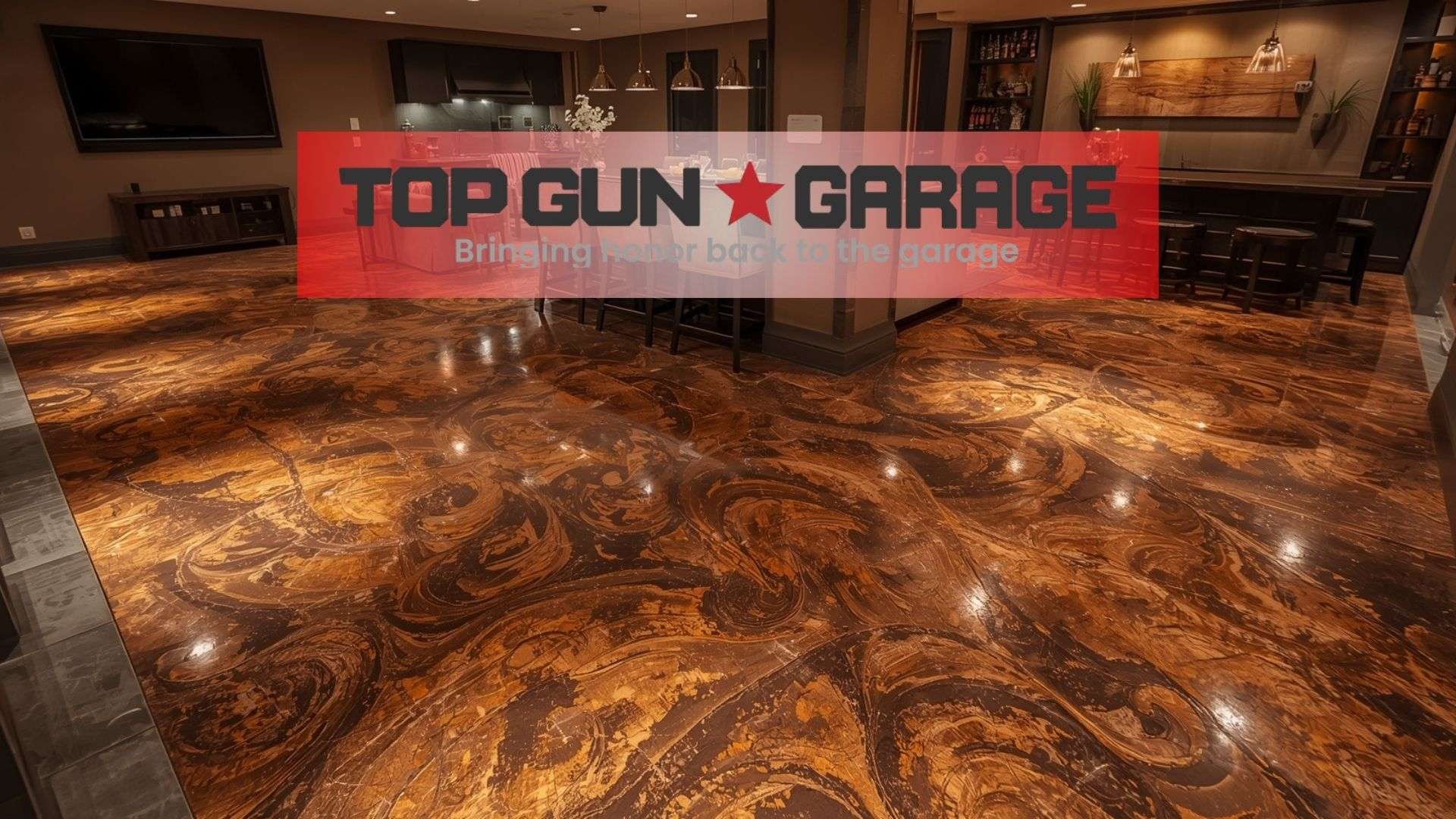
Metallic epoxy applications represent the cutting edge of decorative concrete coatings, combining advanced chemistry with artistic techniques to create stunning visual effects that transform ordinary spaces into extraordinary environments. These systems incorporate specialized metallic pigments that interact with the epoxy base to produce unique patterns, color variations, and three-dimensional effects that simply cannot be achieved with traditional solid color applications.
The installation process for metallic epoxy systems requires significantly more skill and experience than solid color applications, beginning with the same careful surface preparation but involving multiple specialized steps during the application phase. After applying the base coat, metallic pigments are introduced using various techniques including broadcasting, swirling, and manipulation with specialized tools to create the desired patterns and effects. The timing of these steps is critical, as the epoxy’s working time limits the window for achieving optimal results.
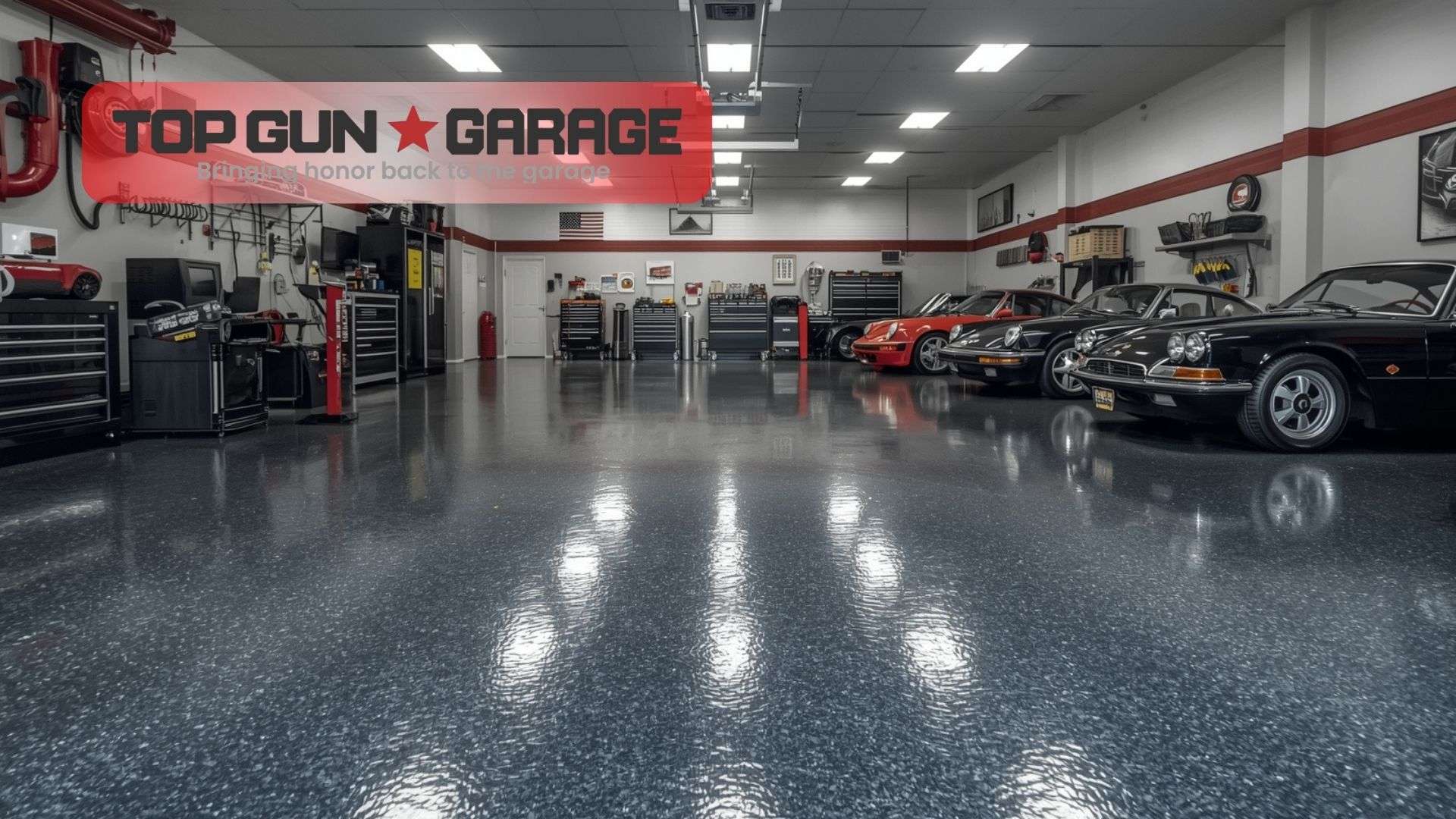
One of the most compelling aspects of metallic epoxy applications is their ability to create truly unique floors that can never be exactly replicated. The interaction between metallic pigments and epoxy creates organic patterns and color variations that give each installation its own distinctive character. This uniqueness makes metallic systems particularly attractive for high-end residential spaces, retail environments, restaurants, and other locations where creating a memorable visual impact is important.
The visual depth and light-reflecting properties of metallic epoxy systems can dramatically alter the perception of space, making areas appear larger and more luxurious than they actually are. The shimmer and movement created by metallic pigments add visual interest that changes throughout the day as lighting conditions vary, creating a dynamic surface that remains engaging over time. This visual sophistication often justifies the higher investment required for metallic systems in spaces where aesthetics play a crucial role.
Despite their decorative focus, metallic epoxy applications don’t compromise on performance characteristics. These systems provide the same chemical resistance, durability, and protective properties as solid color applications while offering the additional benefit of camouflaging minor scratches and wear patterns within their complex visual textures. This combination of beauty and performance makes metallic systems an excellent choice for spaces that experience moderate to heavy use while maintaining high aesthetic standards.
Performance and Durability Comparison
When evaluating solid color vs metallic epoxy applications from a performance perspective, it’s important to understand that both systems share the same fundamental chemistry and protective characteristics. The epoxy resin and hardener combination creates identical chemical bonds and molecular structures regardless of whether pigments are solid colors or metallic particles, resulting in comparable performance metrics across most important categories including chemical resistance, impact tolerance, and overall longevity.
Chemical resistance represents one of the most important performance characteristics for epoxy flooring systems, particularly in garages and workshops where automotive fluids, cleaning chemicals, and other potentially damaging substances may come into contact with the floor. Both solid color and metallic epoxy applications provide excellent resistance to oils, gasoline, brake fluid, antifreeze, and most household chemicals when properly formulated and applied. The metallic pigments used in decorative systems don’t compromise this chemical resistance, ensuring that aesthetic choices don’t sacrifice functional performance.
Impact resistance and abrasion tolerance are equally important considerations, especially in high-traffic areas or spaces where heavy equipment may be moved across the floor surface. Both solid color and metallic systems demonstrate excellent impact resistance when applied at appropriate thicknesses, typically showing minimal damage from dropped tools, equipment impacts, or normal foot traffic. However, the visual characteristics of each system can affect how wear patterns and minor damage appear over time.
Solid color systems may show scratches, scuff marks, and wear patterns more readily due to their uniform appearance, making any disruption to the surface more noticeable. Metallic systems, conversely, tend to camouflage minor imperfections within their complex patterns and reflective surfaces, potentially maintaining their aesthetic appeal longer in high-use environments. This doesn’t mean metallic systems are more durable, but rather that their visual complexity helps mask the normal wear that occurs with any flooring system.
Thermal stability and UV resistance are additional performance factors that affect long-term durability and appearance retention. Both solid color and metallic epoxy systems demonstrate good thermal stability under normal conditions, though extreme temperature fluctuations can cause expansion and contraction that may lead to cracking or delamination if the underlying concrete isn’t properly prepared. UV resistance varies depending on the specific formulation, with some metallic pigments potentially offering enhanced UV stability compared to certain organic color pigments used in solid color systems.
The longevity of both systems depends primarily on proper surface preparation, appropriate product selection for the intended use, and correct installation techniques rather than the choice between solid color and metallic aesthetics. When these factors are properly addressed, both systems can provide decades of reliable service with minimal maintenance requirements, making performance considerations secondary to aesthetic preferences and budget constraints for most applications.
Cost Analysis and Value Considerations
Understanding the cost implications of solid color vs metallic epoxy applications requires examining both initial investment and long-term value factors that influence the overall financial impact of your flooring decision. The upfront cost difference between these systems is significant, with metallic applications typically requiring 30-50% higher investment due to specialized materials, more complex installation procedures, and the need for experienced installers capable of achieving professional-quality results.
Material costs represent the first area of difference, as metallic epoxy systems require specialized pigments that cost considerably more than standard color additives used in solid color applications. These metallic pigments are often imported, require special handling and storage, and must be used in specific proportions to achieve desired effects, all of which contribute to higher material expenses. Additionally, metallic systems may require additional topcoats or sealers to protect the metallic effects and ensure long-term durability.
Labor costs for metallic applications are substantially higher due to the specialized skills and techniques required for successful installation. The application process is more time-intensive, requiring careful timing and manipulation to achieve optimal patterns and effects. Mistakes during metallic application can be costly to correct and may require complete removal and reapplication, making experienced installers essential for these projects. This specialized labor requirement translates directly into higher installation costs that must be factored into project budgets.
However, the value equation extends beyond initial costs to include factors such as aesthetic impact, property value enhancement, and long-term satisfaction. Metallic epoxy systems often contribute more significantly to property values due to their premium appearance and perceived luxury, potentially offsetting some of the higher initial investment through increased resale value. This is particularly relevant in high-end residential applications or commercial spaces where aesthetics directly impact business success.
Maintenance costs remain comparable between both systems, as neither requires specialized cleaning products or procedures beyond normal epoxy floor care. Both systems resist staining and damage equally well, though metallic systems may maintain their aesthetic appeal longer due to their ability to camouflage minor wear patterns. This could potentially extend the time between major refinishing or replacement, providing long-term value benefits that help justify the higher initial investment.
The decision ultimately depends on your specific priorities and budget constraints. Solid color systems provide excellent value for utilitarian applications where function takes precedence over form, while metallic systems may justify their higher costs in spaces where aesthetics play a crucial role in overall satisfaction and property value. Top Gun Garage works with clients to evaluate these factors and recommend the most appropriate solution based on individual needs and budget considerations.
Frequently Asked Questions
How long do solid color and metallic epoxy floors typically last? Both solid color and metallic epoxy applications can last 15-20 years or more when properly installed and maintained. The longevity depends more on surface preparation, product quality, and usage patterns than on the choice between solid color and metallic aesthetics.
Can metallic epoxy be applied over existing solid color epoxy? In most cases, yes, but proper surface preparation is crucial. The existing epoxy must be thoroughly cleaned, lightly abraded to create adhesion, and evaluated for any damage or wear that could affect the new application’s performance.
Which system is better for high-traffic commercial applications? Both systems perform equally well in high-traffic situations when properly specified and installed. Metallic systems may have a slight advantage in camouflaging wear patterns, while solid colors offer easier touch-up and repair options if needed.
Do metallic epoxy floors require special cleaning products or procedures? No, metallic epoxy floors can be cleaned using the same mild detergents and procedures used for solid color epoxy. Avoid abrasive cleaners or scrubbing that could dull the metallic effects over time.
How do temperature fluctuations affect solid color vs metallic epoxy applications? Both systems respond similarly to temperature changes, as they share the same base chemistry. Proper surface preparation and appropriate product selection for your climate are more important than the aesthetic choice between solid color and metallic options.
Can I achieve custom colors with both solid color and metallic systems? Yes, both systems offer extensive customization options. Solid colors can be matched to virtually any color specification, while metallic systems can incorporate multiple colors and effects to create unique, personalized appearances.
Which option is better for DIY installation? Solid color epoxy systems are much more suitable for DIY installation due to their simpler application process and more forgiving timing requirements. Metallic systems require specialized techniques and experience that make professional installation highly recommended.
How do repair procedures differ between solid color and metallic epoxy floors? Solid color repairs are generally more straightforward, as matching colors and blending repairs is easier. Metallic system repairs can be more challenging due to the unique patterns and effects, often requiring larger repair areas to blend properly with existing patterns.
Conclusion
The choice between solid color vs metallic epoxy applications ultimately depends on your specific needs, preferences, and budget considerations rather than significant differences in performance or durability. Both systems offer excellent protection, longevity, and ease of maintenance while serving different aesthetic and functional priorities. Solid color applications provide reliable, cost-effective solutions that deliver professional results with straightforward installation and maintenance requirements, making them ideal for utilitarian spaces and budget-conscious projects.
Metallic epoxy applications offer sophisticated aesthetic possibilities that can transform ordinary spaces into extraordinary environments, justifying their higher costs through enhanced visual impact and potential property value increases. The decision should be based on your space’s intended use, aesthetic goals, budget constraints, and long-term value considerations rather than performance differences, as both systems provide comparable protection and durability when properly installed.
Working with experienced professionals like Top Gun Garage ensures that regardless of your choice between solid color and metallic applications, you’ll receive expert guidance, quality installation, and long-term satisfaction with your epoxy flooring investment. The key to success lies in proper surface preparation, appropriate product selection, and skilled installation techniques that maximize the performance and appearance of your chosen system for years to come.
 Skip to content



 The base chemistry remains consistent between solid color and metallic applications, meaning both systems share core performance characteristics including excellent adhesion, chemical resistance, impact tolerance, and longevity. This shared foundation ensures that your choice between solid color and metallic options won’t compromise the fundamental protective and functional benefits that make epoxy flooring such an attractive investment for property owners seeking long-term value.
The primary difference lies in the additives and application techniques used to achieve the desired aesthetic results. Solid color systems incorporate color pigments directly into the epoxy mixture, creating uniform, consistent coloration throughout the coating. These systems typically require fewer application steps and can be completed more quickly than their metallic counterparts, making them an efficient choice for large areas or projects with tight deadlines.
Metallic systems, conversely, introduce specialized metallic pigments and often require additional manipulation during the application process to achieve the desired patterns and effects. This complexity doesn’t compromise performance but does require more skilled installation and careful timing to ensure optimal results. Understanding these fundamental differences helps explain the cost and complexity variations between the two systems while highlighting their shared performance benefits.
The base chemistry remains consistent between solid color and metallic applications, meaning both systems share core performance characteristics including excellent adhesion, chemical resistance, impact tolerance, and longevity. This shared foundation ensures that your choice between solid color and metallic options won’t compromise the fundamental protective and functional benefits that make epoxy flooring such an attractive investment for property owners seeking long-term value.
The primary difference lies in the additives and application techniques used to achieve the desired aesthetic results. Solid color systems incorporate color pigments directly into the epoxy mixture, creating uniform, consistent coloration throughout the coating. These systems typically require fewer application steps and can be completed more quickly than their metallic counterparts, making them an efficient choice for large areas or projects with tight deadlines.
Metallic systems, conversely, introduce specialized metallic pigments and often require additional manipulation during the application process to achieve the desired patterns and effects. This complexity doesn’t compromise performance but does require more skilled installation and careful timing to ensure optimal results. Understanding these fundamental differences helps explain the cost and complexity variations between the two systems while highlighting their shared performance benefits.
 One of the most compelling aspects of metallic epoxy applications is their ability to create truly unique floors that can never be exactly replicated. The interaction between metallic pigments and epoxy creates organic patterns and color variations that give each installation its own distinctive character. This uniqueness makes metallic systems particularly attractive for high-end residential spaces, retail environments, restaurants, and other locations where creating a memorable visual impact is important.
The visual depth and light-reflecting properties of metallic epoxy systems can dramatically alter the perception of space, making areas appear larger and more luxurious than they actually are. The shimmer and movement created by metallic pigments add visual interest that changes throughout the day as lighting conditions vary, creating a dynamic surface that remains engaging over time. This visual sophistication often justifies the higher investment required for metallic systems in spaces where aesthetics play a crucial role.
Despite their decorative focus, metallic epoxy applications don’t compromise on performance characteristics. These systems provide the same chemical resistance, durability, and protective properties as solid color applications while offering the additional benefit of camouflaging minor scratches and wear patterns within their complex visual textures. This combination of beauty and performance makes metallic systems an excellent choice for spaces that experience moderate to heavy use while maintaining high aesthetic standards.
One of the most compelling aspects of metallic epoxy applications is their ability to create truly unique floors that can never be exactly replicated. The interaction between metallic pigments and epoxy creates organic patterns and color variations that give each installation its own distinctive character. This uniqueness makes metallic systems particularly attractive for high-end residential spaces, retail environments, restaurants, and other locations where creating a memorable visual impact is important.
The visual depth and light-reflecting properties of metallic epoxy systems can dramatically alter the perception of space, making areas appear larger and more luxurious than they actually are. The shimmer and movement created by metallic pigments add visual interest that changes throughout the day as lighting conditions vary, creating a dynamic surface that remains engaging over time. This visual sophistication often justifies the higher investment required for metallic systems in spaces where aesthetics play a crucial role.
Despite their decorative focus, metallic epoxy applications don’t compromise on performance characteristics. These systems provide the same chemical resistance, durability, and protective properties as solid color applications while offering the additional benefit of camouflaging minor scratches and wear patterns within their complex visual textures. This combination of beauty and performance makes metallic systems an excellent choice for spaces that experience moderate to heavy use while maintaining high aesthetic standards.
 Material costs represent the first area of difference, as metallic epoxy systems require specialized pigments that cost considerably more than standard color additives used in solid color applications. These metallic pigments are often imported, require special handling and storage, and must be used in specific proportions to achieve desired effects, all of which contribute to higher material expenses. Additionally, metallic systems may require additional topcoats or sealers to protect the metallic effects and ensure long-term durability.
Labor costs for metallic applications are substantially higher due to the specialized skills and techniques required for successful installation. The application process is more time-intensive, requiring careful timing and manipulation to achieve optimal patterns and effects. Mistakes during metallic application can be costly to correct and may require complete removal and reapplication, making experienced installers essential for these projects. This specialized labor requirement translates directly into higher installation costs that must be factored into project budgets.
However, the value equation extends beyond initial costs to include factors such as aesthetic impact, property value enhancement, and long-term satisfaction. Metallic epoxy systems often contribute more significantly to property values due to their premium appearance and perceived luxury, potentially offsetting some of the higher initial investment through increased resale value. This is particularly relevant in high-end residential applications or commercial spaces where aesthetics directly impact business success.
Maintenance costs remain comparable between both systems, as neither requires specialized cleaning products or procedures beyond normal epoxy floor care. Both systems resist staining and damage equally well, though metallic systems may maintain their aesthetic appeal longer due to their ability to camouflage minor wear patterns. This could potentially extend the time between major refinishing or replacement, providing long-term value benefits that help justify the higher initial investment.
The decision ultimately depends on your specific priorities and budget constraints. Solid color systems provide excellent value for utilitarian applications where function takes precedence over form, while metallic systems may justify their higher costs in spaces where aesthetics play a crucial role in overall satisfaction and property value. Top Gun Garage works with clients to evaluate these factors and recommend the most appropriate solution based on individual needs and budget considerations.
Material costs represent the first area of difference, as metallic epoxy systems require specialized pigments that cost considerably more than standard color additives used in solid color applications. These metallic pigments are often imported, require special handling and storage, and must be used in specific proportions to achieve desired effects, all of which contribute to higher material expenses. Additionally, metallic systems may require additional topcoats or sealers to protect the metallic effects and ensure long-term durability.
Labor costs for metallic applications are substantially higher due to the specialized skills and techniques required for successful installation. The application process is more time-intensive, requiring careful timing and manipulation to achieve optimal patterns and effects. Mistakes during metallic application can be costly to correct and may require complete removal and reapplication, making experienced installers essential for these projects. This specialized labor requirement translates directly into higher installation costs that must be factored into project budgets.
However, the value equation extends beyond initial costs to include factors such as aesthetic impact, property value enhancement, and long-term satisfaction. Metallic epoxy systems often contribute more significantly to property values due to their premium appearance and perceived luxury, potentially offsetting some of the higher initial investment through increased resale value. This is particularly relevant in high-end residential applications or commercial spaces where aesthetics directly impact business success.
Maintenance costs remain comparable between both systems, as neither requires specialized cleaning products or procedures beyond normal epoxy floor care. Both systems resist staining and damage equally well, though metallic systems may maintain their aesthetic appeal longer due to their ability to camouflage minor wear patterns. This could potentially extend the time between major refinishing or replacement, providing long-term value benefits that help justify the higher initial investment.
The decision ultimately depends on your specific priorities and budget constraints. Solid color systems provide excellent value for utilitarian applications where function takes precedence over form, while metallic systems may justify their higher costs in spaces where aesthetics play a crucial role in overall satisfaction and property value. Top Gun Garage works with clients to evaluate these factors and recommend the most appropriate solution based on individual needs and budget considerations.