Your garage may seem like a separate entity from your home, but the reality is that the air quality in your garage significantly impacts the air you breathe inside your house. Many homeowners are surprised to learn that poor garage flooring conditions can be a major contributor to indoor air pollution, affecting not only comfort but also health and safety for the entire family.
The connection between garage floors and home air quality is more direct than most people realize. Unsealed concrete floors, damaged surfaces, and improperly maintained garage flooring create multiple pathways for contaminants to enter your living spaces. From dust and debris to chemical vapors and moisture-related issues, compromised garage floors can significantly degrade the air quality throughout your entire home.
Understanding how proper garage floors improve air quality begins with recognizing that your garage is not an isolated space. Air circulation patterns, shared ventilation systems, and the natural movement of air through connected spaces mean that what happens in your garage directly affects your indoor environment. When garage floors are properly sealed, maintained, and designed with air quality in mind, they create a barrier against many common pollutants and contaminants.
Professional flooring contractors like Top Gun Garage understand that modern garage flooring solutions go far beyond aesthetics and durability. Today’s advanced flooring systems are engineered to contribute to healthier indoor environments by minimizing dust generation, preventing moisture accumulation, reducing chemical off-gassing, and creating surfaces that are easier to clean and maintain.
The investment in proper garage flooring pays dividends not only in terms of functionality and appearance but also in the long-term health benefits for your family. By addressing flooring issues proactively, homeowners can significantly improve their indoor air quality while also protecting their investment in their home and vehicles.
Key Takeaways
Direct Air Quality Impact: Unsealed garage floors release concrete dust and particles that circulate throughout your home via shared air systems and natural airflow patterns, making proper sealing essential for maintaining clean indoor air.
Moisture Control Benefits: Properly sealed garage floors prevent moisture accumulation that leads to mold growth and humidity issues, which are major contributors to poor indoor air quality and respiratory problems.
Chemical Vapor Reduction: Quality garage floor coatings create barriers that prevent automotive fluids, cleaning chemicals, and other garage-stored substances from off-gassing into your home’s air supply.
Dust Elimination: Professional garage floor treatments eliminate the powdery concrete dust that unsealed floors continuously generate, reducing airborne particles that can trigger allergies and respiratory issues.
Easier Maintenance: Sealed garage floors are significantly easier to clean thoroughly, preventing the accumulation of dirt, debris, and contaminants that can become airborne and affect indoor air quality.
Temperature Regulation: Proper garage flooring helps maintain more stable temperatures, reducing the need for excessive ventilation that can pull outdoor pollutants into your home’s air system.
Long-term Health Protection: Investing in quality garage flooring provides ongoing protection against airborne contaminants, contributing to better respiratory health and overall indoor environmental quality for years to come.
Understanding the Garage-Home Air Quality Connection
The relationship between your garage and your home’s air quality is more interconnected than most homeowners realize. Modern homes are designed with various air circulation systems, shared walls, and connected spaces that create pathways for air to move freely between the garage and living areas. This connection means that any air quality issues originating in the garage will inevitably impact the air you breathe inside your home.
Air movement patterns in residential structures follow predictable paths based on pressure differentials, temperature variations, and mechanical ventilation systems. When your garage contains sources of air pollution such as unsealed concrete floors, stored chemicals, or accumulated debris, these contaminants become part of the air circulation throughout your entire home. The stack effect, where warm air rises and creates pressure differences, naturally draws air from lower levels including garages into upper living spaces.
Many homes share HVAC systems or have return air vents that can pull garage air into the main circulation system. Even homes with completely separate systems experience air exchange through common walls, doorways, and natural infiltration points. This means that dust, chemical vapors, and other pollutants originating from poor garage floor conditions will find their way into your living spaces regardless of your home’s design.
The impact becomes particularly pronounced when garage floors are unsealed concrete, which continuously generates fine dust particles through normal wear and traffic. These microscopic particles become airborne easily and can remain suspended in air for extended periods, circulating throughout your home and potentially causing respiratory irritation, allergic reactions, and other health concerns for sensitive individuals.
How Unsealed Concrete Affects Indoor Air
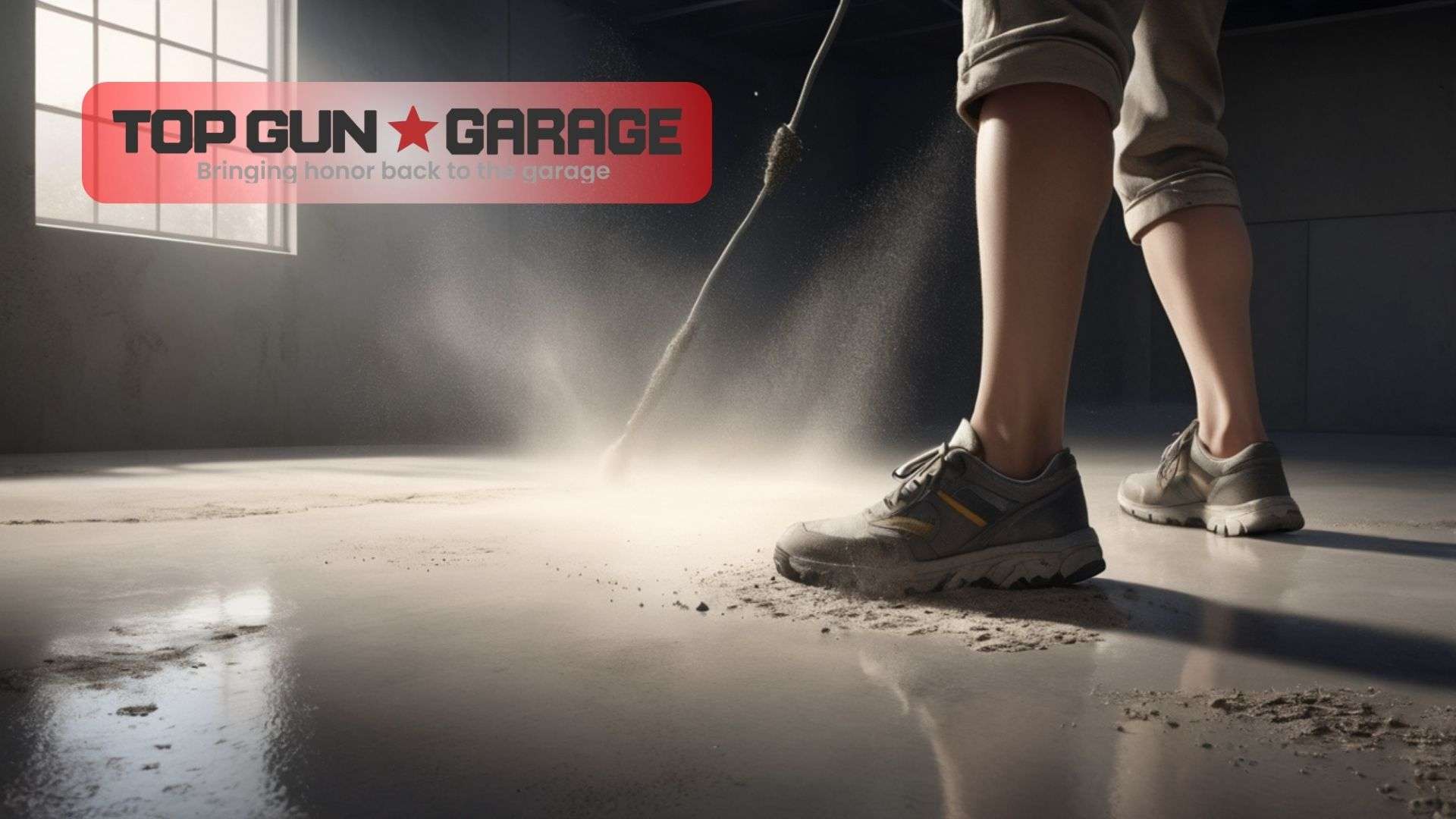
Unsealed concrete garage floors are one of the most significant contributors to poor indoor air quality in residential settings. Concrete is naturally porous and powdery, especially as it ages and experiences regular traffic from vehicles, foot traffic, and storage activities. This continuous wear generates what’s known as concrete dust or cement dust, which consists of fine silica particles and other concrete components that easily become airborne.
The process of concrete dusting is ongoing and accelerates over time. Every time you walk across an unsealed concrete floor, drive a vehicle over it, or move stored items, you’re creating friction that releases microscopic particles into the air. These particles are so fine that they can remain suspended in air for hours or even days, creating a persistent source of indoor air pollution that affects every room connected to your garage.
Beyond the mechanical generation of dust, unsealed concrete floors also absorb and release various chemicals and contaminants. Automotive fluids, cleaning products, lawn care chemicals, and other substances commonly found in garages can penetrate porous concrete surfaces. Over time, these absorbed materials can off-gas back into the air, creating chemical vapors that circulate throughout your home’s air system.
Moisture presents another significant concern with unsealed concrete floors. Concrete naturally wicks moisture from the ground below and can retain humidity from the air above. This moisture creates ideal conditions for mold and mildew growth, particularly in cracks and crevices where organic matter may accumulate. The resulting mold spores and musty odors become airborne contaminants that significantly degrade indoor air quality.
The cumulative effect of these issues means that homes with unsealed garage floors typically have measurably higher levels of airborne particles, chemical contaminants, and biological pollutants. Family members may experience increased allergy symptoms, respiratory irritation, or general discomfort without realizing that their garage floor is the primary source of these air quality problems.
Benefits of Professional Garage Floor Sealing
Professional garage floor sealing transforms your garage from a source of air quality problems into a protective barrier that actually improves your home’s indoor environment. Modern sealing systems create a non-porous surface that eliminates dust generation, prevents chemical absorption, and provides a cleanable barrier between your garage activities and your home’s air supply.
The primary benefit of professional sealing is the complete elimination of concrete dusting. High-quality sealers penetrate deep into the concrete surface and create a hardened, dust-free layer that can withstand heavy traffic without generating particles. This immediately and dramatically reduces the amount of airborne dust circulating through your home, providing relief for family members with allergies or respiratory sensitivities.
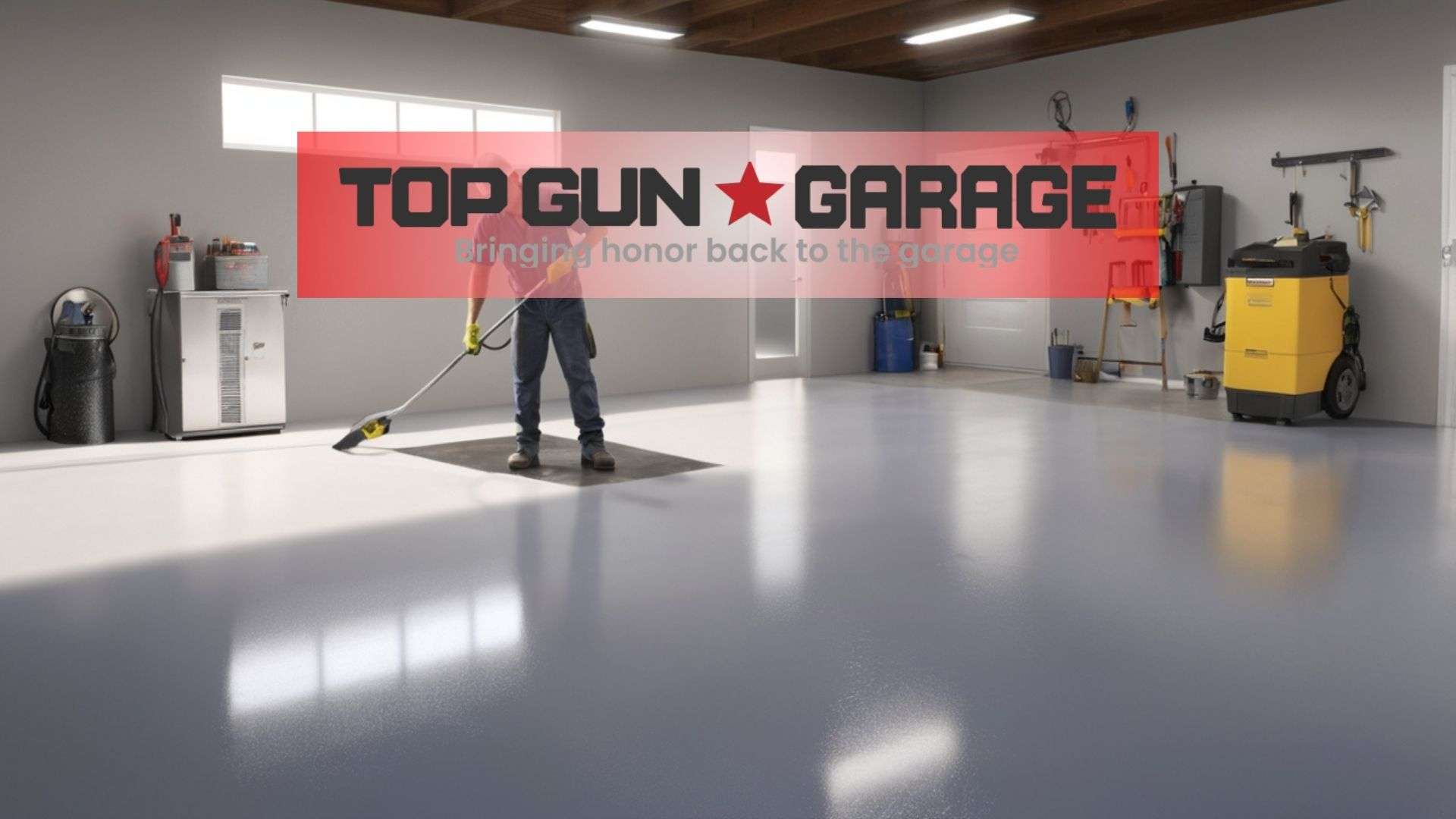
Moisture control represents another crucial advantage of professional floor sealing. Quality sealers create a vapor barrier that prevents ground moisture from wicking up through the concrete while also making the surface resistant to spills and humidity. This moisture control eliminates the conditions that promote mold and mildew growth, removing these biological contaminants from your home’s air quality equation.
Chemical resistance is equally important for maintaining clean indoor air. Sealed garage floors prevent automotive fluids, cleaning chemicals, fertilizers, and other common garage substances from penetrating into the concrete where they can off-gas over time. Instead, spills remain on the surface where they can be quickly cleaned up before they create air quality issues.
The ease of maintenance that comes with professionally sealed floors also contributes significantly to better air quality. Sealed surfaces can be thoroughly cleaned with simple mopping or pressure washing, allowing homeowners to remove dirt, debris, and potential contaminants before they become airborne. This regular cleaning capability helps maintain consistently clean air throughout the connected living spaces.
Professional installation ensures that sealing systems are applied correctly for maximum effectiveness and longevity. Experienced contractors like Top Gun Garage understand the proper surface preparation, product selection, and application techniques needed to create durable, air-quality-improving floor systems that provide long-term benefits for homeowners.
Moisture Control and Mold Prevention
Moisture management is one of the most critical aspects of how proper garage floors improve air quality, as excess moisture creates ideal conditions for mold growth, bacterial proliferation, and other biological contaminants that significantly impact indoor air. Unsealed concrete floors act like sponges, absorbing moisture from below through capillary action and from above through spills, humidity, and condensation.
Ground moisture is a persistent issue in many garage installations, particularly in areas with high water tables, poor drainage, or seasonal moisture variations. This moisture travels up through porous concrete via capillary action, creating damp conditions that promote mold growth in cracks, joints, and areas where organic matter accumulates. The resulting mold spores become airborne and circulate throughout connected living spaces, triggering allergic reactions and respiratory problems.
Proper garage floor systems address moisture issues through multiple mechanisms. Vapor barriers applied during professional installation prevent ground moisture from penetrating the concrete surface. High-quality sealers create non-porous surfaces that resist moisture absorption from above, while proper drainage design ensures that any surface water is quickly directed away from the garage interior.
Temperature fluctuations in garages can create condensation issues that contribute to moisture problems. When warm, humid air contacts cool concrete surfaces, condensation forms and creates localized wet conditions perfect for mold growth. Properly sealed floors with appropriate thermal properties help minimize these temperature-related moisture issues while providing surfaces that dry quickly when condensation does occur.
The prevention of mold and mildew growth through proper moisture control has immediate and long-term benefits for indoor air quality. Eliminating these biological contaminants reduces musty odors, decreases airborne spore counts, and creates a healthier environment for all family members, particularly those with asthma, allergies, or other respiratory sensitivities.
Regular maintenance of properly sealed garage floors also supports ongoing moisture control. The ability to thoroughly clean and dry sealed surfaces prevents the accumulation of organic matter that could support mold growth, while the non-porous nature of quality floor systems ensures that moisture cannot penetrate and create hidden problem areas.
Chemical Vapor Reduction Through Proper Flooring
Chemical vapor control is a crucial but often overlooked aspect of how proper garage floors improve air quality in residential settings. Garages typically contain numerous sources of chemical vapors, including automotive fluids, cleaning products, lawn care chemicals, paints, solvents, and other household substances that can significantly impact indoor air quality when not properly contained.
Unsealed concrete floors act as absorption surfaces for spilled chemicals, allowing these substances to penetrate deep into the porous concrete structure where they continue to off-gas for months or even years after the initial exposure. This creates a persistent source of chemical vapors that circulate throughout your home’s air system, potentially causing headaches, respiratory irritation, and other health concerns for sensitive individuals.
Professional garage floor coatings create an impermeable barrier that prevents chemical absorption and reduces off-gassing from previously absorbed contaminants. Modern epoxy and polyurethane systems are specifically designed to resist chemical penetration while providing easy cleanup capabilities that allow spills to be addressed before they create air quality issues.
The chemical resistance of quality floor coatings extends beyond simple spill protection. These systems also resist the absorption of airborne chemical vapors that may settle on garage surfaces, preventing the accumulation of contaminants that could later become sources of indoor air pollution. This protective barrier function is particularly important in garages where multiple chemical products are stored or used regularly.
Proper ventilation works more effectively when combined with chemical-resistant flooring. While ventilation systems remove airborne vapors, they cannot address chemicals that have been absorbed into porous concrete surfaces. Sealed floors ensure that ventilation efforts focus on removing current airborne contaminants rather than fighting a continuous source of off-gassing from contaminated concrete.
The long-term benefits of chemical vapor reduction through proper flooring include not only improved air quality but also better preservation of stored items and vehicles. Reduced chemical vapor concentrations help prevent corrosion, deterioration of rubber and plastic components, and other damage that can occur when vehicles and equipment are exposed to high concentrations of airborne chemicals over extended periods.
Frequently Asked Questions
How quickly do garage floor improvements affect indoor air quality?
Most homeowners notice improvements in indoor air quality within days of professional garage floor sealing. Dust reduction is immediate, while chemical vapor reduction and moisture control benefits develop over the first few weeks as the sealed surface prevents new contamination and existing contaminants dissipate.
Can garage floor sealing help with family allergy problems?
Yes, proper garage floor sealing significantly reduces airborne dust, mold spores, and other allergens that commonly originate from unsealed concrete surfaces. Many families report reduced allergy symptoms and improved respiratory comfort after professional floor treatment.
What types of garage floor coatings provide the best air quality benefits?
High-quality epoxy and polyurethane systems offer the best air quality improvements due to their complete sealing properties, chemical resistance, and durability. Professional-grade systems provide superior protection compared to DIY options.
How long do air quality benefits last after garage floor treatment?
Properly installed professional garage floor systems provide air quality benefits for 10-20 years or more with appropriate maintenance. The protective barrier remains effective as long as the coating system remains intact and undamaged.
Are there immediate steps I can take to improve garage air quality before floor sealing?
Regular cleaning, proper chemical storage, improved ventilation, and sealing obvious cracks can provide temporary improvements, but professional floor sealing is necessary for comprehensive, long-term air quality benefits.
How does garage floor condition affect HVAC system efficiency?
Dusty garage conditions can clog HVAC filters more quickly and reduce system efficiency. Proper floor sealing reduces airborne particles, helping maintain cleaner filters and more efficient system operation.
Can garage floor improvements reduce household cleaning needs?
Yes, by reducing the amount of dust and debris circulating from the garage throughout the home, proper floor sealing can significantly reduce household cleaning requirements and help maintain cleaner living spaces.
What should I look for in a garage flooring contractor for air quality improvements?
Choose contractors like Top Gun Garage who understand the connection between flooring and air quality, use professional-grade materials, provide proper surface preparation, and offer warranties on their air quality improvement claims.
Conclusion
Understanding how proper garage floors improve air quality reveals the significant impact that this often-overlooked area of your home can have on your family’s health and comfort. The connection between garage flooring conditions and indoor air quality is direct and measurable, making professional floor treatment one of the most effective investments you can make in your home’s environmental quality.
The benefits of proper garage flooring extend far beyond aesthetics and functionality. By eliminating dust generation, controlling moisture, reducing chemical vapor transmission, and creating easily maintainable surfaces, quality floor systems address multiple sources of indoor air pollution simultaneously. These improvements provide immediate relief for family members with allergies or respiratory sensitivities while creating long-term health benefits for everyone in the household.
Professional installation by experienced contractors like Top Gun Garage ensures that your flooring investment delivers maximum air quality benefits through proper surface preparation, appropriate product selection, and expert application techniques. The long-term value of these improvements includes not only better air quality but also reduced maintenance requirements, improved HVAC efficiency, and enhanced protection for vehicles and stored items.
Taking action to address garage flooring issues represents a proactive approach to indoor air quality management that pays dividends for years to come. Whether you’re dealing with existing air quality concerns or simply want to optimize your home’s environmental conditions, proper garage flooring provides a foundation for cleaner, healthier indoor air that benefits your entire family.
 Skip to content




 The process of concrete dusting is ongoing and accelerates over time. Every time you walk across an unsealed concrete floor, drive a vehicle over it, or move stored items, you’re creating friction that releases microscopic particles into the air. These particles are so fine that they can remain suspended in air for hours or even days, creating a persistent source of indoor air pollution that affects every room connected to your garage.
Beyond the mechanical generation of dust, unsealed concrete floors also absorb and release various chemicals and contaminants. Automotive fluids, cleaning products, lawn care chemicals, and other substances commonly found in garages can penetrate porous concrete surfaces. Over time, these absorbed materials can off-gas back into the air, creating chemical vapors that circulate throughout your home’s air system.
Moisture presents another significant concern with unsealed concrete floors. Concrete naturally wicks moisture from the ground below and can retain humidity from the air above. This moisture creates ideal conditions for mold and mildew growth, particularly in cracks and crevices where organic matter may accumulate. The resulting mold spores and musty odors become airborne contaminants that significantly degrade indoor air quality.
The cumulative effect of these issues means that homes with unsealed garage floors typically have measurably higher levels of airborne particles, chemical contaminants, and biological pollutants. Family members may experience increased allergy symptoms, respiratory irritation, or general discomfort without realizing that their garage floor is the primary source of these air quality problems.
The process of concrete dusting is ongoing and accelerates over time. Every time you walk across an unsealed concrete floor, drive a vehicle over it, or move stored items, you’re creating friction that releases microscopic particles into the air. These particles are so fine that they can remain suspended in air for hours or even days, creating a persistent source of indoor air pollution that affects every room connected to your garage.
Beyond the mechanical generation of dust, unsealed concrete floors also absorb and release various chemicals and contaminants. Automotive fluids, cleaning products, lawn care chemicals, and other substances commonly found in garages can penetrate porous concrete surfaces. Over time, these absorbed materials can off-gas back into the air, creating chemical vapors that circulate throughout your home’s air system.
Moisture presents another significant concern with unsealed concrete floors. Concrete naturally wicks moisture from the ground below and can retain humidity from the air above. This moisture creates ideal conditions for mold and mildew growth, particularly in cracks and crevices where organic matter may accumulate. The resulting mold spores and musty odors become airborne contaminants that significantly degrade indoor air quality.
The cumulative effect of these issues means that homes with unsealed garage floors typically have measurably higher levels of airborne particles, chemical contaminants, and biological pollutants. Family members may experience increased allergy symptoms, respiratory irritation, or general discomfort without realizing that their garage floor is the primary source of these air quality problems.
 Ground moisture is a persistent issue in many garage installations, particularly in areas with high water tables, poor drainage, or seasonal moisture variations. This moisture travels up through porous concrete via capillary action, creating damp conditions that promote mold growth in cracks, joints, and areas where organic matter accumulates. The resulting mold spores become airborne and circulate throughout connected living spaces, triggering allergic reactions and respiratory problems.
Proper garage floor systems address moisture issues through multiple mechanisms. Vapor barriers applied during professional installation prevent ground moisture from penetrating the concrete surface. High-quality sealers create non-porous surfaces that resist moisture absorption from above, while proper drainage design ensures that any surface water is quickly directed away from the garage interior.
Temperature fluctuations in garages can create condensation issues that contribute to moisture problems. When warm, humid air contacts cool concrete surfaces, condensation forms and creates localized wet conditions perfect for mold growth. Properly sealed floors with appropriate thermal properties help minimize these temperature-related moisture issues while providing surfaces that dry quickly when condensation does occur.
The prevention of mold and mildew growth through proper moisture control has immediate and long-term benefits for indoor air quality. Eliminating these biological contaminants reduces musty odors, decreases airborne spore counts, and creates a healthier environment for all family members, particularly those with asthma, allergies, or other respiratory sensitivities.
Regular maintenance of properly sealed garage floors also supports ongoing moisture control. The ability to thoroughly clean and dry sealed surfaces prevents the accumulation of organic matter that could support mold growth, while the non-porous nature of quality floor systems ensures that moisture cannot penetrate and create hidden problem areas.
Ground moisture is a persistent issue in many garage installations, particularly in areas with high water tables, poor drainage, or seasonal moisture variations. This moisture travels up through porous concrete via capillary action, creating damp conditions that promote mold growth in cracks, joints, and areas where organic matter accumulates. The resulting mold spores become airborne and circulate throughout connected living spaces, triggering allergic reactions and respiratory problems.
Proper garage floor systems address moisture issues through multiple mechanisms. Vapor barriers applied during professional installation prevent ground moisture from penetrating the concrete surface. High-quality sealers create non-porous surfaces that resist moisture absorption from above, while proper drainage design ensures that any surface water is quickly directed away from the garage interior.
Temperature fluctuations in garages can create condensation issues that contribute to moisture problems. When warm, humid air contacts cool concrete surfaces, condensation forms and creates localized wet conditions perfect for mold growth. Properly sealed floors with appropriate thermal properties help minimize these temperature-related moisture issues while providing surfaces that dry quickly when condensation does occur.
The prevention of mold and mildew growth through proper moisture control has immediate and long-term benefits for indoor air quality. Eliminating these biological contaminants reduces musty odors, decreases airborne spore counts, and creates a healthier environment for all family members, particularly those with asthma, allergies, or other respiratory sensitivities.
Regular maintenance of properly sealed garage floors also supports ongoing moisture control. The ability to thoroughly clean and dry sealed surfaces prevents the accumulation of organic matter that could support mold growth, while the non-porous nature of quality floor systems ensures that moisture cannot penetrate and create hidden problem areas.
 Unsealed concrete floors act as absorption surfaces for spilled chemicals, allowing these substances to penetrate deep into the porous concrete structure where they continue to off-gas for months or even years after the initial exposure. This creates a persistent source of chemical vapors that circulate throughout your home’s air system, potentially causing headaches, respiratory irritation, and other health concerns for sensitive individuals.
Professional garage floor coatings create an impermeable barrier that prevents chemical absorption and reduces off-gassing from previously absorbed contaminants. Modern epoxy and polyurethane systems are specifically designed to resist chemical penetration while providing easy cleanup capabilities that allow spills to be addressed before they create air quality issues.
The chemical resistance of quality floor coatings extends beyond simple spill protection. These systems also resist the absorption of airborne chemical vapors that may settle on garage surfaces, preventing the accumulation of contaminants that could later become sources of indoor air pollution. This protective barrier function is particularly important in garages where multiple chemical products are stored or used regularly.
Proper ventilation works more effectively when combined with chemical-resistant flooring. While ventilation systems remove airborne vapors, they cannot address chemicals that have been absorbed into porous concrete surfaces. Sealed floors ensure that ventilation efforts focus on removing current airborne contaminants rather than fighting a continuous source of off-gassing from contaminated concrete.
The long-term benefits of chemical vapor reduction through proper flooring include not only improved air quality but also better preservation of stored items and vehicles. Reduced chemical vapor concentrations help prevent corrosion, deterioration of rubber and plastic components, and other damage that can occur when vehicles and equipment are exposed to high concentrations of airborne chemicals over extended periods.
Unsealed concrete floors act as absorption surfaces for spilled chemicals, allowing these substances to penetrate deep into the porous concrete structure where they continue to off-gas for months or even years after the initial exposure. This creates a persistent source of chemical vapors that circulate throughout your home’s air system, potentially causing headaches, respiratory irritation, and other health concerns for sensitive individuals.
Professional garage floor coatings create an impermeable barrier that prevents chemical absorption and reduces off-gassing from previously absorbed contaminants. Modern epoxy and polyurethane systems are specifically designed to resist chemical penetration while providing easy cleanup capabilities that allow spills to be addressed before they create air quality issues.
The chemical resistance of quality floor coatings extends beyond simple spill protection. These systems also resist the absorption of airborne chemical vapors that may settle on garage surfaces, preventing the accumulation of contaminants that could later become sources of indoor air pollution. This protective barrier function is particularly important in garages where multiple chemical products are stored or used regularly.
Proper ventilation works more effectively when combined with chemical-resistant flooring. While ventilation systems remove airborne vapors, they cannot address chemicals that have been absorbed into porous concrete surfaces. Sealed floors ensure that ventilation efforts focus on removing current airborne contaminants rather than fighting a continuous source of off-gassing from contaminated concrete.
The long-term benefits of chemical vapor reduction through proper flooring include not only improved air quality but also better preservation of stored items and vehicles. Reduced chemical vapor concentrations help prevent corrosion, deterioration of rubber and plastic components, and other damage that can occur when vehicles and equipment are exposed to high concentrations of airborne chemicals over extended periods.