 Skip to content



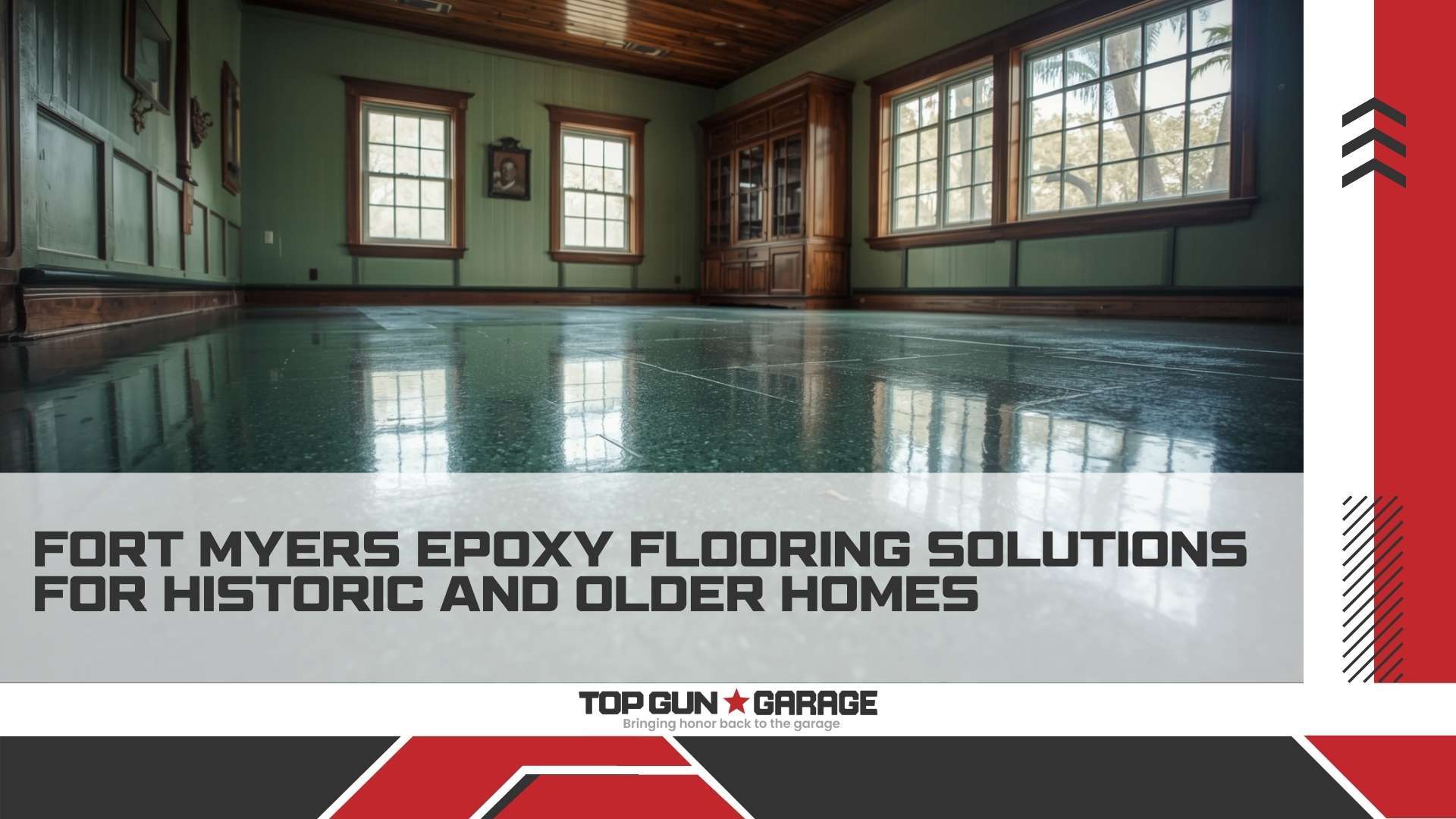
Modern epoxy flooring is one of the most effective ways to preserve and enhance historic homes in Fort Myers. Unlike traditional flooring that can trap moisture and deteriorate in Florida’s climate, a professionally installed epoxy system creates a seamless, impermeable barrier that protects the original concrete slab while delivering a stunning aesthetic. Homeowners in the River District, Dean Park, and McGregor Boulevard areas are increasingly turning to this versatile solution to bridge the gap between century-old charm and 21st-century performance.
Key Takeaways
- Epoxy flooring acts as a moisture-mitigation system, critical for older Fort Myers homes built on slabs without modern vapor barriers.
- Proper concrete preparation, including crack repair and moisture testing, is non-negotiable for historic substrates.
- Metallic and flake epoxy systems can be customized to complement original architectural details from the 1920s through 1950s.
- Polyaspartic topcoats offer UV stability essential for Florida sunrooms and lanais attached to older homes.
- Epoxy floors reduce allergen accumulation compared to carpet, benefiting homes with original plaster walls and ventilation challenges.
- Installation over historic terrazzo or saltillo tile requires specialized primers to ensure adhesion without demolition.
- Professional consultation ensures compliance with local historic preservation guidelines where applicable.
Why Older Fort Myers Homes Need Specialized Flooring
Fort Myers boasts a rich architectural heritage, with thousands of homes built between 1910 and 1960 still standing. These properties feature distinctive elements like Dade County pine framing, coral rock accents, and original hardwood floors. However, the concrete slabs beneath many of these homes were poured decades before modern building codes mandated under-slab vapor barriers. According to the American Concrete Institute, concrete without a vapor barrier can transmit up to 12 gallons of water vapor per 1,000 square feet daily through capillary action. This moisture migration leads to efflorescence, adhesive failure, and mold growth beneath conventional flooring.
As Dr. Elena Marchetti, a materials scientist specializing in historic building conservation, explains: “The biggest mistake we see in historic Florida homes is applying modern flooring directly over old concrete without addressing the moisture drive. The slab is essentially a wick pulling groundwater upward. An epoxy system with a moisture-tolerant primer doesn’t just cover the problem—it solves it at the chemical level.”
Moisture Challenges Unique to Historic Properties
Fort Myers sits at an average elevation of just 10 feet above sea level, with a water table that rises dramatically during the June-through-November wet season. The National Oceanic and Atmospheric Administration reports that Southwest Florida receives approximately 55 inches of rainfall annually, with relative humidity averaging 74% year-round. For homes built before the 1970s, this creates a perfect storm of moisture intrusion. Original construction often lacked perimeter drainage, and decades of settling may have created micro-cracks that channel water directly beneath the slab.
Research from the University of Florida’s Building Construction program indicates that moisture-related flooring failures in homes older than 50 years occur at a rate 3.2 times higher than in homes built after 2000. Epoxy flooring addresses this through several mechanisms. A moisture-mitigating epoxy primer penetrates the concrete’s capillary pores, forming a crystalline plug that blocks hydrostatic pressure. The subsequent basecoat and topcoat layers create a completely non-porous surface with a perm rating below 0.1, effectively eliminating vapor transmission.
Moisture Testing Protocols for Older Slabs
Before any epoxy application on a historic Fort Myers home, rigorous moisture testing is mandatory. The industry standard follows ASTM F2170, which requires in-situ relative humidity probes inserted into the slab at multiple locations. Acceptable readings must fall below 75% relative humidity for standard epoxy systems. For slabs exceeding this threshold, a moisture-tolerant epoxy primer is specified. The calcium chloride test per ASTM F1869 provides supplementary data, with acceptable emission rates below 3 pounds per 1,000 square feet per 24 hours. Skipping these tests on an older home is the single most common cause of delamination and blistering.
Preserving Architectural Integrity with Modern Finishes
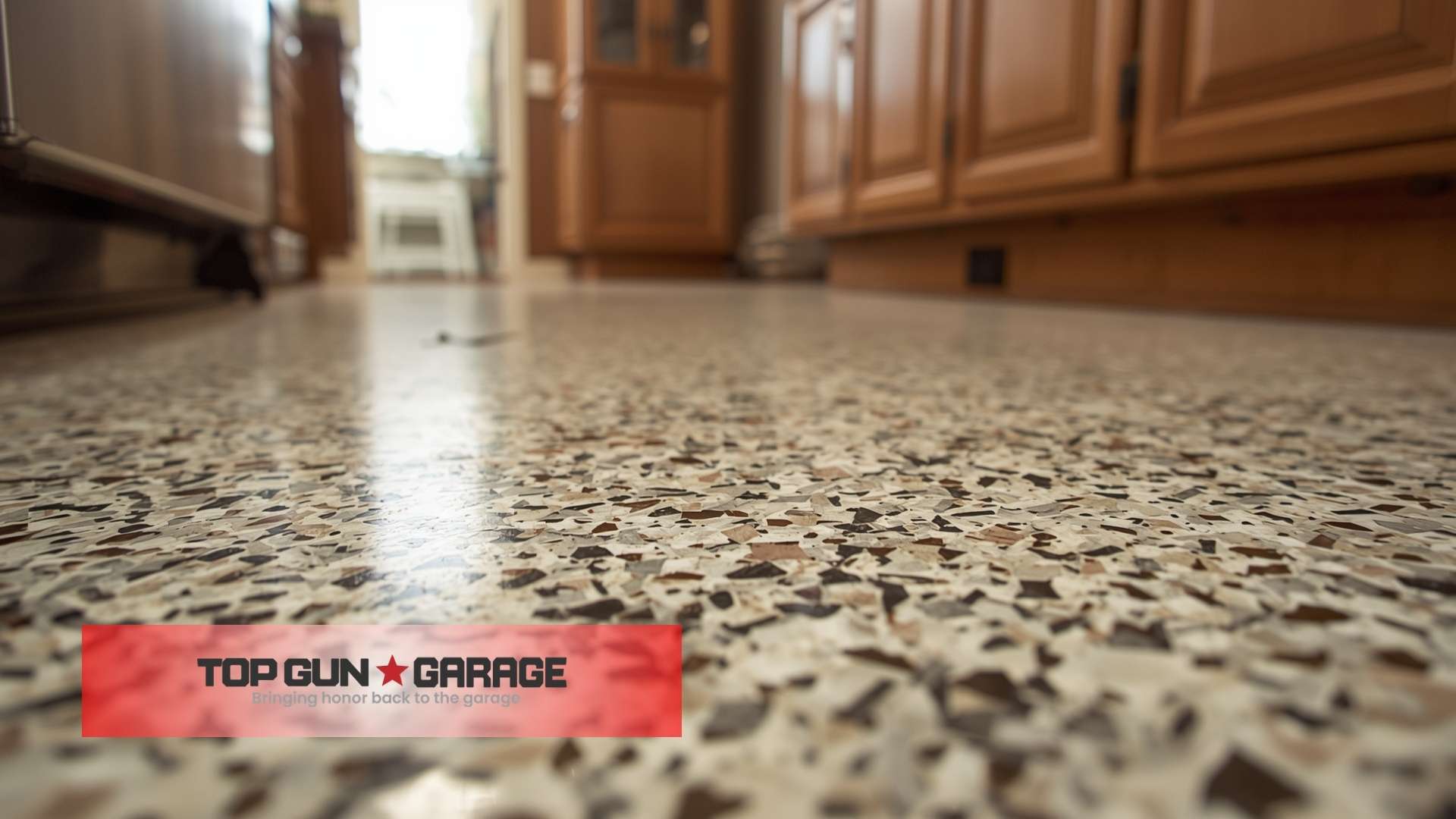
One of the most compelling reasons homeowners choose epoxy for historic properties is its design versatility. Unlike vinyl plank or tile that can look incongruous in a 1920s Mediterranean Revival, epoxy can be customized to echo period-appropriate aesthetics. A metallic epoxy floor in warm copper and bronze tones complements the wrought-iron details and terracotta accents common in Fort Myers’ historic districts. A quartz-filled broadcast system in muted earth tones provides a honed-stone appearance that pairs beautifully with original heart-pine millwork.
Marcus Chen, lead designer at a Southwest Florida architectural firm specializing in historic renovations, notes: “We’ve specified epoxy flooring in seven historic Fort Myers homes over the past two years. The key is selecting a finish that doesn’t compete with the home’s original features. A low-gloss, satin-finish epoxy in a neutral palette acts as a quiet backdrop that lets the crown molding, arched doorways, and original windows take center stage.”
Concrete Preparation for Aged Substrates
The preparation phase for an older home’s concrete slab is significantly more involved than for new construction. Decades of use may have left behind layers of adhesive from previous flooring, oil stains from a workshop era, or paint overspray from multiple renovations. Mechanical grinding with diamond-impregnated segments is the preferred method, as chemical stripping can drive contaminants deeper into the porous concrete. The Concrete Polishing Association of America recommends a CSP (Concrete Surface Profile) of 3 to 4 for epoxy adhesion, which requires removing approximately 1/16 inch of the surface layer.
Crack repair on older slabs demands special attention. Static cracks wider than 1/8 inch must be chased, cleaned, and filled with a semi-rigid epoxy crack filler that accommodates minor thermal movement without transferring stress to the coating. Dynamic cracks—those that change width seasonally—require routing and installation of a flexible sealant before the epoxy system bridges over them. Fort Myers’ clay-rich soils expand and contract with seasonal moisture fluctuations, making this step critical for long-term performance.
Step-by-Step Preparation Sequence for Historic Slabs
- Remove all existing flooring, adhesives, and contaminants via diamond grinding.
- Conduct moisture testing per ASTM F2170 at a minimum of three locations per 1,000 square feet.
- Repair all cracks, spalls, and divots using epoxy-compatible repair mortars.
- Profile the entire surface to CSP 3-4, ensuring no glossy areas remain.
- Vacuum thoroughly with a HEPA-filtered industrial vacuum to remove all dust.
- Apply a moisture-mitigating primer if RH readings exceed 75%.
- Allow primer to cure fully before proceeding with basecoat application.
Epoxy System Selection for Florida’s Climate
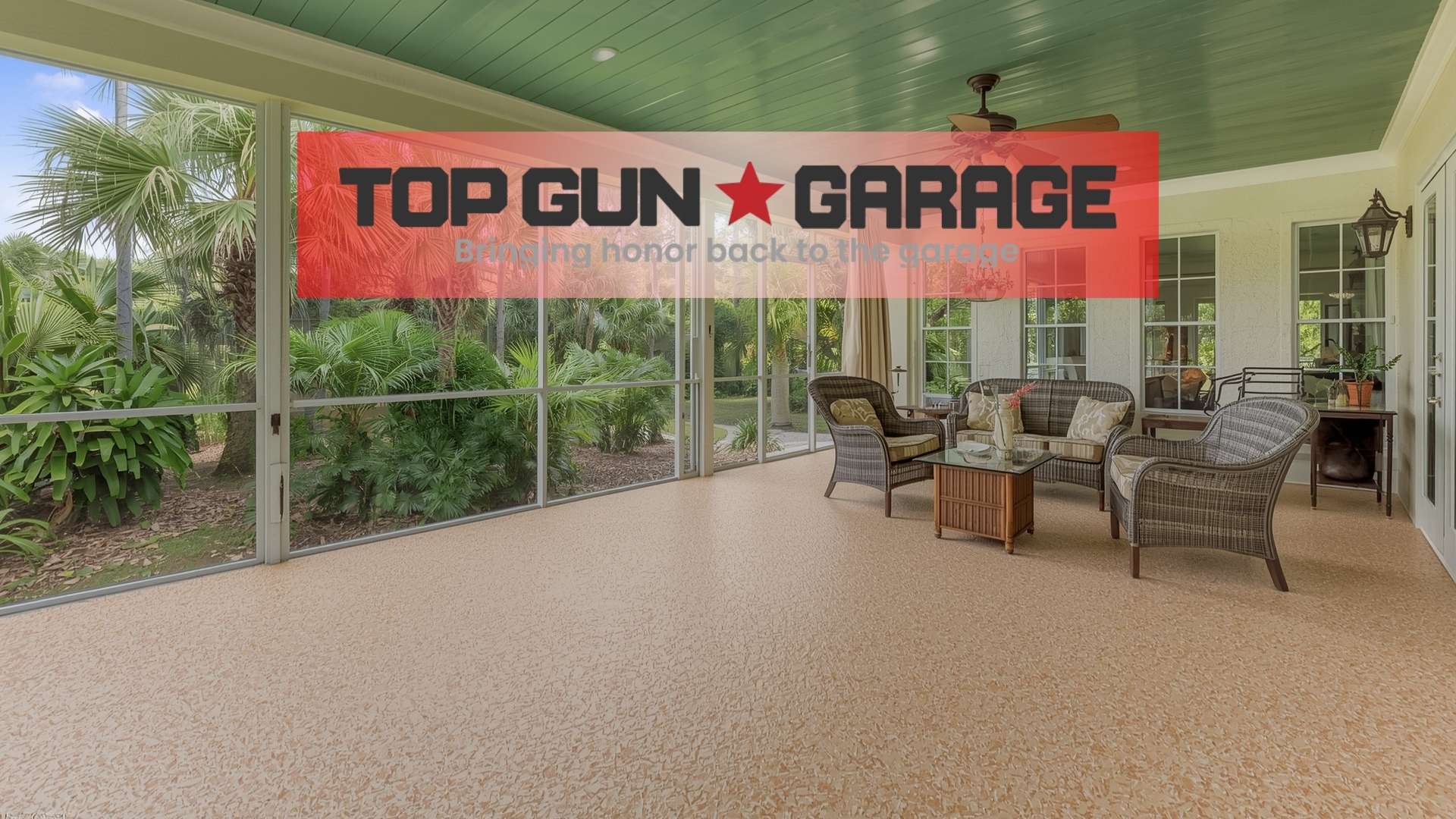
Fort Myers’ intense UV exposure and heat require careful product selection. Standard epoxy formulations contain aromatic compounds that amber and chalk when exposed to direct sunlight. For enclosed garages and interior rooms, this is less of a concern. However, many historic Fort Myers homes feature expansive lanais, sunrooms, and breezeways that blur the line between indoors and out. For these spaces, a polyaspartic topcoat is essential. Polyaspartic chemistry provides superior UV stability, resisting yellowing for 15 to 20 years compared to epoxy’s 2 to 3 years in direct sun.
The thermal properties of epoxy also benefit older homes. Epoxy floors can help moderate garage temperatures by reflecting rather than absorbing radiant heat. This is particularly valuable in historic homes where original HVAC systems may struggle to maintain comfort. A light-colored epoxy system can reduce surface temperatures by 10 to 15 degrees Fahrenheit compared to bare concrete.
| Epoxy System Type | Best Application | UV Resistance | Typical Cost per Sq Ft |
|---|---|---|---|
| 100% Solids Epoxy | Interior garages, basements | Low | $4.50 – $7.00 |
| Metallic Epoxy | Interior living spaces, showrooms | Low-Medium | $7.00 – $12.00 |
| Flake Broadcast System | Garages, utility rooms, lanais | Medium (with polyaspartic topcoat) | $5.50 – $9.00 |
| Quartz-Filled Epoxy | Kitchens, bathrooms, entryways | Medium | $6.00 – $10.00 |
| Polyaspartic Full System | Outdoor lanais, pool decks | High | $8.00 – $14.00 |
Health and Allergen Benefits for Older Homes
Historic homes often present unique indoor air quality challenges. Original plaster walls, while beautiful, can shed fine particulate dust. Older ductwork may harbor decades of accumulated allergens. Traditional carpeting acts as a reservoir for dust mites, mold spores, and pet dander. The Environmental Protection Agency notes that carpet can hold up to 100 times more allergens than hard-surface flooring. Replacing carpet with seamless epoxy eliminates this reservoir entirely.
Garage flooring that reduces allergens is particularly important when the garage connects directly to living spaces, as is common in mid-century ranch homes throughout Fort Myers. An epoxy-coated garage floor prevents tracked-in pollen and mold spores from embedding in porous concrete, making regular cleaning dramatically more effective. A damp-mop pass removes 99% of surface particulates from an epoxy floor, compared to approximately 60% from unsealed concrete.
Navigating Historic Preservation Guidelines
Fort Myers has several designated historic districts, including the Downtown Historic District and the Dean Park Historic District. While interior flooring modifications generally fall outside the purview of historic preservation boards, there are nuances to consider. If an epoxy floor installation requires altering original features—such as removing historic tile to access the slab—a Certificate of Appropriateness may be required. The City of Fort Myers Historic Preservation Commission provides guidance on what constitutes a reviewable alteration.
For homes listed on the National Register of Historic Places, the Secretary of the Interior’s Standards for Rehabilitation emphasize retaining and preserving historic materials whenever possible. Epoxy flooring aligns well with these standards because it can often be installed over existing concrete without destroying original features elsewhere in the home. In cases where original terrazzo or saltillo tile is present, a professional epoxy consultation can determine whether encapsulation is feasible, preserving the historic material beneath a protective layer.
Case Study: 1925 River District Bungalow
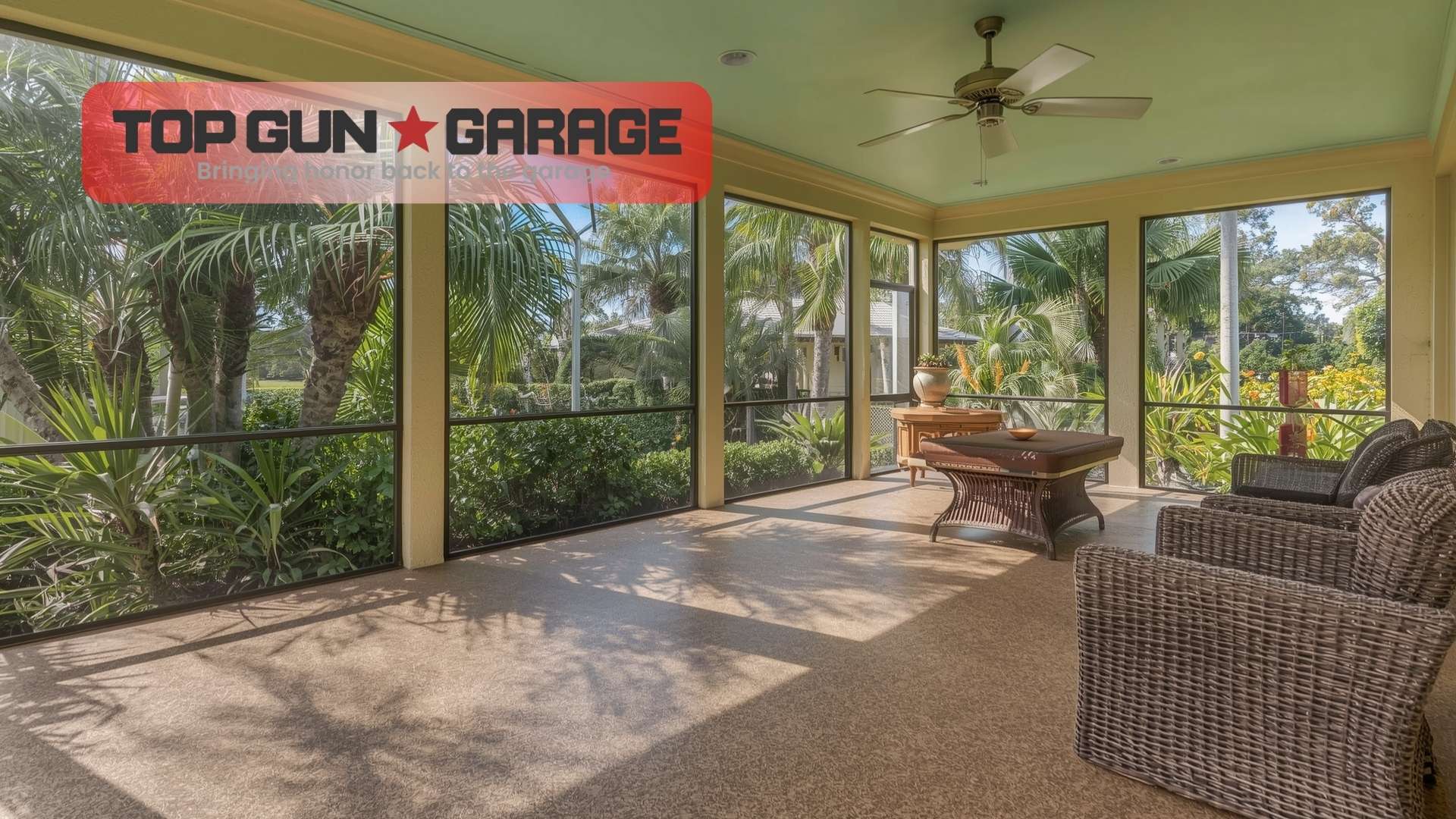
A recent project in Fort Myers’ River District illustrates the transformative potential of epoxy in a historic context. The 1925 Craftsman bungalow had suffered decades of moisture intrusion through its original concrete porch slab, which had been enclosed as a sunroom in the 1960s. Previous flooring installations—including sheet vinyl and ceramic tile—had failed within three years due to hydrostatic pressure. The homeowners wanted a durable, attractive floor that would withstand Florida’s climate without obscuring the room’s original beadboard ceiling and divided-light windows.
The solution involved grinding the slab to remove old adhesive, applying a moisture-mitigating epoxy primer rated for 95% RH conditions, and installing a metallic epoxy system in a custom verdigris patina finish. The green-blue tones echoed the home’s original copper gutters and downspouts. A UV-stable polyaspartic topcoat ensured the finish would remain vibrant despite the sunroom’s southern exposure. Two years post-installation, the floor shows no signs of moisture damage, delamination, or UV degradation.
Common Mistakes to Avoid
Homeowners and even some contractors make predictable errors when applying epoxy in older Fort Myers homes. The most damaging is skipping moisture testing. A slab that looks dry on the surface can harbor 90% relative humidity just an inch below. Applying epoxy without a moisture-mitigating primer in these conditions virtually guarantees failure within 12 to 18 months. Another frequent mistake is using water-based epoxy in high-moisture environments. While easier to apply, water-based formulations lack the cross-link density to block vapor transmission effectively.
Inadequate surface preparation ranks as the second most common cause of failure. Older concrete often has a hard-troweled finish that epoxy cannot bond to without mechanical profiling. Acid etching, a once-common preparation method, is insufficient for aged slabs and introduces moisture that can interfere with curing. Diamond grinding is the only reliable method for achieving the necessary surface profile. Finally, applying epoxy over uneven garage floor surfaces without prior leveling leads to pooling, inconsistent thickness, and premature wear in high spots.
Maintenance and Longevity in Historic Settings
An epoxy floor in a historic Fort Myers home, properly installed and maintained, will last 15 to 25 years before requiring a recoat. Maintenance is straightforward: dry dust-mopping weekly to remove abrasive grit, damp-mopping with a pH-neutral cleaner monthly, and immediate cleanup of any chemical spills. Avoid using acidic cleaners like vinegar, which can etch the surface over time. For homes with original wood-burning fireplaces, placing a non-combustible mat beneath the hearth area prevents ember damage to the epoxy surface.
Seasonal maintenance routines should include inspecting expansion joints at the perimeter of the slab each spring. Fort Myers’ clay soils shift with seasonal moisture changes, and16 and older homes may experience more movement than newer construction. Any separation at the cove base should be addressed promptly to prevent moisture intrusion behind the coating. The slip-resistant properties of epoxy can be maintained by avoiding wax-based cleaners that fill the textured surface.
Cost Considerations and Return on Investment
Epoxy flooring for a historic Fort Myers home represents a significant but justifiable investment. A typical two-car garage (400 square feet) with a full flake broadcast system and polyaspartic topcoat ranges from $2,200 to $3,600. Interior living spaces with metallic epoxy finishes run higher, typically $2,800 to $4,800 for a 400-square-foot area. While these figures exceed the cost of vinyl plank or basic tile, epoxy’s 20-year lifespan and near-zero maintenance costs produce a lower total cost of ownership.
According to data from the National Association of Realtors, epoxy garage flooring can increase property value by making the home more attractive to buyers who prioritize low-maintenance features. In Fort Myers’ competitive historic home market, a professionally finished epoxy floor signals that the home has been updated with quality materials and attention to detail—a powerful differentiator during resale.
Frequently Asked Questions
Can epoxy flooring be installed over original terrazzo floors in a historic Fort Myers home?
Yes, epoxy can be installed over terrazzo with proper preparation. The terrazzo must be mechanically profiled to create a bondable surface, and a specialized primer ensures adhesion. This approach preserves the historic terrazzo beneath a protective layer, which can be removed in the future if desired. Always consult with a contractor experienced in historic materials before proceeding.
How does Fort Myers’ humidity affect epoxy curing in older homes?
High humidity can slow epoxy cure times and, in extreme cases, cause amine blush—a waxy surface residue that interferes with intercoat adhesion. Professional installers monitor ambient conditions and use humidity-tolerant formulations when relative humidity exceeds 75%. Climate-controlled curing environments may be necessary during Fort Myers’ summer months.
Will epoxy flooring damage the original concrete slab in my 1940s home?
No. Epoxy flooring protects the original slab by sealing it against moisture, chemicals, and abrasion. The mechanical grinding required for preparation removes only a thin surface layer (approximately 1/16 inch) and does not compromise the slab’s structural integrity. In fact, epoxy can extend the life of older concrete by preventing further deterioration.
Is epoxy flooring appropriate for homes in Fort Myers’ designated historic districts?
Interior flooring modifications typically do not require historic preservation review in Fort Myers. However, if the installation involves altering exterior features or removing historically significant materials, consultation with the Historic Preservation Commission is advisable. Epoxy is generally considered a reversible treatment, which aligns with preservation best practices.
How do I address cracks in my older home’s concrete before epoxy installation?
Crack repair is a critical step that must be performed by the epoxy contractor as part of the preparation process. Static cracks are filled with epoxy crack filler, while dynamic cracks require flexible sealants. Attempting to fill cracks with DIY products before professional installation can create bonding problems and should be avoided.
Can epoxy flooring help with the musty smell in my historic Fort Myers basement or garage?
Yes. Musty odors in older homes often originate from moisture wicking through unsealed concrete. By creating an impermeable barrier, epoxy flooring eliminates the moisture source that sustains mold and mildew growth. Many homeowners report a noticeable improvement in air quality within days of installation.
What is the difference between epoxy and polyaspartic flooring for my historic home’s lanai?
Epoxy provides excellent durability and chemical resistance but yellows with prolonged UV exposure. Polyaspartic coatings offer equivalent durability with superior UV stability, making them the preferred choice for sun-exposed lanais and sunrooms. Many systems use an epoxy basecoat for depth and a polyaspartic topcoat for UV protection, combining the best properties of both materials.
Conclusion
Fort Myers’ historic homes deserve flooring solutions that honor their architectural legacy while meeting the demands of Florida’s challenging climate. Epoxy flooring delivers on both fronts: it protects aging concrete slabs from moisture intrusion, offers design flexibility that complements period aesthetics, and provides decades of low-maintenance performance. The key to success lies in proper moisture testing, meticulous surface preparation, and selection of the right epoxy system for each specific application. Whether you are restoring a River District bungalow, updating a mid-century ranch, or preserving a Mediterranean Revival estate, professional epoxy installation represents a smart investment in your home’s future. Contact our team today to schedule a consultation and discover how epoxy flooring can transform your historic Fort Myers home.
References
- American Concrete Institute. “Guide to Concrete Floor and Slab Construction.” ACI
- National Oceanic and Atmospheric Administration. “Climate Normals for Fort Myers, Florida.” NOAA
- University of Florida IFAS Extension. “Moisture Management in Residential Construction.” University of Florida
- ASTM International. “ASTM F2170: Standard Test Method for Determining Relative Humidity in Concrete Floor Slabs.” ASTM
- Concrete Polishing Association of America. “Surface Profile Standards for Coatings.” CPAA
- Environmental Protection Agency. “Indoor Air Quality and Flooring Materials.” EPA
- National Association of Realtors. “Remodeling Impact Report.” NAR
- City of Fort Myers. “Historic Preservation Guidelines.” City of Fort Myers