When it comes to creating the perfect automotive sanctuary, designing garage floors for car enthusiasts requires careful consideration of both form and function. Your garage floor serves as the foundation for countless hours of automotive passion, whether you’re restoring a classic muscle car, maintaining your daily driver, or showcasing a prized collection. The right flooring choice can transform an ordinary garage into a professional-grade workspace that rivals the finest automotive facilities.
Car enthusiasts understand that every detail matters, and the
garage floor is no exception. Beyond mere aesthetics, your flooring must withstand the unique demands of automotive work:
oil spills, hydraulic fluid drips, heavy tool drops, and the constant traffic of rolling equipment. The surface needs to provide adequate traction for safety while remaining easy to clean and maintain. Additionally, it should complement your garage’s overall design while potentially increasing your property’s value.
The challenge lies in balancing durability, functionality, and visual appeal. Modern garage flooring solutions offer an impressive array of options, from high-performance epoxy coatings to interlocking tiles and polished concrete systems. Each option presents distinct advantages and considerations that must align with your specific needs, budget, and long-term goals for your automotive space.
Professional-grade garage flooring has evolved significantly over the past decade, with new materials and installation techniques delivering unprecedented performance and longevity. Today’s car enthusiasts can choose from systems that not only protect their investment but also enhance their working environment and showcase their vehicles in the best possible light.
Understanding the various garage flooring ideas for enthusiasts available today empowers you to make an informed decision that will serve your automotive passion for years to come. From chemical resistance to thermal shock protection, modern flooring systems address the specific challenges faced by serious car enthusiasts while delivering the professional appearance that reflects your dedication to automotive excellence.
Key Takeaways
- Material Selection is Critical: Choose flooring materials specifically designed for automotive environments, considering factors like chemical resistance, impact tolerance, and thermal expansion properties to ensure long-term performance.
- Surface Preparation Determines Success: Proper concrete preparation, including cleaning, crack repair, and moisture testing, forms the foundation for any successful garage flooring installation and directly impacts durability.
- Chemical Resistance Matters: Automotive fluids including motor oil, brake fluid, gasoline, and coolant can damage inadequate flooring materials, making chemical resistance a non-negotiable feature for car enthusiast garages.
- Drainage and Slope Considerations: Proper floor drainage prevents standing water and fluid accumulation, protecting both your flooring investment and creating a safer working environment for automotive projects.
- Lighting Integration Enhances Functionality: Light-colored or reflective flooring surfaces can significantly improve workspace illumination, reducing eye strain during detailed automotive work and enhancing safety.
- Maintenance Requirements Vary Significantly: Different flooring systems require varying levels of ongoing maintenance, from simple mopping to periodic resealing, impacting long-term ownership costs and convenience.
- Professional Installation Often Pays Off: While some flooring options suit DIY installation, professional installation typically ensures optimal performance, warranty coverage, and long-term satisfaction for high-end garage flooring systems.
- Budget Planning Should Include Long-term Costs: Initial installation costs represent only part of the total ownership equation, with maintenance, potential repairs, and eventual replacement factoring into the true cost of garage flooring.
Understanding Garage Flooring Fundamentals for Automotive Spaces
The foundation of any successful garage flooring project begins with understanding the unique demands placed on automotive workspace surfaces. Unlike residential flooring applications, garage floors for car enthusiasts must withstand extreme conditions including chemical exposure, thermal cycling, heavy point loads, and constant abrasion from tools and equipment.
Concrete substrate evaluation represents the critical first step in any flooring project. Most garage floors consist of concrete slabs that may have been poured decades ago without consideration for specialized coatings or treatments. Modern flooring systems require properly cured, structurally sound concrete with appropriate surface texture for optimal adhesion. Moisture content, pH levels, and existing sealers or contaminants must be assessed before proceeding with any flooring installation.
Temperature fluctuations present another significant challenge in garage environments. Seasonal temperature swings, combined with heat generated by running vehicles and equipment, create expansion and contraction cycles that can stress flooring materials. Quality automotive garage flooring systems incorporate flexibility and thermal stability to accommodate these movements without cracking, delaminating, or developing unsightly stress patterns.
The chemical environment in automotive garages demands specialized material selection. Beyond common automotive fluids, modern vehicles and maintenance procedures introduce exotic chemicals including synthetic lubricants, advanced coolants, and specialized cleaning products. Flooring materials must resist not only immediate staining but also long-term chemical degradation that could compromise structural integrity or appearance.
Epoxy Coating Systems: The Gold Standard for Car Enthusiasts
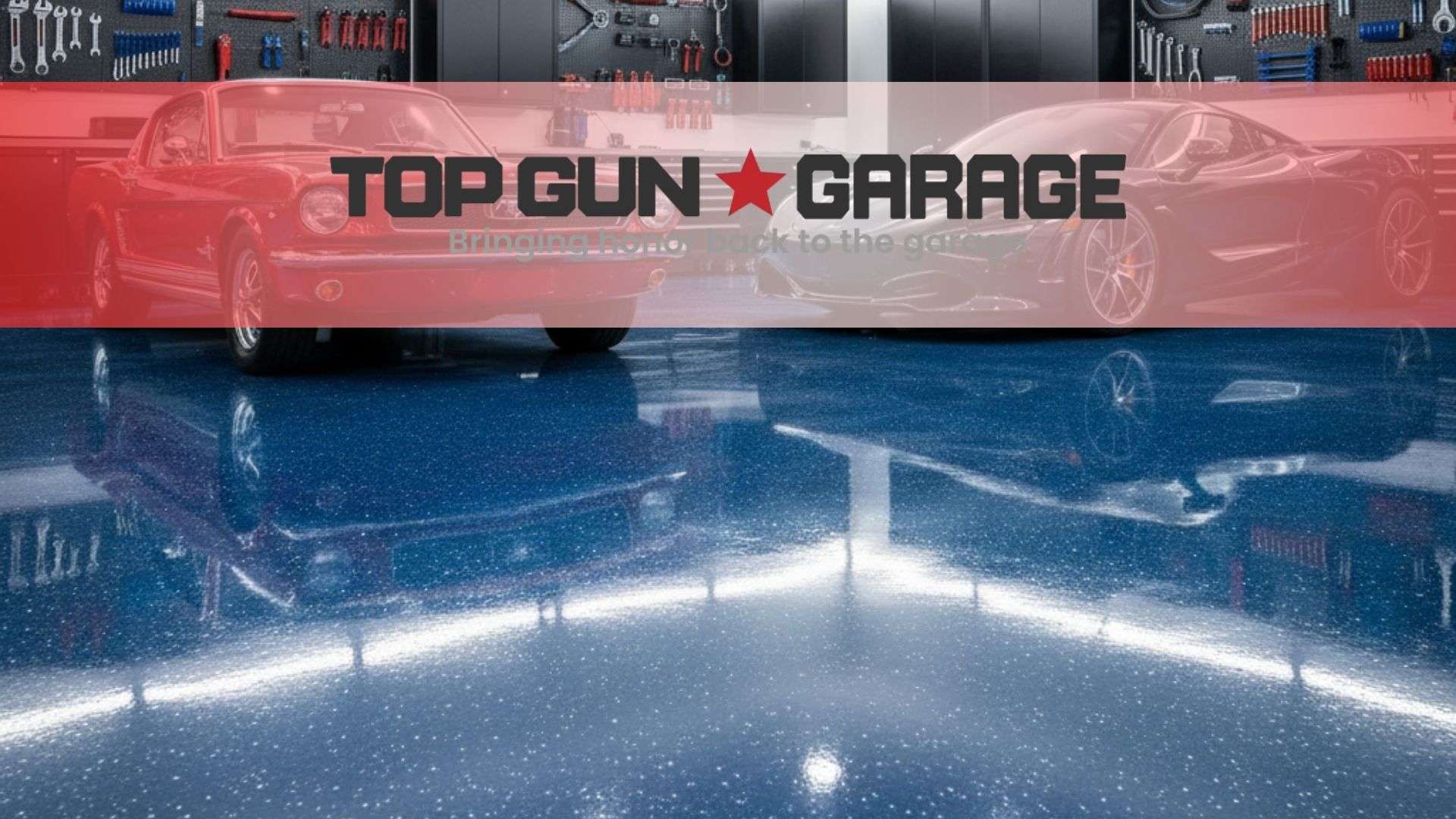
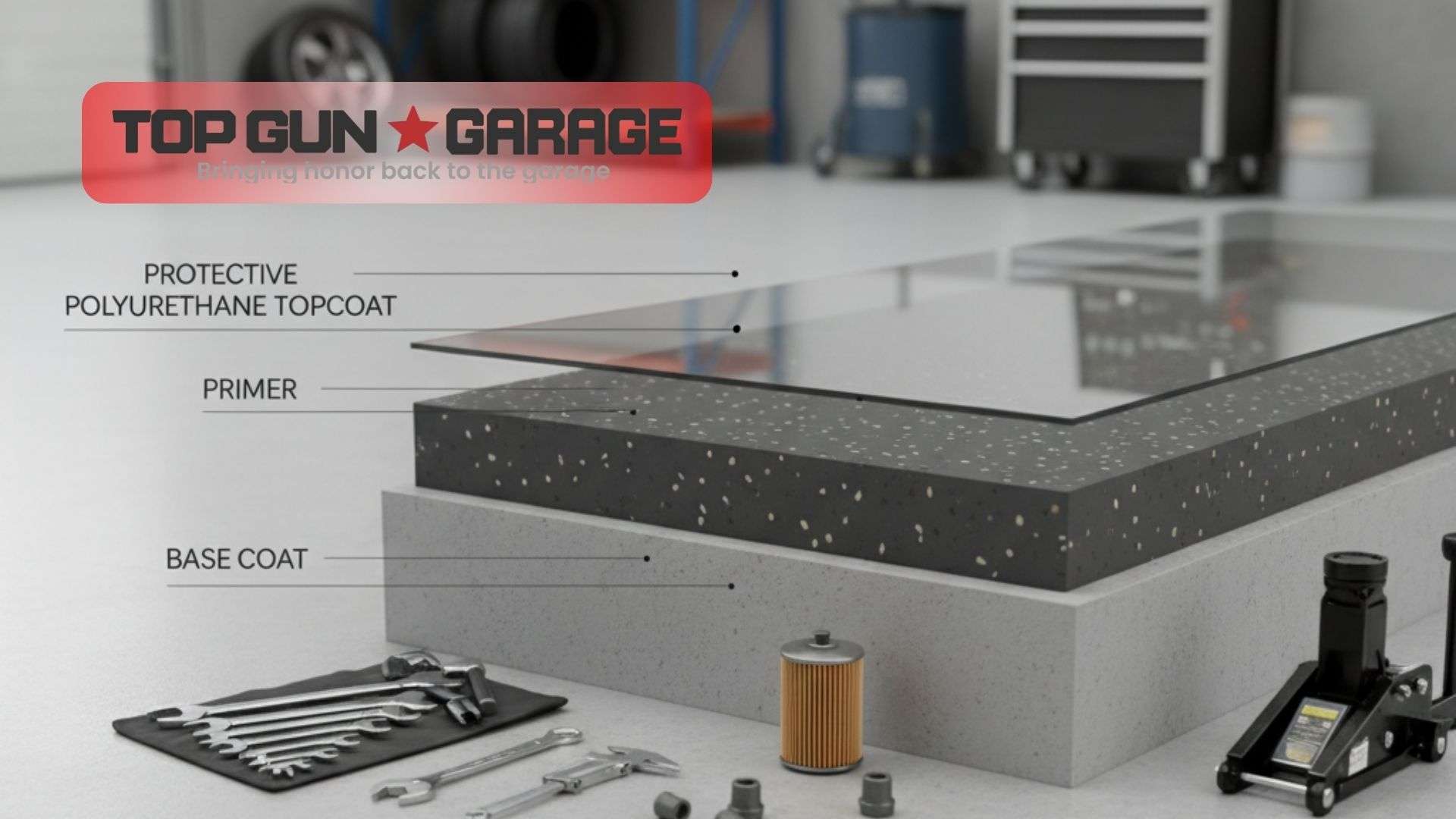
Epoxy flooring systems have emerged as the preferred choice for serious car enthusiasts, offering an unmatched combination of durability, chemical resistance, and aesthetic appeal. These systems consist of multiple layers including primer, base coat, and protective topcoat, creating a seamless, non-porous surface that can withstand decades of automotive use when properly installed and maintained.
Modern epoxy formulations offer impressive customization options through color selection, decorative flakes, and metallic additives. Car enthusiasts can coordinate their garage flooring with vehicle colors, create racing stripes or geometric patterns, or achieve sophisticated metallic finishes that complement high-end automotive collections. The reflective properties of quality epoxy systems can increase ambient lighting by up to 30%, creating a brighter, more professional working environment.
Chemical resistance represents perhaps the most critical advantage of epoxy flooring for automotive applications. High-quality automotive-grade epoxy systems resist penetration from motor oil, transmission fluid, brake fluid, gasoline, and most common automotive chemicals. Spills can be cleaned easily without staining or surface damage, maintaining the floor’s appearance and preventing odor absorption that could affect the garage environment.
Installation complexity varies significantly among epoxy systems, from single-component products suitable for DIY application to professional-grade systems requiring specialized equipment and expertise. Multi-component systems typically offer superior performance but demand precise mixing ratios, controlled application conditions, and specific curing procedures. Professional installation ensures optimal performance and often includes warranty coverage that protects your investment.
Durability expectations for quality epoxy systems range from 10-20 years in typical automotive garage applications, with some commercial-grade systems lasting even longer. Factors affecting longevity include substrate preparation quality, system thickness, traffic patterns, and maintenance practices. Regular cleaning with appropriate products and periodic inspection for wear patterns helps maximize system lifespan and maintain optimal appearance.
Polished Concrete: Industrial Strength Meets Aesthetic Appeal
Polished concrete represents an increasingly popular option for car enthusiasts seeking industrial-grade durability combined with sophisticated aesthetics. This process transforms ordinary concrete into a high-gloss, extremely durable surface through progressive grinding, polishing, and chemical hardening treatments. The result delivers exceptional longevity and unique visual appeal that complements both vintage and modern automotive collections.
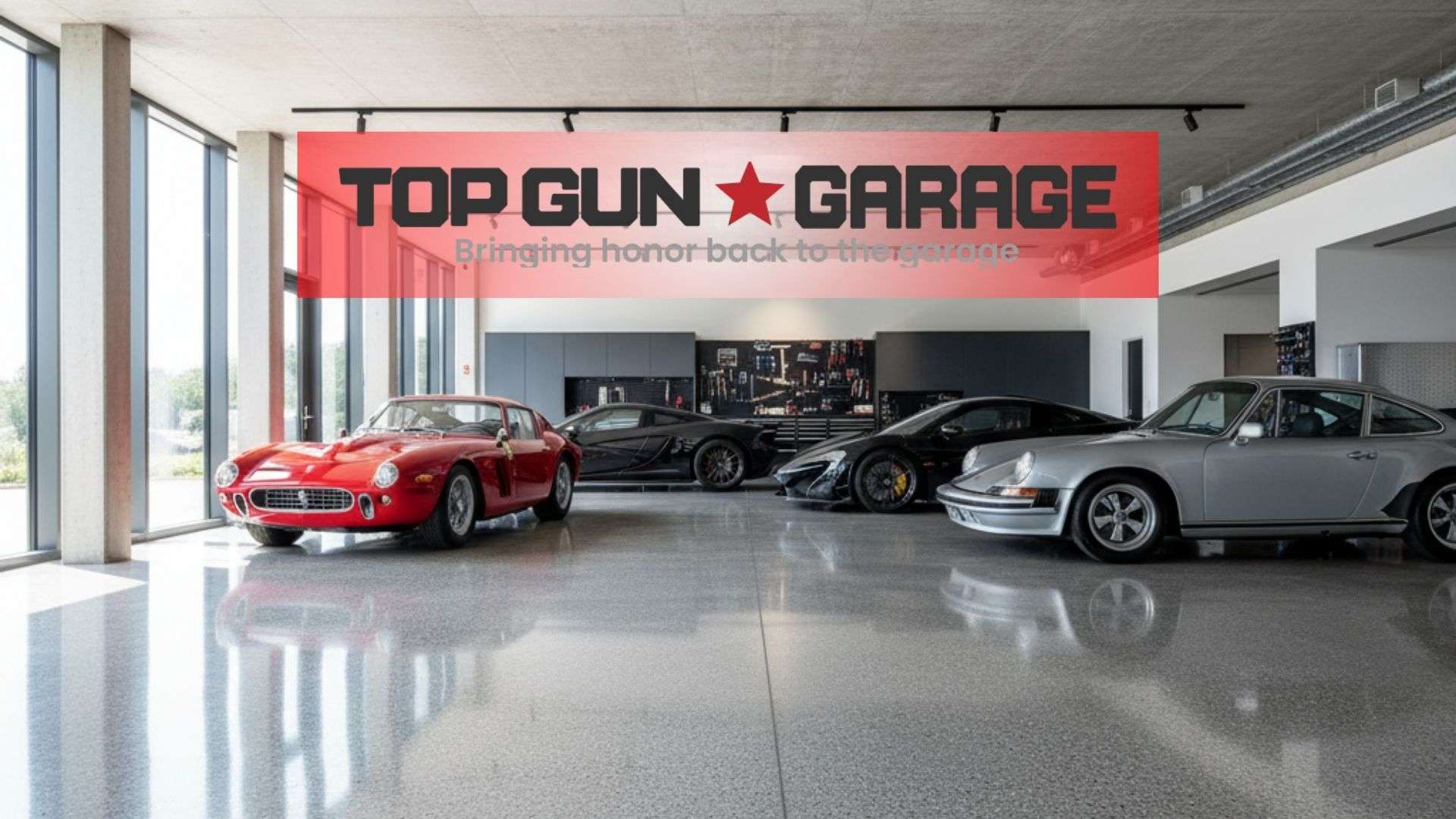
The polishing process involves multiple stages of diamond grinding, progressing from coarse to fine grits to achieve the desired level of gloss and smoothness. Chemical hardeners penetrate deep into the concrete matrix, creating a surface that becomes harder and more durable over time. This process eliminates the need for topical coatings while creating a surface that rivals natural stone in appearance and durability.
Stain resistance in polished concrete systems comes from densification rather than surface coatings. The tightly closed pore structure resists penetration from most automotive fluids, though immediate cleanup remains important for optimal stain resistance. Optional topical guards can provide additional protection against specific chemicals while maintaining the natural appearance of polished concrete.
Customization options include exposed aggregate levels, integral coloring, and decorative saw cuts that can create patterns or define work areas. Car enthusiasts often incorporate racing stripes, geometric patterns, or custom logos through strategic saw cutting and coloring techniques. The industrial aesthetic particularly complements vintage racing vehicles and modern supercars.
Maintenance requirements for polished concrete remain minimal compared to coated systems. Regular dust mopping and periodic damp cleaning maintain optimal appearance, while annual or bi-annual re-polishing can restore gloss levels and address any surface wear. The absence of coatings eliminates concerns about delamination, coating failure, or periodic recoating cycles common with other flooring systems.
Interlocking Tile Systems: Flexibility and Performance Combined
Interlocking garage tile systems offer unique advantages for car enthusiasts who value flexibility, easy installation, and the ability to modify their garage layout over time. These systems typically consist of rigid tiles made from materials like PVC, polypropylene, or recycled rubber, designed to connect securely while allowing individual tile replacement when necessary.
Installation simplicity represents a major advantage of tile systems, with most products designed for straightforward DIY installation without special tools or adhesives. The interlocking mechanism creates a stable, unified surface while allowing for thermal expansion and contraction. This flexibility makes tile systems particularly suitable for garages with minor substrate imperfections or areas prone to settling.
Material options in interlocking tiles have expanded significantly, with high-performance formulations offering excellent chemical resistance and durability. Premium PVC tiles resist most automotive chemicals while providing comfortable standing surfaces that reduce fatigue during extended work sessions. Some systems incorporate anti-fatigue properties or enhanced traction patterns specifically designed for automotive applications.
Design flexibility allows car enthusiasts to create custom patterns, define work areas, or incorporate logos and graphics through strategic color placement. Checkered flag patterns, racing stripes, and custom designs become achievable through careful tile selection and layout planning. The ability to replace individual tiles enables easy repair of damaged areas or design modifications as needs evolve.
Performance characteristics vary among tile systems, with premium products offering impressive durability and chemical resistance. Load-bearing capacity typically exceeds requirements for passenger vehicles and standard automotive equipment, while surface textures provide appropriate traction without impeding rolling equipment movement. Drainage features in some systems allow spills to flow beneath tiles to collection areas, protecting the substrate and preventing standing liquids.
Maintenance procedures for tile systems generally involve regular sweeping and periodic washing with appropriate cleaners. The modular nature allows for deep cleaning of individual sections or replacement of heavily stained tiles. Some systems benefit from periodic application of protective treatments that enhance stain resistance and maintain optimal appearance over time.
Specialized Coatings and Advanced Systems
Beyond traditional epoxy and polished concrete, specialized coating systems address specific needs of serious car enthusiasts and professional automotive facilities. These advanced systems often incorporate cutting-edge materials like polyurea, polyaspartic, and hybrid formulations that deliver enhanced performance characteristics for demanding applications.
Polyurea coatings offer exceptional durability and rapid curing times, making them ideal for car enthusiasts who cannot afford extended garage downtime during installation. These systems typically cure within hours rather than days, allowing immediate return to service while providing superior abrasion resistance and flexibility. The rapid cure time also reduces contamination risks during installation, ensuring optimal adhesion and performance.
Polyaspartic systems combine many advantages of epoxy and polyurea technologies, offering excellent chemical resistance with improved UV stability and color retention. These systems maintain their appearance even in garages with significant natural light exposure, preventing the yellowing or color shift common with some epoxy formulations. The enhanced UV resistance makes polyaspartic systems particularly suitable for garages with large windows or skylights.
Anti-static formulations address specific needs in garages housing classic vehicles or sensitive electronic equipment. These specialized systems dissipate static electricity buildup, reducing risks to electronic components while creating safer environments for fuel handling and automotive work. Anti-static properties require specific conductive additives and installation procedures to ensure proper electrical continuity.
Decorative concrete overlays provide another advanced option, allowing complete transformation of existing concrete surfaces through specialized toppings and treatments. These systems can replicate natural stone, create custom textures, or incorporate complex decorative patterns while providing enhanced performance characteristics. Overlay systems particularly benefit garages with existing concrete damage or those requiring significant aesthetic transformation.
At Top Gun Garage, we understand that every car enthusiast has unique requirements for their automotive workspace. Our team specializes in evaluating individual needs and recommending flooring solutions that deliver optimal performance, aesthetic appeal, and long-term value. Whether you’re building a new garage or upgrading an existing space, professional consultation ensures your flooring investment supports your automotive passion for years to come.
Frequently Asked Questions
How long should I expect my garage flooring to last?
Quality garage flooring systems typically last 10-20 years with proper installation and maintenance. Epoxy systems generally provide 10-15 years of service, while polished concrete can last 20+ years. Tile systems offer 10-15 years with the advantage of individual tile replacement as needed.
Can I install garage flooring myself or should I hire professionals?
Installation complexity varies significantly among systems. Interlocking tiles and some single-component epoxy products suit DIY installation, while multi-component epoxy, polyurea, and polished concrete require professional installation for optimal results and warranty coverage.
What’s the best flooring option for heavy vehicles or equipment?
Polished concrete and high-build epoxy systems offer the best load-bearing capacity for heavy vehicles. These systems distribute weight effectively while resisting point loads from jacks, lifts, and heavy equipment. Proper substrate preparation remains critical for any heavy-duty application.
How do I maintain my garage flooring to maximize its lifespan?
Regular cleaning with appropriate products, immediate spill cleanup, and periodic inspection for wear patterns help maximize flooring lifespan. Avoid harsh chemicals or abrasive cleaning methods that could damage the surface. Follow manufacturer recommendations for specific maintenance procedures.
Will garage flooring increase my home’s value?
Quality garage flooring typically increases property value, particularly in markets where car enthusiasts and homeowners value upgraded garage spaces. Professional-grade flooring systems often provide positive return on investment while enhancing the overall appeal of your property.
What should I do about existing oil stains before installing new flooring?
Existing oil stains must be properly cleaned and sealed before flooring installation. Professional cleaning, degreasing, and primer application ensure optimal adhesion and prevent stain bleed-through. Some severely contaminated areas may require concrete grinding or repair.
How do I choose the right color and finish for my garage flooring?
Consider your garage’s lighting, vehicle colors, and intended use when selecting flooring colors and finishes. Lighter colors improve illumination and show dirt more readily, while darker colors hide stains but may show dust. Satin or semi-gloss finishes balance durability with ease of maintenance.
Can garage flooring be repaired if it gets damaged?
Repair options depend on the flooring system and damage type. Tile systems allow individual tile replacement, while coated systems may require patch repairs or section recoating. Quality systems typically offer good repairability when damage occurs, though professional assessment may be necessary for optimal results.
Conclusion
Designing garage floors for car enthusiasts represents a critical investment in both functionality and aesthetics that supports your automotive passion for decades to come. The right flooring choice transforms an ordinary garage into a professional-grade workspace that enhances every aspect of your automotive experience, from routine maintenance to showcase storage.
Success in garage flooring projects depends on careful evaluation of your specific needs, proper material selection, and quality installation procedures. Whether you choose epoxy coatings for their versatility, polished concrete for industrial durability, or tile systems for flexibility, each option offers distinct advantages when properly matched to your requirements and budget.
The investment in quality garage flooring extends beyond immediate benefits, providing long-term value through increased property worth, enhanced workspace safety, and improved maintenance efficiency. Modern flooring systems deliver unprecedented performance and aesthetic options that allow car enthusiasts to create truly personalized automotive sanctuaries.
Professional consultation and installation often prove invaluable in achieving optimal results and maximizing your flooring investment. Expert evaluation of substrate conditions, environmental factors, and usage requirements ensures your chosen system delivers expected performance and longevity while meeting your specific aesthetic goals.
As automotive technology continues evolving, garage flooring systems must adapt to new challenges including advanced vehicle fluids, electric vehicle requirements, and changing maintenance procedures. Quality flooring systems provide the foundation for embracing these changes while maintaining the durability and performance that serious car enthusiasts demand from their automotive workspace.