 Skip to content



The foundation of any great art studio begins with the floor beneath one’s feet. While many artists focus on lighting, ventilation, and storage, the flooring choice can profoundly impact both the creative process and the longevity of the artistic space. Art studio floors that inspire creativity serve as more than just a surface to stand on—they become an integral part of the creative environment that influences mood, functionality, and artistic expression.
Creating an inspiring art studio requires careful consideration of how different flooring materials interact with various artistic mediums. Whether working with oil paints, watercolors, clay, or mixed media, the floor needs to withstand spills, scratches, and the daily wear of creative work while maintaining an atmosphere that sparks imagination. The right flooring choice can transform a mundane space into a sanctuary of creativity where ideas flow freely and artistic vision comes to life.
Beyond aesthetics, practical considerations play a crucial role in selecting creative art studio flooring. Durability, ease of cleaning, comfort underfoot during long working sessions, and resistance to chemicals and stains all factor into the decision-making process. The floor must also complement artistic style—a minimalist painter might prefer clean, polished concrete, while a mixed-media artist might gravitate toward warm hardwood that adds character and texture to the space.
The psychology of color and texture in flooring cannot be understated when designing an inspiring creative space. Neutral tones provide a clean backdrop that won’t compete with artwork, while natural materials like wood or stone can ground the space in organic warmth. The tactile experience of walking across different surfaces can also influence creative energy—smooth surfaces might promote focus and precision, while textured floors could encourage more expressive, gestural work.
Investment in quality flooring pays dividends over time, especially in a working art studio where spills and accidents are inevitable. Professional installation ensures proper preparation and finishing that maximizes both the aesthetic appeal and functional performance of the chosen material. When considering the long-term value of a creative space, the flooring serves as the foundation that supports years of artistic exploration and production.
Key Takeaways
Durability is paramount: Art studio floors must withstand paint spills, solvent exposure, heavy equipment, and constant foot traffic while maintaining their appearance and structural integrity over time.
Easy maintenance enhances creativity: Flooring that cleans easily with simple mopping or sweeping allows artists to focus on their work rather than worrying about damage or staining from inevitable spills and messes.
Comfort supports long working sessions: Floors that provide adequate cushioning and warmth underfoot reduce fatigue during extended periods of standing, painting, or sculpting, directly impacting artistic productivity.
Aesthetic neutrality prevents visual competition: Flooring colors and patterns should complement rather than compete with artwork, providing a harmonious backdrop that allows creative pieces to take center stage.
Material choice affects acoustics: Different flooring materials impact sound quality in the studio, influencing everything from the ability to play music while working to the acoustics during critiques or presentations.
Safety considerations are essential: Non-slip surfaces, proper drainage for wet media, and resistance to chemical damage protect both the artist and the studio investment while enabling confident creative expression.
Professional installation maximizes benefits: Expert installation ensures proper subfloor preparation, moisture barriers, and finishing techniques that extend the life and performance of studio flooring.
Budget planning includes long-term costs: While initial investment varies by material, considering maintenance, replacement, and repair costs over time helps artists make informed decisions that support their creative practice for years to come.
Understanding Art Studio Flooring Requirements
Art studios present unique challenges that distinguish them from typical residential or commercial spaces. The constant exposure to various artistic materials creates demanding conditions that require specialized flooring solutions. Paint, ink, clay, plaster, and cleaning solvents can all take their toll on unprepared surfaces, making material selection critical for long-term studio success.
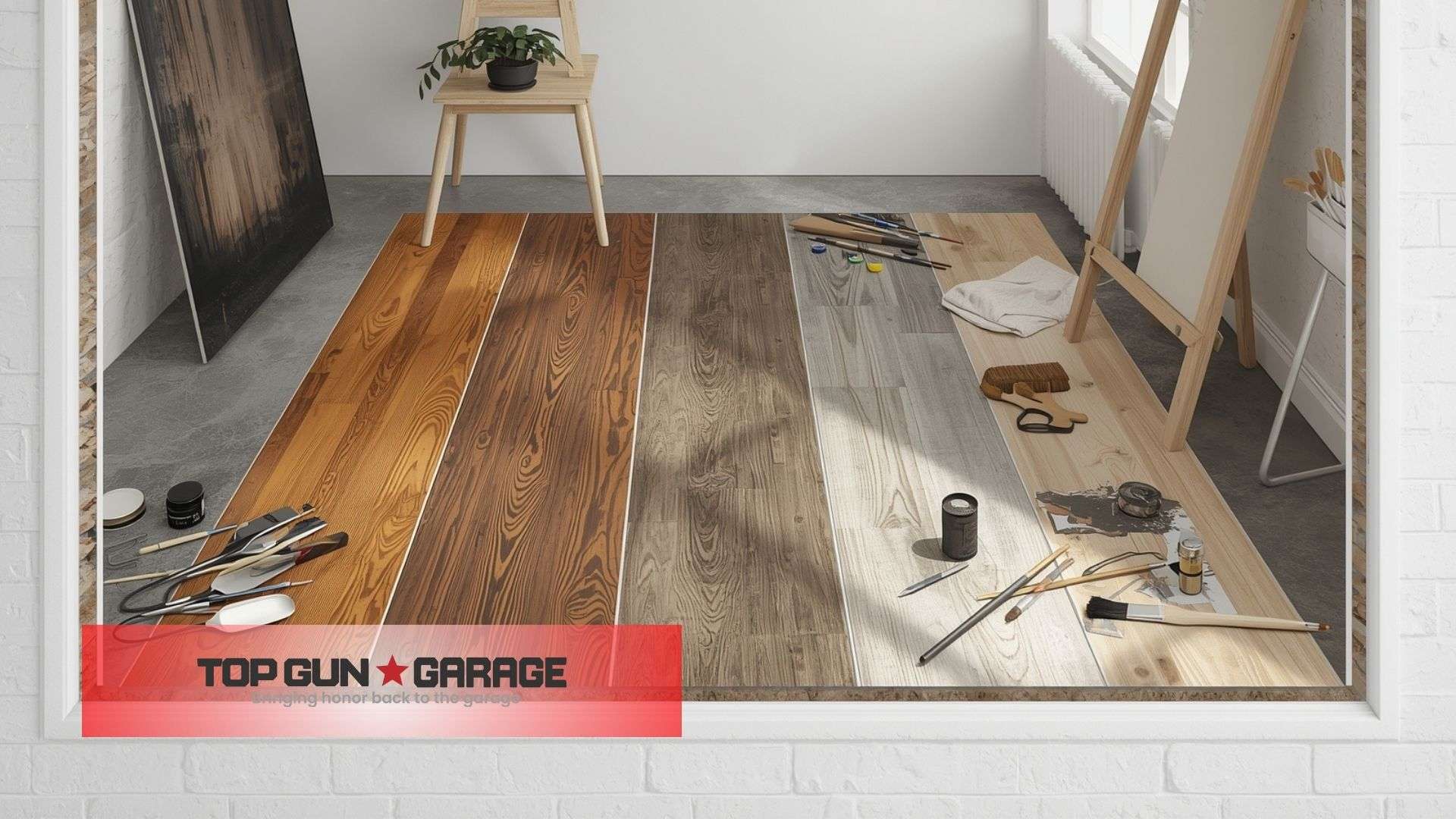
The creative process itself influences flooring needs in ways that might not be immediately obvious. Artists often work in different positions—standing at easels, sitting on stools, or even working directly on the floor. This variety of working positions requires flooring that remains comfortable and supportive regardless of how it’s being used. Temperature regulation also plays a role, as many artistic materials perform better within specific temperature ranges, and flooring can significantly impact the thermal comfort of the space.
Ventilation and air quality concerns intersect with flooring choices in important ways. Some flooring materials can off-gas volatile compounds that interfere with artistic materials or create health concerns in enclosed studio spaces. Natural materials like untreated wood or stone typically provide better air quality than synthetic alternatives, though they may require more maintenance to handle artistic spills and stains.
Lighting interaction represents another crucial consideration often overlooked during the planning phase. Glossy floors can create unwanted reflections that interfere with color perception and artwork photography, while overly matte surfaces might absorb too much light and create a dim working environment. The ideal studio floor strikes a balance that enhances the lighting scheme without creating visual distractions.
Professional assessment of subfloor conditions becomes particularly important in art studios where moisture from cleaning and wet media can cause problems if not properly addressed. Understanding these comprehensive requirements helps artists make informed decisions about their creative spaces. For those considering whether to tackle installation themselves, exploring the advantages of professional installation versus DIY approaches can provide valuable insights into achieving the best results for an artistic workspace.
Polished Concrete: The Modern Artist’s Canvas
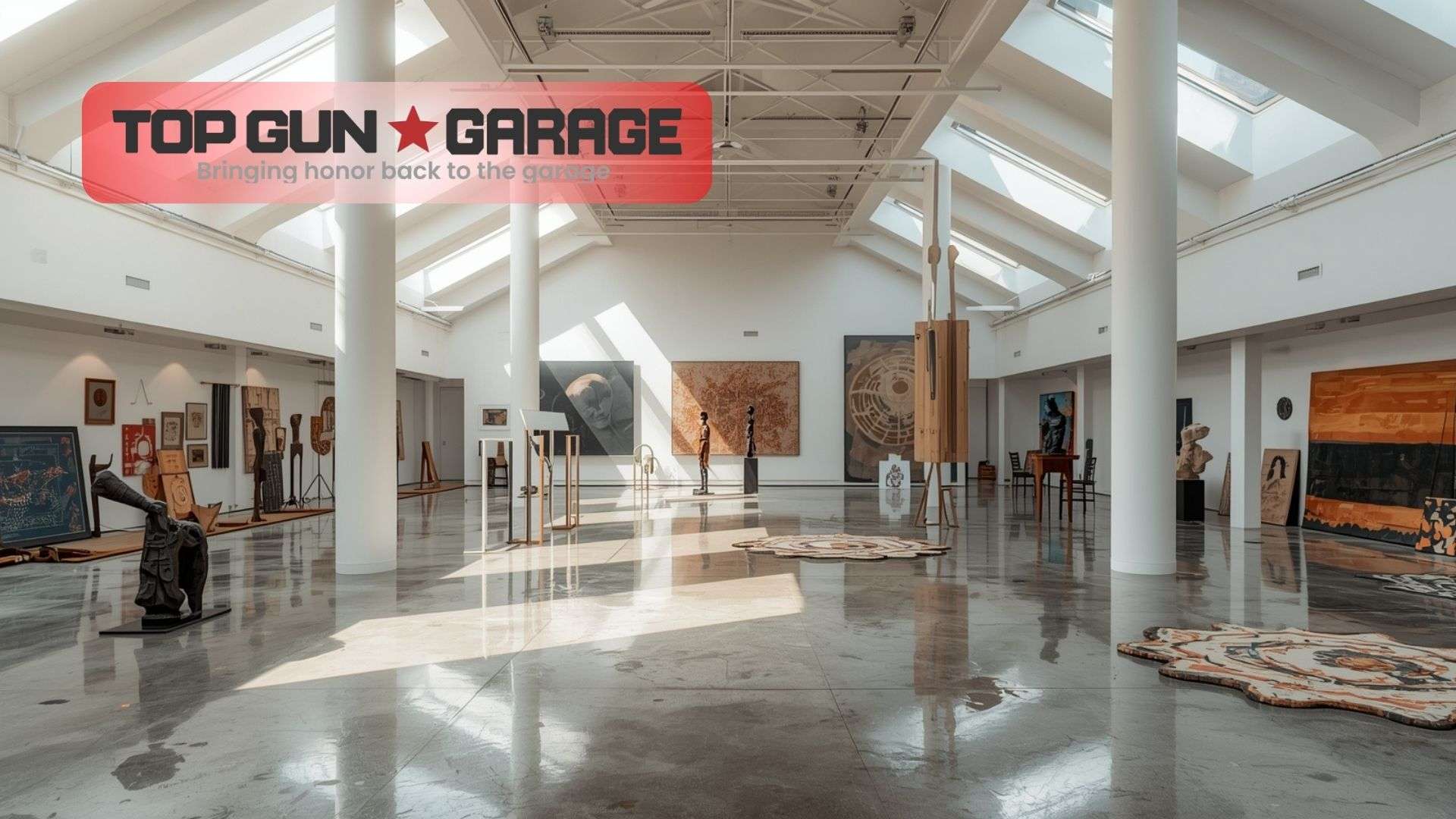
Polished concrete has emerged as the gold standard for contemporary art studios, offering an unparalleled combination of durability, aesthetics, and functionality. This flooring option provides a clean, industrial aesthetic that complements modern artistic sensibilities while delivering practical benefits that support serious creative work. The smooth, seamless surface eliminates grout lines and seams where paint and debris can accumulate, making maintenance straightforward and efficient.
The reflective properties of polished concrete can be customized to achieve the perfect balance for studio lighting. Lower levels of polish provide a more matte finish that reduces glare, while higher polish levels create subtle light reflection that can brighten the space without creating distracting hotspots. This customization allows artists to tailor the floor’s interaction with both natural and artificial light sources to optimize their working conditions.
Chemical resistance stands out as one of polished concrete’s greatest advantages for art studios. Paint thinners, cleaning solvents, and acidic materials that would damage other flooring types can be easily cleaned from properly sealed concrete surfaces. The non-porous nature of polished concrete prevents stains from penetrating the surface, allowing even oil-based paints and permanent markers to be removed with appropriate cleaning techniques.
Temperature stability makes polished concrete an excellent choice for studios in varying climates. The thermal mass of concrete helps regulate temperature fluctuations, creating more consistent working conditions that benefit both artists and their materials. This stability proves particularly valuable for artists working with temperature-sensitive media like chocolate, wax, or certain types of paint that can be affected by rapid temperature changes.
The installation process for polished concrete requires professional expertise to achieve optimal results. Proper grinding, polishing, and sealing techniques ensure the surface meets the demanding requirements of artistic work while maintaining its appearance over time. Understanding different concrete surface preparations is essential for achieving the desired finish. The long-term value of professionally installed polished concrete often exceeds initial cost expectations, as the surface can last decades with minimal maintenance when properly installed and cared for.
Hardwood Flooring: Warmth and Character for Creative Spaces
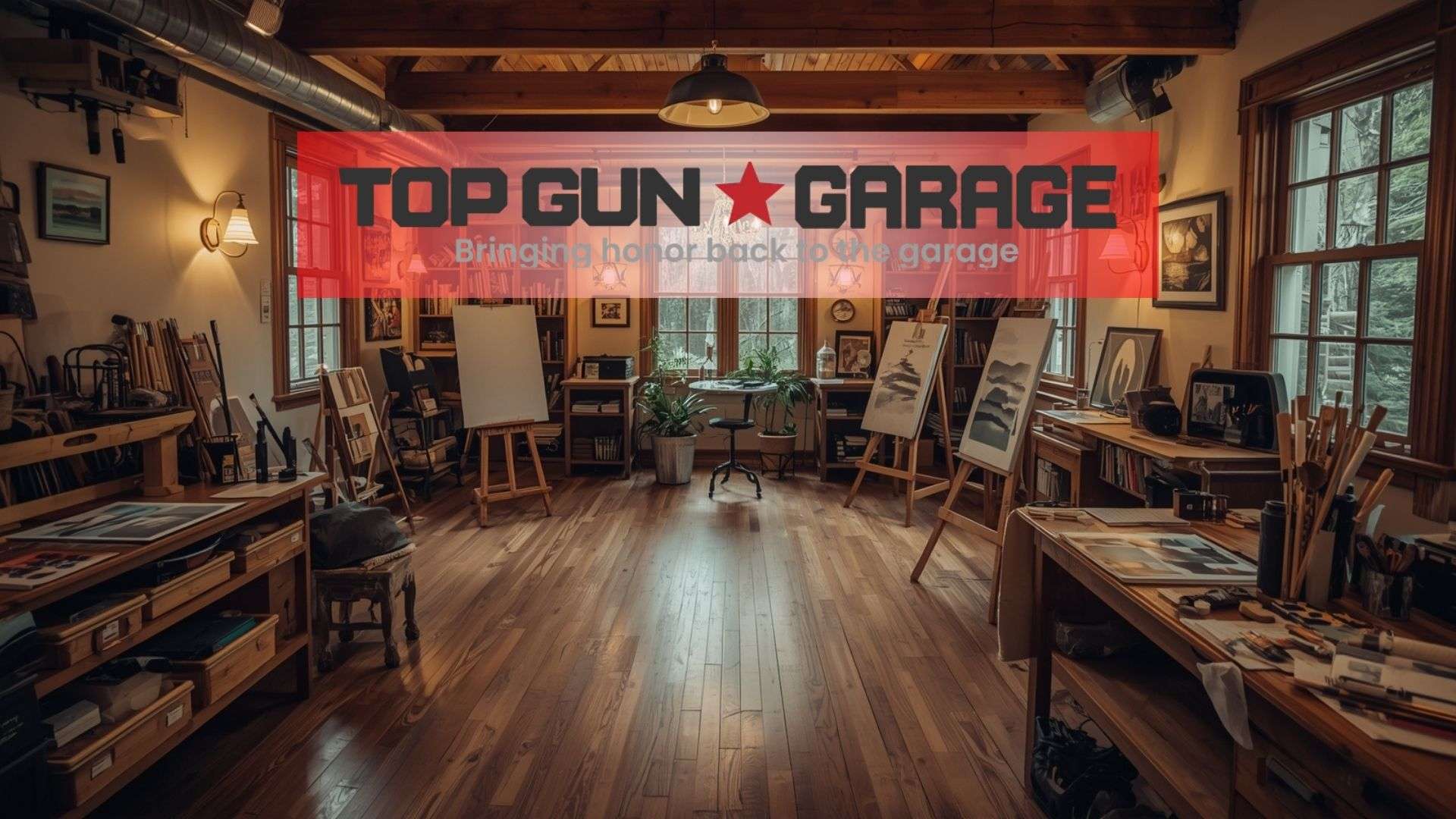
Hardwood flooring brings natural warmth and character to art studios, creating an inviting atmosphere that many artists find conducive to creative expression. The organic patterns and textures inherent in wood grain add visual interest without overwhelming the space, providing a sophisticated backdrop that complements both traditional and contemporary artistic styles. Different wood species offer varying levels of hardness, color, and grain patterns, allowing artists to select options that align with their aesthetic preferences and functional requirements.
The acoustic properties of hardwood create a pleasant working environment that many artists prefer over harder surfaces. Wood naturally dampens sound, reducing the echo and harsh acoustics that can make concrete or tile floors feel cold and institutional. This sound absorption proves particularly valuable for artists who enjoy listening to music while working or who conduct workshops and critiques in their studio spaces.
Maintenance considerations for hardwood in art studios require careful planning and realistic expectations. While modern polyurethane finishes provide excellent protection against most artistic materials, certain solvents and acids can still damage wood surfaces if not cleaned promptly. Regular maintenance, including periodic refinishing, helps preserve the floor’s appearance and protective qualities over time. The ability to sand and refinish hardwood floors means that even significant damage can often be repaired rather than requiring complete replacement.
Comfort underfoot represents one of hardwood’s most appreciated qualities for working artists. The slight give in wood flooring reduces fatigue during long standing sessions, making it easier to maintain focus and energy throughout extended creative work periods. The natural insulation properties of wood also help maintain comfortable foot temperatures, particularly important in studios with concrete subfloors or inadequate heating systems.
Species selection significantly impacts both performance and aesthetics in art studio applications. Harder woods like oak, maple, and hickory resist denting and scratching better than softer species, making them more suitable for studios with heavy equipment or high traffic. Exotic species can provide unique visual character but may require specialized maintenance and finishing products. The grain pattern and color variation within species also influence how well the floor will hide inevitable signs of artistic work, with busier grain patterns typically concealing minor damage better than plain-sawn boards with uniform appearance.
Luxury Vinyl and Laminate: Practical Solutions for Budget-Conscious Artists
Luxury vinyl planks and high-quality laminate flooring offer compelling alternatives for artists seeking the appearance of natural materials without the associated maintenance requirements or costs. Modern manufacturing techniques have dramatically improved the visual authenticity of these products, with many options virtually indistinguishable from real wood or stone at typical viewing distances. This aesthetic appeal, combined with superior resistance to moisture and stains, makes these materials particularly attractive for art studios where spills and accidents are routine occurrences.
Installation advantages make luxury vinyl and laminate appealing options for artists working within tight budgets or timeframes. Many products feature click-lock installation systems that allow for floating floor installation over existing surfaces, potentially eliminating the need for extensive subfloor preparation. This installation method also means the flooring can be removed and relocated if the artist moves studios, providing flexibility that permanent installations cannot match.
Performance characteristics of premium luxury vinyl specifically address many art studio challenges. The completely waterproof nature of quality vinyl planks means that wet media, cleaning solutions, and accidental spills pose no threat to the flooring integrity. The cushioned backing found in many luxury vinyl products provides comfort underfoot while maintaining the durability needed for studio use. Additionally, the surface treatments applied to quality vinyl flooring often include antimicrobial properties that help maintain a healthier studio environment.
Maintenance simplicity represents perhaps the greatest practical advantage of these synthetic flooring options. Regular sweeping and occasional mopping with standard cleaning products keeps the floors looking pristine, regardless of the artistic chaos that might occur during creative sessions. The absence of special cleaning requirements or periodic refinishing means artists can focus their time and resources on their creative work rather than floor maintenance.
Quality considerations become crucial when selecting synthetic flooring for art studio use. Higher-end products offer better wear layers, more realistic textures, and superior locking mechanisms that ensure long-term performance. The thickness of the wear layer directly impacts how well the flooring will resist scratches and scuffs from art equipment, while the quality of the photographic layer affects how realistic the wood or stone appearance remains over time. Investment in quality products within this category often provides better long-term value than choosing the lowest-cost options available.
Specialized Studio Flooring: Epoxy, Rubber, and Composite Options
Epoxy flooring systems represent the ultimate in chemical resistance and customization for art studios with demanding requirements. These seamless, non-porous surfaces can withstand virtually any artistic material while providing unlimited color and pattern options to create truly unique creative environments. Decorative aggregates, metallic pigments, and custom graphics can be incorporated into epoxy systems, allowing artists to create floors that serve as artistic statements in themselves.
The application process for epoxy flooring requires meticulous surface preparation and professional installation to achieve optimal results. Multiple coats of primer, base color, and protective topcoat create a system that can last for decades with minimal maintenance. Understanding what makes epoxy self-healing in minor scratches can help artists appreciate the durability of these systems. The ability to incorporate anti-slip additives makes epoxy suitable for studios where wet processes are common, while the seamless nature eliminates hiding places for dust and debris that could contaminate artistic work.
Rubber flooring brings unique advantages to art studios focused on sculpture, ceramics, or other physically demanding artistic practices. The superior cushioning and shock absorption provided by rubber surfaces significantly reduces fatigue and joint stress during long working sessions. Additionally, rubber’s natural slip resistance and easy cleaning make it ideal for studios where wet clay, glazes, or other slippery materials are regularly used.
Composite flooring systems combine multiple materials to optimize performance for specific artistic applications. Cork-rubber composites provide excellent comfort and acoustic dampening while maintaining resistance to most artistic materials. Vinyl-wood composites offer the appearance of hardwood with enhanced durability and moisture resistance. These hybrid solutions often provide the best balance of aesthetic appeal and functional performance for artists with specific requirements.
Installation complexity varies significantly among specialized flooring options, with some requiring extensive subfloor preparation and others offering more straightforward installation processes. Professional assessment helps determine which specialized options are feasible for specific studio spaces and budgets. The decision-making process should consider not only initial costs but also long-term maintenance requirements and the potential need for future modifications as artistic practices evolve. Understanding the science behind proper surface profiling for floors can help artists appreciate the value of working with experienced professionals who understand the unique demands of creative spaces.
Design Considerations and Color Psychology in Art Studio Floors
The psychological impact of color in creative spaces extends beyond wall treatments to include flooring choices that can significantly influence artistic mood and productivity. Neutral floor colors—grays, beiges, and muted earth tones—provide versatile backdrops that allow artwork to take center stage without visual competition. These neutral palettes also offer practical advantages, as they tend to hide dust, small debris, and minor stains better than stark white or very dark surfaces.
Texture considerations play an equally important role in creating inspiring studio environments. Smooth surfaces promote feelings of precision and control, making them ideal for detailed work like illustration or jewelry making. Slightly textured surfaces can add visual interest and warmth while providing better slip resistance for safety. The interplay between visual texture and tactile experience contributes to the overall sensory environment that influences creative expression.
Pattern integration requires careful balance to avoid overwhelming the creative space while adding visual interest that sparks inspiration. Subtle wood grain patterns or gentle veining in stone-look materials can provide organic visual movement without distraction. Geometric patterns should be used sparingly and only when they complement artistic aesthetic preferences and working style. The goal is to create visual harmony that supports rather than competes with the creative process.
Lighting interaction with flooring colors and finishes dramatically affects the perceived atmosphere of the studio space. Light-colored floors reflect more light and can help brighten spaces with limited natural light, while darker floors absorb light and create more intimate, cozy environments. Understanding how reflective floors reduce energy costs can inform decisions about finish levels. The finish level—matte, satin, or gloss—affects how light bounces around the space and can be selected to optimize the lighting conditions for specific types of artistic work.
Scale and proportion considerations ensure that flooring choices complement the overall studio design and enhance rather than diminish the sense of space. Large-format tiles or wide-plank flooring can make smaller studios feel more spacious, while smaller elements might feel more appropriate in intimate creative spaces. The relationship between floor patterns and ceiling height, wall colors, and furniture placement all contribute to creating a cohesive environment that supports creative inspiration and productive artistic work.
Frequently Asked Questions
What is the most durable flooring option for a high-use art studio?
Polished concrete stands out as the most durable option for high-use art studios, offering exceptional resistance to chemicals, stains, and physical damage. When properly sealed, concrete can withstand decades of heavy use while maintaining its appearance with minimal maintenance.
How do I protect hardwood floors from paint spills and art materials?
Protect hardwood floors with high-quality polyurethane finishes and prompt cleanup of spills. Consider using drop cloths or protective mats in high-risk areas, and maintain proper ventilation to prevent chemical damage from solvents and cleaners.
Are luxury vinyl floors suitable for professional art studios?
Yes, high-quality luxury vinyl planks offer excellent performance for professional studios, providing waterproof protection, easy maintenance, and realistic appearance at a fraction of the cost of natural materials. Choose products with thick wear layers for maximum durability.
What flooring works best for ceramic and pottery studios?
Sealed concrete or specialized rubber flooring work best for ceramic studios due to their resistance to water, clay, and glazes. These materials also provide easy cleanup and can handle the weight of pottery wheels and kilns.
How important is professional installation for art studio flooring?
Professional installation is crucial for art studio flooring success, ensuring proper subfloor preparation, moisture barriers, and finishing techniques that maximize durability and performance. The demanding conditions in art studios require expert installation to achieve optimal results.
Can I install heated floors in my art studio?
Yes, radiant floor heating can be installed under most studio flooring types, providing comfortable working conditions during cold weather. Understanding how heated concrete works with epoxy coatings can help make informed decisions. Ensure compatibility between chosen flooring material and heating system, and consider the thermal requirements of artistic materials.
What’s the best flooring for studios with both wet and dry media?
Epoxy flooring systems or sealed polished concrete work best for mixed-media studios, offering complete moisture resistance while handling dry materials effectively. These seamless surfaces eliminate grout lines where materials can accumulate and are easy to clean thoroughly.
How do I choose flooring colors that won’t interfere with color perception in my artwork?
Select neutral gray or beige flooring colors that won’t cast color reflections onto work. Avoid very light or very dark floors that can affect perception of values in artwork. Test samples under studio lighting before making final decisions.
Conclusion
Selecting the right flooring for an art studio represents a foundational investment in creative practice that will influence both the functionality and inspiration of the workspace for years to come. The perfect floor seamlessly balances aesthetic appeal with practical performance, creating an environment where artistic vision can flourish without the constraints of inadequate or inappropriate surfaces. Whether choosing the industrial elegance of polished concrete, the natural warmth of hardwood, or the practical benefits of modern synthetic materials, the decision should align with both artistic needs and long-term creative goals.
The investment in quality flooring pays dividends through reduced maintenance concerns, enhanced working comfort, and the peace of mind that comes from knowing the creative space can handle whatever artistic challenges are presented. Professional installation ensures that chosen material performs to its full potential, providing the durability and appearance that support rather than hinder creative expression. As artistic practice evolves, a well-chosen floor provides the stable foundation that adapts to new techniques, materials, and creative directions.
At Top Gun Garage, the team understands that art studio floors require specialized knowledge and careful attention to the unique demands of creative spaces. Experience with various flooring materials and installation techniques helps artists make informed decisions that enhance their creative environments while providing lasting value. The right flooring choice transforms a simple room into an inspiring creative sanctuary where artistic dreams become reality, supported by surfaces that encourage rather than limit creative expression.