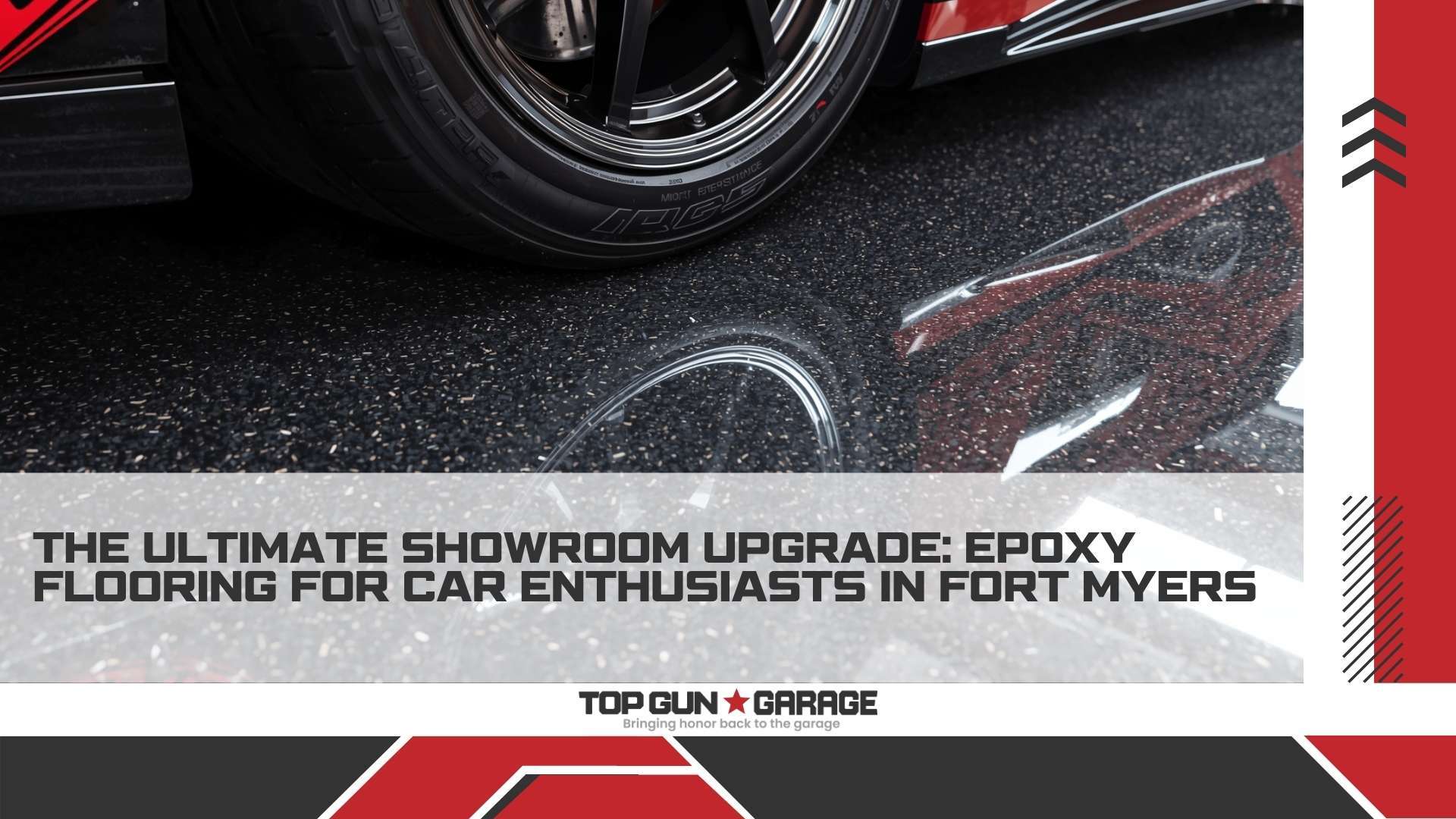
Epoxy flooring Fort Myers car garage installations deliver the showroom-quality finish serious car enthusiasts demand. Professional-grade epoxy systems withstand hot tire pickup, chemical spills, and the relentless humidity that destroys lesser coatings within months. For collectors housing classic muscle cars, exotic imports, or meticulously maintained daily drivers, the right garage floor transforms functional storage into a proper automotive showcase.
According to the Specialty Equipment Market Association (SEMA), the average car enthusiast spends 8-12 hours weekly in their garage. That time deserves a floor that matches the passion invested in the vehicles parked on it. This guide covers everything Fort Myers car collectors need to know about selecting, installing, and maintaining epoxy flooring systems purpose-built for automotive applications.
Why Car Enthusiasts Require Professional-Grade Epoxy
Standard garage floor coatings fail car enthusiasts for one critical reason: hot tire pickup. When you park a vehicle after driving, tire temperatures can exceed 200 degrees Fahrenheit. This heat softens inferior epoxy coatings, causing the surface to bond with the tire rubber. The result is unsightly peel marks and permanent damage within weeks of installation.
Professional automotive-grade epoxy systems incorporate polyaspartic or polyurea topcoats specifically engineered to resist thermal cycling. The International Concrete Repair Institute (ICRI) notes that these advanced formulations maintain structural integrity at temperatures exceeding 300 degrees, providing a substantial safety margin for even the hottest summer parking scenarios in Southwest Florida.
Chemical resistance matters equally for car enthusiasts. Brake fluid, transmission fluid, gasoline, and battery acid attack unprotected concrete within minutes. A properly specified epoxy system creates an impermeable barrier that allows complete cleanup without staining or substrate damage. This protection preserves both the floor and your peace of mind when performing maintenance.
Showroom Floor Design Options for Car Collectors
Metallic Epoxy for Exotic and Luxury Vehicles
Metallic epoxy creates flowing, three-dimensional patterns that rival the paint depth on premium automobiles. Suspended metallic pigments reflect light at different angles, producing movement and visual interest that static colors cannot match. Each installation is unique since installers manipulate the coating during application to create custom swirl patterns, waves, or marble effects.
Popular color combinations for exotic car garages include gunmetal gray with silver highlights, deep blue with pearl accents, and charcoal with copper veining. These sophisticated palettes complement rather than compete with high-end vehicles. Learn more about metallic epoxy flooring options available for Southwest Florida installations.
Cost ranges from $8 to $14 per square foot for professional metallic installations in Fort Myers. A standard three-car collector garage (600-800 square feet) typically runs $5,500-$9,500 fully installed with proper surface preparation and UV-stable topcoats.
Full Broadcast Flake for Classic and Muscle Cars
Full broadcast flake systems scatter colored vinyl chips across the entire surface until no base coat remains visible. This approach creates excellent texture for slip resistance while hiding the inevitable minor scratches and wear that occur in working garages. The multi-tonal appearance also disguises oil drips and dust accumulation between cleanings.
Classic car collectors often select flake blends that reference their vehicle eras. Black and white combinations evoke 1950s and 1960s service stations. Red, white, and blue blends complement American muscle cars. Earth tones suit vintage European sports cars. The full flake epoxy system provides both durability and design flexibility.
Pricing for full broadcast flake runs $6-$9 per square foot installed, making it the most cost-effective option for collectors who prioritize function alongside aesthetics.
Solid Color with Custom Racing Details
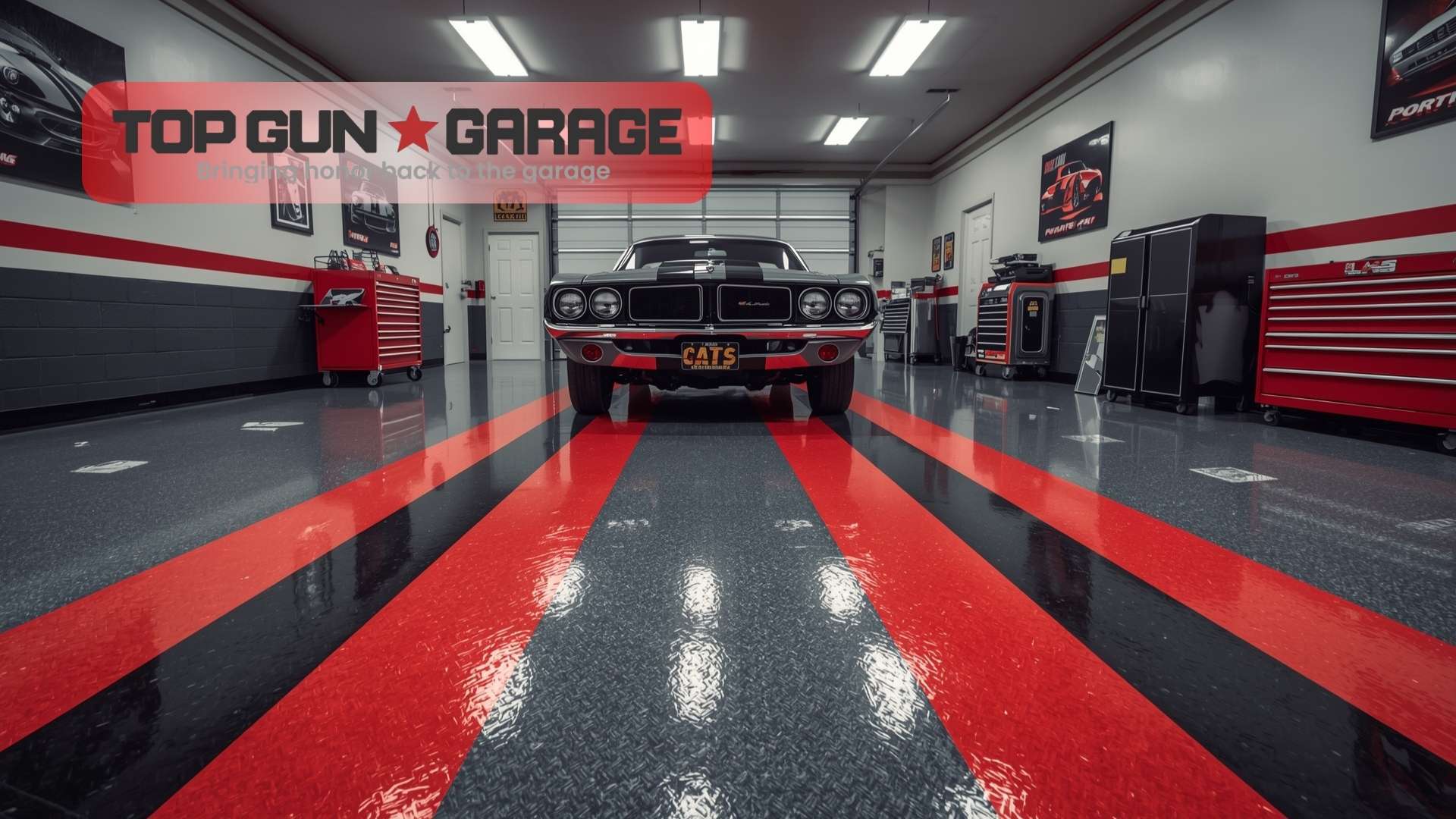
Solid color epoxy provides a clean backdrop that lets vehicles command attention. Adding racing stripes, checkered borders, or manufacturer logo outlines personalizes the space without overwhelming it. Professional installers use precision tape work and contrasting colors to create crisp geometric patterns.
Popular configurations include center racing stripes in brand colors (Ferrari red, Porsche silver, Corvette yellow), checkered flag corners for NASCAR enthusiasts, and perimeter striping that defines parking zones. Custom logo work adds $500-$1,500 depending on complexity and size.
Base solid color systems cost $4-$7 per square foot, with custom detailing adding 15-25% to the total project cost. This option works particularly well for brand-loyal collectors who want their garage to reflect specific automotive heritage.
Epoxy System Comparison for Car Garages
System Type
Cost/Sq Ft
Best For
Hot Tire Rating
Metallic Epoxy
$8-$14
Exotic/Luxury
Excellent
Full Broadcast Flake
$6-$9
Classic/Muscle
Excellent
Solid + Racing Detail
$5-$9
Brand Enthusiasts
Very Good
Quartz Broadcast
$7-$11
Heavy Use/Lifts
Superior
Preventing Hot Tire Pickup in Fort Myers Garages
Hot tire pickup remains the number one complaint among car enthusiasts who chose inferior coating systems. The problem intensifies in Fort Myers where ambient garage temperatures regularly exceed 100 degrees even before accounting for radiant heat from parked vehicles. Understanding the science helps you select the right solution.
Standard epoxy coatings have a glass transition temperature (Tg) between 130-150 degrees Fahrenheit. When surface temperatures exceed the Tg, the coating softens and becomes tacky. Hot tires easily exceed this threshold, especially rear tires on performance vehicles that experience additional heat from acceleration and braking. The softened coating bonds to the tire rubber, then tears away when the vehicle moves.
Professional solutions involve polyaspartic or aliphatic polyurethane topcoats with Tg ratings exceeding 200 degrees. These advanced formulations cost more but eliminate hot tire issues entirely. The causes of hot tire pickup article explains the chemistry in greater detail.
Epoxy Flooring for Garages with Car Lifts
Many serious collectors install two-post or four-post lifts to maximize parking density and facilitate maintenance access. These lifts concentrate enormous loads through small contact points, creating unique demands on garage floor coatings. A four-post lift supporting a 4,000-pound vehicle generates approximately 1,000 PSI at each pad, far exceeding normal traffic loads.
Epoxy systems for lift-equipped garages require additional thickness and reinforcement. Standard 10-12 mil coatings may indent or crack under concentrated loads. Professional installers specify 20-30 mil systems with quartz aggregate reinforcement for lift areas. Some configurations include steel plates embedded in the concrete beneath lift pads for additional load distribution.
Proper preparation becomes even more critical when lifts are involved. The concrete must be structurally sound and free from cracks that could propagate under repeated loading. Professional assessment before installation identifies any remediation needed. Our guide on garage floors that support car lifts safely covers the technical requirements in depth.
Chemical Resistance for Maintenance and Detailing
Car enthusiasts who perform their own maintenance expose garage floors to a range of aggressive chemicals. Brake fluid attacks most coatings within minutes. Transmission fluid and motor oil stain unprotected concrete permanently. Battery acid etches concrete surfaces. Gasoline dissolves many consumer-grade epoxy products.
Professional automotive-grade epoxy systems undergo ASTM chemical resistance testing to verify performance against common automotive fluids. Look for systems rated for at least 24-hour exposure to:
Motor oil (SAE 30 and synthetic), transmission fluid (Dexron and Mercon), brake fluid (DOT 3, 4, and 5.1), antifreeze/coolant (ethylene glycol), gasoline (regular and premium), diesel fuel, battery acid (sulfuric acid), and common detailing chemicals.
Even with chemical-resistant coatings, prompt cleanup remains important. While the coating prevents permanent damage, prolonged exposure can cause temporary discoloration or surface dulling. Keep absorbent materials readily available and wipe spills within minutes for best results. Detailed information on how epoxy floors resist chemicals explains the protective mechanisms.
Chemical Resistance Ratings by Epoxy Type
Chemical
Standard Epoxy
Polyaspartic Top
Motor Oil
24+ hours
72+ hours
Brake Fluid
4-8 hours
24+ hours
Gasoline
1-2 hours
8-12 hours
Battery Acid
2-4 hours
12-24 hours
Antifreeze
24+ hours
72+ hours
Lighting and Floor Finish Interaction
Showroom-quality presentation requires coordination between floor finish and lighting design. High-gloss epoxy floors amplify available light, potentially reducing the number of fixtures needed by 20-30%. However, improperly positioned lights create harsh reflections and glare that obscure vehicle details rather than highlighting them.
Professional garage lighting for car display typically uses diffused LED panels mounted at 8-10 foot intervals rather than concentrated point sources. This approach creates even illumination across the floor surface while minimizing hot spots. Color temperature between 4000K and 5000K approximates natural daylight, rendering vehicle paint colors accurately.
Semi-gloss finishes (40-70 gloss units) often work better than high-gloss for garages with limited lighting control. The reduced reflectivity maintains a premium appearance while proving more forgiving of imperfect fixture placement. Our guide to garage lighting for epoxy floors covers optimal configurations in detail.
Climate Control and Coating Performance
Fort Myers car collectors often invest in garage climate control to protect their vehicles from humidity damage. Air conditioning dramatically improves epoxy floor performance and longevity. Controlled environments eliminate the thermal cycling that stresses coating adhesion and reduce moisture vapor transmission through the concrete slab.
In climate-controlled garages, coating system selection becomes less constrained by thermal concerns. Higher-gloss finishes remain stable without the constant expansion and contraction that causes micro-cracking in unconditioned spaces. Dark colors become viable options since surface temperatures stay within acceptable ranges regardless of exterior conditions.
However, climate control introduces new considerations. The sealed environment requires proper dehumidification to prevent condensation on cold concrete surfaces. Maintaining relative humidity between 40-60% prevents both condensation issues and static electricity buildup that can damage sensitive electronics. Understanding how epoxy floors affect garage temperature helps optimize your climate control settings.
Installation Timeline for Car Collector Garages
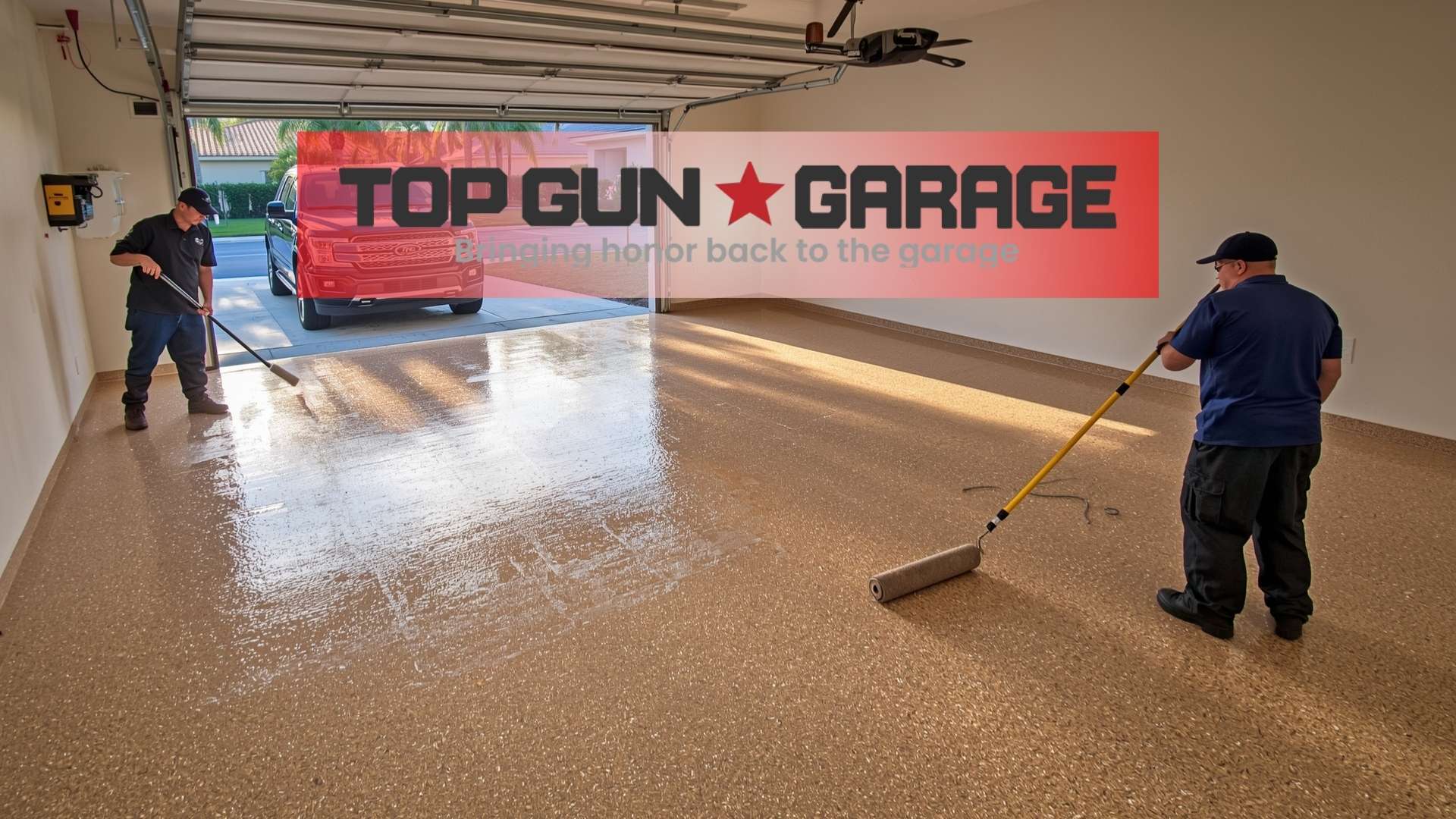
Professional epoxy installation in collector garages typically requires 3-5 days, significantly longer than basic residential applications. The extended timeline reflects the additional preparation and attention to detail these premium installations demand.
Day 1: Complete garage clearing and concrete assessment. Professional crews inspect for cracks, moisture issues, previous coatings, and structural concerns. Any necessary repairs are identified and scheduled.
Day 2: Surface preparation including diamond grinding to achieve proper concrete surface profile (CSP 2-3 for optimal adhesion). Crack repair, joint filling, and moisture mitigation if required.
Day 3: Primer application and initial base coat. For metallic systems, this may include multiple manipulation passes to achieve desired patterns.
Day 4: Flake broadcast (if applicable), additional color coats, and custom detail work such as racing stripes or logos.
Day 5: UV-stable topcoat application and initial cure. Light foot traffic permitted after 24 hours; vehicle parking after 72 hours; full cure in 7 days.
Planning vehicle storage during installation is essential. Most collectors arrange temporary covered parking or coordinate installation during travel periods. The investment in proper installation timing pays dividends in coating longevity and performance.
Maintenance Protocols for Showroom-Quality Floors
Maintaining showroom appearance requires consistent attention but minimal effort with properly installed professional systems. Weekly dust mopping removes abrasive particles before they can scratch the surface. Monthly wet mopping with pH-neutral cleaners maintains shine without damaging the topcoat.
Avoid harsh chemicals including ammonia, bleach, and citrus-based cleaners that can dull or discolor epoxy surfaces over time. Purpose-formulated epoxy floor cleaners cost slightly more than general-purpose products but preserve the coating investment. Detailed maintenance protocols appear in our epoxy floor maintenance guide.
Place protective mats under frequently used work areas and beneath vehicles that may drip fluids. Use soft rubber wheel chocks rather than hard plastic versions that can scratch. Felt or rubber pads under jack stands and tool cabinets prevent point-load damage. These simple precautions extend the pristine appearance indefinitely.
Return on Investment for Collector Garages
Professional epoxy flooring delivers measurable returns for car enthusiasts beyond aesthetic satisfaction. According to the National Association of Realtors, garage improvements rank among the highest-ROI home upgrades, with quality flooring systems returning 60-80% of investment at resale. For collector garages, the premium can exceed 100% when marketing to fellow enthusiasts.
Vehicle protection represents another tangible return. Concrete dust particles act as abrasives that scratch paint and damage finishes. Sealed epoxy floors eliminate dust generation entirely, reducing detailing frequency and preserving vehicle values. For collections worth hundreds of thousands of dollars, this protection alone justifies the flooring investment.
Insurance considerations occasionally favor epoxy-floored garages. Some specialty vehicle insurers view professional garage improvements as risk reduction measures. While not universal, it is worth discussing with your collector car insurance provider. Learn more about how epoxy garage floors impact resale value in Southwest Florida markets.
Frequently Asked Questions
Will epoxy flooring damage my classic car tires?
No, professional-grade epoxy with polyaspartic topcoats will not damage tires. The concern runs opposite: inferior coatings can be damaged by hot tires. Quality systems rated for temperatures exceeding 200 degrees Fahrenheit resist hot tire pickup completely, protecting both the floor and your vehicles.
How long does epoxy flooring last in a car collector garage?
Professional automotive-grade epoxy systems last 15-20 years in collector garages with proper maintenance. Climate-controlled environments extend this further since thermal cycling stress is eliminated. DIY kits typically fail within 2-5 years due to inadequate surface preparation and inferior coating chemistry.
Can I install a car lift on epoxy flooring?
Yes, but the installation must be planned accordingly. Standard epoxy may indent or crack under concentrated lift pad loads exceeding 1,000 PSI. Specify reinforced systems with 20-30 mil thickness and quartz aggregate in lift areas. Some installations include steel reinforcement plates beneath lift pads for additional load distribution.
What epoxy finish is best for displaying exotic cars?
Metallic epoxy finishes complement exotic and luxury vehicles exceptionally well. The three-dimensional depth and flowing patterns create visual interest without competing with the vehicles themselves. Popular combinations include gunmetal gray with silver highlights, deep blue with pearl accents, and charcoal with subtle copper veining.
How do I prevent brake fluid from damaging my epoxy floor?
Professional polyaspartic topcoats resist brake fluid for 24+ hours, providing ample time for cleanup. Keep absorbent materials readily available and wipe spills within minutes for best results. Standard epoxy without advanced topcoats may show damage within 4-8 hours of brake fluid exposure.
How much does a showroom-quality garage floor cost in Fort Myers?
Showroom-quality installations range from $6-$14 per square foot depending on system selection and custom details. A three-car collector garage (600-800 square feet) typically costs $4,500-$9,500 for full flake systems or $5,500-$11,000 for metallic finishes. Custom racing details add $500-$1,500 to these base prices. Request a detailed epoxy garage floor quote for accurate pricing.
Transform Your Fort Myers Car Garage Today
Your vehicles deserve a showroom-quality environment that matches your passion and investment. Top Gun Garage specializes in premium epoxy flooring systems engineered specifically for car enthusiasts throughout Southwest Florida. We understand that collector garages demand more than standard residential solutions.
Our team brings decades of combined experience in automotive-grade flooring installations. We work with you to design custom solutions that complement your collection, accommodate your maintenance needs, and stand up to the unique demands of Fort Myers climate conditions.
Schedule a complimentary consultation to discuss your Fort Myers epoxy garage floor project. We serve collectors and enthusiasts in Fort Myers, Cape Coral, Naples, Bonita Springs, Estero, Marco Island, and surrounding Lee and Collier County communities.
 Skip to content



 Professional automotive-grade epoxy systems incorporate polyaspartic or polyurea topcoats specifically engineered to resist thermal cycling. The International Concrete Repair Institute (ICRI) notes that these advanced formulations maintain structural integrity at temperatures exceeding 300 degrees, providing a substantial safety margin for even the hottest summer parking scenarios in Southwest Florida.
Chemical resistance matters equally for car enthusiasts. Brake fluid, transmission fluid, gasoline, and battery acid attack unprotected concrete within minutes. A properly specified epoxy system creates an impermeable barrier that allows complete cleanup without staining or substrate damage. This protection preserves both the floor and your peace of mind when performing maintenance.
Professional automotive-grade epoxy systems incorporate polyaspartic or polyurea topcoats specifically engineered to resist thermal cycling. The International Concrete Repair Institute (ICRI) notes that these advanced formulations maintain structural integrity at temperatures exceeding 300 degrees, providing a substantial safety margin for even the hottest summer parking scenarios in Southwest Florida.
Chemical resistance matters equally for car enthusiasts. Brake fluid, transmission fluid, gasoline, and battery acid attack unprotected concrete within minutes. A properly specified epoxy system creates an impermeable barrier that allows complete cleanup without staining or substrate damage. This protection preserves both the floor and your peace of mind when performing maintenance.
 Epoxy systems for lift-equipped garages require additional thickness and reinforcement. Standard 10-12 mil coatings may indent or crack under concentrated loads. Professional installers specify 20-30 mil systems with quartz aggregate reinforcement for lift areas. Some configurations include steel plates embedded in the concrete beneath lift pads for additional load distribution.
Proper preparation becomes even more critical when lifts are involved. The concrete must be structurally sound and free from cracks that could propagate under repeated loading. Professional assessment before installation identifies any remediation needed. Our guide on garage floors that support car lifts safely covers the technical requirements in depth.
Epoxy systems for lift-equipped garages require additional thickness and reinforcement. Standard 10-12 mil coatings may indent or crack under concentrated loads. Professional installers specify 20-30 mil systems with quartz aggregate reinforcement for lift areas. Some configurations include steel plates embedded in the concrete beneath lift pads for additional load distribution.
Proper preparation becomes even more critical when lifts are involved. The concrete must be structurally sound and free from cracks that could propagate under repeated loading. Professional assessment before installation identifies any remediation needed. Our guide on garage floors that support car lifts safely covers the technical requirements in depth.