



When you’ve invested in a beautiful epoxy floor for your garage, proper lighting becomes crucial to showcase its stunning appearance and maximize its functionality. The right garage lighting for epoxy floors can transform your space from a dark, utilitarian area into a bright, welcoming environment that highlights every detail of your flooring investment. Whether you’re working on projects, displaying vehicles, or simply using your garage for storage, the lighting you choose will dramatically impact how your epoxy floor looks and performs.
Epoxy floors are known for their glossy, reflective surfaces that can create mirror-like finishes when properly installed and maintained. However, without adequate lighting, these beautiful floors can appear dull and lifeless, failing to showcase the depth, color, and decorative elements that make them so appealing. The interplay between light and your epoxy surface creates visual interest through reflections, highlights texture variations, and brings out the true colors of your flooring system.
Selecting appropriate garage lighting options involves more than simply installing the brightest fixtures available. You need to consider factors such as light distribution, color temperature, fixture placement, and how different lighting types interact with your specific epoxy finish. Poor lighting choices can create harsh shadows, uneven illumination, or glare that makes your garage uncomfortable to work in and fails to highlight your floor’s best features.
The challenge lies in balancing functional lighting needs with aesthetic considerations. Your garage lighting must provide sufficient illumination for tasks like automotive work, woodworking, or general maintenance while also creating an environment that showcases your epoxy floor’s beauty. This requires understanding how different lighting technologies, placement strategies, and design approaches work together to create the perfect lighting ecosystem for your space.
Modern garage lighting technology offers numerous options, from traditional fluorescent fixtures to advanced LED systems with smart controls. Each option has unique characteristics that affect how light interacts with your epoxy floor’s surface. Understanding these differences helps you make informed decisions that will enhance your garage’s functionality and visual appeal for years to come.
Key Takeaways
LED lighting provides superior performance for epoxy floors, offering bright, even illumination with excellent color rendering that brings out the true beauty of your flooring investment while consuming less energy than traditional options.
Color temperature significantly impacts appearance – choosing lights between 4000K-5000K provides optimal visibility and makes epoxy floors appear vibrant and true-to-color without creating harsh or unnatural lighting conditions.
Proper fixture placement eliminates shadows and hot spots by distributing light evenly across the entire floor surface, preventing dark areas that can hide imperfections or make navigation difficult during detailed work.
Light output calculations ensure adequate brightness – aim for 50-75 lumens per square foot in garages to provide sufficient illumination for both general use and detailed tasks while highlighting your epoxy floor’s reflective qualities.
Dimming capabilities add versatility to your lighting system, allowing you to adjust brightness levels for different activities while creating ambient lighting that showcases your epoxy floor during casual use or entertaining.
Quality fixtures withstand garage environments – selecting lights rated for temperature fluctuations, humidity, and dust ensures long-term performance and consistent illumination of your epoxy flooring investment.
Strategic accent lighting enhances visual appeal by adding depth and dimension to your space while highlighting specific areas or features of your epoxy floor design, creating a more sophisticated and welcoming environment.
Understanding How Light Interacts with Epoxy Surfaces
Epoxy floors possess unique optical properties that make lighting selection particularly important for achieving optimal visual results. The glossy, reflective nature of cured epoxy creates a surface that can either enhance or diminish the effectiveness of your lighting system depending on how well the two elements work together. Understanding these interactions helps you make lighting choices that complement rather than compete with your flooring investment.
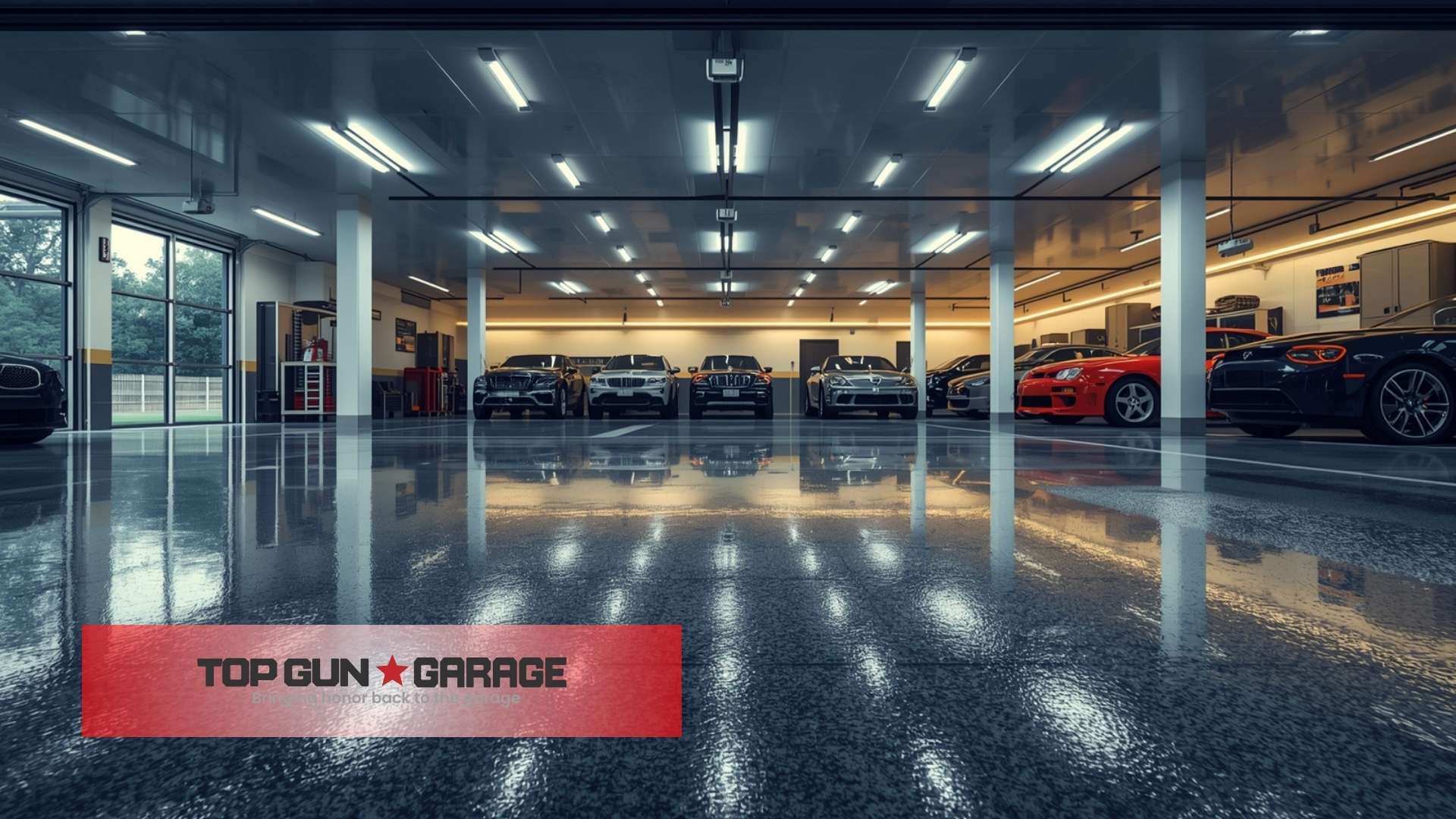
The reflective properties of epoxy floors can amplify light throughout your garage space, effectively increasing the perceived brightness and reducing the number of fixtures needed for adequate illumination. However, this same reflectivity can create challenges if lights are positioned incorrectly, potentially causing glare or creating mirror-like reflections that become distracting or uncomfortable. The key lies in understanding how to harness these reflective properties to your advantage.
Different epoxy finishes interact with light in varying ways. High-gloss systems create the most dramatic reflections and light amplification, while satin or matte finishes provide more subtle light diffusion. Decorative epoxy systems with flakes, quartz, or metallic elements add complexity to light interaction, as these components can create sparkle effects, depth illusions, and color variations that change based on viewing angle and light source characteristics.
Color temperature plays a crucial role in how your epoxy floor appears under different lighting conditions. Warmer light temperatures can make certain epoxy colors appear more yellow or orange, while cooler temperatures might emphasize blue or gray undertones. This interaction between light color and epoxy pigments affects the overall aesthetic of your garage and should be considered when selecting both flooring and lighting systems. According to the Illuminating Engineering Society, proper color rendering enhances material perception in reflective environments.
LED Lighting: The Superior Choice for Epoxy Floors
LED technology has revolutionized garage lighting, offering numerous advantages that make it the ideal choice for showcasing epoxy floors. Unlike traditional incandescent or fluorescent options, LEDs produce bright, consistent light with excellent color rendering properties that bring out the true beauty of your epoxy flooring system. The directional nature of LED light output allows for precise control over illumination patterns, reducing waste and ensuring light reaches where it’s needed most.
Energy efficiency represents one of the most compelling reasons to choose LED garage lighting options. LEDs consume significantly less electricity than traditional lighting technologies while producing equivalent or superior light output. This efficiency translates to lower operating costs and reduced heat generation, which is particularly beneficial in garage environments where temperature control can be challenging. The reduced heat output also prevents thermal stress on your epoxy floor, helping maintain its appearance and integrity over time.
The longevity of LED fixtures makes them particularly cost-effective for garage applications. Quality LED lights can operate for 25,000 to 50,000 hours or more, compared to just 1,000 hours for incandescent bulbs or 8,000 hours for fluorescent tubes. This extended lifespan means fewer replacements, reduced maintenance costs, and consistent lighting quality that keeps your epoxy floor looking its best year after year.
LED lights offer superior color rendering index (CRI) ratings, typically ranging from 80 to 95 or higher. This excellent color rendering ensures that your epoxy floor’s colors appear accurate and vibrant, rather than washed out or distorted. Whether you’ve chosen a solid color system, decorative flake pattern, or metallic finish, LED lighting will showcase these design elements in their true colors, maximizing the visual impact of your flooring investment.
Modern LED garage lighting systems often include dimming capabilities and smart controls, allowing you to adjust brightness levels and even color temperature to suit different activities or moods. This flexibility lets you create bright, task-oriented lighting for detailed work while also providing softer ambient lighting that highlights your epoxy floor’s beauty during casual use or when entertaining guests in your garage space.
Calculating Light Requirements and Fixture Placement
Determining the appropriate amount of light for your garage requires careful calculation based on space dimensions, intended use, and the specific characteristics of your epoxy floor. The general recommendation for garage lighting calls for 50-75 lumens per square foot, but this baseline should be adjusted based on factors such as ceiling height, wall colors, and the reflective properties of your specific epoxy system. Higher gloss epoxy floors may require slightly less direct lighting due to their light-amplifying properties, while matte finishes might need additional illumination to achieve the same perceived brightness.
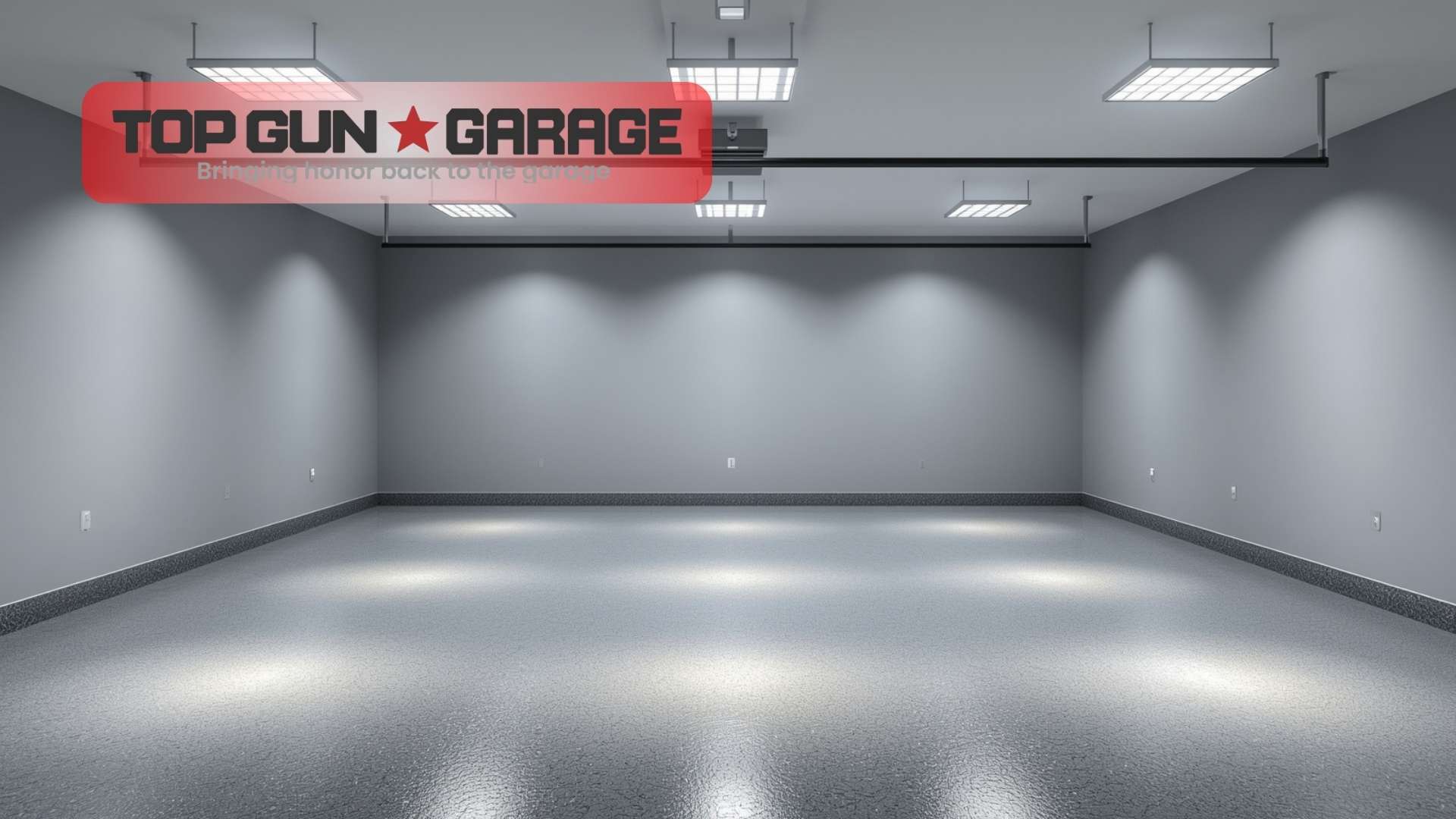
Fixture placement strategy significantly impacts how effectively your lighting showcases your epoxy floor. The goal is to create even illumination across the entire floor surface while minimizing shadows and avoiding glare. A common approach involves spacing fixtures in a grid pattern, with the distance between fixtures roughly equal to two-thirds of the mounting height. For standard 8-foot garage ceilings, this translates to fixture spacing of approximately 5-6 feet on center.
Consider the specific activities that will take place in your garage when planning fixture placement. Areas designated for detailed work, such as workbenches or vehicle maintenance zones, may require additional task lighting to supplement general illumination. These supplementary fixtures should be positioned to minimize shadows on work surfaces while avoiding glare that could interfere with precision tasks or create uncomfortable working conditions.
The reflective nature of epoxy floors can help distribute light throughout your garage, but it also requires careful attention to fixture positioning to prevent unwanted reflections. Avoid placing lights directly overhead where you’ll frequently be working, as these can create distracting reflections in your line of sight. Instead, consider slightly offsetting fixtures or using multiple smaller lights rather than fewer large ones to achieve better light distribution and reduce hot spots. Energy Star guidelines recommend even distribution for high-reflectance surfaces.
Ceiling height affects both the number of fixtures needed and their optimal placement. Higher ceilings require more powerful fixtures or additional units to achieve adequate floor-level illumination, but they also provide more flexibility in positioning lights to minimize glare and optimize distribution. Lower ceilings may require careful fixture selection to avoid creating harsh lighting conditions while still providing sufficient illumination to showcase your epoxy floor effectively.
Color Temperature and Its Impact on Epoxy Floor Appearance
Color temperature, measured in Kelvin (K), dramatically affects how your epoxy floor appears and how comfortable your garage environment feels. Understanding the relationship between light color and epoxy floor aesthetics helps you select lighting that enhances rather than detracts from your flooring investment. The wrong color temperature can make even the most beautiful epoxy floor appear dull, distorted, or uninviting, while the right choice brings out vibrant colors and creates an appealing atmosphere.
For garage lighting for epoxy floors, the optimal color temperature range typically falls between 4000K and 5000K, often referred to as neutral white or cool white. This range provides excellent color rendering that makes epoxy floors appear vibrant and true to their actual colors while creating a clean, modern atmosphere that feels neither too warm nor too harsh. Lights in this range also provide good contrast and visibility for detailed work while maintaining visual comfort during extended periods in the space.
Warmer color temperatures (2700K-3000K) create a more residential, cozy atmosphere but may not be ideal for showcasing epoxy floors. These warmer lights can make white or light-colored epoxy appear yellow or cream-colored, while affecting the appearance of decorative elements like metallic flakes or colored aggregates. However, warmer lighting might be appropriate for garage spaces used primarily for relaxation or entertaining, where ambiance takes priority over task visibility.
Cooler color temperatures (5500K-6500K) provide excellent visibility and can make colors appear very crisp and bright, but they may create a harsh, clinical atmosphere that feels uncomfortable for extended use. These cooler lights work well for detailed automotive work or precision tasks but might make your garage feel cold and uninviting for general use. The high contrast provided by cool lighting can also emphasize imperfections in your epoxy floor that might be less noticeable under warmer light.
Consider implementing multiple color temperature zones or tunable LED systems that allow you to adjust color temperature based on current needs. This flexibility lets you optimize lighting for different activities while always maintaining the ability to showcase your epoxy floor in its best light. Some modern LED systems offer preset modes that automatically adjust both brightness and color temperature based on time of day or specific activities.
Fixture Types and Installation Considerations
Selecting appropriate fixture types for your garage involves balancing performance, aesthetics, installation requirements, and long-term maintenance needs. Different fixture styles interact with epoxy floors in unique ways, and understanding these differences helps you choose options that provide optimal illumination while complementing your garage’s overall design. The fixture type you select also affects installation complexity, ongoing maintenance requirements, and future flexibility for lighting modifications.
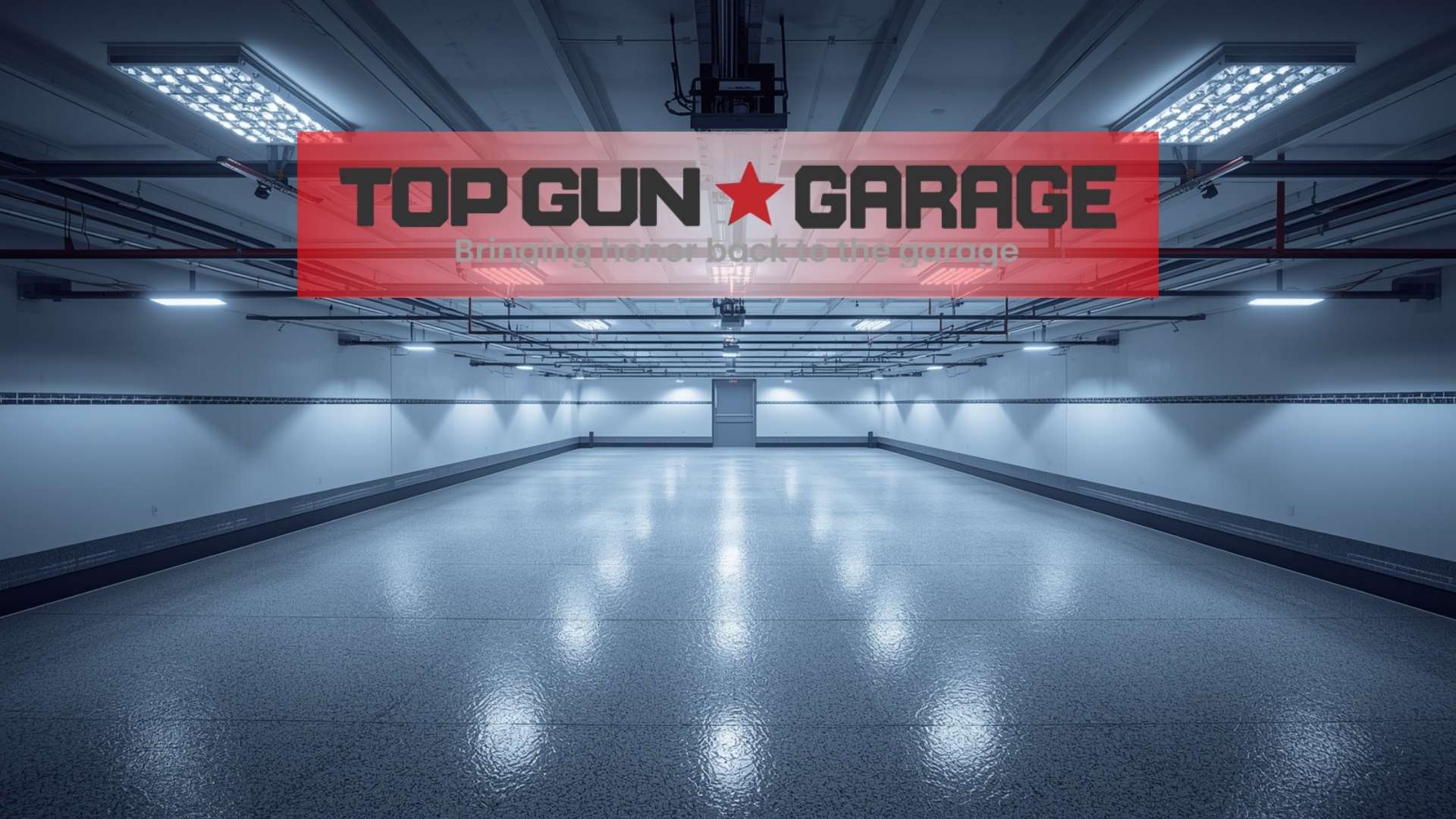
Linear LED fixtures, often called shop lights or strip lights, represent one of the most popular garage lighting options due to their excellent light distribution and relatively simple installation. These fixtures provide even illumination across large areas, making them ideal for showcasing the continuous surface of epoxy floors. Available in various lengths and mounting options, linear fixtures can be surface-mounted, suspended, or recessed depending on your garage’s construction and aesthetic preferences.
High-bay LED fixtures work well in garages with higher ceilings, providing powerful illumination from a central mounting point. These fixtures typically offer excellent light output and can effectively illuminate large areas from a single location. However, careful attention to beam angle and light distribution is essential to ensure even coverage across your epoxy floor without creating hot spots or dark areas that detract from the overall appearance.
Recessed LED downlights create a clean, finished appearance that works particularly well with polished epoxy floors. These fixtures mount flush with the ceiling surface, eliminating protruding elements that might collect dust or interfere with garage door operation. Recessed fixtures require more complex installation, typically involving ceiling modifications, but they provide excellent light control and can be precisely positioned to optimize epoxy floor illumination.
Track lighting systems offer maximum flexibility for garage lighting, allowing you to position and reposition fixtures as needed to accommodate changing uses or highlight specific areas of your epoxy floor. This adaptability makes track systems ideal for garages that serve multiple purposes or undergo frequent layout changes. Modern LED track fixtures provide excellent performance while maintaining the flexibility that makes these systems so appealing.
Installation considerations include electrical capacity, mounting options, and integration with existing garage systems. Ensure your electrical system can handle the load requirements of your chosen fixtures, and consider whether you need additional circuits or electrical upgrades. Plan fixture mounting to avoid interference with garage doors, storage systems, or other overhead elements while maintaining optimal light distribution across your epoxy floor surface.
Frequently Asked Questions
What type of lighting works best with glossy epoxy floors?
LED fixtures with diffused lenses work best with glossy epoxy floors as they provide bright, even illumination while minimizing harsh reflections. Choose fixtures with good light distribution and avoid highly directional lights that can create uncomfortable glare off the reflective surface.
How many lumens do I need for my garage with an epoxy floor?
Plan for 50-75 lumens per square foot for general garage lighting. A typical two-car garage (400 square feet) would need 20,000-30,000 total lumens. Epoxy floors’ reflective properties may allow you to use the lower end of this range while still achieving excellent visibility.
Should I use warm or cool white lights with my epoxy floor?
Neutral to cool white lights (4000K-5000K) work best with epoxy floors, providing excellent color rendering and visibility without appearing too harsh. This color temperature range showcases epoxy colors accurately while creating a clean, modern atmosphere.
Can I install garage lighting myself or do I need an electrician?
Simple fixture replacements using existing wiring can often be DIY projects, but new circuits, complex installations, or modifications to electrical systems should be handled by qualified electricians to ensure safety and code compliance.
How do I prevent glare from my epoxy floor?
Position fixtures to avoid direct reflection into your typical line of sight, use fixtures with good light distribution rather than highly focused beams, and consider multiple smaller fixtures instead of fewer large ones to reduce hot spots and glare.
What’s the best way to light a garage workbench area with an epoxy floor?
Combine general overhead lighting with dedicated task lighting positioned to minimize shadows on the work surface. Under-cabinet LED strips or adjustable task lights work well for workbench areas while complementing the overall garage lighting scheme.
How long do LED garage lights typically last?
Quality LED fixtures typically last 25,000-50,000 hours or more, which translates to 10-20 years of normal garage use. This longevity makes LEDs particularly cost-effective despite higher initial costs compared to traditional lighting options.
Can smart lighting controls work with garage lighting systems?
Yes, many modern LED fixtures are compatible with smart controls, allowing you to adjust brightness, color temperature, and scheduling through smartphone apps or voice commands. Smart controls add convenience and can help optimize lighting for different garage activities.
Conclusion
Choosing the right garage lighting for epoxy floors requires careful consideration of multiple factors, from technical specifications like lumens and color temperature to practical concerns such as fixture placement and installation requirements. The investment you’ve made in a beautiful epoxy floor deserves lighting that showcases its best features while providing the functionality you need for your garage activities. By understanding how light interacts with epoxy surfaces and selecting appropriate garage lighting options, you can create a space that’s both highly functional and visually stunning.
LED technology clearly emerges as the superior choice for garage applications, offering the perfect combination of efficiency, longevity, and performance needed to highlight epoxy floors effectively. The ability to achieve excellent color rendering, precise light control, and energy efficiency makes LED fixtures the ideal investment for long-term satisfaction with your garage lighting system. Whether you choose linear fixtures, recessed downlights, or flexible track systems, LED technology provides the foundation for outstanding results.
Remember that proper planning and installation are just as important as selecting quality fixtures. Taking time to calculate light requirements, plan fixture placement, and consider how different elements work together will ensure your lighting system performs optimally for years to come. At Top Gun Garage, we understand the importance of showcasing your epoxy floor investment with appropriate lighting that enhances both functionality and aesthetics. The right lighting transforms your garage from a simple storage space into an environment you’ll be proud to show off, whether you’re working on projects, displaying vehicles, or simply enjoying the beauty of your expertly finished epoxy floor.