 Skip to content




When planning a concrete flooring project, selecting the right aggregate materials can make the difference between a surface that lasts decades and one that requires costly repairs within just a few years. Different aggregate options and their benefits play a crucial role in determining the strength, durability, appearance, and overall performance of your concrete floors. Whether you’re considering a residential garage floor, commercial warehouse space, or industrial facility, understanding how various aggregates impact your project’s outcome is essential for making informed decisions.
Aggregate materials typically comprise 60-75% of concrete’s total volume, making them far more than just filler material. These components directly influence the concrete’s compressive strength, workability during installation, thermal properties, and resistance to wear and weathering. The aggregate selection process involves balancing multiple factors including local availability, project budget, intended use, aesthetic preferences, and long-term maintenance requirements.
Natural aggregates like crushed stone, gravel, and sand have been the traditional choice for concrete projects, offering proven performance and widespread availability. However, modern construction increasingly incorporates recycled materials, lightweight alternatives, and specialty aggregates designed for specific applications. Each option brings unique characteristics that can enhance certain aspects of your flooring while potentially creating trade-offs in other areas.
The size distribution, or gradation, of aggregates also significantly impacts concrete performance. Well-graded aggregates with a proper mix of large and small particles create denser concrete with fewer voids, resulting in stronger, more durable floors. Understanding these relationships helps contractors and property owners select aggregate combinations that optimize performance for their specific applications while staying within budget constraints.
Climate considerations further complicate aggregate selection, as materials must withstand local temperature variations, moisture levels, and freeze-thaw cycles. What works excellently in a warm, dry climate might fail prematurely in regions experiencing harsh winters or high humidity. Professional flooring contractors evaluate these environmental factors alongside project requirements to recommend aggregate options that will perform reliably throughout the floor’s intended lifespan.
Key Takeaways
Aggregate composition significantly impacts concrete strength: The type, size, and quality of aggregates directly influence the compressive strength and durability of your concrete flooring, with properly selected materials contributing to floors that can withstand heavy loads and resist cracking for decades.
Natural aggregates offer proven reliability: Crushed stone, gravel, and sand provide excellent structural properties with predictable performance characteristics, making them ideal for most commercial and residential flooring applications where long-term reliability is paramount.
Recycled aggregates support sustainability goals: Recycled concrete, crushed brick, and other reclaimed materials can reduce project costs while minimizing environmental impact, though they require careful evaluation to ensure they meet performance requirements for your specific application.
Specialty aggregates enable unique properties: Lightweight aggregates reduce structural load requirements, while high-strength options support heavy-duty applications, and decorative aggregates can create attractive exposed aggregate finishes that combine functionality with aesthetic appeal.
Proper gradation optimizes concrete performance: Well-graded aggregate mixes with appropriate size distributions create denser concrete with fewer voids, resulting in stronger floors with better resistance to water penetration and chemical attack.
Local availability affects project economics: Transportation costs can significantly impact aggregate pricing, making locally sourced materials more economical while also reducing the project’s carbon footprint and supporting regional suppliers.
Climate compatibility ensures long-term performance: Aggregates must be selected based on local environmental conditions, including freeze-thaw cycles, moisture exposure, and temperature variations that could cause expansion, contraction, or deterioration over time.
Understanding Aggregate Fundamentals
Aggregates form the backbone of concrete flooring systems, providing the structural framework that gives concrete its strength and stability. These materials are classified into two main categories: fine aggregates (typically sand particles smaller than 4.75mm) and coarse aggregates (larger particles ranging from 4.75mm to 37.5mm or more). The interaction between these different sizes creates a matrix that, when combined with cement paste, forms the durable surface we rely on for various flooring applications.
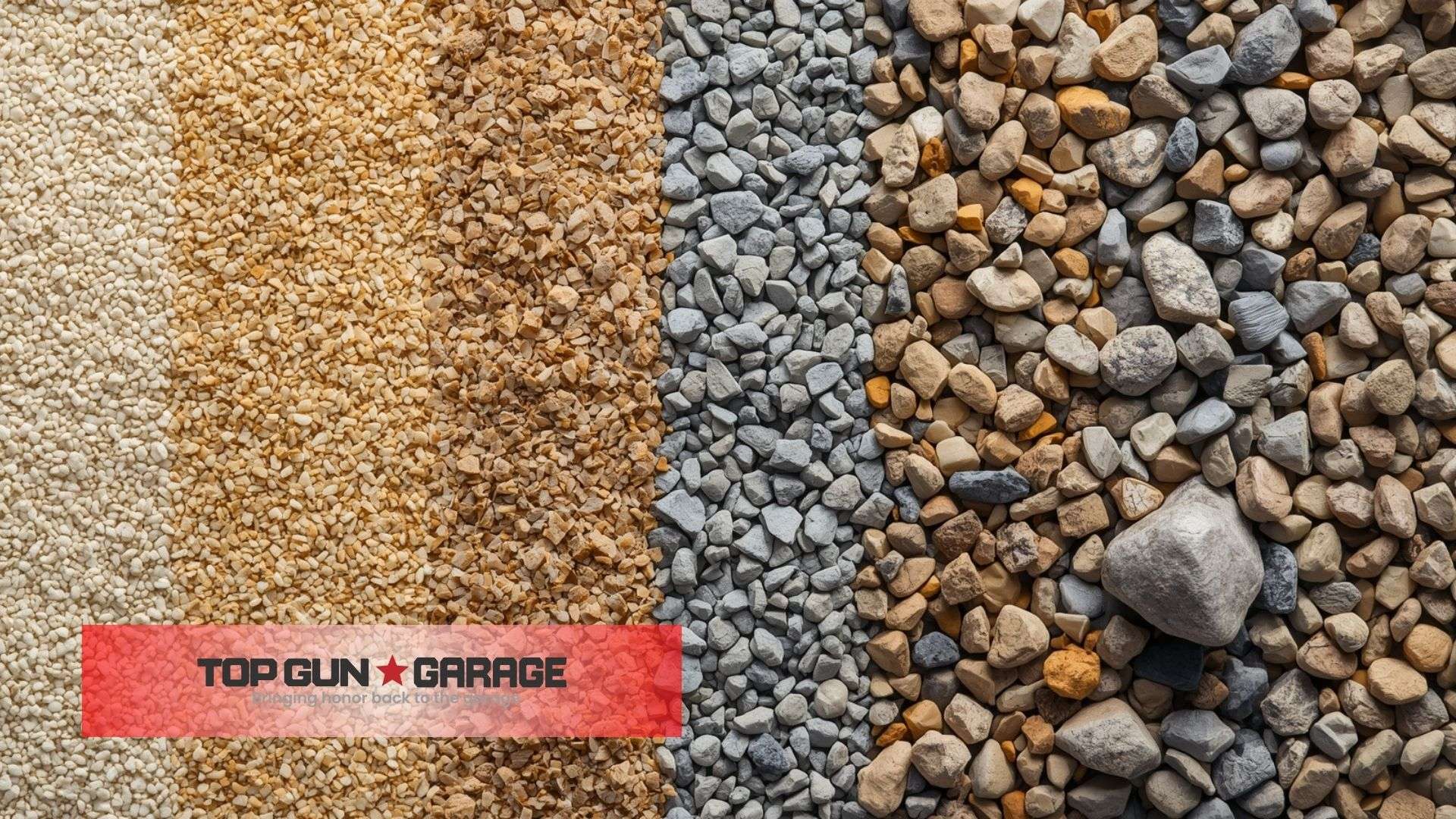
The selection process for aggregates involves evaluating multiple physical and chemical properties that directly impact concrete performance. Hardness determines how well the aggregate will resist abrasion and wear, particularly important for industrial floors subjected to heavy traffic or equipment loads. Porosity affects the aggregate’s ability to absorb water, which can influence concrete’s freeze-thaw resistance and overall durability in varying climate conditions.
Shape characteristics of aggregate particles also play a crucial role in concrete workability and final strength. Angular particles, typically produced by crushing operations, provide better mechanical bonding within the concrete matrix, resulting in higher strength but potentially reducing workability during placement. Rounded particles, often found in natural gravel deposits, improve workability and reduce water requirements but may not achieve the same ultimate strength as angular alternatives.
Chemical compatibility between aggregates and cement is another critical consideration, particularly when dealing with potentially reactive materials. Alkali-silica reaction (ASR) can occur when certain silica-bearing aggregates react with alkalis in cement, causing expansion and cracking over time. Professional evaluation of aggregate sources helps identify and avoid materials that might cause such problems, ensuring long-term floor performance and avoiding costly repairs.
Natural Aggregate Options
Crushed stone represents one of the most versatile and widely used aggregate options for concrete flooring projects. Produced by mechanically crushing larger rocks, this material offers excellent strength characteristics due to its angular particle shape and consistent quality control during production. Limestone, granite, basalt, and quartzite are common source rocks, each bringing specific properties to the concrete mix. Limestone-based crushed stone provides good workability and is readily available in most regions, while granite offers superior hardness and abrasion resistance for high-traffic applications.
Natural gravel aggregates, formed through geological weathering processes, present a cost-effective option for many flooring projects. River gravel and pit-run materials offer good strength properties with excellent workability due to their rounded particle shapes. The smooth surfaces of natural gravel particles require less water in the concrete mix, potentially improving the final strength and reducing shrinkage. However, the rounded shape may result in slightly lower ultimate strength compared to angular crushed stone, making gravel more suitable for moderate-duty applications rather than heavy industrial floors.
Sand aggregates fill the fine particle requirements in concrete mixes, with natural river sand, manufactured sand, and specialty sands each offering different characteristics. Natural river sand provides excellent workability and has been the traditional choice for concrete production. Manufactured sand, produced by crushing larger stones, offers more consistent gradation and can be engineered to meet specific project requirements. The choice between natural and manufactured sand often depends on local availability, environmental regulations, and specific performance requirements.
Regional geology significantly influences the availability and characteristics of natural aggregates. Coastal areas may have abundant sand and gravel deposits but limited crushed stone sources, while mountainous regions might offer excellent quarried stone but require imported sand. Understanding local aggregate sources helps optimize project costs while ensuring material quality. Many successful flooring projects benefit from combining multiple aggregate sources to achieve the ideal gradation and performance characteristics for specific applications.
Quality control measures for natural aggregates include testing for gradation, soundness, abrasion resistance, and potential chemical reactivity. ASTM standards provide guidelines for evaluating aggregate quality, ensuring materials meet minimum requirements for concrete construction. Regular testing throughout the project helps maintain consistent concrete quality and identifies any changes in aggregate sources that might affect floor performance.
Recycled and Sustainable Alternatives
Recycled concrete aggregate (RCA) has emerged as an environmentally responsible and often cost-effective alternative to virgin materials. Produced by crushing demolished concrete structures, RCA can replace a significant portion of natural aggregates in new flooring projects. The material retains much of the strength characteristics of the original concrete while reducing landfill waste and conserving natural resources. However, RCA typically contains attached mortar that can affect its performance characteristics, requiring careful evaluation and potentially modified mix designs to achieve optimal results.
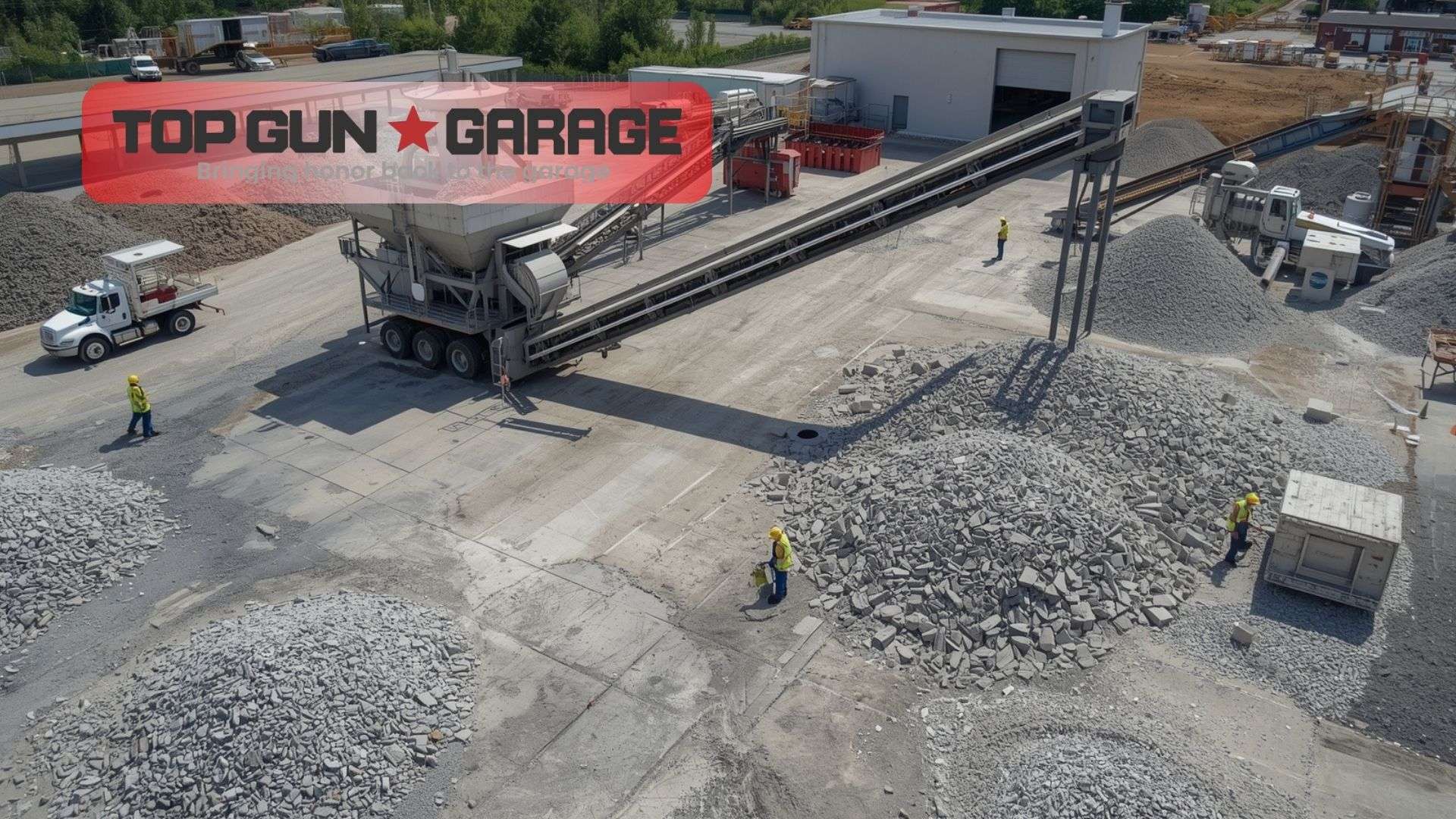
The quality of recycled concrete aggregate varies significantly based on the source material and processing methods. Concrete from highway pavements often provides high-quality RCA due to the original concrete’s strength requirements and relatively clean composition. Building demolition concrete may contain contaminants like gypsum, wood, or metal that require removal during processing. Advanced processing techniques, including washing, magnetic separation, and air classification, can produce RCA that closely matches the performance of natural aggregates.
Crushed brick and masonry materials offer another recycled aggregate option, particularly in regions with abundant demolition waste from older buildings. These materials typically provide adequate strength for many flooring applications while offering unique aesthetic possibilities when used in exposed aggregate finishes. The higher porosity of brick-based aggregates may require adjustments to concrete mix designs, particularly regarding water content and curing procedures.
Recycled glass aggregates present innovative opportunities for both performance and aesthetic enhancement. Processed glass cullet can replace fine aggregates in concrete mixes while providing unique color and light-reflecting properties. The smooth, non-porous nature of glass particles can improve concrete workability and reduce permeability. However, potential alkali-silica reactivity requires careful evaluation and may necessitate the use of supplementary cementitious materials or specific cement types to ensure long-term durability.
Industrial byproducts like blast furnace slag and steel slag can serve as aggregate materials in concrete flooring applications. These materials often provide superior hardness and abrasion resistance compared to natural aggregates, making them particularly suitable for heavy-duty industrial floors. The high density of steel slag aggregates creates concrete with excellent wear resistance, though the increased weight may require structural considerations. Environmental benefits include reducing industrial waste streams while creating high-performance flooring materials.
Specialty Aggregates for Enhanced Performance
Lightweight aggregates revolutionize concrete flooring applications where structural load limitations or thermal properties are primary concerns. Expanded clay, shale, and slate aggregates undergo high-temperature processing that creates internal void structures, significantly reducing density while maintaining reasonable strength characteristics. These materials enable concrete floors with densities 25-35% lower than conventional concrete, making them ideal for upper-floor applications or structures with limited load-bearing capacity.
Pumice and volcanic aggregates provide natural lightweight options in regions where these materials are geologically available. The cellular structure of volcanic materials creates concrete with excellent thermal insulation properties, beneficial for floors in climate-controlled environments or applications requiring thermal barriers. While these aggregates typically result in lower strength concrete compared to conventional materials, they excel in applications where thermal performance outweighs ultimate strength requirements.
High-strength aggregates cater to demanding applications requiring exceptional durability and load-bearing capacity. Diabase, traprock, and other extremely hard stone aggregates can produce concrete with compressive strengths exceeding 8,000 psi, suitable for heavy industrial applications, aircraft hangars, or specialized manufacturing facilities. These materials command premium prices but deliver unmatched performance in critical applications where floor failure could result in significant operational disruptions or safety concerns.
Decorative aggregates open possibilities for combining functional performance with aesthetic appeal in concrete flooring projects. Colored stone, polished pebbles, and specialty materials like recycled glass or ceramic can create attractive exposed aggregate finishes that eliminate the need for additional floor coverings. When considering these options, it’s important to understand the differences between professional installation and DIY approaches, as decorative aggregate work requires specialized techniques and experience to achieve consistent, high-quality results.
Conductive aggregates address specific requirements in facilities handling sensitive electronic equipment or explosive materials. Steel fibers, carbon-based materials, or specially treated aggregates can create concrete floors with controlled electrical conductivity, helping dissipate static charges or provide electromagnetic shielding. These specialized applications require careful engineering and testing to ensure the aggregate selection meets both structural and electrical performance requirements.
Aggregate Sizing and Gradation
Proper aggregate gradation forms the foundation of high-performance concrete flooring, with particle size distribution directly impacting strength, workability, and durability. Well-graded aggregates follow specific curves that optimize particle packing, minimizing voids and reducing the cement paste required to fill spaces between particles. This optimization not only improves concrete strength but also reduces costs by minimizing cement consumption while enhancing the floor’s resistance to shrinkage and cracking.
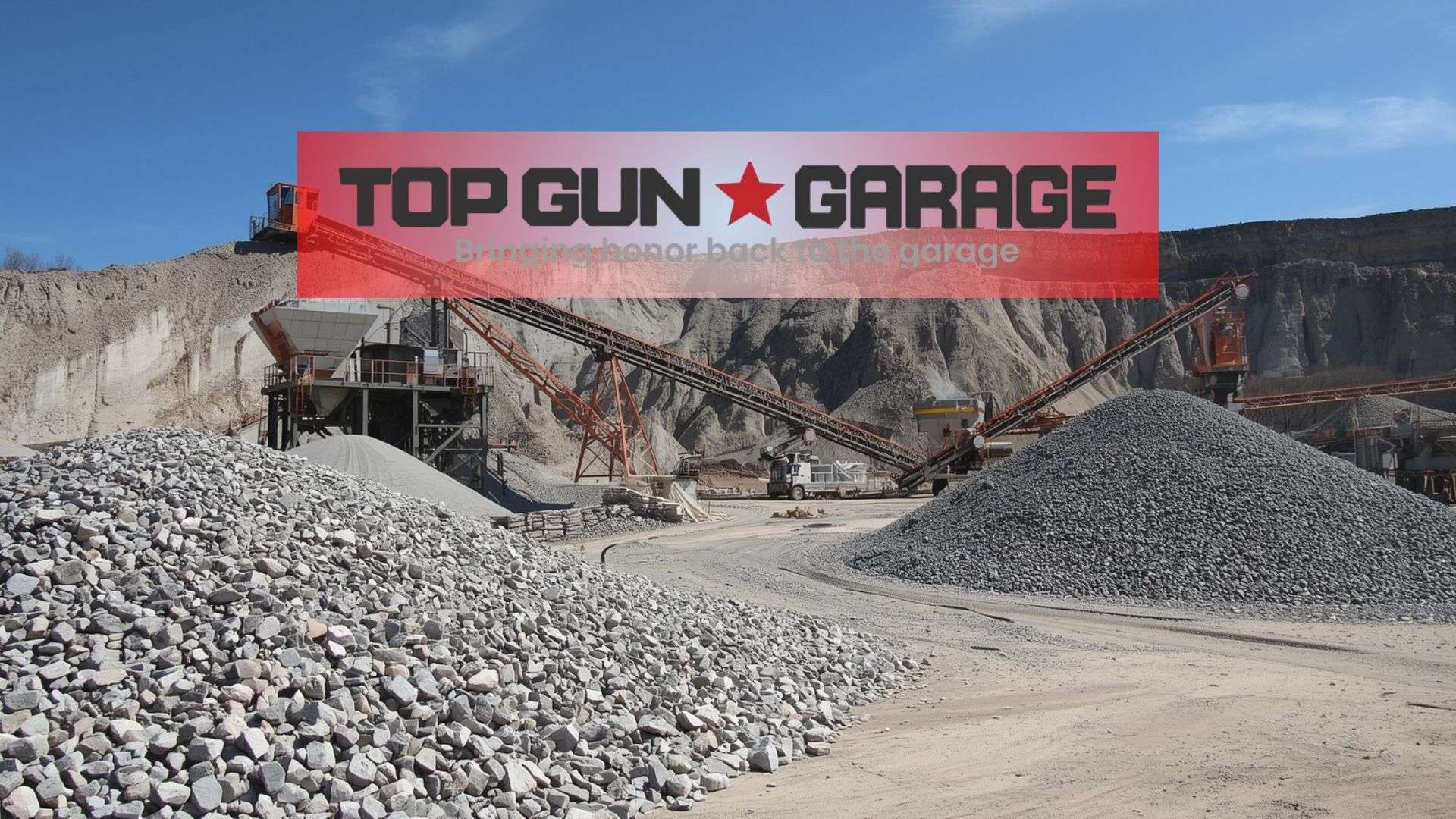
Maximum aggregate size selection depends on several factors including floor thickness, reinforcement spacing, and placement methods. Larger aggregates generally provide better strength and economy, but they must fit properly within the concrete section without interfering with reinforcement or creating placement difficulties. For typical concrete floors, maximum aggregate sizes range from 19mm to 37.5mm, with thicker sections accommodating larger materials and thin toppings requiring smaller maximum sizes.
The fineness modulus of fine aggregates significantly influences concrete workability and finishing characteristics. Sands with fineness modulus values between 2.3 and 3.1 typically provide the best balance of workability and strength, though specific project requirements may favor materials outside this range. Very fine sands can improve surface finish quality but may increase water requirements, while coarser sands reduce cement paste demand but can create finishing challenges.
Gap-graded aggregates, which deliberately omit certain intermediate sizes, can provide specific benefits in particular applications. These gradations may improve pumpability for large placements or enhance the appearance of exposed aggregate finishes by highlighting specific particle sizes. However, gap-graded mixes require careful proportioning and may need adjustments to cement content or admixture dosages to maintain workability and strength.
Combined aggregate gradations involve blending multiple aggregate sources to achieve optimal particle size distributions. This approach allows contractors to utilize locally available materials while optimizing concrete performance for specific applications. Computer modeling and trial mixing help determine the ideal proportions of different aggregate sources, ensuring the combined gradation meets project specifications while maintaining cost-effectiveness and consistent quality throughout the placement process.
Selection Criteria and Performance Optimization
Aggregate selection for concrete flooring projects requires systematic evaluation of multiple performance criteria balanced against project constraints and long-term requirements. Compressive strength requirements typically drive initial material screening, with aggregates needing sufficient hardness and bonding characteristics to achieve specified concrete strengths. However, other factors like abrasion resistance, freeze-thaw durability, and chemical resistance may prove equally important depending on the floor’s intended service conditions.
Economic considerations extend beyond initial material costs to include transportation, handling, and long-term performance factors. Local aggregate sources typically offer the best economic value due to reduced transportation costs, but imported materials might provide superior performance that justifies additional expense. Life-cycle cost analysis helps evaluate these trade-offs, considering factors like maintenance requirements, expected service life, and potential replacement costs over the floor’s operational lifetime.
Environmental impact assessment has become increasingly important in aggregate selection, with many projects prioritizing sustainable materials and practices. Recycled aggregates, locally sourced materials, and byproducts from other industries can significantly reduce the environmental footprint of flooring projects. However, environmental benefits must be balanced against performance requirements, ensuring that sustainable choices don’t compromise the floor’s ability to meet its intended service requirements.
Quality assurance programs for aggregate materials should include regular testing throughout the project to ensure consistent performance. Key tests include gradation analysis, specific gravity determination, absorption measurements, and soundness evaluation. For critical applications, additional testing for alkali-reactivity, abrasion resistance, or freeze-thaw durability may be necessary. Establishing quality control procedures early in the project helps identify potential issues before they affect concrete placement and final floor performance.
At Top Gun Garage, we understand that selecting the right aggregate options requires balancing multiple technical, economic, and practical considerations. Our experienced team evaluates each project’s specific requirements, local material availability, and long-term performance expectations to recommend aggregate solutions that optimize both initial installation success and long-term floor performance. We work closely with local suppliers to ensure consistent material quality while helping clients understand how different aggregate choices will impact their project’s cost, timeline, and ultimate performance characteristics.
Frequently Asked Questions
What factors should I consider when choosing between natural and recycled aggregates?
The choice between natural and recycled aggregates depends on several key factors including performance requirements, environmental goals, and budget constraints. Natural aggregates typically offer more predictable performance characteristics and have extensive testing data, making them ideal for critical applications. Recycled aggregates can provide cost savings and environmental benefits but may require more extensive testing and potentially modified mix designs to ensure adequate performance.
How does aggregate size affect concrete floor strength?
Larger aggregates generally contribute to higher concrete strength and reduced cement requirements, making them economical for structural applications. However, maximum size is limited by floor thickness and reinforcement spacing. Smaller aggregates provide smoother surface finishes and better workability but may require more cement paste. The optimal size depends on balancing strength requirements, aesthetic preferences, and practical placement considerations.
Can lightweight aggregates support heavy-duty industrial applications?
Lightweight aggregates typically produce concrete with lower compressive strength and abrasion resistance compared to normal-weight materials, making them less suitable for heavy-duty industrial applications. However, they excel in situations where structural load limitations, thermal insulation, or reduced dead weight are primary concerns. For industrial applications, high-strength normal-weight aggregates usually provide better long-term performance.
What are the potential problems with recycled concrete aggregate?
Recycled concrete aggregate can contain attached mortar that increases absorption and may reduce strength compared to virgin materials. Potential contaminants from the original structure, variable quality depending on source material, and possible alkali-reactivity issues require careful evaluation. Proper processing, testing, and mix design adjustments can address most concerns, but these factors should be considered during material selection.
How do I determine if local aggregates are suitable?
Local aggregate suitability requires testing for gradation, soundness, abrasion resistance, and potential chemical reactivity. Review historical performance data from similar local projects and consult with experienced contractors familiar with regional materials. Consider factors like seasonal availability, quality consistency, and any known performance issues. Professional testing and evaluation help ensure local materials meet your project’s specific requirements.
What role does aggregate gradation play in performance?
Proper aggregate gradation optimizes particle packing, reducing voids and minimizing cement paste requirements while maximizing strength and durability. Well-graded aggregates improve workability during placement, reduce segregation potential, and create denser concrete with better resistance to water penetration and chemical attack. Poor gradation can lead to harsh mixes, finishing difficulties, and reduced long-term performance.
Are there special considerations for freeze-thaw climates?
Freeze-thaw environments require aggregates with low absorption and high soundness values to resist damage from repeated freezing and thawing cycles. Avoid aggregates with high porosity or known freeze-thaw susceptibility. Consider using air-entrained concrete and ensure aggregates are properly tested for freeze-thaw resistance. Some recycled materials may be more susceptible to freeze-thaw damage and require additional evaluation.
How do specialty aggregates affect concrete mixing?
Specialty aggregates often require modified mixing procedures, adjusted water contents, or special handling considerations. Glass aggregates may need specific cement types to prevent alkali-silica reaction, while steel slag’s high density affects mixing energy and placement methods. These materials typically require trial mixes and consultation with experienced contractors to optimize mix designs and placement procedures for successful results.
Conclusion
Selecting the appropriate aggregate options for your concrete flooring project represents a critical decision that influences both immediate installation success and long-term performance. The wide variety of available materials, from traditional crushed stone and gravel to innovative recycled and specialty aggregates, provides opportunities to optimize floors for specific applications while meeting budget and sustainability goals. Understanding how different aggregate characteristics impact concrete strength, durability, workability, and appearance enables informed decision-making that balances competing project requirements.
The complexity of modern aggregate selection extends beyond simple material properties to encompass environmental considerations, local availability, quality consistency, and long-term performance expectations. Successful projects typically result from systematic evaluation of these factors, often requiring professional expertise to navigate the technical and practical considerations involved. The investment in proper aggregate selection pays dividends through improved floor performance, reduced maintenance requirements, and extended service life.
As construction practices continue evolving toward greater sustainability and performance optimization, aggregate selection will likely become even more sophisticated. Emerging technologies in recycled materials processing, specialty aggregate development, and performance testing provide new opportunities for creating superior concrete floors while minimizing environmental impact. Staying informed about these developments and working with experienced professionals ensures your flooring project benefits from the latest advances in aggregate technology and application techniques.