 Skip to content



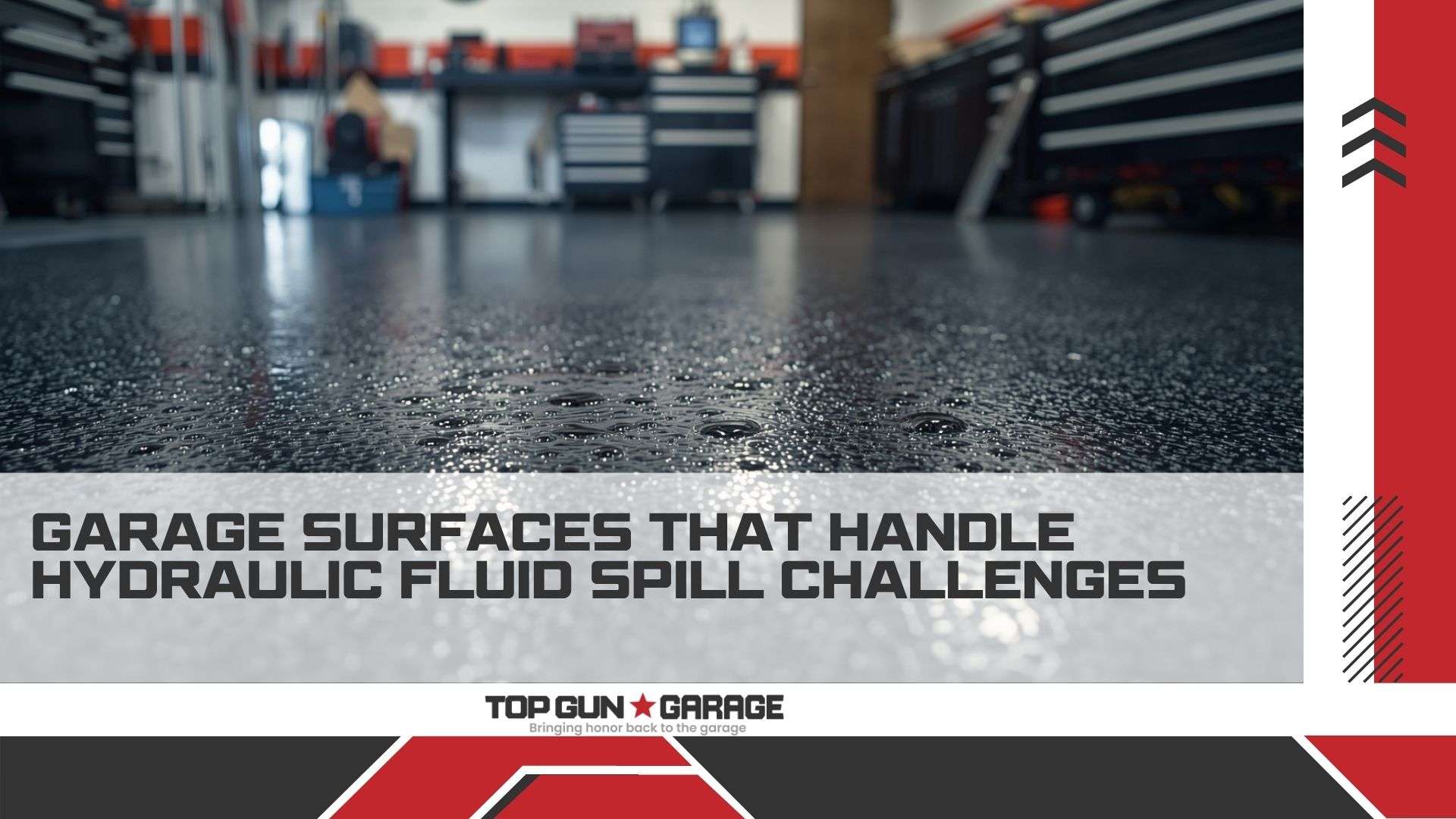
When hydraulic fluid meets a garage floor, the aftermath can be devastating for unprepared surfaces. Whether dealing with automotive repairs, heavy machinery maintenance, or industrial equipment storage, hydraulic fluid spills present unique challenges that demand specialized flooring solutions. Unlike simple oil stains that might wipe away with basic cleaning, hydraulic fluids contain aggressive additives and detergents that can permanently damage standard concrete floors, leaving behind unsightly stains, surface deterioration, and compromised structural integrity.
The modern garage serves multiple purposes beyond simple vehicle storage. It’s become a workshop, maintenance bay, and storage facility for everything from lawn equipment to industrial machinery. This evolution has increased the likelihood of hydraulic fluid exposure, making the choice of appropriate garage surfaces more critical than ever. Traditional concrete floors, while durable for general use, simply cannot withstand the chemical assault that hydraulic fluids deliver over time.
Understanding which garage surfaces that handle hydraulic fluid spills effectively requires examining both the chemical composition of these fluids and the protective properties of various flooring options. Hydraulic fluids typically contain base oils, anti-wear additives, viscosity modifiers, and corrosion inhibitors that can penetrate porous surfaces and cause long-term damage. The key lies in selecting surfaces that create an impermeable barrier while maintaining the durability and functionality a garage demands.
Professional-grade flooring solutions have evolved significantly to address these challenges, offering homeowners and businesses reliable protection against hydraulic fluid damage. From advanced epoxy systems to specialized polyurethane coatings, today’s garage floor durability options provide both chemical resistance and aesthetic appeal. The investment in proper flooring pays dividends through reduced maintenance costs, improved safety conditions, and preserved property values.
Key Takeaways
Chemical Resistance is Paramount: Garage surfaces that handle hydraulic fluid spills must provide superior chemical resistance to prevent permanent staining and surface degradation. Standard concrete floors lack this protection and will absorb hydraulic fluids, leading to discoloration and structural weakening over time.
Epoxy Coatings Lead the Market: High-quality epoxy floor systems offer the best combination of chemical resistance, durability, and cost-effectiveness for garage applications. These coatings create an impermeable barrier that prevents hydraulic fluid penetration while maintaining easy cleanup capabilities.
Surface Preparation Determines Success: The longevity and effectiveness of any garage flooring system depends heavily on proper surface preparation. Inadequate preparation can lead to coating failure, allowing hydraulic fluids to reach the substrate and cause damage.
Professional Installation Matters: While DIY options exist, professional installation ensures proper surface preparation, coating application, and long-term performance. The complexity of creating truly chemical-resistant surfaces often exceeds typical homeowner capabilities and tool availability.
Maintenance Extends Lifespan: Even the most durable garage surfaces require regular maintenance to maintain their protective properties. Prompt cleanup of spills, regular cleaning, and periodic resealing help preserve garage floor durability and chemical resistance.
Cost-Benefit Analysis Favors Quality: Investing in premium garage flooring solutions provides significant long-term savings through reduced replacement costs, easier maintenance, and preserved property values compared to repeatedly treating damaged concrete surfaces.
Understanding Hydraulic Fluid Challenges
Hydraulic fluids present unique challenges that distinguish them from other automotive fluids commonly found in garage environments. These specialized fluids contain complex chemical formulations designed to operate under extreme pressure and temperature conditions, making them particularly aggressive toward unprotected surfaces. The base oils used in hydraulic fluids can range from petroleum-based products to synthetic alternatives, each carrying different levels of penetration capability and staining potential.
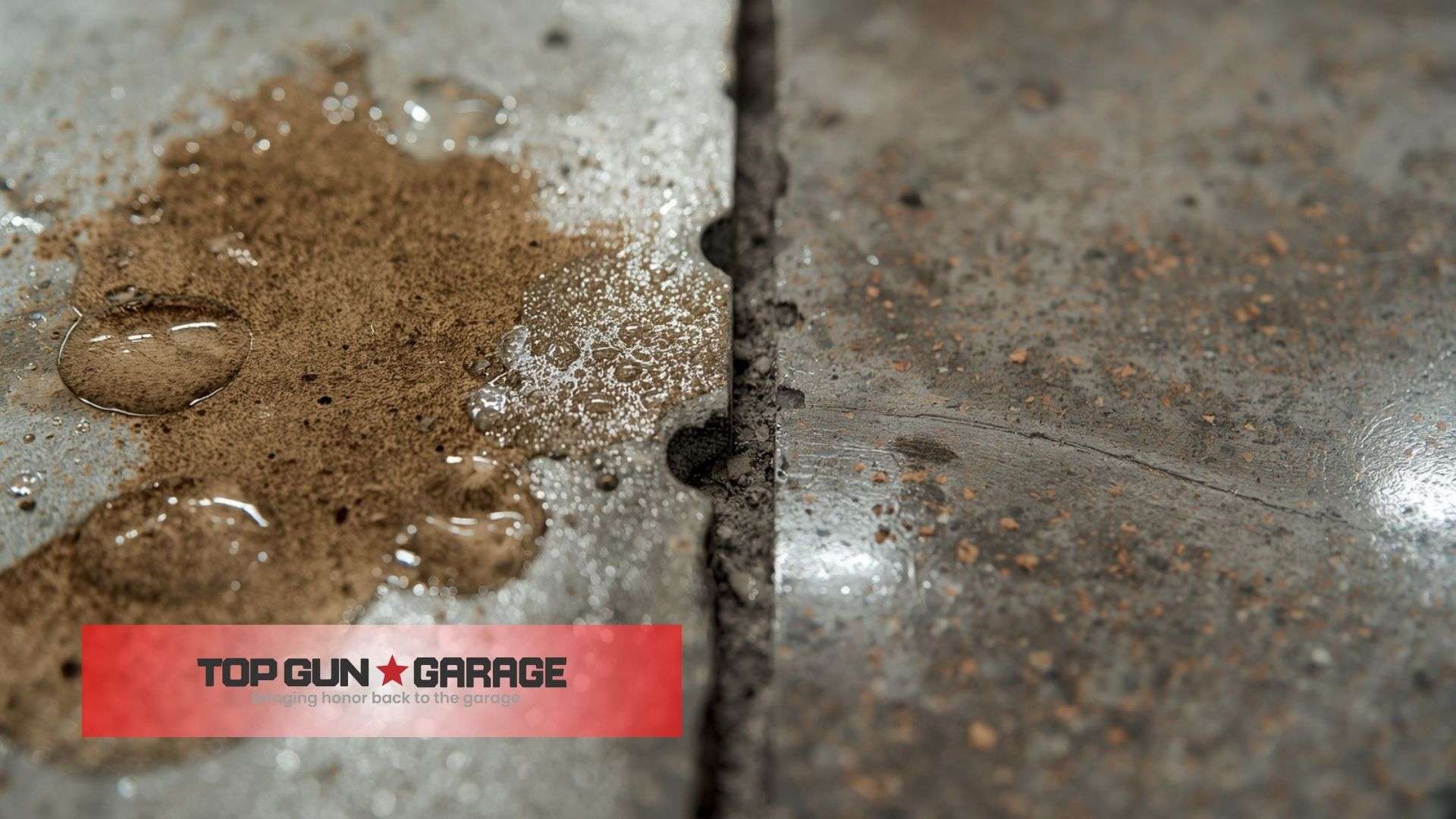
The additive packages in modern hydraulic fluids create additional complications for garage flooring. Anti-wear additives, typically zinc-based compounds, can react with concrete surfaces to create permanent discoloration. Detergent and dispersant additives help keep internal components clean but can enhance the fluid’s ability to penetrate porous surfaces. Viscosity index improvers and pour point depressants further complicate the chemical makeup, creating fluids that can remain liquid and mobile even at lower temperatures, increasing their potential for surface penetration.
Temperature variations in garage environments compound these challenges. Cold temperatures can cause hydraulic systems to develop leaks as seals contract, while warm conditions increase fluid mobility and penetration rates. Understanding how temperature affects material molecular structure helps explain why standard concrete floors fail so dramatically when exposed to hydraulic fluid spills over time. The cycling between temperature extremes common in many garages creates ongoing stress on both hydraulic systems and the floors beneath them.
The cost of hydraulic fluid damage extends beyond simple aesthetics. Penetrated concrete becomes permanently weakened, creating safety hazards and reducing property values. The porous nature of untreated concrete allows hydraulic fluids to penetrate deeply, making complete removal virtually impossible without extensive surface grinding or replacement. This reality makes prevention through proper flooring selection far more economical than attempting remediation after damage occurs.
Epoxy Coating Systems for Chemical Protection
Epoxy coating systems represent the gold standard for garage surfaces that handle hydraulic fluid spills effectively. These thermosetting polymer systems create a dense, non-porous surface that prevents hydraulic fluid penetration while providing exceptional durability and longevity. The chemical cross-linking that occurs during epoxy curing creates molecular bonds that resist breakdown from hydraulic fluid exposure, maintaining protective integrity for years under normal use conditions.
The selection of appropriate epoxy formulations depends on specific garage requirements and expected exposure levels. Solvent-based epoxy systems offer superior penetration into concrete substrates, creating stronger mechanical bonds that resist delamination under chemical attack. Water-based alternatives provide easier application and faster cure times while still delivering excellent chemical resistance for most garage applications. High-solids epoxy formulations maximize the protective barrier thickness, providing enhanced durability for heavy-use environments.
Multi-coat epoxy systems deliver superior performance compared to single-coat applications. The primer coat penetrates the concrete substrate and provides adhesion, while base coats build thickness and chemical resistance. Understanding what epoxy thickness works best for specific applications ensures optimal protection. Topcoat formulations can be customized for specific performance requirements, including enhanced chemical resistance, improved abrasion resistance, or specialized surface textures. This layered approach ensures comprehensive protection against hydraulic fluid penetration while addressing other garage flooring needs.
Professional installation becomes crucial when implementing epoxy systems for chemical protection. Surface preparation requirements include thorough cleaning, crack repair, and mechanical abrasion to ensure proper adhesion. Learning about how concrete is prepared for epoxy reveals the importance of this step. Environmental conditions during application affect cure characteristics and final performance, requiring careful timing and climate control. The complexity of achieving optimal results often justifies professional installation, particularly when dealing with the demanding requirements of hydraulic fluid resistance.
Advanced epoxy formulations incorporate specialized additives that enhance chemical resistance specifically against hydraulic fluids. These may include enhanced cross-linking agents, chemical-resistant pigments, and specialized hardeners that improve resistance to specific hydraulic fluid additives. The result is a garage floor surface that not only resists hydraulic fluid penetration but maintains its protective properties and appearance over extended exposure periods.
Polyurethane and Alternative Protective Systems
Polyurethane coating systems offer distinct advantages for garage applications requiring superior chemical resistance and flexibility. These systems excel in environments subject to temperature fluctuations and mechanical stress, making them ideal for garages housing heavy equipment or experiencing frequent thermal cycling. The inherent flexibility of polyurethane coatings allows them to accommodate substrate movement without cracking, maintaining their protective barrier against hydraulic fluid penetration even under challenging conditions.
Aliphatic polyurethane topcoats provide exceptional UV stability and color retention compared to epoxy alternatives. This advantage becomes significant in garages with natural lighting or those used for applications where appearance matters. Understanding the difference between epoxy and polyaspartic coatings helps inform selection decisions. The chemical resistance of polyurethane systems often exceeds that of standard epoxy coatings, particularly against aggressive hydraulic fluid formulations containing strong detergent packages or synthetic base stocks.
Hybrid coating systems combine the best characteristics of multiple technologies to optimize performance for specific applications. Epoxy-polyurethane hybrids offer the adhesion and chemical resistance of epoxy with the flexibility and UV stability of polyurethane. These systems prove particularly effective for garage surfaces that handle hydraulic fluid spills while requiring resistance to other chemicals and environmental stresses.
Specialized industrial coatings designed for chemical processing environments can be adapted for demanding garage applications. These systems often incorporate advanced resin technologies, specialized curing agents, and chemical-resistant aggregates that provide superior protection against aggressive chemicals. While typically more expensive than standard garage coatings, these systems justify their cost in applications involving frequent or severe hydraulic fluid exposure. According to the EPA’s hazardous waste guidelines, proper handling of chemical spills requires appropriate protective surfaces.
Surface preparation requirements for polyurethane and alternative systems often exceed those for standard epoxy applications. The superior performance of these systems depends on achieving optimal adhesion and proper cure characteristics. Professional installation becomes even more critical when implementing advanced coating systems, as application errors can compromise the significant investment in premium materials. When considering whether to tackle such projects independently, homeowners should carefully evaluate their capabilities against the complexity of these advanced systems, as professional installation often provides superior long-term results for demanding applications.
Surface Preparation and Installation Considerations
Proper surface preparation forms the foundation of any successful garage flooring system designed to handle hydraulic fluid spills. The concrete substrate must be thoroughly cleaned, profiled, and prepared to ensure optimal adhesion and long-term performance. This process begins with comprehensive degreasing to remove any existing oil, hydraulic fluid, or other contaminants that could interfere with coating adhesion. Standard cleaning methods often prove inadequate for heavily contaminated surfaces, requiring specialized degreasers and multiple cleaning cycles.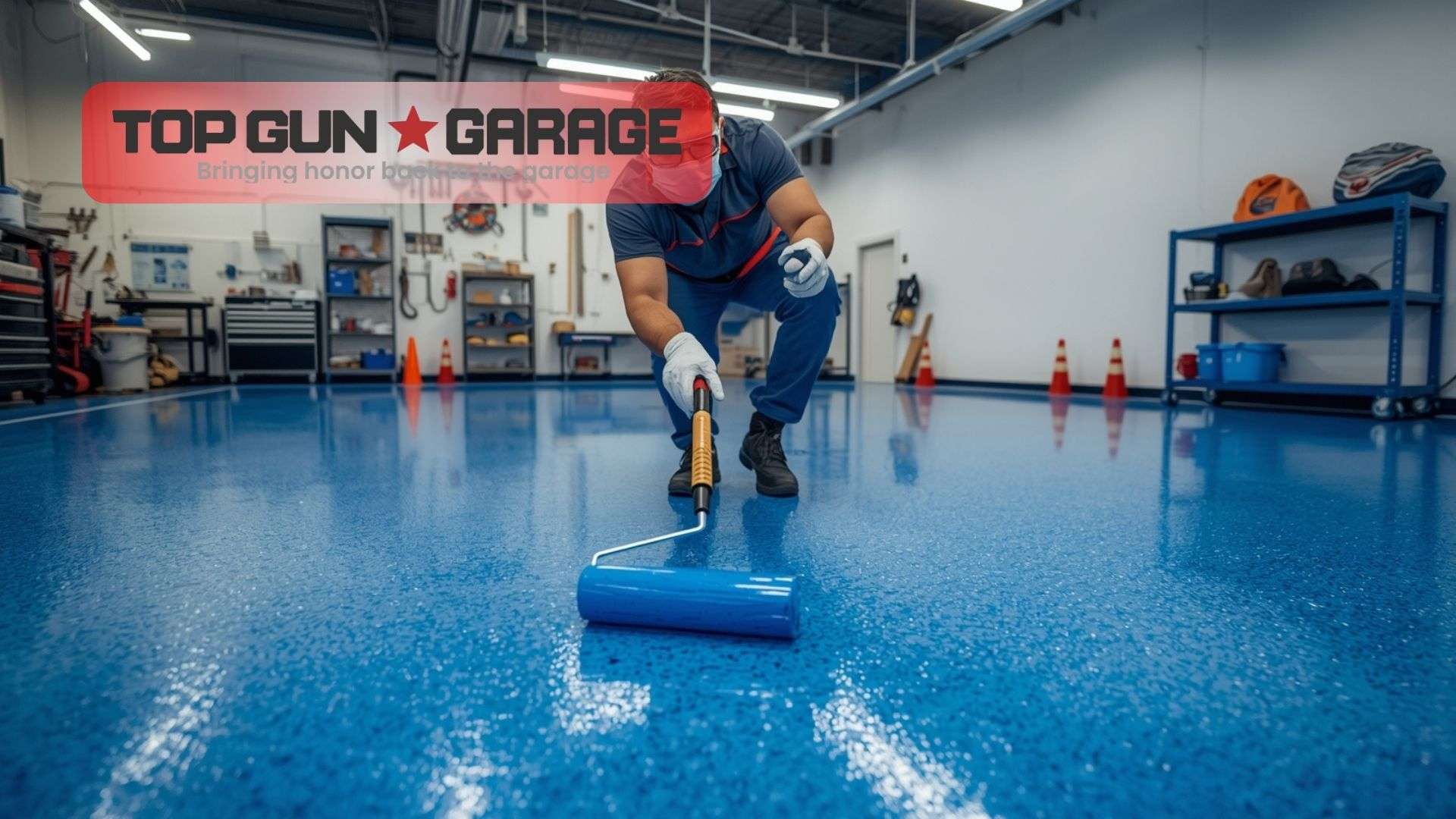
Mechanical surface preparation creates the profile necessary for optimal coating adhesion while removing any weak or contaminated concrete. Shot blasting, diamond grinding, or acid etching can achieve the required surface profile, but each method offers different advantages depending on the specific conditions. Understanding different concrete surface preparations helps ensure proper technique selection. Shot blasting provides the most aggressive profile and effectively removes surface contaminants, while diamond grinding offers precise control over surface texture and flatness. Acid etching presents a more accessible option for smaller areas but may not achieve sufficient profile for demanding applications.
Moisture testing becomes critical before installing any coating system, as trapped moisture can cause coating failure and allow hydraulic fluid penetration. Concrete moisture levels must fall within acceptable ranges for the specific coating system being installed. Learning about why concrete moisture matters reveals the importance of this step. Environmental conditions during installation affect cure characteristics and final performance, requiring careful attention to temperature, humidity, and ventilation. These factors often necessitate scheduling installation during optimal weather conditions or implementing climate control measures.
Crack repair and surface defect correction must be completed before coating application to prevent future failure points. Hydraulic fluids can exploit even minor coating defects to reach the substrate, causing localized damage that can spread over time. Understanding how floor cracks are repaired before coating application ensures comprehensive protection. Professional repair techniques using compatible materials ensure that repairs integrate seamlessly with the coating system and provide equivalent chemical resistance.
The complexity of achieving professional-quality surface preparation often exceeds typical homeowner capabilities and equipment availability. Specialized tools, safety equipment, and technical knowledge are required to properly prepare surfaces for chemical-resistant coatings. The investment in professional preparation and installation typically provides superior long-term value compared to DIY approaches that may compromise the protective integrity of the finished system.
Maintenance and Long-term Performance
Maintaining garage surfaces that handle hydraulic fluid spills requires understanding both the protective coating system and the specific challenges posed by hydraulic fluid exposure. Regular maintenance schedules help preserve the chemical resistance and appearance of protective coatings while identifying potential issues before they compromise the system’s integrity. Prompt cleanup of hydraulic fluid spills, even on resistant surfaces, prevents prolonged exposure that could eventually penetrate coating defects or worn areas.
Cleaning protocols for chemical-resistant garage floors differ from standard maintenance approaches. Appropriate cleaning agents must be selected to remove hydraulic fluid residues without damaging the protective coating. Learning proper cleaning processes for epoxy helps maintain optimal performance. Some aggressive solvents or cleaners can attack certain coating systems, creating vulnerabilities that hydraulic fluids can exploit. Manufacturer-recommended cleaning procedures should be followed to maintain warranty coverage and optimal performance.
Regular inspection schedules help identify early signs of coating degradation or damage that could compromise chemical resistance. Small chips, cracks, or worn areas can be repaired before they allow hydraulic fluid penetration, preserving the overall system integrity. Understanding how to maintain epoxy garage floors provides valuable guidance. Professional inspection and maintenance services can identify subtle issues that untrained observers might miss, preventing minor problems from developing into major failures.
Recoating schedules depend on the specific coating system, exposure levels, and performance requirements. High-traffic areas or zones subject to frequent hydraulic fluid exposure may require more frequent maintenance than general garage areas. Planning recoating schedules as part of overall garage floor durability management helps ensure continuous protection and avoids emergency repairs that can be more costly and disruptive.
Documentation of maintenance activities, spill incidents, and coating performance helps optimize long-term care strategies. This information proves valuable when planning future maintenance, evaluating coating performance, or addressing warranty issues. Professional maintenance programs often include detailed documentation and performance tracking that helps maximize the return on investment in quality garage flooring systems.
Top Gun Garage: Professional Garage Flooring Solutions
At Top Gun Garage, the team understands the critical importance of selecting and installing garage surfaces that handle hydraulic fluid spills effectively. Experience with demanding garage applications has taught that proper flooring selection and professional installation make the difference between long-term success and costly failures. The team works with property owners to evaluate their specific needs, exposure risks, and performance requirements to recommend optimal flooring solutions.
The team specializes in advanced coating systems designed for chemical resistance and durability. Relationships with leading coating manufacturers provide access to the latest technologies and formulations specifically engineered for hydraulic fluid resistance. This access allows recommendation and installation of systems that provide superior protection compared to standard garage flooring options available through retail channels.
The installation process at Top Gun Garage emphasizes proper surface preparation and quality control throughout every phase of the project. Technicians use professional-grade equipment and follow manufacturer specifications to ensure optimal adhesion, cure characteristics, and final performance. Understanding how the installation process works demonstrates the commitment to quality. The team understands that garage floor durability depends on attention to detail during installation, and maintains strict quality standards to deliver lasting results.
Comprehensive maintenance guidance and support help property owners maximize their investment in quality garage flooring. Maintenance programs include regular inspections, preventive care recommendations, and prompt repair services when needed. This ongoing relationship helps ensure that garage floors continue providing effective protection against hydraulic fluid spills throughout their service life.
Top Gun Garage stands behind work with comprehensive warranties and performance guarantees. Understanding that investing in quality garage flooring represents a significant commitment, the team works to ensure clients receive maximum value from their investment. The reputation depends on delivering flooring solutions that perform as promised, providing reliable protection against hydraulic fluid challenges for years to come.
Frequently Asked Questions
What makes hydraulic fluid more damaging to garage floors than regular motor oil?
Hydraulic fluids contain aggressive detergent and dispersant additives that enhance their ability to penetrate porous surfaces like concrete. These additives, combined with anti-wear compounds and synthetic base stocks, create a more chemically aggressive fluid that can cause permanent staining and surface degradation more rapidly than conventional motor oils.
How long do epoxy coatings last when exposed to regular hydraulic fluid spills?
High-quality epoxy coating systems properly installed and maintained can provide 10-15 years of effective protection against hydraulic fluid exposure. Understanding how long epoxy flooring lasts provides realistic expectations. The actual lifespan depends on the frequency and severity of spills, maintenance practices, and the specific epoxy formulation used.
Can existing hydraulic fluid stains be covered with protective coatings?
Existing stains must be properly treated before coating application to prevent future bleeding or adhesion problems. This typically involves deep cleaning, stain blocking primers, and sometimes mechanical removal of contaminated concrete. Simply coating over stains without proper preparation often leads to coating failure and continued staining issues.
What’s the cost difference between DIY and professional installation for chemical-resistant garage floors?
While DIY materials may cost 40-60% less initially, professional installation provides superior surface preparation, proper application techniques, and warranty coverage that often justify the additional investment. Failed DIY installations require complete removal and reinstallation, making professional installation more economical long-term for demanding applications.
How quickly must hydraulic fluid spills be cleaned up to prevent damage?
On unprotected concrete, hydraulic fluid begins penetrating within minutes, with permanent staining possible within hours. Protected surfaces allow more time for cleanup, but prompt attention within 24 hours helps prevent any potential coating damage and maintains optimal appearance and performance.
Are there eco-friendly options for chemical-resistant garage flooring?
Water-based epoxy and polyurethane systems offer reduced environmental impact while maintaining excellent chemical resistance. Exploring eco-friendly garage flooring options reveals sustainable solutions. Some bio-based coating formulations provide good performance for moderate exposure applications. However, the most demanding applications may still require traditional solvent-based systems for optimal protection.
What maintenance is required for chemical-resistant garage floors?
Regular cleaning with appropriate products, prompt spill cleanup, and periodic inspection for coating damage maintain optimal performance. Most systems benefit from annual deep cleaning and inspection, with recoating typically needed every 5-10 years depending on use and exposure levels.
Can chemical-resistant coatings be applied over existing garage floor coatings?
This depends on the existing coating type, condition, and compatibility with the new system. Many existing coatings require complete removal before applying chemical-resistant systems to ensure proper adhesion and performance. Professional evaluation helps determine the best approach for specific situations.
Conclusion
Selecting appropriate garage surfaces that handle hydraulic fluid spills requires careful consideration of chemical resistance, durability, and long-term performance characteristics. The aggressive nature of hydraulic fluids demands specialized flooring solutions that go beyond standard garage floor options. Professional-grade epoxy and polyurethane coating systems provide the chemical resistance and durability necessary to protect against hydraulic fluid damage while maintaining functionality and appearance over time.
The investment in quality garage flooring pays dividends through reduced maintenance costs, improved safety conditions, and preserved property values. Proper surface preparation and professional installation ensure optimal performance and longevity, making the initial investment more economical than repeatedly addressing damage from inadequate flooring systems. The complexity of achieving truly chemical-resistant surfaces often justifies professional installation over DIY approaches.
Garage floor durability depends on selecting appropriate materials, proper installation techniques, and ongoing maintenance practices. Understanding the specific challenges posed by hydraulic fluid exposure helps property owners make informed decisions about flooring investments. With proper planning and execution, modern garage flooring systems can provide decades of reliable protection against hydraulic fluid spills and other chemical challenges.
The evolution of garage spaces into multi-purpose workshops and storage facilities makes chemical-resistant flooring more important than ever. By investing in appropriate protective systems and maintaining them properly, property owners can ensure their garage floors continue providing reliable service regardless of the hydraulic fluid challenges they encounter.