 Skip to content




When selecting flooring for a property, understanding the fundamental differences between commercial grade vs residential formulations can mean the difference between a floor that lasts decades and one that requires costly replacement within just a few years. The distinction goes far beyond simple aesthetics or price points – it encompasses engineered durability, chemical composition, installation requirements, and performance expectations that vary dramatically between these two categories.
Commercial flooring formulations are engineered to withstand the relentless demands of high-traffic environments, heavy equipment loads, and continuous use that would quickly destroy residential-grade materials. These products incorporate advanced polymer technologies, reinforced backing systems, and specialized surface treatments designed to maintain their appearance and structural integrity under conditions that would be unthinkable in a typical home setting.
Residential formulations, while not designed for such extreme conditions, offer their own advantages in terms of comfort, aesthetic variety, and cost-effectiveness for typical household applications. Understanding when each type is appropriate – and when the investment in commercial-grade materials might be justified even in residential settings – requires a comprehensive examination of how these products are manufactured, tested, and rated for performance.
The decision between commercial and residential flooring affects not only immediate installation costs but also long-term maintenance expenses, replacement schedules, and overall property value. Many property owners make costly mistakes by either over-specifying expensive commercial materials where residential grades would suffice, or under-specifying residential products in applications where only commercial formulations can deliver adequate performance.
This comprehensive analysis will explore the technical specifications, performance characteristics, and practical applications of both commercial and residential flooring formulations, providing the detailed information necessary to make informed decisions for any flooring project, whether it’s a small residential renovation or a large-scale commercial installation.
Key Takeaways
Durability Standards: Commercial grade flooring typically features wear layers 2-4 times thicker than residential versions, with commercial vinyl planks often incorporating 20-mil wear layers compared to 6-12 mil in residential products, resulting in significantly extended lifespan under heavy use conditions.
Traffic Rating Systems: Commercial flooring undergoes more rigorous testing protocols, including Class 32-34 ratings for laminate and AC4-AC6 ratings for various materials, while residential products typically meet Class 21-23 and AC1-AC3 standards respectively.
Installation Requirements: Commercial formulations often require specialized adhesives, subfloor preparation techniques, and installation methods that differ significantly from residential approaches, impacting both project timelines and contractor selection.
Chemical Resistance: Commercial products incorporate enhanced chemical resistance properties to withstand cleaning agents, spills, and environmental conditions that would damage residential-grade materials, making them essential for healthcare, food service, and industrial applications.
Cost Considerations: While commercial flooring typically costs 30-70% more per square foot than residential alternatives, the extended lifespan and reduced maintenance requirements often result in lower total cost of ownership over time.
Aesthetic Limitations: Commercial flooring options traditionally offered fewer design choices, though recent innovations have significantly expanded commercial flooring options to include luxury appearances that rival residential products.
Warranty Differences: Commercial products typically include extended warranty coverage with specific performance guarantees, while residential warranties focus primarily on manufacturing defects rather than wear performance.
Understanding Flooring Grade Classifications
The classification system for flooring grades represents a fundamental framework that determines appropriate applications, expected performance, and long-term durability across different environments. These classifications are established through standardized testing protocols that evaluate factors including abrasion resistance, impact tolerance, moisture resistance, and dimensional stability under varying conditions.
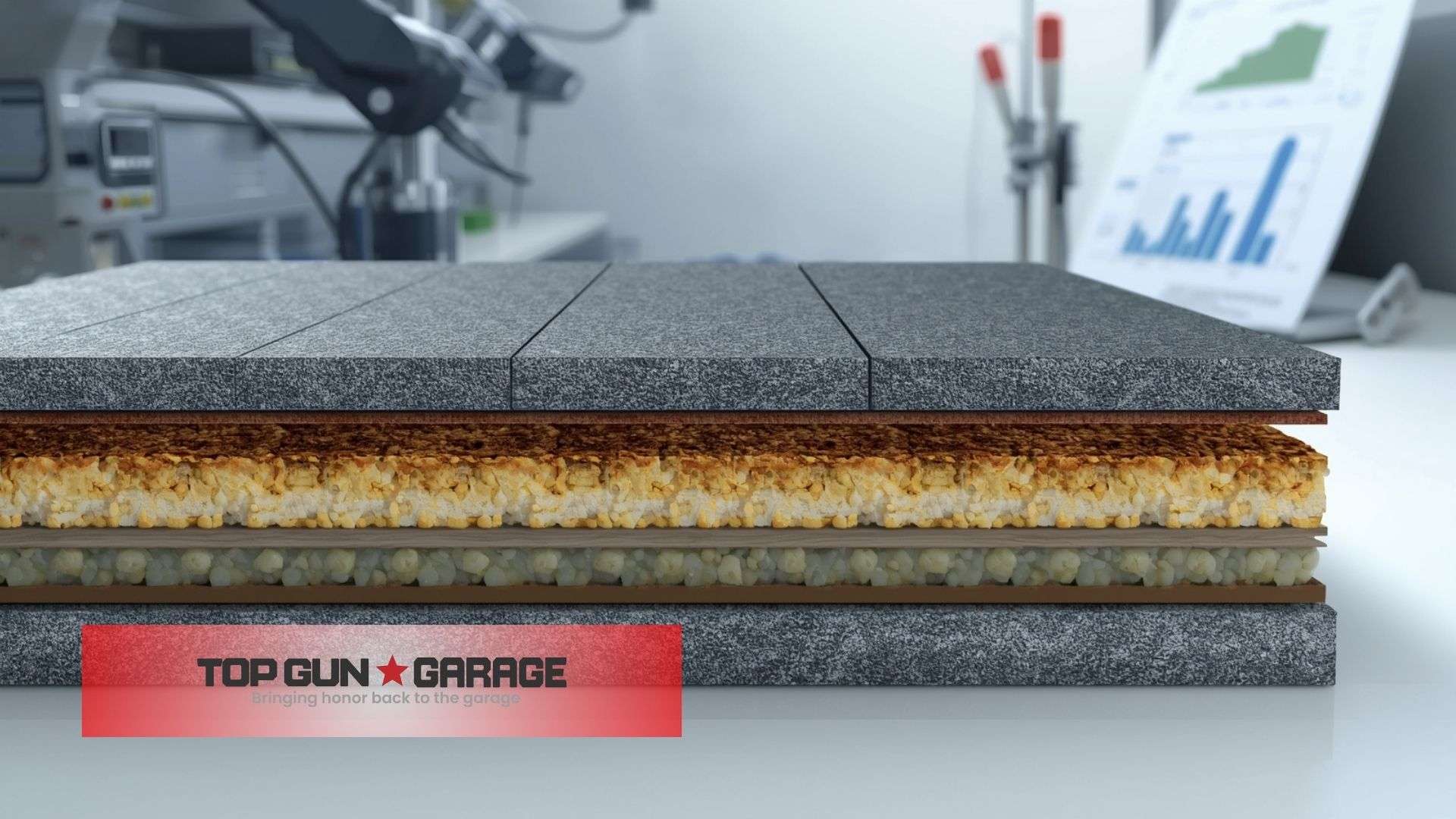
Commercial grade classifications encompass multiple subcategories designed for specific use cases. Light commercial applications include office spaces, retail environments with moderate foot traffic, and educational facilities. Moderate commercial grades serve restaurants, healthcare facilities, and high-traffic retail locations. Heavy commercial formulations are engineered for industrial facilities, airports, hospitals, and other extreme-use environments where flooring faces constant stress from both human traffic and equipment operations.
Residential classifications focus primarily on household traffic patterns and lifestyle considerations. Light residential grades suit bedrooms, closets, and other low-traffic areas. Moderate residential products work well in living rooms, dining areas, and hallways. Heavy residential formulations are designed for kitchens, entryways, and family rooms where increased durability is necessary but commercial-grade performance isn’t required.
The testing methodologies behind these classifications involve sophisticated equipment that simulates years of use in compressed timeframes. Taber abrasion testing measures surface wear resistance, while impact testing evaluates resistance to dropped objects and furniture movement. Understanding what determines epoxy floor durability provides insights into these testing standards. Moisture testing determines performance under various humidity conditions and direct water exposure scenarios.
Understanding these classifications helps property owners and contractors make informed decisions about appropriate product selection. However, the decision-making process involves more than simply matching classification to intended use – it requires consideration of specific environmental factors, user expectations, and long-term maintenance capabilities that may justify upgrading to higher-grade formulations even when lower grades meet minimum requirements.
Material Composition and Manufacturing Differences
The fundamental differences between commercial and residential flooring formulations begin at the molecular level, where material scientists engineer specific polymer compositions, fiber structures, and additive packages to meet distinctly different performance requirements. Commercial formulations incorporate higher concentrations of performance-enhancing additives, including UV stabilizers, antimicrobial agents, and wear-resistant compounds that significantly increase manufacturing costs but deliver superior long-term performance.
In luxury vinyl products, commercial formulations typically feature virgin PVC compounds with enhanced plasticizer systems that maintain flexibility and dimensional stability under extreme temperature variations. The wear layer composition includes aluminum oxide or ceramic particles that provide superior scratch and abrasion resistance compared to the standard urethane coatings used in residential products. These enhanced wear layers require specialized manufacturing equipment and precise application techniques that contribute to higher production costs.
Carpet manufacturing reveals dramatic differences in fiber selection and construction methods. Commercial carpets utilize solution-dyed nylon or specialty polyester fibers with enhanced twist levels and heat-setting processes that lock in durability characteristics. The backing systems incorporate multiple layers including primary and secondary backings with moisture barriers and dimensional stabilizers. Residential carpets often use less expensive fiber systems with simpler backing constructions that prioritize comfort and initial appearance over long-term performance.
Laminate flooring demonstrates clear manufacturing distinctions through core density and composition variations. Commercial laminates feature high-density fiberboard cores with moisture-resistant additives and enhanced edge-sealing technologies. The decorative layer utilizes fade-resistant inks and multiple protective coatings that maintain appearance under intense lighting conditions. Manufacturing quality control for commercial products includes more stringent testing protocols and tighter tolerance specifications.
The adhesive systems used in commercial installations represent another critical manufacturing consideration. Commercial-grade adhesives incorporate specialized bonding agents, moisture barriers, and antimicrobial properties that ensure long-term adhesion under challenging conditions. Understanding the difference between residential and commercial epoxy reveals these formulation differences. These formulations must meet stringent indoor air quality standards while delivering superior performance characteristics that justify their significantly higher costs compared to residential adhesive systems.
Performance Characteristics and Testing Standards
Commercial flooring undergoes extensive performance testing that far exceeds residential requirements, with standardized protocols designed to simulate decades of use under challenging conditions. The ASTM (American Society for Testing and Materials) standards for commercial products include comprehensive evaluations of wear resistance, dimensional stability, chemical resistance, and slip resistance that provide quantifiable performance metrics for specification purposes.
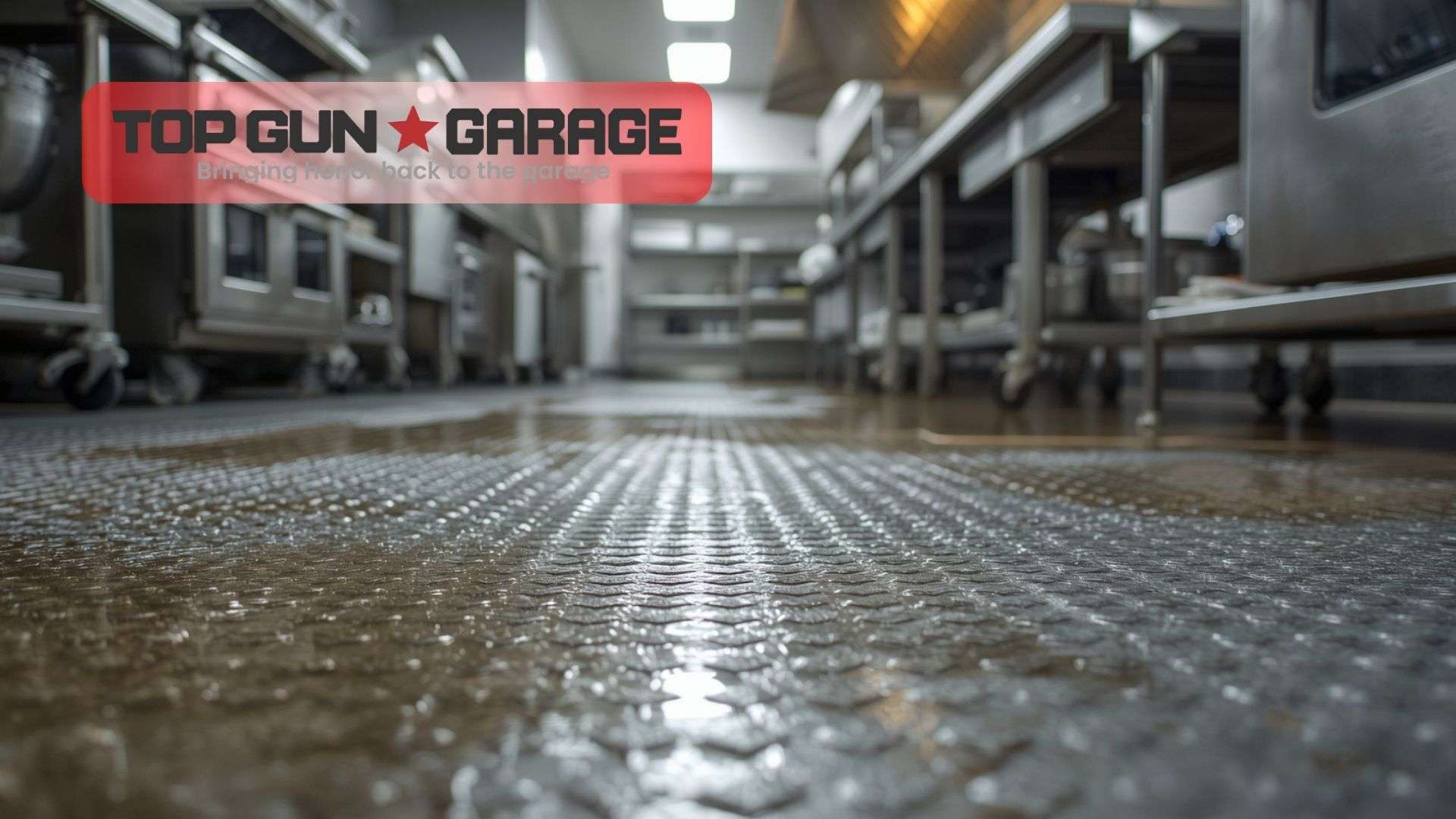
Abrasion resistance testing for commercial products typically involves 10,000 to 50,000 cycles using standardized abrasive wheels, compared to 1,000 to 5,000 cycles for residential products. This testing reveals the gradual wear patterns that occur over time and establishes realistic expectations for appearance retention under various traffic conditions. Commercial products must maintain acceptable appearance ratings throughout these extended test cycles, while residential products only need to demonstrate basic durability under normal household conditions.
Impact resistance testing evaluates flooring response to dropped objects, furniture movement, and concentrated loads that occur in commercial environments. Commercial products undergo testing with heavier weights dropped from greater heights, simulating the equipment movement and heavy object impacts common in workplace settings. Learning about impact resistant surfaces reveals performance capabilities. The recovery characteristics after impact – including surface deformation, crack resistance, and appearance changes – are carefully documented to establish performance baselines.
Chemical resistance testing exposes flooring samples to various cleaning agents, food products, and industrial chemicals that might be encountered in commercial applications. This testing includes both immediate stain resistance and long-term chemical exposure effects that could compromise structural integrity or appearance. Understanding chemical resistance ratings provides insights into performance expectations. Residential products typically undergo limited chemical testing focused on common household spills and standard cleaning products.
Slip resistance testing becomes particularly critical for commercial applications where liability concerns and safety regulations require specific performance levels. Commercial flooring must meet ADA (Americans with Disabilities Act) requirements and OSHA standards that specify minimum coefficient of friction values under both dry and wet conditions. These requirements often necessitate specialized surface textures or treatments that may not be necessary for residential applications but are essential for commercial safety compliance.
Installation Requirements and Techniques
The installation requirements for commercial grade flooring often differ substantially from residential applications, requiring specialized tools, techniques, and expertise that can significantly impact project costs and timelines. Commercial installations typically demand more rigorous subfloor preparation, including moisture testing, leveling compound application, and primer systems that ensure optimal adhesion and long-term performance under demanding conditions.
Subfloor preparation for commercial projects involves comprehensive moisture testing using calcium chloride or relative humidity testing methods that determine whether additional moisture mitigation systems are necessary. Understanding floor moisture testing reveals the importance of this step. Commercial installations often require moisture barriers, vapor retarders, or specialized primer systems that add complexity and cost to the installation process. The tolerance specifications for subfloor flatness are typically more stringent for commercial applications, often requiring professional grinding or leveling compound application to achieve the required specifications.
Adhesive application techniques for commercial flooring require specialized equipment including notched trowels with specific configurations, power mixers for two-part adhesive systems, and environmental monitoring equipment to ensure optimal curing conditions. The open time and working time characteristics of commercial adhesives often differ from residential products, requiring experienced installers who understand the timing requirements and application techniques necessary for successful installation.
Seaming and transition details in commercial installations must accommodate higher stress levels and more frequent cleaning cycles than residential applications. Commercial installations often incorporate welded seams for sheet vinyl, specialized transition strips for high-traffic areas, and perimeter details that prevent moisture infiltration and edge damage. Understanding how the installation process works demonstrates proper technique. These installation details require specialized tools and techniques that many residential installers may not possess.
Quality control during commercial installation involves more comprehensive inspection protocols, including adhesive spread rate verification, seam integrity testing, and final inspection procedures that document compliance with specification requirements. Many commercial projects require third-party inspection services and detailed documentation that ensures warranty compliance and long-term performance. For those considering whether to tackle installation themselves, understanding the DIY limitations versus professional advantages can help determine the best approach for specific projects.
Cost Analysis and Long-Term Value
The financial considerations surrounding commercial grade vs residential formulations extend far beyond initial material costs, encompassing installation expenses, maintenance requirements, replacement schedules, and total cost of ownership calculations that often favor commercial products in high-use applications. While commercial flooring typically costs 30-70% more per square foot than comparable residential products, this premium investment frequently delivers superior long-term value through extended service life and reduced maintenance expenses.

Initial material cost comparisons reveal significant price differences across product categories. Commercial luxury vinyl planks may cost $4-8 per square foot compared to $2-4 for residential versions, while commercial carpet pricing ranges from $3-12 per square foot versus $1-6 for residential products. However, these upfront cost differences must be evaluated against expected service life, with commercial products often lasting 2-3 times longer than residential alternatives under comparable use conditions.
Installation cost variations reflect the specialized requirements and techniques necessary for commercial applications. Commercial installations often require additional subfloor preparation, specialized adhesives, and more complex installation procedures that can increase labor costs by 25-50% compared to residential projects. However, the extended warranty coverage and performance guarantees associated with commercial products can offset these higher installation costs through reduced replacement frequency and maintenance requirements.
Maintenance cost analysis reveals significant advantages for commercial formulations in high-traffic applications. Commercial products typically require less frequent deep cleaning, resist staining and wear patterns more effectively, and maintain their appearance longer under demanding conditions. Understanding how long epoxy flooring lasts provides realistic lifespan expectations. The enhanced durability characteristics reduce the need for protective treatments, frequent replacement of high-wear areas, and premature full replacement that can occur with residential products in demanding applications.
Lifecycle cost modeling demonstrates that commercial flooring often provides superior value in applications with moderate to heavy traffic, even in residential settings such as busy kitchens, entryways, or rental properties. The calculation must include factors such as disruption costs during replacement, inflation effects on future replacement costs, and the potential impact on property values. Many property owners find that investing in commercial-grade products for high-use areas provides better long-term financial returns despite higher initial investments.
Application-Specific Recommendations
Selecting appropriate flooring formulations requires careful analysis of specific use conditions, traffic patterns, and performance expectations that vary dramatically across different applications. The decision matrix involves evaluating factors including expected traffic volume, moisture exposure, chemical exposure risks, aesthetic requirements, and maintenance capabilities that determine whether commercial or residential formulations provide optimal performance and value.
Healthcare facilities represent one of the most demanding commercial applications, requiring flooring that meets stringent infection control standards, chemical resistance requirements, and slip resistance specifications. These environments necessitate commercial formulations with antimicrobial properties, seamless installation capabilities, and resistance to harsh cleaning chemicals used in medical settings. The failure of residential-grade products in healthcare applications can create serious safety and liability issues that far exceed any potential cost savings.
Educational facilities present unique challenges that often benefit from commercial formulations even in areas with moderate traffic levels. The combination of heavy foot traffic, potential for spills and stains, budget constraints for frequent replacement, and safety requirements typically favor commercial products that can withstand years of intensive use while maintaining acceptable appearance and safety characteristics.
Retail environments require careful consideration of both performance and aesthetic requirements, with commercial formulations necessary in high-traffic areas while residential products may suffice in low-traffic zones such as offices or storage areas. The key consideration involves matching product specifications to specific traffic patterns and use conditions rather than applying uniform specifications throughout the facility.
Residential applications increasingly benefit from commercial formulations in specific high-use areas such as kitchens, entryways, mudrooms, and laundry rooms where enhanced durability justifies the additional investment. Many homeowners find that upgrading to commercial products in these critical areas provides better long-term satisfaction and reduces the frequency of renovation projects. Understanding garage floors designed for specific purposes demonstrates application-specific solutions. The decision often depends on lifestyle factors, family size, pet ownership, and entertaining patterns that influence traffic levels and wear patterns in residential settings.
Top Gun Garage: Expert Flooring Solutions
At Top Gun Garage, the team understands that selecting between commercial grade vs residential formulations requires expert guidance based on specific needs, budget, and long-term expectations. The experienced team has worked extensively with both commercial and residential flooring products, providing the insight necessary to make informed decisions that deliver optimal performance and value for investments.
The comprehensive approach to flooring specification begins with a detailed analysis of specific application requirements, including traffic patterns, environmental conditions, aesthetic preferences, and budget considerations. The team works closely with leading manufacturers to stay current with the latest product innovations and performance improvements that continue to blur the lines between commercial and residential capabilities.
The Top Gun Garage team brings decades of combined experience in both commercial and residential flooring installations, understanding the nuanced differences in installation techniques, subfloor preparation requirements, and quality control procedures that ensure optimal performance regardless of which formulation is selected. The commitment to excellence extends throughout the entire project lifecycle, from initial consultation through final inspection and ongoing maintenance support.
Relationships with trusted suppliers and manufacturers provide access to the full spectrum of commercial flooring options and residential alternatives, ensuring that clients receive the most appropriate products for their specific applications. Purchasing relationships often provide cost advantages that help offset the premium pricing associated with commercial formulations when they represent the best solution for specific needs.
Frequently Asked Questions
What is the main difference between commercial and residential flooring formulations?
The primary differences lie in durability engineering, with commercial formulations featuring enhanced wear layers, superior chemical resistance, and reinforced construction designed to withstand heavy traffic and demanding use conditions that would quickly damage residential products.
When should I consider commercial flooring for residential applications?
Commercial flooring makes sense for residential use in high-traffic areas such as kitchens, entryways, mudrooms, and family rooms, especially in homes with large families, pets, or frequent entertaining that creates wear patterns similar to light commercial applications.
How much more does commercial flooring typically cost?
Commercial flooring generally costs 30-70% more than comparable residential products, but this premium often provides 2-3 times longer service life, potentially delivering better long-term value in appropriate applications.
Can residential flooring installers handle commercial products?
Commercial installations often require specialized techniques, tools, and adhesives that may exceed typical residential installer capabilities. Professional commercial installers understand the specific requirements for subfloor preparation, adhesive application, and quality control necessary for optimal performance.
What are the warranty differences between commercial and residential flooring?
Commercial warranties typically include performance guarantees for wear resistance and appearance retention, while residential warranties focus primarily on manufacturing defects. Understanding warranty coverage factors helps set expectations. Commercial warranties often provide longer coverage periods with specific performance criteria.
Do commercial floors require special maintenance?
Commercial floors are actually designed for easier maintenance, often requiring less frequent deep cleaning and showing greater resistance to stains and wear patterns. However, they may require specific cleaning products to maintain warranty compliance.
Are there aesthetic limitations with commercial flooring?
Modern commercial flooring offers extensive design options that rival residential products, with luxury vinyl, carpet, and laminate options providing sophisticated aesthetics while maintaining commercial-grade performance characteristics.
How do I determine if I need commercial or residential grade flooring?
Consider factors including expected traffic volume, potential for spills and stains, frequency of use, budget for future replacement, and specific performance requirements. Professional consultation can help evaluate these factors and recommend appropriate formulations for specific applications.
Conclusion
The decision between commercial grade vs residential formulations represents one of the most critical choices in any flooring project, with implications that extend far beyond initial cost considerations to encompass long-term performance, maintenance requirements, and overall satisfaction with investments. Understanding the fundamental differences in material composition, manufacturing standards, and performance characteristics provides the foundation for making informed decisions that align with specific needs and expectations.
Commercial formulations offer superior durability, enhanced chemical resistance, and extended service life that justify their premium pricing in appropriate applications. However, residential products continue to evolve with improved performance characteristics that make them suitable for many applications where commercial products were once considered necessary. The key lies in accurately assessing specific requirements and matching them with appropriate product specifications rather than automatically assuming that higher-grade products are always better.
The investment in professional consultation and installation becomes particularly valuable when navigating these decisions, as experienced contractors can provide insights into product performance, installation requirements, and long-term maintenance considerations that significantly impact overall project success. Whether choosing commercial or residential formulations, proper specification, installation, and maintenance remain critical factors in achieving optimal performance and value from flooring investments.
As flooring technology continues to advance, the distinctions between commercial and residential products may continue to blur, but understanding the fundamental principles behind these classifications will remain essential for making informed decisions that deliver lasting satisfaction and performance in any application.