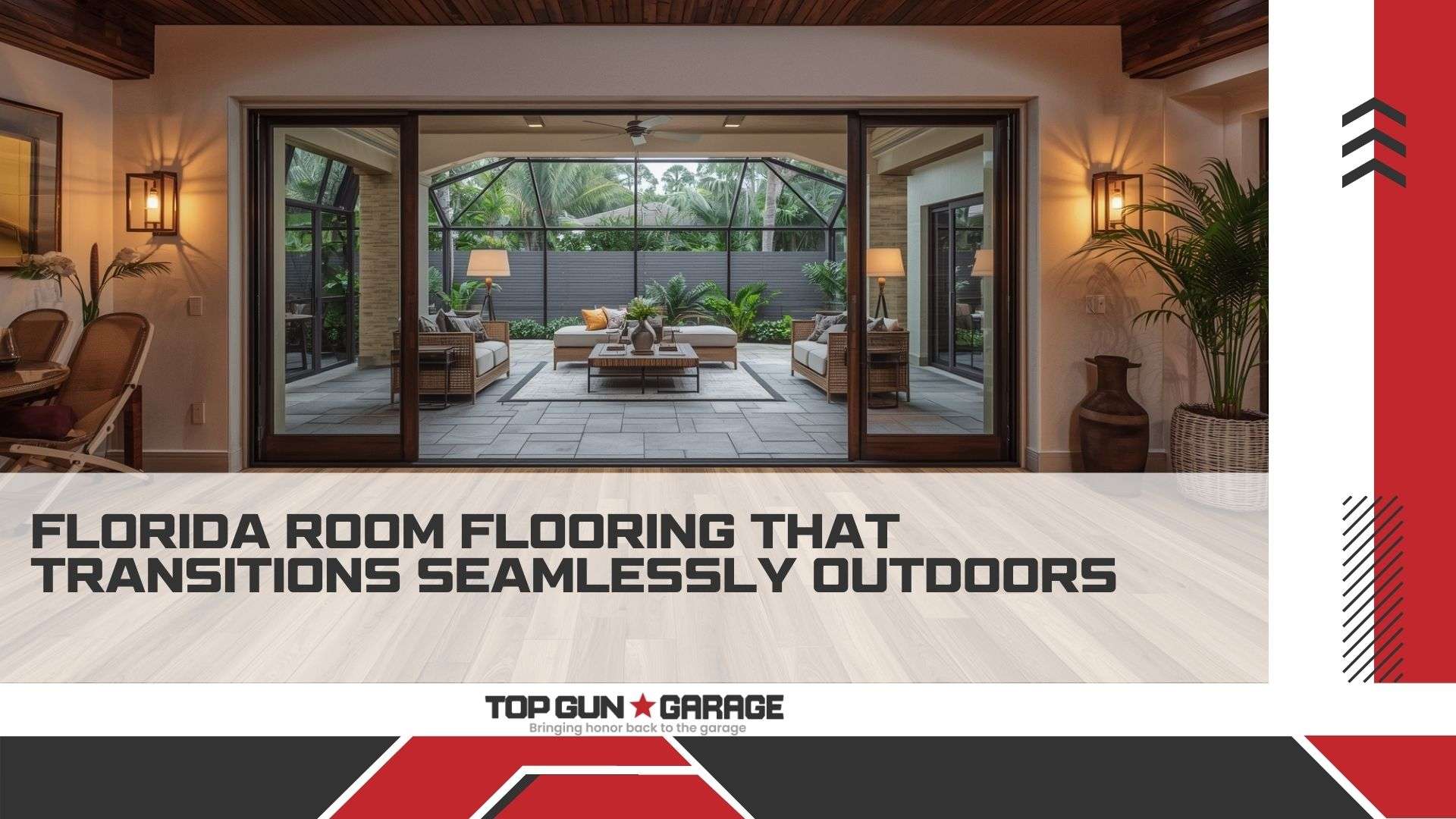
Creating a seamless transition between your Florida room and outdoor living spaces requires careful consideration of flooring materials that can withstand the unique challenges of the Sunshine State’s climate while maintaining aesthetic continuity. Florida room flooring that transitions seamlessly outdoors has become increasingly popular among homeowners who want to blur the lines between indoor comfort and outdoor living.
The concept of seamless transitional flooring goes beyond simple material selectionâit encompasses design philosophy, durability requirements, and the practical demands of Florida’s humid subtropical climate. When properly executed, this flooring approach creates an expansive feeling that makes both your Florida room and outdoor areas appear larger and more cohesive.
Florida’s year-round warm weather and frequent rain showers present unique challenges for flooring materials. The high humidity levels, temperature fluctuations, and occasional flooding require flooring solutions that can handle moisture without compromising structural integrity or visual appeal. Additionally, the constant exposure to UV rays through large windows and sliding doors means that color stability becomes a crucial factor in material selection.
Modern homeowners are increasingly seeking outdoor living experiences that don’t sacrifice indoor comfort. This trend has driven innovation in flooring materials and installation techniques that allow for smooth transitions between enclosed Florida rooms and open patios, decks, or pool areas. The key lies in selecting materials that perform well in both environments while maintaining consistent visual characteristics.
Professional installation becomes particularly important when creating these seamless transitions. Proper subfloor preparation, moisture barriers, and expansion joint management ensure that your investment remains beautiful and functional for years to come. Understanding the technical requirements and aesthetic possibilities helps homeowners make informed decisions about their Florida room flooring projects.
Key Takeaways
Material Compatibility: Choose flooring materials that perform well in both indoor and outdoor environments, considering Florida’s high humidity and temperature variations
Visual Continuity: Select colors, textures, and patterns that create a cohesive look between your Florida room and outdoor spaces
Moisture Management: Implement proper drainage, vapor barriers, and waterproofing to prevent damage from Florida’s frequent rain and high humidity
UV Resistance: Ensure flooring materials maintain color stability when exposed to intense Florida sunlight through large windows and doors
Expansion Considerations: Account for thermal expansion and contraction in material selection and installation methods
Maintenance Requirements: Choose materials that can be easily cleaned and maintained in both indoor and outdoor settings
Professional Installation: Work with experienced contractors who understand the unique challenges of Florida’s climate and transitional flooring requirements
Long-term Durability: Invest in quality materials and proper installation to ensure your seamless transition flooring withstands Florida’s demanding weather conditions
These key considerations form the foundation for successful Florida room flooring projects that truly transition seamlessly to outdoor spaces. Each element plays a crucial role in achieving both immediate visual impact and long-term performance in Florida’s challenging climate conditions.
Understanding Florida Room Flooring Challenges
Florida rooms present unique flooring challenges that differ significantly from traditional interior spaces. These enclosed porches, sunrooms, and three-season rooms experience more extreme temperature fluctuations than typical indoor areas while requiring more weather protection than fully outdoor spaces. The combination of large windows, frequent door openings, and exposure to outdoor elements creates a demanding environment for flooring materials.
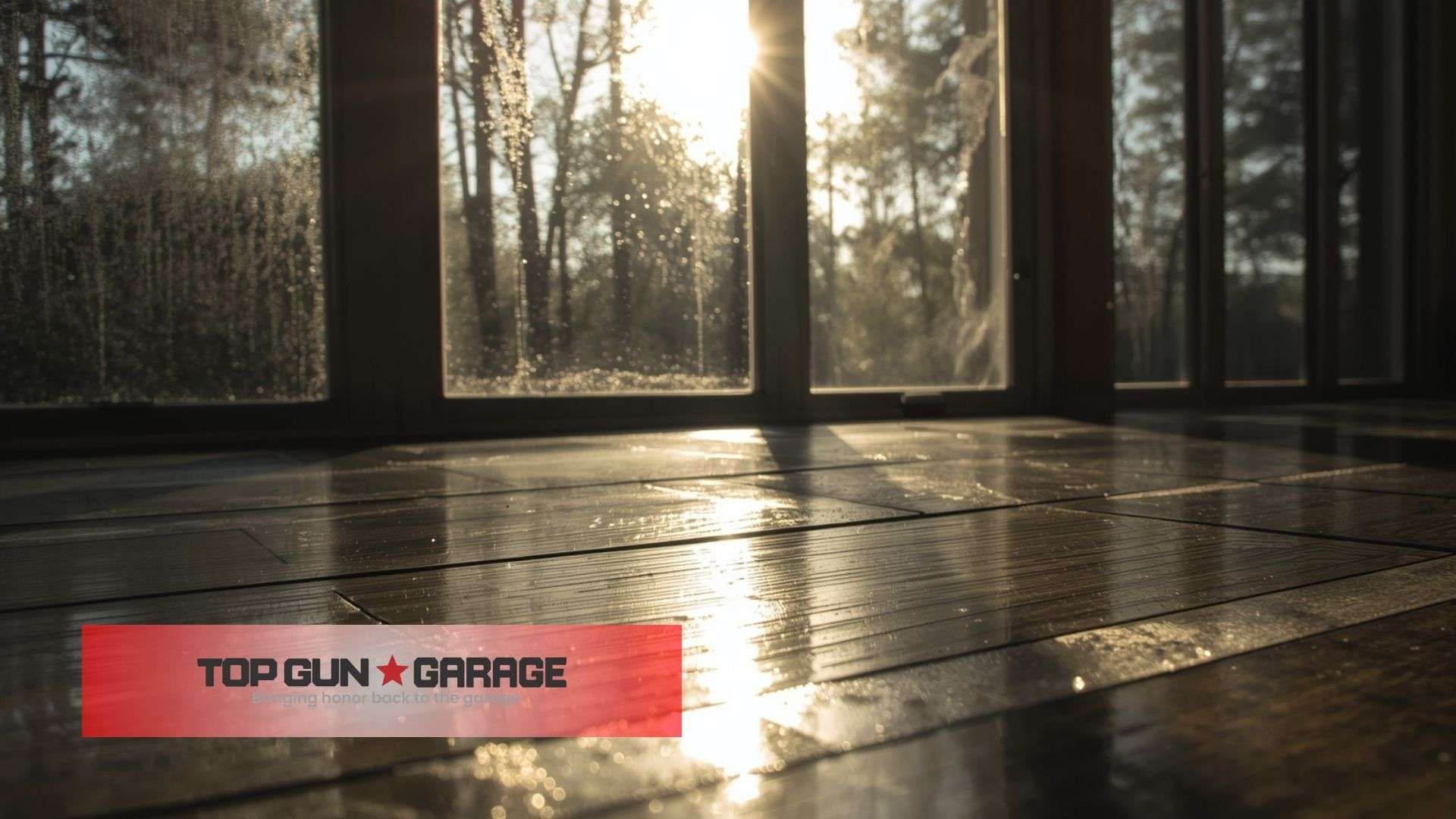
Humidity control represents one of the most significant challenges in Florida room flooring selection. Unlike climate-controlled interior spaces, Florida rooms often experience humidity levels that fluctuate with outdoor conditions. This variability can cause certain flooring materials to expand, contract, warp, or develop moisture-related damage over time. Understanding how different materials respond to humidity changes helps homeowners select appropriate options for their specific situations.
Temperature variations in Florida rooms can be substantial, particularly in spaces with extensive glass exposure. Morning sun can rapidly heat flooring surfaces, while afternoon shade and evening cooling create thermal cycling that stresses materials and installation systems. This thermal movement requires careful consideration of expansion joints, subfloor preparation, and material selection to prevent buckling, gapping, or other temperature-related failures.
The transition zone between Florida rooms and outdoor spaces experiences the most demanding conditions. This area must handle foot traffic moving between different environments, potential water intrusion from rain or cleaning, and the structural movement that occurs where different building systems meet. Proper design and installation of this critical zone ensures long-term performance and maintains the seamless appearance that homeowners desire.
Top Flooring Materials for Seamless Transitions
Luxury vinyl plank (LVP) flooring has emerged as one of the most popular choices for Florida room applications requiring seamless outdoor transitions. Modern LVP products offer exceptional water resistance, dimensional stability, and realistic wood or stone appearances that complement outdoor hardscaping materials. The latest generation of LVP includes enhanced UV protection and improved thermal stability, making it suitable for the demanding conditions found in Florida rooms.
Porcelain tile represents another excellent option for seamless transitions, particularly when selected in formats and finishes that complement outdoor stone or concrete surfaces. Large-format porcelain tiles can create expansive, uninterrupted surfaces that visually connect indoor and outdoor spaces. The inherent water resistance and thermal stability of porcelain make it ideal for Florida’s climate, while modern printing technology allows for realistic wood, stone, and concrete appearances.
Polished concrete offers a contemporary solution that naturally transitions to outdoor concrete patios and pool decks. When properly sealed and finished, polished concrete provides excellent durability, easy maintenance, and unlimited color and texture options. The thermal mass of concrete helps moderate temperature fluctuations in Florida rooms, while its seamless nature eliminates grout lines and joints where moisture might penetrate.
Natural stone flooring, when properly selected and installed, creates stunning transitions that feel completely integrated with outdoor landscapes. Travertine, limestone, and slate offer natural beauty and excellent durability when sourced from appropriate quarries and treated with proper sealers. The key to success with natural stone lies in selecting materials with appropriate porosity levels and slip resistance for both indoor and outdoor applications.
Engineered hardwood designed for high-moisture environments can work in some Florida room applications, particularly when the space maintains better climate control. However, this option requires careful evaluation of specific environmental conditions and may not be suitable for all transitional applications. When appropriate, engineered hardwood offers unmatched natural beauty and warmth that many homeowners prefer.
Design Strategies for Visual Continuity
Creating visual continuity between Florida room flooring and outdoor spaces requires strategic planning that considers color coordination, pattern alignment, and textural relationships. The most successful transitions occur when homeowners select flooring materials that either match or complement their existing outdoor hardscaping, creating a unified design palette that flows naturally between spaces.
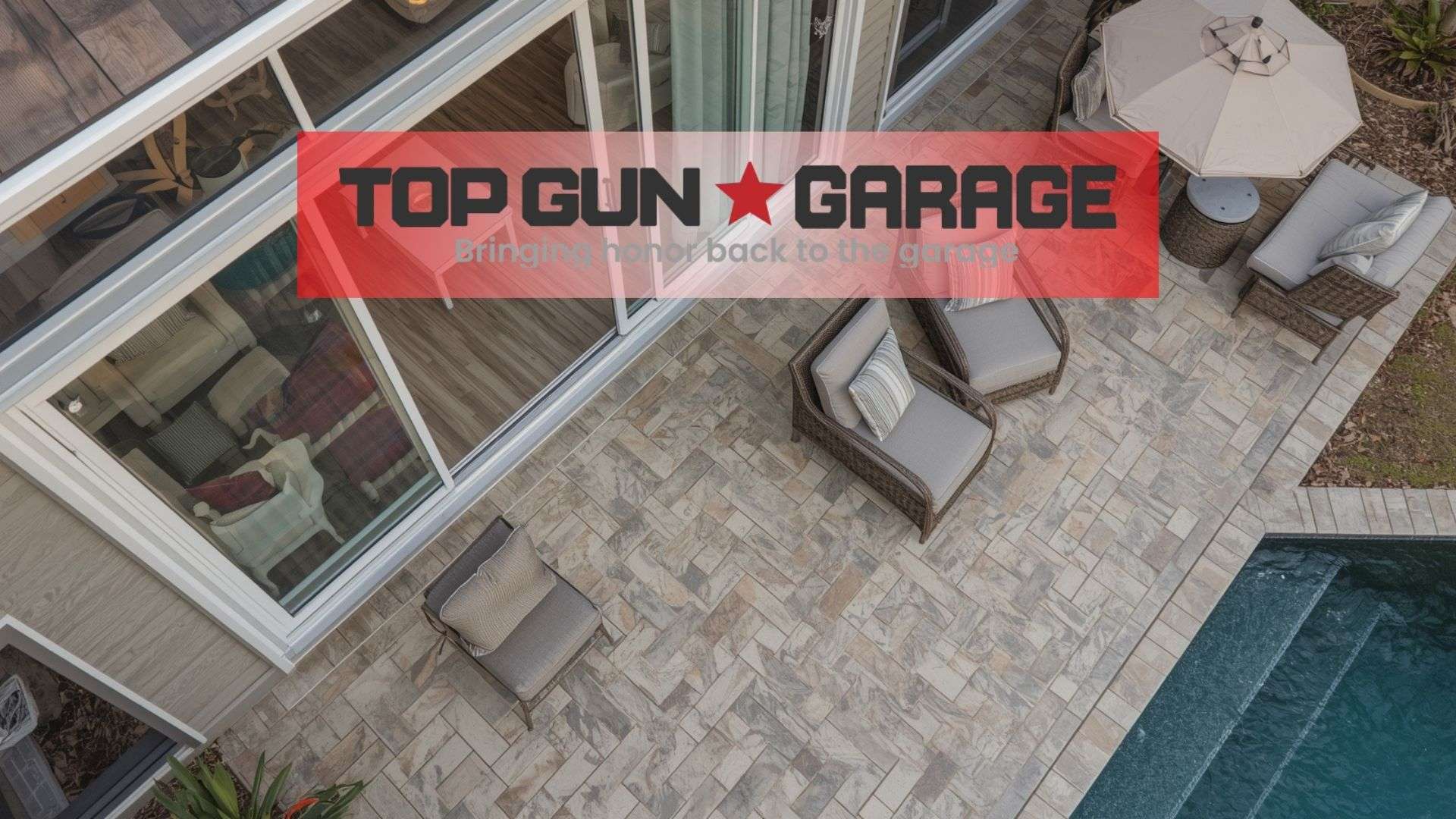
Color coordination forms the foundation of seamless visual transitions. Neutral tones such as warm grays, beiges, and earth tones typically work well because they complement natural outdoor materials like stone, concrete, and wood decking. However, the specific color selection should consider the existing outdoor palette, including patio materials, pool coping, and landscape elements. Subtle color variations between indoor and outdoor materials can actually enhance the transition by providing gentle visual interest while maintaining overall harmony.
Pattern and layout direction significantly impact the perceived flow between spaces. Running flooring patterns parallel to the transition line emphasizes the connection between indoor and outdoor areas, while perpendicular patterns can create visual separation. Large-format materials with minimal grout lines or seams create more seamless appearances than busy patterns with multiple joints. Consider how the flooring pattern will align with outdoor pavers, decking boards, or stone layouts to create intentional design relationships.
Textural coordination helps bridge the gap between indoor comfort and outdoor durability requirements. Smooth indoor surfaces can transition to slightly textured outdoor materials through intermediate textures that provide appropriate slip resistance while maintaining visual compatibility. The key lies in creating gradual textural changes rather than abrupt contrasts that draw attention to the transition line.
Threshold design and material selection play crucial roles in seamless transitions. Traditional raised thresholds can interrupt visual flow, while flush transitions create more seamless appearances. However, flush transitions require careful attention to water management and structural details. Consider using threshold materials that complement both indoor and outdoor flooring while providing necessary weather protection.
Lighting design should complement flooring transitions by providing consistent illumination levels that don’t create harsh contrasts between indoor and outdoor spaces. Natural lighting through large windows and doors should be supplemented with artificial lighting that maintains visual continuity during evening hours. Consider how different flooring materials reflect and absorb light to ensure comfortable lighting levels throughout the transition zone.
Installation Techniques for Seamless Results
Proper subfloor preparation forms the critical foundation for successful seamless transitions between Florida room and outdoor flooring. The subfloor system must accommodate different material requirements while providing consistent support and moisture protection across the transition zone. This often involves creating level surfaces that account for different material thicknesses and expansion characteristics.
Moisture barrier installation requires special attention in transition areas where indoor and outdoor environments meet. Vapor barriers must be properly sealed and integrated with building envelope systems to prevent moisture intrusion that could damage flooring materials or create mold conditions. The barrier system should extend beyond the immediate flooring area to tie into wall and foundation waterproofing systems.
Expansion joint design and placement become critical when different flooring materials meet or when single materials span large temperature variation zones. Properly designed expansion joints allow for thermal movement while maintaining weather protection and visual appeal. Modern expansion joint systems can be nearly invisible while providing necessary functionality.
Drainage considerations must address both surface water management and subsurface moisture control. Transition areas should be designed with appropriate slopes to direct water away from building structures while maintaining comfortable walking surfaces. Subsurface drainage may be necessary in areas prone to groundwater intrusion or poor natural drainage.
Professional installation becomes particularly important for seamless transitions because of the technical complexity involved in managing different material systems, environmental exposures, and structural requirements. Experienced contractors understand how to integrate flooring systems with building envelopes, manage thermal movement, and create long-lasting installations that maintain their appearance over time.
Quality control during installation ensures that seamless transitions meet both aesthetic and performance expectations. This includes verifying level surfaces, proper material acclimation, appropriate adhesive curing, and complete sealing of all joints and penetrations. Post-installation inspection should confirm that all systems function properly before the space is put into service.
Maintenance and Longevity Considerations
Maintaining seamless transition flooring requires understanding the different care requirements of materials used in varying environmental conditions. Florida room floors experience more demanding conditions than typical interior spaces, requiring more frequent cleaning and periodic maintenance to preserve their appearance and performance. Developing appropriate maintenance routines helps ensure long-term satisfaction with your flooring investment.
Cleaning protocols should address both indoor comfort requirements and outdoor durability needs. Materials used in transition areas may accumulate more dirt, moisture, and debris than typical indoor flooring, requiring more frequent cleaning. However, cleaning methods must be appropriate for the specific materials used and should not compromise water resistance or finish integrity.
Seasonal maintenance becomes particularly important in Florida’s climate, where wet and dry seasons create different challenges for flooring systems. Regular inspection of seals, joints, and transition areas helps identify potential problems before they become costly repairs. Preventive maintenance such as resealing natural stone or refreshing protective coatings can significantly extend flooring life.
Environmental monitoring helps homeowners understand how their Florida room conditions affect flooring performance. Simple humidity and temperature monitoring can provide valuable information about space conditions and help identify when environmental controls or ventilation improvements might be beneficial. Understanding these conditions helps optimize both comfort and flooring longevity.
Professional maintenance services may be worthwhile for complex flooring systems or high-value installations. Professional cleaning and maintenance can help preserve manufacturer warranties while ensuring that specialized materials receive appropriate care. Regular professional inspection can identify potential issues early and recommend appropriate corrective actions.
When planning your Florida room flooring project, consider consulting with experienced professionals like Top Gun Garage, who understand the unique requirements of seamless transition flooring in Florida’s demanding climate. Their expertise in flooring installation and maintenance can help ensure your project achieves both immediate visual impact and long-term performance success.
Frequently Asked Questions
What flooring materials work best for Florida room transitions to outdoor spaces?
Luxury vinyl plank, porcelain tile, and polished concrete are among the top choices for seamless transitions. These materials offer excellent moisture resistance, dimensional stability, and aesthetic options that complement outdoor hardscaping.
How do I prevent moisture problems in transition areas?
Proper moisture barriers, drainage design, and material selection are essential. Work with experienced contractors who understand Florida’s climate challenges and can implement appropriate waterproofing systems.
Can I use the same flooring material indoors and outdoors?
Some materials like porcelain tile and certain luxury vinyl products are suitable for both applications. However, outdoor installations may require different slip resistance ratings and UV protection levels.
How important is professional installation for seamless transitions?
Professional installation is crucial for seamless transitions because of the technical complexity involved in managing different environmental conditions, expansion requirements, and waterproofing needs.
What maintenance is required for transition flooring?
Regular cleaning, periodic sealing of appropriate materials, and seasonal inspection of joints and seals help maintain appearance and performance. Maintenance requirements vary by material type.
How do I coordinate colors between indoor and outdoor flooring?
Choose neutral tones that complement existing outdoor materials, or select materials specifically designed to coordinate. Consider how different lighting conditions affect color appearance in both spaces.
What are the cost considerations for seamless transition flooring?
Costs vary significantly based on material selection, space size, and installation complexity. Higher-quality materials and professional installation typically provide better long-term value through improved durability and performance.
How do I handle expansion and contraction in transition areas?
Proper expansion joint design and installation techniques accommodate thermal movement while maintaining weather protection. This requires understanding material characteristics and local climate conditions.
Conclusion
Creating Florida room flooring that transitions seamlessly outdoors requires careful planning, appropriate material selection, and professional installation expertise. The unique challenges of Florida’s climate demand flooring solutions that can handle high humidity, temperature fluctuations, and frequent exposure to moisture while maintaining visual continuity between indoor and outdoor living spaces.
Success in these projects depends on understanding the relationship between environmental conditions, material properties, and installation techniques. Modern flooring materials offer unprecedented opportunities to create stunning transitions that blur the lines between indoor comfort and outdoor living, but only when properly selected and installed for specific applications.
The investment in quality materials and professional installation pays dividends through years of beautiful, functional flooring that enhances your home’s livability and value. By working with experienced contractors who understand Florida’s unique requirements, homeowners can achieve the seamless transitions they envision while ensuring long-term performance and satisfaction.
Whether you choose luxury vinyl plank, porcelain tile, polished concrete, or natural stone, the key to success lies in comprehensive planning that addresses both aesthetic goals and practical requirements. Your Florida room flooring project represents an opportunity to create truly integrated indoor-outdoor living spaces that take full advantage of Florida’s year-round outdoor lifestyle possibilities.
 Skip to content



 Humidity control represents one of the most significant challenges in Florida room flooring selection. Unlike climate-controlled interior spaces, Florida rooms often experience humidity levels that fluctuate with outdoor conditions. This variability can cause certain flooring materials to expand, contract, warp, or develop moisture-related damage over time. Understanding how different materials respond to humidity changes helps homeowners select appropriate options for their specific situations.
Temperature variations in Florida rooms can be substantial, particularly in spaces with extensive glass exposure. Morning sun can rapidly heat flooring surfaces, while afternoon shade and evening cooling create thermal cycling that stresses materials and installation systems. This thermal movement requires careful consideration of expansion joints, subfloor preparation, and material selection to prevent buckling, gapping, or other temperature-related failures.
The transition zone between Florida rooms and outdoor spaces experiences the most demanding conditions. This area must handle foot traffic moving between different environments, potential water intrusion from rain or cleaning, and the structural movement that occurs where different building systems meet. Proper design and installation of this critical zone ensures long-term performance and maintains the seamless appearance that homeowners desire.
Humidity control represents one of the most significant challenges in Florida room flooring selection. Unlike climate-controlled interior spaces, Florida rooms often experience humidity levels that fluctuate with outdoor conditions. This variability can cause certain flooring materials to expand, contract, warp, or develop moisture-related damage over time. Understanding how different materials respond to humidity changes helps homeowners select appropriate options for their specific situations.
Temperature variations in Florida rooms can be substantial, particularly in spaces with extensive glass exposure. Morning sun can rapidly heat flooring surfaces, while afternoon shade and evening cooling create thermal cycling that stresses materials and installation systems. This thermal movement requires careful consideration of expansion joints, subfloor preparation, and material selection to prevent buckling, gapping, or other temperature-related failures.
The transition zone between Florida rooms and outdoor spaces experiences the most demanding conditions. This area must handle foot traffic moving between different environments, potential water intrusion from rain or cleaning, and the structural movement that occurs where different building systems meet. Proper design and installation of this critical zone ensures long-term performance and maintains the seamless appearance that homeowners desire.
 Color coordination forms the foundation of seamless visual transitions. Neutral tones such as warm grays, beiges, and earth tones typically work well because they complement natural outdoor materials like stone, concrete, and wood decking. However, the specific color selection should consider the existing outdoor palette, including patio materials, pool coping, and landscape elements. Subtle color variations between indoor and outdoor materials can actually enhance the transition by providing gentle visual interest while maintaining overall harmony.
Pattern and layout direction significantly impact the perceived flow between spaces. Running flooring patterns parallel to the transition line emphasizes the connection between indoor and outdoor areas, while perpendicular patterns can create visual separation. Large-format materials with minimal grout lines or seams create more seamless appearances than busy patterns with multiple joints. Consider how the flooring pattern will align with outdoor pavers, decking boards, or stone layouts to create intentional design relationships.
Textural coordination helps bridge the gap between indoor comfort and outdoor durability requirements. Smooth indoor surfaces can transition to slightly textured outdoor materials through intermediate textures that provide appropriate slip resistance while maintaining visual compatibility. The key lies in creating gradual textural changes rather than abrupt contrasts that draw attention to the transition line.
Threshold design and material selection play crucial roles in seamless transitions. Traditional raised thresholds can interrupt visual flow, while flush transitions create more seamless appearances. However, flush transitions require careful attention to water management and structural details. Consider using threshold materials that complement both indoor and outdoor flooring while providing necessary weather protection.
Lighting design should complement flooring transitions by providing consistent illumination levels that don’t create harsh contrasts between indoor and outdoor spaces. Natural lighting through large windows and doors should be supplemented with artificial lighting that maintains visual continuity during evening hours. Consider how different flooring materials reflect and absorb light to ensure comfortable lighting levels throughout the transition zone.
Color coordination forms the foundation of seamless visual transitions. Neutral tones such as warm grays, beiges, and earth tones typically work well because they complement natural outdoor materials like stone, concrete, and wood decking. However, the specific color selection should consider the existing outdoor palette, including patio materials, pool coping, and landscape elements. Subtle color variations between indoor and outdoor materials can actually enhance the transition by providing gentle visual interest while maintaining overall harmony.
Pattern and layout direction significantly impact the perceived flow between spaces. Running flooring patterns parallel to the transition line emphasizes the connection between indoor and outdoor areas, while perpendicular patterns can create visual separation. Large-format materials with minimal grout lines or seams create more seamless appearances than busy patterns with multiple joints. Consider how the flooring pattern will align with outdoor pavers, decking boards, or stone layouts to create intentional design relationships.
Textural coordination helps bridge the gap between indoor comfort and outdoor durability requirements. Smooth indoor surfaces can transition to slightly textured outdoor materials through intermediate textures that provide appropriate slip resistance while maintaining visual compatibility. The key lies in creating gradual textural changes rather than abrupt contrasts that draw attention to the transition line.
Threshold design and material selection play crucial roles in seamless transitions. Traditional raised thresholds can interrupt visual flow, while flush transitions create more seamless appearances. However, flush transitions require careful attention to water management and structural details. Consider using threshold materials that complement both indoor and outdoor flooring while providing necessary weather protection.
Lighting design should complement flooring transitions by providing consistent illumination levels that don’t create harsh contrasts between indoor and outdoor spaces. Natural lighting through large windows and doors should be supplemented with artificial lighting that maintains visual continuity during evening hours. Consider how different flooring materials reflect and absorb light to ensure comfortable lighting levels throughout the transition zone.
 Cleaning protocols should address both indoor comfort requirements and outdoor durability needs. Materials used in transition areas may accumulate more dirt, moisture, and debris than typical indoor flooring, requiring more frequent cleaning. However, cleaning methods must be appropriate for the specific materials used and should not compromise water resistance or finish integrity.
Seasonal maintenance becomes particularly important in Florida’s climate, where wet and dry seasons create different challenges for flooring systems. Regular inspection of seals, joints, and transition areas helps identify potential problems before they become costly repairs. Preventive maintenance such as resealing natural stone or refreshing protective coatings can significantly extend flooring life.
Environmental monitoring helps homeowners understand how their Florida room conditions affect flooring performance. Simple humidity and temperature monitoring can provide valuable information about space conditions and help identify when environmental controls or ventilation improvements might be beneficial. Understanding these conditions helps optimize both comfort and flooring longevity.
Professional maintenance services may be worthwhile for complex flooring systems or high-value installations. Professional cleaning and maintenance can help preserve manufacturer warranties while ensuring that specialized materials receive appropriate care. Regular professional inspection can identify potential issues early and recommend appropriate corrective actions.
When planning your Florida room flooring project, consider consulting with experienced professionals like Top Gun Garage, who understand the unique requirements of seamless transition flooring in Florida’s demanding climate. Their expertise in flooring installation and maintenance can help ensure your project achieves both immediate visual impact and long-term performance success.
Cleaning protocols should address both indoor comfort requirements and outdoor durability needs. Materials used in transition areas may accumulate more dirt, moisture, and debris than typical indoor flooring, requiring more frequent cleaning. However, cleaning methods must be appropriate for the specific materials used and should not compromise water resistance or finish integrity.
Seasonal maintenance becomes particularly important in Florida’s climate, where wet and dry seasons create different challenges for flooring systems. Regular inspection of seals, joints, and transition areas helps identify potential problems before they become costly repairs. Preventive maintenance such as resealing natural stone or refreshing protective coatings can significantly extend flooring life.
Environmental monitoring helps homeowners understand how their Florida room conditions affect flooring performance. Simple humidity and temperature monitoring can provide valuable information about space conditions and help identify when environmental controls or ventilation improvements might be beneficial. Understanding these conditions helps optimize both comfort and flooring longevity.
Professional maintenance services may be worthwhile for complex flooring systems or high-value installations. Professional cleaning and maintenance can help preserve manufacturer warranties while ensuring that specialized materials receive appropriate care. Regular professional inspection can identify potential issues early and recommend appropriate corrective actions.
When planning your Florida room flooring project, consider consulting with experienced professionals like Top Gun Garage, who understand the unique requirements of seamless transition flooring in Florida’s demanding climate. Their expertise in flooring installation and maintenance can help ensure your project achieves both immediate visual impact and long-term performance success.