 Skip to content



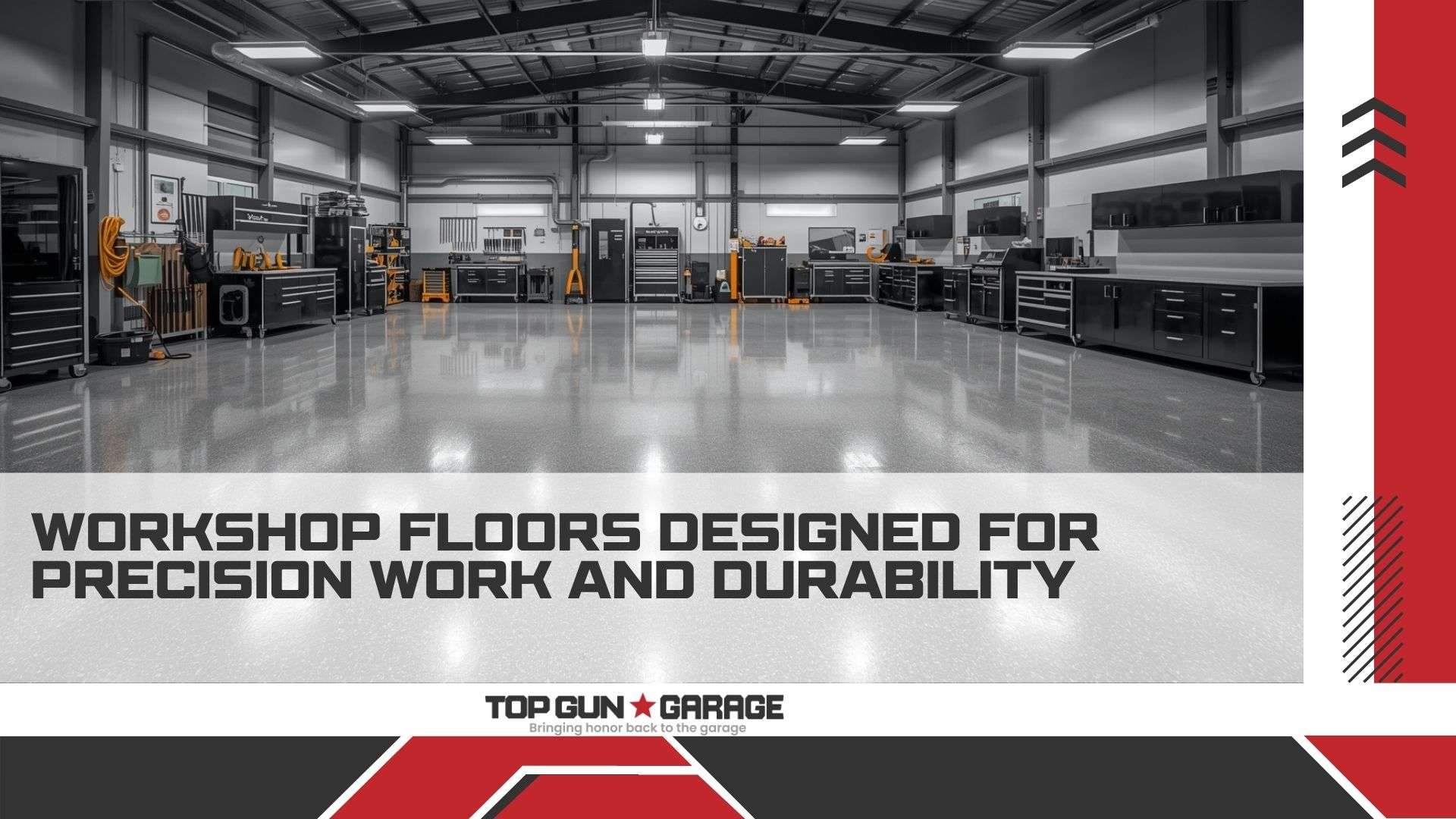
When it comes to creating a workspace where precision matters, the foundation beneath your feet plays a crucial role in determining the quality of your work. Workshop floors designed for precision work represent far more than just a surface to walk on—they form the backbone of any serious craftsperson’s or professional’s workspace. Whether you’re operating a machine shop, woodworking studio, electronics repair facility, or automotive garage, the flooring you choose directly impacts your ability to perform accurate, high-quality work.
The relationship between flooring and precision work extends beyond simple aesthetics or basic functionality. A properly designed workshop floor provides the stability, cleanliness, and safety required for detailed tasks that demand unwavering focus and accuracy. From reducing vibrations that could affect sensitive measurements to providing a clean environment that prevents contamination of delicate components, precision workshop flooring serves as an often-overlooked but essential element of professional craftsmanship.
Modern workshop environments face increasingly demanding requirements as technology advances and precision standards become more stringent. Traditional concrete floors, while durable, often fall short of meeting the specific needs of precision work environments. Issues such as dust generation, surface irregularities, chemical resistance, and maintenance requirements all factor into the decision-making process when selecting appropriate flooring solutions.
The investment in quality workshop flooring pays dividends through improved work quality, reduced maintenance costs, enhanced safety, and increased productivity. Understanding the various options available, their specific benefits, and how they align with different types of precision work enables workshop owners to make informed decisions that will serve their operations for years to come. This comprehensive examination of workshop flooring solutions will guide you through the critical considerations, material options, installation processes, and long-term maintenance strategies necessary to create the ideal foundation for precision work.
Key Takeaways
Surface Stability is Critical: Precision work requires flooring that provides exceptional dimensional stability and vibration dampening to ensure accurate measurements and smooth operation of sensitive equipment.
Chemical and Stain Resistance: Workshop environments often involve exposure to oils, solvents, acids, and other chemicals that can damage standard flooring, making chemical-resistant materials essential for longevity and safety.
Easy Maintenance and Cleaning: Precision work environments demand cleanliness, requiring flooring surfaces that can be easily cleaned, sanitized, and maintained without compromising their structural integrity or appearance.
Safety and Slip Resistance: Workshop floors must provide adequate traction while remaining smooth enough for easy movement of equipment and materials, balancing safety with functionality.
Durability Under Heavy Loads: Professional workshops often house heavy machinery and equipment, requiring flooring that can withstand substantial weight loads without cracking, settling, or developing surface imperfections.
Dust and Debris Control: Precision work environments benefit from flooring that doesn’t generate dust or harbor debris, maintaining clean conditions essential for quality workmanship and equipment protection.
Temperature and Humidity Stability: Workshop floors should maintain their properties across varying environmental conditions, ensuring consistent performance regardless of seasonal changes or operational demands.
Professional Installation Importance: The complexity of precision workshop flooring installation often requires professional expertise to ensure proper substrate preparation, material application, and long-term performance.
Understanding Precision Workshop Requirements
Precision workshop flooring differs significantly from standard commercial or residential flooring in both its technical requirements and performance expectations. The primary distinction lies in the level of accuracy and consistency demanded by the work performed on these surfaces. Unlike general-purpose floors that prioritize basic durability and appearance, precision workshop floors must meet stringent criteria for flatness, stability, and environmental resistance.
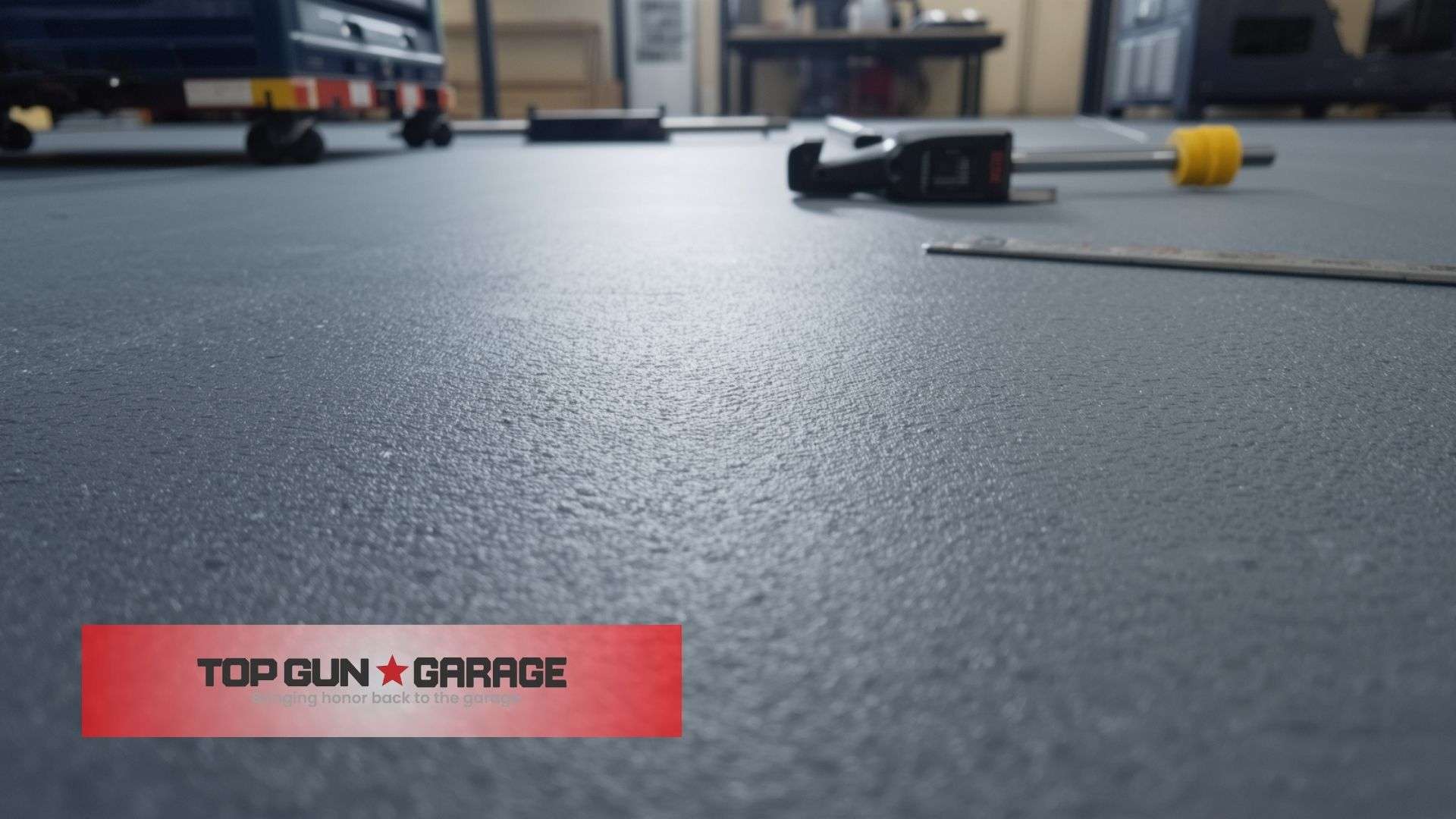
The flatness requirement for precision workshop flooring typically exceeds standard construction tolerances by significant margins. While conventional concrete floors might be considered acceptable with variations of 1/4 inch over 10 feet, precision workshops often require tolerances measured in fractions of millimeters. This level of precision ensures that sensitive equipment remains properly calibrated and that workpieces maintain their intended specifications throughout the manufacturing or repair process.
Vibration control represents another critical aspect of precision workshop flooring design. Many precision operations involve sensitive measuring equipment, computer-controlled machinery, or delicate assembly processes that can be adversely affected by floor-transmitted vibrations. The flooring system must not only resist generating vibrations itself but also help dampen vibrations from external sources such as nearby traffic, HVAC systems, or other workshop activities.
Chemical resistance requirements vary depending on the specific type of precision work being performed, but most workshops benefit from flooring that can withstand exposure to common industrial chemicals without degradation. This includes resistance to oils, coolants, cleaning solvents, and any specialized chemicals used in particular manufacturing or repair processes. The flooring must maintain its structural integrity and surface properties even after repeated exposure to these substances.
Material Options for Precision Workshops
Epoxy flooring systems represent one of the most popular choices for precision workshop applications due to their excellent combination of durability, chemical resistance, and surface smoothness. High-performance epoxy formulations can create virtually seamless surfaces that are easy to clean and maintain while providing excellent resistance to most workshop chemicals. The application process allows for precise control over surface texture and can incorporate anti-slip additives where needed without compromising the overall smoothness required for precision work.
Polyurethane flooring offers superior flexibility and impact resistance compared to epoxy systems, making it an excellent choice for workshops where thermal cycling or mechanical stress might cause rigid flooring systems to crack. Polyurethane floors maintain their properties across a wider temperature range and provide better resistance to UV exposure, making them suitable for workshops with skylights or large windows. The material’s inherent flexibility also helps absorb vibrations, contributing to a more stable work environment.
Polished concrete represents a cost-effective option that can meet precision workshop requirements when properly executed. The polishing process creates an extremely smooth, dust-free surface that resists most chemicals and provides excellent durability under heavy loads. Modern polishing techniques can achieve mirror-like finishes that rival more expensive flooring options while maintaining the inherent stability of a concrete substrate. However, achieving the precision tolerances required for sensitive work may require additional surface preparation and specialized polishing equipment.
Specialized resin flooring systems designed specifically for precision applications offer the highest level of performance but at a premium cost. These systems often incorporate multiple layers of different materials to achieve specific performance characteristics, such as enhanced vibration dampening, extreme chemical resistance, or superior surface smoothness. Some formulations include conductive additives to prevent static electricity buildup, which is crucial for electronics workshops or environments handling sensitive components.
When considering the benefits of professional installation versus attempting a DIY approach, it’s important to understand the complexities involved in achieving precision-grade results. The specialized equipment, technical knowledge, and quality control measures required for precision workshop flooring installation typically justify the investment in professional services.
Installation Considerations and Preparation
The success of any precision workshop flooring project depends heavily on proper substrate preparation, which often represents the most critical phase of the entire installation process. The existing concrete slab must be evaluated for structural integrity, moisture content, and surface condition before any flooring material can be applied. Precision applications typically require more extensive preparation than standard flooring projects, including detailed surface profiling, crack repair, and moisture mitigation measures.
Surface preparation for precision workshop floors often involves diamond grinding or shot blasting to achieve the required surface profile and remove any existing coatings, contaminants, or laitance. The goal is to create a uniformly clean, textured surface that will provide optimal adhesion for the chosen flooring system. This process must be performed with precision to avoid creating surface irregularities that could telegraph through the finished floor and compromise its flatness.
Moisture testing and mitigation represent critical steps that cannot be overlooked in precision workshop flooring installation. Excess moisture in the concrete substrate can cause adhesion failures, coating delamination, and long-term performance issues. Comprehensive moisture testing using multiple methods helps identify potential problems before they affect the flooring system. When moisture issues are identified, appropriate mitigation strategies such as moisture vapor barriers or specialized primer systems must be implemented.
The actual installation process for precision workshop flooring requires careful attention to environmental conditions, material mixing ratios, and application techniques. Temperature and humidity levels must be controlled within specified ranges to ensure proper curing and performance of the flooring materials. Professional installers use specialized equipment to achieve the uniform thickness and surface smoothness required for precision applications, including laser-guided screeds and precision measuring instruments.
Quality control during installation involves continuous monitoring of material properties, surface conditions, and environmental factors. This includes regular testing of mixed materials to verify proper ratios and working properties, as well as ongoing assessment of surface smoothness and thickness uniformity. Professional installation teams typically employ multiple quality control checkpoints throughout the process to ensure that the finished floor meets all specified requirements.
Maintenance and Long-Term Performance
Maintaining precision workshop flooring requires a systematic approach that balances the need for cleanliness with the preservation of surface properties essential for accurate work. Regular maintenance protocols should be established immediately after installation and consistently followed to maximize the flooring’s lifespan and performance. The specific maintenance requirements vary depending on the flooring material chosen, but all precision workshop floors benefit from daily cleaning routines that prevent the accumulation of debris and contaminants.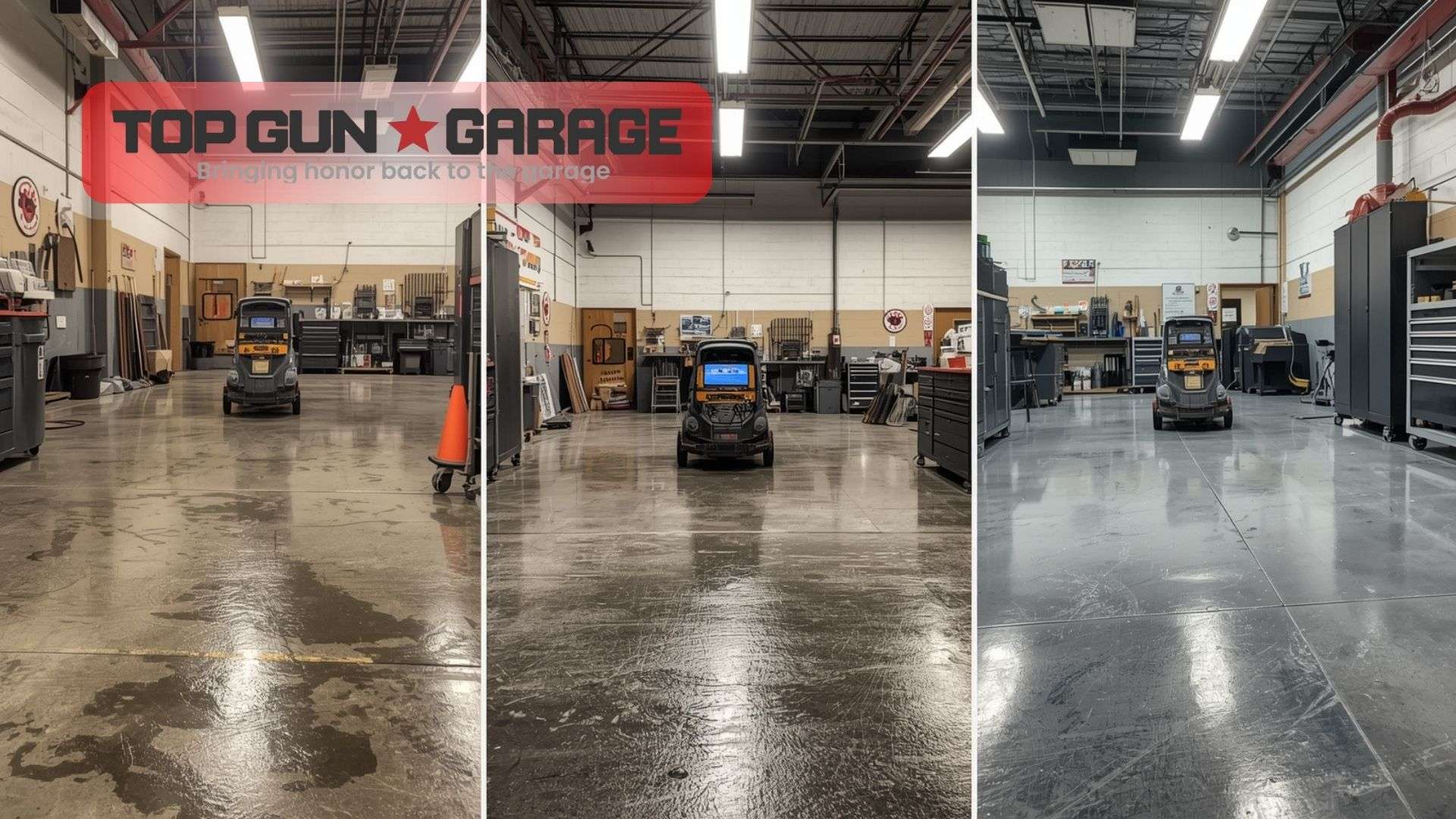
Daily maintenance typically involves sweeping or vacuuming to remove loose debris, followed by damp mopping with appropriate cleaning solutions. The choice of cleaning products is crucial, as some chemicals can damage or degrade certain flooring materials over time. pH-neutral cleaners are generally safe for most flooring systems, while acidic or highly alkaline products should be avoided unless specifically recommended by the flooring manufacturer.
Periodic deep cleaning procedures help maintain the flooring’s appearance and performance characteristics over time. This may involve machine scrubbing with specialized equipment, steam cleaning, or the application of specific maintenance coatings designed to restore surface properties. The frequency of deep cleaning depends on the workshop’s usage patterns, environmental conditions, and the specific requirements of the work being performed.
Preventive maintenance measures can significantly extend the life of precision workshop flooring while maintaining its critical performance characteristics. This includes prompt cleanup of spills, especially chemicals that could cause staining or surface damage if left untreated. Regular inspection for signs of wear, damage, or deterioration allows for timely repairs before minor issues become major problems requiring extensive restoration work.
Long-term performance monitoring involves tracking key indicators such as surface smoothness, chemical resistance, and overall appearance. Some precision workshops benefit from periodic professional assessments using specialized measuring equipment to verify that the flooring continues to meet original specifications. When performance degradation is detected, appropriate restoration measures can be implemented to return the floor to its original condition.
Cost Considerations and Return
The initial cost of precision workshop flooring typically exceeds that of standard commercial flooring due to the specialized materials, extensive preparation requirements, and professional installation expertise required. However, evaluating the true cost of precision workshop flooring requires considering the total cost of ownership over the flooring’s expected lifespan, including maintenance costs, downtime for repairs, and the impact on work quality and productivity.
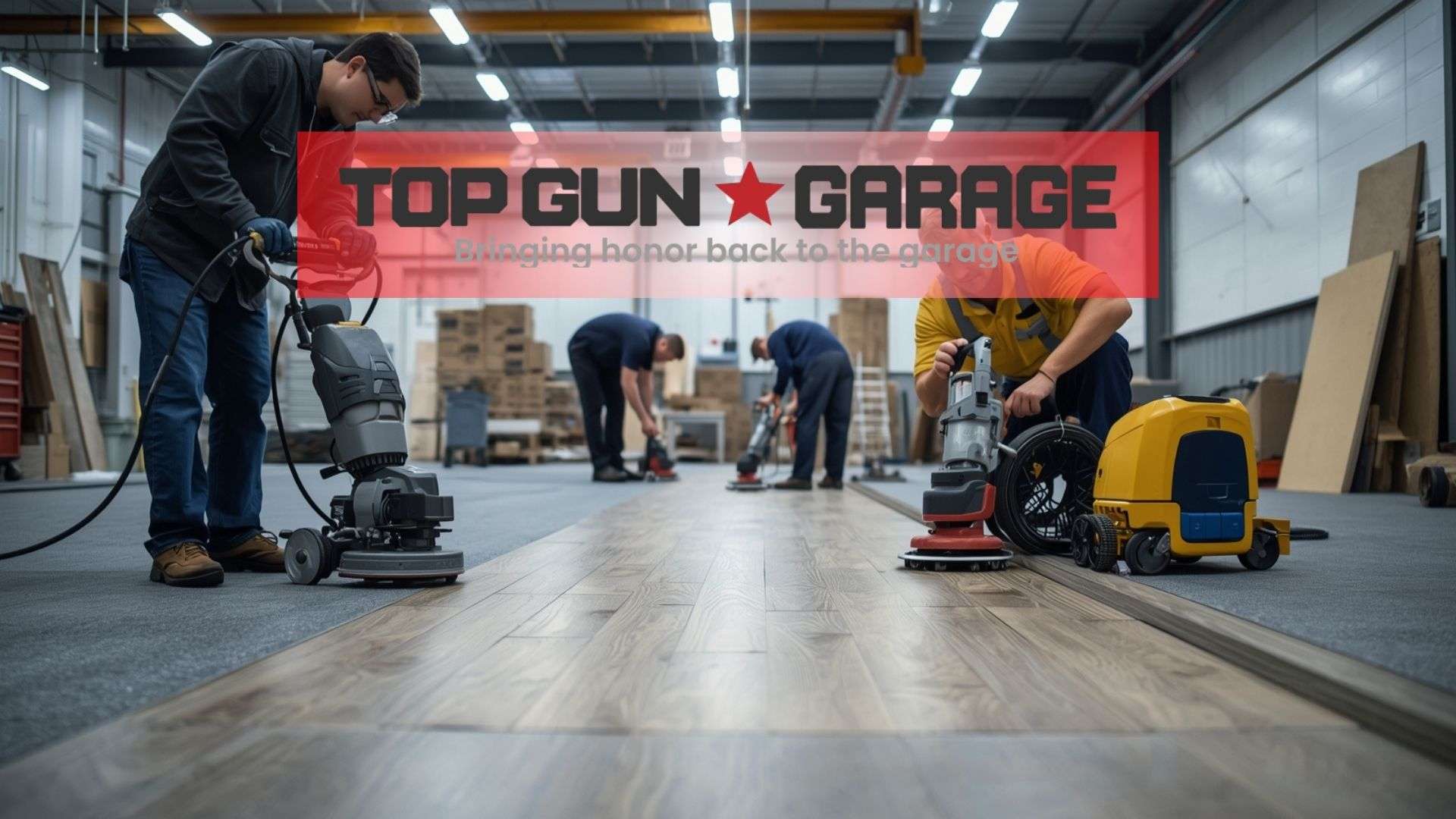
Material costs for precision workshop flooring can vary significantly depending on the specific system chosen and the performance requirements of the application. Basic epoxy systems may cost less per square foot than specialized resin systems, but the long-term performance and maintenance requirements should factor into the decision-making process. Higher-performance materials often justify their premium cost through reduced maintenance needs and longer service life.
Installation costs for precision workshop flooring reflect the specialized skills and equipment required to achieve the necessary quality standards. Professional installation teams with experience in precision applications command higher rates than general flooring contractors, but their expertise is essential for achieving the required results. The cost of improper installation often far exceeds the savings from choosing less qualified installers.
The return on investment for precision workshop flooring comes from multiple sources, including improved work quality, reduced maintenance costs, enhanced safety, and increased productivity. A properly installed precision floor can last decades with appropriate maintenance, while providing a stable platform for accurate work throughout its service life. The ability to maintain tighter tolerances and produce higher-quality work often justifies the initial investment through increased customer satisfaction and business growth.
Top Gun Garage understands the critical importance of precision workshop flooring for businesses that depend on accuracy and quality in their operations. Our team of experienced professionals specializes in designing and installing flooring systems that meet the demanding requirements of precision work environments, ensuring that your investment provides maximum value and performance for years to come.
Frequently Asked Questions
What makes workshop flooring different from regular flooring?
Workshop flooring designed for precision work must meet much stricter tolerances for flatness, provide superior chemical resistance, and offer enhanced durability under heavy loads. The surface must remain stable and smooth to support accurate measurements and sensitive equipment operation.
How long does precision workshop flooring last?
With proper installation and maintenance, high-quality precision workshop flooring can last 15-25 years or more. The actual lifespan depends on factors such as usage intensity, chemical exposure, maintenance practices, and the specific materials chosen for the installation.
Can existing concrete floors be upgraded?
Yes, existing concrete floors can often be upgraded to meet precision requirements through proper preparation and the application of appropriate flooring systems. However, the condition of the existing substrate and any structural issues must be addressed before installation.
What is the typical installation timeline?
Installation timelines vary based on the size of the area, chosen materials, and required preparation work. Most precision workshop flooring projects require 3-7 days for completion, including substrate preparation, material application, and curing time.
How do I choose between epoxy and polyurethane?
The choice depends on your specific requirements for chemical resistance, flexibility, temperature range, and budget. Epoxy offers excellent chemical resistance and cost-effectiveness, while polyurethane provides superior flexibility and impact resistance.
What maintenance is required?
Daily maintenance includes sweeping and damp mopping with appropriate cleaners. Periodic deep cleaning and professional inspections help maintain performance. Prompt cleanup of spills and regular monitoring for wear or damage are essential.
Is professional installation necessary?
Professional installation is highly recommended due to the specialized equipment, technical knowledge, and quality control measures required to achieve precision-grade results. The complexity of proper substrate preparation and material application typically justifies professional services.
How much does precision workshop flooring cost?
Precision workshop flooring typically costs 2-4 times more than standard commercial flooring initially, but the long-term value through improved performance, reduced maintenance, and enhanced work quality often provides excellent return on investment.
Conclusion
Workshop floors designed for precision work represent a critical investment in the foundation of quality craftsmanship and professional operations. The careful selection of appropriate flooring materials, combined with expert installation and diligent maintenance, creates an environment where precision work can flourish. The benefits extend far beyond simple aesthetics or basic functionality, directly impacting work quality, safety, and long-term operational efficiency.
The decision to invest in precision workshop flooring should be viewed as an investment in the future of your operation. While the initial costs may exceed those of standard flooring options, the long-term benefits of improved work quality, reduced maintenance requirements, and enhanced safety provide substantial return on investment. The ability to maintain consistent standards and produce superior results often justifies the premium cost through increased customer satisfaction and business growth opportunities.
As technology continues to advance and precision requirements become increasingly stringent, the importance of proper workshop flooring will only continue to grow. Forward-thinking workshop owners who invest in quality flooring systems today position themselves for success in tomorrow’s competitive marketplace. The foundation you choose today will support your precision work for decades to come, making it essential to select materials and installation methods that will meet your evolving needs.
Whether you’re establishing a new workshop or upgrading an existing facility, the expertise and guidance of experienced flooring professionals can help ensure that your investment provides maximum value and performance. The complexity of precision workshop flooring installation and the critical nature of the results make professional installation and ongoing support essential elements of a successful project.