 Skip to content



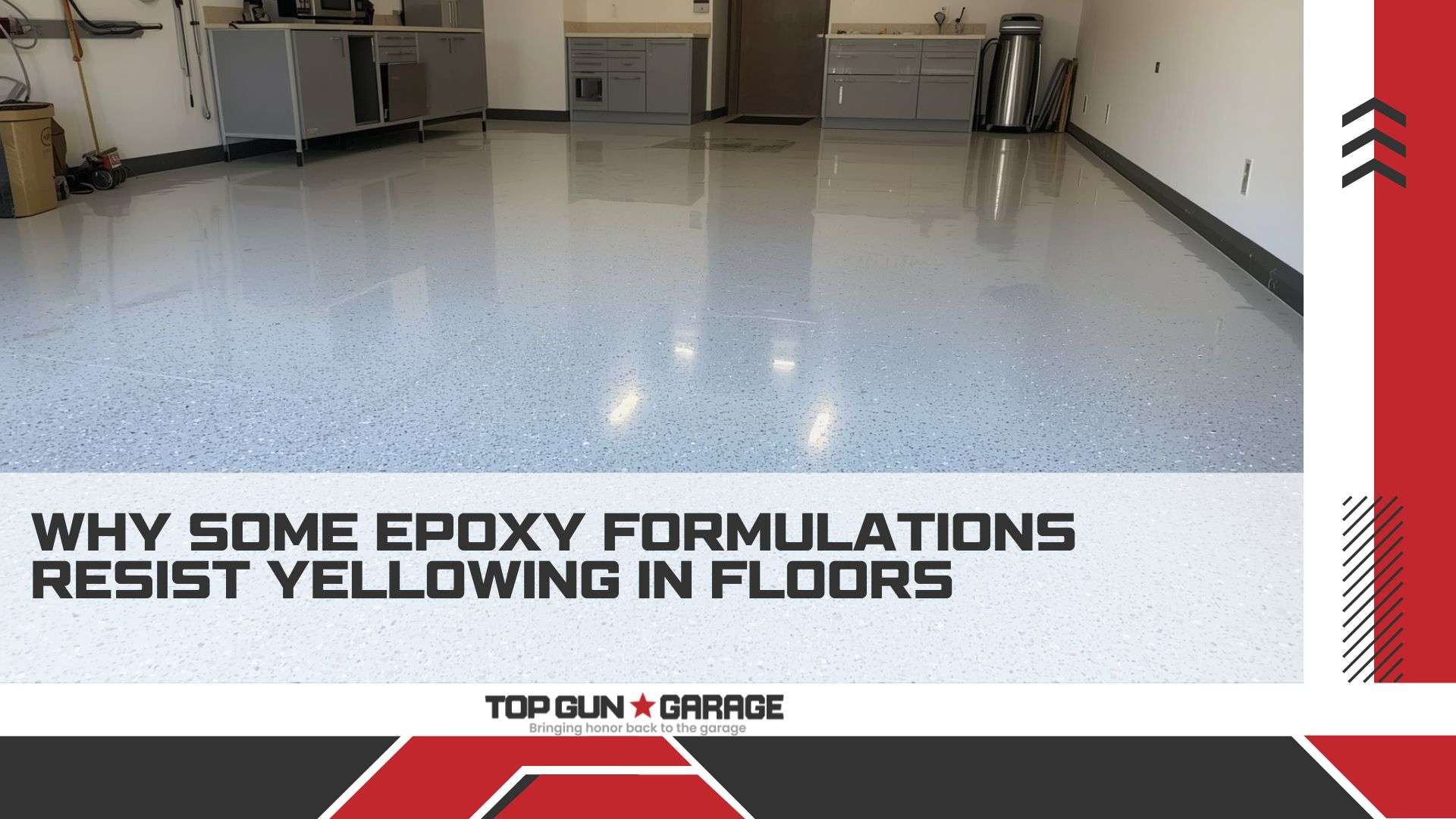
Epoxy flooring has become increasingly popular for garages, basements, and commercial spaces due to its durability and attractive finish. However, one of the most common concerns among property owners is the potential for epoxy floors to yellow over time. This discoloration can transform a beautiful, pristine floor into an unsightly surface that detracts from the overall appearance of the space. Understanding why some epoxy formulations resist yellowing while others don’t is crucial for making informed decisions about flooring investments.
The yellowing of epoxy floors is primarily caused by exposure to ultraviolet (UV) light, which breaks down certain chemical bonds in the epoxy resin. This photodegradation process is more pronounced in some epoxy formulations than others, depending on their chemical composition and the additives used during manufacturing. When UV rays penetrate the epoxy surface, they cause oxidation reactions that result in the characteristic yellow or amber discoloration that many property owners dread.
Not all epoxy systems are created equal when it comes to UV resistance. Advanced formulations incorporate specific technologies and additives that significantly enhance their ability to maintain their original color and clarity over extended periods. These improvements represent years of research and development in polymer chemistry, resulting in products that can withstand harsh environmental conditions while preserving their aesthetic appeal.
The importance of selecting the right epoxy formulation cannot be overstated, especially for spaces that receive natural sunlight or are exposed to artificial UV sources. Property owners who understand the science behind epoxy yellowing resistance are better equipped to choose products that will maintain their appearance and value for years to come. This knowledge becomes particularly valuable when considering the long-term costs associated with floor maintenance and potential replacement.
Professional flooring contractors play a crucial role in educating clients about the differences between various epoxy formulations and their resistance to yellowing. Their expertise helps ensure that property owners select the most appropriate product for their specific environment and usage requirements, ultimately leading to greater satisfaction with the finished installation.
Key Takeaways
UV Stabilizers Are Essential: The most effective epoxy formulations incorporate advanced UV stabilizers that absorb or reflect harmful ultraviolet radiation before it can cause chemical degradation and yellowing in the epoxy matrix.
Aliphatic vs. Aromatic Chemistry: Epoxy systems based on aliphatic chemistry demonstrate superior resistance to yellowing compared to aromatic formulations, as aliphatic compounds are inherently more stable when exposed to UV light.
Topcoat Technology Matters: High-quality polyurethane or polyaspartic topcoats provide an additional barrier against UV penetration, significantly extending the life and appearance of the underlying epoxy system.
Proper Surface Preparation: Even the best yellowing-resistant epoxy formulations require proper surface preparation and application techniques to achieve optimal performance and longevity.
Environmental Factors Impact Performance: Temperature fluctuations, humidity levels, and the intensity of UV exposure all influence how quickly epoxy floors may show signs of yellowing, regardless of their formulation.
Professional Installation Advantages: Experienced contractors understand how to select and apply epoxy systems that maximize yellowing resistance while ensuring proper curing and adhesion for long-term performance.
Cost vs. Performance Balance: While premium yellowing-resistant epoxy formulations may cost more initially, they often provide better long-term value by maintaining their appearance and reducing the need for premature replacement.
Understanding Epoxy Yellowing
Epoxy yellowing is fundamentally a chemical process that occurs when ultraviolet radiation interacts with the molecular structure of the epoxy resin. The primary mechanism involves the breakdown of aromatic rings within the epoxy polymer chain, which creates chromophoric groups that absorb visible light in the blue spectrum. This selective absorption causes the material to appear yellow or amber, as the remaining light wavelengths create this characteristic discoloration.
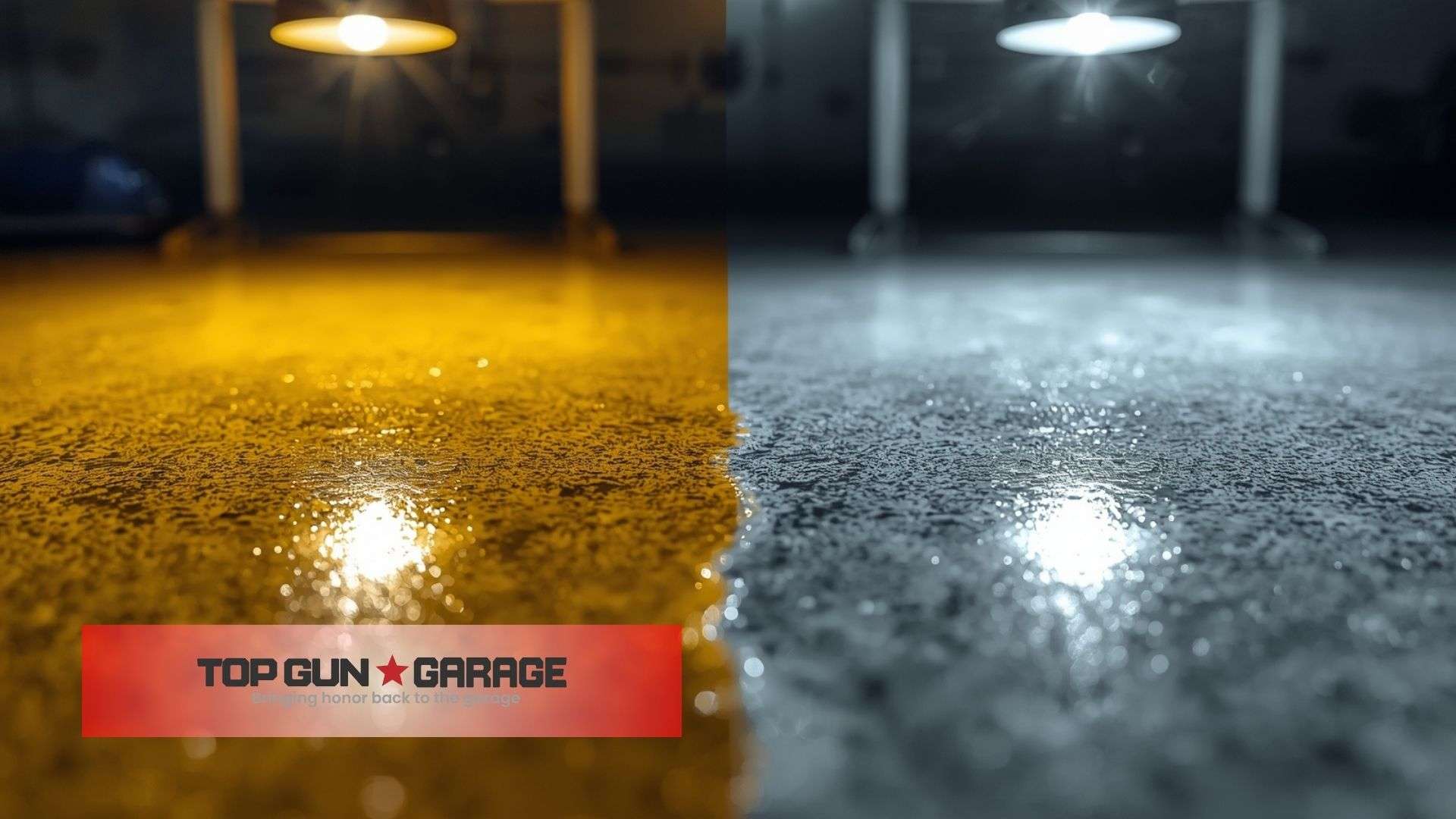
The rate and extent of yellowing depend on several factors, including the intensity and duration of UV exposure, the specific chemical composition of the epoxy formulation, and environmental conditions such as temperature and humidity. Traditional epoxy systems based on bisphenol-A (BPA) chemistry are particularly susceptible to this degradation because of their aromatic backbone structure, which readily absorbs UV energy and undergoes photochemical reactions.
Modern epoxy chemists have developed various strategies to combat this yellowing phenomenon. These approaches include modifying the base resin chemistry, incorporating UV-absorbing additives, and creating barrier layers that prevent UV penetration to the epoxy substrate. Understanding these different approaches helps explain why some epoxy products maintain their clarity and color while others quickly develop an unsightly yellow tint.
The photodegradation process is not uniform across all epoxy surfaces. Areas that receive direct sunlight or are positioned near windows typically show yellowing first, while shaded areas may maintain their original appearance for much longer periods. This uneven degradation can create a patchy, inconsistent appearance that is particularly noticeable in large floor installations.
Temperature also plays a significant role in the yellowing process. Higher temperatures accelerate the chemical reactions that lead to discoloration, which is why epoxy floors in hot climates or areas with poor ventilation may yellow more quickly than those in cooler, well-ventilated spaces. This thermal effect compounds the impact of UV exposure, making proper product selection even more critical in challenging environments.
Advanced UV Stabilizer Technology
The development of sophisticated UV stabilizer technology represents one of the most significant advances in epoxy yellowing resistance. These specialized additives work through multiple mechanisms to protect the epoxy matrix from harmful ultraviolet radiation. Hindered amine light stabilizers (HALS) are among the most effective additives, functioning as radical scavengers that interrupt the photodegradation process before it can cause visible yellowing.
UV absorbers represent another class of protective additives that work by absorbing harmful UV radiation and converting it to harmless heat energy. Benzotriazole and benzophenone derivatives are commonly used UV absorbers that provide excellent protection across a broad spectrum of UV wavelengths. When properly incorporated into epoxy formulations, these additives can extend the service life of floors by decades while maintaining their original appearance.
The concentration and distribution of UV stabilizers within the epoxy matrix are critical factors that determine their effectiveness. Advanced manufacturing processes ensure uniform dispersion of these additives throughout the entire thickness of the coating, providing consistent protection even as the surface experiences normal wear and abrasion. This uniform distribution is particularly important for high-traffic areas where surface wear might expose unstabilized material underneath.
Some premium epoxy systems incorporate multiple types of UV stabilizers working synergistically to provide enhanced protection. This multi-layered approach combines the benefits of different stabilizer mechanisms, creating a more robust defense against photodegradation. The result is epoxy flooring that maintains its clarity and color even under intense UV exposure conditions that would quickly degrade conventional formulations.
Professional flooring contractors understand the importance of selecting epoxy systems with proven UV stabilizer technology. When considering the challenges that come with professional installation versus DIY approaches, the proper selection and application of UV-stabilized epoxy systems becomes even more critical for achieving long-term performance and appearance retention.
The effectiveness of UV stabilizers can be measured through accelerated weathering tests that simulate years of UV exposure in a controlled laboratory environment. These tests help manufacturers optimize their formulations and provide reliable performance data that contractors and property owners can use to make informed decisions about product selection.
Aliphatic vs. Aromatic Chemistry
The fundamental difference between aliphatic and aromatic epoxy chemistry plays a crucial role in determining yellowing resistance. Aromatic epoxy resins, which contain benzene ring structures, are inherently more susceptible to UV-induced yellowing because these aromatic rings readily absorb UV energy and undergo photochemical degradation. In contrast, aliphatic epoxy systems are based on straight-chain or branched hydrocarbon structures that are much more stable under UV exposure.
Aliphatic epoxy formulations maintain their clarity and color stability because their molecular structure does not contain the chromophoric groups that cause yellowing in aromatic systems. This inherent stability makes aliphatic epoxy an excellent choice for applications where long-term color retention is critical, such as decorative floors in retail spaces or residential areas with significant natural light exposure.
The superior UV resistance of aliphatic epoxy systems comes with certain trade-offs that must be considered during product selection. Aliphatic formulations typically cure more slowly than their aromatic counterparts and may require different application techniques to achieve optimal results. Additionally, they often carry a higher initial cost, though this premium is frequently justified by their extended service life and reduced maintenance requirements.
Modern epoxy manufacturers have developed hybrid formulations that combine the benefits of both aliphatic and aromatic chemistry. These systems use aromatic epoxy as a base layer for adhesion and mechanical properties, topped with an aliphatic layer that provides UV protection and color stability. This approach optimizes both performance and cost-effectiveness while delivering excellent yellowing resistance.
The curing characteristics of aliphatic epoxy systems require careful attention to environmental conditions during installation. Temperature and humidity levels must be closely monitored to ensure proper cross-linking and optimal performance. Professional contractors have the experience and equipment necessary to manage these variables and achieve consistent results with aliphatic epoxy formulations. Understanding how epoxy curing works in humid environments is essential for successful installations.
Quality control testing for aliphatic epoxy systems focuses heavily on UV stability and color retention. Manufacturers subject these products to rigorous testing protocols that simulate extended UV exposure, ensuring that they meet strict performance standards for yellowing resistance. This testing data provides valuable guidance for selecting the most appropriate product for specific applications and environmental conditions.
Protective Topcoat Systems
High-performance topcoat systems serve as the primary barrier between epoxy flooring and harmful UV radiation. Polyurethane and polyaspartic topcoats are specifically formulated with UV-resistant properties that protect the underlying epoxy from photodegradation. These topcoats not only provide yellowing resistance but also enhance the overall durability and chemical resistance of the flooring system.
Polyurethane topcoats offer excellent UV stability and are available in both aromatic and aliphatic formulations. Aliphatic polyurethane topcoats provide superior color retention and are the preferred choice for applications where yellowing resistance is paramount. These topcoats form a tough, flexible barrier that moves with the underlying epoxy while providing long-term protection against UV exposure.
Polyaspartic topcoats represent the latest advancement in protective coating technology. These fast-curing systems combine exceptional UV resistance with rapid installation capabilities, allowing floors to return to service quickly while providing outstanding long-term protection. Polyaspartic coatings are particularly effective in high-UV environments where traditional topcoats might fail prematurely.
The thickness and application method of protective topcoats significantly impact their effectiveness in preventing yellowing. Multiple thin coats typically provide better protection than a single thick application, as they ensure uniform coverage and proper curing throughout the entire thickness. Professional application techniques are essential for achieving the optimal topcoat performance that maximizes yellowing resistance.
Surface preparation before topcoat application is critical for ensuring proper adhesion and long-term performance. The epoxy substrate must be properly cleaned and may require light abrasion to create the optimal surface profile for topcoat bonding. Contamination or inadequate preparation can lead to topcoat failure, which compromises the UV protection and allows yellowing to occur in the underlying epoxy. Proper concrete preparation and surface profiling is essential for optimal results.
Regular maintenance of protective topcoats helps extend their service life and maintain their UV-protective properties. This includes routine cleaning with appropriate products and periodic inspection for signs of wear or damage. Early detection and repair of topcoat issues can prevent UV exposure to the underlying epoxy and maintain the floor’s appearance for many years.
Environmental Factors and Installation
Environmental conditions during and after epoxy installation play a crucial role in determining the long-term yellowing resistance of the flooring system. Temperature, humidity, and UV exposure levels all influence how well the epoxy performs over time. Understanding these factors helps contractors optimize installation procedures and property owners maintain their floors for maximum longevity.
Temperature fluctuations can accelerate the yellowing process by increasing the rate of chemical reactions within the epoxy matrix. Floors installed in areas with poor climate control or extreme temperature variations may show signs of yellowing more quickly than those in stable environments. Proper ventilation and climate control during and after installation help minimize these effects and promote optimal curing.
Humidity levels during installation affect the curing process and can impact the final properties of the epoxy system. High humidity can interfere with proper cross-linking, potentially creating weak points in the polymer matrix that are more susceptible to UV degradation. Professional contractors monitor environmental conditions carefully and may postpone installation when conditions are not optimal. Understanding how moisture affects epoxy installation is crucial for success.
The intensity and duration of UV exposure vary significantly depending on the location and orientation of the floor. South-facing areas typically receive more intense UV radiation than north-facing spaces, while floors near large windows or skylights may experience concentrated UV exposure that accelerates yellowing. Understanding these exposure patterns helps in selecting the most appropriate epoxy formulation and protective measures.
Proper surface preparation is fundamental to achieving optimal yellowing resistance, regardless of the epoxy formulation selected. The substrate must be clean, dry, and properly profiled to ensure maximum adhesion and performance. Contamination or inadequate preparation can create weak points that allow moisture infiltration and accelerate degradation processes that contribute to yellowing.
At Top Gun Garage, the experienced team carefully evaluates each project’s specific conditions and selects the most appropriate epoxy systems and installation methods to ensure optimal performance and appearance retention for years to come. From epoxy floor coatings to comprehensive garage storage solutions, Top Gun Garage delivers expert flooring services tailored to challenging environments.
Frequently Asked Questions
What causes epoxy floors to turn yellow over time?
Epoxy floors turn yellow primarily due to UV exposure, which breaks down aromatic compounds in the epoxy resin through a process called photodegradation. This chemical reaction creates chromophoric groups that absorb blue light, causing the characteristic yellow appearance.
How long does it take for epoxy floors to start yellowing?
The timeline for epoxy yellowing varies greatly depending on the formulation, UV exposure intensity, and environmental conditions. Standard aromatic epoxy may show yellowing within months in high-UV environments, while UV-stabilized aliphatic systems can maintain their color for decades.
Can yellowed epoxy floors be restored to their original color?
Once epoxy has yellowed due to UV degradation, the discoloration cannot be reversed. The floor would need to be recoated with a fresh epoxy system or protective topcoat to restore its original appearance.
Are there epoxy formulations that never yellow?
While no epoxy is completely immune to yellowing under extreme conditions, advanced aliphatic formulations with UV stabilizers can resist yellowing for many decades under normal use conditions, effectively providing a lifetime of color stability.
Do LED lights cause epoxy floors to yellow?
Most LED lights emit minimal UV radiation and are unlikely to cause significant yellowing in epoxy floors. However, some high-intensity LED systems may produce enough UV to contribute to gradual yellowing over very long periods.
Is it worth paying more for yellowing-resistant epoxy?
For areas with significant UV exposure or where appearance is critical, investing in yellowing-resistant epoxy formulations typically provides excellent long-term value by maintaining the floor’s appearance and avoiding premature replacement costs.
How can testing determine if epoxy will yellow before installation?
Manufacturers provide accelerated UV testing data for their products, and samples can be requested for independent testing. Professional contractors can also provide guidance based on their experience with different products in similar applications.
What maintenance helps prevent epoxy yellowing?
Regular cleaning, avoiding harsh chemicals, maintaining proper ventilation, and protecting floors from excessive UV exposure through window treatments or UV-filtering films can help minimize yellowing and extend floor life.
Conclusion
Understanding why some epoxy formulations resist yellowing while others don’t empowers property owners to make informed decisions about their flooring investments. The science behind epoxy yellowing resistance involves complex chemistry, advanced additives, and sophisticated manufacturing processes that work together to preserve the beauty and value of epoxy floors for decades.
The key factors that determine yellowing resistance include the base chemistry of the epoxy system, the incorporation of UV stabilizers, the use of protective topcoats, and proper installation techniques. Aliphatic epoxy formulations with advanced UV stabilizer technology represent the current state-of-the-art in yellowing resistance, while protective topcoat systems provide an additional layer of defense against harmful UV radiation.
Professional installation and proper environmental considerations are essential for achieving optimal performance from yellowing-resistant epoxy systems. The expertise and experience that contractors bring to these projects ensure that property owners receive the full benefit of advanced epoxy technology and enjoy beautiful, durable floors that maintain their appearance for many years.
As epoxy technology continues to evolve, even better solutions for yellowing resistance can be expected in the future. However, current formulations already provide excellent options for property owners who prioritize long-term appearance and value in their flooring choices. By understanding these technologies and working with experienced professionals, the benefits of epoxy flooring can be enjoyed without the concern of premature yellowing.