You’re wondering what is the environmental impact of epoxy flooring? Get insights from Top Gun Garage, your Naples FL experts, on the environmental aspects of epoxy flooring installations.
Commercial spaces replace traditional flooring materials every 5-8 years on average.
Epoxy solutions challenge this cycle with a lifespan exceeding two decades. This longevity directly reduces material waste – a critical factor as construction debris accounts for 25% of US landfill volume.
At Top Gun Garage, we’ve seen Naples property owners increasingly prioritize sustainable options. Modern resin-based surfaces offer more than scratch resistance. Their installation process generates 40% less waste than conventional tile or concrete workflows, according to industry studies.
Three key factors determine a floor’s eco-footprint: production energy,
maintenance requirements, and replacement frequency. Polymeric coatings excel in the latter categories. Unlike vinyl alternatives, they don’t require waxing or harsh chemical cleaners that contaminate groundwater.
This analysis isn’t about declaring epoxy universally “green.” Specific formulations and installation methods matter. We’ll break down how VOC levels, recyclability, and energy-efficient manufacturing processes create responsible choices for your project.
Key Takeaways
- Extended lifespan reduces material consumption and landfill waste
- Low-maintenance requirements decrease chemical runoff risks
- Modern formulations meet strict indoor air quality standards
- Energy-efficient production methods are becoming industry standard
- Proper installation minimizes job site waste generation
Understanding the Basics of Epoxy Flooring
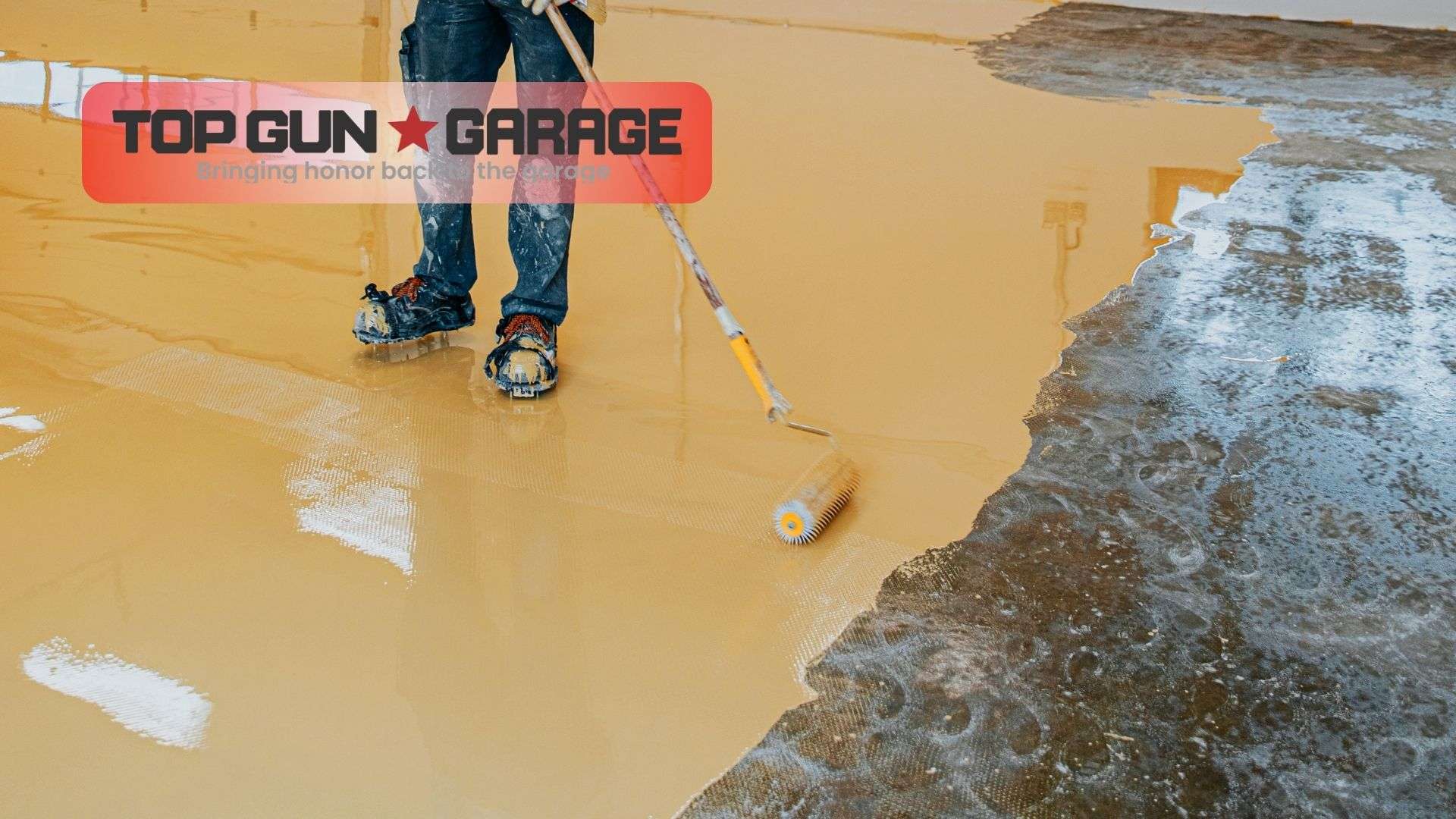
Durability and ease of maintenance are top priorities for today’s property owners. Epoxy systems meet these demands through a unique chemical makeup. Two liquid components—resin and hardener—combine during application, forming a rigid plastic-like surface. This reaction creates bonds stronger than most traditional coatings.

Defining Epoxy Flooring and Its Components
The resin base provides adhesion, while the hardener triggers curing. Proper mixing ratios ensure optimal performance. Unlike paint or vinyl sheets, this product chemically bonds to concrete. The result? A seamless, impact-resistant surface that withstands heavy machinery and chemical spills.
Historical Growth in Popularity
First used in industrial settings during the 1940s, epoxy gained traction as manufacturers needed durable floors. By the 1990s, improved formulations allowed residential use. Recent advances address early concerns about fumes and brittleness. Modern versions cure faster and offer customizable finishes, driving adoption in retail spaces and homes.
Installation involves preparing the concrete substrate before applying multiple layers. Each coat serves specific purposes, from moisture barriers to decorative effects. This process creates surfaces that last decades with minimal upkeep, reducing long-term costs.
What is the Environmental Impact of Epoxy Flooring
Modern construction materials face intense scrutiny for their ecological footprint. Resin-based surfaces now address these concerns through advanced chemistry and smarter manufacturing processes.
Eco-friendly Ingredients and Low VOC Formulations
Volatile organic compounds (VOCs) once posed challenges for resin-based coatings. Today’s solutions contain
60-80% fewer emissions than products from the 2000s. Three factors drive this improvement:
- Water-based formulas replacing solvent carriers
- UV-cured systems minimizing chemical reactions
- Precision mixing ratios reducing excess material
These innovations help spaces meet LEED certification requirements. Post-curing, surfaces become inert – no ongoing gas release occurs.
Long-term Environmental Benefits
Durability translates to sustainability. A 20-year service life means:
- Fewer replacements than vinyl or carpet
- Reduced manufacturing energy per decade
- Minimal maintenance chemical runoff
Proper installation creates impermeable barriers. This prevents moisture damage and mold growth, enhancing indoor conditions. Industrial facilities using these systems report
35% less annual waste from floor-related repairs.
The Eco-friendly Composition of Epoxy Floors
Material science breakthroughs now let manufacturers create surfaces that protect both floors and ecosystems. Advanced resin systems balance durability with responsible production methods, giving property owners smarter choices.
Recyclable Materials and Sustainable Formulations
Leading producers use post-industrial resins and mineral aggregates in their mixes. These components can be:
- Crushed and reused in new flooring installations
- Repurposed for road construction materials
- Processed into industrial adhesives
Closed-loop manufacturing models keep 92% of production waste out of landfills, according to 2023 industry reports. GREENGUARD Gold-certified products meet strict criteria for recycled content and safe decomposition.
Reduction of Harmful Chemicals
Modern formulations achieve zero VOC emissions through complete polymerization. Unlike older solvent-based versions, today’s systems:
- Convert liquid components into solid polymers without residue
- Prevent chemical leaching during cleaning or wear
- Eliminate formaldehyde and phthalates
Industrial-grade options with 100% solids content outperform water-based consumer products. Their chemical stability prevents degradation, maintaining indoor air quality for decades. Third-party certifications like Cradle to Cradle validate these safety claims.
Energy Efficiency and Sustainability Factors
Modern construction practices increasingly prioritize solutions that reduce operational costs while supporting ecological goals. Resin-based surfaces deliver measurable advantages through streamlined application processes and intelligent material properties.
Installation Techniques That Save Energy
Applying protective coatings directly over existing substrates eliminates demolition debris. This approach avoids:
- Heavy machinery fuel consumption
- Landfill contributions from removed materials
- Extended project timelines requiring temporary lighting/heating
Fast-curing formulas complete installations in hours rather than days. Reduced curing time decreases energy demands for climate control during application.
Reflective Properties and Indoor Lighting Improvements
High-gloss finishes amplify ambient light distribution. Spaces gain 30-40% better illumination efficiency according to lighting engineers. Benefits include:
- Fewer fixtures needed for adequate visibility
- Lower wattage requirements for existing bulbs
- Reduced HVAC strain from minimized heat-emitting lamps
Light-colored formulations reflect solar radiation in sunlit areas. This thermal regulation helps maintain comfortable temperatures without overtaxing cooling systems.
Reducing Waste with Durable Flooring
Flooring choices directly affect a building’s ecological footprint over decades. High-performance surfaces cut resource use through extended service life and minimal upkeep demands. At Top Gun Garage, we’ve observed how durable installations transform waste patterns in Southwest Florida properties.

Longevity and Reduced Need for Replacements
Residential epoxy floors often last 20-30 years with proper care. Commercial versions withstand heavy traffic for 10-20 years. Compare this to vinyl planks needing replacement every 8-12 years or carpet lasting 5-10 years. Fewer installations mean:
- Less raw material extraction
- Reduced factory energy use
- Lower transportation emissions
Impact on Resource Consumption
Every flooring replacement generates demolition debris and packaging waste. Durable surfaces avoid this cycle. A single installation uses 60% fewer materials over 30 years compared to multiple replacements of traditional options.
Proper maintenance extends benefits further. Simple cleaning preserves surfaces without harsh chemicals. Refinishing worn areas instead of full replacements keeps materials active longer. This approach aligns with circular economy principles, reducing landfill contributions across generations.
Incorporating Local Sustainable Practices in Naples
Naples communities are reshaping building standards through eco-conscious partnerships. Local contractors now collaborate with city planners to meet updated green codes. These efforts reduce resource waste while maintaining aesthetic and functional demands.
Local Government Guidelines on Green Building
Collier County’s Green Building Program sets strict criteria for material selection. Approved products must demonstrate recyclability, low emissions, and energy-efficient production. Epoxy systems gain approval through third-party certifications showing 95%+ solids content and zero post-cure VOC release.
Top Gun Garage follows these protocols by using GREENGUARD Gold-certified resins. Our installation teams minimize job site waste through precise mixing and application techniques. This approach aligns with Naples’ 2030 Sustainability Plan targets for construction projects.
How Naples FL Leads Sustainability Efforts
The city incentivizes eco-friendly renovations through tax rebates and expedited permits. Commercial spaces using approved flooring options receive LEED certification support. Recent projects at Mercato and Fifth Avenue South showcase durable surfaces meeting both design and ecological standards.
Choosing local contractors familiar with these programs ensures compliance. You’ll benefit from reduced permit processing times and alignment with regional conservation goals. Naples’ model demonstrates how municipal policies can drive industry-wide improvements in material sustainability.
Comparing Epoxy Flooring to Other Green Floor Options
How do eco-conscious flooring options measure up against each other? Property owners face tough decisions when balancing durability, aesthetics, and ecological responsibility. Two leading solutions dominate this space, each with distinct advantages.
Epoxy Versus Polished Concrete
Polished concrete remains the sustainability benchmark. Existing slabs require no additional materials beyond grinding and sealing. This process eliminates manufacturing emissions and keeps 97% of materials out of landfills. Benefits include:
- Zero chemical additives during installation
- Natural thermal mass reducing energy costs
- 50+ year lifespan with proper maintenance
Resin-based coatings offer different strengths. While factory production creates a carbon footprint, they protect existing concrete from damage. This prevents premature replacements and maintains structural integrity in high-traffic zones.
Environmental Trade-offs and Benefits
Your priorities determine the better choice. Polished systems excel in raw sustainability, but epoxy proves superior when:
- Existing concrete has cracks or imperfections
- Spill resistance is critical for safety
- Light reflection reduces lighting costs significantly
Compared to carpet or laminate, both options outperform traditional materials. Tile requires frequent grout replacements, while vinyl releases microplastics over time. Evaluate your space’s specific needs to make an informed decision.
Benefits for Commercial and Residential Spaces
Choosing flooring that balances performance with sustainability transforms how spaces function over time. In Naples properties, we’ve observed how resin-based surfaces meet diverse needs while supporting eco-conscious values.
Enhanced Durability and Customization Options
Epoxy floors withstand heavy foot traffic, forklifts, and chemical spills without degrading. Their customizable designs maintain aesthetic appeal in retail stores and homes alike. You gain surfaces that resist chipping or peeling for decades, reducing material consumption.
Ease of Maintenance and Improved Indoor Air Quality
Seamless installations prevent dust accumulation and microbial growth. Simple sweeping and occasional damp mopping keep surfaces hygienic. Unlike porous alternatives, these non-emitting floors won’t trap allergens or release harmful particles into your environment.




