 Skip to content




When homeowners begin exploring flooring options for their garages, basements, or other areas that demand exceptional durability, they often encounter the term “resinous flooring” without fully understanding what it entails. Resinous flooring represents a revolutionary approach to surface protection that combines advanced chemistry with practical functionality, creating floors that can withstand extreme conditions while maintaining an attractive appearance for years to come.
Unlike traditional flooring materials such as concrete, tile, or vinyl, resinous flooring systems are applied as liquid coatings that cure into seamless, monolithic surfaces. These systems utilize various types of resins, including epoxy, polyurethane, and polyaspartic compounds, each engineered to provide specific performance characteristics. The result is a flooring solution that eliminates joints, seams, and grout lines where dirt, moisture, and contaminants typically accumulate.
The growing popularity of resinous flooring stems from its ability to address multiple challenges simultaneously. Homeowners seeking floors that can handle heavy equipment, resist chemical spills, provide easy maintenance, and enhance the overall aesthetic appeal of their spaces find that resinous systems deliver on all these requirements. Whether you’re considering upgrading your garage floor, finishing a basement workshop, or creating a durable surface for a home brewery, understanding the fundamentals of resinous flooring will help you make an informed decision.
The installation process involves careful surface preparation, precise mixing of resin components, and skilled application techniques that ensure optimal bonding and performance. While some homeowners may consider tackling such projects themselves, the complexity of resinous flooring installation often requires professional expertise to achieve the desired results and longevity.
Key Takeaways
Seamless Protection: Resinous flooring creates a continuous, non-porous surface that eliminates joints and seams where contaminants can penetrate, providing superior protection for the underlying substrate.
Chemical Resistance: These flooring systems offer exceptional resistance to oils, solvents, acids, and other chemicals commonly found in garages, workshops, and industrial environments.
Durability and Longevity: When properly installed and maintained, resinous floors can last 15-20 years or more, making them a cost-effective long-term investment compared to frequent replacements of traditional flooring materials.
Easy Maintenance: The smooth, non-porous surface allows for effortless cleaning with standard household cleaners, reducing maintenance time and costs significantly.
Aesthetic Versatility: Available in numerous colors, patterns, and finishes, resinous flooring can transform utilitarian spaces into attractive, professional-looking areas that enhance property value.
Safety Features: Many resinous systems can incorporate anti-slip additives, improving traction in areas prone to moisture or spills, while their seamless nature eliminates tripping hazards.
Rapid Installation: Professional installation typically takes 2-3 days for most residential applications, with full cure times varying by product type and environmental conditions.
Temperature Stability: Quality resinous flooring systems maintain their integrity across wide temperature ranges, making them suitable for unheated garages and basements.
Understanding Resinous Flooring Systems
Resinous flooring encompasses a family of liquid-applied floor coatings that cure to form durable, seamless surfaces. The term “resinous” refers to the synthetic polymer base materials used in these systems, which include epoxy resins, polyurethane resins, polyaspartic resins, and various hybrid formulations. Each type of resin offers distinct properties and performance characteristics, making certain formulations more suitable for specific applications and environments.
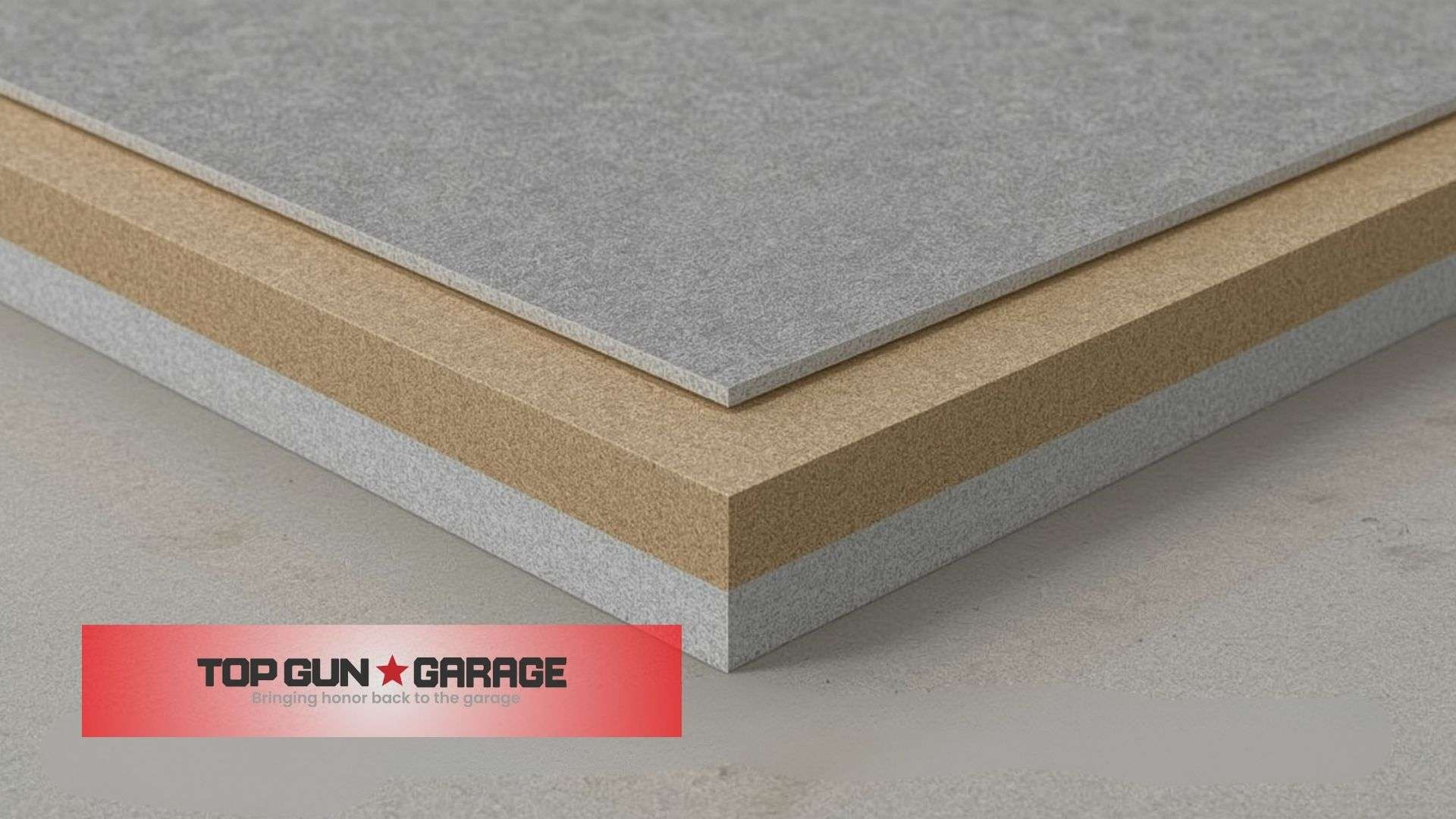
Epoxy-based systems represent the most common type of resinous flooring for residential applications. These two-component systems consist of an epoxy resin and a hardening agent that, when mixed, undergo a chemical reaction called cross-linking. This process creates a thermoset plastic that bonds tenaciously to properly prepared concrete surfaces. Epoxy systems are renowned for their excellent adhesion, chemical resistance, and ability to create high-gloss finishes that enhance light reflection in darker spaces. For detailed information, explore what is the difference between epoxy types in Florida.
Polyurethane resinous floors offer superior flexibility and impact resistance compared to epoxy systems. This flexibility makes them ideal for areas subject to thermal cycling or slight structural movement. Polyurethane systems also provide excellent UV stability, maintaining their color and gloss when exposed to sunlight, making them suitable for areas with windows or overhead doors that allow natural light penetration.
Polyaspartic resinous flooring represents the newest generation of coating technology, offering rapid cure times and excellent performance characteristics. These systems can often be applied and ready for light traffic within hours rather than days, making them attractive for homeowners who cannot afford extended downtime. Polyaspartic coatings also provide exceptional clarity and color retention, ensuring that decorative elements remain vibrant over time. Learn more about the difference between epoxy and polyaspartic systems.
Installation Process and Professional Requirements
The installation of resinous flooring systems involves multiple critical steps that directly impact the final performance and longevity of the floor. Surface preparation stands as the most crucial phase, as the bond between the resin and substrate determines the system’s overall success. This process typically begins with diamond grinding or shot blasting to remove any existing coatings, sealers, or surface contaminants while creating the proper surface profile for optimal adhesion.
Concrete surfaces must be thoroughly cleaned and assessed for moisture content, as excessive moisture can cause adhesion failures and coating defects. Professional installers use specialized moisture meters and calcium chloride tests to ensure the substrate meets the manufacturer’s specifications before proceeding with coating application. Any cracks, spalls, or surface defects require repair using compatible patching compounds to create a uniform surface. Understanding how concrete is prepared for epoxy installation helps explain this critical phase.
The mixing and application of resinous coatings demand precise timing and technique. Most systems have limited working times, or “pot life,” during which the mixed material remains workable. Professional installers must efficiently mix the components according to exact ratios, apply the material at the specified thickness, and achieve uniform coverage before the coating begins to gel. Temperature and humidity conditions significantly affect cure times and final properties, requiring careful environmental monitoring throughout the installation process. For detailed guidance, see what affects epoxy cure time in naples climate.
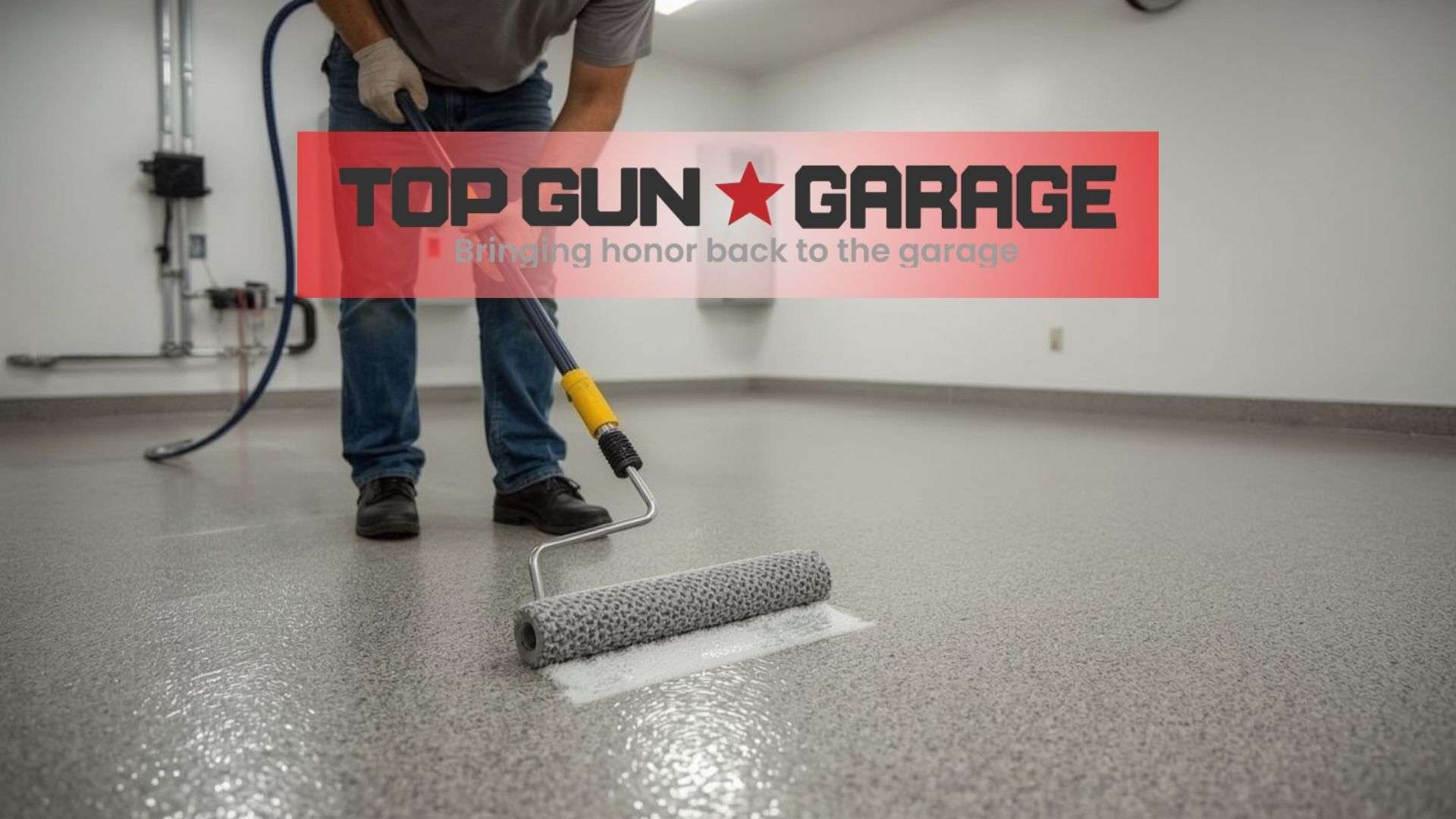
Multiple coat applications are typically necessary to achieve the desired thickness and performance characteristics. A primer coat ensures optimal adhesion to the substrate, followed by one or more base coats that provide the primary protective barrier. Decorative elements such as color flakes, metallic pigments, or quartz aggregates are often broadcast into the base coat while it remains tacky. Finally, one or more topcoats provide the final protective layer and desired gloss level.
The complexity of proper installation explains why many homeowners choose professional contractors for resinous flooring projects. When considering the advantages of professional installation versus DIY approaches, factors such as surface preparation equipment, material handling expertise, and warranty coverage often favor professional installation for optimal results.
Performance Benefits and Durability Characteristics
Resinous flooring systems deliver exceptional performance benefits that address the most common challenges faced by traditional flooring materials in demanding environments. The chemical resistance properties of these systems make them ideal for areas where automotive fluids, cleaning chemicals, and other potentially damaging substances may be spilled. Unlike porous concrete or absorbent materials, cured resin surfaces resist penetration by oils, gasoline, brake fluid, antifreeze, and most household chemicals. For detailed information, explore how epoxy floors resist chemicals in Florida garages.
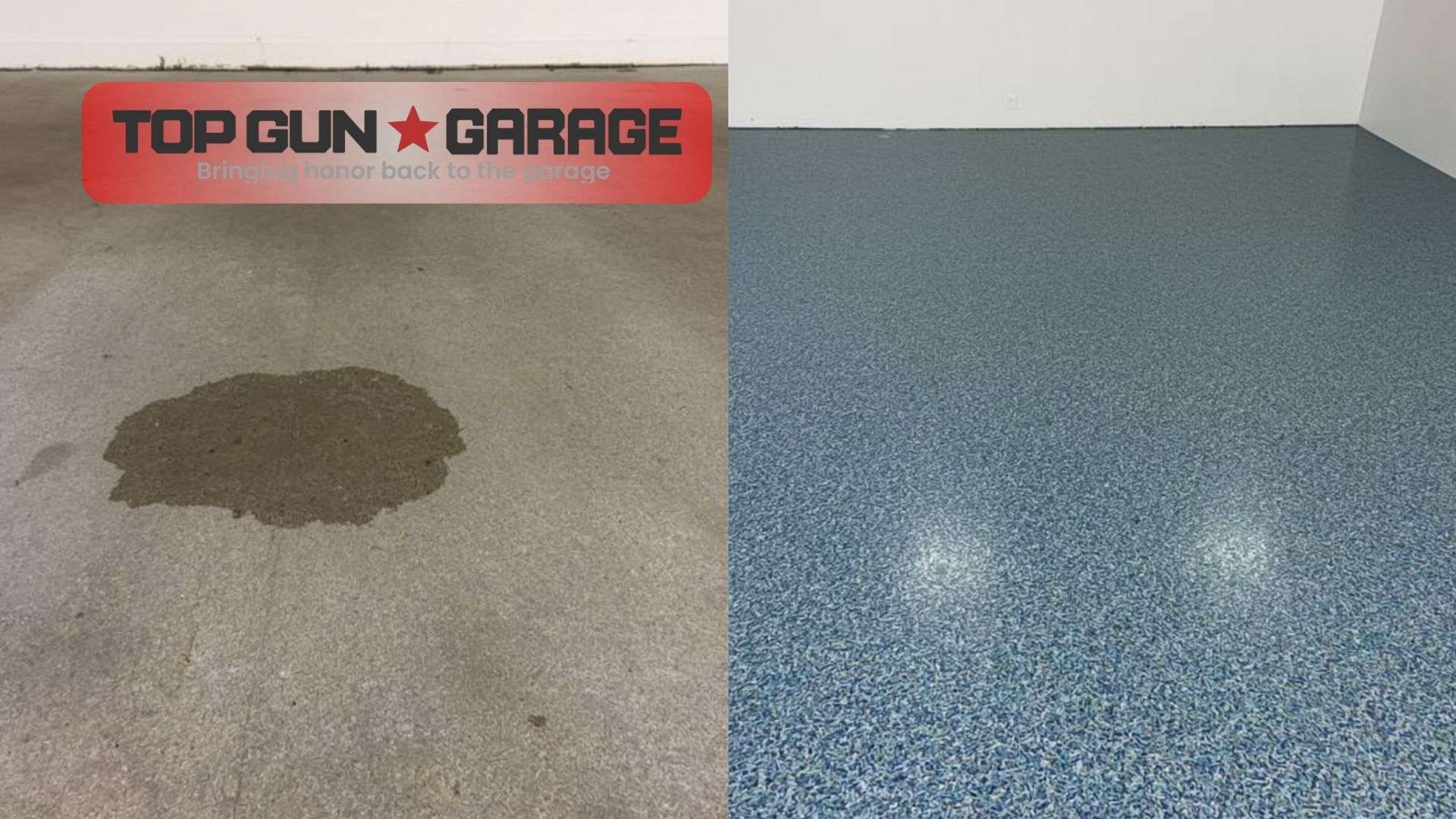
The abrasion resistance of properly installed resinous floors far exceeds that of untreated concrete. Heavy equipment, tool drops, and foot traffic that would gradually wear down concrete surfaces have minimal impact on quality resinous systems. This durability translates to long-term cost savings, as the floors maintain their appearance and protective properties for many years without requiring replacement or major repairs.
Thermal stability represents another significant advantage of resinous flooring systems. These floors can withstand the temperature extremes common in unheated garages and basements without cracking, peeling, or losing adhesion. Understanding how Florida temperature fluctuations impact epoxy helps explain this important characteristic.
The seamless nature of resinous flooring eliminates the maintenance challenges associated with grout lines, seams, and joints found in tile or sectional flooring systems. Dirt, debris, and liquids cannot penetrate between sections, making cleaning as simple as sweeping and occasional mopping. This ease of maintenance proves particularly valuable in workshops, garages, and other areas where cleanliness and organization are priorities.
Impact resistance varies among different resin types, with polyurethane and polyaspartic systems generally offering superior performance in this area compared to standard epoxy formulations. This characteristic is important in environments where tools or equipment may be dropped, as the floor surface can absorb impact energy without chipping or cracking.
UV stability ensures that resinous floors maintain their color and gloss even when exposed to sunlight through windows or open garage doors. While some older epoxy formulations were prone to yellowing or chalking when exposed to UV radiation, modern formulations and UV-stable topcoats have largely eliminated these concerns.
Aesthetic Options and Design Possibilities
Modern resinous flooring systems offer virtually unlimited aesthetic possibilities, transforming utilitarian spaces into attractive, professional-looking areas that enhance both functionality and property value. Color options range from subtle earth tones that complement existing décor to bold, vibrant hues that create dramatic visual impact. Solid colors provide a clean, professional appearance, while color combinations and patterns can create custom looks tailored to individual preferences.
Decorative flake systems represent one of the most popular aesthetic options for residential resinous flooring. These systems involve broadcasting colored vinyl or acrylic flakes onto the base coat while it remains tacky, creating a multi-colored, textured appearance that helps hide minor imperfections and provides subtle slip resistance. Flake colors can be coordinated to match existing color schemes or create contrasting accents that define different areas within a space.
Metallic epoxy systems create stunning visual effects through the use of specially formulated metallic pigments that create depth, movement, and unique patterns within the coating. These systems can simulate the appearance of polished metal, marble, or other premium materials at a fraction of the cost. The organic patterns created by metallic systems ensure that each installation is unique, providing a truly custom appearance. Explore metallic epoxy colors that change with lighting for inspiration.
Quartz broadcast systems combine aesthetics with enhanced durability and slip resistance. Colored quartz granules are broadcast into the base coat and sealed with clear topcoats, creating a speckled appearance similar to terrazzo flooring. These systems provide excellent traction when wet and exceptional durability in high-traffic areas.
Gloss levels can be customized to suit specific preferences and functional requirements. High-gloss finishes maximize light reflection, making spaces appear brighter and larger, while satin or matte finishes provide a more subdued appearance that may be preferred in certain applications. The choice of gloss level also affects maintenance requirements, with higher gloss finishes showing dust and water spots more readily than lower gloss alternatives.
Custom logos, graphics, and patterns can be incorporated into resinous flooring systems through various techniques. Vinyl decals can be embedded within the coating layers, while stenciling and masking allow for precise geometric patterns or text incorporation. These options enable homeowners to personalize their spaces or create professional-looking environments that reflect their interests or businesses.
Cost Considerations and Return on Investment
Understanding the cost structure of resinous flooring systems requires consideration of both initial investment and long-term value proposition. While the upfront cost of professional resinous flooring installation typically exceeds that of basic concrete staining or simple paint coatings, the superior durability and performance characteristics often result in better long-term value. Initial costs vary based on factors including surface preparation requirements, system type, decorative options, and regional labor rates.
Surface preparation represents a significant portion of total project costs, particularly when existing coatings must be removed or when concrete repairs are necessary. However, proper preparation is essential for achieving optimal performance and longevity, making it a worthwhile investment. Attempting to reduce costs by skipping preparation steps often leads to premature failure and the need for complete system replacement.
Material costs vary significantly among different resin types and quality levels. While premium polyaspartic systems command higher prices than basic epoxy coatings, they often provide superior performance characteristics and faster installation times that can offset the additional material expense. The choice of decorative options also impacts costs, with simple solid colors being most economical and complex metallic or custom graphics systems requiring higher investment.
Labor costs reflect the skill and expertise required for proper installation. Professional contractors with extensive experience in resinous flooring systems may charge premium rates, but their expertise often results in superior outcomes and comprehensive warranty coverage. When evaluating contractor proposals, homeowners should consider factors beyond initial cost, including reputation, experience, warranty terms, and material quality.
The return on investment for resinous flooring extends beyond simple cost calculations to include factors such as enhanced property value, reduced maintenance costs, and improved functionality. Real estate professionals often note that quality garage floors and finished basement spaces contribute to overall property appeal and marketability. The professional appearance of resinous flooring can transform previously underutilized spaces into valuable living or working areas. Discover how garage epoxy affects resale value in naples homes.
Maintenance cost savings represent an ongoing benefit of resinous flooring systems. The ease of cleaning and resistance to staining eliminate the need for special cleaning products or professional maintenance services required by some flooring types. The durability of these systems also eliminates the periodic replacement costs associated with less durable flooring options.
Top Gun Garage: Your Resinous Flooring Experts
At Top Gun Garage, we specialize in transforming ordinary concrete surfaces into extraordinary resinous flooring systems that combine durability, functionality, and aesthetic appeal. Our team of experienced professionals understands the unique challenges and requirements of residential flooring applications, ensuring that every project meets the highest standards of quality and performance.
Our comprehensive approach begins with thorough surface evaluation and preparation, utilizing professional-grade equipment to achieve optimal substrate conditions for maximum coating adhesion and longevity. We work exclusively with premium resin systems from leading manufacturers, ensuring that our clients receive flooring solutions engineered for long-term performance in demanding residential environments.
The Top Gun Garage difference lies in our commitment to craftsmanship and customer satisfaction. We take pride in educating our clients about their options, helping them select the ideal resin system and aesthetic features to meet their specific needs and preferences. Our installation teams are trained in the latest application techniques and safety protocols, ensuring professional results that exceed expectations.
We offer comprehensive warranty coverage on both materials and workmanship, providing our clients with confidence in their investment. Our post-installation support includes maintenance guidance and ongoing service to ensure that your resinous flooring system continues to perform optimally for years to come. Whether you’re looking to upgrade your garage, finish a basement workshop, or create a durable surface for any residential application, Top Gun Garage has the expertise and experience to deliver exceptional results.
Frequently Asked Questions
How long does resinous flooring last?
Properly installed and maintained resinous flooring systems typically last 15-20 years or more in residential applications. The actual lifespan depends on factors such as traffic levels, maintenance practices, and environmental conditions. Premium systems with proper surface preparation and professional installation often exceed these timeframes significantly.
Can resinous flooring be applied over existing concrete?
Yes, resinous flooring can be applied over existing concrete surfaces, provided they are structurally sound and properly prepared. The concrete must be free of contaminants, properly profiled for adhesion, and meet moisture content requirements. Existing coatings or sealers typically require removal before application.
Is resinous flooring slippery when wet?
The slip resistance of resinous flooring depends on the specific system and finish selected. High-gloss systems can be slippery when wet, but anti-slip additives, textured finishes, or decorative flake systems can provide enhanced traction. Professional contractors can recommend appropriate options based on specific safety requirements. For guidance, explore what makes epoxy floors slip resistant in naples.
How long does installation take?
Most residential resinous flooring installations require 2-3 days to complete, including surface preparation, coating application, and cure time. Factors such as surface condition, system type, and environmental conditions can affect installation timelines. Fast-cure polyaspartic systems may allow for quicker project completion.
What maintenance is required?
Resinous flooring requires minimal maintenance compared to other flooring types. Regular sweeping and occasional mopping with mild cleaners are typically sufficient. Avoiding harsh chemicals and using protective mats in high-traffic areas can help extend the floor’s lifespan and appearance. Learn more about the proper cleaning process for epoxy.
Can damaged resinous flooring be repaired?
Minor damage to resinous flooring can often be repaired through spot repairs or partial recoating. However, the success of repairs depends on the extent and type of damage. Proper installation and maintenance help minimize the likelihood of damage requiring repair.
Are there any temperature limitations?
Quality resinous flooring systems are designed to withstand wide temperature ranges typical in residential applications. However, extreme temperature fluctuations during installation can affect cure times and final properties. Professional contractors monitor environmental conditions to ensure optimal installation conditions.
How does cost compare to other flooring options?
While initial costs for resinous flooring may exceed basic alternatives, the long-term value proposition often favors resinous systems due to their durability, low maintenance requirements, and extended lifespan. When calculated on a cost-per-year basis, resinous flooring frequently proves more economical than alternatives requiring frequent replacement or maintenance.
Conclusion
Resinous flooring represents a sophisticated solution for homeowners seeking durable, attractive, and low-maintenance floor surfaces that can withstand the demanding conditions found in garages, basements, workshops, and other utilitarian spaces. The combination of advanced resin chemistry, professional installation techniques, and extensive customization options creates flooring systems that deliver exceptional performance while enhancing the aesthetic appeal of any space.
The benefits of resinous flooring extend far beyond simple surface protection to encompass improved functionality, easier maintenance, enhanced safety, and increased property value. Whether you prioritize chemical resistance for an automotive workshop, easy cleaning for a busy garage, or aesthetic enhancement for a finished basement, resinous flooring systems can be tailored to meet your specific requirements and preferences.
The investment in professional resinous flooring installation pays dividends through years of reliable performance, minimal maintenance requirements, and continued aesthetic appeal. As technology continues to advance and new formulations become available, resinous flooring systems will undoubtedly continue to evolve, offering even greater performance and value to discerning homeowners.
For those considering resinous flooring for their homes, partnering with experienced professionals ensures optimal results and long-term satisfaction. The expertise required for proper surface preparation, material selection, and application techniques makes professional installation the preferred choice for achieving the full benefits that resinous flooring systems can provide. Understanding how naples homeowners maintain epoxy garage floors helps set realistic expectations for long-term care.