 Skip to content




If you’ve noticed a mysterious white powder appearing on your concrete floors, you’re not alone. This common phenomenon, known as efflorescence, affects countless homeowners and business owners across the country. The white, chalky substance that seems to magically appear on concrete surfaces can be both unsightly and concerning, especially when you’re unsure of its cause or potential impact on your flooring investment.
Understanding what causes white powder on concrete floors is crucial for maintaining the integrity and appearance of your concrete surfaces. This powdery residue doesn’t just appear randomly – it’s the result of specific chemical and environmental processes that occur within and around your concrete flooring. While efflorescence is generally more of a cosmetic issue than a structural concern, addressing it properly requires knowledge of the underlying causes and appropriate treatment methods.
The appearance of white powder on concrete floors can vary significantly depending on the severity of the condition and environmental factors. Sometimes it appears as a light dusting that can be easily wiped away, while in other cases, it forms thick, crusty deposits that require more aggressive removal techniques. The powder may appear uniformly across the surface or in specific areas where moisture conditions are more favorable for its formation. Understanding what causes efflorescence through epoxy helps address both coated and uncoated surfaces.
Many property owners first notice this white residue in basements, garages, warehouses, or other areas where concrete floors are exposed to varying moisture conditions. The timing of its appearance can also vary – some people notice it shortly after concrete installation, while others may not see it until months or even years later when specific environmental conditions align to trigger the process.
Recognizing the signs early and understanding the root causes can help you take appropriate action before the condition worsens or leads to more serious flooring issues. Whether you’re dealing with a minor dusting or more substantial accumulation, knowing how to properly address white powder on concrete floors will help you maintain clean, attractive surfaces while protecting your investment in concrete flooring.
Key Takeaways
Efflorescence is the primary cause: The white powder on concrete floors is typically efflorescence, which occurs when water-soluble salts migrate to the surface and crystallize as moisture evaporates.
Moisture is the main trigger: Excess moisture from groundwater, humidity, poor drainage, or water infiltration creates the conditions necessary for salt migration and efflorescence formation. Understanding why concrete moisture matters for garage epoxy is essential for prevention.
Multiple removal methods exist: Depending on severity, white powder can be removed through dry brushing, pressure washing, chemical cleaners, or specialized efflorescence removal products.
Prevention is key: Proper moisture control, adequate ventilation, quality sealers, and addressing water infiltration issues can prevent future occurrences of white powder formation. Learning about moisture vapor transmission helps understand moisture dynamics.
Professional assessment may be needed: Persistent or severe cases may require professional evaluation to identify underlying moisture issues or structural concerns that need addressing.
Timing matters for treatment: Addressing efflorescence promptly prevents buildup and makes removal easier, while also helping identify potential moisture problems before they worsen.
Surface preparation affects susceptibility: Properly cured concrete with appropriate surface preparation and sealing is less likely to develop significant efflorescence issues. Understanding why concrete preparation determines coating success is crucial.
Environmental factors play a role: Temperature fluctuations, humidity levels, and seasonal changes can influence both the formation and severity of white powder on concrete surfaces.
For additional context, see DIY limitations versus professional advantages.
Understanding Efflorescence Science
Efflorescence represents a natural chemical process that occurs when water-soluble salts present in concrete, mortar, or surrounding soil dissolve in water and migrate to the surface. As the water evaporates, these dissolved salts crystallize and form the characteristic white, chalky deposits that many property owners find concerning. This process is entirely chemical in nature and doesn’t indicate structural damage to the concrete itself, though it does signal the presence of moisture movement through the material.
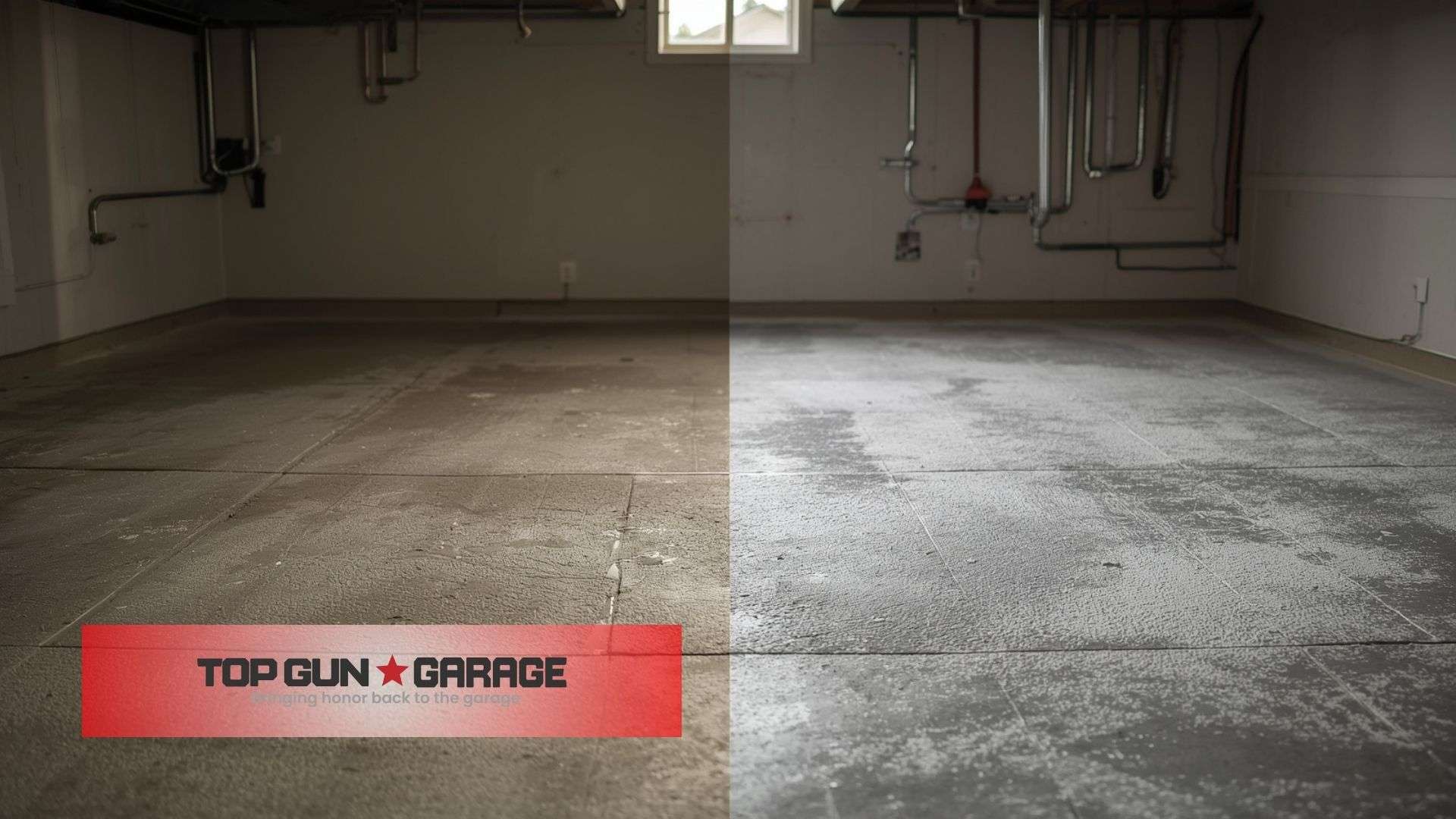
The salts responsible for efflorescence come from various sources within the concrete matrix. During the concrete mixing and curing process, calcium hydroxide forms as a byproduct of cement hydration. This compound is highly water-soluble and readily available for transport when moisture is present. Additional salts may come from the aggregate materials, admixtures used in the concrete mix, or external sources such as groundwater, de-icing salts, or fertilizers that come into contact with the concrete surface.
The formation process requires three essential elements: water-soluble salts, moisture to dissolve and transport the salts, and a pathway for the salt-laden water to reach the surface. When moisture penetrates concrete through capillary action, hydrostatic pressure, or vapor transmission, it dissolves available salts and carries them toward the surface. As environmental conditions cause the moisture to evaporate, the dissolved salts are left behind as crystalline deposits. Understanding how moisture affects epoxy installation provides broader context.
Temperature and humidity fluctuations significantly influence efflorescence formation. Warm temperatures accelerate evaporation, while high humidity can slow the process or even cause existing deposits to redissolve temporarily. Seasonal changes often trigger noticeable efflorescence activity, particularly during spring months when ground moisture levels are high and temperature variations are common. Understanding these environmental factors helps explain why efflorescence may appear intermittently or seem to worsen during certain times of the year. Learning about how seasonal changes affect epoxy floors reveals related patterns.
Common Causes
Moisture infiltration stands as the primary driver behind white powder formation on concrete floors. Groundwater seepage through foundation walls or floor slabs provides a continuous source of moisture that can dissolve and transport salts to the surface. Poor site drainage, inadequate waterproofing, or compromised vapor barriers allow water to penetrate concrete from below, creating ideal conditions for efflorescence development. Even minor cracks or joints in concrete can provide pathways for moisture infiltration. Understanding what is floor moisture testing helps identify problems early.
High humidity levels in enclosed spaces contribute significantly to efflorescence formation. Basements, garages, and warehouses with poor ventilation often experience humidity-related efflorescence issues. When humid air contacts cooler concrete surfaces, condensation can occur, providing the moisture necessary for salt dissolution and transport. This is particularly problematic in areas with significant temperature differentials between indoor and outdoor environments. Learning about how humidity affects installation timing is valuable.
Construction-related factors also play a crucial role in efflorescence susceptibility. Concrete mixed with excessive water content during installation creates a more porous structure that facilitates moisture movement. Inadequate curing practices can leave concrete more vulnerable to moisture penetration and salt transport. Using aggregates or water sources with high mineral content increases the available salts within the concrete matrix, making efflorescence more likely when moisture conditions are favorable. Understanding concrete porosity and epoxy bonding reveals these connections.
External contamination sources can introduce additional salts that contribute to white powder formation. De-icing salts used on nearby surfaces, fertilizers from adjacent landscaping, or industrial chemicals can infiltrate concrete and participate in the efflorescence process. These external sources often create more severe or persistent efflorescence problems because they continuously replenish the supply of water-soluble salts available for transport.
Seasonal factors and weather patterns significantly influence efflorescence activity. Spring snowmelt, heavy rainfall periods, or flooding events can saturate soil around concrete structures, increasing hydrostatic pressure and moisture infiltration. Rapid temperature changes can create thermal cycling that promotes moisture movement through concrete pores. Understanding these cyclical patterns helps property owners anticipate when efflorescence problems are most likely to occur and take preventive measures accordingly. Learning about how Florida humidity affects installation windows provides regional insights.
Effective Removal Methods
Mechanical removal represents the first line of defense against light to moderate efflorescence deposits. Dry brushing with stiff bristle brushes can effectively remove surface deposits without introducing additional moisture that might exacerbate the problem. For larger areas, power brushing or light sandblasting can remove more stubborn deposits, though care must be taken not to damage the concrete surface. This approach works best when efflorescence is caught early and hasn’t had time to build up into thick, hardened deposits.
Pressure washing offers an effective solution for moderate to heavy efflorescence accumulation. Using clean water at appropriate pressure settings can dissolve and remove crystalline deposits while avoiding damage to the concrete surface. However, this method requires careful consideration of drainage and drying conditions, as introducing additional moisture without proper evaporation can potentially worsen efflorescence problems. Following pressure washing with thorough drying and ventilation is essential for success. Understanding proper cleaning processes ensures effective results.
Chemical removal methods provide solutions for persistent or recurring efflorescence issues. Mild acidic solutions, such as diluted muriatic acid or specialized efflorescence cleaners, can dissolve stubborn salt deposits more effectively than mechanical methods alone. These products must be used according to manufacturer instructions, with appropriate safety precautions including protective equipment and adequate ventilation. After chemical treatment, thorough rinsing and neutralization prevent residual acids from affecting the concrete surface.
Commercial efflorescence removal products offer formulated solutions designed specifically for this problem. These products often combine surfactants, mild acids, and other agents to effectively dissolve and remove salt deposits while minimizing potential damage to concrete surfaces. Many commercial products also include inhibitors that help prevent immediate re-formation of efflorescence, providing longer-lasting results than basic cleaning methods.
The timing and technique of removal efforts significantly impact their effectiveness. Removing efflorescence during dry conditions prevents immediate re-formation and allows for better assessment of the underlying moisture issues. Multiple treatment cycles may be necessary for severe cases, with each cycle removing additional layers of accumulated salts. Professional flooring contractors often have access to specialized equipment and products that can achieve better results than typical DIY approaches, particularly for extensive or persistent efflorescence problems. Understanding how concrete contaminants affect bonding emphasizes proper cleaning.
Prevention Strategies
Moisture control forms the foundation of effective efflorescence prevention. Installing or improving drainage systems around concrete structures reduces hydrostatic pressure and limits water infiltration from external sources. French drains, proper grading, and waterproof membranes help direct water away from concrete surfaces and prevent the moisture conditions that enable salt transport. Addressing these fundamental moisture issues provides the most reliable long-term prevention strategy. Understanding how moisture barriers work helps implement effective solutions.
Concrete sealing offers an important barrier against moisture infiltration and efflorescence formation. High-quality penetrating sealers can reduce the porosity of concrete surfaces while still allowing vapor transmission, preventing moisture buildup that could cause other problems. Topical sealers provide surface protection but require careful selection to ensure they don’t trap moisture within the concrete. Regular reapplication of sealers maintains their effectiveness and continues protection against efflorescence formation. Learning about epoxy moisture vapor barriers provides coating options.
Ventilation improvements significantly impact efflorescence prevention in enclosed spaces. Installing exhaust fans, dehumidifiers, or improved air circulation systems helps control humidity levels and promotes faster drying of concrete surfaces. Proper ventilation also helps regulate temperature fluctuations that can contribute to condensation and moisture-related efflorescence issues. These environmental controls are particularly important in basements, garages, and other areas prone to humidity problems. Understanding how proper ventilation affects installation is essential.
Construction quality and material selection play crucial roles in preventing future efflorescence issues. Using low-alkali cements, properly graded aggregates, and appropriate water-to-cement ratios during concrete installation reduces the availability of water-soluble salts. Proper curing techniques ensure optimal concrete density and reduced porosity, making moisture infiltration less likely. When considering major flooring projects, consulting with experienced professionals can help avoid common installation mistakes that contribute to efflorescence problems. Understanding how concrete is prepared ensures proper foundation.
Regular maintenance and monitoring help identify and address efflorescence issues before they become severe. Periodic inspections of concrete surfaces, particularly during seasonal transition periods, allow for early detection and treatment. Maintaining proper drainage, repairing cracks promptly, and addressing water infiltration issues prevents the accumulation of conditions that promote efflorescence formation. Property owners who understand the benefits of professional installation and maintenance often experience fewer long-term flooring problems. Learning about solving concrete dusting problems addresses related surface issues.
Professional Assessment
Recognizing when efflorescence problems exceed typical DIY solutions is crucial for protecting your concrete flooring investment. Persistent efflorescence that returns quickly after cleaning often indicates underlying moisture issues that require professional diagnosis and treatment. Structural concerns may be present when efflorescence is accompanied by cracking, spalling, or other signs of concrete deterioration. Professional assessment can identify whether the white powder formation is purely cosmetic or signals more serious problems requiring immediate attention. Understanding why concrete testing matters before coating is crucial.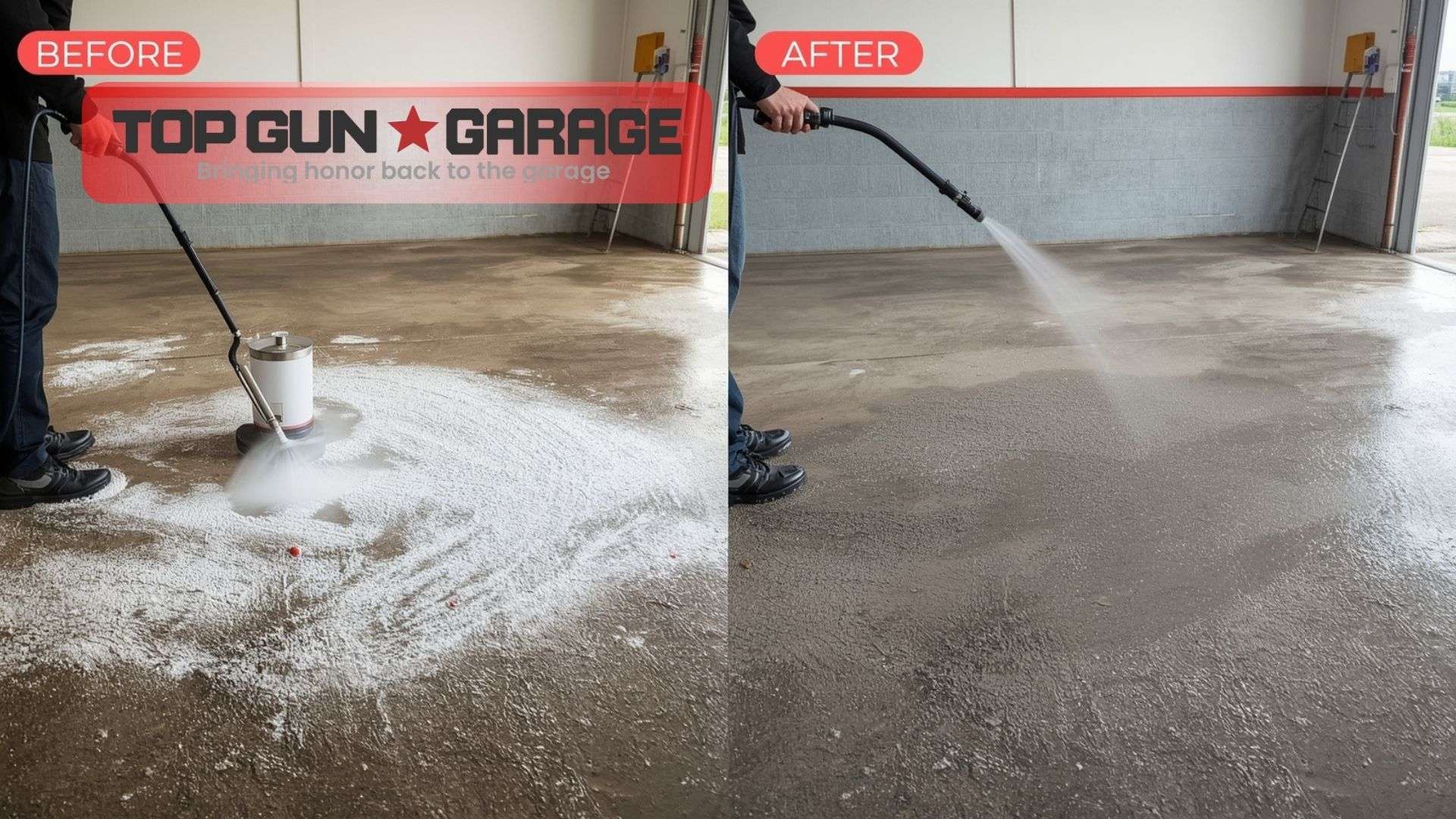
Professional flooring contractors bring specialized knowledge and equipment to efflorescence problems that homeowners typically cannot access. Moisture meters, thermal imaging cameras, and other diagnostic tools help identify hidden moisture sources and infiltration pathways that contribute to ongoing efflorescence issues. Professional-grade cleaning equipment and products often achieve better results than consumer-level alternatives, particularly for extensive or stubborn deposits. Learning about what concrete moisture content is acceptable provides benchmarks.
Complex moisture control solutions often require professional expertise for proper implementation. Installing drainage systems, applying specialized waterproof coatings, or implementing comprehensive moisture management strategies requires knowledge of building science and construction techniques. Professional contractors can also coordinate multiple trades when efflorescence problems are related to HVAC, plumbing, or structural issues that exceed typical flooring scope. Understanding what to do when garage floors stay damp guides problem-solving.
At Top Gun Garage, our experienced team understands the complexities of concrete flooring issues, including efflorescence problems. We provide comprehensive assessment services to identify the root causes of white powder formation and develop targeted solutions that address both immediate cleaning needs and long-term prevention strategies. Our professional approach ensures that efflorescence problems are resolved effectively while protecting your investment in quality concrete flooring. Understanding concrete conditions that prevent successful epoxy helps avoid failures.
Cost considerations often favor professional intervention for significant efflorescence problems. While DIY cleaning may seem less expensive initially, recurring problems and potential damage from improper treatment can result in higher long-term costs. Professional services typically include warranties and follow-up support that provide additional value and peace of mind. When efflorescence problems are extensive or persistent, professional assessment and treatment often prove more cost-effective than repeated DIY attempts. Learning about repairing concrete spalling addresses related damage.
Frequently Asked Questions
Is white powder on concrete floors dangerous to health?
Efflorescence itself is generally not dangerous to health, as it consists primarily of naturally occurring mineral salts. However, the powder can be mildly irritating to skin and respiratory systems, particularly for individuals with sensitivities or allergies. It’s advisable to wear dust masks and gloves when cleaning efflorescence deposits and ensure adequate ventilation during removal activities.
How quickly does efflorescence typically appear on new concrete?
Efflorescence can appear on new concrete anywhere from a few days to several months after installation, depending on environmental conditions and concrete composition. New concrete often shows efflorescence more readily because it contains higher concentrations of water-soluble salts from the curing process. Most efflorescence on new concrete is temporary and diminishes as the concrete continues to cure and dry. Understanding why concrete age matters for adhesion provides context.
Can efflorescence cause permanent damage to concrete floors?
Efflorescence itself rarely causes permanent damage to concrete, as it’s primarily a surface phenomenon. However, the underlying moisture conditions that cause efflorescence can lead to more serious problems such as freeze-thaw damage, reinforcement corrosion, or structural deterioration over time. Addressing moisture issues promptly helps prevent these more serious complications. Learning about why some garage floors age better highlights proper care.
Will sealing concrete prevent all future efflorescence?
While sealing significantly reduces efflorescence formation, it may not prevent all occurrences, particularly if underlying moisture issues aren’t addressed. Sealers can wear down over time and require reapplication to maintain effectiveness. Comprehensive efflorescence prevention requires combining proper sealing with moisture control and ventilation improvements. Understanding why concrete sealers interfere with bonding helps with coating decisions.
Why does efflorescence seem worse during certain seasons?
Seasonal variations in temperature, humidity, and precipitation create different conditions for efflorescence formation. Spring often brings the worst efflorescence activity due to snowmelt, increased groundwater, and temperature fluctuations that promote moisture movement through concrete. Understanding these patterns helps property owners anticipate and prepare for seasonal efflorescence issues.
Can I paint over efflorescence to hide it?
Painting over efflorescence without proper removal and moisture control is not recommended, as the salts will continue to form and can cause paint failure, bubbling, or peeling. Efflorescence must be thoroughly cleaned and underlying moisture issues addressed before applying any coatings or sealers to ensure proper adhesion and longevity. Understanding what concrete conditions stop epoxy from working prevents coating failures.
How do I know if moisture problems are serious enough to require professional help?
Consider professional help when efflorescence returns quickly after cleaning, covers large areas, or is accompanied by other signs such as mold growth, musty odors, or visible water infiltration. Persistent moisture issues often require comprehensive solutions that exceed typical DIY capabilities and may involve multiple building systems. Understanding basement flooring that resists moisture helps address these spaces.
Are there different types of white deposits that can appear on concrete?
While efflorescence is the most common cause of white powder on concrete, other substances such as lime deposits, paint residue, or chemical spills can create similar appearances. Professional assessment can help distinguish between different types of deposits and determine appropriate treatment methods for each specific situation. Understanding different concrete surface preparations helps maintain proper conditions.
Conclusion
Understanding what causes white powder on concrete floors empowers property owners to address this common issue effectively and prevent future occurrences. Efflorescence, while primarily a cosmetic concern, serves as an important indicator of moisture conditions that could lead to more serious problems if left unaddressed. By recognizing the signs early and implementing appropriate removal and prevention strategies, you can maintain attractive, durable concrete surfaces while protecting your flooring investment.
The key to successful efflorescence management lies in addressing both the immediate symptoms and underlying causes. Simple removal techniques work well for minor cases, while persistent or extensive problems may require professional intervention to identify and resolve complex moisture issues. Combining proper cleaning methods with moisture control, sealing, and ventilation improvements provides the most comprehensive approach to long-term efflorescence prevention. Understanding how to restore faded garage colors addresses related appearance issues.
Remember that prevention is always more cost-effective than remediation when it comes to concrete flooring issues. Investing in proper installation techniques, quality materials, and ongoing maintenance helps avoid many of the conditions that lead to efflorescence formation. When problems do arise, prompt attention and appropriate treatment prevent minor issues from developing into major concerns that could compromise your concrete flooring’s integrity and appearance. Exploring environmentally responsible garage renovations aligns solutions with sustainability.
Whether you choose to address efflorescence issues yourself or seek professional assistance, understanding the underlying science and contributing factors helps you make informed decisions about treatment and prevention strategies. With proper knowledge and appropriate action, white powder on concrete floors can be effectively managed, ensuring your concrete surfaces remain clean, attractive, and functional for years to come. Understanding the science behind proper surface profiling ensures lasting results.