 Skip to content



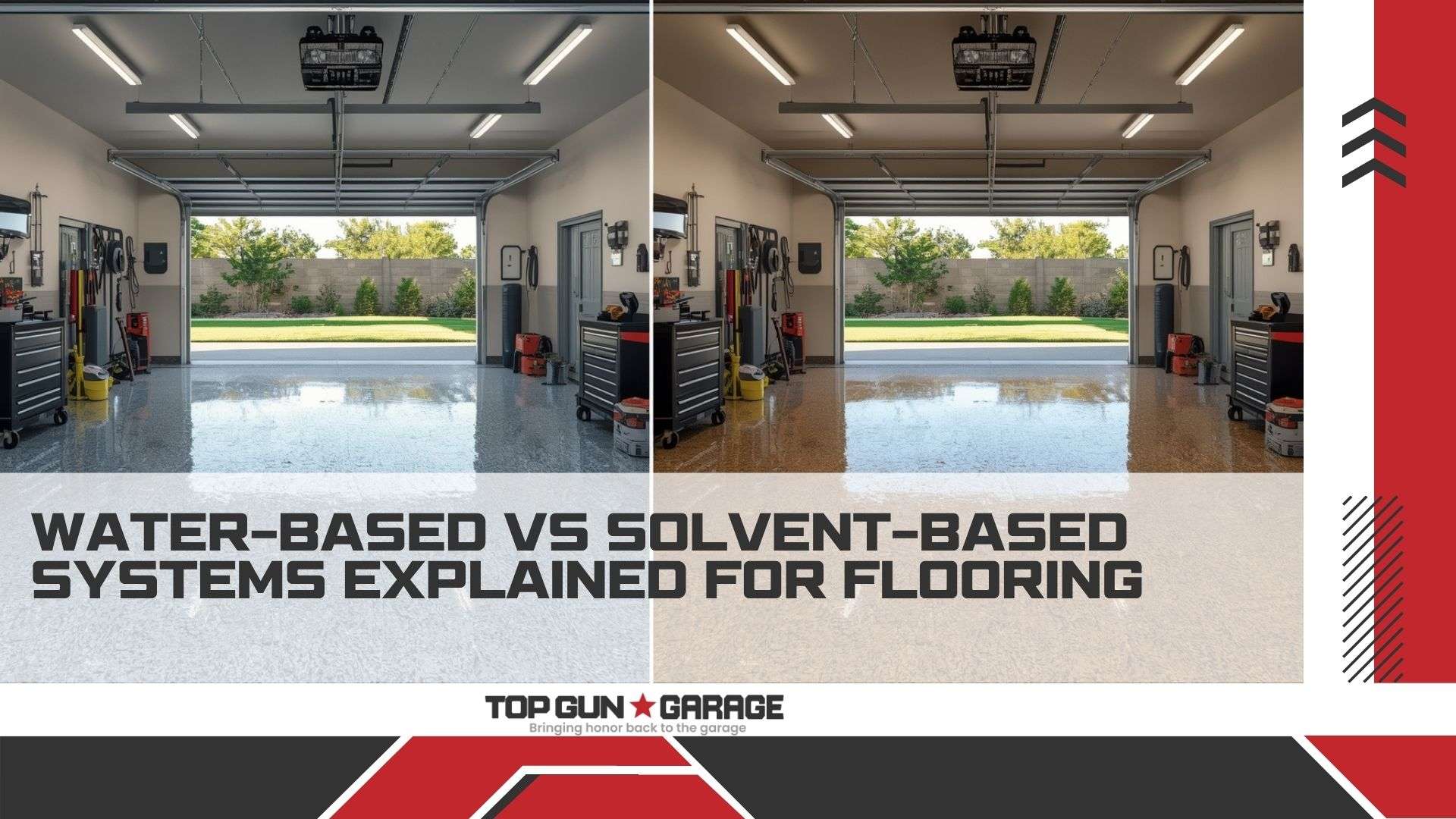
When it comes to selecting the right flooring system for a garage, workshop, or commercial space, understanding the fundamental differences between water-based and solvent-based systems is crucial for making an informed decision. These two coating technologies represent distinct approaches to floor protection, each offering unique advantages and considerations that can significantly impact project success, longevity, and overall satisfaction.
The choice between water-based and solvent-based flooring systems extends far beyond simple preference – it involves careful consideration of factors including environmental conditions, intended use, application requirements, maintenance expectations, and long-term performance goals. Both systems have evolved significantly over the past decade, with manufacturers continuously improving formulations to address specific market needs and environmental regulations.
Water-based flooring systems have gained substantial popularity due to their environmental friendliness, reduced odor during application, and faster curing times. These systems utilize water as the primary carrier for the coating components, resulting in lower volatile organic compound (VOC) emissions and easier cleanup procedures. The technology behind water-based systems has advanced to the point where they can deliver exceptional durability and performance characteristics that rival traditional solvent-based alternatives.
Solvent-based systems, on the other hand, have long been considered the gold standard for high-performance flooring applications. These systems use organic solvents as carriers, which can penetrate deeper into concrete substrates and often provide superior adhesion characteristics. The chemical composition of solvent-based systems typically allows for enhanced chemical resistance, superior gloss retention, and exceptional durability under extreme conditions.
The decision-making process becomes even more complex when considering specific application environments, local regulations, and project timelines. Professional contractors and facility managers must weigh numerous factors including substrate conditions, environmental regulations, worker safety requirements, and end-user expectations. Understanding these nuances is essential for selecting the most appropriate system for a specific application and ensuring optimal long-term performance.
Key Takeaways
Environmental Impact: Water-based systems typically contain significantly lower VOC levels, making them more environmentally friendly and compliant with strict air quality regulations in many regions.
Application Characteristics: Water-based systems generally offer easier application, faster cleanup, and reduced odor during installation, while solvent-based systems may require more specialized handling and ventilation.
Curing and Drying Times: Water-based formulations typically cure faster, allowing for quicker return to service, whereas solvent-based systems may require longer cure times but often achieve superior final hardness.
Durability Performance: Both systems can deliver excellent durability, but solvent-based systems traditionally excel in extreme chemical exposure environments and high-traffic commercial applications.
Cost Considerations: Initial material costs may vary between systems, but total project costs should include application requirements, equipment needs, and long-term maintenance expectations.
Substrate Compatibility: Different concrete conditions and moisture levels may favor one system over another, making proper substrate evaluation crucial for optimal adhesion and performance.
Maintenance Requirements: Long-term maintenance needs can differ significantly between systems, affecting total cost of ownership and operational considerations over the coating’s lifespan.
Understanding Water-Based and Solvent-Based Chemistry
The fundamental difference between water-based and solvent-based flooring systems lies in their carrier mechanisms and chemical composition. Water-based systems utilize water as the primary vehicle for delivering polymer resins, hardeners, and other functional additives to the substrate surface. This approach creates a more environmentally sustainable solution while maintaining excellent performance characteristics for most residential and commercial applications.
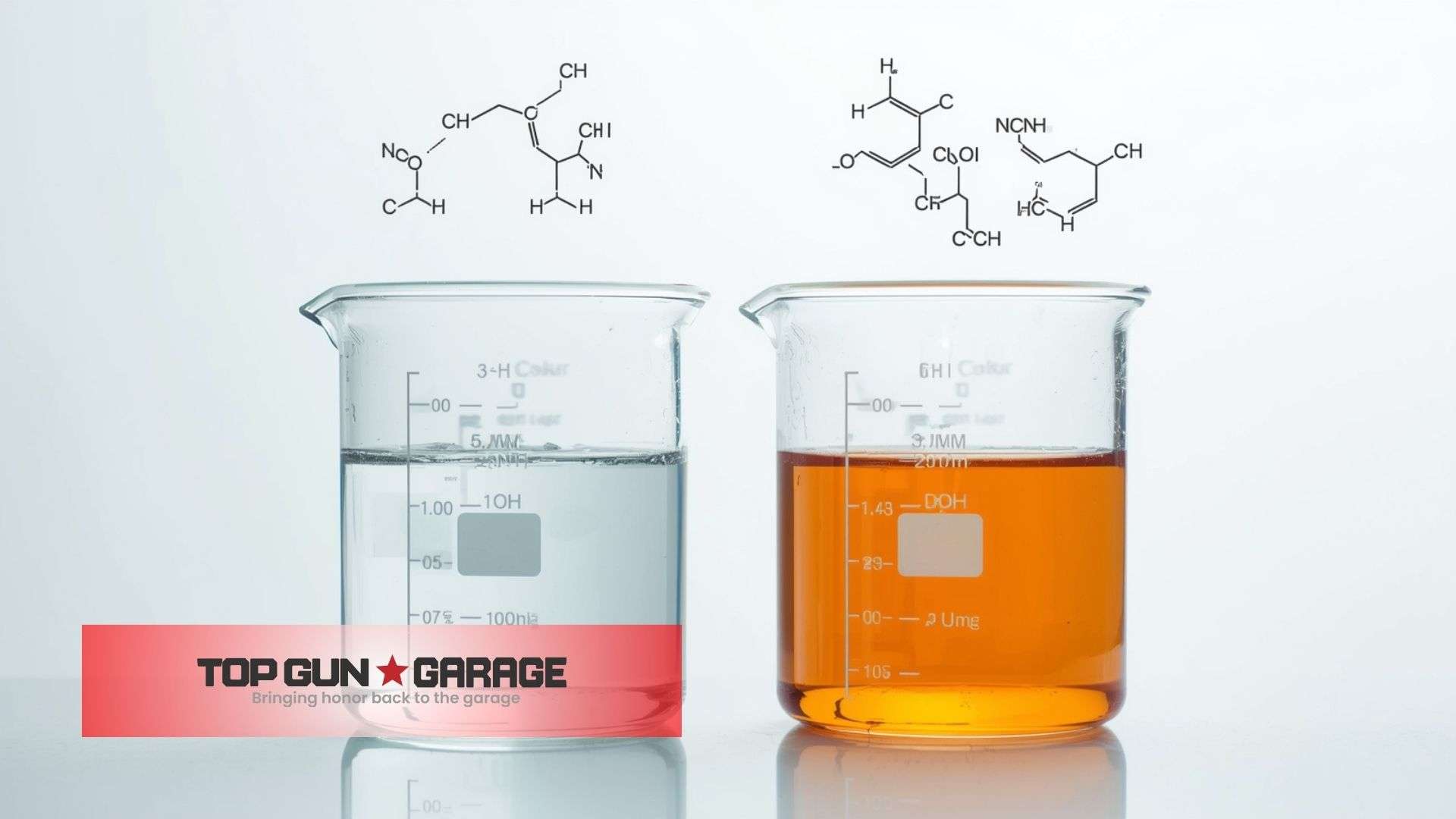
In water-based formulations, the polymer particles are suspended in an aqueous medium and coalesce during the curing process to form a continuous protective film. Modern water-based systems often incorporate advanced polymer technologies, including hybrid formulations that combine the best characteristics of different resin types. These systems have evolved to overcome early limitations related to adhesion and chemical resistance.
Solvent-based systems employ organic solvents such as xylene, toluene, or other petroleum-derived carriers to dissolve and transport the polymer components. As the solvents evaporate during curing, they leave behind a dense, highly cross-linked polymer matrix that typically exhibits superior hardness and chemical resistance. The solvent carrier allows for deeper penetration into concrete pores, often resulting in enhanced mechanical adhesion.
The curing mechanisms also differ significantly between these systems. Water-based coatings cure through water evaporation and polymer coalescence, followed by chemical cross-linking reactions. This process is generally faster and less dependent on temperature and humidity conditions. Solvent-based systems cure through solvent evaporation and chemical cross-linking, which can be more sensitive to environmental conditions but often results in superior final film properties.
Performance Characteristics and Durability Comparison
When evaluating performance characteristics, both water-based and solvent-based systems can deliver exceptional results, but their strengths manifest in different areas. Water-based flooring systems have made remarkable advances in durability, with many formulations now offering performance levels that match or exceed traditional solvent-based alternatives in specific applications.
Chemical resistance represents one of the most significant differentiators between these systems. Solvent-based coatings traditionally excel in environments exposed to harsh chemicals, petroleum products, and aggressive cleaning agents. The dense, highly cross-linked polymer matrix formed by solvent-based systems creates an effective barrier against chemical penetration. However, advanced water-based formulations now incorporate specialized additives and polymer technologies that significantly improve chemical resistance capabilities.
Abrasion resistance and mechanical durability vary depending on specific formulations and application thickness. Solvent-based systems often achieve superior hardness values and can withstand extreme mechanical stress, making them ideal for heavy industrial applications. Water-based systems, while potentially softer in some formulations, can provide excellent abrasion resistance and flexibility, which helps prevent cracking under thermal cycling and substrate movement.
UV stability and color retention present interesting performance considerations. Many water-based systems incorporate advanced UV stabilizers and light-stable pigments that provide excellent color retention and gloss stability over time. Solvent-based systems can also deliver outstanding UV resistance, but formulation complexity and cost considerations may influence the level of protection provided in different product grades. Understanding why epoxy garage floor colors fade is particularly important in sunny climates.
Temperature performance ranges can differ between systems, with some solvent-based formulations offering superior performance at extreme temperatures. However, modern water-based systems have expanded their temperature capabilities significantly, with many products suitable for applications ranging from freezer floors to heated garage environments. The key is selecting the appropriate formulation for specific temperature requirements and thermal cycling conditions.
Application Methods and Installation Considerations
The application process represents a critical factor in system selection, as water-based and solvent-based systems require different handling procedures, equipment, and safety protocols. Understanding these differences is essential for project planning and ensuring optimal installation results. Many contractors find that professional installation techniques can significantly impact final performance regardless of which system is chosen.
Water-based systems generally offer more user-friendly application characteristics, with easier mixing procedures, extended pot life, and simplified cleanup requirements. These systems typically have lower viscosity, allowing for smoother application with standard roller or squeegee techniques. The reduced odor and lower VOC emissions make water-based systems more suitable for occupied buildings or areas with limited ventilation capabilities.
Substrate preparation requirements can vary between systems, though both require properly cleaned and prepared concrete surfaces for optimal adhesion. Water-based systems may be more sensitive to substrate moisture content and alkalinity, requiring careful evaluation of concrete conditions before application. Solvent-based systems often demonstrate better tolerance for marginal substrate conditions but still require proper preparation for long-term performance.
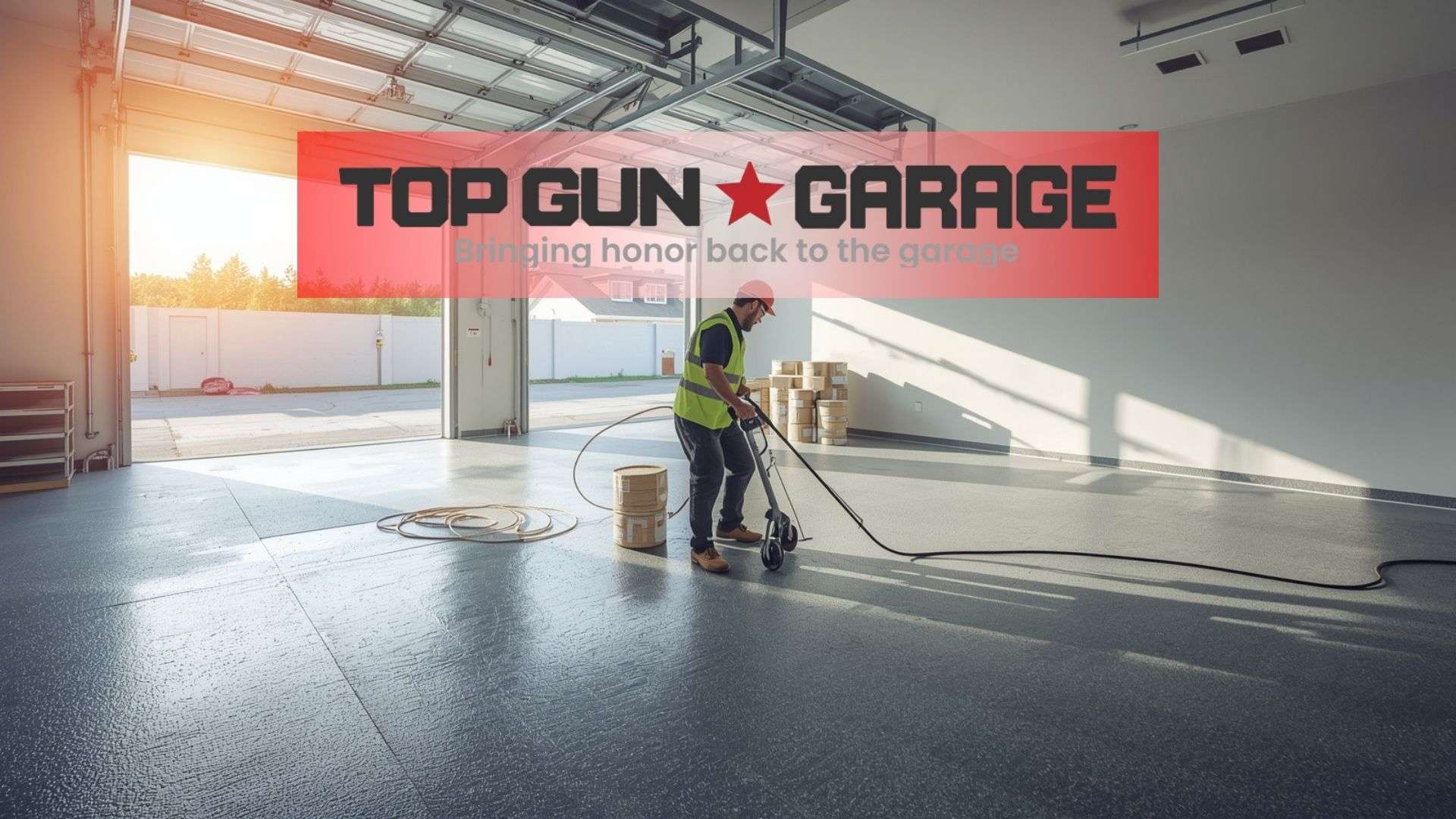
Equipment requirements differ significantly between these systems. Water-based coatings can typically be applied with standard painting equipment, require only water for cleanup, and generate minimal hazardous waste. Solvent-based systems may require specialized spray equipment, solvent-resistant tools, and proper disposal procedures for contaminated materials. The equipment investment and ongoing operational costs should be factored into system selection decisions.
Environmental conditions during application play a crucial role in successful installation. Water-based systems generally cure effectively across a wider range of temperature and humidity conditions, making them more forgiving for installers. Solvent-based systems may require more precise environmental control, particularly regarding temperature, humidity, and ventilation rates to ensure proper curing and avoid surface defects.
Safety considerations during application cannot be overlooked. Water-based systems typically require minimal personal protective equipment and generate fewer health hazards during installation. Solvent-based systems require more extensive safety protocols, including respiratory protection, adequate ventilation, and fire prevention measures due to the flammable nature of organic solvents.
Environmental Impact and Regulatory Compliance
Environmental considerations have become increasingly important in flooring system selection, with regulatory agencies implementing stricter VOC limits and environmental protection requirements. Water-based systems typically excel in this area, offering significantly reduced environmental impact while maintaining high performance standards for most applications.
VOC emissions represent the primary environmental differentiator between these systems. Water-based formulations typically contain less than 50 grams per liter of VOCs, with many products achieving even lower levels. This dramatic reduction in emissions helps improve indoor air quality, reduces environmental impact, and ensures compliance with increasingly strict regional regulations. The EPA has documented that VOC concentrations are consistently higher indoors than outdoors, making low-VOC products particularly important for occupied spaces.
Solvent-based systems traditionally contain higher VOC levels, often ranging from 300 to 700 grams per liter, depending on formulation and intended performance characteristics. While these systems can still be used in many applications, they may require special permits, restricted application schedules, or enhanced ventilation systems to meet local air quality regulations.
Waste disposal and cleanup procedures also favor water-based systems from an environmental perspective. Water-based products generate minimal hazardous waste, allow for water-based cleanup, and reduce the burden on waste disposal systems. Solvent-based systems require proper handling and disposal of solvent-contaminated materials, increasing both environmental impact and disposal costs.
Long-term environmental impact extends beyond initial application considerations. Water-based systems typically maintain their low-emission characteristics throughout their service life, contributing to better indoor air quality over time. Some solvent-based systems may continue to emit trace amounts of solvents for extended periods, particularly in poorly ventilated environments.
Sustainability considerations increasingly influence product selection decisions. Many water-based systems incorporate recycled content, renewable raw materials, and environmentally responsible manufacturing processes. The reduced energy requirements for production and transportation of water-based systems further enhance their environmental profile compared to solvent-based alternatives.
Cost Analysis and Economic Considerations
Economic factors play a crucial role in system selection, requiring careful analysis of both initial costs and long-term value propositions. While material costs represent an obvious consideration, the total cost of ownership includes application expenses, equipment requirements, maintenance needs, and lifecycle performance expectations.
Initial material costs can vary significantly between water-based and solvent-based systems, with pricing influenced by performance requirements, brand positioning, and regional market conditions. Water-based systems have become increasingly cost-competitive as production volumes have increased and manufacturing processes have been optimized. In many cases, water-based products now offer comparable or superior value when considering performance per dollar invested.
Application costs often favor water-based systems due to their user-friendly characteristics and reduced safety requirements. Lower equipment costs, simplified cleanup procedures, and reduced labor time for safety protocols can result in significant installation savings. The faster curing times of water-based systems also reduce project duration and associated labor costs, particularly important for commercial applications where downtime must be minimized.
Equipment investment requirements differ substantially between systems. Water-based products can typically be applied with standard painting equipment, reducing capital investment for contractors and facility managers. Solvent-based systems may require specialized spray equipment, explosion-proof ventilation systems, and additional safety equipment, increasing both initial investment and ongoing operational costs.
Maintenance and lifecycle costs represent critical long-term economic considerations. Both systems can deliver excellent durability when properly selected and applied, but maintenance requirements may differ based on specific formulations and application environments. Water-based systems often provide easier maintenance and recoating procedures, while solvent-based systems may offer extended service life in demanding applications, reducing replacement frequency.
Regulatory compliance costs increasingly favor water-based systems, particularly in regions with strict environmental regulations. Permit fees, enhanced ventilation requirements, and waste disposal costs associated with solvent-based systems can add significant expense to projects. Additionally, the potential for future regulatory changes may impact the long-term viability and cost-effectiveness of high-VOC systems.
Choosing the Right System with Top Gun Garage
At Top Gun Garage, the team understands that selecting between water-based and solvent-based flooring systems requires careful consideration of specific needs, environmental conditions, and performance expectations. The experienced team has worked with both system types across a wide range of applications, providing expertise to guide customers toward the optimal solution for their project.
The approach to system selection begins with a comprehensive evaluation of facility requirements, including traffic patterns, chemical exposure potential, environmental conditions, and aesthetic preferences. Factors such as substrate conditions, local regulations, project timeline, and budget constraints are considered to develop recommendations that align with specific needs and expectations.
For residential garage applications, water-based systems are often recommended due to their excellent performance characteristics, environmental friendliness, and user-friendly maintenance requirements. These systems provide outstanding durability for typical residential use while offering the convenience of low odor and easy cleanup. However, each situation is carefully evaluated to ensure the selected system meets specific performance requirements.
Commercial and industrial applications may benefit from either system type, depending on specific performance requirements and environmental conditions. The team conducts thorough site evaluations to assess factors such as chemical exposure potential, traffic intensity, and environmental regulations to recommend the most appropriate solution. Relationships with leading manufacturers of both water-based and solvent-based systems ensure access to the latest technology and formulations.
Installation expertise extends to both system types, with specialized equipment and trained technicians capable of delivering professional results regardless of the selected technology. Strict quality control procedures and adherence to manufacturer specifications ensure optimal performance and longevity from flooring investments.
Frequently Asked Questions
What are the main differences between water-based and solvent-based flooring systems?
The primary differences lie in their carrier systems and environmental impact. Water-based systems use water as the carrier, resulting in lower VOC emissions, reduced odor, and easier cleanup. Solvent-based systems use organic solvents, typically offering deeper substrate penetration and potentially superior chemical resistance in extreme environments.
Which system provides better durability for garage floors?
Both systems can provide excellent durability for garage applications when properly selected and applied. Water-based systems have advanced significantly and now offer comparable durability to solvent-based alternatives for most residential and light commercial uses. The key is selecting the appropriate formulation for specific traffic and exposure conditions.
Are water-based systems suitable for high-traffic commercial applications?
Yes, modern water-based systems can handle high-traffic commercial applications effectively. Advanced formulations incorporate specialized polymers and additives that provide excellent abrasion resistance and durability. However, specific product selection should be based on detailed traffic analysis and performance requirements.
How do curing times compare between these systems?
Water-based systems typically cure faster than solvent-based alternatives, often allowing foot traffic within 24 hours and full cure within 3-7 days. Solvent-based systems may require 24-48 hours for foot traffic and 7-14 days for full cure, depending on environmental conditions and film thickness.
Which system is more cost-effective in the long term?
Long-term cost-effectiveness depends on specific application requirements and performance expectations. Water-based systems often provide lower total installation costs due to easier application and reduced safety requirements. Both systems can deliver excellent long-term value when properly selected for the intended application.
Do I need special equipment for applying these different systems?
Water-based systems can typically be applied with standard painting equipment and require only water for cleanup. Solvent-based systems may require specialized equipment, enhanced ventilation, and solvent-resistant tools, potentially increasing equipment investment and operational complexity.
How do environmental regulations affect system selection?
Environmental regulations increasingly favor water-based systems due to their low VOC content. Many regions now restrict or prohibit high-VOC products for indoor applications. It’s essential to verify local regulations before selecting a system to ensure compliance and avoid potential penalties.
Can I apply these systems myself, or should I hire professionals?
While some homeowners successfully apply flooring systems themselves, professional installation often provides superior results and warranty protection. The complexity of substrate preparation, proper mixing procedures, and application techniques can significantly impact final performance, making professional installation a wise investment for most projects.
Conclusion
The choice between water-based and solvent-based flooring systems represents a significant decision that impacts not only immediate project success but also long-term performance, maintenance requirements, and environmental compliance. Both technologies have evolved substantially, with modern formulations delivering exceptional performance characteristics that meet the demands of diverse applications.
Water-based systems have emerged as the preferred choice for many applications due to their environmental advantages, user-friendly characteristics, and continuously improving performance capabilities. These systems offer compelling benefits including low VOC emissions, reduced odor, faster curing times, and easier maintenance procedures, making them ideal for residential and many commercial applications.
Solvent-based systems continue to excel in demanding applications requiring maximum chemical resistance and durability under extreme conditions. While these systems require more careful handling and may face regulatory restrictions, they remain valuable solutions for specific high-performance applications where their unique characteristics provide clear advantages.
The key to successful system selection lies in carefully evaluating specific requirements, environmental conditions, and performance expectations. Consider factors such as intended use, traffic patterns, chemical exposure potential, local regulations, and long-term maintenance preferences when making a decision. Professional consultation can provide valuable insights and ensure optimal system selection for unique situations.
Regardless of which system is chosen, proper substrate preparation, professional application techniques, and appropriate maintenance procedures are essential for achieving optimal performance and longevity. Investing in quality materials and professional installation will provide the best return on flooring investment and ensure years of reliable service from the selected system.