 Skip to content



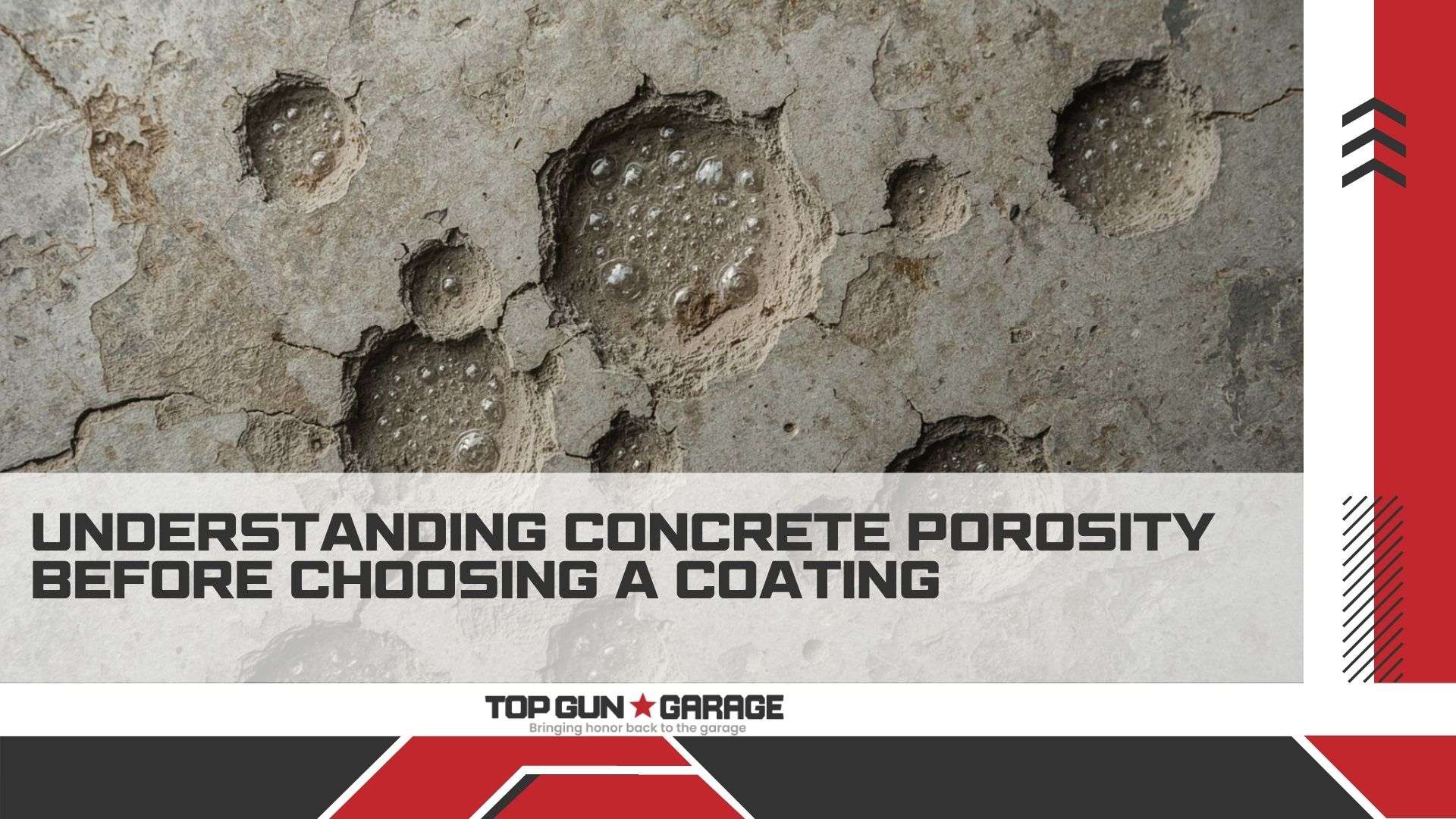
Understanding concrete porosity before coating is a critical step that can make or break your flooring project. Whether you’re planning to install epoxy, polyurethane, or any other type of coating system, the porosity of your concrete substrate will directly impact adhesion, durability, and the overall success of your investment. Many property owners rush into coating applications without properly assessing their concrete’s porosity levels, leading to premature failures, costly repairs, and disappointing results.
Concrete porosity refers to the volume of voids, air bubbles, and interconnected spaces within the concrete matrix. These microscopic and macroscopic openings significantly influence how coatings bond to the surface and how they perform over time. High porosity can lead to outgassing issues, poor adhesion, and coating failures, while extremely low porosity may prevent proper mechanical bonding between the coating and substrate.
The formation of porosity in concrete occurs during the mixing, placing, and curing processes. Factors such as water-to-cement ratio, aggregate selection, mixing procedures, placement techniques, and environmental conditions all contribute to the final porosity characteristics of your concrete slab. Understanding these variables helps explain why different areas of the same floor may exhibit varying porosity levels and require different preparation approaches.
Professional assessment of concrete porosity involves multiple testing methods and evaluation techniques that go far beyond visual inspection. Surface porosity testing, absorption rate measurements, and permeability assessments provide crucial data for selecting appropriate coating systems and preparation methods. This comprehensive evaluation ensures that your chosen coating will achieve optimal adhesion and long-term performance.
The relationship between concrete age and porosity also plays a vital role in coating selection and timing. Newly placed concrete continues to hydrate and densify for months after initial curing, affecting its porosity characteristics. Conversely, older concrete may have developed surface carbonation or contamination that alters its porosity profile and requires specific preparation techniques to restore proper coating adhesion.
Key Takeaways
Porosity Assessment is Essential: Proper evaluation of concrete porosity through professional testing methods determines coating compatibility and preparation requirements, preventing costly failures and ensuring long-term performance of your flooring investment.
Multiple Factors Influence Porosity: Water-to-cement ratios, aggregate selection, mixing procedures, placement techniques, and curing conditions all contribute to final porosity characteristics, making each concrete slab unique in its coating requirements.
Testing Methods Vary by Application: Different porosity assessment techniques including absorption testing, permeability measurements, and surface profiling provide specific data needed for coating system selection and surface preparation planning.
Age Affects Porosity Characteristics: Concrete porosity changes over time due to continued hydration, carbonation, and environmental exposure, requiring different approaches for new versus aged concrete surfaces.
Preparation Methods Must Match Porosity: High-porosity concrete may require sealing or multiple coating applications, while low-porosity surfaces need aggressive mechanical preparation to achieve proper adhesion.
Coating Selection Depends on Porosity: Different coating systems perform optimally within specific porosity ranges, making proper assessment crucial for material selection and application success.
Professional Evaluation Saves Money: Investing in proper porosity assessment and professional installation prevents premature coating failures, reduces maintenance costs, and maximizes the lifespan of your flooring system.
Overview of Concrete Porosity and Its Impact on Coating Performance
Concrete porosity represents one of the most critical yet often overlooked factors in successful coating applications. The internal structure of concrete contains a complex network of voids, capillaries, and air bubbles that directly influence how coatings adhere, cure, and perform over their intended lifespan. These microscopic pathways can either enhance coating penetration and mechanical bonding or create pathways for moisture migration and adhesion failures.

The porosity of concrete typically ranges from 10% to 20% of the total volume, depending on mix design and construction practices. This variation significantly impacts coating selection and application procedures. High-porosity concrete may absorb coating materials rapidly, requiring primer applications or multiple coating layers to achieve proper film thickness. Conversely, dense, low-porosity concrete may resist coating penetration, necessitating aggressive surface preparation to create adequate bonding surfaces.
Understanding the relationship between porosity and coating performance helps explain common flooring failures. When coatings are applied to improperly assessed concrete, issues such as outgassing, poor adhesion, premature wear, and moisture-related problems frequently occur. Outgassing, in particular, results from air and moisture trapped in porous concrete escaping through the coating during curing, creating bubbles, craters, and weak spots in the finished surface.
Professional porosity assessment involves multiple evaluation methods that provide comprehensive data for coating system design. Visual inspection identifies obvious surface irregularities, while technical testing methods measure absorption rates, permeability, and surface profile characteristics. This multi-faceted approach ensures that coating selection and preparation procedures match the specific requirements of your concrete substrate. Understanding why epoxy floors bubble in Southwest Florida often relates directly to unassessed porosity issues.
Factors Affecting Concrete Porosity During Construction
The porosity characteristics of concrete are established during the initial mixing, placement, and curing phases of construction. Understanding these formation processes helps explain why different concrete surfaces exhibit varying porosity levels and require customized coating approaches. Water-to-cement ratio represents the most significant factor influencing final porosity, as excess water creates voids when it evaporates during the curing process.
Aggregate selection and gradation significantly impact concrete porosity by affecting particle packing and void formation. Well-graded aggregates with proper size distribution create denser concrete with lower porosity, while poorly graded materials leave larger voids between particles. The use of supplementary cementitious materials such as fly ash or silica fume can dramatically reduce porosity by filling voids and creating denser paste matrices.
Mixing procedures and equipment quality directly influence air entrainment and void distribution throughout the concrete mass. Over-mixing can introduce excessive air, while under-mixing creates non-uniform distribution of materials and localized high-porosity areas. Proper mixing time and technique ensure optimal material distribution and controlled porosity levels that support successful coating applications.
Placement and consolidation techniques affect surface porosity characteristics that directly impact coating adhesion. Inadequate vibration leaves air voids near the surface, while excessive vibration can cause segregation and create weak, porous surface layers. Proper consolidation techniques create uniform, dense surfaces that provide optimal substrates for coating applications.
Environmental conditions during placement and curing significantly influence final porosity characteristics. High temperatures, low humidity, and wind exposure can cause rapid moisture loss, creating increased porosity and surface defects. Conversely, proper curing conditions allow complete hydration and densification, resulting in lower porosity and stronger surfaces. When considering whether to tackle such complex assessments yourself, it’s important to weigh the challenges of DIY approaches versus professional expertise in ensuring proper evaluation and preparation procedures.
Testing Methods for Concrete Porosity Assessment
Professional porosity assessment requires multiple testing methods that evaluate different aspects of concrete permeability and surface characteristics. Each testing approach provides specific information about porosity levels, distribution patterns, and surface conditions that influence coating selection and preparation requirements. Comprehensive testing ensures that coating systems are properly matched to substrate conditions and application requirements.
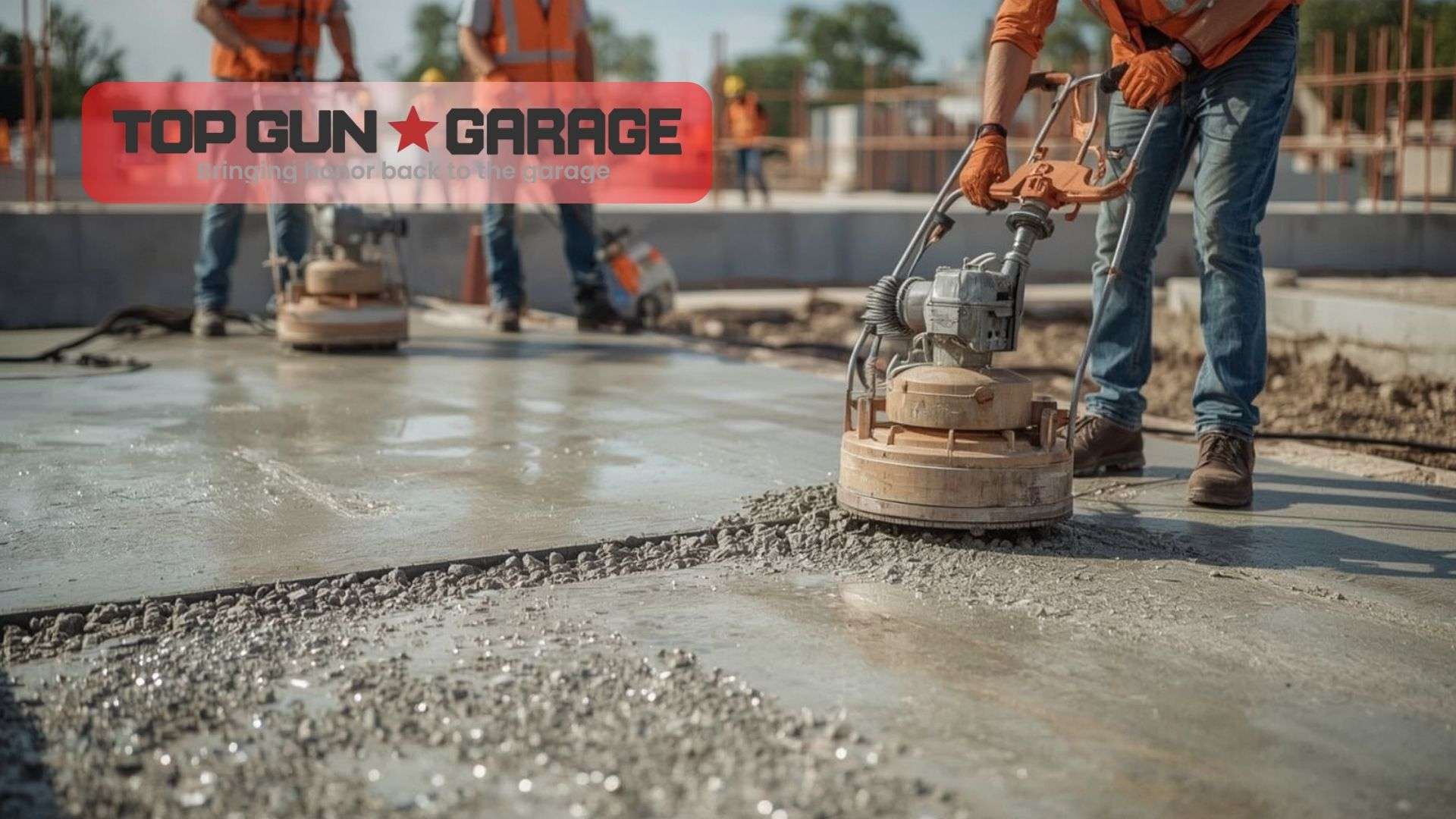
Water absorption testing represents one of the most common methods for evaluating concrete porosity and permeability. The ASTM C642 test method measures the absorption characteristics of concrete samples, providing quantitative data about void content and connectivity. This information helps determine whether concrete surfaces require sealing or special preparation before coating application. Surface absorption tests using ponding methods or spray techniques provide field-applicable alternatives for assessing absorption rates on existing floors.
Permeability testing evaluates the rate at which fluids can move through concrete, providing crucial information about coating compatibility and moisture resistance requirements. The ASTM C1585 sorptivity test measures the rate of absorption of water by hydraulic cement concrete, indicating the connectivity and size distribution of pores near the surface. This data helps predict how coatings will penetrate and bond to the concrete substrate. Understanding what floor moisture testing means for epoxy installation is essential for proper porosity evaluation.
Surface profile measurement using replica tape or digital profiling equipment quantifies the texture and roughness characteristics that affect mechanical bonding between coatings and concrete. While not directly measuring porosity, surface profile data correlates with surface preparation effectiveness and coating adhesion potential. Proper surface profiling needed for epoxy ensures that mechanical preparation methods create optimal bonding surfaces for specific coating systems.
Advanced testing methods including mercury intrusion porosimetry and nitrogen adsorption provide detailed information about pore size distribution and total porosity. These laboratory techniques offer comprehensive characterization of concrete microstructure but require specialized equipment and expertise. For most coating applications, simpler field testing methods provide sufficient information for proper coating system selection and surface preparation planning.
Impact of Concrete Age on Porosity Characteristics
The relationship between concrete age and porosity characteristics significantly influences coating selection, timing, and preparation requirements. Understanding how porosity changes over time helps explain why identical coating systems may perform differently on new versus aged concrete surfaces. These temporal changes affect not only the physical structure of concrete but also its chemical composition and surface characteristics.
Newly placed concrete undergoes continued hydration for months after initial setting, gradually reducing porosity through the formation of additional calcium silicate hydrate gel. This densification process typically reduces permeability and changes absorption characteristics, potentially affecting coating penetration and adhesion. Early coating applications on new concrete may encounter ongoing hydration effects that influence curing and bonding processes.
The first 28 days after concrete placement represent a critical period for hydration and strength development, but porosity changes continue well beyond this timeframe. Research indicates that concrete can continue hydrating for years under favorable moisture conditions, gradually reducing porosity and increasing density. This ongoing process explains why concrete age matters for epoxy adhesion in determining proper coating timing and approach.
Surface carbonation represents another age-related factor that affects porosity and coating compatibility. Atmospheric carbon dioxide reacts with calcium hydroxide in concrete, creating a carbonated surface layer with different porosity characteristics than the underlying concrete. This carbonated zone may be denser and less permeable than fresh concrete, requiring specific surface preparation methods to ensure proper coating adhesion.
Environmental exposure over time can significantly alter surface porosity through various degradation mechanisms. Freeze-thaw cycles, chemical exposure, abrasion, and thermal cycling can create surface damage that increases porosity and affects coating performance. Conversely, some exposure conditions may result in surface densification or contamination that reduces porosity and creates bonding challenges. Proper assessment of aged concrete requires evaluation of both original porosity characteristics and age-related changes that affect coating compatibility.
Coating Selection Based on Porosity Assessment Results
Selecting appropriate coating systems based on porosity assessment results ensures optimal performance and longevity of your flooring investment. Different coating chemistries and application methods perform best within specific porosity ranges, making proper substrate evaluation crucial for material selection. Understanding the relationship between concrete porosity and coating characteristics helps prevent common application problems and ensures successful long-term performance.
High-porosity concrete typically requires low-viscosity penetrating sealers or primer systems that can effectively saturate the substrate and create stable bonding surfaces. Epoxy primers with excellent penetrating characteristics work well for sealing porous concrete before applying topcoat systems. These primers fill surface voids, stabilize weak surface layers, and create uniform substrates for subsequent coating applications. Multiple primer applications may be necessary for extremely porous concrete to achieve adequate sealing and surface preparation.
Medium-porosity concrete offers the most flexibility in coating selection, as most commercial coating systems can achieve adequate adhesion with proper surface preparation. This porosity range typically provides good mechanical bonding opportunities while maintaining reasonable absorption rates that don’t require extensive sealing. Standard surface preparation methods such as how concrete is prepared for epoxy create optimal bonding profiles for most coating applications.
Low-porosity or dense concrete presents unique challenges that require aggressive surface preparation to create adequate bonding surfaces. Mechanical preparation methods such as scarification, shot blasting, or acid etching may be necessary to create sufficient surface profile for coating adhesion. These dense surfaces may resist coating penetration, requiring specialized primers or adhesion promoters to ensure proper bonding.
Moisture-sensitive coating systems require particularly careful porosity assessment, as high-porosity concrete may allow moisture migration that causes coating failures. Polyurethane and polyaspartic coatings are especially sensitive to substrate moisture and porosity conditions. Proper moisture testing and porosity evaluation help determine whether moisture barriers work under Florida epoxy installations are necessary before applying these coating types.
Understanding epoxy adhesion science and bonding mechanics helps explain how porosity directly affects coating performance at the molecular level. At Top Gun Garage, we understand the critical importance of matching coating systems to specific porosity characteristics, ensuring that every flooring project achieves optimal performance and durability through proper substrate assessment and material selection.
Frequently Asked Questions
How do I know if my concrete is too porous for coating application?
Professional porosity testing using absorption rate measurements and permeability assessments provides quantitative data about whether your concrete requires special preparation or sealing before coating. Visual indicators include rapid water absorption, dusty surfaces, and visible air voids that suggest high porosity levels requiring attention.
Can high-porosity concrete be successfully coated?
Yes, high-porosity concrete can be successfully coated using appropriate preparation methods and coating systems. Penetrating sealers, specialized primers, and multiple-coat application procedures can effectively address porosity issues and create durable coating systems when properly applied by experienced professionals.
What causes concrete porosity to vary across the same floor?
Variations in concrete porosity result from differences in mixing, placement, consolidation, and curing conditions during construction. Areas near construction joints, different placement times, varying consolidation effort, and environmental exposure differences all contribute to porosity variations within the same concrete slab.
How does concrete porosity affect coating warranty coverage?
Most coating manufacturers require proper substrate assessment and preparation according to their specifications for warranty coverage. Failure to address porosity issues or improper surface preparation can void warranty protection, making professional evaluation and preparation crucial for maintaining coverage.
Is porosity testing necessary for all coating applications?
While basic porosity assessment should be performed for all coating applications, the extent of testing depends on the coating system requirements and project criticality. High-performance coatings and critical applications require comprehensive testing, while basic coating systems may need only simple absorption testing.
Can concrete porosity be reduced after construction?
Yes, concrete porosity can be reduced through various densification and sealing treatments. Penetrating sealers, densifying treatments, and specialized surface hardeners can significantly reduce porosity and improve coating compatibility when properly applied.
How long should I wait after concrete placement before coating?
Coating timing depends on concrete mix design, environmental conditions, and coating system requirements. Most manufacturers recommend waiting at least 28 days for initial curing, but porosity and moisture testing should determine actual readiness for coating application rather than relying solely on age.
What happens if I apply coating to improperly assessed concrete?
Coating applications on improperly assessed concrete frequently result in adhesion failures, outgassing problems, premature wear, and moisture-related issues. These failures often require complete coating removal and reapplication, making proper initial assessment a cost-effective investment in project success.
Conclusion
Understanding concrete porosity before choosing a coating represents a fundamental requirement for successful flooring projects that deliver lasting performance and value. The complex relationship between concrete microstructure, porosity characteristics, and coating compatibility demands professional assessment and expertise to ensure optimal results. Proper porosity evaluation provides the foundation for informed coating selection, appropriate surface preparation, and application procedures that maximize the lifespan of your flooring investment.
The factors influencing concrete porosity, from initial mix design through long-term environmental exposure, create unique conditions that require customized approaches for each project. Professional testing methods provide quantitative data that guides coating selection and preparation procedures, preventing costly failures and ensuring warranty compliance. The investment in proper porosity assessment pays dividends through improved coating performance, reduced maintenance requirements, and extended service life.
As concrete ages and environmental conditions change, porosity characteristics continue to evolve, affecting coating compatibility and performance requirements. Regular assessment and maintenance planning help identify when recoating or surface treatment may be necessary to maintain optimal flooring performance. Understanding what concrete conditions prevent successful epoxy installation in Naples helps property owners avoid common porosity-related problems. Working with experienced professionals who understand these complex relationships ensures that your flooring project achieves its intended performance goals and provides reliable service for years to come.