When it comes to installing flooring systems that stand the test of time, understanding the science behind proper surface profiling is absolutely critical for success.
Surface profiling isn’t just about roughing up a surface – it’s a precise scientific process that creates the optimal foundation for
adhesive bonding,
coating application, and long-term durability. Whether you’re working with concrete, steel, or other substrates, the microscopic landscape you create through profiling directly impacts the mechanical and chemical bonds that hold your flooring system together.
The science behind proper surface profiling involves understanding how different
surface textures, depths, and patterns affect adhesion at the molecular level. When a surface is properly profiled, it increases the available bonding area exponentially, creating microscopic anchors that allow adhesives and coatings to penetrate and form strong mechanical bonds. This process goes far beyond simple surface roughening – it involves creating specific surface energy characteristics, removing contaminants, and establishing the ideal surface geometry for your particular flooring application.
Professional flooring contractors who master surface profiling techniques gain a significant competitive advantage in delivering installations that exceed client expectations and industry standards. The difference between a floor that fails prematurely and one that performs flawlessly for decades often comes down to the quality and appropriateness of the surface preparation. Modern surface profiling combines traditional mechanical methods with advanced technology and scientific understanding of adhesion principles.
Understanding the relationship between surface profile depth, anchor patterns, and adhesive chemistry allows contractors to optimize their preparation methods for each specific project. Different flooring systems require different profile characteristics – what works perfectly for an epoxy coating may be inadequate for a urethane system or a mechanical fastening application. The science behind proper surface profiling provides the knowledge framework needed to make these critical decisions with confidence.
Key Takeaways
- Surface Energy Optimization: Proper profiling increases surface energy and wettability, allowing adhesives to spread more effectively and create stronger bonds at the molecular level.
- Mechanical Anchoring: The right profile depth creates optimal mechanical anchors that resist shear and tensile forces, preventing delamination and coating failure.
- Contamination Removal: Effective profiling techniques simultaneously remove surface contaminants, oils, and weak surface layers that could compromise adhesion.
- Profile Consistency: Uniform surface profiling across the entire substrate ensures consistent adhesive performance and eliminates weak spots that could lead to failure.
- System-Specific Requirements: Different flooring systems require specific profile characteristics – understanding these requirements is essential for optimal performance.
- Quality Control Measures: Scientific profiling includes measurement and verification techniques to ensure the achieved profile meets specifications and industry standards.
- Environmental Considerations: Temperature, humidity, and other environmental factors during profiling significantly impact the final surface characteristics and subsequent adhesion.
- Long-term Performance: Proper surface profiling is the foundation for flooring systems that maintain their performance characteristics throughout their intended service life.
Understanding Surface Profile Fundamentals
The science behind proper surface profiling begins with understanding the fundamental principles of adhesion and surface chemistry. At the microscopic level, adhesion occurs through several mechanisms including mechanical interlocking, chemical bonding, and van der Waals forces. Surface profiling primarily enhances mechanical interlocking by creating a three-dimensional landscape of peaks and valleys that provide anchoring points for adhesives and coatings.
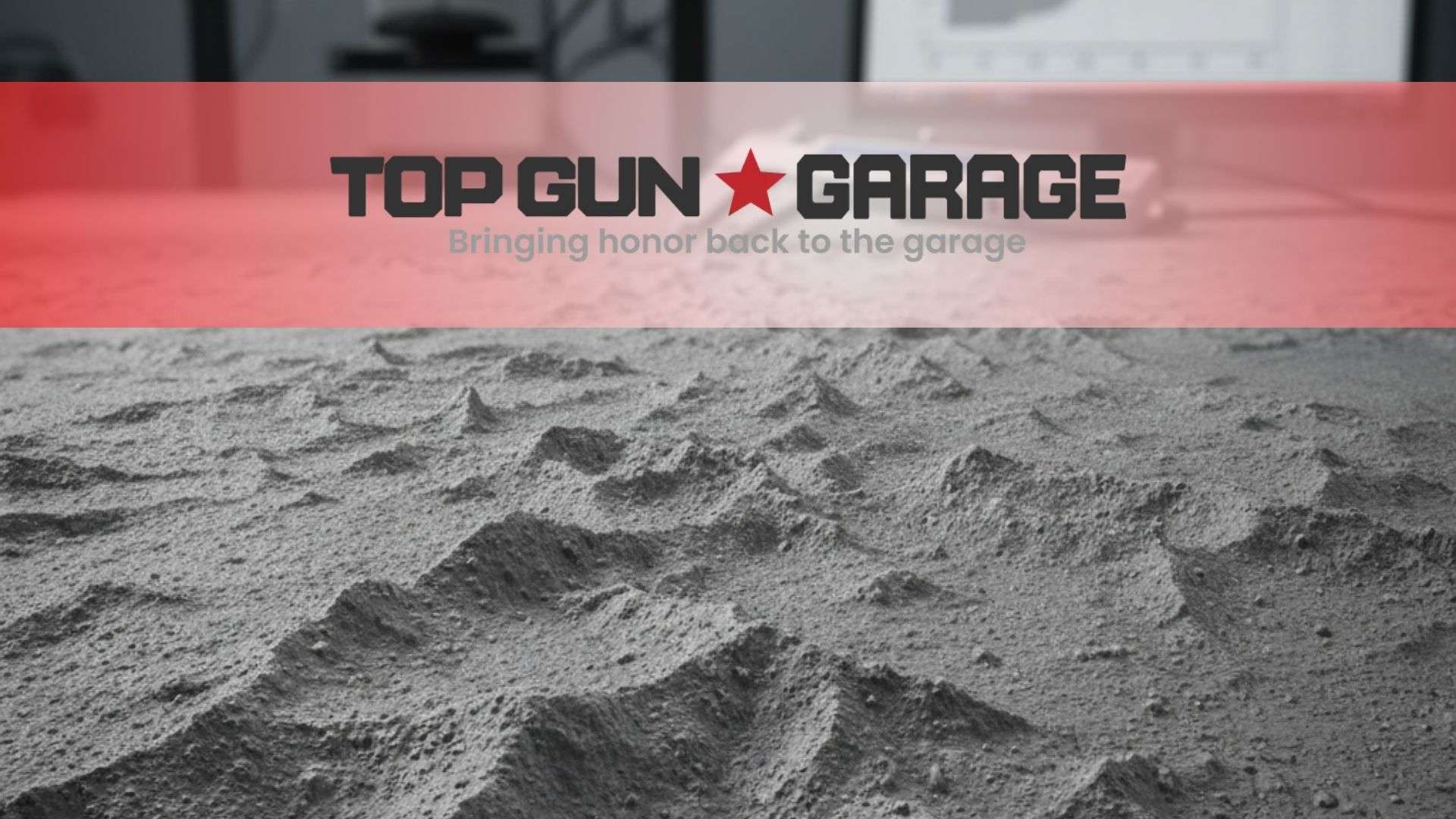
Surface energy plays a crucial role in the profiling process. When a surface is properly profiled, it typically increases the surface energy, making the substrate more receptive to wetting by adhesives and coatings. This improved wettability allows the liquid adhesive to flow into the microscopic valleys and around the peaks, maximizing contact area and creating stronger bonds. The relationship between surface roughness and surface energy is complex and depends on the material properties of both the substrate and the profiling method used.
Different substrates respond differently to profiling techniques, and understanding these material-specific characteristics is essential for optimal results. Concrete, for example, has a heterogeneous structure with varying hardness between aggregate and cement paste, requiring profiling methods that can accommodate these differences while creating a uniform profile. Steel surfaces present different challenges, including the need to remove mill scale and create profiles that resist corrosion while providing adequate adhesion.
The depth and geometry of the surface profile must be carefully matched to the adhesive or coating system being applied. Too shallow a profile may not provide adequate mechanical anchoring, while too deep a profile can create air entrapment issues or require excessive adhesive thickness. Modern surface profiling techniques allow contractors to precisely control these parameters based on scientific understanding of the adhesion requirements for specific flooring systems.
Mechanical Surface Profiling Techniques
Mechanical surface profiling techniques form the backbone of professional surface preparation, utilizing physical abrasion to create the desired surface characteristics. Shot blasting represents one of the most controlled and effective mechanical profiling methods, using steel shot or grit propelled at high velocity to remove surface contaminants and create uniform profiles. The science behind shot blasting involves understanding the relationship between shot size, velocity, coverage patterns, and the resulting profile characteristics.
Diamond grinding has emerged as a precision profiling technique that offers exceptional control over profile depth and consistency. The science behind diamond grinding involves understanding how diamond particle size, bond hardness, and grinding parameters affect the cutting action and resulting surface texture. Unlike aggressive removal methods, diamond grinding can create very specific profile characteristics while maintaining excellent surface planarity, making it ideal for applications requiring precise thickness control.
Scarification and milling techniques provide aggressive profiling capabilities for heavily contaminated or damaged surfaces. These methods use rotating cutters or scarifying heads to mechanically remove surface material and create deep, aggressive profiles. Understanding the science behind these techniques involves optimizing cutting speeds, feed rates, and cutter configurations to achieve the desired profile while minimizing surface damage and maintaining productivity.
The selection of mechanical profiling techniques must consider not only the desired final profile but also the efficiency of contaminant removal, dust generation, and surface integrity preservation. Each mechanical method creates different surface characteristics in terms of peak sharpness, valley geometry, and overall surface texture. These differences significantly impact how adhesives and coatings interact with the prepared surface, making technique selection a critical scientific decision rather than simply choosing the most convenient method.
Modern mechanical profiling equipment incorporates advanced features like variable speed controls, dust collection systems, and real-time monitoring capabilities that allow contractors to optimize their processes based on scientific principles. Understanding how to leverage these technological advances while applying fundamental surface preparation science enables contractors to achieve consistent, high-quality results across diverse project conditions.
Chemical and Advanced Profiling Methods
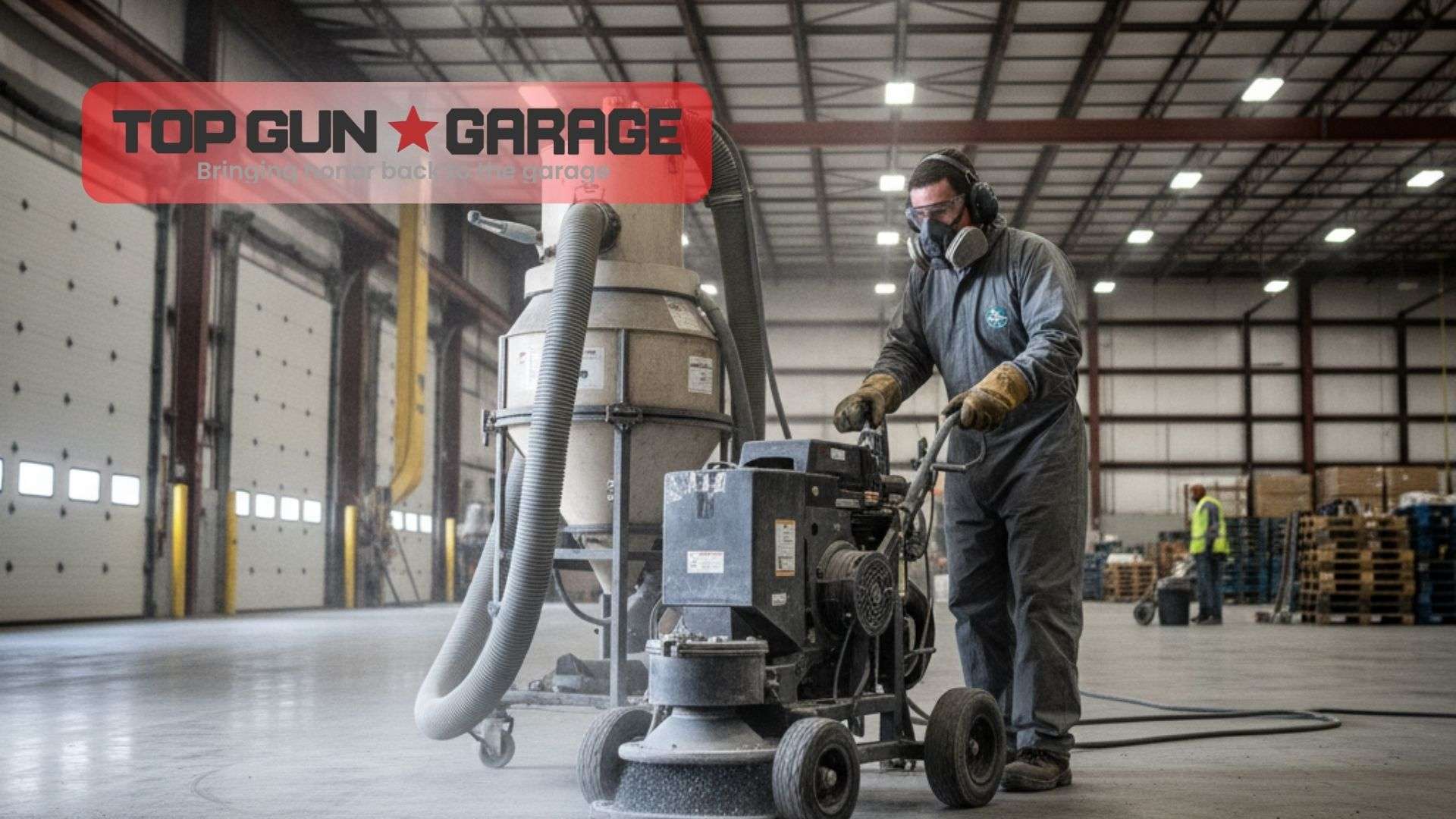
Chemical profiling methods offer unique advantages for specific applications where mechanical methods may be inappropriate or insufficient. Acid etching represents the most common chemical profiling technique, using controlled acid reactions to dissolve surface material and create microscopic texture. The science behind acid etching involves understanding the chemical kinetics of acid-substrate reactions, neutralization processes, and the resulting surface chemistry changes that affect subsequent adhesion.
Advanced profiling methods include laser texturing, plasma treatment, and electrochemical processes that can create highly specific surface characteristics. Laser texturing uses controlled laser energy to vaporize surface material in precise patterns, creating profiles with exceptional consistency and repeatability. The science behind laser profiling involves understanding how laser wavelength, power density, and pulse characteristics interact with different substrate materials to create optimal surface conditions.
Plasma treatment represents a cutting-edge approach to surface profiling that can modify both surface topography and chemistry simultaneously. Plasma processes use ionized gases to etch surfaces while introducing specific chemical functional groups that enhance adhesion. Understanding plasma science allows contractors to tailor surface properties for specific adhesive chemistries, creating bonds that exceed what’s possible with mechanical profiling alone.
Combination profiling approaches that integrate multiple techniques often provide superior results compared to single-method approaches. For example, combining mechanical profiling with chemical treatment can create surfaces with optimal physical texture and ideal surface chemistry. The science behind combination profiling involves understanding how different methods interact and complement each other to achieve synergistic effects.
Environmental considerations play a crucial role in chemical and advanced profiling methods. Proper ventilation, waste management, and safety protocols are essential for protecting workers and the environment while achieving optimal profiling results. Understanding the environmental science aspects of these methods ensures compliance with regulations while maintaining profiling effectiveness.
Profile Measurement and Quality Control
Accurate measurement and quality control of surface profiles is essential for ensuring consistent flooring performance and represents a critical application of surface science principles. Profile measurement techniques range from simple replica tape methods to advanced digital profilometry systems that provide detailed quantitative analysis of surface characteristics. Understanding the science behind these measurement methods enables contractors to select appropriate techniques and interpret results correctly.
Replica tape measurement remains the most widely used field method for profile assessment, providing a quick and cost-effective way to evaluate profile depth and distribution. The science behind replica tape involves understanding how the tape material conforms to surface irregularities and how measurement techniques affect accuracy. Proper replica tape technique requires understanding tape selection, application pressure, measurement procedures, and the limitations of this method for different surface types.
Digital profilometry offers advanced capabilities for detailed surface analysis, providing quantitative data on profile parameters including average roughness, peak-to-valley heights, and surface area ratios. These sophisticated instruments use laser or stylus-based measurement systems to create detailed surface maps that reveal characteristics invisible to traditional measurement methods. Understanding how to interpret profilometry data enables contractors to optimize their profiling processes based on scientific analysis rather than subjective assessment.
Quality control protocols must address not only profile depth but also profile consistency, contamination levels, and surface integrity. Developing effective quality control procedures requires understanding the relationship between surface characteristics and flooring performance, enabling contractors to establish meaningful acceptance criteria. Statistical process control methods can be applied to profile measurement data to identify trends and optimize profiling operations.
Documentation and traceability of profile measurements provide essential quality assurance and can be critical for warranty and performance issues. Modern quality control systems integrate measurement data with project documentation, creating comprehensive records that support long-term performance monitoring and continuous improvement efforts. Understanding how to implement these systems effectively requires knowledge of both surface science principles and quality management practices.
Optimizing Profiles for Different Flooring Systems
Different flooring systems have specific surface profile requirements based on their adhesive chemistry, application characteristics, and performance requirements. Understanding how to optimize profiles for each system type represents a critical application of surface preparation science that directly impacts installation success and long-term performance. Epoxy flooring systems, for example, typically perform best with moderate profile depths that provide adequate mechanical anchoring without creating excessive thickness variations or air entrapment issues.
Urethane and polyurea systems often require different profile characteristics compared to epoxy systems due to their different viscosity, curing characteristics, and flexibility requirements. The science behind optimizing profiles for these systems involves understanding how surface texture affects material flow, air release, and the development of interfacial bonds. Polyurea systems, with their rapid cure times, may require profiles that facilitate quick air release while still providing adequate mechanical anchoring.
Mechanical fastening systems present unique profiling requirements focused on creating stable, level surfaces that provide optimal load distribution for fasteners. The science behind profiling for mechanical systems involves understanding how surface irregularities affect fastener performance and how to create surfaces that maximize contact area while maintaining dimensional stability. This often requires different approaches compared to adhesively bonded systems.
Moisture-sensitive flooring systems require special attention to surface profiling techniques that don’t introduce additional moisture or create conditions that trap moisture in the substrate. Understanding the science behind moisture interaction with profiled surfaces enables contractors to select appropriate techniques and timing for these challenging applications. This may involve specific profiling methods, surface sealing procedures, or moisture mitigation strategies.
At Top Gun Garage, our expertise in surface profiling science enables us to optimize preparation techniques for any flooring system, ensuring that each installation achieves maximum performance and longevity. Our team understands the complex relationships between surface characteristics and flooring performance, allowing us to deliver superior results across diverse applications and challenging conditions.
Frequently Asked Questions
What is the ideal surface profile depth for epoxy flooring systems?
The optimal surface profile depth for epoxy flooring typically ranges from 1-3 mils (25-75 microns), depending on the specific epoxy system and application requirements. This depth provides adequate mechanical anchoring while allowing proper flow and leveling of the epoxy material.
How does temperature affect surface profiling results?
Temperature significantly impacts profiling effectiveness and results. Cold surfaces may require more aggressive profiling to achieve the same profile depth, while hot surfaces can affect equipment performance and dust control. Optimal profiling typically occurs at moderate temperatures between 50-80°F.
Can surface profiling be performed on wet concrete?
Surface profiling should generally be performed on dry concrete to achieve optimal results. Moisture can interfere with mechanical profiling effectiveness, contaminate the surface, and affect subsequent adhesion. Proper moisture testing and drying procedures should precede profiling operations.
What safety considerations are important during surface profiling?
Key safety considerations include respiratory protection from dust and chemical vapors, eye and hearing protection, proper ventilation, and appropriate personal protective equipment. Understanding material safety data sheets and following established safety protocols is essential for all profiling operations.
How do you verify that a surface profile meets specifications?
Profile verification typically involves replica tape measurement, visual inspection, and documentation of results. Advanced projects may require digital profilometry or other quantitative measurement methods. Establishing clear acceptance criteria and measurement procedures is essential for quality control.
What causes uneven surface profiles and how can they be prevented?
Uneven profiles typically result from inconsistent equipment operation, varying substrate hardness, contamination, or improper technique. Prevention involves proper equipment maintenance, operator training, systematic coverage patterns, and quality control monitoring throughout the profiling process.
How does surface contamination affect profiling requirements?
Surface contamination typically requires more aggressive profiling to achieve effective removal and create clean, bondable surfaces. Different contaminants may require specific profiling approaches, and some contamination may necessitate chemical cleaning before or after mechanical profiling.
What is the relationship between surface profile and adhesive thickness?
Surface profile depth directly affects adhesive consumption and application thickness. Deeper profiles require more adhesive to fill valleys and achieve uniform coverage, while shallow profiles may not provide adequate mechanical anchoring. Balancing profile depth with adhesive characteristics is crucial for optimal performance.
Conclusion
The science behind proper surface profiling represents a critical foundation for successful flooring installations that deliver long-term performance and value. Understanding the complex relationships between surface characteristics, adhesion mechanisms, and flooring system requirements enables contractors to make informed decisions that optimize both installation quality and long-term durability. The investment in proper surface profiling science pays dividends through reduced callbacks, enhanced reputation, and satisfied clients who experience the benefits of professionally executed flooring systems.
Modern surface profiling techniques continue to evolve, incorporating advanced technologies and scientific understanding that enable unprecedented control over surface characteristics. Contractors who embrace these scientific principles and invest in proper training, equipment, and quality control procedures position themselves as industry leaders capable of tackling the most challenging projects with confidence. The future of flooring installation increasingly depends on scientific approaches to surface preparation that ensure consistent, predictable results.
As flooring systems become more sophisticated and performance requirements more demanding, the importance of scientific surface profiling will only continue to grow. Contractors who master these principles today will be well-positioned to meet future challenges and capitalize on opportunities in an increasingly competitive marketplace. The science behind proper surface profiling is not just technical knowledge – it’s a competitive advantage that separates professional contractors from those who rely on outdated methods and hope for the best.