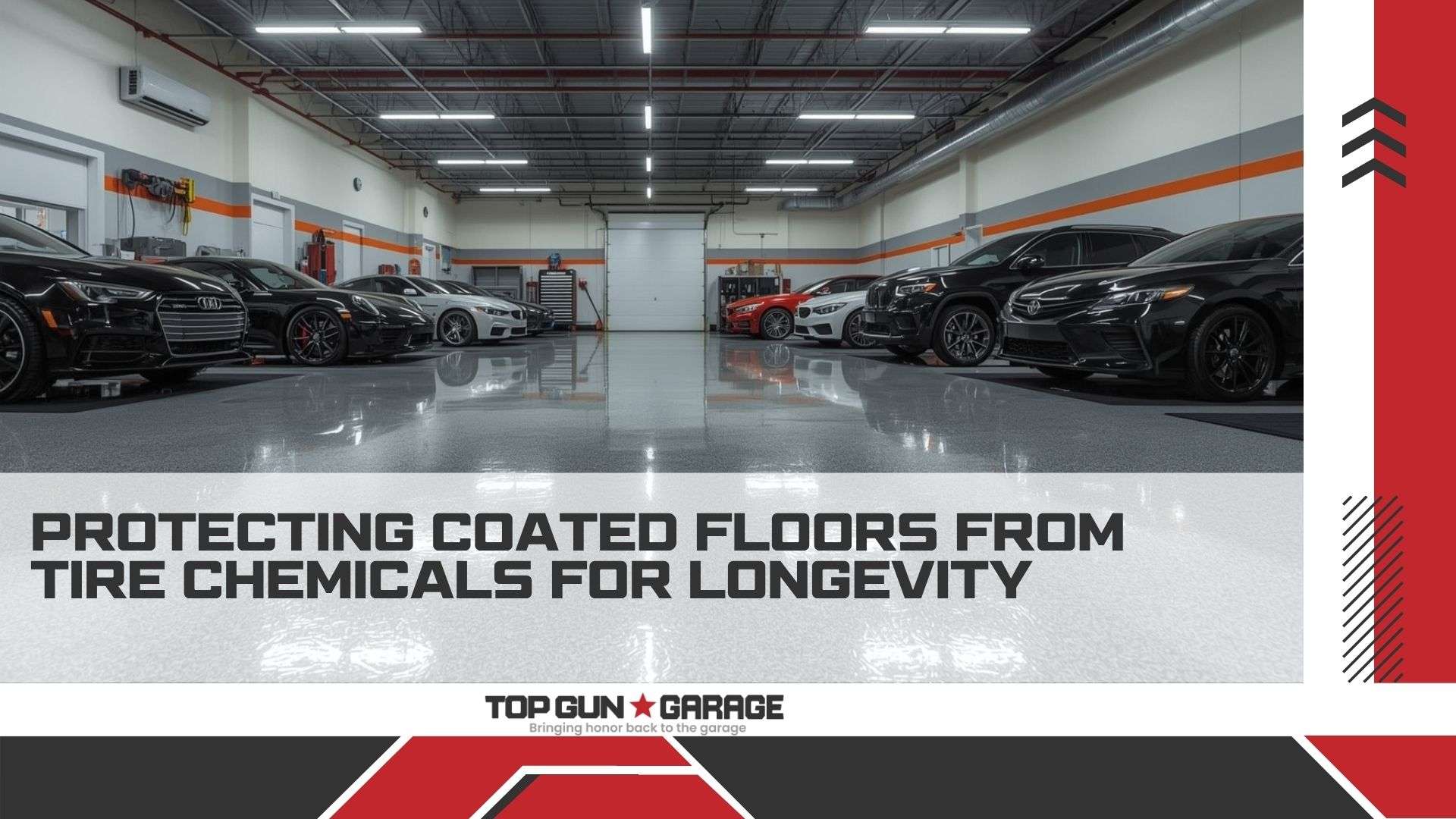
Your garage floor represents a significant investment in both functionality and aesthetics. Whether you’ve recently installed an
epoxy coating, polyurethane finish, or another protective surface treatment, maintaining its pristine condition requires understanding the various threats it faces daily. Among the most persistent and damaging of these threats are tire chemicals â a complex mixture of compounds that can gradually deteriorate even the most robust floor coatings if left unchecked.
Protecting coated floors from tire chemicals isn’t just about preserving appearance; it’s about safeguarding your investment and ensuring long-term durability. Modern vehicles carry tires treated with various chemicals designed to enhance performance, flexibility, and longevity. However, these same compounds can interact negatively with
floor coatings,
leading to discoloration,
softening, and eventual coating failure.
The challenge becomes even more complex when considering the variety of tire formulations available today. From high-performance summer tires with aggressive tread compounds to winter tires with specialized rubber formulations, each type presents unique chemical challenges for your coated floor. Additionally, factors like tire age, storage conditions, and driving habits can influence the rate and intensity of chemical release.
Understanding the science behind tire-floor interactions empowers you to make informed decisions about protection strategies. When tires sit stationary on coated surfaces, especially in warm conditions, chemical migration occurs through direct contact and vapor transmission. This process can be accelerated by factors such as new tire compounds, elevated temperatures, and extended contact periods.
Professional flooring contractors like Top Gun Garage have witnessed firsthand the devastating effects of inadequate chemical protection. From subtle yellowing that gradually spreads across pristine white epoxy to severe coating softening that requires complete refinishing, the consequences of neglecting tire chemical protection can be both costly and frustrating.
Key Takeaways
- Chemical Migration Risk: Tire compounds continuously release chemicals that can penetrate and damage floor coatings, with new tires posing the highest risk during their initial months of use.
- Temperature Dependency: Heat accelerates chemical migration, making summer months and heated garages particularly vulnerable to tire-related floor damage.
- Coating Vulnerability: Different coating types exhibit varying resistance levels to tire chemicals, with some polyurethane systems offering superior protection compared to standard epoxy formulations.
- Prevention Effectiveness: Implementing protective barriers and proper ventilation proves significantly more cost-effective than remediation after damage occurs.
- Material Selection: High-quality protective mats, proper tire storage solutions, and regular maintenance schedules form the foundation of effective chemical protection strategies.
- Professional Assessment: Regular inspection by qualified contractors helps identify early signs of chemical damage before extensive coating replacement becomes necessary.
- Long-term Investment: Protecting garage floors from chemicals extends coating lifespan by 3-5 years on average, providing substantial return on protection investment.
- Maintenance Integration: Incorporating chemical protection into routine garage maintenance creates sustainable habits that preserve floor quality over decades.
Understanding Tire Chemical Composition and Floor Interaction
Modern tire manufacturing involves complex chemical formulations designed to optimize performance characteristics such as grip, durability, and weather resistance. These formulations typically include various oils, antioxidants, accelerators, and plasticizers that can migrate from tire surfaces onto your garage floor. The migration process occurs through two primary mechanisms: direct contact transfer and vapor phase transmission.
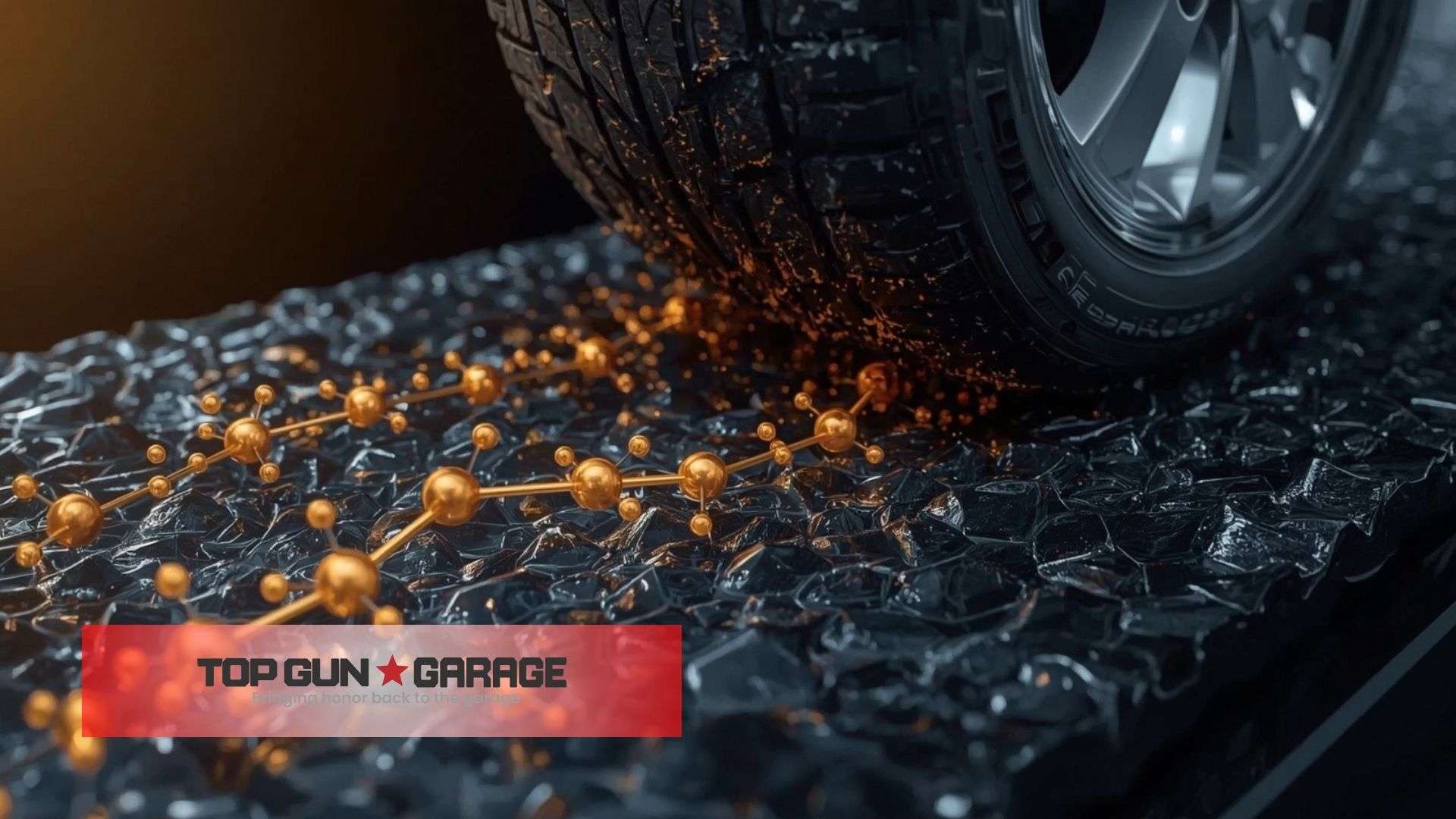
Direct contact transfer happens when tire compounds in semi-liquid or gel states physically transfer to the floor surface. This process intensifies with increased temperature, tire age, and contact pressure. New tires often contain higher concentrations of processing oils and uncured compounds, making them particularly problematic during their first few months of use.
Vapor phase transmission represents a more insidious threat, as volatile compounds evaporate from tire surfaces and subsequently condense on nearby floor areas. This process can affect floor areas beyond the immediate tire contact zone, creating widespread chemical exposure that may not be immediately visible.
The specific chemical compounds most problematic for floor coatings include aromatic oils, phenolic compounds, and various sulfur-containing molecules used in vulcanization processes. These chemicals can cause coating plasticization, leading to surface softening, discoloration, and eventual adhesion failure. Understanding these interactions helps explain why protecting coated floors from tire chemicals requires comprehensive strategies rather than simple surface cleaning.
Comprehensive Protection Strategies for Coated Garage Floors
Implementing effective protection for your coated garage floor requires a multi-layered approach that addresses both immediate contact protection and long-term chemical resistance. The most fundamental strategy involves creating physical barriers between tires and floor surfaces using high-quality protective materials specifically designed for chemical resistance.
Premium garage floor mats represent the first line of defense against tire chemicals. These specialized mats utilize materials such as nitrile rubber, polyvinyl chloride, or thermoplastic compounds that resist chemical penetration while providing excellent durability. When selecting protective mats, consider factors such as chemical compatibility, temperature resistance, and ease of maintenance.
Proper mat sizing and placement proves crucial for effective protection. Mats should extend beyond tire contact areas to account for vehicle positioning variations and potential chemical vapor spread. Additionally, implementing drainage channels or raised surfaces helps prevent chemical accumulation beneath protective barriers.
Ventilation enhancement significantly reduces chemical vapor concentrations in garage environments. Installing exhaust fans, improving natural airflow, and maintaining appropriate temperature control all contribute to minimizing chemical exposure risks. Proper ventilation also helps accelerate the evaporation of any chemicals that do reach floor surfaces, reducing contact time and potential damage.
Regular maintenance protocols form another essential component of comprehensive protection strategies. This includes routine mat cleaning, floor inspection, and prompt attention to any signs of chemical exposure. Establishing maintenance schedules ensures consistent protection effectiveness and early detection of potential problems.
For high-value vehicles or particularly sensitive floor coatings, consider implementing tire storage solutions that completely eliminate floor contact. Wheel cribs, lift systems, or dedicated tire storage areas can provide ultimate protection while maintaining easy vehicle access.
Advanced Coating Technologies for Chemical Resistance
The evolution of floor coating technologies has produced increasingly sophisticated solutions specifically designed to resist tire chemical attack. Understanding these advanced options enables informed decision-making when installing new coatings or upgrading existing floor protection systems.

Polyurethane-based coating systems generally offer superior chemical resistance compared to traditional epoxy formulations. These advanced polymers create cross-linked networks that resist chemical penetration and maintain structural integrity even under sustained chemical exposure. Aliphatic polyurethanes, in particular, demonstrate excellent resistance to aromatic compounds commonly found in tire formulations.
Hybrid coating systems combine multiple polymer technologies to optimize both chemical resistance and mechanical properties. These systems often feature epoxy primer layers for adhesion, intermediate layers for chemical resistance, and polyurethane topcoats for durability and UV stability. The multi-layer approach provides comprehensive protection while maintaining cost-effectiveness.
Ceramic-enhanced coatings represent the cutting edge of chemical resistance technology. These systems incorporate ceramic particles or chemical cross-linking agents that create extremely dense, non-porous surfaces. While more expensive than traditional options, ceramic coatings offer unparalleled resistance to chemical attack and can justify their cost in high-exposure environments.
Surface preparation plays a critical role in coating performance, particularly regarding chemical resistance. Proper concrete preparation, including appropriate profile creation and contamination removal, ensures optimal coating adhesion and long-term performance. Professional contractors like Top Gun Garage emphasize the importance of thorough surface preparation in achieving maximum chemical resistance.
Maintenance requirements vary significantly among coating types, with some advanced systems requiring specialized cleaning products or procedures. Understanding these requirements before installation helps ensure long-term protection effectiveness and prevents inadvertent damage during routine maintenance.
Environmental Factors Affecting Chemical Protection
Environmental conditions within your garage significantly influence both the rate of tire chemical release and the effectiveness of protection strategies. Temperature represents the most critical factor, as elevated temperatures accelerate chemical migration rates and increase vapor pressure of volatile compounds. During summer months or in heated garages, chemical release rates can increase dramatically, requiring enhanced protection measures.
Humidity levels also impact chemical behavior and coating performance. High humidity can interfere with chemical evaporation, leading to prolonged surface contact and increased penetration risk. Conversely, extremely low humidity may cause certain coating types to become more brittle and susceptible to chemical attack.
Air circulation patterns determine how chemical vapors disperse throughout the garage environment. Poor circulation allows vapor accumulation in specific areas, creating localized high-concentration zones that can overwhelm protection systems. Strategic placement of ventilation equipment helps create beneficial airflow patterns that minimize chemical exposure.
Seasonal variations require adaptive protection strategies. Winter storage periods often involve extended vehicle stationary time, increasing cumulative chemical exposure. Additionally, winter tire compounds may contain different chemical formulations that present unique protection challenges.
Garage design features such as floor drains, expansion joints, and wall proximity can create microenvironments with different chemical exposure characteristics. Understanding these variations helps optimize protection placement and identify areas requiring enhanced attention.
External factors including vehicle usage patterns, storage duration, and tire maintenance practices all influence chemical exposure levels. Vehicles driven frequently may have reduced chemical migration due to shorter stationary periods, while stored vehicles require more intensive protection strategies.
Professional Assessment and Maintenance Protocols
Regular professional assessment forms the cornerstone of effective long-term chemical protection for coated garage floors. Qualified flooring contractors possess the expertise and equipment necessary to identify early signs of chemical damage that may not be apparent to property owners. These assessments typically include visual inspection, chemical resistance testing, and coating adhesion evaluation.
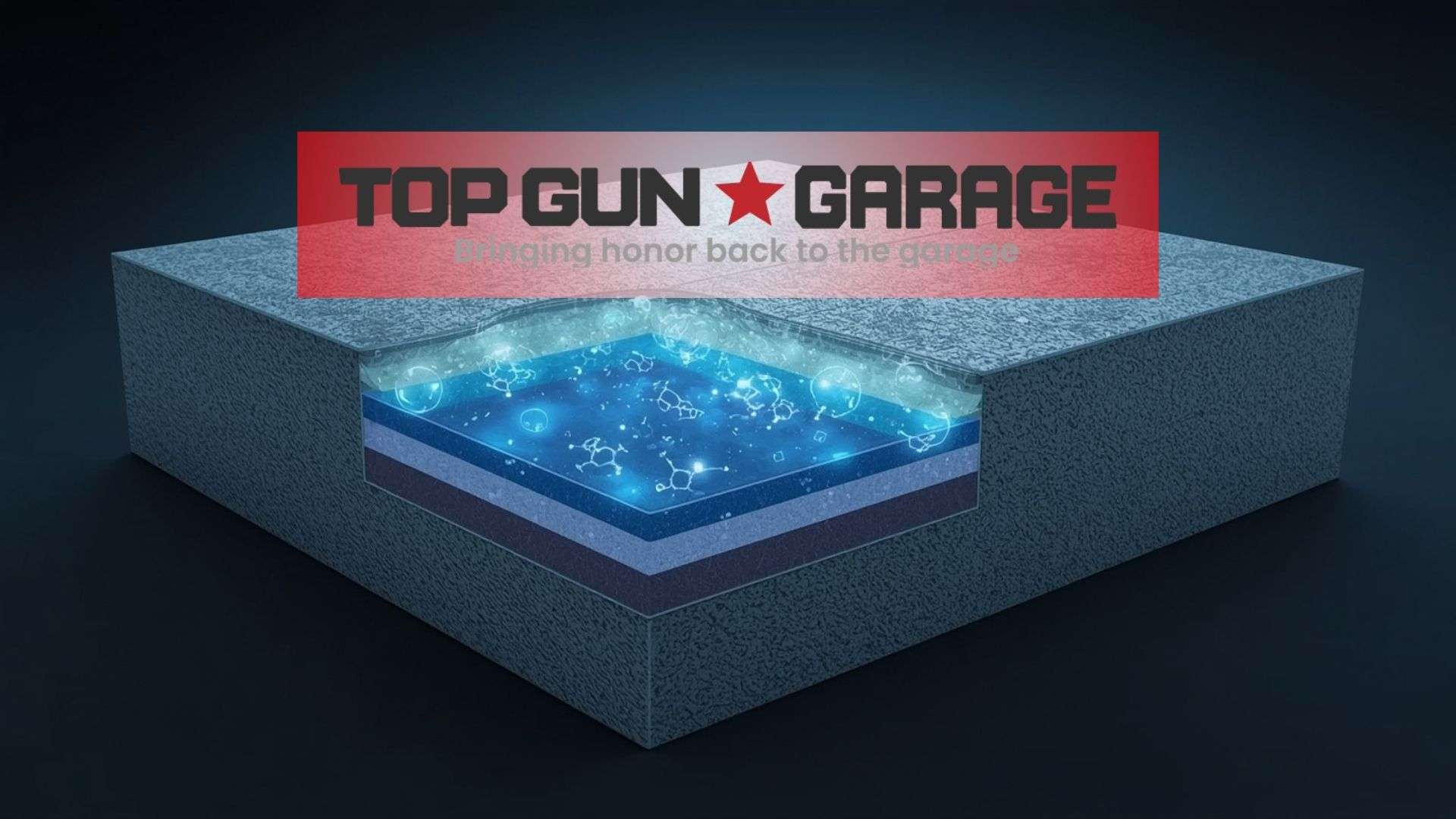
Visual inspection protocols focus on identifying subtle changes in coating appearance that may indicate chemical exposure. Early warning signs include slight discoloration, surface texture changes, or localized softening around tire contact areas. Professional inspectors know how to distinguish between normal wear patterns and chemical-induced damage.
Chemical resistance testing involves controlled exposure of small coating samples to various tire-derived chemicals. This testing helps establish baseline resistance levels and track changes over time. Advanced testing may include spectroscopic analysis to identify specific chemical compounds present on floor surfaces.
Coating adhesion evaluation uses specialized equipment to measure bond strength between coating layers and substrate materials. Chemical exposure often manifests as reduced adhesion before visible surface changes occur, making this testing particularly valuable for early damage detection.
Maintenance protocol development should be customized based on specific garage conditions, coating types, and usage patterns. Professional contractors like Top Gun Garage can establish maintenance schedules that optimize protection effectiveness while minimizing time and cost requirements.
Documentation and tracking systems help identify trends and optimize protection strategies over time. Regular photographic documentation, chemical exposure logs, and maintenance records provide valuable data for refining protection approaches and predicting future needs.
Remediation planning ensures rapid response capability when chemical damage does occur. Having established relationships with qualified contractors and understanding available repair options minimizes downtime and prevents minor damage from becoming major problems.
Frequently Asked Questions
How quickly can tire chemicals damage my garage floor coating?
Chemical damage timeline varies significantly based on coating type, tire compounds, and environmental conditions. Initial discoloration may appear within weeks of exposure, while structural coating damage typically develops over months to years. New tires pose the highest risk during their first 3-6 months.
Are certain tire brands more damaging to floor coatings than others?
Yes, tire formulations vary considerably between manufacturers and product lines. High-performance tires often contain more aggressive compounds, while eco-friendly formulations may use less damaging alternatives. However, all tires pose some level of chemical risk to floor coatings.
Can I repair chemical damage to my coated floor, or does it require complete replacement?
Minor chemical damage can often be repaired through localized coating removal and reapplication. Extensive damage may require complete coating system replacement. Early detection and professional assessment are crucial for determining the most cost-effective repair approach.
Do protective mats completely eliminate chemical damage risk?
High-quality protective mats significantly reduce chemical exposure but may not eliminate all risk. Vapor transmission can still occur around mat edges, and mat degradation over time may reduce protection effectiveness. Regular mat inspection and replacement maintain optimal protection levels.
How often should I inspect my garage floor for chemical damage?
Monthly visual inspections help identify obvious changes, while professional assessments every 6-12 months provide comprehensive evaluation. High-risk situations such as new tire installation or summer heat periods may warrant more frequent inspection.
Are there specific cleaning products I should avoid on chemically-exposed floors?
Avoid harsh solvents or aggressive chemicals that might interact with tire compounds already present on the floor surface. Use pH-neutral cleaners specifically designed for coated floors, and always test cleaning products in inconspicuous areas first.
What’s the cost difference between prevention and remediation?
Prevention typically costs 10-20% of full coating replacement expenses. Quality protective mats and maintenance programs represent excellent investments compared to the cost of complete floor refinishing due to chemical damage.
Can I apply additional protective coatings over my existing floor to improve chemical resistance?
Additional protective layers can enhance chemical resistance, but proper surface preparation and coating compatibility are essential. Professional evaluation ensures new coatings will adhere properly and provide expected protection benefits.
Conclusion
Protecting coated floors from tire chemicals represents a critical aspect of garage floor maintenance that directly impacts both aesthetic appeal and long-term durability. The complex chemical interactions between modern tire compounds and floor coatings create ongoing challenges that require proactive management and comprehensive protection strategies.
Success in protecting garage floors from chemicals depends on understanding the underlying science, implementing appropriate protection measures, and maintaining consistent monitoring protocols. From selecting chemical-resistant protective barriers to optimizing environmental conditions, each element contributes to overall protection effectiveness.
The investment in proper chemical protection pays dividends through extended coating lifespan, maintained aesthetic quality, and reduced long-term maintenance costs. Professional guidance from experienced contractors like Top Gun Garage ensures optimal protection strategies tailored to specific garage conditions and usage requirements.
As tire and coating technologies continue evolving, staying informed about new protection methods and materials helps maintain optimal floor protection. Regular professional assessment, combined with diligent maintenance practices, provides the foundation for decades of beautiful, functional garage floor performance despite the ongoing challenge of tire chemical exposure.