



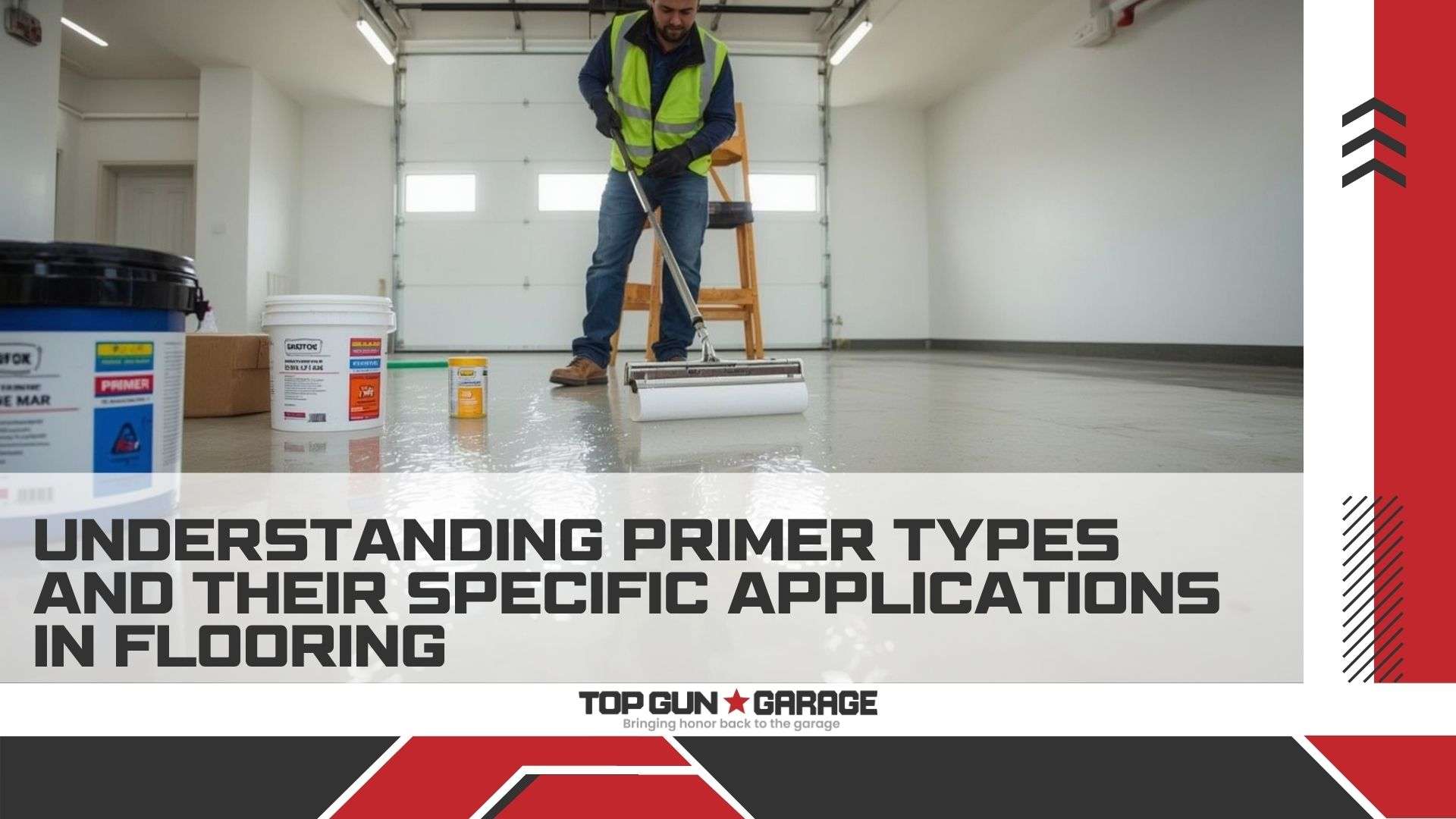
When it comes to successful flooring installations, the foundation truly matters more than most people realize. The difference between a flooring project that lasts decades and one that fails within months often comes down to proper surface preparation and primer selection. Understanding primer types and their specific applications is crucial for achieving professional-quality results that stand the test of time.
Primer serves as the critical bridge between your substrate and the flooring material, creating the optimal conditions for adhesion, moisture control, and long-term durability. Whether you’re working with concrete, wood, or other substrates, choosing the wrong primer can lead to costly failures including delamination, moisture issues, and premature wear. The complexity of modern flooring systems demands a thorough understanding of how different primer formulations interact with various substrates and topcoat materials.
Professional flooring contractors know that primer selection isn’t a one-size-fits-all decision. Factors such as substrate porosity, moisture conditions, temperature fluctuations, and the specific flooring system being installed all play crucial roles in determining the most appropriate primer type. The investment in proper primer application typically represents a small fraction of the total project cost, yet it provides the foundation for everything that follows.
At Top Gun Garage, we’ve seen firsthand how proper primer selection and application can transform challenging substrates into ideal foundations for premium flooring systems. Our experience across hundreds of projects has reinforced the importance of matching primer chemistry to specific application requirements, environmental conditions, and performance expectations.
This comprehensive guide will explore the various primer types available for flooring applications, their specific use cases, application techniques, and the critical factors that influence primer selection. Whether you’re a professional contractor looking to expand your knowledge or a property owner seeking to understand the technical aspects of your flooring project, this information will help you make informed decisions that ensure long-lasting, professional results.
Key Takeaways
Primer Selection is Critical: The success of any flooring installation depends heavily on choosing the right primer type for your specific substrate and environmental conditions. Different primer formulations are engineered for specific applications, and using the wrong type can lead to adhesion failures, moisture problems, and premature coating breakdown.
Substrate Compatibility Matters: Understanding how different primer types interact with various substrates is essential for achieving optimal performance. Concrete requires different primer chemistry than wood or metal substrates, and factors like porosity, alkalinity, and moisture content all influence primer selection.
Moisture Management is Essential: Many flooring failures can be traced back to inadequate moisture control during the priming phase. Vapor barrier primers, penetrating sealers, and moisture-blocking formulations each serve specific roles in managing substrate moisture and preventing future problems.
Application Timing and Conditions: Proper primer application requires attention to environmental factors including temperature, humidity, and substrate conditions. Understanding recoat windows, cure times, and application parameters ensures optimal primer performance and adhesion to subsequent layers.
Professional vs. DIY Considerations: While some primer applications may seem straightforward, the technical knowledge required for installation often justifies professional installation, especially for critical applications or challenging substrates.
Quality Investment Pays Off: Premium primer systems may cost more initially, but they provide superior performance, longer service life, and reduced maintenance requirements. The primer represents a small percentage of total project cost while providing the foundation for everything above it.
Overview of Flooring Primer Systems
Flooring primers represent a sophisticated category of surface preparation products designed to optimize the interface between substrates and topcoat systems. These specialized formulations serve multiple critical functions including enhancing adhesion, controlling porosity, managing moisture transmission, and providing chemical compatibility between different materials. The evolution of primer technology has paralleled advances in flooring systems, resulting in highly specialized products tailored to specific application requirements.
Modern primer systems are formulated using various base chemistries including epoxy, polyurethane, acrylic, and hybrid formulations. Each chemistry type offers distinct advantages and limitations, making proper selection crucial for project success. Epoxy primers excel in providing strong adhesion and chemical resistance, while acrylic formulations offer excellent penetration and moisture tolerance. Polyurethane primers provide superior flexibility and UV stability, making them ideal for applications subject to thermal cycling or outdoor exposure.
The substrate preparation process begins with understanding the specific challenges presented by your flooring surface. Concrete substrates may require primers that address alkalinity, porosity, and potential moisture vapor transmission. Wood substrates need primers that accommodate dimensional movement while providing strong adhesion. Metal surfaces require primers that prevent corrosion while creating optimal topcoat adhesion. Each substrate type presents unique challenges that must be addressed through proper primer selection and application.
Environmental factors play an equally important role in primer performance. Temperature and humidity during application affect cure rates, penetration depth, and final film properties. Substrate temperature, ambient conditions, and seasonal variations all influence primer selection and application timing, particularly when Florida humidity affects installation timing. Understanding these factors allows contractors to optimize primer performance and avoid common installation problems.
Penetrating Sealers and Deep Penetration Primers
Penetrating sealers represent the foundation level of primer systems, designed to infiltrate porous substrates and create a consolidated surface suitable for subsequent primer or coating application. These low-viscosity formulations are engineered to penetrate deeply into concrete, masonry, and other porous substrates, binding loose particles and reducing surface porosity. The primary function of penetrating sealers is substrate consolidation rather than film formation, making them essential for preparing weak or dusty concrete surfaces.
The chemistry of penetrating sealers typically involves low molecular weight resins that can migrate into the substrate’s pore structure. Silicate-based sealers react chemically with concrete to form crystalline structures within the pore network, while organic penetrating sealers rely on resin penetration and curing to achieve consolidation. The choice between chemical and organic sealers depends on substrate conditions, environmental requirements, and the specific flooring system being installed.
Application of penetrating sealers requires careful attention to substrate moisture content and porosity. Overly wet substrates may prevent adequate penetration, while extremely dry surfaces may cause rapid solvent evaporation before sufficient penetration occurs. Surface preparation typically involves mechanical cleaning to remove surface contamination while opening the pore structure for optimal sealer penetration. Multiple applications may be necessary for highly porous or degraded substrates, especially when addressing concrete porosity affects bonding.
The performance benefits of proper penetrating sealer application extend throughout the life of the flooring system. Consolidated substrates provide improved adhesion for subsequent primer layers, reduced outgassing potential, and enhanced resistance to substrate-related failures. The investment in penetrating sealer application is particularly valuable for older concrete substrates or surfaces with questionable integrity. For those considering the technical complexity of proper sealer selection and application, understanding the DIY limitations versus professional advantages provides comprehensive guidance for achieving professional results.
Quality control during penetrating sealer application involves monitoring penetration depth, coverage rates, and cure conditions. Proper application should result in visible penetration without surface film formation. Excess material that remains on the surface may interfere with subsequent primer adhesion and must be removed before proceeding with additional coatings. Environmental conditions during application and cure significantly impact final performance, making timing and weather considerations critical for success.
Epoxy Primer Systems for High-Performance Applications
Epoxy primer systems represent the gold standard for high-performance flooring applications where superior adhesion, chemical resistance, and durability are paramount. These two-component formulations combine epoxy resins with carefully selected curing agents to create primers that excel in demanding environments including industrial facilities, commercial kitchens, and chemical processing areas. The cross-linked polymer structure of cured epoxy primers provides exceptional mechanical properties and resistance to a wide range of chemicals and solvents.
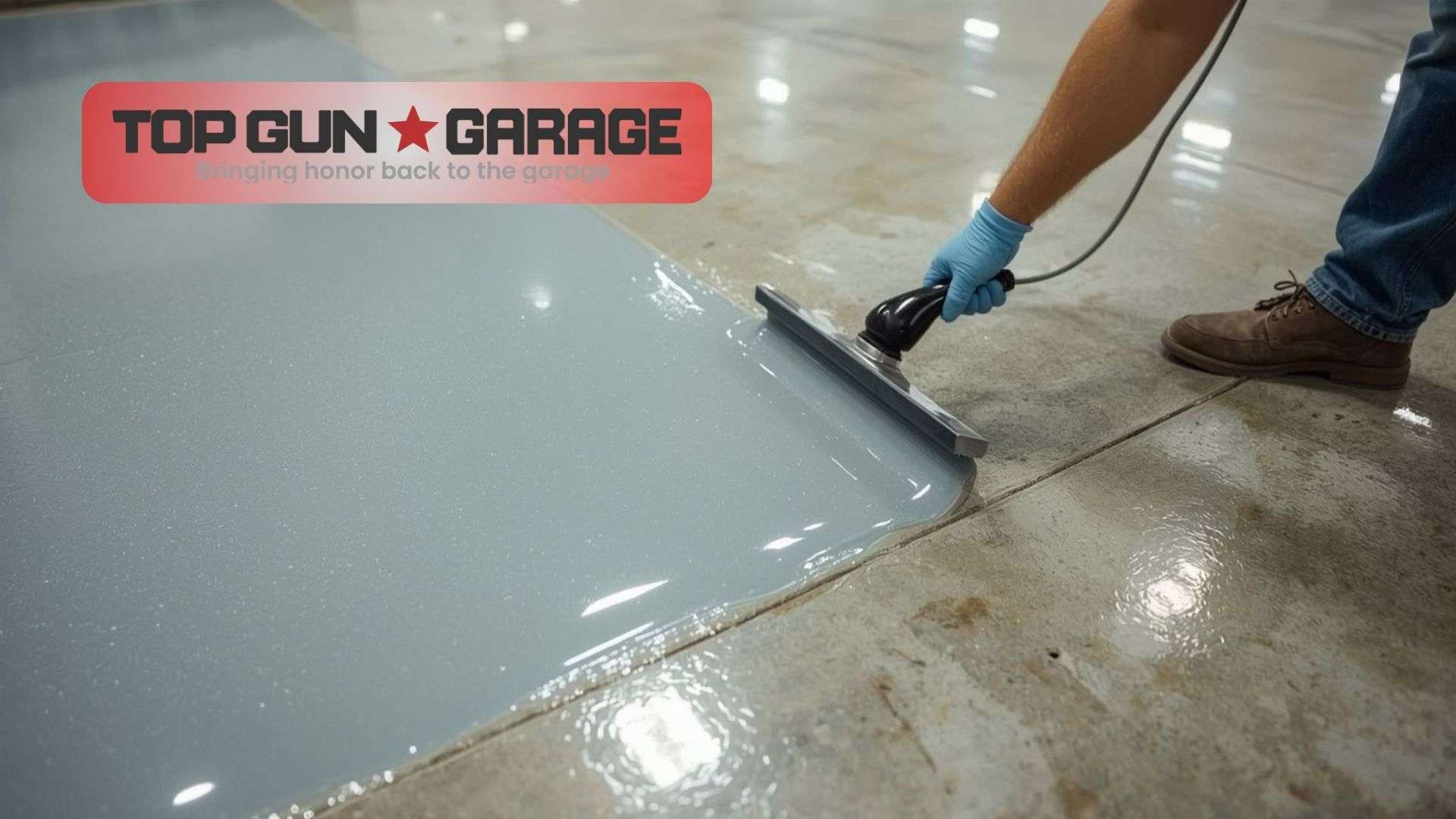
The formulation of epoxy primers involves balancing multiple performance characteristics including pot life, penetration, adhesion, and compatibility with topcoat systems. Low-viscosity epoxy primers are designed for maximum substrate penetration, while higher-build formulations provide enhanced barrier properties and surface leveling. Solvent-based epoxy primers offer superior penetration and adhesion to challenging substrates, while water-based formulations provide lower odor and easier cleanup while maintaining excellent performance characteristics.
Surface preparation for epoxy primer application requires mechanical preparation to achieve the proper surface profile and remove contamination. Concrete surfaces typically require shot blasting, grinding, or acid etching to create the optimal surface texture for epoxy penetration and adhesion. The concrete surface profile needed should provide adequate mechanical anchor points while avoiding excessive roughness that could lead to primer consumption or trapped air. Proper surface preparation is critical for achieving the full performance potential of epoxy primer systems.
Application techniques for epoxy primers must account for the working time limitations inherent in two-component systems. Mixed material must be applied within the specified pot life to ensure proper flow and leveling. Application methods include brush, roller, or spray depending on surface conditions and coverage requirements. Multiple thin coats typically provide better performance than single thick applications, allowing for optimal substrate penetration and uniform coverage. Temperature and humidity conditions significantly impact cure rates and final film properties, particularly when considering how temperature affects molecular structure.
The performance advantages of epoxy primers extend beyond simple adhesion enhancement. These systems provide excellent barrier properties against moisture vapor transmission, chemical penetration, and substrate contamination migration. The dense, cross-linked film structure resists wear and provides a stable foundation for subsequent coating layers. Proper epoxy primer application can significantly extend the service life of flooring systems while reducing maintenance requirements and lifecycle costs.
Moisture Vapor Barrier and Blocking Systems
Moisture vapor barrier primers represent specialized solutions for managing substrate moisture transmission in flooring applications. These high-performance systems are designed to significantly reduce or eliminate moisture vapor transmission from concrete substrates, preventing moisture-related failures in flooring systems. The importance of moisture control cannot be overstated, as moisture vapor transmission is one of the leading causes of flooring system failures, particularly in residential and commercial applications where moisture-sensitive flooring materials are installed over concrete substrates.
The technology behind moisture vapor barrier primers involves creating a dense, impermeable film that blocks moisture transmission while maintaining adhesion to both the substrate and subsequent flooring layers. These systems typically utilize specialized epoxy or polyurethane chemistries with enhanced barrier properties. Some formulations incorporate reactive moisture-curing components that actually benefit from the presence of substrate moisture during the curing process, making them ideal for applications where complete moisture elimination is impractical, especially when understanding how moisture barriers work.
Proper application of moisture vapor barrier systems requires thorough substrate evaluation and preparation. Moisture testing should be conducted to determine vapor emission rates and identify areas of concern. Surface preparation must remove all contamination and create the proper surface profile for optimal adhesion. The primer application process typically involves multiple coats to achieve the specified dry film thickness required for effective moisture blocking. Each coat must be applied within the specified recoat window to ensure proper inter-coat adhesion, particularly when considering what is moisture vapor testing.
Performance testing of moisture vapor barrier systems involves both laboratory and field evaluation methods. Calcium chloride testing, relative humidity testing, and electronic moisture meters provide different perspectives on substrate moisture conditions. Post-application testing may include adhesion testing and moisture transmission rate verification to confirm system performance. Understanding these testing methods helps ensure that the moisture barrier system will perform as intended throughout the service life of the flooring.
The selection of moisture vapor barrier systems must consider the specific flooring materials being installed and their moisture sensitivity. Different flooring types have varying tolerance levels for moisture vapor transmission, and the barrier system must be designed to maintain transmission rates below critical thresholds. Environmental factors including seasonal moisture variations, HVAC systems, and building envelope performance all influence the long-term effectiveness of moisture barrier systems. Professional installation becomes particularly important for these critical applications where failure can result in expensive flooring replacement and potential liability issues.
Acrylic and Water-Based Primer Solutions
Acrylic and water-based primer systems offer excellent performance characteristics while providing environmental and safety advantages over solvent-based alternatives. These formulations have evolved significantly in recent years, incorporating advanced polymer technologies that deliver professional-grade performance with reduced volatile organic compound (VOC) emissions and improved user safety. The versatility of acrylic primer systems makes them suitable for a wide range of applications, from residential installations to commercial projects where odor control and rapid return to service are important considerations.
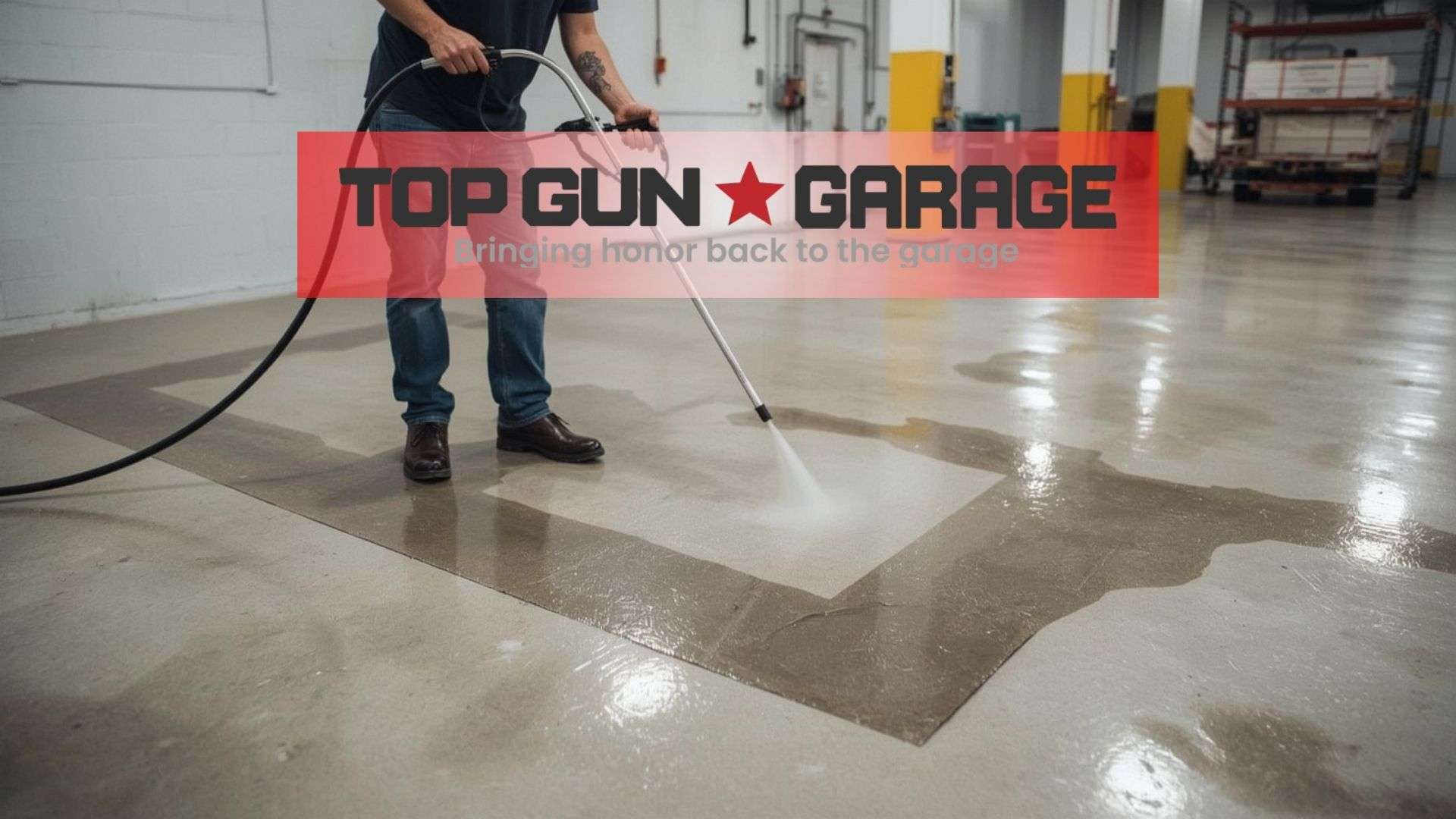
The polymer chemistry of modern acrylic primers provides excellent adhesion to various substrates while maintaining flexibility and durability. Advanced acrylic formulations incorporate crosslinking agents and performance additives that enhance chemical resistance, wear properties, and long-term stability. These primers excel in applications where substrate movement is expected, as the inherent flexibility of acrylic polymers accommodates thermal cycling and structural movement without compromising adhesion or film integrity.
Application characteristics of water-based acrylic primers include excellent flow and leveling properties, extended working times compared to solvent systems, and easy cleanup with water. These primers typically exhibit excellent penetration into porous substrates while providing good build characteristics for surface leveling and hiding minor substrate imperfections. The low odor and reduced flammability of water-based systems make them particularly suitable for occupied buildings and areas with limited ventilation, especially when considering low-VOC garage flooring solutions.
Surface preparation for acrylic primer application follows standard practices but may require additional attention to substrate alkalinity and moisture content. High pH levels in fresh concrete can affect the stability of some acrylic formulations, requiring pH testing and possible neutralization treatments. Substrate moisture content should be within acceptable limits to prevent film formation problems and ensure optimal penetration and adhesion. Proper surface cleaning is essential to remove contamination that could interfere with primer performance.
Performance considerations for acrylic primer systems include cure time requirements, recoat windows, and compatibility with various topcoat systems. While water-based primers generally cure more slowly than solvent-based alternatives, they often provide better long-term flexibility and color retention. The selection of acrylic primer systems should consider the specific performance requirements of the application, including chemical exposure, traffic levels, and aesthetic requirements. For complex projects requiring careful consideration of primer selection and application methods, understanding when concrete preparation determines coating success helps ensure optimal results.
Frequently Asked Questions
Q: How do I determine which primer type is best for my specific flooring project? A: Primer selection depends on several critical factors including substrate type, moisture conditions, environmental exposure, and the specific flooring system being installed. Concrete substrates typically require different primer chemistry than wood or metal surfaces. Consider factors such as substrate porosity, alkalinity, moisture vapor transmission rates, and chemical exposure requirements. Professional evaluation of your specific conditions is often the best approach for critical applications.
Q: Can I apply flooring directly over concrete without using a primer? A: While some flooring systems claim to bond directly to concrete, using an appropriate primer almost always improves performance and longevity. Primers provide critical functions including surface consolidation, adhesion enhancement, moisture control, and contamination isolation. The relatively small cost of primer application provides significant insurance against costly flooring failures.
Q: What happens if I use the wrong type of primer for my application? A: Using incompatible primer can lead to various failure modes including poor adhesion, delamination, moisture problems, and premature coating breakdown. Some primer types may be chemically incompatible with certain topcoats, leading to adhesion loss or film defects. Always verify compatibility between primer and topcoat systems before proceeding with application.
Q: How long should I wait between primer application and flooring installation? A: Recoat windows vary significantly between primer types and environmental conditions. Most primers have minimum and maximum recoat times that must be observed for optimal adhesion. Exceeding the maximum recoat window may require surface preparation before proceeding. Always consult manufacturer specifications for specific timing requirements.
Q: Are moisture vapor barrier primers necessary for all concrete substrates? A: Moisture vapor barrier primers are essential when installing moisture-sensitive flooring over concrete substrates with elevated moisture vapor transmission rates. Testing should be conducted to determine actual moisture conditions and transmission rates. Not all concrete substrates require vapor barriers, but proper testing is the only way to make an informed decision, particularly when understanding why concrete moisture matters.
Q: Can I mix different primer types or brands for my project? A: Mixing different primer types or brands is generally not recommended without specific manufacturer approval. Different primer chemistries may be incompatible, leading to adhesion problems or film defects. Stick to complete systems from a single manufacturer whenever possible to ensure optimal compatibility and performance.
Q: What surface preparation is required before primer application? A: Surface preparation requirements vary by substrate type and primer system. Generally, surfaces must be clean, dry, and free of contamination. Concrete may require mechanical preparation to achieve proper surface profile, while other substrates may need different preparation methods. Proper surface preparation is critical for primer performance and should never be compromised.
Q: How can I tell if my primer application was successful? A: Successful primer application should result in uniform coverage without streaks, bubbles, or thin spots. The primer should penetrate into porous substrates without leaving excess material on the surface. Adhesion testing can be performed to verify bond strength, and visual inspection should confirm proper coverage and film formation. Any defects should be addressed before proceeding with topcoat application.
Conclusion
Understanding primer types and their specific applications is fundamental to achieving professional-quality flooring installations that deliver long-term performance and value. The complexity of modern flooring systems demands careful attention to primer selection, surface preparation, and application techniques. From penetrating sealers that consolidate weak substrates to high-performance epoxy systems that provide superior chemical resistance, each primer type serves specific functions that contribute to overall system success.
The investment in proper primer selection and application represents a small fraction of total project cost while providing the foundation for everything that follows. Cutting corners on primer quality or application methods inevitably leads to problems that are far more expensive to address than proper initial installation. Professional contractors understand that primer application is not simply a preparatory step, but a critical component of the flooring system that directly impacts performance, durability, and appearance, especially when considering why epoxy primer is critical.
At Top Gun Garage, our experience across diverse flooring projects has reinforced the importance of matching primer technology to specific application requirements. Whether dealing with challenging moisture conditions, demanding chemical exposure, or critical adhesion requirements, the right primer system provides the foundation for success. Our commitment to using premium primer systems and proven application techniques ensures that every project delivers the performance and longevity our clients expect.
The future of flooring primer technology continues to evolve with advances in polymer chemistry, environmental regulations, and performance requirements. Staying current with these developments while maintaining focus on fundamental application principles ensures continued success in an increasingly competitive marketplace. For contractors and property owners alike, understanding primer types and their applications provides the knowledge needed to make informed decisions that deliver lasting value and performance.