 Skip to content




Living in Naples, Florida means enjoying year-round warmth, stunning beaches, and a vibrant community lifestyle. However, the subtropical climate that makes this area so desirable also presents unique challenges for homeowners, particularly when it comes to maintaining floors in high-humidity climates. With average humidity levels often exceeding 70% and seasonal variations that can push moisture levels even higher, Naples residents must be especially vigilant about protecting their flooring investments.
The combination of high temperatures, frequent rainfall, and proximity to the Gulf of Mexico creates an environment where moisture can wreak havoc on various flooring materials. From hardwood that swells and contracts to tile grout that becomes a breeding ground for mold, understanding how humidity affects floors is crucial for maintaining both their appearance and structural integrity. The challenge becomes even more complex when considering that Naples homes often feature large windows and open floor plans that, while beautiful, can create additional moisture management challenges.
Floor maintenance in humid areas requires a proactive approach that goes far beyond regular cleaning. It involves understanding the science behind moisture interaction with different materials, implementing proper climate control measures, and recognizing early warning signs of humidity-related damage. Whether dealing with luxury vinyl planks, natural stone, engineered hardwood, or traditional ceramic tile, each material responds differently to Naples’ unique climate conditions.
The economic impact of improper humidity management cannot be overstated. Flooring represents one of the largest investments in any home, and humidity-related damage can lead to costly repairs, premature replacement, and even structural issues that extend beyond the flooring itself. Insurance claims related to moisture damage are among the most common in Florida, making prevention not just a matter of aesthetics but also financial protection.
Successful floor maintenance in Naples requires understanding both the immediate and long-term effects of humidity exposure. While some damage may be immediately visible, such as warping or discoloration, other issues like subfloor deterioration or mold growth beneath the surface may not become apparent until significant damage has already occurred. This makes consistent monitoring and preventive maintenance essential components of any comprehensive floor care strategy.
Key Takeaways
Humidity Control is Critical: Maintaining indoor humidity levels between 30-50% is essential for protecting all types of flooring materials in Naples’ subtropical climate. This requires consistent use of dehumidifiers, proper HVAC maintenance, and strategic ventilation management throughout the year.
Material-Specific Maintenance: Different flooring materials require tailored approaches to humidity management. Hardwood needs immediate attention to moisture exposure, while tile and grout require regular sealing and deep cleaning to prevent mold and mildew growth in humid conditions.
Seasonal Adjustments: Naples’ distinct wet and dry seasons demand adaptive maintenance strategies. Summer months require enhanced dehumidification and frequent monitoring, while winter periods may need different approaches to maintain optimal moisture balance.
Early Detection Saves Money: Regular inspection for signs of humidity damage, including warping, discoloration, musty odors, and soft spots, can prevent minor issues from becoming major expensive repairs that could affect the entire flooring system.
Professional Assessment Value: Annual professional inspections can identify potential problems before they become visible, ensuring that flooring investments remain protected against Naples’ challenging climate conditions.
Preventive Measures Work: Implementing proper door mats, maintaining consistent temperatures, using appropriate cleaning products, and ensuring adequate ventilation can significantly extend the life of flooring in high-humidity environments.
Investment Protection: Proper humidity management and maintenance can preserve flooring investments for decades, while neglect can lead to premature replacement and potential structural damage that extends beyond the flooring itself.
Understanding Naples’ Climate Challenges
Naples’ subtropical climate creates a perfect storm of conditions that can be particularly challenging for flooring materials. The area experiences average annual humidity levels of 74%, with summer months often seeing sustained periods above 80% humidity. This high moisture content in the air, combined with temperatures that regularly exceed 85°F, creates an environment where condensation and moisture absorption become constant concerns for homeowners.

The seasonal variations in Naples add another layer of complexity to floor maintenance. During the wet season from May through October, the combination of daily thunderstorms, high temperatures, and elevated humidity levels can push indoor moisture levels to problematic heights. Conversely, the dry season brings its own challenges, as the dramatic reduction in humidity can cause certain flooring materials to contract and develop gaps or cracks.
Coastal proximity plays a significant role in the unique challenges faced by Naples residents. The Gulf of Mexico’s influence means that salt air can penetrate homes, potentially accelerating corrosion of metal components in flooring systems and affecting the longevity of various materials. Additionally, the frequent temperature fluctuations between air-conditioned interiors and the hot, humid outdoor environment create expansion and contraction cycles that stress flooring materials beyond what they might experience in more stable climates.
The architecture common in Naples homes, featuring large windows, high ceilings, and open floor plans, while aesthetically pleasing, can exacerbate humidity-related flooring issues. These design elements can create uneven temperature and humidity distribution throughout the home, leading to localized problem areas where moisture accumulates and affects flooring differently across various rooms and spaces.
Hardwood Floor Protection
Hardwood flooring represents one of the most humidity-sensitive materials commonly found in Naples homes, requiring specialized attention and care to maintain its beauty and structural integrity. Wood is a hygroscopic material, meaning it naturally absorbs and releases moisture from the surrounding environment. In Naples’ high-humidity climate, this characteristic can lead to significant expansion, cupping, crowning, and even splitting if not properly managed.
The key to protecting hardwood floors lies in maintaining consistent indoor humidity levels between 30-50%, regardless of outdoor conditions. This requires a robust dehumidification system that can handle the extreme humidity loads common during Naples’ wet season. Whole-house dehumidifiers, when properly sized and maintained, can remove 70-130 pints of moisture per day, which is often necessary during peak humidity periods.
Immediate response to moisture exposure is crucial for hardwood floor preservation. Any spills, leaks, or water intrusion should be addressed within 24-48 hours to prevent permanent damage. This includes not only visible water but also elevated humidity levels that might result from activities like cooking, showering, or even bringing wet items indoors during rainy periods. When dealing with these challenges, understanding the professional advantages for your flooring can help make informed decisions about when to seek expert assistance.
Proper ventilation plays a critical role in hardwood floor maintenance. Ceiling fans should be used strategically to promote air circulation, preventing stagnant air pockets where moisture can accumulate. Additionally, ensuring that HVAC systems are properly maintained and that air filters are changed regularly helps maintain consistent air quality and humidity control throughout the home.
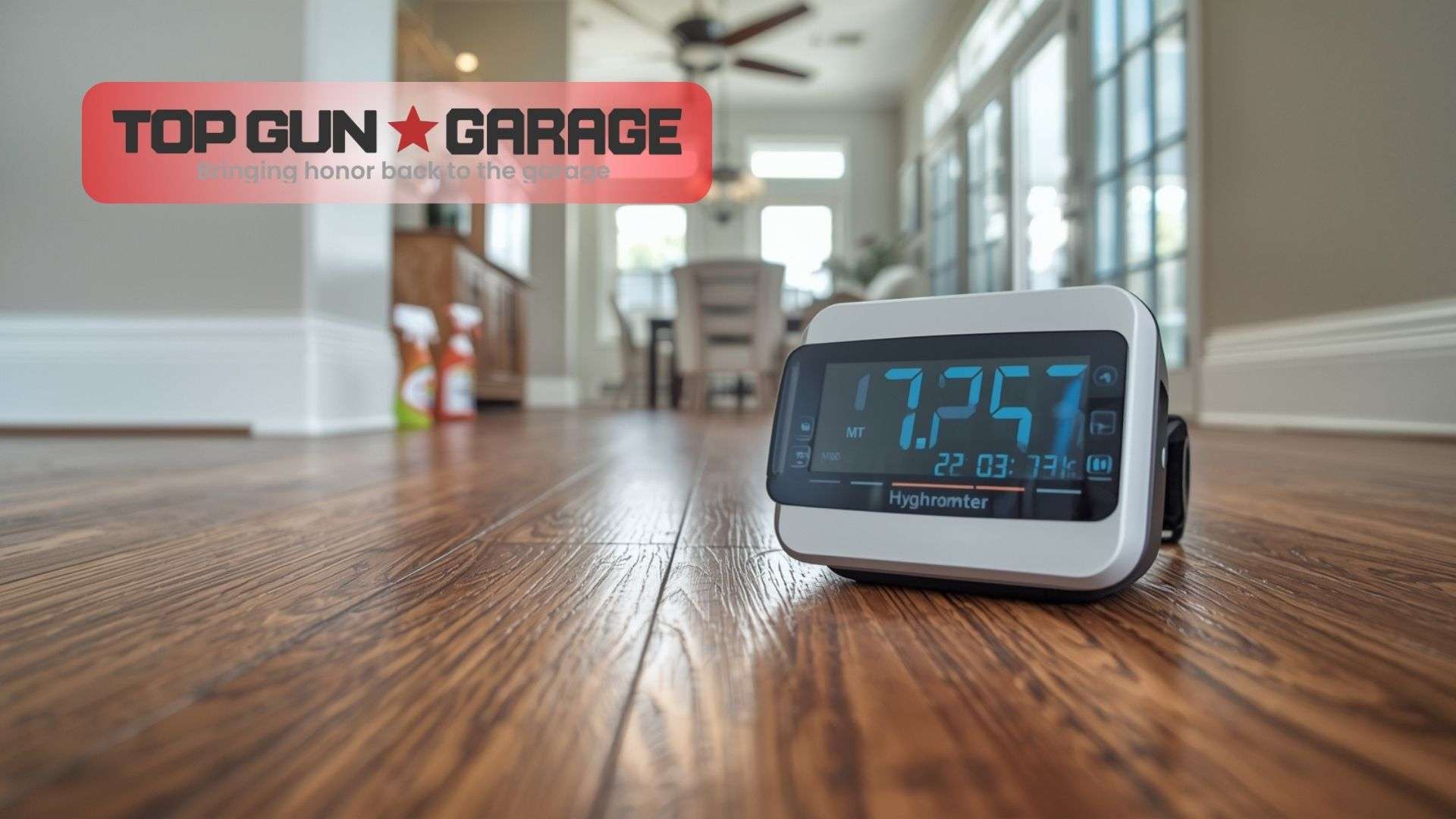
Regular monitoring using digital hygrometers placed throughout the home can help identify problem areas before visible damage occurs. These devices should be checked daily during high-humidity periods, and any readings consistently above 60% should trigger immediate action to reduce moisture levels in that area.
Tile and Grout Maintenance
Tile flooring, while generally more resistant to humidity than hardwood, presents its own unique challenges in Naples’ climate, particularly regarding grout maintenance and preventing mold and mildew growth. The porous nature of grout makes it susceptible to moisture absorption, which can lead to discoloration, deterioration, and the development of harmful microorganisms that thrive in humid environments.
Effective grout maintenance begins with proper sealing, which should be performed annually in high-humidity climates like Naples. Quality penetrating sealers create a barrier that prevents moisture absorption while still allowing the grout to breathe. This process is particularly important for natural stone installations, where moisture can cause not only cosmetic issues but also structural damage through freeze-thaw cycles in air-conditioned environments.
Daily maintenance routines should include proper ventilation after activities that generate moisture, such as showering or mopping. Exhaust fans should run for at least 30 minutes after these activities, and windows should be opened when outdoor humidity levels are lower than indoor levels. This helps prevent moisture from settling into grout lines where it can cause long-term damage.
Weekly deep cleaning with appropriate pH-neutral cleaners helps remove soap scum, mineral deposits, and organic matter that can provide food sources for mold and mildew. Avoid acidic cleaners on natural stone, as these can etch the surface and create microscopic pits where moisture and contaminants can accumulate. Instead, use cleaners specifically formulated for tile type and the high-humidity conditions common in Naples.
Professional cleaning and resealing services should be scheduled annually to maintain optimal protection. These services can identify early signs of grout deterioration, remove deep-seated stains and contaminants, and apply fresh sealers that provide maximum protection against moisture intrusion. The investment in professional maintenance typically pays for itself by extending the life of the installation and preventing costly repairs.
Luxury Vinyl and Laminate Care
Luxury vinyl plank (LVP) and laminate flooring have gained popularity in Naples due to their perceived resistance to humidity-related damage. However, these materials still require specific maintenance strategies to perform optimally in high-humidity environments. While the surface materials may resist moisture, the installation methods, adhesives, and underlying substrates can still be affected by excessive humidity.
Proper acclimation before installation is crucial for both LVP and laminate products in Naples’ climate. Materials should be stored in the installation environment for 48-72 hours before installation, allowing them to adjust to local temperature and humidity conditions. This prevents post-installation expansion or contraction that could lead to gapping, buckling, or other structural issues.
Edge sealing represents a critical maintenance consideration for laminate flooring in humid climates. While the surface may be moisture-resistant, the edges and joints remain vulnerable to moisture intrusion. Regular inspection of these areas and prompt attention to any signs of swelling or separation can prevent minor issues from becoming major problems requiring full replacement.
Cleaning protocols for vinyl and laminate in humid climates should emphasize quick drying and minimal water use. Damp mopping rather than wet mopping helps prevent moisture from seeping into seams and edges. Additionally, immediate cleanup of spills and thorough drying of any areas that do get wet helps maintain the integrity of the installation.
Subfloor moisture management remains important even with moisture-resistant surface materials. Vapor barriers and proper subfloor preparation help prevent moisture from migrating upward from concrete slabs or crawl spaces, which can cause adhesive failure and create conditions conducive to mold growth beneath the flooring. Understanding how moisture affects flooring installation is crucial for long-term success.
Natural Stone Floor Preservation
Natural stone flooring, including marble, travertine, and limestone commonly found in Naples luxury homes, requires specialized care in high-humidity environments. These materials are particularly susceptible to both moisture damage and the effects of acidic conditions that can develop in humid climates, making proper maintenance essential for preserving their beauty and value.
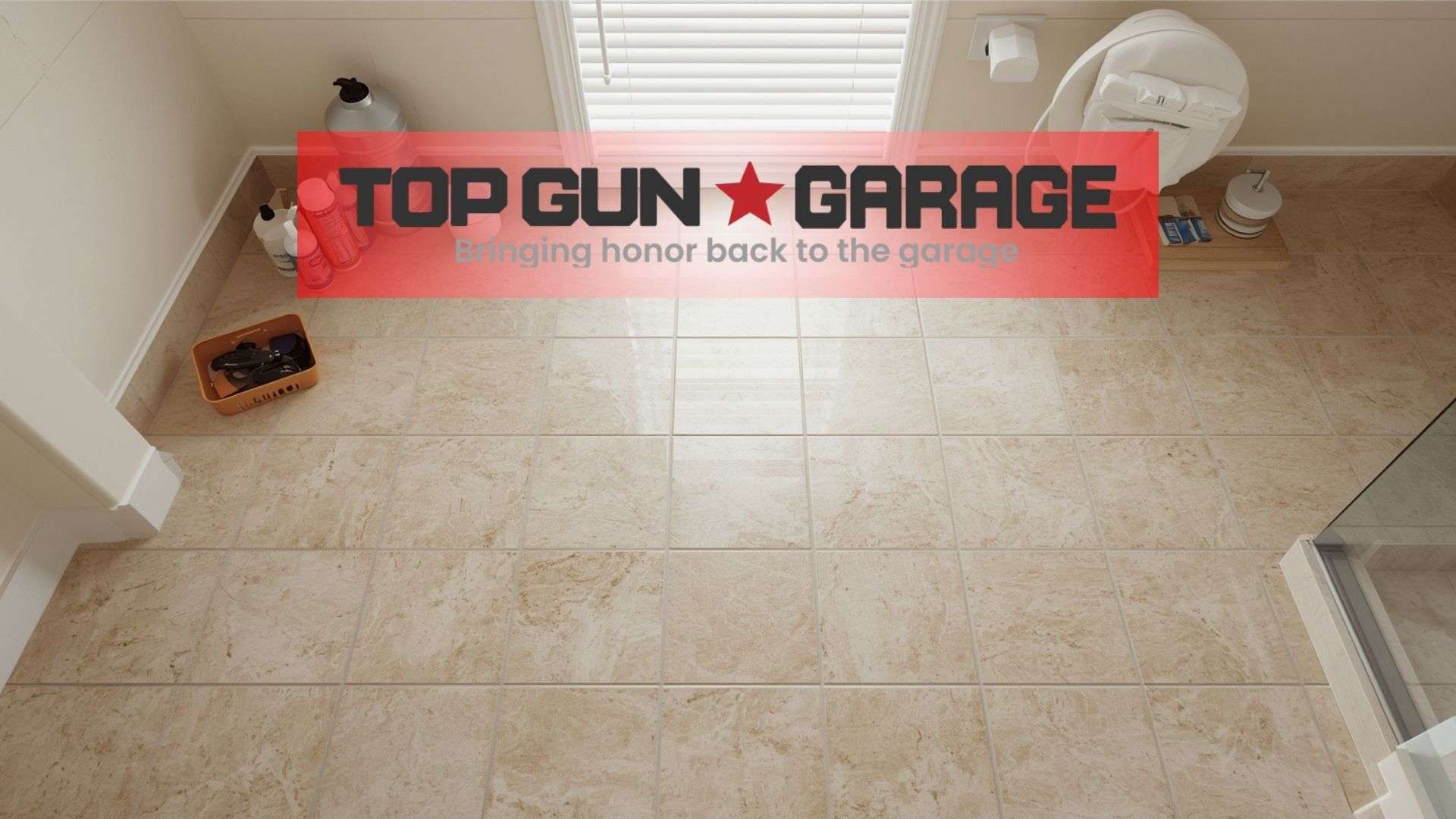
Sealing represents the first line of defense for natural stone in humid climates. Unlike other flooring materials, natural stone typically requires both penetrating sealers to prevent moisture absorption and topical sealers to protect against surface staining and etching. The frequency of resealing may need to be increased in Naples’ climate, with annual applications often necessary to maintain optimal protection.
pH management becomes critical for natural stone maintenance in humid environments. High humidity can concentrate acidic pollutants and cleaning residues, which can etch and damage stone surfaces over time. Using only pH-neutral cleaners specifically formulated for natural stone helps prevent this damage while effectively removing soil and contaminants.
Efflorescence, the white crystalline deposits that can appear on stone surfaces, becomes more problematic in humid climates. This occurs when moisture carries dissolved minerals to the surface, where they crystallize as the water evaporates. Regular cleaning with appropriate efflorescence removers and improved moisture control can help minimize this issue.
Professional restoration services may be needed more frequently for natural stone in Naples’ climate. Annual professional cleaning, polishing, and sealing help maintain the stone’s appearance and protect against humidity-related damage. These services can also address minor etching and staining before they become permanent issues requiring more extensive restoration. For concrete surfaces, proper concrete preparation and surface profiling ensures optimal results.
Top Gun Garage: Naples Flooring Experts
When it comes to maintaining floors in high-humidity climates like Naples, Top Gun Garage stands as a trusted local partner with deep understanding of the unique challenges posed by Southwest Florida’s subtropical environment. The team of experienced professionals has spent years developing specialized techniques and protocols specifically designed to protect and maintain flooring investments in this demanding climate.
Top Gun Garage recognizes that successful floor maintenance in Naples requires more than just standard cleaning and care routines. The comprehensive approach includes detailed climate assessment, material-specific maintenance protocols, and proactive monitoring systems that help identify potential problems before they become costly repairs. Working with homeowners to develop customized maintenance plans that account for specific flooring materials, home design, and lifestyle factors.
The expertise extends beyond basic maintenance to include humidity-related damage assessment and restoration services. Whether dealing with hardwood cupping, grout deterioration, or stone etching, Top Gun Garage has the knowledge and equipment necessary to restore floors to their original beauty while implementing preventive measures to protect against future damage. For garage applications, epoxy flooring in Naples’ humidity offers exceptional durability.
The team at Top Gun Garage stays current with the latest developments in flooring technology and maintenance techniques, ensuring that clients benefit from the most effective and efficient solutions available. Understanding that flooring represents a significant investment, Top Gun Garage is committed to helping protect that investment for years to come through expert care and maintenance services tailored to Naples’ unique climate challenges. From garage storage solutions to comprehensive flooring services, Top Gun Garage delivers complete home improvement solutions.
Frequently Asked Questions
How often should a dehumidifier be run in Naples?
During Naples’ wet season (May-October), dehumidifiers should typically run continuously to maintain indoor humidity levels between 30-50%. During the dry season, runtime may be reduced, but monitoring with hygrometers is essential to determine optimal schedules for specific home conditions.
What humidity level is too high for hardwood floors?
Hardwood floors begin experiencing problems when indoor humidity consistently exceeds 60%. Ideal levels for hardwood are between 30-50%, with levels above 70% causing rapid expansion, cupping, and potential permanent damage that may require professional intervention.
Can regular cleaning products be used on floors in humid weather?
No, humid climates require specialized cleaning products that dry quickly and don’t leave residues that can attract moisture. Use pH-neutral cleaners designed for specific flooring materials, and avoid products that leave films or require excessive water for application.
How can humidity damage to floors be identified?
Signs include warping, cupping, gaps between planks, musty odors, visible mold or mildew, soft spots, discoloration, and squeaking sounds when walking. Any of these symptoms warrant immediate professional assessment to prevent further damage.
Should grout be sealed more frequently in Naples?
Yes, grout should be sealed annually in high-humidity climates like Naples, compared to every 2-3 years in drier climates. This increased frequency helps prevent moisture intrusion and mold growth that can damage both grout and surrounding materials.
What’s the best flooring choice for Naples’ climate?
Luxury vinyl plank, porcelain tile, and properly sealed natural stone perform well in humid climates. However, any flooring can succeed with proper installation, sealing, and maintenance. The key is choosing materials appropriate for specific location and lifestyle needs.
How does air conditioning affect floors in humid weather?
Proper air conditioning helps control humidity, but rapid temperature changes can cause expansion and contraction in flooring materials. Maintain consistent temperatures and use gradual adjustments to prevent stress on floors while managing humidity levels effectively.
When should a professional be called for floor maintenance?
Contact professionals immediately for visible damage, persistent musty odors, or humidity readings consistently above 60%. Additionally, schedule annual professional inspections and maintenance to prevent problems and ensure floors remain protected against Naples’ challenging climate conditions.
Conclusion
Maintaining floors in high-humidity climates like Naples requires dedication, knowledge, and the right approach to protect significant flooring investments. The subtropical environment that makes this area so desirable for living also creates unique challenges that demand proactive maintenance strategies tailored to each type of flooring material.
Success in floor maintenance in humid areas comes from understanding the science behind moisture interaction with different materials and implementing comprehensive prevention strategies. From maintaining optimal humidity levels with proper dehumidification systems to using appropriate cleaning products and scheduling regular professional maintenance, every aspect must account for the elevated moisture levels that characterize Naples’ climate.
The investment in proper humidity management and maintenance pays dividends in both the short and long term. Not only does it preserve the aesthetic appeal of floors, but it also protects against costly repairs, maintains home value, and ensures a healthy indoor environment. The alternative – dealing with humidity-related damage after it occurs – is invariably more expensive and disruptive than implementing preventive measures.
Different flooring materials require different approaches, and what works for hardwood may not be appropriate for natural stone or luxury vinyl. Working with experienced professionals who understand both the materials and the specific challenges of Naples’ climate ensures that maintenance efforts are both effective and efficient, providing maximum protection for flooring investments in this beautiful but demanding environment.