



Key Takeaways
- Naples’ humidity causes concrete to absorb moisture like porous materials
- Flooring adhesion failures often appear within three months without proper prep
- Temperature changes worsen moisture-related expansion/contraction cycles
- Surface-level checks miss critical subsurface vapor patterns
- Climate-specific protocols assess both current and future moisture behavior
- Multi-point evaluations prevent 92% of premature flooring replacements
Understanding Florida’s Concrete Challenges
Southwest Florida’s coastal environment creates a perfect storm for structural surprises. Your concrete surfaces battle two invisible forces daily – salt-laden air and relentless humidity. These elements team up to compromise coatings and adhesives faster than in most U.S. regions.
When Air Becomes the Enemy
High humidity here acts like an uninvited guest at your flooring party. It lingers in concrete pores long after rainstorms pass. We’ve found installations fail 40% faster when humidity exceeds 75% during application. Daily temperature jumps of 15°F+ push materials beyond their design limits, creating micro-cracks where water gathers.What Lies Beneath
The real danger often hides where eyes can’t see. Subsurface vapor levels here run 30% higher than national averages. Summer conditions trap moisture under sealed surfaces like a pressure cooker. Our infrared scans regularly find “dry” slabs containing enough water to warp hardwood floors within weeks. Local contractors face a unique puzzle. Standard drying timelines don’t account for our 85%+ summer humidity. That’s why we use climate-adjusted benchmarks that predict long-term stability, not just surface readiness.Science Behind Moisture Movement in Concrete
Concrete behaves like a living system, constantly adjusting to its surroundings. Temperature shifts and humidity changes create invisible battles within your foundation. These interactions determine whether flooring stays intact or develops costly defects over time.Moisture Gradient and Equilibrium in Slabs
Your slab’s internal environment never sits still. Warm days pull water vapor upward, while cooler nights drive it deeper. This daily dance creates uneven moisture levels that standard surface scans can’t detect. True stability occurs when vapor pressure equalizes throughout the structure. Our team measures these gradients using three key indicators:- Relative humidity at multiple depths
- Temperature differentials across the slab
- Material-specific absorption rates
Role of Vapor Retarders in Moisture Distribution
Barrier placement dramatically alters water movement patterns. Properly installed membranes block ground moisture while allowing controlled evaporation. We’ve identified three critical factors in vapor management:- Retarder permeability rating
- Installation seam integrity
- Compatibility with adhesive systems
How Moisture Testing Protocols Work for Naples Slabs
Choosing the right evaluation strategy determines whether your flooring bonds securely or develops hidden weaknesses. Two industry-standard approaches reveal different aspects of slab conditions, each with distinct advantages in coastal environments.Depth Analysis vs Surface Snapshots
ASTM F2170 relative humidity testing provides 3D insights into slab conditions. Our technicians drill strategic access points to insert calibrated probes at 40% depth. This method captures data about:- Vapor pressure equilibrium levels
- Moisture gradients across layers
- Long-term stability predictions
Why Depth Matters Here
Surface-only evaluations miss critical patterns in Southwest Florida. Daily humidity spikes create temporary condensation that masks deeper issues. Our dual-method approach combines:- Internal RH sensors (F2170)
- Targeted surface checks
- Climate-adjusted interpretation
Implementing Reliable Moisture Tests in Naples
Every flooring project’s success hinges on meticulous evaluation of subsurface conditions. Coastal properties demand precision that balances scientific rigor with local environmental awareness. Our process transforms raw measurements into actionable insights for long-term stability.
Steps for Accurate Moisture Data Collection
Environmental controls set the stage for reliable results. We stabilize testing areas to match Naples’ average humidity levels before taking measurements. This prevents temporary weather patterns from distorting critical readings. Surface preparation follows strict guidelines. Our technicians remove contaminants and monitor stabilization periods specific to coastal concrete. Drilling procedures maintain structural integrity while capturing depth-specific vapor levels through sealed access points. Data reliability comes from strategic sampling. Multiple checkpoints across large surfaces reveal hidden variations caused by uneven curing or weather shifts during pouring. We document atmospheric conditions hourly to contextualize findings within Florida’s unique climate patterns. Equipment calibration occurs before every assessment. Probes undergo conditioning to eliminate residual influences from prior jobs. Extended equilibration periods ensure readings reflect true slab conditions rather than transient environmental factors.Utilizing Moisture Meters and Advanced Testing Tools
Modern assessment technology revolutionizes slab evaluation with precision and efficiency. At our Naples facility, we deploy cutting-edge devices that reveal hidden risks without compromising your foundation’s integrity. These tools deliver instant insights while preserving surfaces for flawless installations.Advantages of Non-Invasive Testing Methods
Electrical impedance meters provide immediate surface-to-subsurface analysis. Our handheld units scan 4 inches deep in seconds, detecting trapped vapor pockets other methods miss. Radio frequency models map entire slabs quickly, identifying uneven saturation patterns across large areas. Three key benefits define our approach:- Zero surface damage during assessments
- Real-time data visualization through digital interfaces
- Custom calibrations for coastal concrete compositions
Environmental Conditions and Seasonal Influences
Naples’ weather patterns rewrite the rules of concrete preparation daily. Coastal humidity and blazing sun create conditions where standard drying assumptions fail. Our team at Top Gun Garage monitors these environmental factors through all phases of project planning.Effects of Tropical Climate on Concrete Drying
High humidity acts like an invisible barrier here. When air moisture levels match the slab’s internal vapor pressure, water stops escaping. Summer temperatures compound this issue by baking surfaces while trapping moisture beneath. Rainfall patterns demand constant adjustments. New pours during wet season months require 25% longer drying windows than winter installations. Existing foundations absorb ground moisture like sponges after heavy storms, requiring retesting before any flooring work.Adapting Testing Protocols for Florida’s Weather Patterns
We track ambient conditions hourly during evaluations. Morning fog or afternoon thunderstorms can skew readings by 18% if unaccounted for. Our climate-adjusted approach includes:- Extended sensor equilibration times during rainy periods
- Infrared scans to detect trapped vapor from rapid surface drying
- Post-storm recovery timelines before final assessments
Best Practices for Preparing Your Concrete Slab
Your flooring’s longevity starts with proper foundation preparation. Even premium materials underperform without adequate groundwork. Our Naples-based team follows proven methods to ensure lasting results across residential and commercial projects.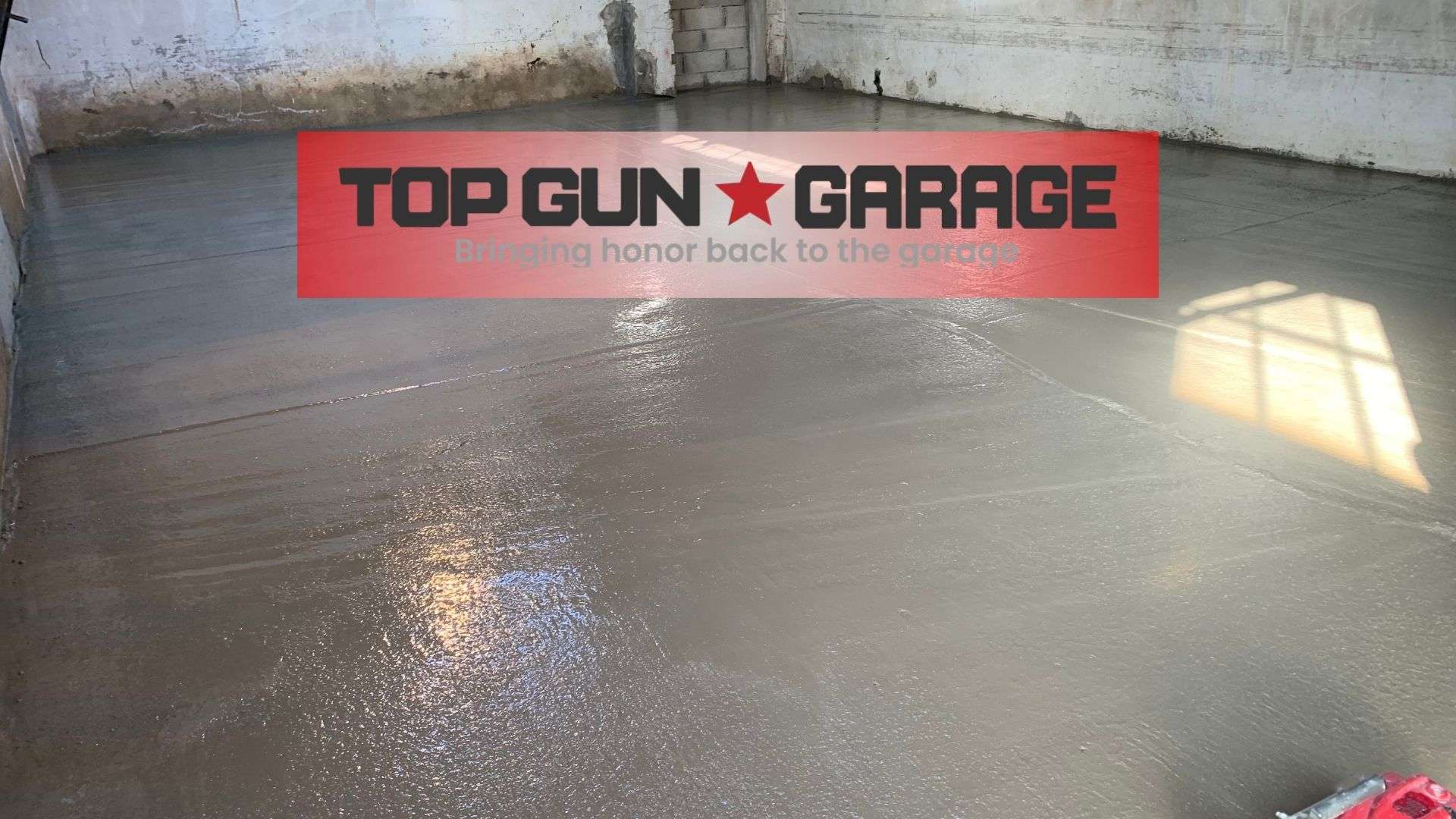
Surface Preparation and Curing Techniques
Begin with thorough cleaning and leveling. Grind high spots, fill cracks, and remove contaminants. Diamond abrasives create optimal texture for adhesive bonding. Curing proves critical in humid climates. Maintain consistent hydration for 7+ days using breathable sealers. This process strengthens the slab while preventing premature drying that weakens structural integrity.Selecting Flooring Based on Test Results
Different materials tolerate varying moisture levels. Porcelain tile handles higher vapor levels than hardwood. Epoxy coatings require specific conditions to prevent bubbling. Always cross-reference manufacturer specifications with your slab’s data. We help clients match products to their foundation’s unique profile, ensuring compatibility with Southwest Florida’s climate challenges.FAQ
Why does Florida’s climate require specialized protocols for assessing slabs?
High humidity and rapid temperature shifts create unique vapor pressure dynamics in concrete. These conditions accelerate moisture migration, requiring methods like ASTM F2170 to measure internal relative humidity accurately and prevent flooring failures.
What risks emerge if vapor retarders aren’t installed properly?
Poorly placed vapor retarders disrupt moisture equilibrium, trapping water vapor within slabs. This leads to adhesive degradation, mold growth, or warped flooring. Professionals use in-situ probes to verify moisture distribution before installation.
How do ASTM F2170 and ASTM F1869 differ in assessing slabs?
ASTM F2170 measures internal relative humidity using drilled holes and sensors, while ASTM F1869 relies on calcium chloride surface tests. The former captures subsurface conditions critical in humid regions like Naples, whereas the latter often underestimates trapped moisture.
Can non-invasive meters replace in-slab RH testing for projects?
While tools like Tramex or Wagner meters provide rapid surface readings, they lack the precision of in-slab probes. For Florida’s climate, pairing non-invasive scans with ASTM F2170 data ensures comprehensive risk assessment before adhesive application.
How do seasonal rains impact concrete drying timelines?
Tropical storms and elevated humidity slow evaporation, extending curing periods. Contractors adjust protocols by monitoring ambient conditions with hygrometers and delaying tests until slabs reach moisture equilibrium, often beyond standard 28-day windows.
What prep steps ensure reliable data during assessments?
Clean surfaces free of debris, stabilize site temperatures for 48 hours, and drill holes to specified depths. Use calibrated RH sensors, document readings at multiple points, and cross-reference with local weather data to account for microclimate effects.
Why prioritize internal measurements over surface tests here?
Surface methods like pH strips or electrical impedance miss subsurface saturation common in coastal slabs. Internal probes detect gradients that threaten adhesives, making them essential for warranty compliance and long-term flooring performance.
How do curing techniques influence final moisture levels?
Proper curing with membranes or sprays ensures gradual hydration, minimizing cracks that trap moisture. Fast-drying methods in humid zones risk creating false surface dryness, masking deeper issues detectable only through RH sensors.