 Skip to content



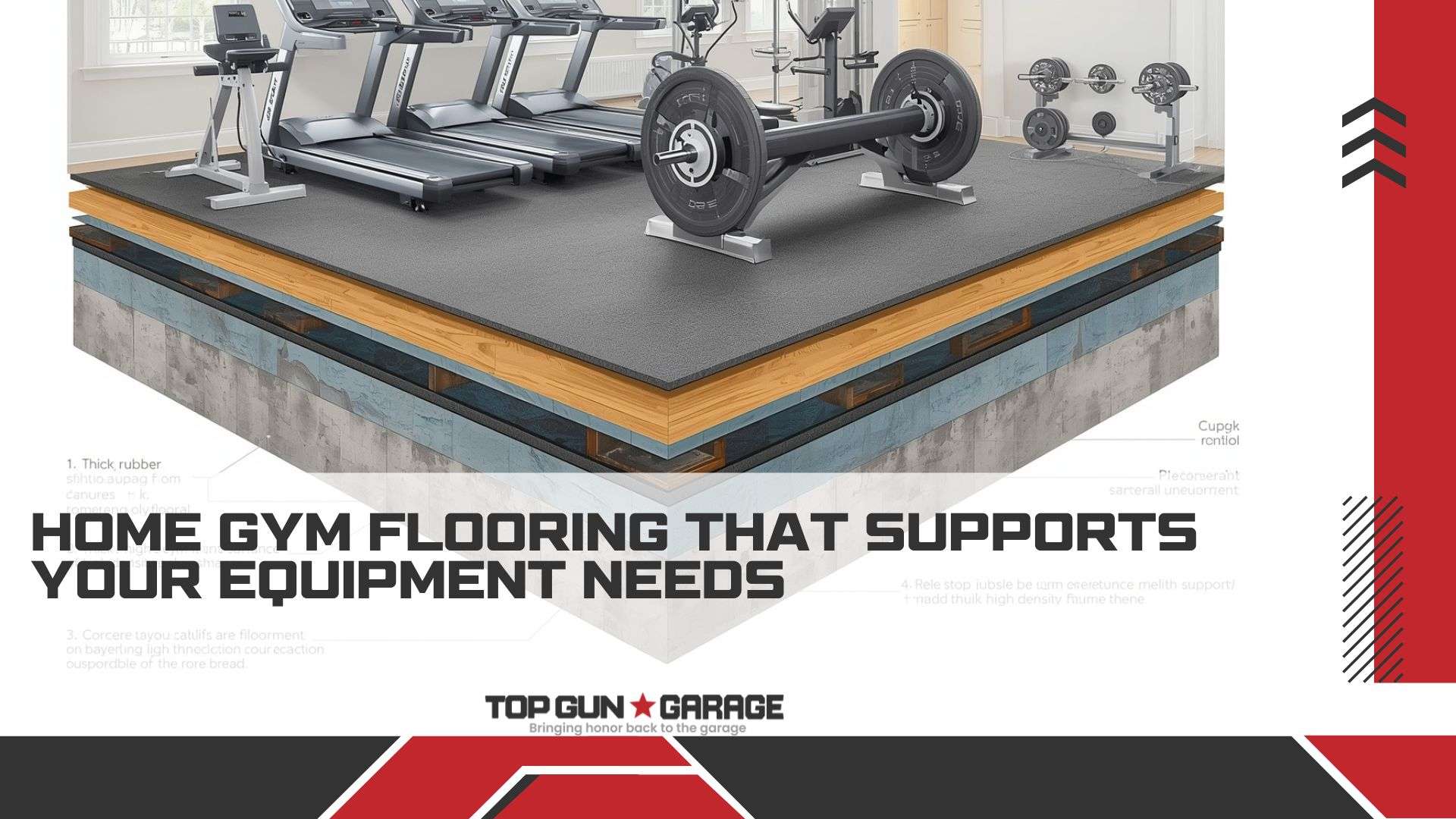
Creating the perfect home gym requires more than just selecting the right equipment – the foundation beneath your feet plays a crucial role in your workout experience, equipment longevity, and overall safety. Home gym flooring that supports equipment needs goes far beyond aesthetic appeal, serving as the critical interface between your valuable fitness investments and the structural integrity of your space.
When you’re investing thousands of dollars in quality exercise equipment, the last thing you want is for inadequate flooring to compromise your investment or create safety hazards. The wrong flooring choice can lead to equipment damage, subfloor deterioration, noise complaints from neighbors, and even personal injury during intense workout sessions. Understanding the relationship between your equipment’s specific requirements and appropriate flooring solutions ensures your home gym functions optimally for years to come.
The complexity of home gym flooring decisions extends beyond simple material selection. Factors such as equipment weight distribution, vibration dampening, moisture resistance, and maintenance requirements all play vital roles in determining the most suitable flooring system for your unique setup. Whether you’re planning a dedicated weightlifting area, a cardio zone, or a multi-purpose fitness space, each application demands careful consideration of how different flooring materials will interact with your equipment.
Modern home gym enthusiasts face an overwhelming array of flooring options, from traditional rubber mats to sophisticated interlocking systems and specialized athletic surfaces. Each material brings distinct advantages and limitations that must be weighed against your specific equipment portfolio, usage patterns, and long-term goals. Making an informed decision requires understanding not only the immediate benefits of different flooring types but also their performance characteristics under real-world conditions.
The investment in proper home gym flooring pays dividends through enhanced workout performance, reduced equipment maintenance costs, improved safety margins, and increased property value. By establishing a solid foundation that properly supports your equipment needs, you create an environment where you can focus on achieving your fitness goals without worrying about floor damage, equipment stability, or safety concerns.
Key Takeaways
Equipment Weight Distribution: Heavy equipment like power racks, Olympic platforms, and commercial-grade machines require flooring systems capable of distributing substantial point loads across larger surface areas. Proper weight distribution prevents subfloor damage and ensures equipment stability during use.
Vibration and Impact Management: High-impact activities such as weightlifting, plyometrics, and cardio exercises generate significant vibrations that must be absorbed by appropriate flooring materials. Effective vibration dampening protects both your equipment and the structural elements of your home while reducing noise transmission.
Material Durability and Longevity: Home gym flooring must withstand constant equipment contact, heavy loads, and repetitive impact without degrading or losing its protective properties. Investing in durable materials ensures long-term performance and protects your equipment investment.
Moisture and Hygiene Considerations: Workout environments generate moisture through perspiration and cleaning activities, requiring flooring materials that resist moisture penetration, prevent bacterial growth, and maintain hygienic conditions without compromising structural integrity.
Installation and Maintenance Requirements: Different flooring systems vary significantly in their installation complexity, ongoing maintenance needs, and replacement costs. Understanding these factors helps ensure your flooring choice aligns with your technical capabilities and long-term maintenance preferences.
Zone-Specific Applications: Different areas of your home gym may require different flooring solutions based on the specific equipment and activities planned for each zone. A comprehensive approach considers the unique requirements of cardio areas, weightlifting zones, and stretching spaces.
Understanding Home Gym Flooring Fundamentals
The foundation of any successful home gym lies in understanding how different flooring materials interact with various types of exercise equipment. Home gym flooring that supports equipment effectively must address multiple performance criteria simultaneously, creating a complex decision matrix that requires careful analysis of your specific needs and constraints.
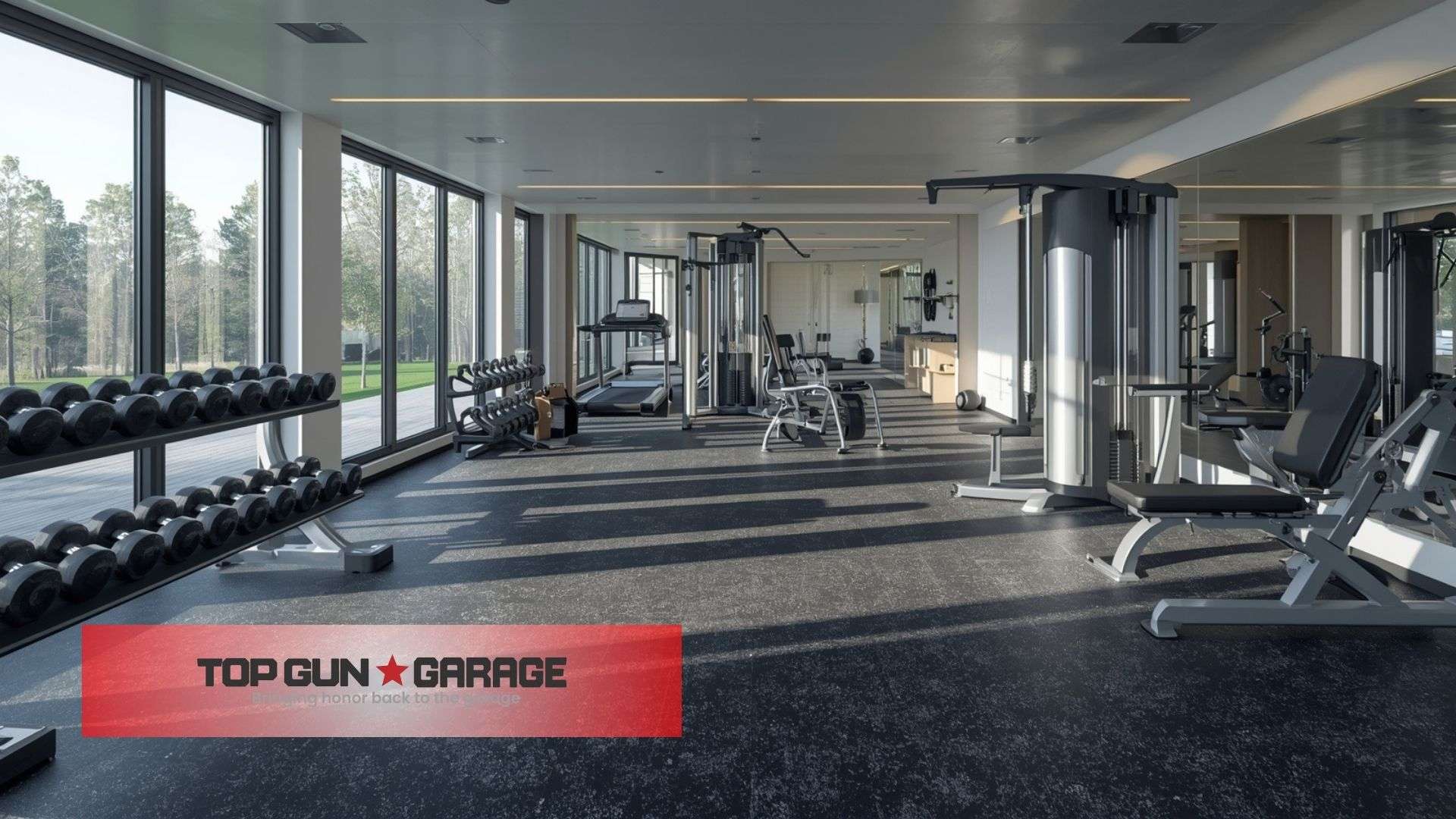
Equipment support begins with load distribution characteristics, where the flooring system must effectively spread concentrated forces from equipment feet, base plates, and impact points across a broader area of your subfloor. This distribution prevents localized stress concentrations that could lead to subfloor damage, floor joists deflection, or structural concerns over time. Heavy equipment such as power racks, smith machines, and commercial-grade treadmills can exert thousands of pounds of force on relatively small contact points, making proper load distribution essential for long-term structural integrity.
Vibration management represents another critical aspect of equipment support, particularly for dynamic exercises involving jumping, dropping weights, or high-intensity cardio activities. Effective vibration dampening requires flooring materials with specific density and elasticity characteristics that can absorb and dissipate energy rather than transmitting it through the building structure. This consideration becomes especially important in multi-story homes, condominiums, or any situation where noise transmission to adjacent spaces must be minimized.
The relationship between equipment stability and flooring surface characteristics significantly impacts workout safety and effectiveness. Equipment that rocks, shifts, or settles during use creates safety hazards and compromises exercise form, potentially leading to injury or reduced workout quality. Proper flooring provides a stable, level surface that maintains consistent contact with equipment bases while accommodating minor irregularities in subfloor conditions.
Temperature and environmental factors also influence flooring performance, as home gyms often experience significant temperature fluctuations and humidity variations compared to other living spaces. Flooring materials must maintain their supportive properties across these environmental changes while resisting expansion, contraction, or degradation that could compromise equipment support or create safety hazards.
Rubber Flooring Systems for Maximum Equipment Protection
Rubber flooring represents the gold standard for home gym applications requiring superior equipment protection and impact absorption. The inherent properties of rubber materials make them exceptionally well-suited for supporting heavy equipment while providing excellent vibration dampening and surface durability under demanding conditions.
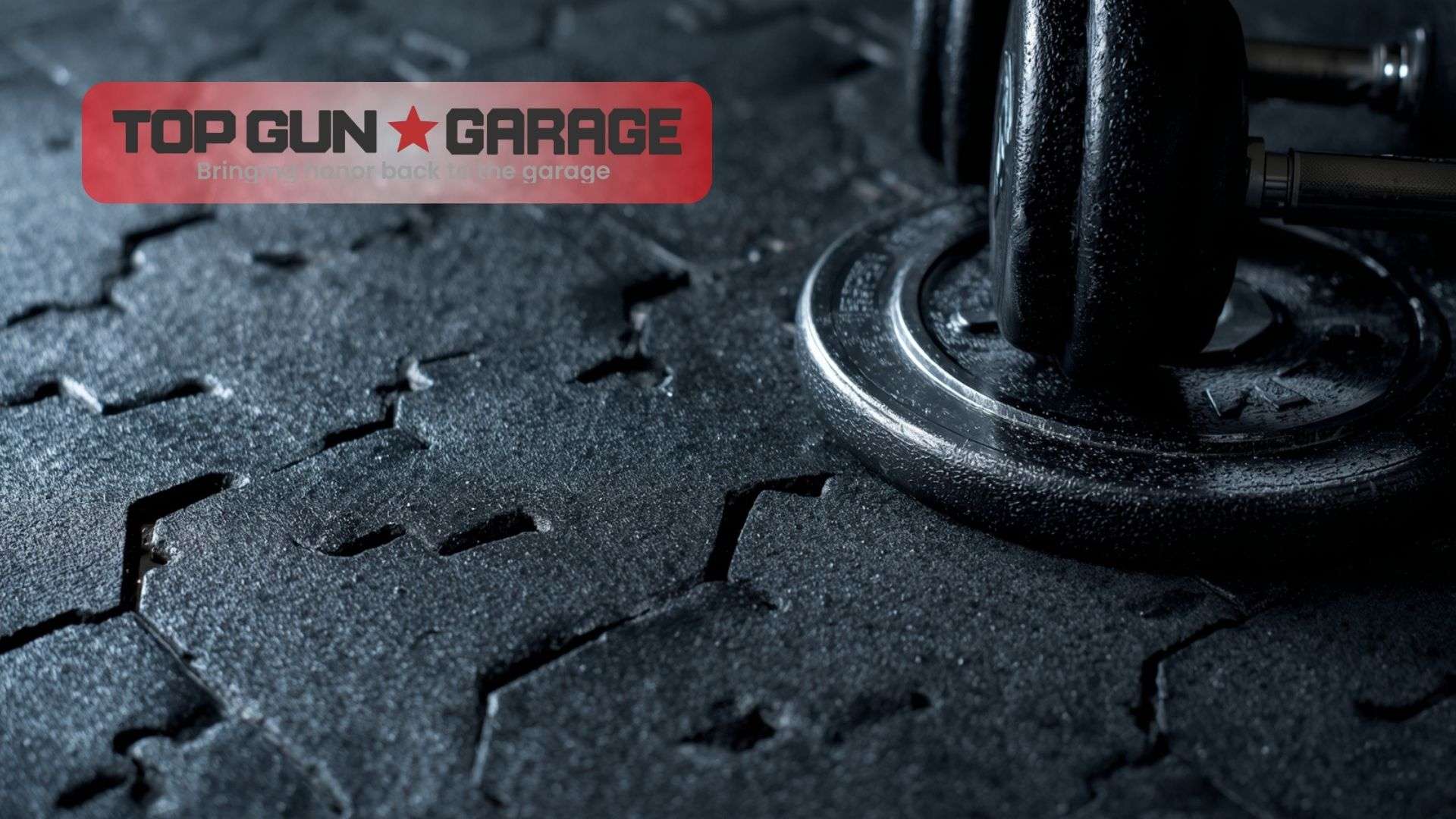
High-density rubber flooring systems excel at distributing equipment loads through their elastic properties, which allow the material to compress slightly under load and then recover to its original shape. This compression and recovery cycle helps absorb impact forces while maintaining consistent support for equipment bases. The density of rubber flooring directly correlates with its load-bearing capacity, with commercial-grade options capable of supporting the heaviest home gym equipment without permanent deformation or damage.
Interlocking rubber tile systems offer significant advantages for home gym installations, providing modular flexibility that allows for easy customization, replacement of damaged sections, and reconfiguration as equipment needs change. These systems typically feature precision-engineered edges that create seamless joints while maintaining the structural integrity of the overall floor system. The modular nature also simplifies installation compared to rolled rubber products, making it more accessible for homeowners who prefer to handle installation themselves, though many find that professional installation offers significant advantages in terms of precision and long-term performance.
Thickness considerations play a crucial role in rubber flooring performance, with thicker materials generally providing superior impact absorption and vibration dampening. However, thickness must be balanced against practical considerations such as door clearances, transitions to adjacent flooring, and the specific requirements of your equipment. Olympic weightlifting platforms, for example, may require different thickness specifications compared to areas designated for cardio equipment or general fitness activities.
Surface texture and finish options in rubber flooring systems affect both safety and equipment compatibility. Smooth surfaces facilitate easy equipment movement and cleaning but may become slippery when wet, while textured surfaces provide better traction but can be more challenging to clean and may interfere with equipment that needs to slide or roll. Diamond plate, coin, and other textured patterns offer varying degrees of grip and visual appeal while maintaining the fundamental protective properties of rubber flooring.
Vulcanized rubber products demonstrate superior durability and chemical resistance compared to recycled rubber alternatives, though they typically command higher prices. The manufacturing process creates stronger molecular bonds that resist degradation from cleaning chemicals, temperature fluctuations, and mechanical stress. For home gyms with significant equipment investments, the additional cost of vulcanized rubber often proves worthwhile through extended service life and maintained performance characteristics.
Specialized Athletic Flooring for Multi-Purpose Training
Athletic flooring systems designed specifically for multi-purpose training environments offer sophisticated solutions that balance the diverse requirements of different exercise modalities within a single flooring system. These advanced materials incorporate multiple performance characteristics to support everything from heavy weightlifting to high-impact plyometrics and agility training.
Multi-layer athletic flooring systems typically combine different materials to optimize performance across various applications. A common configuration includes a shock-absorbing base layer for impact management, a stability layer for equipment support, and a performance surface layer designed for traction and durability. This layered approach allows each component to excel at its specific function while contributing to overall system performance.
Polyurethane-based athletic surfaces represent a premium option for home gyms requiring the highest levels of performance and versatility. These systems offer exceptional durability, consistent ball bounce characteristics for sport-specific training, and superior resistance to scuffing, tearing, and chemical damage. The seamless installation of poured polyurethane systems eliminates joints and seams that could interfere with equipment placement or create maintenance challenges.
Vinyl composite athletic flooring provides an intermediate option between basic rubber systems and premium polyurethane installations. These products typically feature engineered construction with foam backing for shock absorption, fiberglass reinforcement for dimensional stability, and wear-resistant surface layers designed to withstand equipment traffic. The dimensional stability of vinyl composite systems makes them particularly suitable for areas where equipment needs precise positioning or where floor flatness is critical.
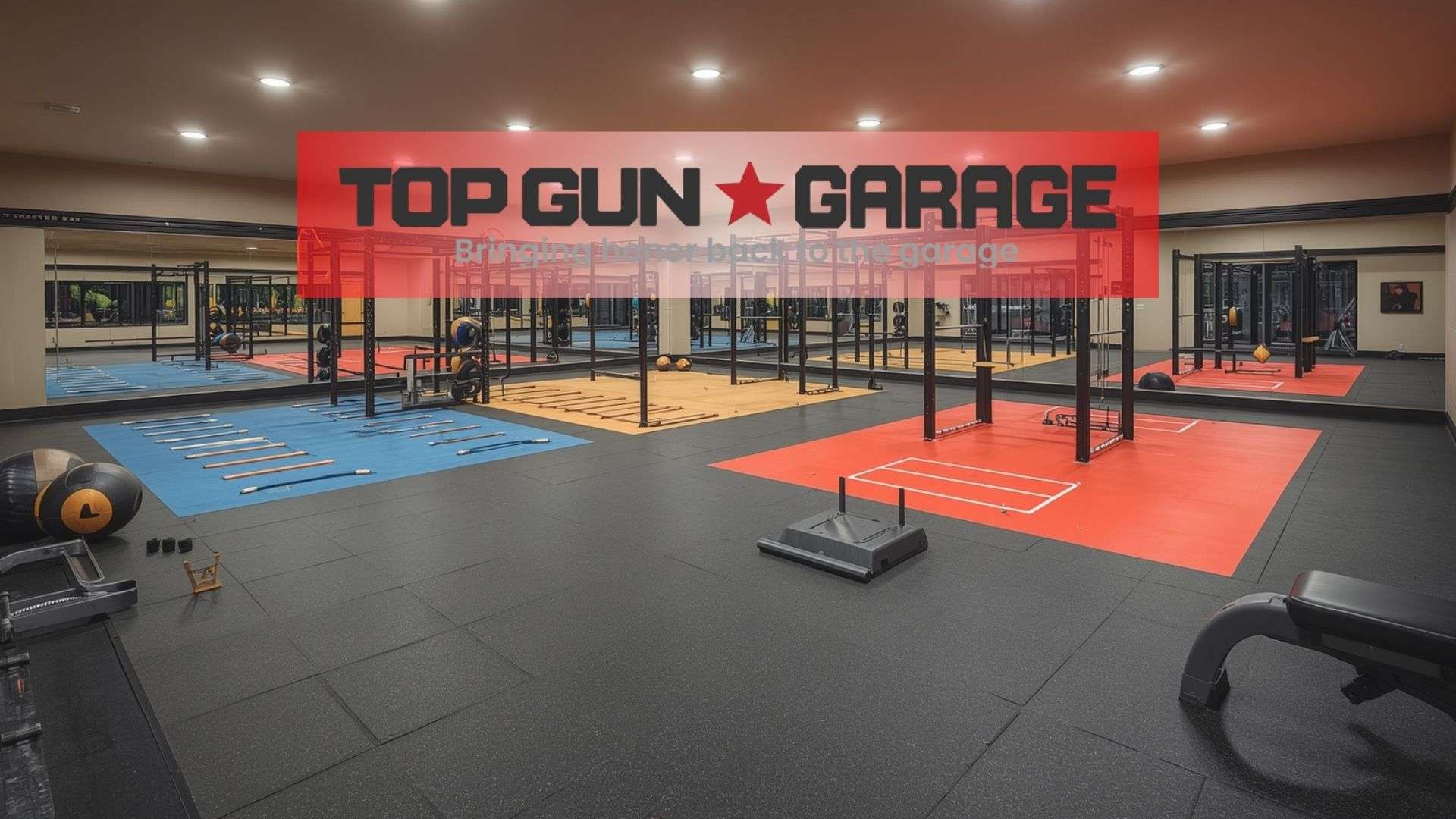
Modular athletic flooring systems offer the ultimate in flexibility for evolving home gym needs. These systems typically feature interlocking panels or tiles that can be easily reconfigured, replaced, or expanded as requirements change. Advanced modular systems may include different tile types optimized for specific activities, allowing you to create dedicated zones within your gym while maintaining a cohesive overall appearance.
Installation considerations for specialized athletic flooring often require more technical expertise compared to basic rubber or foam systems. Proper substrate preparation, moisture management, and precise installation techniques are essential for achieving optimal performance and longevity. The complexity of these installations often makes professional installation the preferred choice, ensuring that the flooring system performs as designed and maintains warranty coverage.
Performance testing and certification standards for athletic flooring provide valuable guidance for selecting systems appropriate for your specific needs. Standards such as DIN 18032 for sports surfaces and ASTM standards for various performance characteristics offer objective measures of shock absorption, ball bounce, friction, and other critical properties that affect both equipment support and user safety.
Foam and Composite Solutions for Lighter Equipment
Foam-based flooring systems and composite materials offer cost-effective solutions for home gyms focused on lighter equipment, bodyweight exercises, and activities that don’t require the extreme durability of rubber or athletic surfaces. These materials excel in applications where comfort, insulation, and basic protection are the primary concerns rather than supporting heavy loads or managing high-impact activities.
High-density foam flooring provides excellent cushioning for floor exercises, yoga, stretching, and light equipment use while offering significant cost advantages over rubber alternatives. The cellular structure of foam materials creates natural shock absorption that reduces stress on joints during floor-based activities. However, the load-bearing capacity of foam systems limits their suitability for heavy equipment, making them most appropriate for dedicated areas within larger gym spaces or for fitness enthusiasts focused primarily on bodyweight training.
Interlocking foam tiles represent one of the most popular entry-level flooring solutions for home gyms, offering easy installation, modular flexibility, and reasonable protection for basic equipment. These systems typically feature puzzle-piece edges that create reasonably secure joints while allowing for easy reconfiguration or expansion. The lightweight nature of foam tiles makes them suitable for temporary installations or situations where the flooring needs to be removed periodically.
EVA (Ethylene Vinyl Acetate) foam products demonstrate superior durability compared to basic polyethylene foams while maintaining excellent cushioning properties. EVA foam resists compression set better than softer alternatives, meaning it maintains its thickness and cushioning properties longer under repeated loading. This improved durability makes EVA foam suitable for supporting moderately heavy equipment such as home treadmills, elliptical machines, or weight benches.
Composite flooring systems that combine foam cores with protective surface layers offer enhanced performance compared to pure foam products. These systems typically feature vinyl, rubber, or synthetic leather surfaces bonded to foam cores, providing improved durability, easier cleaning, and better resistance to punctures or tears. The protective surface layer also prevents the foam core from degrading due to moisture exposure or cleaning chemicals.
Thickness considerations for foam flooring systems require balancing cushioning benefits against stability concerns. Thicker foam provides better impact absorption and joint protection but may create stability issues for equipment with small footprints or users performing balance-challenging exercises. Most foam flooring applications benefit from thickness ranges between 1/2 inch and 1 inch, though specific requirements vary based on intended use and user preferences.
Maintenance and longevity expectations for foam-based systems differ significantly from more durable alternatives. Foam materials are more susceptible to compression set, surface damage, and degradation from cleaning chemicals or UV exposure. Understanding these limitations helps set appropriate expectations and maintenance schedules to maximize the service life of foam flooring investments.
Installation Considerations and Professional vs. DIY Approaches
The installation process for home gym flooring significantly impacts both immediate performance and long-term durability, with different flooring types requiring varying levels of technical expertise, specialized tools, and preparation work. Understanding these requirements helps determine whether a DIY approach is feasible or whether professional installation provides better value and results.
Substrate preparation represents the most critical aspect of any flooring installation, regardless of the specific material chosen. The existing subfloor must be clean, level, dry, and structurally sound to provide an appropriate foundation for gym flooring. Concrete substrates may require moisture testing, crack repair, and surface preparation to ensure proper adhesion and prevent moisture-related problems. Wood subfloors need evaluation for squeaks, deflection, and structural adequacy, particularly when supporting heavy equipment loads.
Moisture management considerations vary significantly based on installation location and flooring type. Basement installations often require vapor barriers or moisture mitigation systems to prevent problems with adhesives, substrate degradation, or mold growth. Even upper-level installations may benefit from moisture barriers in humid climates or areas prone to temperature fluctuations that could cause condensation issues.
Adhesive selection and application techniques critically affect the long-term performance of permanently installed flooring systems. Different flooring materials require specific adhesive formulations designed to accommodate their expansion characteristics, flexibility requirements, and environmental exposure. Improper adhesive selection or application can lead to bond failure, bubbling, or premature wear that compromises both appearance and performance.
Tool requirements for professional-quality installation often exceed what typical homeowners have readily available. Specialized equipment such as flooring rollers, seaming tools, adhesive spreaders, and cutting implements designed for specific materials can significantly impact installation quality and efficiency. The cost of purchasing or renting these tools must be factored into DIY installation decisions.
Timing and environmental conditions during installation affect the success of many flooring systems. Temperature and humidity requirements for adhesive curing, material acclimation periods, and workspace ventilation needs all influence installation scheduling and complexity. Professional installers understand these requirements and can schedule work appropriately, while DIY installers may struggle with timing coordination.
Quality control and warranty considerations often favor professional installation, particularly for premium flooring systems. Many manufacturers require professional installation to maintain warranty coverage, and experienced installers can identify and address potential problems before they become costly issues. The expertise gained through handling numerous installations allows professionals to adapt to unexpected conditions and ensure optimal results.
At Top Gun Garage, we understand that choosing between DIY and professional installation involves weighing multiple factors including cost, complexity, time availability, and desired outcomes. Our experience with flooring installations has shown that while simpler systems like interlocking tiles may be suitable for DIY installation, more complex systems benefit significantly from professional expertise to ensure optimal performance and longevity.
Frequently Asked Questions
What thickness of flooring do I need for heavy weightlifting equipment? Heavy weightlifting equipment typically requires flooring thickness between 3/8 inch and 3/4 inch, depending on the specific equipment and subfloor conditions. Olympic lifting platforms may need even thicker sections in drop zones, while general weightlifting areas can often function well with 1/2 inch rubber flooring. The key is ensuring adequate impact absorption while maintaining equipment stability.
Can I install gym flooring over existing carpet or tile? Installing gym flooring over existing surfaces is generally not recommended as it can create instability, moisture problems, and premature wear. Carpet provides an unstable base that compromises equipment safety, while tile joints can telegraph through thin flooring materials. Proper installation typically requires removing existing flooring and preparing the substrate appropriately.
How do I prevent moisture problems with basement gym flooring? Basement moisture management requires addressing both existing moisture and preventing future problems. This typically involves moisture testing, applying vapor barriers or moisture mitigation systems, ensuring proper drainage around the foundation, and selecting flooring materials that resist moisture damage. Proper ventilation and climate control also play important roles in moisture prevention.
What’s the difference between recycled and virgin rubber flooring? Virgin rubber flooring offers superior durability, odor resistance, and consistency compared to recycled alternatives. Recycled rubber may have slight odors initially and can vary in density and appearance due to the mixed source materials. However, recycled options provide environmental benefits and cost savings while still offering good performance for many home gym applications.
How do I calculate how much flooring material I need? Calculate flooring needs by measuring the total square footage of your gym space and adding 5-10% for waste and future repairs. Consider the specific layout of your equipment to determine if different zones need different materials. For interlocking systems, account for the modular dimensions to minimize cutting and waste.
Can gym flooring help reduce noise transmission to other areas? Quality gym flooring significantly reduces noise transmission through impact absorption and vibration dampening. Rubber and specialized athletic surfaces excel at this, while foam provides moderate noise reduction. For maximum noise control, consider underlayment systems designed specifically for sound dampening in addition to appropriate surface materials.
How do I maintain and clean different types of gym flooring? Maintenance requirements vary by material type. Rubber flooring typically requires regular sweeping and damp mopping with mild cleaners, while avoiding oil-based products that can cause deterioration. Foam materials need gentler cleaning to prevent damage, and athletic surfaces may have specific manufacturer-recommended cleaning protocols to maintain performance characteristics.
What should I do if my flooring gets damaged? Damage response depends on the flooring type and extent of damage. Modular systems allow individual tile replacement, while permanent installations may require patch repairs or section replacement. Minor surface damage can often be repaired with manufacturer-approved products, but structural damage typically requires professional assessment and repair to maintain safety and performance.
Conclusion
Selecting home gym flooring that supports equipment effectively requires careful consideration of multiple factors including equipment types, usage patterns, installation requirements, and long-term performance expectations. The investment in appropriate flooring pays dividends through enhanced safety, equipment protection, and workout quality while contributing to the overall value and functionality of your home fitness space.
The diverse range of available flooring options ensures that solutions exist for virtually any home gym configuration and budget. From premium athletic surfaces designed for multi-sport training to cost-effective foam systems suitable for lighter applications, understanding the strengths and limitations of different materials enables informed decision-making that aligns with your specific needs and goals.
Installation quality significantly impacts flooring performance and longevity, making the choice between DIY and professional installation an important consideration. While simpler systems may be suitable for self-installation, complex applications often benefit from professional expertise to ensure optimal results and maintain warranty coverage. The initial investment in proper installation typically proves worthwhile through improved performance and extended service life.
As your fitness goals and equipment needs evolve, modular flooring systems offer the flexibility to adapt and expand your gym space without starting over completely. This adaptability makes modular options particularly attractive for growing fitness enthusiasts or those who anticipate changing their equipment configuration over time.
The foundation you create with appropriate flooring supports not only your equipment but also your commitment to maintaining an active, healthy lifestyle. By investing in flooring that properly supports your equipment needs, you create an environment where you can focus on achieving your fitness goals with confidence in the safety, stability, and durability of your training space.