 Skip to content



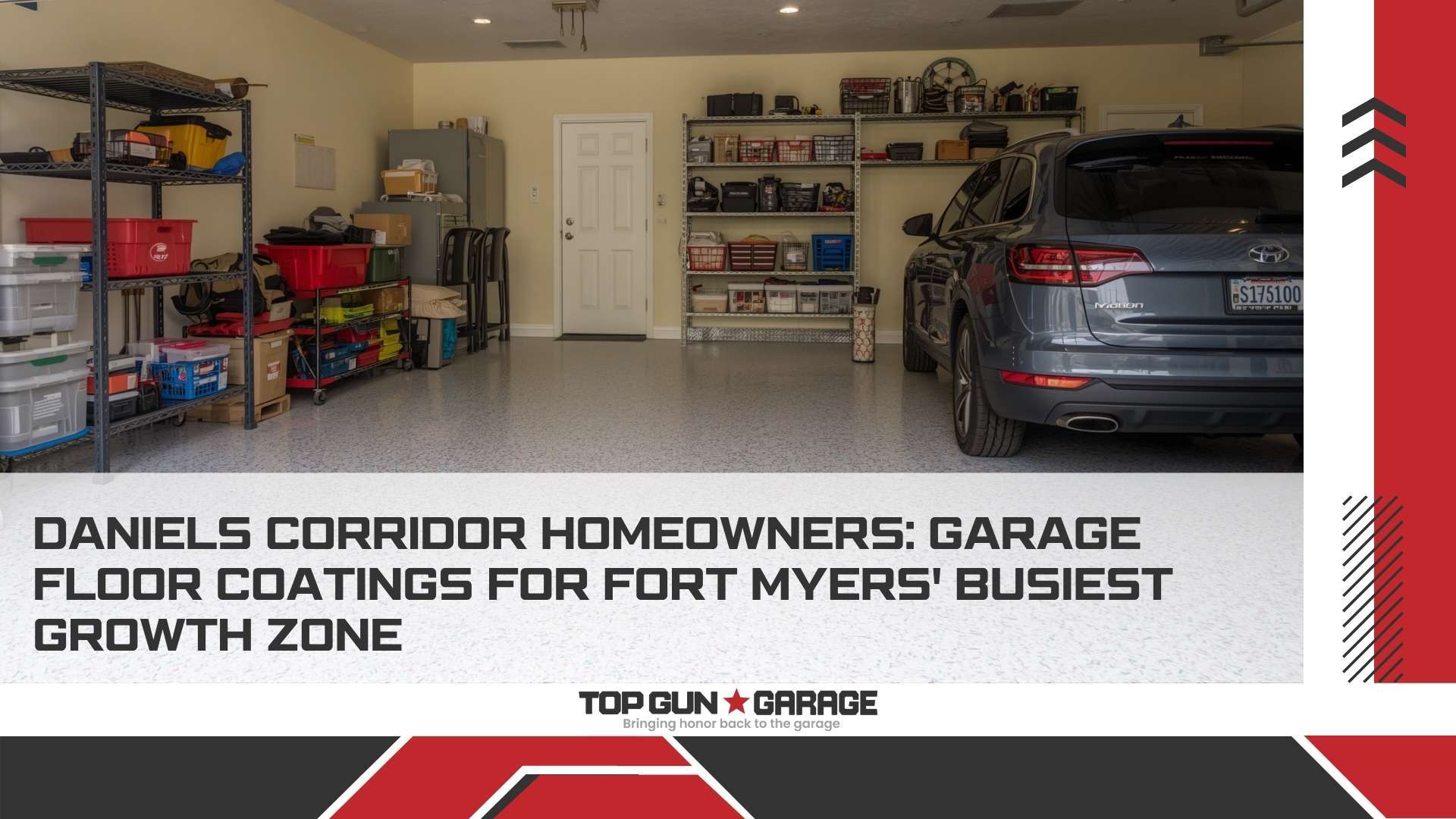
Daniels Corridor has emerged as one of Fort Myers’ most dynamic residential corridors, and homeowners here face unique challenges when protecting their garage floors. High humidity, seasonal flooding risks, and heavy vehicle traffic demand specialized floor coating solutions that go beyond basic paint. Professional garage floor coatings provide lasting protection, enhanced aesthetics, and increased property value for Daniels Corridor residents who want their garages to perform as hard as they do.
- Daniels Corridor homeowners benefit from climate-resistant floor coatings designed for Southwest Florida conditions
- Professional epoxy and polyaspartic coatings last 15-25 years with proper maintenance
- Floor coatings can increase property values by 3-5% according to real estate industry data
- Proper surface preparation accounts for 60-70% of coating longevity
- Slip-resistant additives are essential for Florida’s humid garage environments
- Professional installation outperforms DIY applications in durability and appearance retention
- Regular maintenance extends coating life by up to 10 years in high-traffic scenarios
Why Daniels Corridor Leads Fort Myers’ Growth
The Daniels Corridor stretches along Daniels Parkway from Colonial Boulevard to the southern reaches of Fort Myers, encompassing established neighborhoods and new developments alike. According to the U.S. Census Bureau, Lee County has experienced consistent population growth of approximately 2.1% annually since 2020, with Daniels Corridor representing a significant portion of this expansion. This growth translates directly to increased vehicle ownership, heavier garage usage, and greater wear on concrete surfaces.
Homeowners in this corridor typically include families with multiple vehicles, retirees maintaining golf carts alongside cars, and professionals who use garages as workshop spaces. Research from the National Association of Realtors indicates that garage condition ranks among the top five factors influencing buyer decisions in Florida’s residential market. A professionally coated garage floor signals quality maintenance and creates immediate visual impact during property showings.
The corridor’s proximity to I-75 and major employment centers makes it attractive to commuters, while its blend of older homes and newer construction creates diverse flooring needs. Older homes may have concrete surfaces requiring repair before coating, while newer construction often benefits from preventive coating applications that protect pristine slabs from day one.
Understanding Garage Floor Coating Materials
Modern garage floor coatings fall into three primary categories, each offering distinct advantages for Daniels Corridor homeowners. Epoxy coatings remain the industry standard, comprising approximately 75% of residential garage floor applications according to industry surveys. These thermosetting polymers create a durable bond with concrete surfaces, forming a seamless barrier against stains, impacts, and moisture penetration.
Polyaspartic coatings represent the newer generation of floor protection, offering faster cure times and superior UV resistance compared to traditional epoxy. The Environmental Protection Agency notes that low-VOC coating technologies have gained significant market share, with polyaspartic formulations meeting strict air quality standards while delivering professional-grade results.
Hybrid systems combining epoxy base layers with polyaspartic topcoats have become increasingly popular for Daniels Corridor applications. These systems leverage epoxy’s excellent adhesion properties and cost-effectiveness for the foundation layer while utilizing polyaspartic’s rapid return-to-service and color stability for the finish coat.
Epoxy Coating Systems
Solid epoxy systems contain 100% solids by volume, creating thick coatings ideal for heavily trafficked garages. These formulations achieve hardness ratings of 85-95 Shore D, significantly harder than the 70-80 Shore D typical of concrete surfaces. Water-based epoxy alternatives offer easier application for DIY enthusiasts but typically require more frequent reapplication.
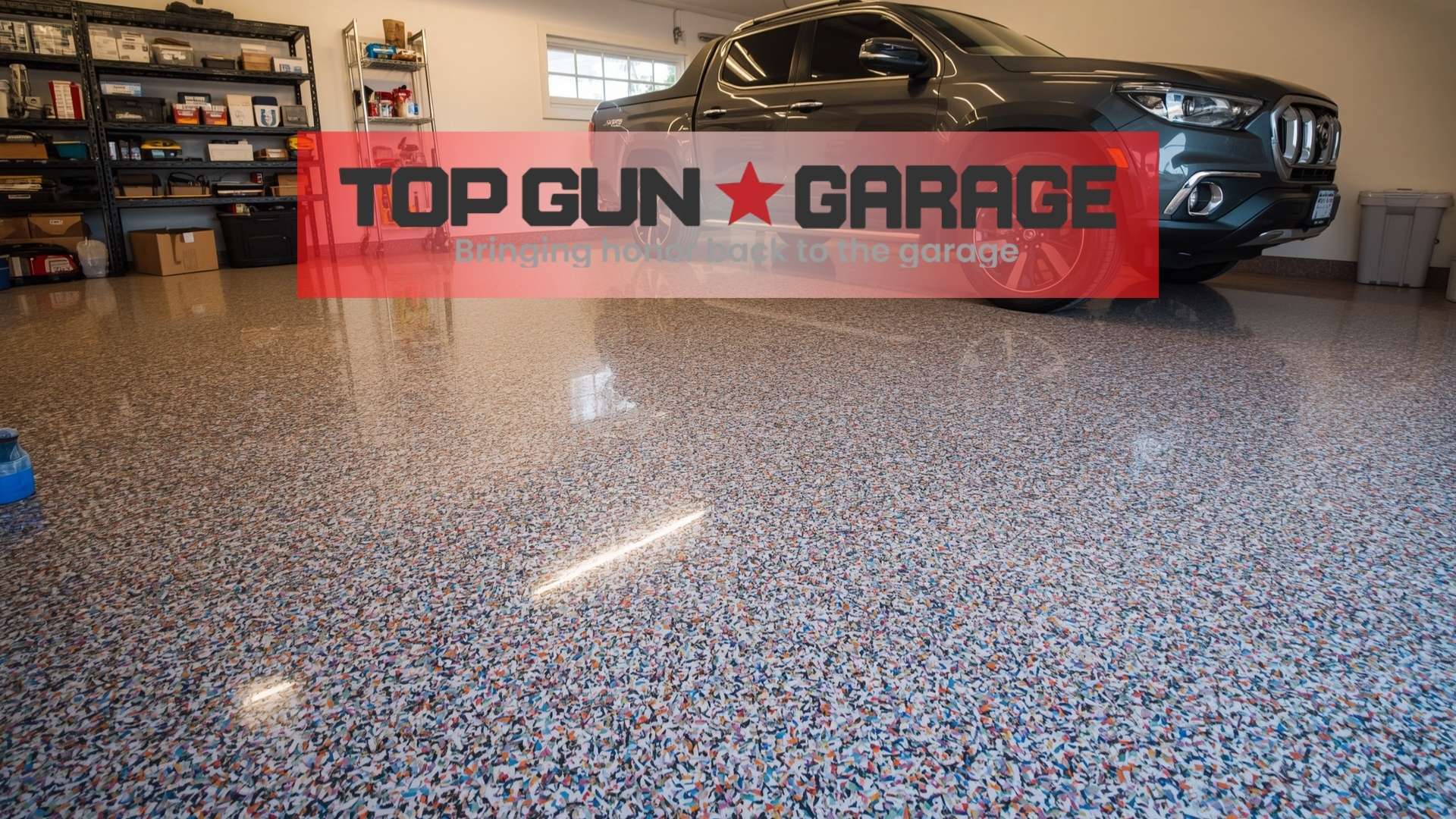
Epoxy flake systems incorporate colored polymer flakes broadcast into wet coating, creating visual depth and improving slip resistance. These decorative options have captured 40% of the residential market according to coating industry data, appealing to homeowners seeking both protection and aesthetic enhancement.
Polyaspartic Coating Systems
Polyaspartic coatings cure through a chemical reaction similar to epoxy but with significantly faster return-to-service times. Most polyaspartic systems allow foot traffic within 4-6 hours and vehicle traffic within 24 hours, compared to 72+ hours required for traditional epoxy. This rapid cure proves particularly valuable for homeowners who cannot tolerate extended garage downtime.
Temperature tolerance represents another significant advantage. Polyaspartic coatings can be applied in temperatures as low as 30°F and cure properly in conditions where epoxy would fail, making them suitable for air-conditioned garage spaces during Fort Myers’ hot summer months.
Climate Considerations for Fort Myers Garages
Fort Myers’ subtropical climate presents specific challenges that Daniels Corridor homeowners must address when selecting floor coatings. Average humidity levels exceed 75% during summer months, creating conditions where moisture vapor transmission through concrete slabs can compromise coating adhesion. The National Weather Service documents that Fort Myers receives approximately 54 inches of rainfall annually, with June through September accounting for the majority of precipitation.
These moisture conditions make moisture testing essential before any coating application. Professional installers use relative humidity probes to measure vapor emission rates, typically requiring readings below 75% relative humidity before proceeding. This testing prevents the most common failure mode in Florida floor coating applications: peeling caused by moisture vapor pressure beneath the coating.
Heat presents additional considerations. Garage temperatures in Fort Myers can exceed 120°F during summer afternoons, creating thermal expansion stress on floor coatings. Quality polyaspartic and high-grade epoxy systems accommodate this thermal cycling without cracking or delaminating when properly formulated and installed.

The Professional Installation Process
Professional garage floor coating installation follows a systematic process that ensures lasting results. According to coating industry standards, surface preparation accounts for 60-70% of coating longevity, making this phase the most critical component of any installation.
Step 1: Assessment and Moisture Testing
Professional installers begin with comprehensive concrete assessment, including moisture vapor emission testing, surface hardness evaluation, and crack identification. This diagnostic phase determines whether repairs are needed before coating application and identifies any conditions requiring special attention.
Step 2: Surface Preparation
Mechanical grinding using industrial diamond tooling removes surface contamination, laitance, and existing coatings while creating a profile necessary for coating adhesion. Shot blasting provides an alternative method, particularly effective for larger garage spaces. The resulting surface profile typically measures 3-5 mils for epoxy applications and 2-4 mils for polyaspartic systems.
Step 3: Repairs and Patching
Cracks, spalls, and surface defects receive appropriate repair using concrete patching compounds or epoxy grouts. Expansion joints are addressed with flexible joint fillers designed to accommodate continued movement without compromising the coating system.
Step 4: Primer Application
Primer coats penetrate concrete surfaces, sealing pores and creating a bonding substrate for subsequent coating layers. This step proves particularly important for older concrete and surfaces with marginal moisture levels.
Step 5: Base Coat Application
The primary coating layer is applied at manufacturer-specified thickness, typically 8-12 mils for epoxy systems. This layer provides the core protection against impacts, chemical exposure, and moisture penetration.
Step 6: Decorative Elements
For flake or broadcast systems, decorative elements are applied immediately following the base coat while it remains tacky. This application requires experience to achieve proper distribution and complete encapsulation.
Step 7: Topcoat Application
The final topcoat seals decorative elements, provides UV stability, and creates the smooth, durable surface that homeowners expect. Topcoat thickness typically ranges from 2-4 mils for standard applications and 8-12 mils for high-build systems.
Step 8: Curing and Return to Service
Proper curing time varies by system, with epoxy requiring 72 hours minimum before vehicle traffic and polyaspartic systems allowing return to service within 24-48 hours. Temperature and humidity during curing affect final hardness and adhesion.
Long-Term Benefits for Daniels Corridor Homeowners
Professional garage floor coatings deliver measurable benefits that extend well beyond aesthetics. The American Society of Real Estate Professionals reports that garage improvements rank among the highest-return residential upgrades, with floor coating systems typically recovering 65-80% of installation costs through increased property value.
Chemical resistance proves essential for Daniels Corridor homeowners who store vehicles, lawn equipment, and household items in their garages. Oil, gasoline, brake fluid, and common household chemicals cannot penetrate properly coated surfaces, allowing easy cleanup that preserves the floor’s appearance for years.
Impact resistance protects concrete surfaces from dropped tools, equipment impacts, and the constant stress of vehicle traffic. A properly installed coating system absorbs impact energy that would otherwise crack or chip concrete, extending the service life of the underlying slab.
Moisture barrier properties prevent the mold and mildew growth that plagues many Fort Myers garages. By sealing concrete pores, professional coatings eliminate the damp, musty environment where mold thrives, creating healthier storage conditions for vehicles, tools, and seasonal items.
Maintenance Practices for Extended Performance
Regular maintenance extends coating life significantly, with properly maintained systems lasting 15-25 years compared to 5-10 years for neglected installations. Simple practices make the difference between a garage floor that looks great for decades and one that deteriorates prematurely.
Sweeping or dust mopping removes abrasive debris that scratches coating surfaces during vehicle entry and exit. Weekly cleaning prevents particle accumulation that accelerates wear patterns, particularly in vehicle parking zones and work areas.
Monthly mopping with pH-neutral cleaners removes oils and grime without damaging coating surfaces. Harsh chemicals, acidic cleaners, and abrasive scrubbers can dull finish surfaces over time, so selecting appropriate cleaning products matters for long-term appearance retention.
Spill response should be immediate for petroleum products, which can penetrate even properly cured coatings if allowed extended contact. Most spills clean easily with absorbent materials and appropriate cleaners when addressed promptly.
Annual inspection identifies any areas requiring attention before they develop into larger problems. Checking for edge delamination, impact damage, and wear patterns allows targeted repairs that prevent widespread coating failure.
Choosing the Right Contractor for Daniels Corridor Applications
Contractor selection significantly influences coating performance, making this decision critical for Daniels Corridor homeowners. Professional installers bring experience with local climate conditions, access to quality materials unavailable to consumers, and the equipment necessary for proper surface preparation.
Questions homeowners should ask prospective contractors include: moisture testing procedures, surface preparation methods, coating system specifications, warranty coverage details, and examples of previous installations in similar climates. Professional contractors welcome these questions and provide detailed answers that demonstrate expertise.
Warranty coverage varies significantly between contractors and coating systems. Quality installations typically include warranties covering both materials and labor for periods ranging from 5 years for residential applications to 10+ years for commercial-grade systems. Understanding warranty terms before signing contracts prevents misunderstandings later.
Insurance verification protects homeowners from liability in case of installation accidents. Professional contractors carry comprehensive liability insurance and workers’ compensation coverage, providing peace of mind throughout the installation process.
Cost Considerations and Return on Investment
Garage floor coating costs vary based on garage size, existing surface conditions, coating system selection, and decorative options. Basic epoxy coating systems for standard two-car garages typically range from $3 to $8 per square foot, while premium polyaspartic and hybrid systems may cost $8 to $15 per square foot installed.
These costs compare favorably with alternative flooring options. Concrete staining alone costs $2-5 per square foot but lacks the durability and protection of full coating systems. Tile installation ranges from $8-25 per square foot and requires ongoing maintenance and grout cleaning that coating systems eliminate.
When evaluating costs, consider that professional coatings typically last 15-25 years with minimal maintenance, while less expensive alternatives often require replacement or extensive refurbishment within 5-10 years. This longevity factor makes professional coating systems the most cost-effective choice over typical homeownership periods.
Conclusion
Daniels Corridor homeowners have access to professional garage floor coating solutions specifically suited to Fort Myers’ unique climate challenges. From moisture-resistant epoxy systems to rapid-cure polyaspartic coatings, modern materials and installation techniques deliver lasting protection that enhances property values while simplifying garage maintenance.
The investment in professional floor coating pays dividends through extended concrete service life, improved garage aesthetics, and the confidence that comes with knowing your garage floor can handle whatever you store there. Whether you drive heavy vehicles, maintain workshop equipment, or simply want a cleaner, more attractive garage, quality floor coatings provide solutions that last.
Ready to transform your Daniels Corridor garage? Contact our team today to schedule a free consultation and receive a customized proposal for your garage floor coating project. Our experienced installers understand Fort Myers climate conditions and deliver professional results that exceed homeowner expectations.
References
- U.S. Census Bureau – Population and demographic data for Lee County
- National Association of Realtors – Real estate market trends and home improvement impact data
- Environmental Protection Agency – VOC standards and environmental regulations for coatings
- National Weather Service – Fort Myers climate and precipitation data
- American Society of Real Estate Professionals – Home improvement return on investment statistics
Frequently Asked Questions
How long does professional garage floor coating installation take in Fort Myers?
Professional installation typically requires 2-3 days for surface preparation, coating application, and initial curing. Polyaspartic systems allow faster return to service within 24-48 hours, while traditional epoxy systems require 72 hours minimum before vehicle traffic. Weather conditions can affect cure times, with summer humidity potentially extending drying periods.
What causes garage floor coatings to peel in Florida’s climate?
Moisture vapor transmission through concrete slabs represents the primary cause of coating failure in Fort Myers. When moisture vapor pressure beneath the coating exceeds the adhesion strength, delamination occurs. Professional installers conduct moisture testing before application and select appropriate primer systems to mitigate this risk. Surface contamination, inadequate preparation, and improper mixing ratios also contribute to coating failures.
Can I apply garage floor coating myself, or should I hire professionals?
While DIY coating products exist, professional installation consistently outperforms consumer-grade applications in durability, appearance, and longevity. Professional contractors have access to industrial-grade equipment for proper surface preparation, experience with local climate considerations, and manufacturer training that ensures proper application techniques. The cost difference between DIY and professional installation typically recovers through extended coating life and reduced maintenance requirements.
Are polyaspartic coatings better than epoxy for Fort Myers garages?
Both coating types offer excellent protection when properly installed. Polyaspartic coatings provide faster cure times, superior UV resistance, and better temperature tolerance, making them excellent choices for Fort Myers’ climate. Epoxy coatings offer proven performance, broader formulation options, and typically lower material costs. Many homeowners choose hybrid systems that combine epoxy’s adhesion and cost benefits with polyaspartic’s durability and appearance retention.
How do I maintain my coated garage floor?
Regular sweeping or dust mopping removes abrasive debris that scratches coating surfaces. Monthly mopping with pH-neutral cleaners maintains appearance without damaging finishes. Immediate spill cleanup, particularly for petroleum products, prevents potential staining. Annual inspection identifies areas requiring attention before they develop into larger problems. Avoid harsh chemicals, acidic cleaners, and abrasive scrubbers that can dull finish surfaces over time.
Will garage floor coating increase my property value?
Professional garage floor coatings typically increase property values by 3-5% according to real estate industry data. Coated garage floors signal quality maintenance to potential buyers, create immediate visual impact during showings, and eliminate the uncertainty buyers face when evaluating older concrete surfaces. The return on investment varies based on property location, buyer preferences, and overall market conditions, but garage improvements consistently rank among the highest-return residential upgrades.
What warranty coverage should I expect for garage floor coatings?
Quality installations typically include warranties covering both materials and labor. Residential applications commonly receive 5-year warranties, while commercial-grade systems may include 10-year or longer coverage. Warranty terms should specify what conditions are covered, whether coverage includes labor for repairs, and what maintenance requirements apply to maintain warranty validity. Professional contractors provide clear warranty documentation before beginning work.
How do I prepare my garage for floor coating installation?
Clear the garage completely, removing all vehicles, storage items, and equipment before the installation crew arrives. Repair any significant cracks or damage that might require attention. Ensure the garage has adequate ventilation for coating application and curing. Discuss any specific concerns with your contractor, including concerns about moisture, existing coatings, or unusual usage patterns that might affect coating selection or application procedures.