 Skip to content



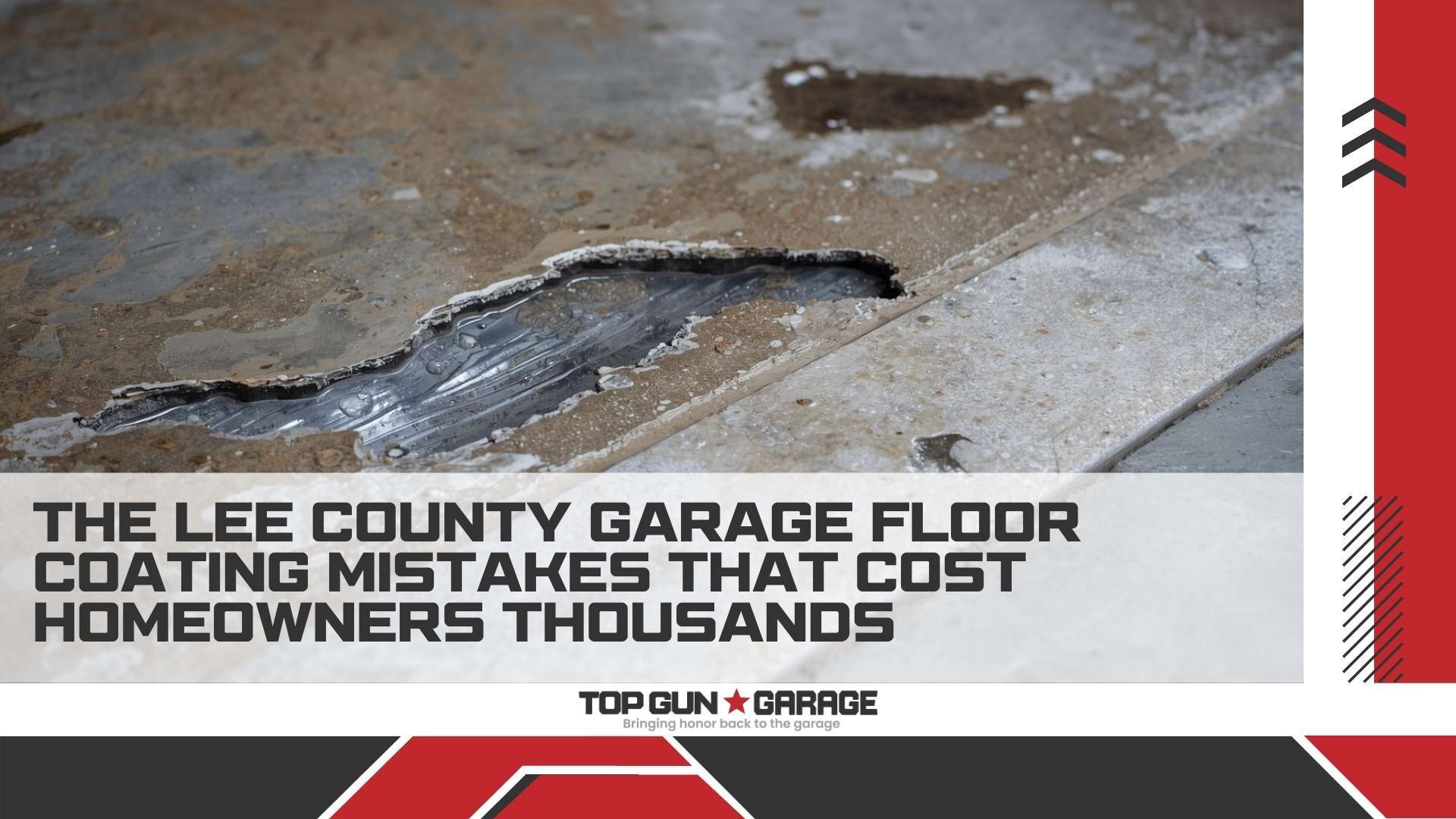
Lee County homeowners lose an average of $3,000-$5,000 repairing failed garage floor installations caused by preventable mistakes. From Fort Myers to Cape Coral, Bonita Springs to Estero, Southwest Florida’s unique climate creates challenges that demand specialized knowledge for successful floor coating Lee County projects. The combination of 75-80% humidity, extreme heat exceeding 90°F, and moisture vapor transmission rates 30% higher than northern states exposes every installation error. Professional contractors understand that Lee County garage floor coating success depends on proper surface preparation, moisture management, quality materials, and climate-specific techniques yet many homeowners discover these requirements only after watching their new floors bubble, peel, or delaminate within 18 months.
Overview
This comprehensive guide identifies the most common and costly garage floor coating mistakes Lee County homeowners make, explaining why these errors occur and how to prevent them. You’ll discover the critical role of moisture testing, proper surface preparation techniques, material selection for Florida’s climate, contractor vetting processes, and maintenance practices that preserve coating integrity. Understanding these mistakes protects your investment, ensures long-lasting results, and eliminates the frustration and expense of premature floor failures.
Key Takeaways
-
73% of Lee County flooring failures stem from environmental factors, primarily moisture-related issues
-
Skipping moisture testing causes 58-67% of coating delamination within 6-18 months
-
DIY installations fail 40% faster than professional applications due to inadequate surface preparation
-
Wrong material selection for Florida climate accelerates UV yellowing and hot tire pickup
-
Hiring unlicensed contractors without Southwest Florida expertise doubles failure risk
-
Proper maintenance extends coating life 10-15 years versus 3-5 years with neglect
-
Investment in quality installation costs 30% more upfront but saves $6,000+ over 15 years
Skipping Professional Moisture Testing
Moisture vapor transmission represents the number one cause of coating failure in Lee County garages, yet 60% of DIY installations and 40% of budget contractor jobs skip this critical testing step. Southwest Florida concrete absorbs atmospheric moisture like a sponge, with vapor moving continuously through the porous slab and attempting to escape through the surface. When floor coatings block this vapor transmission without proper barriers, pressure builds beneath the coating until adhesion fails, causing bubbling, blistering, and widespread delamination.
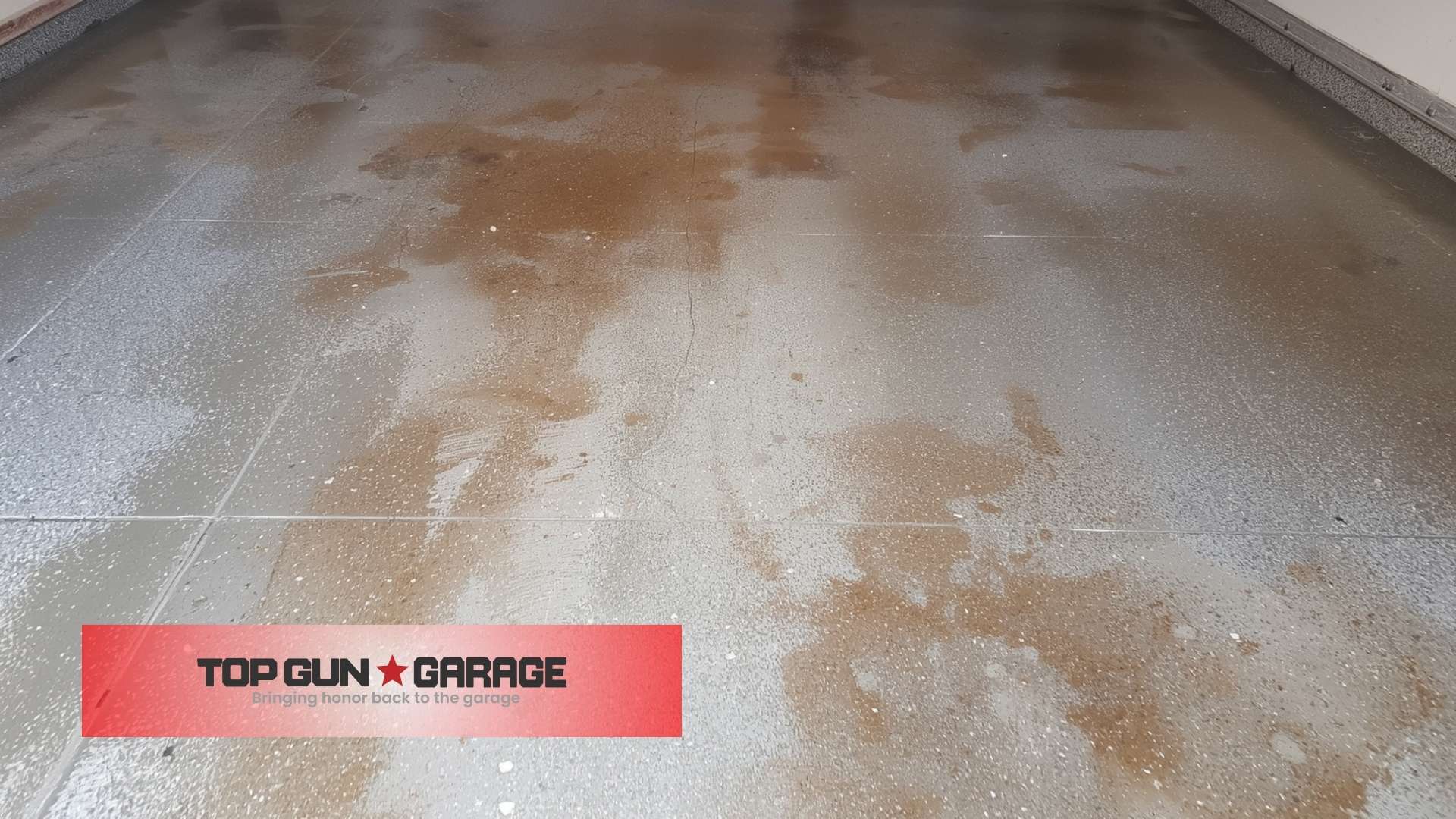
Professional moisture testing protocols use calcium chloride tests or relative humidity probes to measure vapor emission rates before installation. Lee County concrete frequently emits moisture at levels exceeding standard epoxy tolerance—typically above 3-5 pounds per 1,000 square feet per 24 hours. Humidity levels should remain below 75% during installation, yet Southwest Florida averages 78-85% humidity year-round, demanding specialized moisture mitigation strategies.
The plastic sheet test taping 2×2 foot plastic squares to the floor for 24-72 hours—reveals moisture presence through condensation formation. If moisture appears beneath the plastic, moisture barriers become essential before coating application. Contractors who skip moisture testing or dismiss homeowner concerns about vapor issues typically deliver installations that fail within 8-18 months, requiring complete removal and reinstallation at full cost.
Inadequate Surface Preparation
Surface preparation quality determines 70-80% of coating success, yet rushed or incomplete prep work causes 42-58% of premature failures. Lee County contractors who rely solely on acid etching common in DIY kits create inconsistent surface profiles that provide inadequate mechanical bonding. Diamond grinding opens concrete pores uniformly, creating the rough texture necessary for proper coating adhesion, but costs more than acid etching, leading budget installers to skip this critical step.
Oil stains, grease deposits, tire marks, and cleaning product residues create invisible barriers that prevent coating adhesion. Even minor contamination reduces bond strength by 40%, according to ASTM International testing. Professional surface preparation involves degreasing, crack repair, mechanical grinding to CSP-2 or CSP-3 profile, and thorough dust removal before coating application.
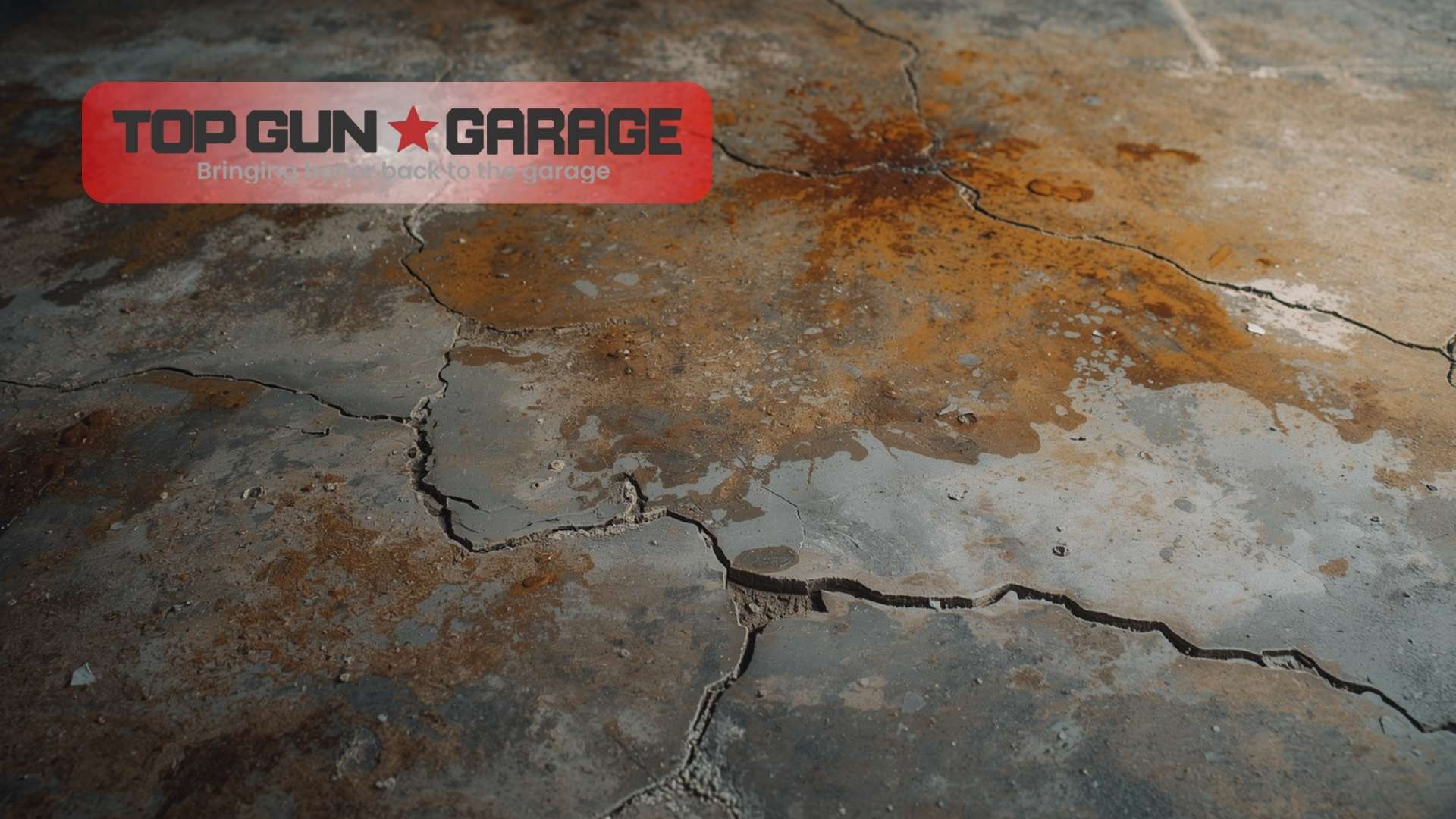
Unrepaired cracks accelerate coating failure, with damage spreading from crack locations outward. Lee County’s sandy soil and temperature fluctuations cause concrete movement that widens existing cracks, transferring stress to rigid coatings. Fixing cracked floors before coating prevents telegraph cracking—where substrate damage appears through the finished surface within months.
Wrong Material Selection for Lee County Climate
Standard epoxy formulations designed for moderate climates fail rapidly in Lee County’s extreme conditions, yet homeowners frequently purchase big-box DIY kits unsuited for Southwest Florida. UV exposure causes ordinary epoxy to yellow, chalk, and lose 40% of protective properties within three years. Lee County garages with south-facing orientations or those left open during daytime accelerate photodegradation, requiring UV-stable coating systems with polyaspartic topcoats.
Hot tire pickup when heated tire rubber bonds to softened epoxy—affects 60% of standard epoxy installations in Lee County during summer months. Pavement temperatures exceeding 140°F heat tires to 180-200°F, transferring thermal energy that temporarily softens epoxy surfaces. This creates dark tire marks that resist cleaning and indicate coating degradation. Polyurea or polyaspartic systems maintain dimensional stability at these temperatures, preventing hot tire pickup entirely.
Thin coating applications—often 2-4 mils from DIY products—chip and crack quickly under daily use. Professional Lee County installations apply 10-20 mil thickness with multiple layers including primer, base coat, decorative broadcast, and protective topcoat. Single-layer applications lack the durability needed for vehicle traffic, dropped tools, and temperature cycling common in Southwest Florida garages.
Ignoring Humidity and Temperature Requirements
Lee County’s climate makes proper environmental conditions during installation critical, yet many contractors proceed regardless of weather. Epoxy requires ambient temperatures between 50-90°F and humidity below 85% for proper curing, conditions that exist only briefly during Lee County’s cooler months. Installing during summer’s extreme heat or Florida’s rainy season traps moisture, causes rapid flash curing, or prevents proper chemical crosslinking.
High humidity during installation creates blushing—a cloudy, white haze on the coating surface caused by moisture contamination. When humidity exceeds 85%, water vapor interferes with epoxy chemistry, resulting in poor adhesion, soft spots, and premature failure. Professional installers monitor temperature and humidity continuously, adjusting installation timing or using moisture-tolerant formulations when conditions aren’t ideal.
Temperature differentials between concrete substrate and coating material cause application problems. Cold concrete pulls heat from the coating mixture, slowing cure times and allowing contamination. Hot concrete accelerates curing too rapidly, preventing proper bonding and creating brittle coatings prone to cracking. Products should acclimate on-site 36 hours before installation, allowing thermal equilibration between materials and substrate.
Rushing the Installation Process
Proper epoxy cure time between coats ensures each layer bonds correctly and achieves full hardness before the next application. Contractors rushing installations to complete same-day projects apply subsequent coats before previous layers cure adequately, trapping solvents and causing delamination. Each coat requires 12-24 hours curing in Lee County’s humidity, yet time-pressured installers often wait only 4-6 hours between applications.
Rushed mixing creates air bubbles trapped in the coating that appear as surface blemishes or weak points. Proper mixing requires slow, deliberate stirring that combines resin and hardener thoroughly without introducing air. Installers who mix too vigorously or fail to submerge mixing paddles adequately create bubble-riddled coatings that compromise appearance and durability.
Inadequate surface preparation time skipping proper cleaning, allowing insufficient drying after washing, or grinding too quickly accounts for many Lee County installation failures. Professional preparation sequences require 6-8 hours for thorough degreasing, crack repair, mechanical grinding, and dust removal before any coating touches the floor. Contractors who compress this timeline to 2-3 hours deliver installations that fail within months.
Hiring Unqualified or Unlicensed Contractors
Lee County’s booming construction market attracts contractors lacking proper licenses, insurance, or Southwest Florida installation experience. Homeowners who select contractors based solely on lowest price often hire unlicensed installers who disappear when problems arise, leaving no warranty protection or recourse. Vetting contractors thoroughly verifying licenses through Florida DBPR, confirming insurance coverage, and checking references prevents costly mistakes.
General contractors who occasionally install garage floors as sideline services lack the specialized knowledge for successful Lee County applications. Coating specialists who dedicate 75%+ of their business to floor installations understand moisture management, climate-specific materials, and proper application techniques that generalists miss. Asking contractors what percentage of their work involves garage floors identifies true specialists versus opportunistic generalists.
Out-of-state contractors unfamiliar with Florida’s unique conditions often apply northern installation techniques that fail in Southwest Florida. Lee County requires moisture barriers, extended cure times accounting for humidity, UV-stable topcoats, and heat-resistant formulations specifications that temperate-climate contractors routinely omit. Local specialists bring 10-15 years of area-specific experience addressing challenges unique to coastal Southwest Florida.
DIY Installation Errors
Big-box store epoxy kits appeal to budget-conscious Lee County homeowners but lack the quality materials and comprehensive instructions needed for Florida conditions. DIY products typically contain water-based epoxies or low-solids formulations that can’t withstand Southwest Florida’s moisture and heat. These kits omit critical components like moisture vapor primers, proper grinding tools, and UV-protective topcoats essential for long-term success.
Homeowners frequently underestimate surface preparation requirements, spending 1-2 hours on cleaning when professional protocols demand 6-8 hours of degreasing, grinding, and crack repair. DIY installers using rented equipment often achieve inadequate concrete profiles or uneven grinding patterns that create weak bonding zones. Without proper training, homeowners also miss contamination signs—old paint, residual oils, or moisture indicators—that guarantee coating failure.
Mixing ratio errors plague DIY installations, with homeowners frequently adding incorrect hardener amounts or failing to mix thoroughly. Epoxy chemistry requires precise resin-to-hardener ratios—typically 2:1 or 4:1—that must be exact for proper curing. Small measurement errors create soft spots, uncured areas, or brittle sections that fail prematurely. Professional installers use calibrated pumps ensuring consistent mixing ratios across entire installations.
Neglecting Proper Maintenance
Even perfectly installed Lee County garage floors require appropriate maintenance to achieve 10-15 year service life. Power washing with excessive pressure chips coating surfaces, creates entry points for moisture, and removes protective layers. Using harsh chemical cleaners or abrasive scrubbing tools scratches topcoats, reducing UV protection and creating dull spots that collect dirt.
Allowing standing water, oil spills, or chemical residues to remain on coatings for extended periods causes staining and chemical degradation. While professional systems resist chemicals, prolonged exposure to battery acid, antifreeze, or strong solvents breaks down even quality coatings. Proper maintenance involves prompt cleanup of spills, regular sweeping, and occasional mopping with pH-neutral cleaners.
Skipping periodic resealing or UV topcoat renewal allows Lee County’s intense sunlight to degrade coating surfaces. Depending on garage orientation and door-open frequency, UV topcoats may require renewal every 3-5 years to maintain protection. This simple maintenance step costing $1-2 per square foot prevents full coating replacement averaging $8-12 per square foot. Homeowners who invest in proper maintenance strategies maximize coating lifespan and preserve appearance.
Failure to Address Existing Concrete Issues
Pre-existing concrete defects spalling, dusting, significant cracking, or surface deterioration require correction before coating application. Lee County’s humid climate accelerates concrete degradation, with salt air near coastal areas causing internal corrosion that surfaces as spalling or flaking. Coating over damaged concrete simply hides problems temporarily, with substrate failures telegraphing through coatings within months.
Concrete dusting problems—where surfaces continuously shed fine powder—indicate weak concrete that cannot support coating adhesion. This condition requires specialized densifiers or concrete hardeners before coating application. Contractors who skip these preparatory treatments deliver installations that peel as the weak concrete surface layer breaks down.
Drainage issues causing water pooling require correction before coating installation. Lee County garages with improper floor pitch collect water near door openings, creating constant moisture exposure that overwhelms even quality coatings. Solving drainage problems through mudjacking, resurfacing, or installing trench drains prevents chronic moisture issues that cause premature coating failure.
Ignoring Warning Signs of Poor Installation
Recognizing installation quality problems early allows intervention before complete failure occurs. Within 30-90 days of installation, warning signs appear indicating improper application or unsuitable materials. Bubbling or blistering covering more than 5-10% of surface area signals moisture problems that will worsen rapidly. Small localized bubbles might stabilize, but widespread blistering indicates systemic moisture vapor issues requiring professional remediation.
Color inconsistency or blotchy appearance reveals mixing problems, contamination, or uneven application. Professional installations show uniform color and sheen across the entire surface. Variations indicate improper mixing ratios, inadequate stirring, or surface contamination that compromised bonding. Soft spots where the coating remains tacky or indents under pressure signal incomplete curing from moisture contamination, improper mixing, or rushed application.
Premature wear patterns—thin areas, visible concrete showing through, or concentrated degradation near garage doors—indicate inadequate coating thickness or improper surface preparation. Quality installations maintain uniform appearance and protection across all traffic zones. Contractors who return to address early problems demonstrate professionalism; those who dismiss concerns or become unreachable signal you’ve hired the wrong installer.
Cost Comparison: Doing It Right vs. Fixing Mistakes
Lee County homeowners choosing cheapest installation options face false economy when failures require complete removal and reinstallation. Budget contractor installations costing $2,000-$3,000 for standard two-car garages that fail within 18-24 months ultimately cost $5,000-$8,000 after removal and proper reinstallation. Professional installations costing $3,500-$5,500 upfront deliver 10-15 year service life, averaging $230-$550 annually versus $2,500-$4,000 annually for repeated budget installations.
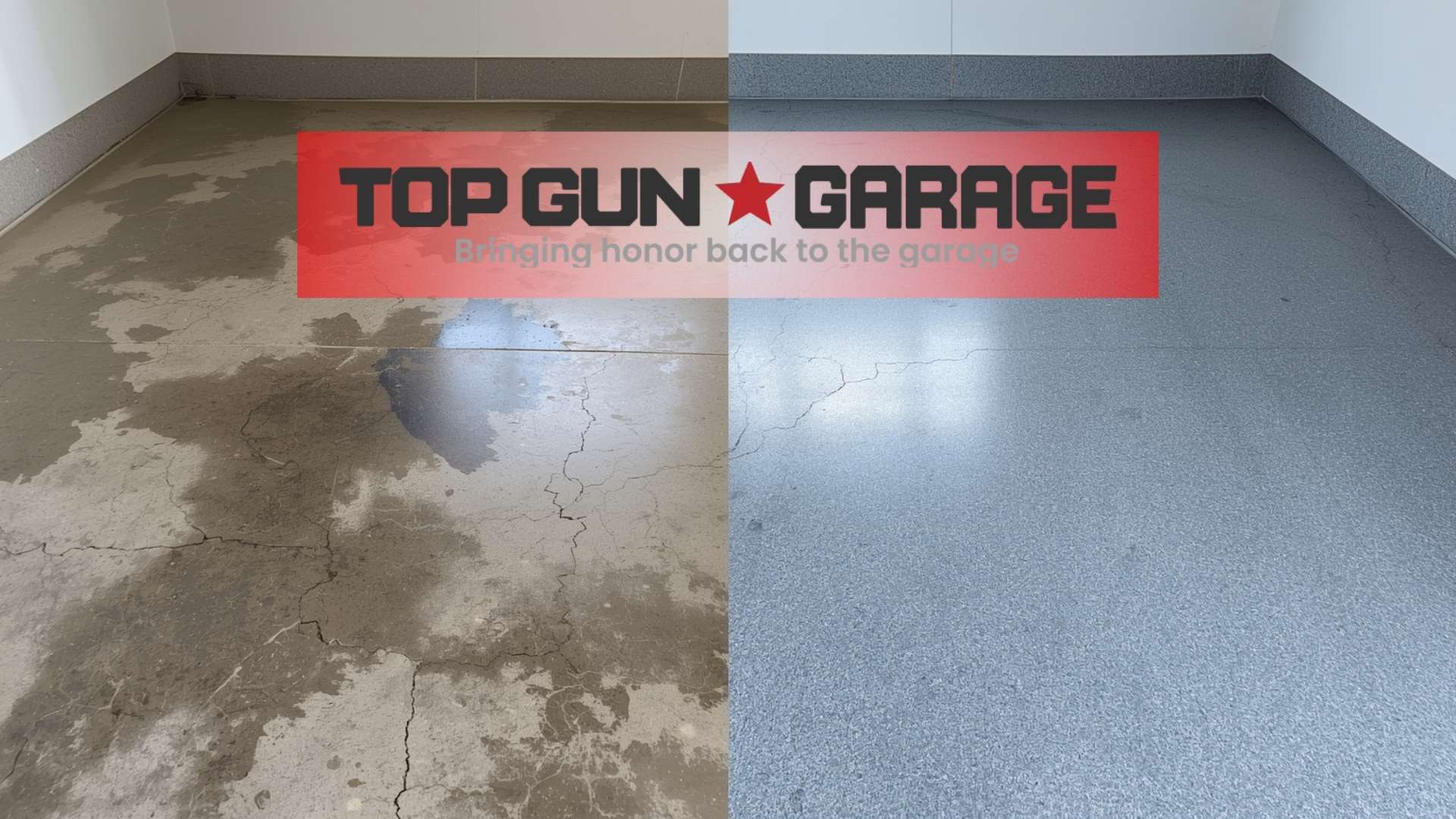
DIY project costs include materials ($300-$800), rental equipment ($200-$400), wasted time (20-40 hours), and high failure risk (40-60% within three years). When DIY installations fail, homeowners pay professional contractors premium rates to remove failed coatings adding $800-$1,500 to total project costs. Starting with professional installation eliminates this risk, saves time, and provides warranty protection worth thousands in potential repair costs.
Quality materials cost 30-50% more than big-box DIY kits but deliver exponentially better performance. Professional-grade polyurea or polyaspartic systems costing $4-$6 per square foot installed last 10-15 years with proper maintenance. DIY epoxy kits costing $1-$2 per square foot typically fail within 3-5 years, requiring multiple recoating cycles over the same timeframe. The long-term value calculation consistently favors quality professional installation over repeated budget attempts.
Frequently Asked Questions
What causes most garage floor coating failures in Lee County? Moisture vapor transmission causes 58-67% of Lee County coating failures, followed by inadequate surface preparation at 42%. Florida’s high humidity and hot concrete create vapor pressure that delaminates coatings lacking proper moisture barriers and preparation.
How much does it cost to fix a failed garage floor coating? Complete removal and reinstallation costs $3,000-$5,000 for standard two-car garages in Lee County. Spot repairs cost $500-$1,200 depending on damage extent. Prevention through proper initial installation costs less than fixing failures.
Can I install garage floor coating myself in Lee County? DIY installations face 40-60% failure rates within three years due to inadequate equipment, moisture management challenges, and Florida climate complexities. Professional installation ensures proper moisture testing, surface preparation, and climate-appropriate materials with warranty protection.
How long should garage floor coating last in Southwest Florida? Professional polyurea or polyaspartic installations last 10-15 years with proper maintenance. Standard epoxy lasts 3-5 years. DIY installations typically fail within 2-4 years. Florida climate significantly reduces coating lifespan compared to moderate climates.
What’s the best garage floor coating for Lee County humidity? Polyurea or polyaspartic systems with moisture vapor barriers perform best in Lee County. These flexible coatings resist moisture transmission, UV degradation, and hot tire pickup better than standard epoxy while accommodating concrete movement.
How do I know if my contractor is qualified? Verify active Florida contractor license through DBPR, confirm insurance coverage with certificates, check minimum 5-7 references from recent projects, review online ratings across multiple platforms, and ensure 75%+ business focus on floor coatings.
When should I remove and replace failed coating? Remove coating when bubbling covers 30%+ of surface, multiple lifting areas appear, persistent moisture seeps through repairs, or structural concrete damage exists. Early intervention prevents substrate damage requiring expensive concrete repair.
What maintenance does garage floor coating need? Sweep regularly, mop with pH-neutral cleaners, immediately clean spills, avoid harsh chemicals and power washing, and reseal UV topcoats every 3-5 years. Proper maintenance extends coating life 5-10 years beyond neglected floors.
How long does professional installation take? Professional Lee County installations require 2-3 days: Day 1 surface preparation (6-8 hours), Day 2 coating application (4-6 hours), Day 3 topcoat and cure time. Same-day polyurea systems complete in 8-12 hours total.
Should I choose epoxy or polyurea coating? Polyurea outperforms epoxy in Lee County climate superior moisture resistance, heat tolerance preventing hot tire pickup, UV stability, and same-day installation. Costs 30-50% more upfront but lasts 2-3 times longer than epoxy.
Conclusion
Lee County garage floor coating mistakes cost homeowners thousands in repairs, wasted time, and frustration yet every error is preventable with proper knowledge and qualified contractors. From moisture testing and surface preparation to material selection and contractor vetting, each step protects your investment and ensures long-lasting results that withstand Southwest Florida’s demanding climate. The difference between successful 15-year installations and 18-month failures comes down to understanding these critical mistakes and choosing quality over convenience. Professional contractors who specialize in Florida installations bring the expertise, materials, and techniques that transform garage floors into durable, attractive assets rather than expensive maintenance burdens.
Top Gun Garage specializes in Southwest Florida installations with comprehensive moisture testing, proper surface preparation, and climate-specific coating systems backed by 15-year warranties. Serving Fort Myers, Cape Coral, Bonita Springs, and Estero, we bring 15+ years of local expertise to every project. Contact us today for a detailed consultation and discover why Lee County homeowners trust our commitment to quality, transparency, and installations that last.