 Skip to content





Waterfront homes in Gulf Harbour face unique challenges that standard garage flooring simply cannot handle. Salt air, persistent humidity, and hurricane season moisture create conditions that demand industrial-grade protection for your concrete surfaces. Professional epoxy floor coatings transform vulnerable bare concrete into resilient, attractive spaces that withstand coastal Florida’s demanding environment while adding measurable value to your property.
- Epoxy coatings provide 98% moisture resistance compared to untreated concrete’s 100% porosity
- Professional installation extends floor lifespan to 15-20 years with proper maintenance
- Waterfront properties require salt-resistant formulations specifically designed for coastal environments
- Proper surface preparation accounts for 60-70% of installation success
- Modern epoxy systems reduce allergens, resist mold, and withstand hurricane debris impact
- Property values in Gulf Harbour communities increase 3-5% with upgraded garage flooring
- Seasonal maintenance routines can extend coating life by 40% beyond standard expectations
Why Gulf Harbour Garages Need Superior Floor Protection
Gulf Harbour’s proximity to the Caloosahatchee River and Gulf of Mexico creates an environment where corrosion and moisture damage accelerate rapidly. According to the National Association of Corrosion Engineers, coastal properties experience corrosion rates up to 10 times higher than inland locations. Your garage floor bears the brunt of this assault daily—tracking in salt residue from vehicles, absorbing humidity through seasonal temperature swings, and enduring the occasional flooding that accompanies tropical weather systems.
Untreated concrete floors in this environment typically show visible degradation within 3-5 years of installation. Surface pitting, efflorescence (white mineral deposits), and structural cracks develop as moisture penetrates the porous surface. Beyond aesthetics, these damaged floors create safety hazards, harbor allergens, and diminish your property’s overall appeal. Homeowners in communities like Gulf Harbour understand that their garage serves as a primary entry point, a workshop space, and often a storage area for valuable equipment—making floor quality essential rather than optional.
Understanding Resinous Garage Floor Coatings
Industrial epoxy flooring systems consist of multiple components that work together to create a seamless protective membrane over your concrete substrate. The primary material, epoxy resin, is combined with hardeners to initiate a chemical reaction that transforms liquid compounds into a rigid, durable surface. Unlike paint or sealers that merely coat the surface, epoxy chemically bonds with the concrete, creating a connection that resists peeling, chipping, and delamination.
Modern epoxy formulations for coastal applications include corrosion-inhibiting additives and UV-stable topcoats that prevent yellowing from sun exposure. The Environmental Protection Agency has documented that properly installed epoxy systems reduce volatile organic compound (VOC) emissions during application by up to 85% compared to older solvent-based products. Water-based epoxy systems, which have become industry standard, offer excellent adhesion properties while meeting contemporary environmental regulations.
A complete epoxy system typically includes a primer layer that penetrates the concrete surface, one or more base coats that build thickness, decorative elements like colored flakes or metallic pigments, and a clear topcoat that provides chemical resistance and gloss retention. Each layer serves a specific function: the primer ensures bonding, base coats create thickness and impact resistance, decorative layers hide substrate imperfections, and topcoats protect against abrasion and chemical staining.
Critical Benefits for Waterfront Property Owners
Salt resistance represents the most critical performance requirement for Gulf Harbour garage floors. Standard epoxy formulations may degrade rapidly when exposed to chlorides tracked in from vehicles or carried through coastal humidity. Premium systems designed for marine environments incorporate proprietary salt-blocking additives that create an impermeable barrier between your concrete and corrosive elements. Research from the Concrete Network indicates that properly formulated epoxy coatings reduce chloride ion penetration by 95% compared to untreated concrete.
Mold and mildew resistance provides health benefits that extend beyond floor durability. Florida’s warm, humid climate creates ideal conditions for fungal growth in porous materials. Epoxy’s seamless surface eliminates the cracks and crevices where mold spores establish colonies, while antimicrobial additives in premium formulations provide additional protection. For homeowners with allergies or respiratory conditions, this feature significantly improves garage air quality during seasonal use.
Impact resistance becomes essential in hurricane-prone regions where debris becomes a genuine threat to property. Tested epoxy systems withstand impacts from dropped tools, moving equipment, and storm debris without cracking or chipping. This durability proves particularly valuable for homeowners who use their garages as workshops or storage for vehicles, golf carts, and outdoor equipment that requires protection from both weather and accidental damage.
Climate Considerations for Fort Myers Installation
Fort Myers experiences average relative humidity levels of 75-85% throughout the year, with summer months regularly exceeding 90%. This persistent moisture creates specific challenges during epoxy installation that experienced contractors understand and address. Temperature fluctuations between day and night affect cure times, while humidity levels influence how the epoxy bonds to concrete substrates. Professional installers monitor these conditions carefully, scheduling work during optimal windows that typically occur between October and April.
Moisture vapor transmission testing should precede any epoxy installation in waterfront properties. Concrete slabs in Gulf Harbour often sit above grade level, but groundwater pressure can still force moisture through the slab from below. This phenomenon, known as vapor drive, causes epoxy delamination when moisture accumulates beneath the coating. Professional contractors use calibrated calcium chloride testing to measure vapor emission rates and recommend appropriate mitigation strategies when readings exceed manufacturer specifications.
Summer heat presents different challenges, as temperatures in unconditioned garages can exceed 100°F during peak afternoon hours. Epoxy pot life shortens dramatically in heat, making proper timing and crew coordination essential for successful application. Experienced installers schedule work for early morning hours when garage temperatures remain moderate, ensuring adequate working time before material cure accelerates.
Design Options That Complement Gulf Harbour Homes
Contemporary epoxy systems offer design flexibility that satisfies even the most discerning homeowners. Solid color systems provide clean, modern aesthetics that complement contemporary architecture common in Gulf Harbour’s waterfront developments. These formulations offer excellent UV stability, maintaining color integrity despite years of sun exposure through open garage doors.
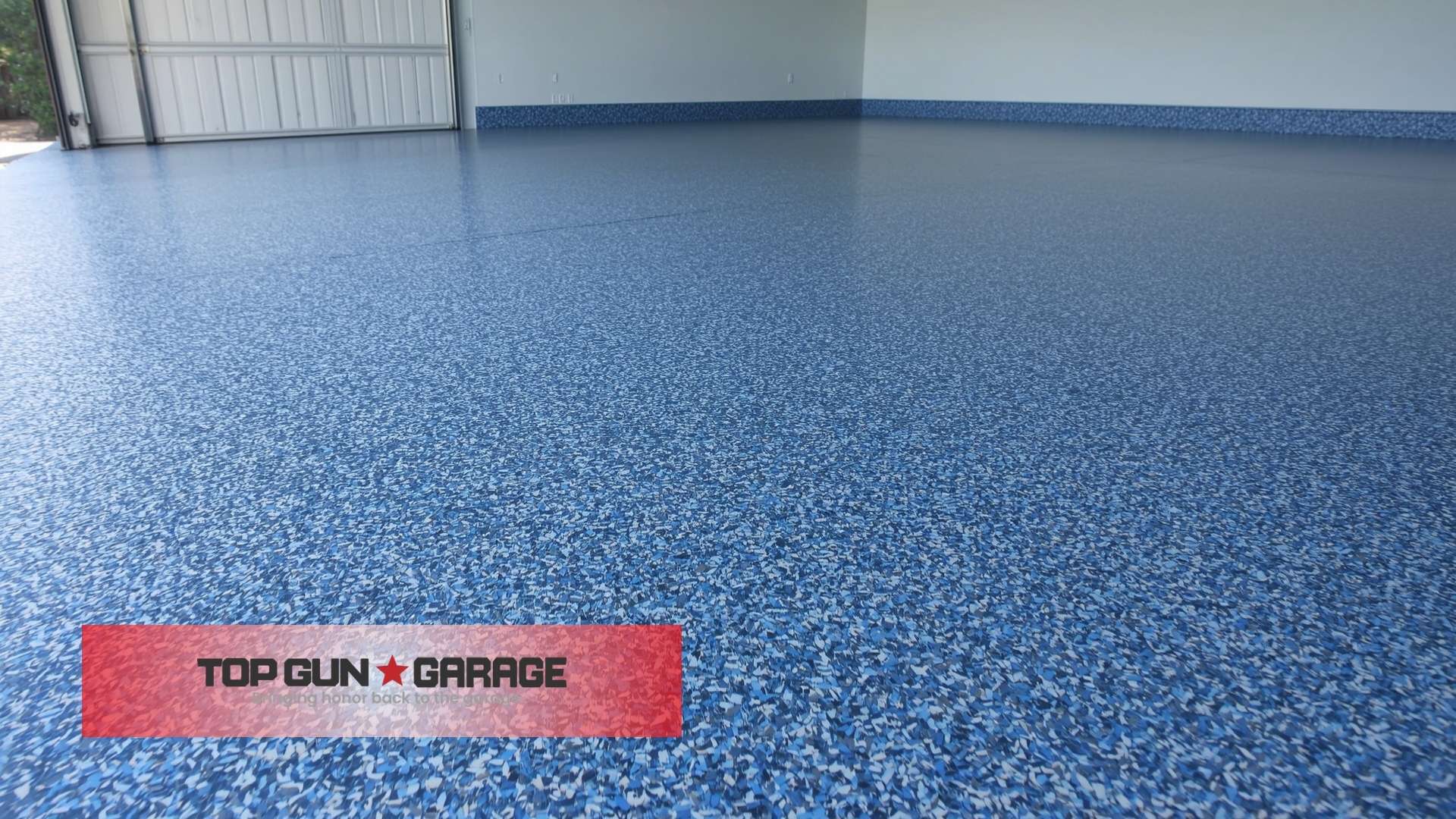
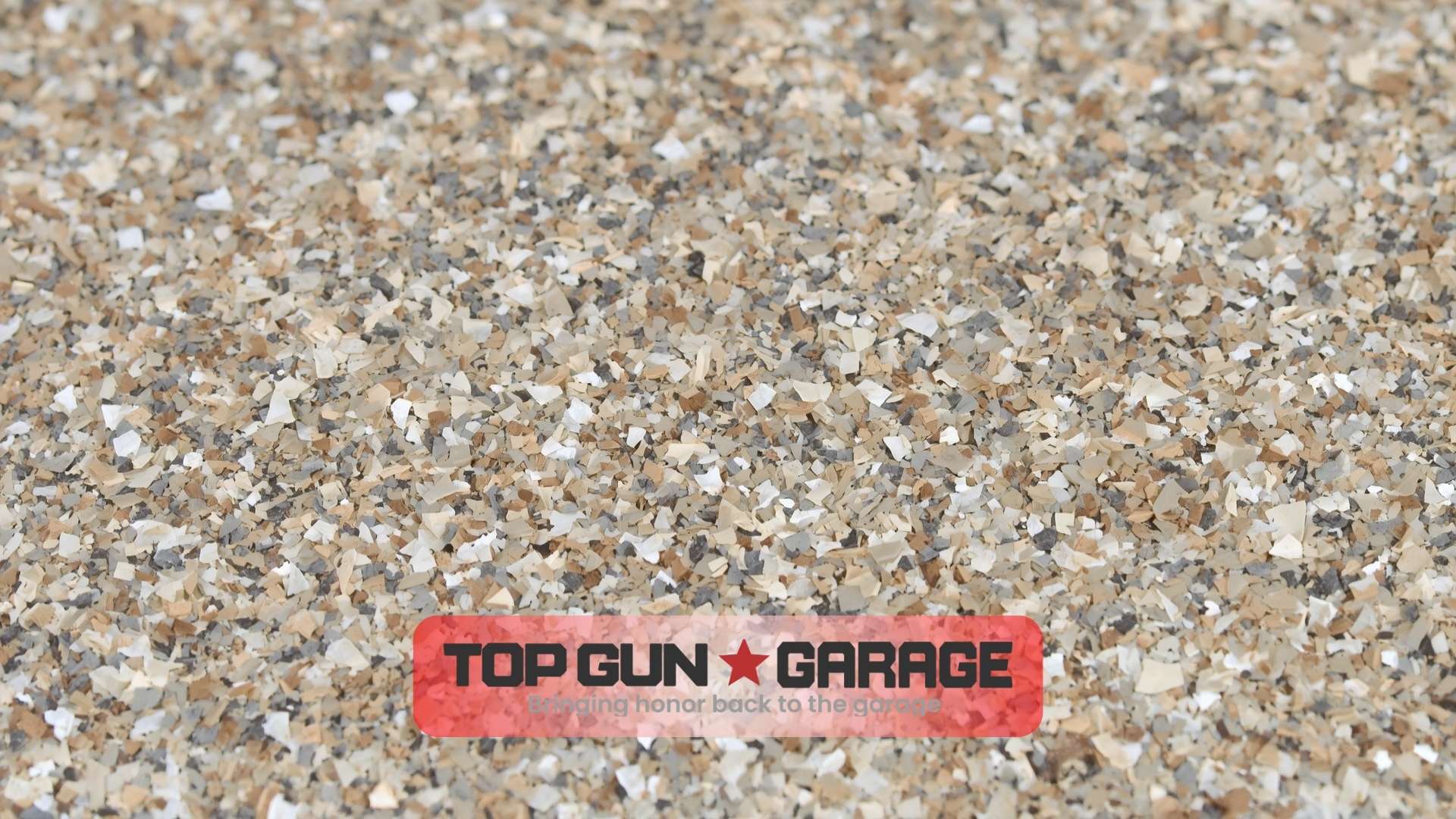
Decorative flake systems remain the most popular choice for residential garages, combining visual appeal with practical benefits. Colored vinyl flakes broadcast across wet epoxy create depth and texture while concealing substrate imperfections and daily wear patterns. Flake density ranges from light coverage (25% surface area) to full coverage (75%+), with heavier applications providing enhanced slip resistance and durability. Popular color palettes in Gulf Harbour include coastal blues, sandy beiges, and neutral grays that complement waterfront architecture.
Metallic epoxy systems offer distinctive visual effects that transform garages into showpiece spaces. Pearlescent pigments mixed into epoxy create swirling, three-dimensional patterns that shift with viewing angle and lighting conditions. While more expensive than flake systems, metallic finishes provide conversation-worthy aesthetics that set homes apart in communities where garage appearance influences overall property impression.
| System Type | Durability Rating | Salt Resistance | Typical Lifespan | Best For |
|---|---|---|---|---|
| Standard Epoxy | Moderate | Basic Protection | 5-8 years | Budget-conscious homeowners |
| Premium Coastal | High | Enhanced Protection | 10-15 years | Waterfront properties |
| Industrial Polyaspartic | Exceptional | Maximum Resistance | 15-20 years | Maximum durability needs |
| Metallic Finish | Moderate-High | Varies by base | 8-12 years | Design-focused spaces |
The Professional Installation Process
Successful epoxy installation begins with comprehensive surface preparation, a step that determines 60-70% of long-term performance outcomes. Professional contractors employ mechanical grinding methods that profile the concrete surface to appropriate roughness levels, ensuring mechanical bonding between epoxy and substrate. This process removes existing coatings, stains, and surface contaminants while opening concrete pores for improved adhesion.
Crack repair and joint treatment follow surface preparation. All cracks exceeding hairline width receive injection treatment or patching with epoxy filler compounds. Control joints and expansion joints are addressed with flexible materials that accommodate movement while preventing epoxy bridging across joints where future cracking might occur. This attention to detail distinguishes professional installation from budget alternatives that simply coat over damaged surfaces.
Primer application creates the foundation for subsequent layers. Premium primers include moisture mitigation properties that address minor vapor drive issues without extensive remediation. The primer penetrates concrete pores, sealing them while providing a consistent surface for base coat application. Cure times between layers vary based on temperature and humidity, with professional installers using moisture meters to verify acceptable conditions before proceeding.
Step-by-Step Installation Timeline
- Initial Assessment (Day 1): Moisture testing, surface evaluation, and scope documentation
- Surface Preparation (Day 1-2): Mechanical grinding, crack repair, and debris removal
- Primer Application (Day 2): Primer installation and initial cure period
- Base Coat Installation (Day 3): First base coat application and flake broadcast
- Excess Flake Removal (Day 4): Sweeping and vacuuming loose flake material
- Topcoat Application (Day 4-5): Clear coat installation and final cure
- Quality Inspection (Day 6): Final walkthrough and documentation
Protecting Your Investment: Maintenance Best Practices
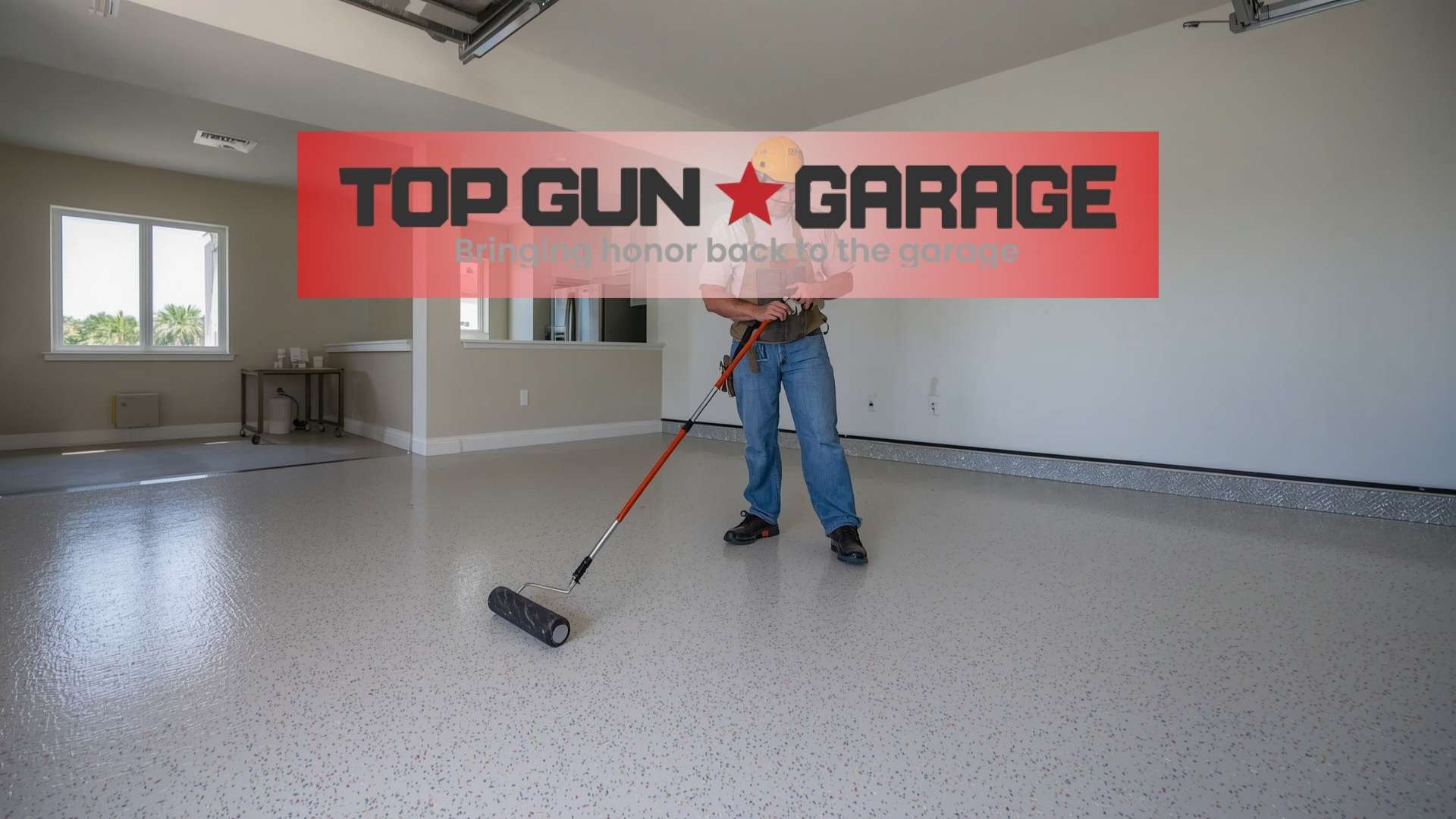
Regular maintenance extends epoxy floor lifespan significantly, with documented cases showing 40% longer service life for consistently maintained surfaces. Daily maintenance requires only dust mopping or soft-bristle sweeping to remove abrasive particles that accumulate from vehicle traffic and general use. Weekly cleaning with pH-neutral cleaners removes accumulated grime without damaging the topcoat’s chemical resistance.
Spill management remains straightforward with epoxy surfaces, as the seamless membrane prevents liquid penetration into concrete substrates. However, immediate cleanup of petroleum products, solvents, and harsh chemicals preserves topcoat integrity. While epoxy demonstrates excellent chemical resistance, prolonged exposure to aggressive compounds eventually compromises surface appearance and performance characteristics.
Annual inspection identifies potential issues before they escalate into costly repairs. Check for any areas where the coating has worn thin, particularly in high-traffic zones near garage entries. Address any chips or scratches promptly with touch-up compounds to prevent moisture infiltration beneath the coating edges. Professional maintenance services can recoat high-wear areas economically, restoring protection without complete system replacement.
Avoiding Common Installation Mistakes
Inadequate surface preparation ranks as the leading cause of epoxy failure in coastal environments. DIY installations and budget contractors often skip critical preparation steps, resulting in delamination within months of installation. Moisture beneath the coating creates hydrostatic pressure that lifts the epoxy from concrete, while inadequate profiling prevents proper mechanical bonding. Always verify that contractors use mechanical grinding rather than chemical etching, which proves ineffective on contaminated or sealed surfaces.
Moisture vapor issues frequently cause failures that homeowners don’t recognize until problems become severe. Testing should occur regardless of concrete age or apparent dryness. Newer construction methods sometimes incorporate concrete with higher initial moisture content, while older slabs may have accumulated moisture over decades. Professional installers include moisture testing in their standard scope, recommending mitigation when readings exceed safe thresholds.
Temperature and humidity monitoring during installation directly affects cure quality and long-term performance. Epoxy requires specific temperature ranges (typically 60-85°F) for proper curing, with humidity below 85% for most formulations. Rushing installation during suboptimal conditions compromises cross-link density in the cured epoxy, resulting in softer surfaces that scratch and wear prematurely. Reputable contractors track these conditions throughout installation, adjusting schedules when environmental factors fall outside acceptable ranges.
Understanding Cost Considerations
Epoxy garage floor coating costs in Gulf Harbour range from $3.50 to $12.00 per square foot depending on system complexity, surface preparation requirements, and decorative options selected. Standard systems with solid colors fall at the lower end, while metallic finishes and heavy flake coverage command premium pricing. Surface preparation costs vary based on existing floor condition, with heavily contaminated or damaged concrete requiring additional remediation.
When evaluating quotes, distinguish between material costs, labor charges, and preparation requirements. Budget options often exclude necessary repairs or use inferior materials that fail prematurely in coastal conditions. The HomeAdvisor platform reports that professional epoxy garage floors average $6-9 per square foot including surface preparation and quality materials. While initial investment exceeds DIY alternatives, professional installation provides documented warranties and proven coastal performance.
Long-term value analysis supports professional installation despite higher upfront costs. Epoxy floors that fail within 2-3 years require complete removal and reinstallation, doubling total expenditure while creating inconvenience and disposal costs. Quality systems installed professionally typically last 15-20 years with routine maintenance, providing superior return on investment compared to cheaper alternatives that require premature replacement.
Frequently Asked Questions
How long does epoxy floor installation take in Gulf Harbour?
Professional epoxy installation typically requires 4-6 days from initial assessment through final cure. Surface preparation takes 1-2 days, while application and curing of multiple layers requires another 3-4 days. Weather conditions can extend timelines, particularly during summer months when humidity and temperature fluctuations affect cure times.
Can epoxy flooring withstand hurricane debris impact?
Quality epoxy systems demonstrate excellent impact resistance against debris impacts common during tropical storms. While severe impacts may cause localized damage, the flexible nature of properly cured epoxy absorbs energy without shattering. Polyaspartic topcoats provide enhanced impact resistance for properties in high-risk zones.
Will salt air damage my epoxy floor over time?
Premium epoxy formulations designed for coastal environments include salt-resistant properties that prevent degradation from chloride exposure. Standard formulations may show accelerated wear in salt-rich environments, making product selection critical for Gulf Harbour applications. Always verify that your contractor specifies marine-grade systems.
How do I know if my concrete has moisture problems?
Professional moisture testing using calcium chloride or relative humidity probes provides accurate assessment of vapor transmission rates. Visual indicators include efflorescence (white mineral deposits), dark discoloration suggesting trapped moisture, or existing coating failures. Request testing documentation before any epoxy installation.
What maintenance is required for epoxy garage floors?
Daily dust mopping, weekly cleaning with pH-neutral cleaners, and annual professional inspection maintain epoxy performance. Address any chips or scratches promptly with touch-up compounds. Avoid harsh chemicals and petroleum products that may compromise topcoat integrity with prolonged exposure.
Can epoxy be installed over existing coatings?
Existing coatings must be completely removed through mechanical grinding before new epoxy installation. Layering over incompatible coatings causes delamination as the new system fails to bond properly with the substrate. Surface profiling to appropriate roughness levels requires complete removal of existing materials.
Does epoxy flooring increase property value?
Real estate professionals report that upgraded garage flooring provides measurable value increase, particularly in waterfront communities where garage condition influences overall property impression. Studies indicate 3-5% value increase for homes with professional epoxy flooring compared to untreated concrete surfaces.
What warranty should I expect from professional installation?
Reputable contractors provide warranties ranging from 1 year to 15 years depending on system selected and contractor confidence. Warranties should cover delamination, bubbling, and significant wear-through. Verify that warranty terms include maintenance requirements and proper care guidelines.
Conclusion
Your Gulf Harbour garage deserves flooring that matches the quality and protection your waterfront home provides. Professional epoxy coatings deliver lasting performance against salt air, humidity, and the demanding conditions unique to coastal living in Fort Myers. Beyond practical protection, modern epoxy systems enhance your home’s visual appeal while reducing maintenance requirements and extending the usable life of your garage space.
Investing in professional installation ensures proper surface preparation, appropriate product selection for coastal environments, and documented warranty coverage that protects your investment. The difference between quality epoxy and inferior alternatives becomes apparent within years of installation, making contractor selection the most important decision in your flooring project.
Ready to transform your Gulf Harbour garage with flooring that withstands coastal conditions? Schedule a consultation with our experienced team to discuss your specific requirements, receive detailed quotes, and learn about financing options that fit your budget. Professional installation today means decades of worry-free performance tomorrow.
References
- National Association of Corrosion Engineers – Coastal corrosion rate documentation
- Environmental Protection Agency – VOC emission standards for epoxy coatings
- Concrete Network – Chloride ion penetration resistance data
- HomeAdvisor – Professional epoxy flooring cost benchmarks
- International Association of Certified Home Inspectors – Concrete moisture testing standards