



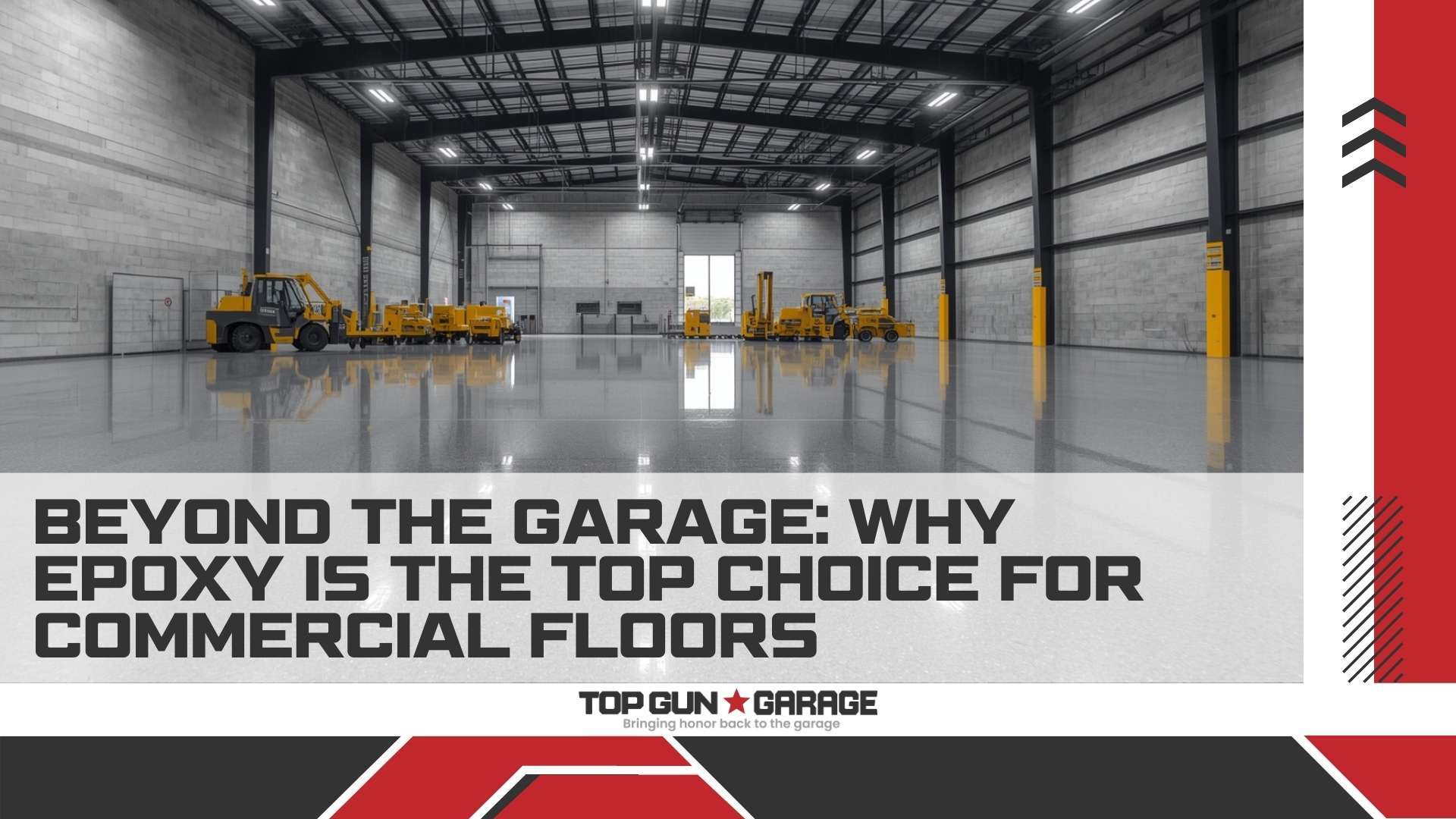
When it comes to commercial flooring solutions, businesses across industries are increasingly turning to epoxy flooring for commercial spaces as their go-to choice. From manufacturing facilities to retail establishments, the demand for durable, cost-effective, and aesthetically pleasing flooring has never been higher. Epoxy flooring commercial use has expanded dramatically over the past decade, and for good reason – this versatile solution offers unmatched performance characteristics that traditional flooring materials simply cannot match.
The evolution of commercial flooring needs has pushed property managers, facility directors, and business owners to seek solutions that can withstand heavy traffic, resist chemical spills, maintain their appearance over time, and provide long-term value. Traditional flooring options like vinyl composite tile, carpet, or basic concrete often fall short when faced with the demanding requirements of modern commercial environments. This is where epoxy flooring steps in as a game-changing solution.
Commercial spaces present unique challenges that residential applications rarely encounter. High foot traffic, heavy equipment movement, potential chemical exposure, and the need for easy maintenance create a perfect storm of requirements that few flooring materials can handle effectively. Epoxy flooring for commercial spaces addresses each of these challenges while providing additional benefits that make it an intelligent investment for forward-thinking businesses.
The versatility of epoxy extends far beyond its physical properties. Modern epoxy systems can be customized to meet specific aesthetic requirements, incorporate safety features like slip resistance, and even include decorative elements that enhance the overall appearance of commercial spaces. This combination of form and function has made epoxy flooring commercial use a standard consideration in new construction and renovation projects alike.
Key Takeaways
Superior Durability: Epoxy flooring for commercial spaces offers exceptional resistance to wear, impact, and chemical damage, making it ideal for high-traffic environments where traditional flooring fails prematurely.
Cost-Effective Investment: While initial installation costs may be higher than basic alternatives, the long-term value proposition of epoxy flooring commercial use includes reduced maintenance costs, extended lifespan, and minimal replacement needs.
Versatile Applications: From automotive service centers to food processing facilities, epoxy adapts to diverse commercial requirements with customizable properties including chemical resistance, slip resistance, and decorative options.
Easy Maintenance: The seamless, non-porous surface of epoxy flooring eliminates grout lines and crevices where dirt and bacteria can accumulate, making cleaning and sanitization straightforward and effective.
Safety Enhancement: Properly installed epoxy systems can incorporate safety features such as non-slip additives, color-coded zones for traffic flow, and high-visibility markings for equipment areas.
Environmental Benefits: Modern epoxy formulations often include low-VOC options and contribute to sustainable building practices through their longevity and reduced need for replacement materials.
Quick Installation: Professional epoxy installation can often be completed with minimal business disruption, allowing commercial operations to resume quickly compared to traditional flooring renovations.
Professional Appearance: The sleek, modern appearance of epoxy flooring enhances the professional image of commercial spaces while providing practical benefits that support business operations.
Understanding Commercial Epoxy Flooring Systems
Commercial epoxy flooring represents a significant advancement in industrial and commercial surface technology. Unlike residential applications, epoxy flooring for commercial spaces must meet stringent performance standards that account for heavy machinery, constant foot traffic, and potential exposure to harsh chemicals or extreme temperature variations. The science behind commercial-grade epoxy involves sophisticated polymer chemistry that creates a cross-linked network of molecules, resulting in a surface that is significantly harder and more durable than the concrete substrate beneath it.
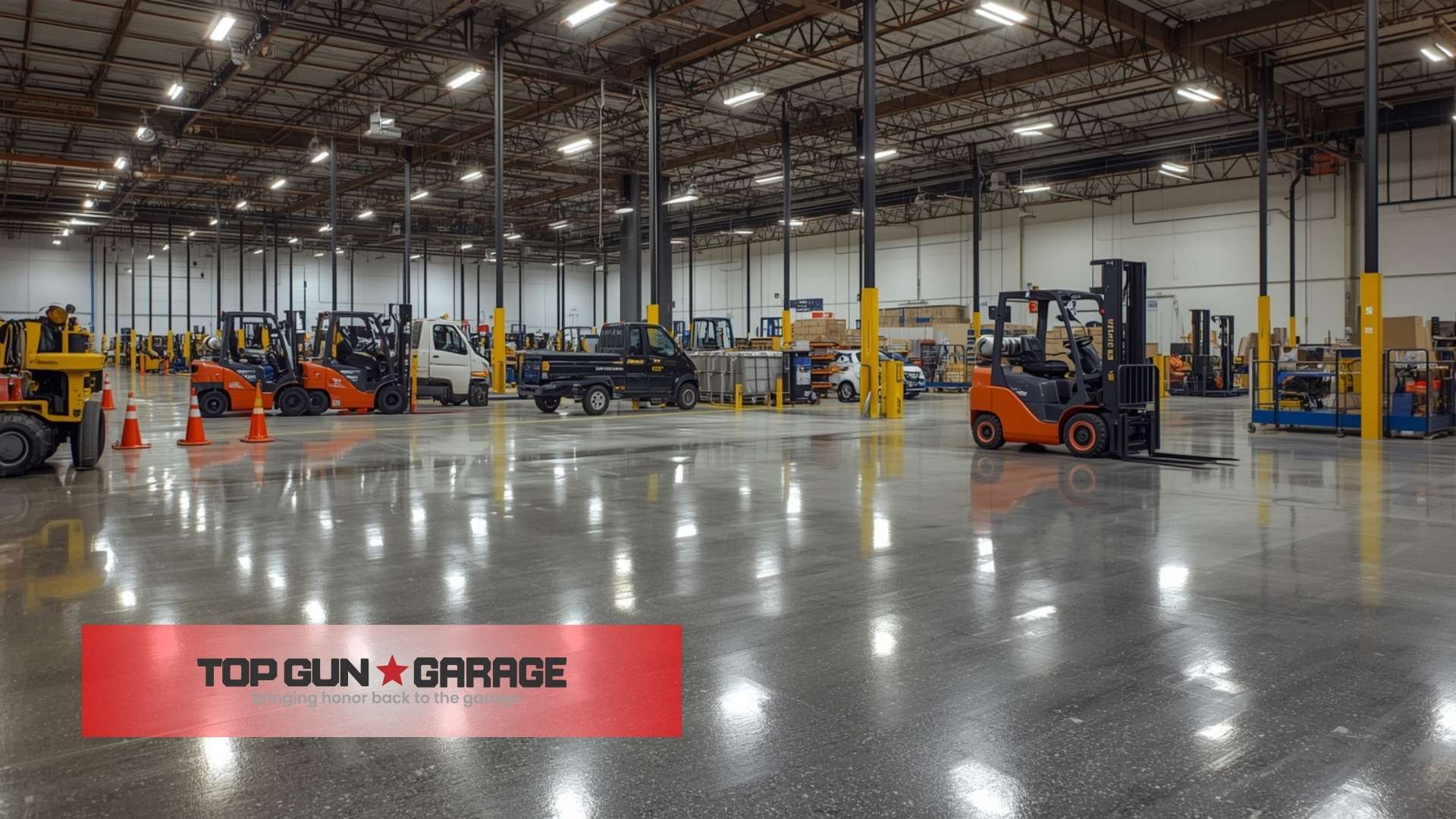
The application process for commercial epoxy systems differs substantially from simple garage floor coatings. Professional-grade installations typically involve multiple layers, including primer coats, base coats, and topcoats, each formulated for specific performance characteristics. Surface preparation is critical in commercial applications, often requiring diamond grinding or shot blasting to achieve the proper concrete surface profile necessary for optimal adhesion. This preparation phase ensures that the epoxy flooring commercial use will deliver the expected performance over its intended lifespan.
Modern commercial epoxy systems can be engineered to meet specific industry requirements. Food service facilities may require FDA-compliant formulations with antimicrobial properties, while manufacturing environments might need systems that can withstand forklift traffic and chemical spills. The ability to customize epoxy formulations makes it possible to create flooring solutions that not only meet but exceed the performance requirements of virtually any commercial application.
Durability and Performance in High-Traffic Environments
The exceptional durability of epoxy flooring for commercial spaces stems from its unique molecular structure and application methodology. When properly installed, commercial epoxy creates a monolithic surface that distributes loads evenly across the substrate, preventing the point loading that can cause cracking or failure in traditional flooring materials. This characteristic makes epoxy particularly well-suited for environments where heavy equipment, pallet jacks, and constant foot traffic are the norm rather than the exception.
Abrasion resistance is a critical factor in commercial flooring performance, and epoxy systems consistently outperform alternatives in standardized wear testing. The hardness of cured epoxy, typically measuring between 80-90 on the Shore D scale, provides resistance to scratching and gouging that would quickly damage vinyl, tile, or painted concrete surfaces. This durability translates directly into reduced maintenance costs and extended service life, making epoxy flooring commercial use an economically sound decision for budget-conscious facility managers.
Impact resistance is another area where commercial epoxy excels. The flexible nature of properly formulated epoxy allows it to absorb and distribute impact energy without cracking or chipping. This property is particularly valuable in warehouse environments where dropped tools, equipment, or materials could cause significant damage to brittle flooring materials. The self-leveling properties of epoxy also eliminate many of the weak points and stress concentrators that plague traditional flooring systems with multiple seams and joints.
Chemical resistance varies depending on the specific epoxy formulation, but commercial-grade systems can be engineered to withstand exposure to oils, solvents, acids, and alkalis that would quickly destroy other flooring materials. This chemical resistance is not just about preventing staining – it’s about maintaining structural integrity and preventing the substrate damage that can result from chemical penetration through inferior flooring systems. OSHA guidelines emphasize chemical-resistant flooring for workplace safety.
Cost-Effectiveness and Long-Term Value
While the initial investment in epoxy flooring for commercial spaces may appear higher than basic alternatives, a comprehensive cost analysis reveals significant long-term savings that make epoxy the most economical choice for most commercial applications. The total cost of ownership calculation must include not only installation costs but also maintenance expenses, replacement frequency, and operational impacts such as downtime for repairs or refinishing.
Traditional commercial flooring materials often require regular replacement or significant maintenance interventions. Vinyl composite tile may need replacement every 5-7 years in high-traffic areas, while painted concrete requires recoating every 2-3 years to maintain appearance and protection. In contrast, properly installed epoxy flooring commercial use typically provides 15-20 years of service life with minimal maintenance requirements. This extended service life dramatically reduces the annualized cost of flooring ownership.
Maintenance cost savings represent another significant economic advantage of commercial epoxy flooring. The seamless, non-porous surface eliminates the need for specialized cleaning products or procedures required by porous materials. Standard commercial cleaning equipment and protocols are sufficient to maintain epoxy floors, reducing both labor costs and chemical expenses. The resistance to staining and chemical damage also eliminates the costs associated with spot repairs or premature replacement due to damage.
Energy efficiency considerations add another dimension to the cost-effectiveness equation. The high-gloss finish typical of epoxy flooring can improve light reflectivity in commercial spaces by 200-300% compared to bare concrete. This improved light reflection can reduce artificial lighting requirements, particularly in warehouse and manufacturing environments where ceiling-mounted fixtures provide primary illumination. The cumulative energy savings over the life of the flooring system can represent substantial operational cost reductions.
Insurance and liability considerations also factor into the total cost equation. The slip-resistant properties available in textured epoxy systems can reduce the risk of workplace accidents, potentially lowering workers’ compensation premiums and reducing liability exposure. The easy-to-clean surface also supports better hygiene standards, which can be particularly important in food service or healthcare applications where regulatory compliance carries financial implications.
Versatility Across Commercial Applications
The adaptability of epoxy flooring for commercial spaces extends across virtually every industry and application type. Manufacturing facilities benefit from epoxy’s ability to withstand chemical spills, heavy machinery, and thermal cycling while providing a surface that can be easily cleaned and maintained. The seamless nature of epoxy eliminates the cracks and joints where debris can accumulate, supporting lean manufacturing principles and maintaining clean work environments essential for quality control.
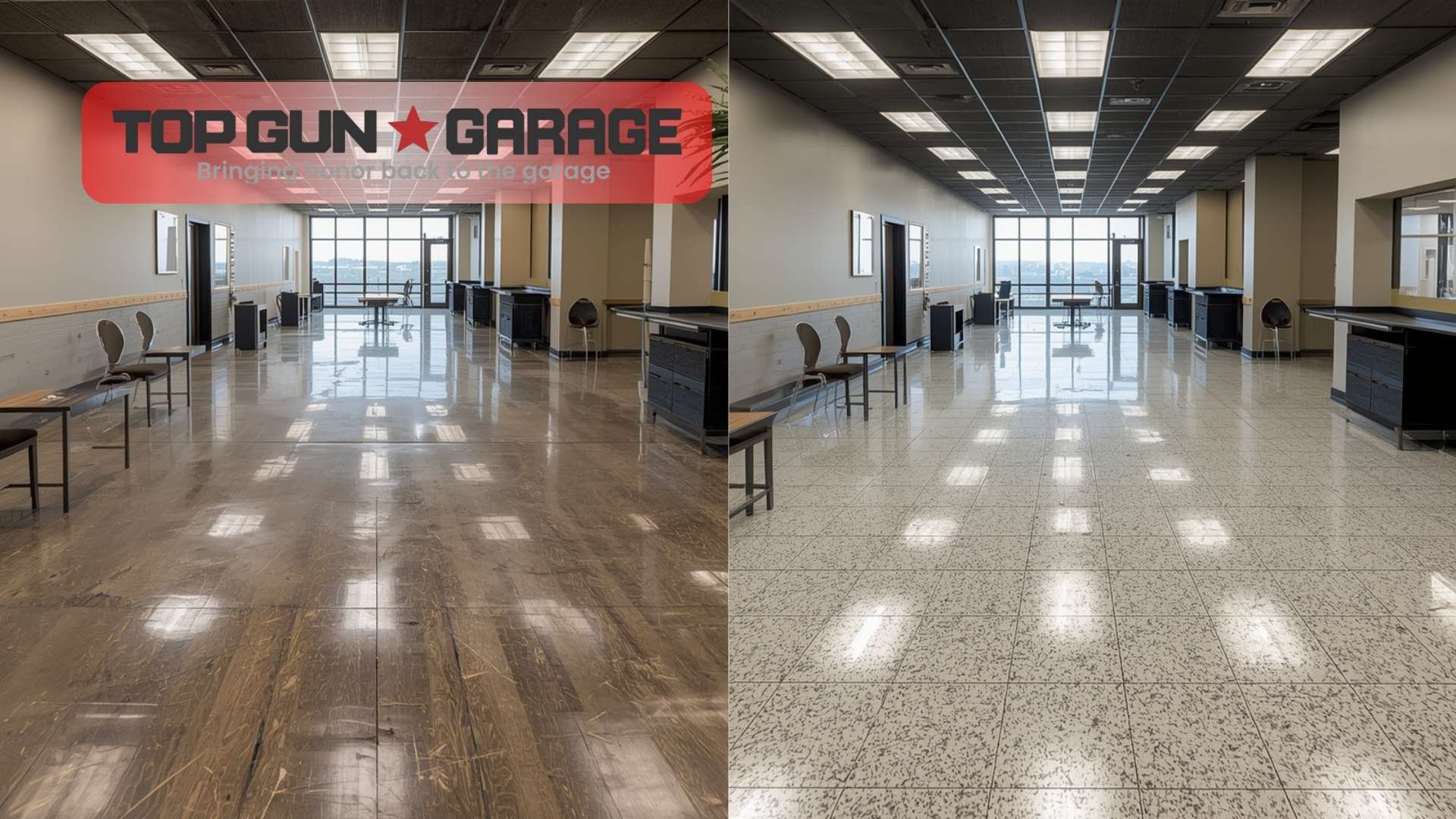
Retail environments present different challenges, where appearance and customer experience are paramount. Decorative epoxy systems can incorporate logos, color schemes, and design elements that enhance brand identity while providing the durability needed for high foot traffic. The ability to create custom colors and patterns allows retailers to create unique environments that support their marketing objectives while benefiting from the practical advantages of epoxy flooring commercial use.
Healthcare facilities require flooring that meets stringent hygiene standards while withstanding constant cleaning with harsh disinfectants. Medical-grade epoxy formulations provide seamless surfaces that eliminate harboring areas for bacteria and pathogens. The chemical resistance of epoxy allows for aggressive cleaning protocols without degrading the flooring surface, supporting infection control objectives while maintaining an attractive appearance that contributes to patient comfort.
Food service and processing facilities face unique challenges combining hygiene requirements with the need to withstand temperature extremes, moisture, and food-grade cleaning chemicals. Specialized epoxy systems designed for these applications incorporate antimicrobial additives and provide the seamless, easy-to-sanitize surfaces required by health department regulations. The slip-resistant options available in epoxy systems also address safety concerns in environments where spills are common.
Automotive service facilities, like those served by Top Gun Garage, represent an ideal application for epoxy flooring. The combination of chemical resistance, easy cleanup, and professional appearance makes epoxy the preferred choice for service bays, customer areas, and parts storage zones. The ability to incorporate safety markings and color-coded zones enhances both functionality and safety in these dynamic work environments.
Installation Process and Professional Considerations
The installation of epoxy flooring for commercial spaces requires specialized knowledge, equipment, and experience that distinguish professional contractors from general flooring installers. Surface preparation represents the most critical phase of the installation process, as the long-term performance of the epoxy system depends entirely on achieving proper adhesion to the substrate. Commercial installations typically require mechanical preparation methods such as diamond grinding or shot blasting to achieve the concrete surface profile specified by the epoxy manufacturer.
Environmental conditions during installation significantly impact the quality and performance of commercial epoxy systems. Temperature, humidity, and air circulation must be carefully controlled to ensure proper curing and avoid defects such as blushing, poor adhesion, or surface irregularities. Professional contractors understand these requirements and have the equipment necessary to monitor and control environmental conditions throughout the installation process.
The complexity of commercial epoxy installations often requires coordination with other trades and careful scheduling to minimize business disruption. Professional contractors work with facility managers to develop installation schedules that accommodate operational requirements while ensuring optimal curing conditions. This coordination is particularly important in occupied facilities where dust control, ventilation, and access restrictions must be carefully managed.
Quality control during installation involves multiple checkpoints and testing procedures to verify that each layer meets specification requirements. Professional contractors use specialized tools to measure film thickness, check for proper cure, and verify that surface preparation meets the required standards. This systematic approach to quality control ensures that epoxy flooring commercial use will deliver the expected performance over its design life.
Post-installation support and warranty considerations are important factors in contractor selection. Reputable contractors provide comprehensive warranties that cover both materials and workmanship, along with maintenance guidelines that help facility managers optimize the performance and lifespan of their epoxy flooring investment. Companies like Top Gun Garage understand the importance of standing behind their work and maintaining long-term relationships with commercial clients.
Frequently Asked Questions
How long does commercial epoxy flooring last?
Properly installed epoxy flooring for commercial spaces typically lasts 15-20 years with normal maintenance. The actual lifespan depends on traffic levels, chemical exposure, and maintenance practices. High-traffic areas may require topcoat renewal every 7-10 years to maintain optimal appearance and performance.
Can epoxy flooring be installed over existing commercial flooring?
In most cases, existing flooring must be removed to ensure proper adhesion of the epoxy system. However, certain existing concrete surfaces can be prepared for direct epoxy application through mechanical preparation methods. A professional assessment is necessary to determine the best approach for each specific situation.
How quickly can a commercial space return to normal operations after epoxy installation?
Most commercial epoxy systems allow foot traffic within 24-48 hours and full operational use within 72-96 hours. However, cure times vary based on temperature, humidity, and specific product formulations. Professional contractors provide specific timelines based on actual installation conditions.
Is epoxy flooring slippery in commercial applications?
Standard epoxy can be slippery when wet, but commercial installations often incorporate slip-resistant additives or textured topcoats to enhance traction. The level of slip resistance can be customized based on specific application requirements and safety standards.
What maintenance is required for commercial epoxy floors?
Commercial epoxy floors require minimal maintenance – regular sweeping and occasional mopping with standard commercial cleaners. Avoid abrasive cleaning methods and use appropriate chemicals for specific spills. Professional maintenance programs can help optimize performance and appearance.
Can epoxy flooring be repaired if damaged?
Minor damage to epoxy flooring commercial use can often be repaired through spot repairs or topcoat renewal. Extensive damage may require removal and reinstallation of affected areas. The seamless nature of epoxy makes localized repairs less noticeable than with traditional flooring materials.
How does epoxy flooring perform in temperature extremes?
Commercial epoxy systems can be formulated to withstand specific temperature ranges, from freezer applications to heated manufacturing environments. Thermal shock resistance and expansion characteristics are important considerations in system selection and installation design.
What is the environmental impact of commercial epoxy flooring?
Modern epoxy formulations often feature low-VOC content and contribute to sustainable building practices through their longevity and reduced replacement needs. The easy maintenance requirements also reduce the environmental impact of cleaning chemicals and procedures over the flooring’s lifespan.
Conclusion
The compelling case for epoxy flooring for commercial spaces extends far beyond simple cost considerations to encompass performance, durability, versatility, and long-term value. As businesses continue to seek flooring solutions that can meet the demanding requirements of modern commercial environments, epoxy consistently emerges as the optimal choice across diverse industries and applications. The combination of exceptional durability, customizable properties, and cost-effectiveness makes epoxy flooring commercial use a strategic investment rather than merely a maintenance expense.
The evolution of epoxy technology continues to expand the possibilities for commercial applications. Advanced formulations address specific industry requirements while maintaining the core benefits that have made epoxy the preferred choice for facility managers and business owners. From manufacturing facilities requiring chemical resistance to retail spaces demanding aesthetic appeal, epoxy systems can be engineered to exceed performance expectations while providing the reliability that commercial operations demand.
Professional installation and proper maintenance are essential factors in realizing the full potential of commercial epoxy flooring systems. Working with experienced contractors who understand the complexities of commercial applications ensures that investments in epoxy flooring deliver the expected returns through extended service life and optimal performance. Companies like Top Gun Garage bring the expertise and commitment to quality that commercial clients need to make informed flooring decisions and achieve successful outcomes.
As commercial real estate continues to evolve and businesses seek competitive advantages through improved facility management, epoxy flooring represents a proven solution that addresses multiple operational objectives simultaneously. The decision to specify epoxy flooring for commercial spaces is ultimately an investment in operational efficiency, cost control, and long-term facility value that pays dividends throughout the building’s lifecycle.