 Skip to content




Collier County’s coastal location creates unique garage floor challenges that inspectors prioritize, including moisture vapor transmission through concrete slabs, salt-related deterioration, and coating failures from humidity exposure. Professional home inspectors examine both bare concrete and coated surfaces, documenting cracks, spalling, uneven settlement, drainage issues, and coating delamination that signal underlying problems. Properties with properly installed epoxy flooring Collier County receive favorable inspection reports when coatings demonstrate quality installation, appropriate surface preparation, and adequate protection against Southwest Florida’s demanding climate conditions.
Overview
This comprehensive guide reveals exactly what Collier County home inspectors examine when evaluating garage floor condition during residential property assessments. You’ll discover the specific criteria inspectors use to assess concrete integrity, coating quality, moisture issues, structural concerns, and compliance with Florida building codes. We’ll cover inspection protocols for both bare concrete and coated floors, common deficiencies that affect property valuations, red flags that require immediate attention, and how proper garage floor installations can enhance inspection outcomes and property marketability.
Key Takeaways
-
Collier County inspectors examine concrete cracks, spalling, settlement, and structural integrity as primary garage floor concerns
-
Moisture-related damage including efflorescence, staining, and vapor transmission receive heightened scrutiny in coastal properties
-
Epoxy coating condition including adhesion, bubbling, peeling, and proper installation affect inspection findings
-
Drainage adequacy, floor slope, and water management systems are critical inspection points for Florida garages
-
Building code compliance for load-bearing capacity, elevation standards, and flood protection influence inspection results
-
Well-maintained garage floors with quality coatings typically receive favorable inspection reports enhancing property value
Why Garage Floor Condition Matters in Home Inspections
Garage floors serve as critical indicators of overall property condition and maintenance quality that Collier County home inspectors use to assess homeowner diligence. Significant garage floor problems often signal broader foundation issues, water intrusion, or structural movement affecting the entire property. Inspectors document garage floor deficiencies because these conditions impact property value, safety, functionality, and buyer confidence during real estate transactions.
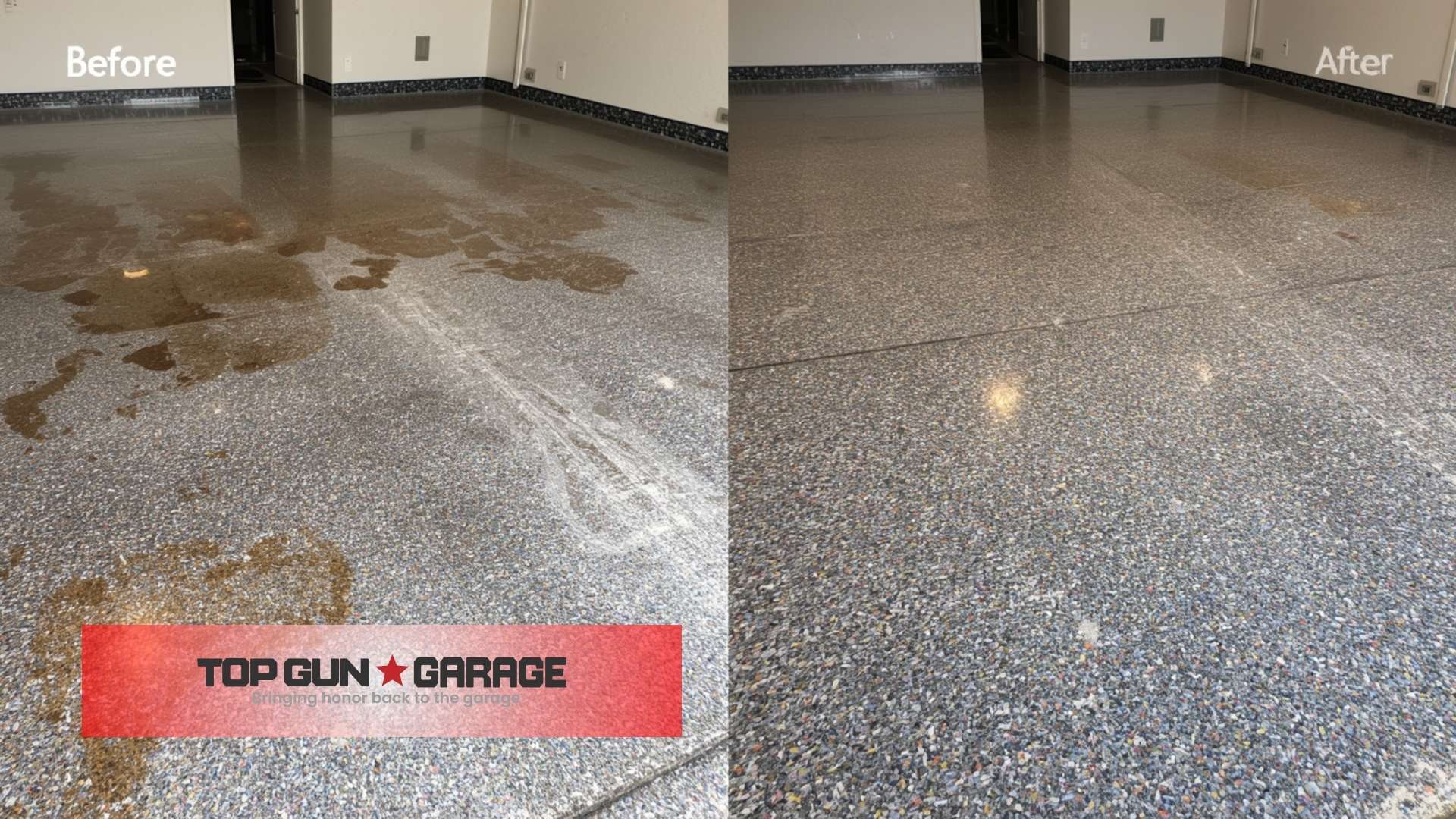
Southwest Florida’s unique environmental conditions make garage floor assessments particularly important in Collier County, where high humidity, salt exposure, and intense heat accelerate concrete deterioration. Properties with neglected garage floors typically require $2,000-$8,000 in remediation costs depending on damage severity—expenses that significantly affect purchase negotiations. Conversely, garages with professionally installed protective coatings demonstrate proactive maintenance that inspectors note favorably in reports, often helping properties sell faster and at higher prices.
Concrete Structural Integrity Assessment
Home inspectors begin garage floor evaluations by examining the concrete slab’s structural condition, looking for cracks that indicate settlement, soil movement, or inadequate reinforcement. Minor hairline cracks measuring less than 1/8 inch typically receive passing mentions, while cracks exceeding 1/4 inch wide or showing vertical displacement require detailed documentation and may prompt structural engineer referrals. Inspectors trace crack patterns to determine whether they result from normal concrete shrinkage or signal more serious foundation problems affecting the home’s structural integrity.
Concrete spalling—where surface layers flake, chip, or delaminate—indicates moisture infiltration, poor concrete quality, or insufficient curing during original construction. Collier County inspectors pay particular attention to spalling near garage entrances where water intrusion occurs most frequently, and around control joints where improper installation allows moisture penetration. Extensive spalling covering more than 10% of floor area typically triggers repair recommendations because exposed aggregate accelerates deterioration and creates tripping hazards.
Moisture and Water Intrusion Issues
Moisture-related problems rank among the most critical garage floor deficiencies Collier County home inspectors document. Inspectors look for visible water staining, efflorescence (white crystalline deposits), rust stains from embedded rebar, and damp concrete that indicate active or historical water intrusion. These moisture indicators signal inadequate drainage, high water tables, or vapor transmission through concrete—conditions particularly common in Collier County’s coastal and low-elevation areas.
Standing water or evidence of pooling receives immediate documentation because it demonstrates insufficient floor slope or blocked drainage systems. Florida building codes require garage floors maintain minimum 1/4 inch per foot slope toward doors or drains to prevent water accumulation. Inspectors use levels and moisture meters to verify proper grading and detect hidden moisture within concrete slabs, which can compromise coatings and accelerate deterioration. Properties showing signs of chronic moisture problems often require moisture barrier installations before applying protective coatings.
Epoxy Coating Quality and Adhesion
When inspecting garage floors with epoxy or polyurea coatings, Collier County inspectors assess coating condition, adhesion quality, and installation workmanship. Professional inspectors examine whether coatings remain firmly bonded to concrete or show signs of bubbling, peeling, or delamination that indicate improper surface preparation or moisture-related adhesion failure. They tap coating surfaces with coins or tools listening for hollow sounds that reveal areas where coatings have separated from substrate.
Inspectors document coating defects including hot tire pickup marks, yellowing from UV exposure, chemical staining, or excessive wear patterns that suggest low-quality materials or inadequate installation. Well-maintained coatings that demonstrate proper surface preparation, appropriate thickness, and quality materials receive favorable mentions enhancing property appeal. Collier County properties with recently installed professional coating systems often command $3,000-$5,000 higher valuations because buyers recognize the immediate usability and long-term protection these improvements provide.
Drainage and Slope Evaluation
Proper drainage represents a critical inspection focus for Collier County garage floors where heavy rainfall and hurricane-related flooding pose significant risks. Inspectors verify floors slope adequately toward garage doors, drain openings, or designated water collection points at the minimum 1/4 inch per foot grade required by Florida building codes. They pour water on floors during inspections to observe flow patterns, identifying low spots where water pools rather than draining properly.
Garage door thresholds receive particular scrutiny to ensure they don’t create dams preventing water discharge during heavy rains. Inspectors examine drain grates, trench drains, or floor drains for functionality, proper installation, and freedom from debris blockages. Properties lacking adequate drainage systems or showing evidence of water intrusion during storms typically receive recommendations for drainage improvements including slope corrections, drain installations, or threshold modifications.
Building Code Compliance Verification
Collier County home inspectors reference current Florida Building Code requirements when evaluating garage floors, particularly for properties in flood zones or coastal areas. They verify floors meet elevation requirements relative to Base Flood Elevation (BFE) standards, confirm proper flood opening installations where required, and assess whether floors demonstrate adequate load-bearing capacity. Properties failing to meet current code standards may require expensive retrofits before insurance companies provide coverage or lenders approve financing.
Inspectors examine whether garage floors include properly spaced control joints, adequate concrete thickness (typically 4-6 inches), and appropriate reinforcement for intended vehicle weights. They verify installations meet structural specifications including 3,000-pound concentrated load capacity required by updated Florida codes for modern vehicles and storage equipment. Non-compliant installations may require structural evaluations and reinforcement adding thousands to remediation costs.
Surface Preparation and Installation Quality
When examining coated garage floors, inspectors assess whether contractors followed proper surface preparation protocols critical for coating longevity. They look for evidence of diamond grinding, shot blasting, or acid etching that creates proper surface profile for coating adhesion. Inadequate preparation becomes apparent through premature coating failure, edge lifting, or adhesion problems visible during inspections.
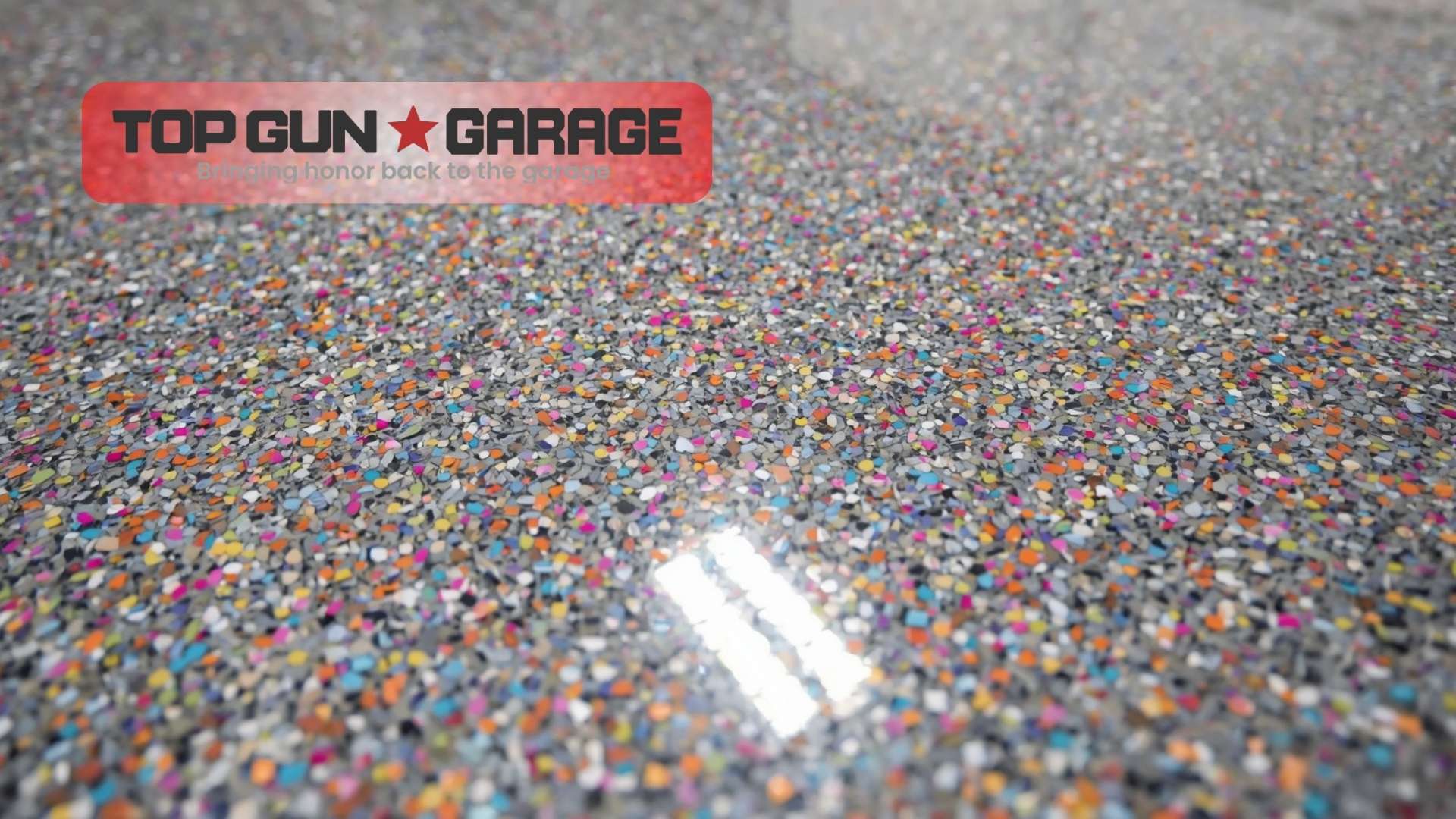
Professional inspectors recognize quality installations by examining coating thickness consistency, proper edge details at walls and door openings, and appropriate decorative flake distribution in broadcast systems. They document whether installation sequences followed proper protocols including adequate cure times between layers, appropriate environmental conditions during application, and proper topcoat sealing. Properties with professionally installed coatings that demonstrate quality workmanship receive positive inspection mentions that enhance marketability.
Common Deficiencies and Red Flags
Certain garage floor conditions immediately raise concerns for Collier County home inspectors and warrant detailed investigation. Active cracking showing recent movement, floors with significant vertical displacement between slab sections, or areas with visible sinking indicate ongoing settlement requiring structural evaluation. Wide cracks exceeding 1/2 inch width, particularly those running wall-to-wall, suggest foundation problems affecting the entire structure.
Extensive coating failures covering more than 25% of floor area signal either poor installation quality or severe underlying moisture problems that must be addressed before recoating. Inspectors document floors with chronic moisture issues, persistent musty odors, or visible mold growth as serious deficiencies requiring immediate remediation. Properties showing multiple red flags typically receive recommendations for specialist evaluations by structural engineers or foundation experts, adding complexity and expense to real estate transactions.
Impact on Property Value and Sales
Well-maintained garage floors with quality protective coatings positively influence home inspection outcomes and property valuations in Collier County. Real estate professionals report that professionally coated garage floors contribute $3,000-$6,000 to property values while making homes more attractive to buyers seeking move-in ready conditions. Inspection reports noting excellent garage floor condition reduce buyer concerns and minimize negotiation leverage for price reductions.
Conversely, properties with significant garage floor deficiencies often face extended market times and require price concessions averaging $5,000-$12,000 depending on damage severity. Buyers typically request repair credits, completed remediation before closing, or substantial price reductions when inspections reveal major garage floor problems. Sellers who invest in professional garage floor coatings before listing properties recoup 85-95% of installation costs through faster sales and higher final prices.
Preparing for Home Inspections
Homeowners preparing properties for sale should address garage floor issues before listing to avoid negative inspection findings. Simple improvements including thorough cleaning, minor crack repairs, and application of concrete sealers demonstrate maintenance attention that inspectors note favorably. Properties with existing coating damage benefit from professional recoating that eliminates deficiencies inspectors would otherwise document.
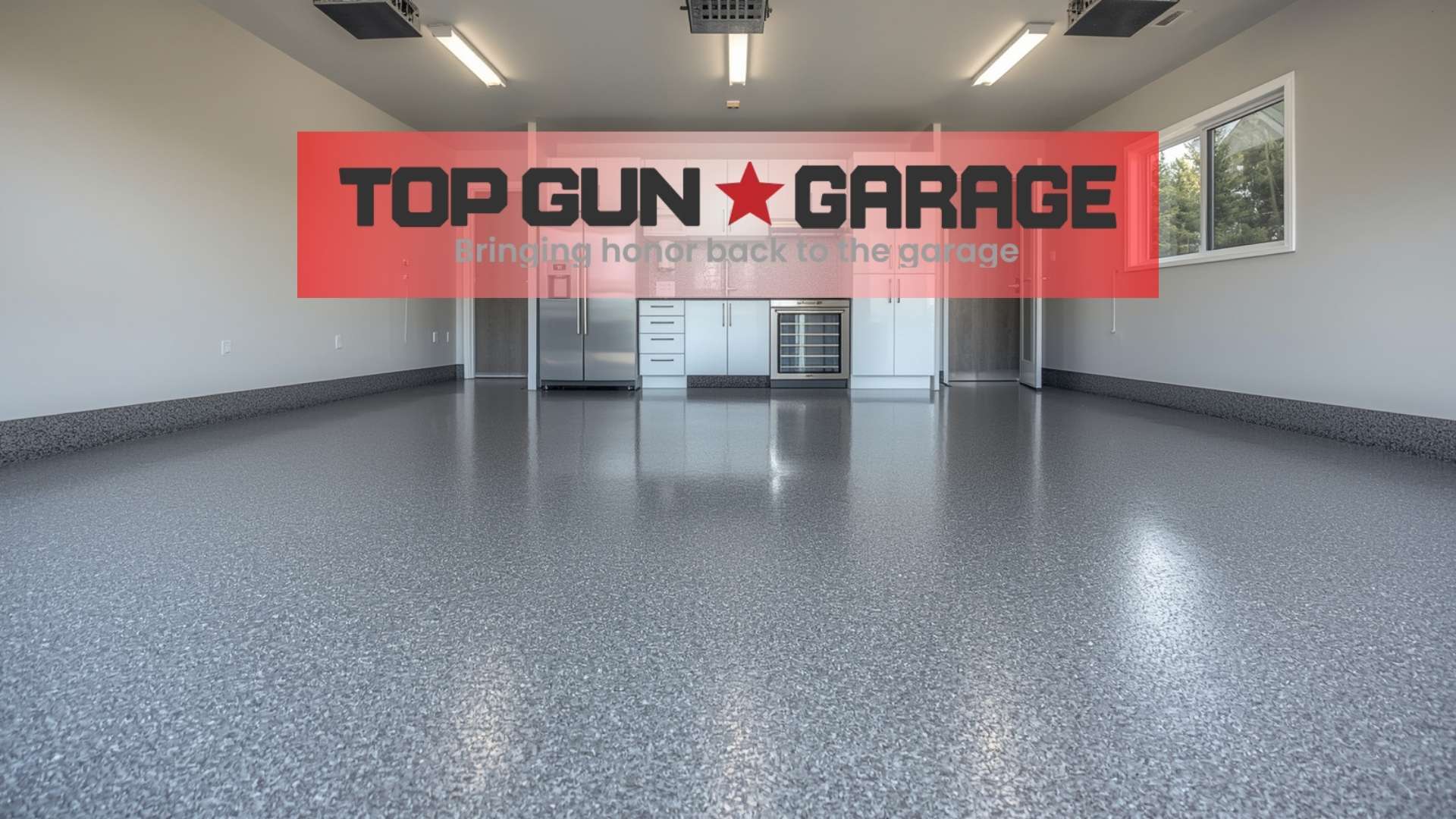
Sellers should ensure garage floors are completely dry during inspections, clear of stored items allowing full access, and well-lit enabling thorough examination. Providing documentation of recent garage floor work including installation dates, contractor information, and warranty coverage helps inspectors verify quality and provides buyers confidence in floor condition. Properties with professionally installed coatings less than five years old typically receive minimal inspection scrutiny when proper maintenance protocols are evident.
Frequently Asked Questions
What garage floor cracks concern home inspectors most? Inspectors prioritize cracks exceeding 1/4 inch width, those showing vertical displacement, actively growing cracks, or patterns indicating structural movement. Multiple interconnected cracks or those running wall-to-wall typically prompt structural engineer referrals for detailed foundation assessments.
Do home inspectors test garage floor moisture levels? Professional inspectors use moisture meters to detect elevated moisture within concrete slabs, particularly in Collier County’s humid climate. Readings exceeding 4-5% moisture content or visible indicators like efflorescence, staining, or dampness receive detailed documentation in inspection reports.
How do epoxy coatings affect home inspection outcomes? Quality professional coatings positively influence inspections by demonstrating proactive maintenance and protecting underlying concrete. However, poorly installed or failing coatings raise concerns about installation quality and potential moisture problems requiring remediation before property transfer.
What drainage problems fail home inspections? Insufficient floor slope preventing proper water discharge, standing water or pooling evidence, non-functional drains, and inadequate threshold design allowing water intrusion during storms. Florida’s heavy rainfall makes proper drainage critical for passing Collier County inspections.
Can garage floor issues affect mortgage approval? Significant structural problems including major cracking, settlement, or foundation movement may prevent mortgage approval until repairs are completed. Lenders require properties meet minimum safety and structural standards before financing, particularly for FHA or VA loans.
Should I repair garage floors before selling? Yes, addressing visible deficiencies before listing prevents negative inspection findings and strengthens negotiating position. Professional coatings typically return 85-95% of costs through faster sales and higher prices while eliminating buyer concerns about garage condition.
What preparation do inspectors look for in coated floors? Evidence of proper surface preparation including grinding or etching for adhesion, clean substrate free from contaminants, appropriate primer application, and sufficient coating thickness. Quality preparation becomes apparent through coating performance and absence of adhesion failures.
How do building code violations affect inspections? Inspectors document code non-compliance including improper elevation in flood zones, inadequate load capacity, or missing required features. Violations may require expensive retrofits and complicate property transfers, particularly when insurance or lending requirements are involved.
What moisture indicators concern Collier County inspectors? White crystalline deposits (efflorescence), rust staining from rebar, persistent dampness, water rings or tide marks, mold growth, and musty odors. Coastal properties receive heightened moisture scrutiny due to high water tables and salt-laden air accelerating deterioration.
Can I be present during garage floor inspection? Yes, attending inspections allows homeowners to understand inspector concerns, explain recent improvements, provide maintenance documentation, and ask questions about findings. Presence demonstrates transparency and helps address minor issues immediately during inspection process.
Conclusion
Collier County home inspectors conduct comprehensive garage floor evaluations examining structural integrity, moisture conditions, coating quality, drainage adequacy, and building code compliance during residential property assessments. Understanding inspection priorities helps homeowners address deficiencies proactively, enables sellers to prepare properties for favorable inspection outcomes, and allows buyers to identify properties requiring significant remediation. Well-maintained garage floors with professional protective coatings consistently receive positive inspection mentions that enhance property values, accelerate sales, and reduce transaction complications in Southwest Florida’s competitive real estate market.
Top Gun Garage specializes in professional installations meeting Florida building codes and home inspector standards. Contact us today for a detailed consultation and discover how our expert coatings protect your investment while enhancing property value and marketability throughout Naples, Bonita Springs, and Collier County.