 Skip to content



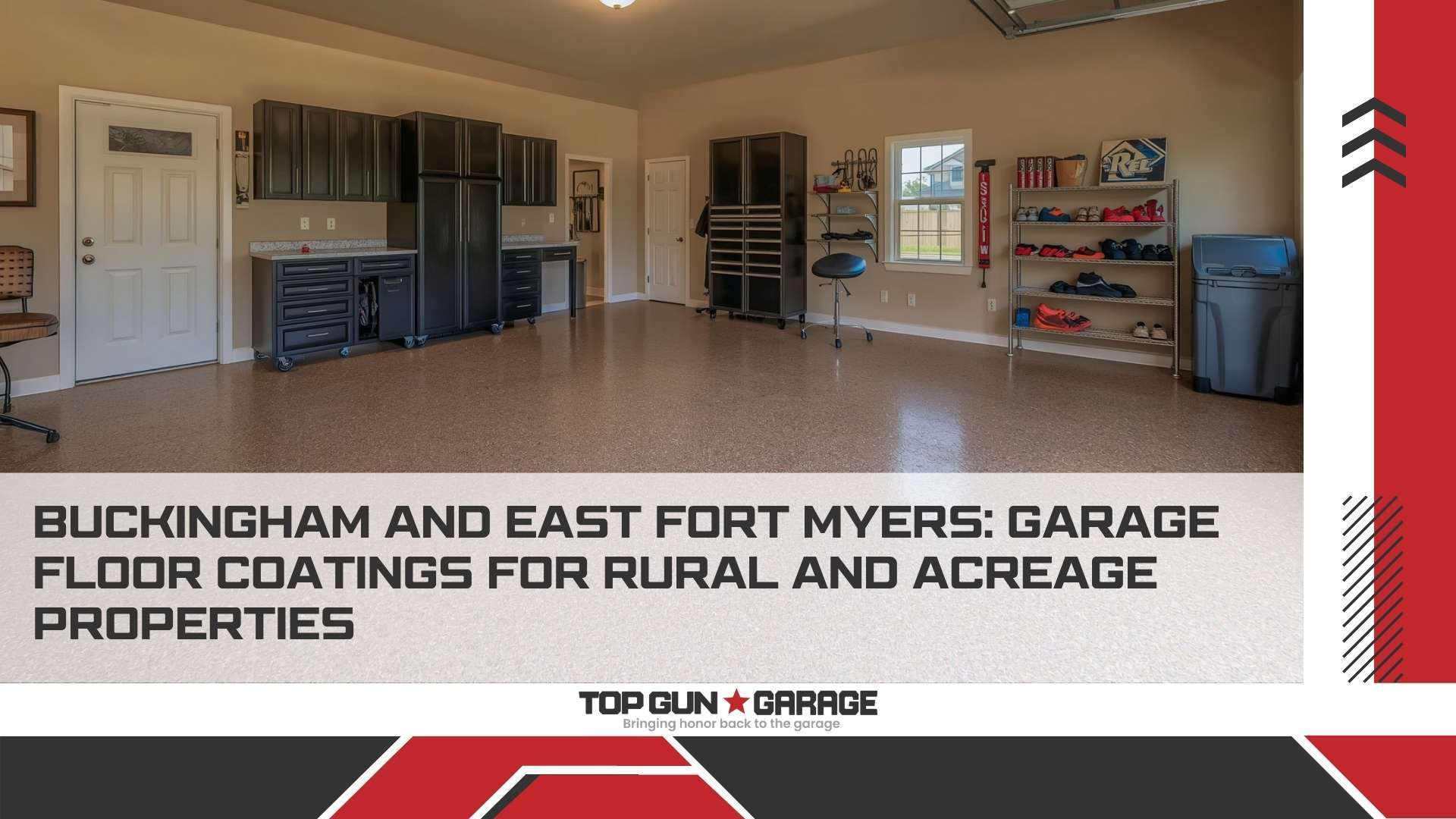
Property owners in Buckingham and East Fort Myers understand that rural and acreage garages face unique challenges that urban garages simply do not encounter. From larger square footage requirements to exposure to Florida’s humid climate and occasional flooding, these specialized spaces demand floor coatings that can withstand heavy use, moisture, and the test of time. Professional epoxy garage floor coatings provide the durability, chemical resistance, and aesthetic appeal that rural property owners need to protect their investments and maintain functional workspaces.
Key Takeaways
- Epoxy coatings offer superior durability for rural garages, with lifespans of 10-20 years when professionally installed
- Florida’s climate requires moisture-resistant formulations specifically designed for high-humidity environments
- Acreage properties benefit from customizable coating systems that handle heavy equipment and vehicle traffic
- Professional surface preparation accounts for 60-70% of successful coating installation
- Anti-slip additives provide essential safety features for rural properties with varied terrain access
- Properly installed epoxy floors can increase property values by 3-5% according to real estate industry data
- Regular maintenance extends coating life and preserves appearance despite rural exposure to dirt and debris
Understanding Rural Garage Floor Requirements in Southwest Florida
Rural properties in the Buckingham area and East Fort Myers region present distinct characteristics that influence flooring decisions. These homes typically feature larger garages ranging from 600 to 1,500 square feet or more, often serving multiple purposes beyond vehicle storage. Agricultural equipment, recreational vehicles, workshop tools, and seasonal storage all place demands on garage floors that standard concrete finishes cannot adequately address.
The Southwest Florida environment introduces additional complexity. According to the National Weather Service Tampa Bay, Lee County experiences average humidity levels of 75-85% throughout the year, with summer months regularly exceeding 90%. This persistent moisture creates conditions where untreated concrete can deteriorate rapidly, developing cracks, efflorescence, and surface spalling that compromises structural integrity.
Professional epoxy floor coatings create a seamless barrier between the concrete substrate and environmental stressors. Unlike paint or sealers that sit on the surface, epoxy chemically bonds with concrete, penetrating the pores to form a hard, durable finish that resists moisture intrusion, chemical spills, and mechanical wear. This bonding mechanism makes epoxy particularly suitable for rural properties where garages may experience temperature fluctuations, heavy loads, and exposure to dirt, mud, and organic materials tracked in from acreage landscapes.
Climate Considerations for Buckingham and East Fort Myers Garages
Florida’s subtropical climate presents specific challenges for garage floor coatings that property owners must address during material selection and installation planning. Summer temperatures in the Buckingham area regularly exceed 90°F, while winter lows occasionally drop into the 40s. This temperature variation causes concrete to expand and contract, creating stress that can compromise poorly bonded coatings.
High humidity levels present the most significant concern for rural garage floors. Moisture vapor transmission through concrete slabs can cause coating delamination when trapped beneath a non-breathable surface treatment. Professional installers conduct moisture testing before application, using relative humidity probes to measure vapor emission rates. When readings exceed safe thresholds, specialized moisture-mitigating primers or breathable coating systems become necessary to ensure long-term adhesion.
Hurricane season introduces additional considerations for rural property owners. Properties in the Buckingham and East Fort Myers areas may experience storm surge or heavy rainfall that enters garage spaces. Epoxy coatings with proper slope installation and joint sealing provide water resistance that protects concrete substrates from flood damage. Research from the Federal Emergency Management Agency indicates that water-resistant floor finishes significantly reduce post-flood remediation requirements and help maintain structural integrity during extreme weather events.
Temperature Fluctuation Solutions
Professional coating systems address thermal cycling through flexible formulations that maintain bond integrity despite substrate movement. Polyaspartic-modified epoxies offer superior flexibility compared to standard epoxy systems, accommodating the 10-15°F daily temperature swings common in Southwest Florida. These hybrid systems cure faster than traditional epoxy while providing enhanced impact resistance essential for rural garages storing heavy equipment.
Humidity and Moisture Management
Effective moisture management begins with proper surface preparation. Professional installers use industrial dehumidifiers during installation to reduce ambient humidity levels below 70%, creating optimal curing conditions. Moisture barriers applied beneath concrete slabs, common in newer construction, work in conjunction with topical coatings to prevent vapor transmission issues that cause coating failure.
The Professional Installation Process for Rural Properties
Successful epoxy floor installation on rural acreage properties requires systematic preparation and execution. Industry research indicates that surface preparation accounts for 60-70% of installation success, making this phase the most critical component of any coating project. Professional installers follow established protocols that ensure lasting results despite the challenging conditions rural garages present.
The installation process typically unfolds across multiple days, allowing proper curing time between application stages. Property owners should anticipate garage access limitations during installation, typically requiring 3-5 days of downtime depending on system complexity. This investment in time produces floors that perform reliably for decades when properly maintained.
Step 1: Comprehensive Surface Assessment and Preparation
Professional installers begin with thorough concrete condition evaluation, documenting existing damage, contamination levels, and moisture characteristics. Surface hardness testing using the Mohs scale or sclerometer readings helps determine appropriate preparation methods. Contamination from oils, grease, or organic materials requires degreasing treatment before mechanical preparation can proceed effectively.
Step 2: Mechanical Surface Profiling
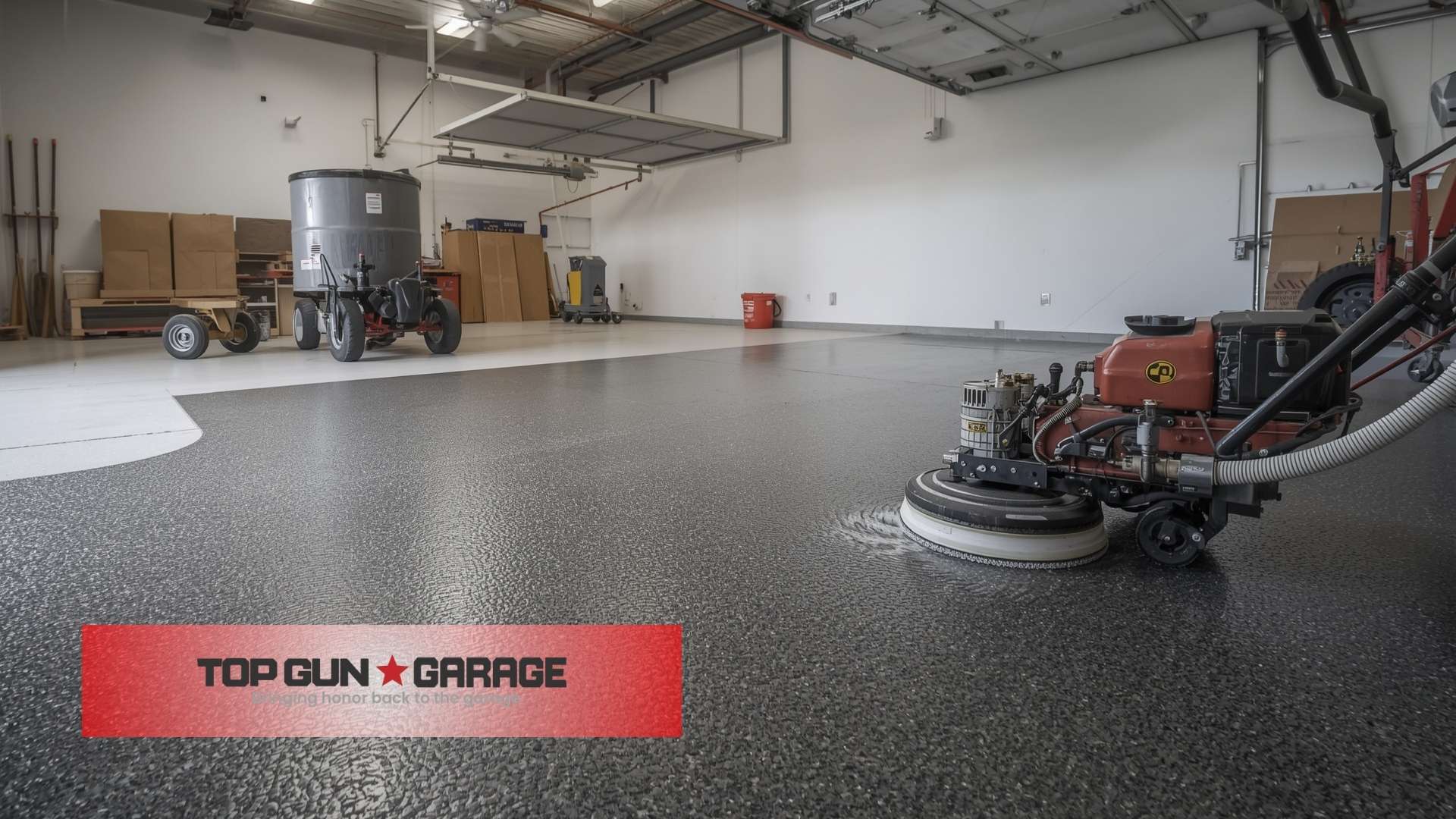
Concrete surface profiling creates the texture necessary for epoxy bonding. Professional installers use diamond grinding equipment or shot blasting systems to achieve appropriate profile depths, typically ranging from CSP-2 to CSP-4 depending on coating thickness requirements. This mechanical preparation removes weak concrete layers, eliminates surface contamination, and creates millions of micro-anchors that mechanically bond with the coating system.
Step 3: Repairs and Joint Treatment
Cracks, spalls, and control joints require repair before coating application. Professional installers use flexible epoxy crack fillers that accommodate continued substrate movement without cracking. Control joints receive flexible backer rod installation followed by elastomeric joint sealants that maintain water resistance while allowing vertical movement. This attention to detail prevents water infiltration that causes coating delamination and concrete deterioration.
Step 4: Primer Application
Moisture-tested primer application establishes the foundation for successful coating bonding. Primers penetrate concrete pores, consolidating weak surfaces and creating consistent substrate conditions for subsequent layers. In high-humidity environments like Buckingham, moisture-mitigating primers containing crystalline technology provide active protection against vapor transmission that could compromise topcoat adhesion.
Step 5: Base Coat and Decorative Elements
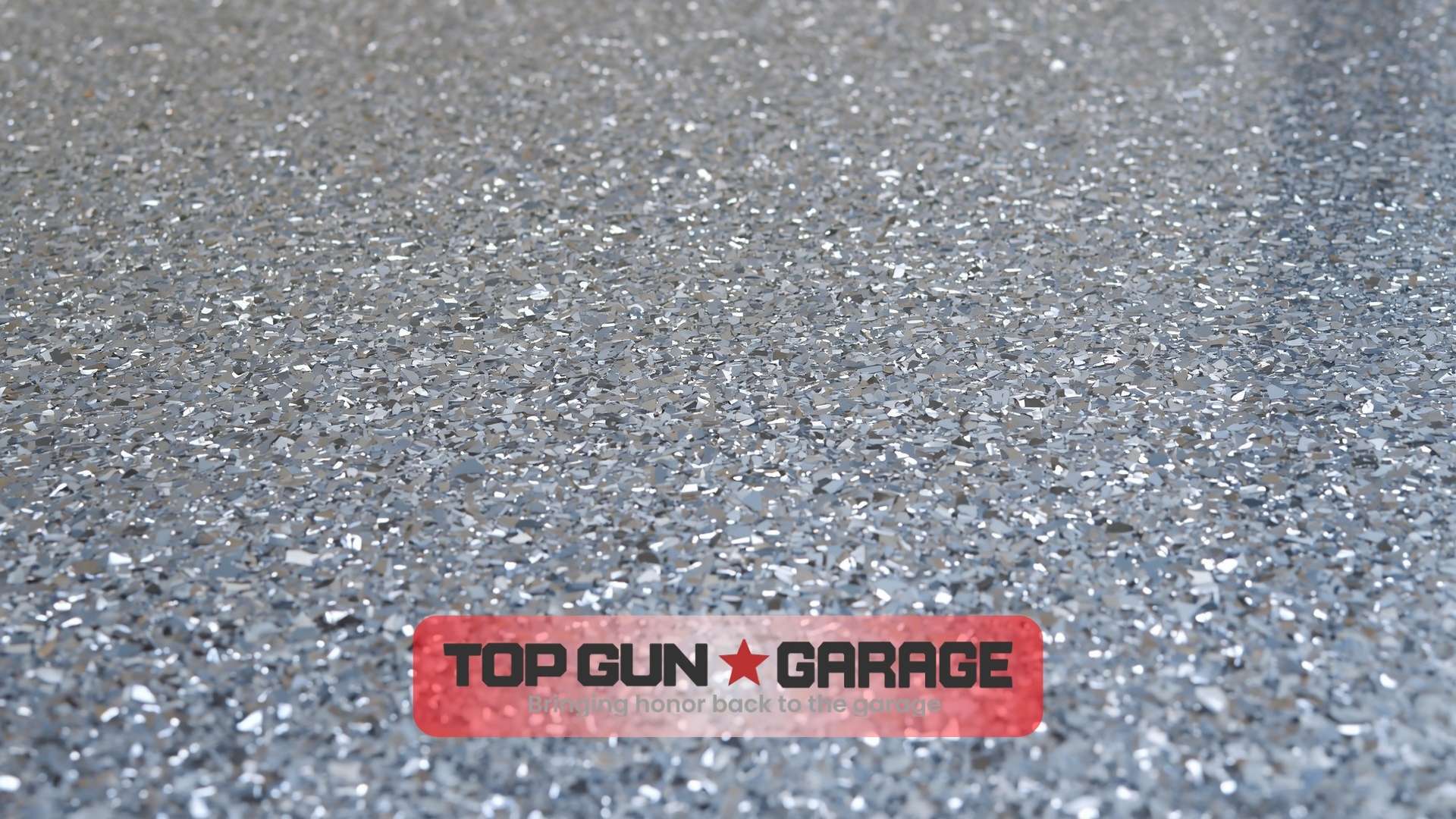
The base coat provides primary thickness and durability, typically applied at 10-20 mils depending on performance requirements. Decorative elements like colored flakes, metallic pigments, or quartz aggregates broadcast into the wet base coat create visual interest and additional texture. Rural properties often benefit from medium to heavy broadcast rates that provide enhanced slip resistance and mask the dirt and debris common in acreage environments.
Step 6: Topcoat Sealing and Curing
Clear topcoat application seals decorative elements and provides the final wear surface. UV-stable topcoats resist yellowing from Florida sun exposure, maintaining appearance despite years of direct sunlight through garage doors. Full cure typically requires 72-96 hours before heavy vehicle traffic, though light foot traffic may resume within 24 hours depending on temperature and humidity conditions.
Comparing Coating Systems for Acreage Property Garages
Selecting the appropriate coating system requires understanding the performance characteristics and limitations of available options. Rural property owners should evaluate their specific requirements, including budget constraints, performance expectations, and aesthetic preferences, when comparing systems.
| Coating Type | Durability Rating | Moisture Resistance | Installation Time | Best Suited For |
|---|---|---|---|---|
| Standard Epoxy | 8-10 years | Good with primer | 4-5 days | Regular vehicle storage, workshops |
| Polyaspartic Epoxy | 15-20 years | Excellent | 2-3 days | Heavy equipment, rapid return to service |
| Metallic Epoxy | 10-15 years | Good with primer | 5-7 days | Showcase spaces, aesthetic priority |
| Flake Broadcast | 12-18 years | Excellent | 4-5 days | High-traffic, slip resistance priority |
As Mike Rodriguez, Regional Manager at National Association of Realtors-affiliated property services, explains: “Property owners investing in acreage properties increasingly recognize that garage floor coatings represent one of the highest-return improvements available. The durability, aesthetic appeal, and practical benefits combine to create tangible value that manifests during property transactions and daily use.”
Benefits Specific to Rural and Acreage Properties
Rural properties derive unique advantages from professional epoxy floor coatings that address their distinctive operational requirements. Understanding these benefits helps property owners justify the investment and select appropriate systems for their specific applications.
Chemical and Stain Resistance
Acreage properties frequently store agricultural chemicals, fuel, lubricants, and cleaning products that can damage unprotected concrete. Epoxy coatings provide chemical resistance that prevents staining and surface degradation from common garage substances including gasoline, motor oil, antifreeze, and fertilizer. This resistance simplifies cleanup and maintains professional appearance despite the demanding conditions rural garages present.
Enhanced Traction and Safety
Rural garage environments often involve wet or muddy conditions as vehicles enter and exit through unpaved driveways. Anti-slip aggregate additives create textured surfaces that maintain traction under wet conditions, reducing slip hazards that pose liability concerns and personal safety risks. Professional installers can customize slip resistance levels from light texture to aggressive broadcast depending on specific safety requirements.
Easy Maintenance and Cleaning
The seamless, non-porous surface of epoxy coatings eliminates the dust, pitting, and staining common with bare concrete. Regular maintenance requires only sweeping and occasional mopping with mild detergents, significantly reducing cleaning effort compared to untreated floors. For rural properties where garage spaces serve multiple purposes, this easy maintenance proves particularly valuable.
Lighting Enhancement
Light-colored epoxy coatings reflect garage lighting more effectively than dark concrete, improving visibility for detailed work and enhancing safety during evening hours. This lighting enhancement proves especially valuable in larger rural garages where ceiling-mounted fixtures may not adequately illuminate work areas. Property owners report improved functionality and reduced eye strain when working in epoxy-coated spaces.
Protecting Your Investment: Maintenance Best Practices
Professional epoxy floor coatings represent significant investments that reward proper maintenance with decades of reliable service. Establishing routine maintenance practices ensures optimal appearance and performance throughout the coating’s service life.
Daily maintenance involves sweeping or dust mopping to remove loose debris that can scratch the surface under foot traffic. Weekly cleaning with pH-neutral detergents removes accumulated dirt and maintains the coating’s glossy appearance. Spills should be addressed promptly using appropriate cleaning agents, as prolonged exposure to certain chemicals can affect even resistant epoxy surfaces.
Periodic deep cleaning using soft scrub brushes and appropriate degreasers addresses accumulated grime in high-traffic zones. Annual inspection by qualified professionals identifies potential issues before they escalate into costly repairs. Small chips or scratches can be touched up without complete recoating when addressed promptly, extending the coating’s functional lifespan significantly.
Protecting the coating from excessive point loading prevents indentation damage from heavy equipment stands or jacks. Using appropriate protective mats in work zones and beneath heavy storage items distributes loads more evenly and prevents surface damage that compromises appearance and performance.
Why Professional Installation Matters for Rural Properties
While DIY epoxy kits exist, professional installation provides advantages that prove particularly valuable for rural property applications. The scale of acreage garages, combined with the challenging environmental conditions present in Southwest Florida, creates conditions where professional expertise produces measurably superior results.
Professional installers bring specialized equipment including industrial grinding machines, shot blasters, and moisture testing instruments that ensure proper surface preparation. Their experience with local conditions enables appropriate system selection and installation technique modification that accounts for humidity variations, temperature extremes, and substrate conditions specific to the Buckingham and East Fort Myers areas.
Warranty protection represents another significant advantage of professional installation. Most professional coating systems include material warranties of 5-15 years, with installer warranties covering workmanship. These warranties provide recourse for defects or installation issues that DIY applications cannot match. Understanding warranty terms and maintenance requirements ensures coverage remains valid throughout the warranty period.
Conclusion
Rural and acreage properties in Buckingham and East Fort Myers deserve garage floor coatings that match their unique operational requirements. Professional epoxy systems provide the durability, moisture resistance, and low maintenance characteristics that acreage property owners need to protect their investments and maintain functional workspaces. From climate-appropriate formulations to proper surface preparation techniques, every aspect of professional installation contributes to floors that perform reliably for 10-20 years or longer.
Whether your rural garage stores agricultural equipment, serves as a workshop, or simply provides vehicle storage, the right floor coating transforms ordinary concrete into a durable, attractive surface that enhances your property’s functionality and value. The investment in professional installation pays dividends through reduced maintenance, improved safety, and lasting performance that DIY alternatives simply cannot match.
Ready to protect your rural property with a professional epoxy floor coating? Contact our team today for a consultation tailored to your specific requirements and property conditions. Our experienced installers understand the unique challenges facing Buckingham and East Fort Myers property owners, delivering results that exceed expectations.
References
- National Weather Service Tampa Bay – Climate data for Southwest Florida region
- Federal Emergency Management Agency – Flood-resistant building materials guidance
- National Association of Realtors – Property improvement value analysis
- Environmental Protection Agency – Indoor air quality and floor coating safety
- Occupational Safety and Health Administration – Workplace safety standards for coating applications
Frequently Asked Questions
How long does professional epoxy floor installation take in rural garages?
Professional epoxy floor installation for rural acreage garages typically requires 3-7 days depending on system complexity and cure times between coats. Standard flake broadcast systems usually complete within 4-5 days, while metallic or multi-layer systems may require a full week. Climate conditions in the Buckingham area, particularly humidity levels, influence cure times and should be factored into scheduling expectations.
Can epoxy coatings handle heavy agricultural equipment in my garage?
Yes, professionally installed epoxy coatings handle heavy equipment loads effectively when properly specified. Systems rated for industrial use support point loads exceeding 2,000 PSI without indentation or damage. Discuss your specific equipment with your installer to ensure appropriate system selection, as some heavy equipment may require reinforced formulations or protective mats in direct contact zones.
Will humidity affect my epoxy floor installation in Fort Myers?
Professional installers account for Fort Myers humidity by conducting moisture testing before installation and using appropriate moisture-mitigating primers when needed. Installation timing during lower-humidity periods and dehumidification during cure times help ensure successful bonding. Working with experienced local installers familiar with Southwest Florida conditions significantly reduces humidity-related failure risks.
How do I maintain my epoxy floor in a dusty rural environment?
Rural garage epoxy maintenance involves regular sweeping with a soft-bristled broom or dust mop, followed by occasional damp mopping with pH-neutral cleaners. The seamless surface prevents dust accumulation in concrete pores, making maintenance significantly easier than bare concrete. For properties with significant dirt or mud exposure, consider installing entryway mats to reduce debris tracked onto the coated surface.
Are epoxy floors safe for workshop applications with chemical use?
Epoxy coatings provide excellent chemical resistance for workshop applications, resisting damage from common workshop substances including gasoline, motor oil, brake fluid, and most cleaning solvents. However, prolonged exposure to certain chemicals like concentrated sulfuric acid or ketone solvents can affect even resistant epoxy surfaces. Prompt cleanup of spills and appropriate chemical storage practices ensure long-term coating performance in workshop environments.
What happens if my garage floods during hurricane season?
Professionally installed epoxy coatings with proper joint sealing provide water resistance that protects concrete substrates during flood events. While extended flooding may require professional assessment, water-resistant coatings significantly reduce post-flood remediation compared to bare concrete. After any flooding, the coating should be inspected for damage, with any compromised areas repaired promptly to prevent moisture intrusion beneath the coating system.
How much value does epoxy flooring add to rural properties?
Real estate professionals estimate that professional epoxy garage floor coatings add 3-5% to property values for rural acreage properties, with higher returns for homes where the garage serves as a primary workspace. The durability, aesthetic appeal, and practical benefits appeal to buyers evaluating acreage properties, making epoxy coating a sound investment that pays dividends during property transactions and throughout ownership.
Can I install epoxy over my existing painted garage floor?
Existing paint coatings must be completely removed before epoxy installation, as paint bonds mechanically rather than chemically and will cause delamination when the epoxy system fails. Professional installers use diamond grinding or shot blasting to remove paint and create appropriate surface profiles for epoxy bonding. This preparation ensures the new coating system bonds directly with sound concrete rather than failing paint layers.