



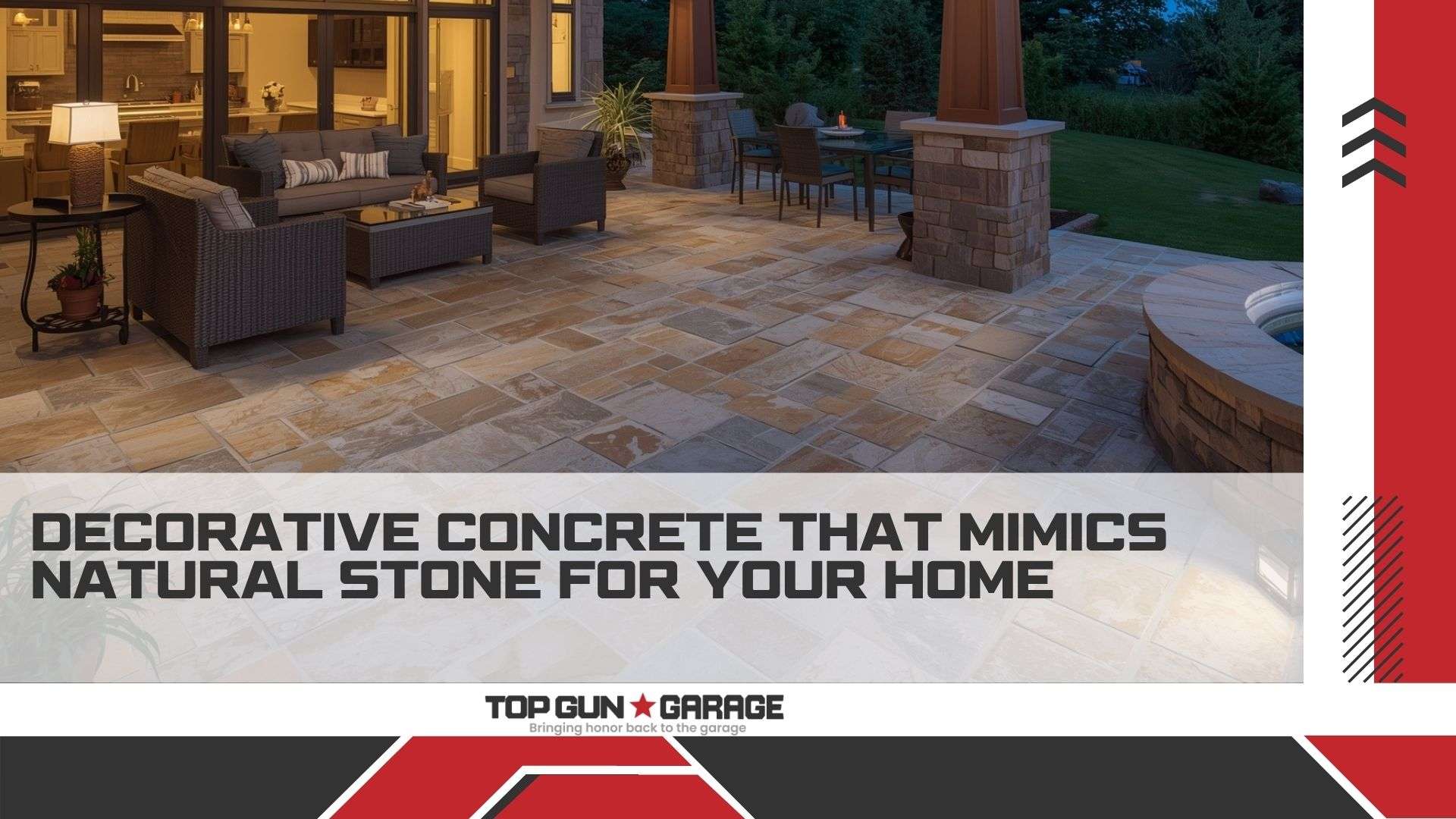
When homeowners dream of the timeless elegance and natural beauty of stone flooring, they often face the harsh reality of high costs, complex installation requirements, and ongoing maintenance challenges. Natural stone materials like marble, granite, slate, and travertine can transform any space into a luxurious retreat, but their price tags and practical limitations make them inaccessible for many projects. Fortunately, modern concrete technology has revolutionized the flooring industry by offering decorative concrete that mimics natural stone with remarkable authenticity.
Decorative concrete that mimics natural stone represents one of the most significant innovations in contemporary flooring solutions. This advanced technique combines the durability and versatility of concrete with sophisticated finishing methods that replicate the appearance, texture, and even the subtle color variations found in genuine stone materials. Through specialized stamping, staining, and texturing processes, skilled contractors can create surfaces that are virtually indistinguishable from their natural counterparts while offering superior performance characteristics.
The appeal of faux stone concrete finishes extends far beyond mere cost savings. These innovative surfaces provide homeowners with unprecedented design flexibility, allowing them to achieve the aesthetic impact of premium stone materials while benefiting from concrete’s inherent strength, longevity, and low maintenance requirements. Whether you’re considering a complete flooring renovation or exploring options for new construction, understanding the capabilities and advantages of decorative concrete can help you make informed decisions that balance beauty, functionality, and budget considerations.
Modern decorative concrete techniques have evolved to such a sophisticated level that even experienced contractors and designers often require close inspection to distinguish between authentic stone and expertly crafted concrete alternatives. This remarkable achievement results from decades of refinement in materials science, application techniques, and artistic methodology. The process involves multiple layers of specialized treatments, each contributing to the final product’s visual authenticity and physical performance.
From residential patios and driveways to commercial lobbies and retail spaces, decorative concrete that mimics natural stone has become the preferred choice for discerning property owners who refuse to compromise on aesthetics or quality. The technology continues to advance, with new techniques and materials constantly expanding the range of achievable effects and improving the longevity of these remarkable surfaces.
Key Takeaways
Cost-Effective Luxury: Decorative concrete that mimics natural stone typically costs 40-60% less than genuine stone materials while delivering comparable visual impact and superior durability. This significant cost advantage allows homeowners to achieve premium aesthetics within realistic budget constraints.
Superior Durability: Unlike natural stone, which can crack, chip, or stain under normal use, properly installed decorative concrete provides exceptional resistance to wear, weather, and damage. The material’s inherent strength and flexibility make it ideal for high-traffic areas and challenging environmental conditions.
Unlimited Design Possibilities: Faux stone concrete finishes can replicate virtually any stone type, color combination, or pattern configuration. This flexibility enables custom designs that would be impossible or prohibitively expensive with natural materials.
Faster Installation Process: Professional installation of decorative concrete typically requires significantly less time than natural stone installation, reducing labor costs and project disruption while maintaining superior quality standards.
Low Maintenance Requirements: Once properly sealed and cured, decorative concrete surfaces require minimal ongoing maintenance compared to natural stone, which often needs regular sealing, polishing, and specialized cleaning treatments.
Environmental Sustainability: Choosing decorative concrete over quarried natural stone reduces environmental impact by eliminating mining operations, reducing transportation requirements, and utilizing locally available materials.
Enhanced Safety Features: Decorative concrete surfaces can be textured to provide superior slip resistance compared to polished natural stone, making them safer for both indoor and outdoor applications.
Understanding Decorative Concrete Technology
The foundation of successful decorative concrete that mimics natural stone lies in understanding the sophisticated technology and techniques that make such remarkable transformations possible. Modern decorative concrete systems utilize advanced polymer-modified concrete mixes that provide enhanced workability, strength, and surface quality compared to traditional concrete formulations. These specialized mixes incorporate carefully selected aggregates, admixtures, and reinforcing fibers that contribute to both the material’s performance characteristics and its ability to accept decorative treatments.
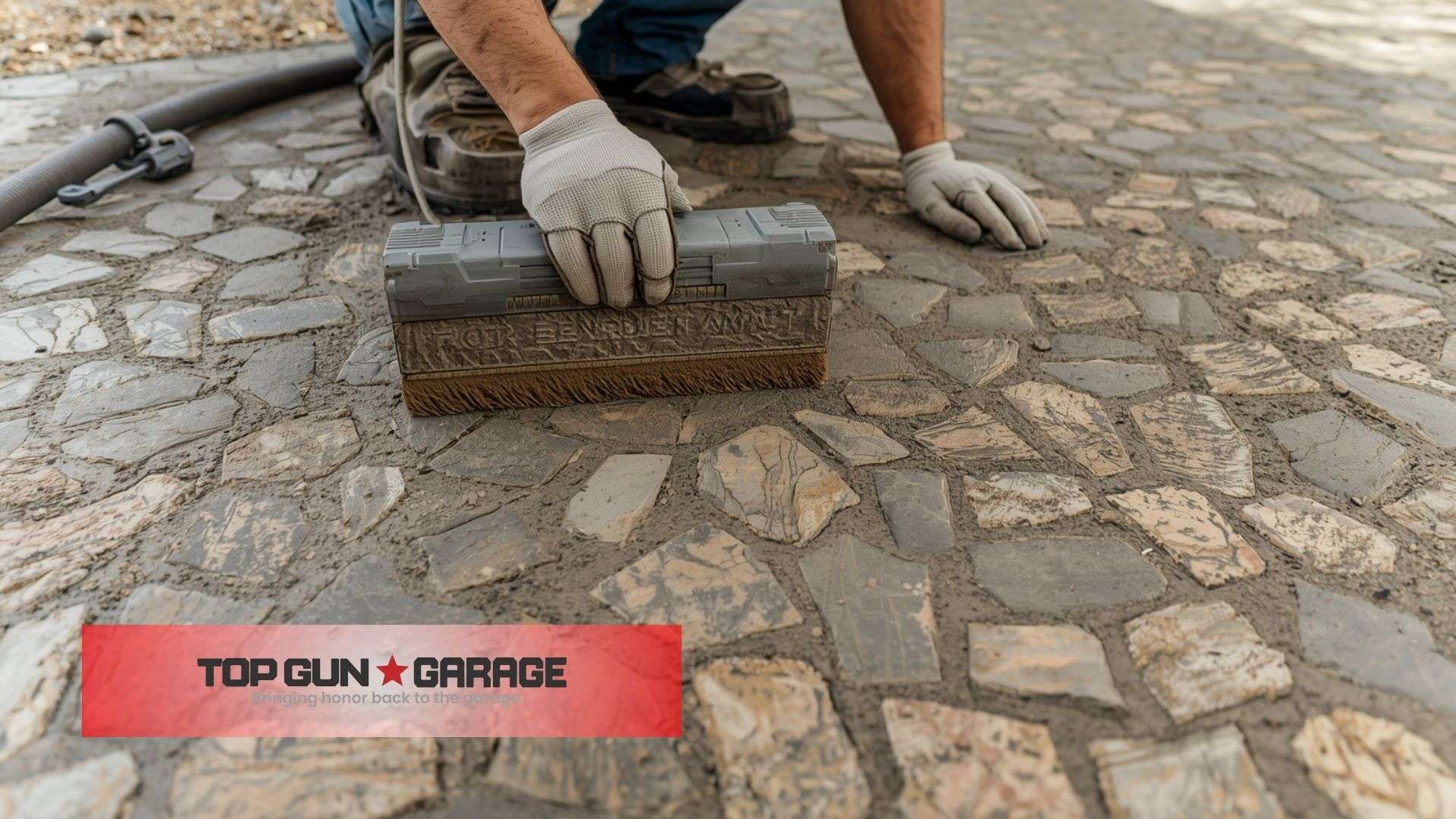
The transformation process begins with meticulous surface preparation, which forms the critical foundation for all subsequent decorative treatments. Professional contractors understand that even minor imperfections in the base surface can compromise the final appearance and longevity of decorative finishes, as explained in understanding different concrete surface preparations. This preparation phase involves precise grading, proper substrate evaluation, and strategic placement of control joints to prevent unwanted cracking patterns that could detract from the stone-like appearance.
Color integration represents another crucial aspect of the decorative concrete process. Rather than relying solely on surface treatments, modern techniques often incorporate integral color systems that distribute pigments throughout the concrete matrix. This approach ensures color consistency and durability while providing a solid foundation for additional surface treatments. The color selection process requires careful consideration of the target stone type, environmental conditions, and desired aging characteristics.
Texture application techniques have evolved to include multiple specialized methods, each capable of producing distinct surface characteristics that replicate specific stone types. Stamped concrete utilizes precision-manufactured stamps that impress detailed patterns and textures into freshly placed concrete. These stamps can reproduce everything from the subtle grain patterns of sandstone to the dramatic veining found in premium marble varieties. The timing and technique of stamp application require considerable skill and experience to achieve professional results.
Popular Stone Types and Replication
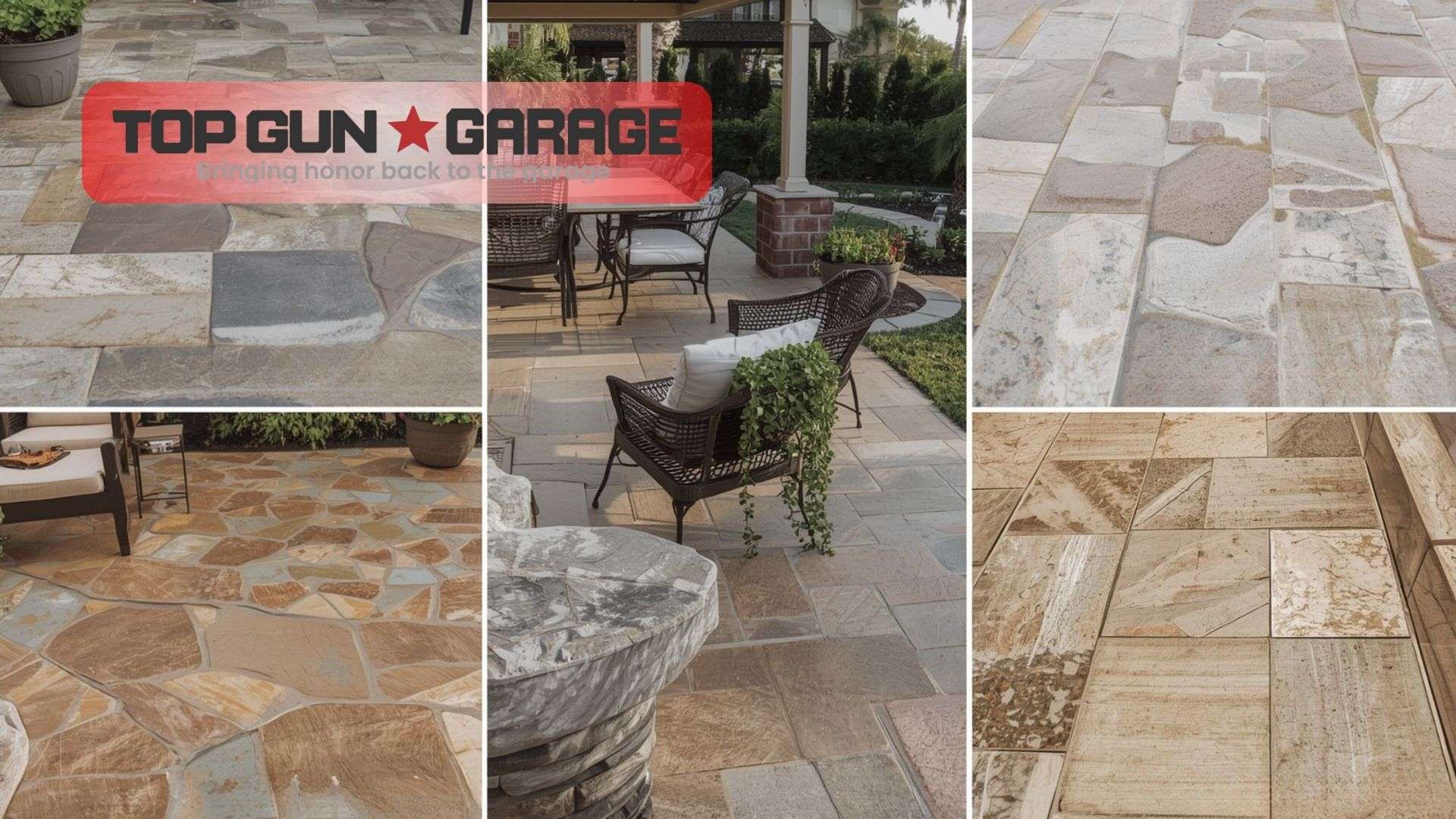
The versatility of decorative concrete allows for accurate replication of virtually any natural stone type, each requiring specific techniques and materials to achieve authentic results. Slate replication has become particularly popular due to slate’s distinctive layered appearance and rich color variations. Creating convincing slate effects involves specialized stamping patterns that reproduce the material’s characteristic linear textures, combined with carefully applied color washes that mimic slate’s natural color gradations and subtle sheen.
Flagstone patterns represent another frequently requested option, particularly for outdoor applications like patios, walkways, and pool decks. The irregular, organic shapes of flagstone require careful attention to joint patterns and edge treatments to avoid repetitive appearances that would reveal the artificial nature of the surface. Skilled contractors use multiple stamp patterns and hand-tooling techniques to create the random, natural-looking layouts that characterize authentic flagstone installations.
Travertine replication has gained significant popularity in upscale residential and commercial projects due to travertine’s association with luxury and sophistication. The challenge in replicating travertine lies in accurately reproducing its characteristic porous texture and subtle color variations, similar to techniques used in creating garage floors that look like polished marble. Advanced techniques involve multiple layers of specialized treatments, including texture rollers, hand-carving tools, and carefully applied antiquing solutions that create the weathered, aged appearance that makes travertine so appealing.
Marble and granite effects represent the pinnacle of decorative concrete artistry, requiring exceptional skill and attention to detail to achieve convincing results. These premium stone types feature complex veining patterns, crystalline structures, and subtle color transitions that challenge even experienced contractors. The replication process often involves multiple color applications, specialized veining techniques using feathering tools, and carefully controlled surface treatments that reproduce the distinctive characteristics of these luxury materials.
Sandstone and limestone effects offer opportunities to create warm, earthy surfaces that complement both traditional and contemporary architectural styles. These stone types typically feature more subtle textures and color variations compared to marble or granite, but achieving authentic results still requires careful attention to detail, incorporating principles from when to choose staining over coating. The key lies in understanding how natural weathering processes affect these materials and incorporating those characteristics into the decorative concrete treatment.
Installation Process and Techniques
The installation process for decorative concrete that mimics natural stone requires a systematic approach that balances technical precision with artistic vision. Professional contractors begin with comprehensive site evaluation and preparation, assessing factors such as soil conditions, drainage requirements, existing structures, and environmental considerations that could affect the project’s success. This preliminary phase includes detailed planning for expansion joints, control joint placement, and integration with existing architectural elements.
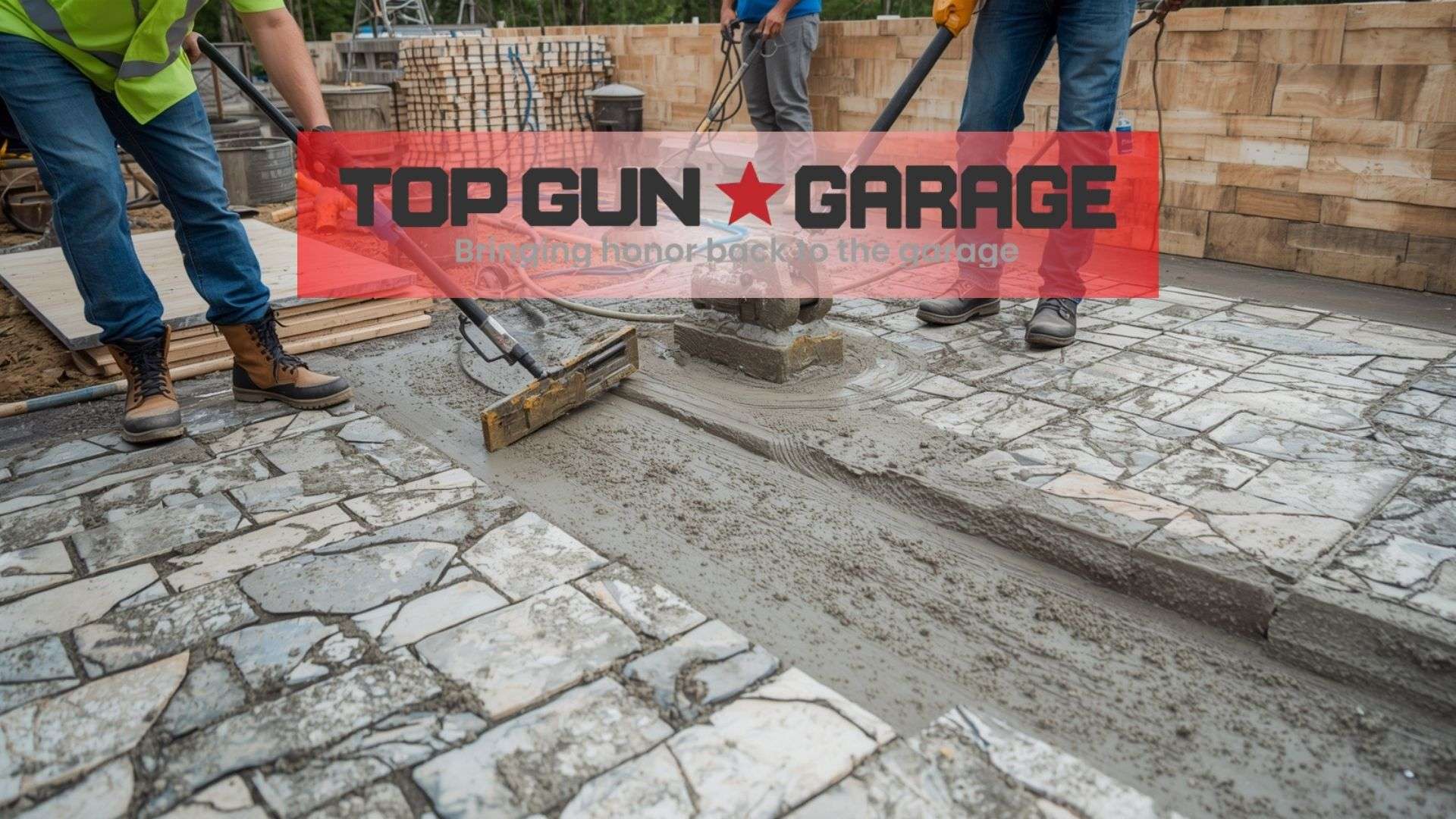
Concrete placement represents a critical phase where timing, weather conditions, and crew coordination become paramount. The concrete mix must be placed and finished within specific time windows to ensure proper workability for decorative treatments, as detailed in why concrete preparation determines coating success. Professional teams coordinate their efforts to maintain consistent concrete temperature, moisture content, and surface conditions throughout the placement process. This coordination becomes even more critical for large projects where multiple concrete pours must blend seamlessly.
The stamping process requires exceptional skill and experience to achieve professional results. Contractors must work quickly and efficiently while the concrete remains in the optimal condition for receiving stamp impressions. The technique involves careful attention to stamp alignment, consistent pressure application, and strategic sequencing to avoid visible seams or pattern repetitions. Release agents play a crucial role in this process, preventing stamps from adhering to the concrete while contributing to the surface’s color and texture characteristics.
Color application techniques vary depending on the desired final appearance and the specific stone type being replicated. Integral coloring provides base color throughout the concrete matrix, while surface treatments add depth, variation, and authenticity to the final appearance, similar to approaches used in metallic epoxy colors that change with lighting. These surface treatments may include color hardeners, antiquing agents, acid stains, and specialized sealers that enhance both appearance and performance. The application sequence and timing of these treatments require careful coordination to achieve optimal results.
Quality control measures throughout the installation process ensure consistent results and long-term performance. Professional contractors monitor concrete temperature, ambient conditions, and material performance at every stage. They also implement systematic inspection procedures to identify and address potential issues before they compromise the final product. This attention to detail distinguishes professional installations from amateur attempts and contributes significantly to the longevity and appearance of the finished surface.
When considering whether to tackle such a complex project independently or hire professionals, homeowners should carefully evaluate the technical challenges and specialized requirements involved in decorative concrete installation. The investment in professional expertise often proves worthwhile given the complexity of achieving authentic stone-like appearances and ensuring long-term performance.
Maintenance and Longevity
One of the most compelling advantages of decorative concrete that mimics natural stone lies in its exceptional longevity and minimal maintenance requirements when properly installed and cared for. Unlike natural stone materials that may require regular sealing, polishing, or specialized cleaning treatments, decorative concrete surfaces maintain their appearance and performance characteristics with basic maintenance routines that most homeowners can easily manage.
The sealing process plays a crucial role in protecting decorative concrete surfaces from moisture penetration, staining, and weather-related damage. High-quality penetrating sealers create an invisible barrier that repels water and contaminants while allowing the concrete to breathe naturally. This protection prevents freeze-thaw damage in cold climates and reduces the risk of efflorescence, which can compromise both appearance and structural integrity. Professional-grade sealers typically provide protection for three to five years under normal conditions, making resealing a relatively infrequent maintenance requirement.
Cleaning procedures for decorative concrete surfaces are straightforward and require no specialized equipment or chemicals. Regular sweeping or blowing removes debris that could cause surface abrasion over time. Periodic washing with mild detergent and water effectively removes most stains and maintains the surface’s appearance, following guidelines from what is the proper cleaning process for epoxy. For stubborn stains, slightly more aggressive cleaning methods may be necessary, but the sealed surface typically prevents deep penetration that would make stains permanent.
Long-term performance expectations for properly installed decorative concrete significantly exceed those of many natural stone alternatives. While natural stone may develop cracks, chips, or surface deterioration over time, decorative concrete maintains its structural integrity and appearance for decades with minimal intervention. The material’s flexibility helps it accommodate minor ground movement without cracking, and its uniform composition eliminates weak points that might develop in natural stone installations.
Repair procedures for decorative concrete, when occasionally necessary, are typically less complex and expensive than repairs to natural stone surfaces. Small surface imperfections can often be addressed with spot treatments that blend seamlessly with the surrounding area. More extensive damage, while rare, can usually be repaired using techniques that restore both the appearance and performance of the original installation, similar to approaches in repairing concrete spalling in Florida garages. This repairability represents a significant advantage over natural stone, where matching replacement materials may be difficult or impossible to obtain.
Environmental factors that affect maintenance requirements include exposure to harsh weather conditions, heavy traffic, and chemical exposure. Decorative concrete surfaces demonstrate remarkable resistance to these challenges, particularly when compared to natural stone alternatives. UV resistance prevents color fading, while the sealed surface resists damage from deicing chemicals, automotive fluids, and other common contaminants that might compromise natural stone surfaces.
Cost Analysis and Value
The financial advantages of choosing decorative concrete that mimics natural stone extend far beyond the initial installation cost savings, encompassing long-term value propositions that make this option increasingly attractive to cost-conscious homeowners. Initial material costs for decorative concrete typically range from 40% to 60% less than comparable natural stone options, while installation costs often show even greater savings due to reduced labor requirements and faster installation timelines.
Material cost comparisons reveal significant advantages for decorative concrete across all stone types. Premium natural stones like marble or granite can cost $15-30 per square foot for materials alone, while decorative concrete that convincingly replicates these materials typically costs $8-15 per square foot including installation. Even mid-range natural stones like travertine or slate, which might cost $10-20 per square foot, exceed the total installed cost of their decorative concrete counterparts.
Installation cost factors further enhance the value proposition of decorative concrete solutions. Natural stone installation requires specialized skills, extensive preparation work, and significant time investments that drive up labor costs. The process often involves substrate preparation, waterproofing, setting bed preparation, individual stone placement, grouting, and finishing work that can extend project timelines considerably. Decorative concrete installation, while requiring specialized expertise, typically completes much faster with fewer labor-intensive steps.
Long-term cost considerations strongly favor decorative concrete over natural stone alternatives. Maintenance costs for natural stone can be substantial, including regular sealing, polishing, repair of individual stones, and potential replacement of damaged sections, as explained in secrets to making garage floors last decades. These ongoing expenses can accumulate significantly over the life of the installation. Decorative concrete’s minimal maintenance requirements translate to substantial savings over time, with only periodic resealing and basic cleaning required to maintain optimal appearance and performance.
Property value impact represents another important consideration in the cost analysis. High-quality decorative concrete installations can provide comparable aesthetic impact to natural stone while offering superior durability and lower maintenance requirements. These factors often translate to positive impacts on property values, particularly when the installation quality and design execution meet professional standards. Potential buyers increasingly recognize the practical advantages of decorative concrete while appreciating its visual appeal.
Return on investment calculations typically favor decorative concrete projects due to their combination of lower initial costs, reduced maintenance expenses, and positive impact on property values. The durability and longevity of properly installed decorative concrete ensure that the investment continues to provide value for decades, while natural stone installations may require significant maintenance investments or partial replacement over the same timeframe.
Outdoor Applications
Decorative concrete that mimics natural stone excels in outdoor applications where it must withstand challenging environmental conditions while maintaining aesthetic appeal. Patios, walkways, driveways, and pool decks benefit particularly from decorative concrete’s combination of beauty and durability. The material’s ability to resist freeze-thaw cycles, UV exposure, and moisture infiltration makes it superior to many natural stone options in demanding outdoor environments.
Pool deck applications showcase decorative concrete’s versatility and performance advantages. The non-slip textures achievable with decorative concrete provide crucial safety features around water, while the sealed surface resists chlorine damage and water absorption that can compromise natural stone, as discussed in pool house floors that handle wet conditions. The ability to create custom colors and patterns allows pool decks to coordinate seamlessly with surrounding landscape elements while maintaining the luxurious appearance of natural stone.
Driveway installations benefit from decorative concrete’s exceptional load-bearing capacity and resistance to automotive fluids. Unlike natural stone pavers that may shift or settle over time, decorative concrete provides a stable, monolithic surface that maintains its integrity under vehicle traffic. The material’s flexibility also helps it withstand ground movement and temperature fluctuations without cracking, ensuring long-term performance even in challenging climates.
Walkway and pathway applications demonstrate decorative concrete’s design flexibility. The ability to create custom patterns, integrate borders, and incorporate contrasting colors allows for distinctive designs that enhance property aesthetics while providing safe, durable walking surfaces. The slip-resistant textures achievable with decorative concrete make walkways safer in wet conditions compared to polished natural stone options.
Outdoor kitchen and entertaining area applications benefit from decorative concrete’s resistance to food stains, grease, and cleaning chemicals. The sealed surface prevents penetration of contaminants while maintaining its attractive appearance with simple cleaning procedures, following principles from outdoor kitchen concrete that weathers storms. This combination of aesthetics and practicality makes decorative concrete ideal for outdoor living spaces that serve multiple functions.
Indoor Applications
While outdoor applications often receive the most attention, decorative concrete that mimics natural stone provides equally impressive results in indoor environments. The material’s versatility allows it to complement various architectural styles while delivering practical benefits that enhance interior spaces. From residential basements to commercial lobbies, decorative concrete transforms ordinary concrete slabs into sophisticated design elements.
Basement and lower-level applications capitalize on decorative concrete’s moisture resistance and durability. Unlike natural stone or traditional flooring materials that may be damaged by moisture, decorative concrete maintains its integrity and appearance even in potentially damp environments, as explained in basement workshop flooring that resists moisture. This makes it ideal for finished basements that serve as living spaces, home theaters, or workshops.
Commercial applications in retail spaces, offices, and hospitality venues benefit from decorative concrete’s combination of aesthetic impact and practical performance. The material’s ability to replicate high-end stone appearances at a fraction of the cost makes it attractive for businesses seeking upscale aesthetics within budget constraints. The durability and easy maintenance of decorative concrete also make it practical for high-traffic commercial environments.
Garage and workshop applications demonstrate decorative concrete’s versatility in utilitarian spaces. The material transforms ordinary garage floors into attractive surfaces that complement the rest of the home while providing superior resistance to automotive fluids, tool impacts, and heavy equipment, similar to benefits discussed in impact-resistant surfaces for heavy equipment areas. This combination of form and function makes decorative concrete ideal for homeowners who want their garages to serve as extensions of their living spaces.
Florida room and sunroom applications showcase decorative concrete’s ability to create seamless transitions between indoor and outdoor spaces. The material’s resistance to temperature fluctuations and moisture makes it ideal for these transitional areas, while its aesthetic flexibility allows it to complement both interior design elements and outdoor landscape features, as discussed in Florida room flooring that transitions seamlessly outdoors.
Top Gun Garage Services
Top Gun Garage brings extensive expertise and proven experience to decorative concrete projects that mimic natural stone, combining technical excellence with artistic vision to deliver results that exceed client expectations. The team of skilled professionals understands the intricate details and specialized techniques required to create authentic stone appearances while ensuring long-term performance and durability. We pride ourselves on staying current with the latest innovations in decorative concrete technology and continuously refining our methods to achieve superior results.
The comprehensive approach to decorative concrete projects begins with detailed consultation and site evaluation, where we work closely with clients to understand their vision, assess site conditions, and develop customized solutions that meet both aesthetic and functional requirements. This collaborative process ensures that every project reflects the client’s preferences while incorporating our professional expertise to optimize design elements, material selections, and installation techniques.
Quality control measures implemented throughout every Top Gun Garage project ensure consistent results and exceptional longevity. The systematic approach includes careful material selection, precise mixing procedures, optimal timing for all installation phases, and thorough inspection protocols that identify and address potential issues before they can affect the final product. This attention to detail distinguishes our work and provides clients with confidence in their investment.
The Top Gun Garage team utilizes only premium materials and state-of-the-art equipment to achieve professional results that stand the test of time. Relationships with leading suppliers ensure access to the highest quality concrete mixes, color systems, stamping tools, and protective sealers available in the industry. This commitment to quality materials, combined with skilled craftsmanship, produces decorative concrete surfaces that maintain their beauty and performance for decades.
Customer satisfaction remains our primary focus throughout every project phase, from initial consultation through final cleanup and beyond. We understand that decorative concrete installation can be disruptive to daily routines, so we work efficiently to minimize inconvenience while maintaining our uncompromising quality standards. Our communication throughout the project keeps clients informed of progress and ensures that any questions or concerns are addressed promptly and professionally.
Frequently Asked Questions
How long does decorative concrete typically last?
Properly installed and maintained decorative concrete can last 20-30 years or more while maintaining its appearance and structural integrity. The longevity depends on factors such as installation quality, environmental conditions, traffic levels, and maintenance practices. Regular resealing every 3-5 years helps maximize the lifespan and appearance of the surface.
Can it be installed over existing concrete?
Yes, decorative concrete can often be applied over existing concrete surfaces, provided the existing surface is structurally sound and properly prepared. This overlay approach can be more cost-effective than complete removal and replacement, though the existing surface condition determines the feasibility and specific preparation requirements.
How does it perform in freeze-thaw climates?
High-quality decorative concrete installations perform excellently in freeze-thaw conditions when properly installed with appropriate air entrainment and sealing. The material’s flexibility and sealed surface prevent moisture penetration that could cause freeze-thaw damage, making it superior to many natural stone options in harsh climates.
What maintenance is required?
Maintenance requirements are minimal, involving regular sweeping or blowing to remove debris, periodic washing with mild detergent, and resealing every 3-5 years. This simple maintenance routine preserves both appearance and protection, requiring far less effort and expense than natural stone maintenance.
How quickly can projects be completed?
Most residential decorative concrete projects can be completed in 3-5 days, including curing time, compared to weeks or months for comparable natural stone installations. The exact timeline depends on project size, complexity, weather conditions, and specific decorative techniques involved.
Is it suitable for indoor applications?
Absolutely. Decorative concrete works excellently for indoor applications including basements, living areas, kitchens, and commercial spaces. Indoor installations often allow for more intricate designs and finishes while providing easy maintenance and exceptional durability.
Can it be repaired if damaged?
Yes, decorative concrete can typically be repaired effectively using specialized techniques that restore both appearance and performance. Most repairs blend seamlessly with the surrounding surface, unlike natural stone where matching replacement materials may be difficult to obtain.
How does slip resistance compare to natural stone?
Decorative concrete can be textured to provide superior slip resistance compared to polished natural stone surfaces, as explained in slip-resistant surfaces that stay effective long-term. The texturing options available with decorative concrete allow for customized slip resistance appropriate for specific applications and safety requirements.
Conclusion
Decorative concrete that mimics natural stone represents a revolutionary advancement in flooring technology that successfully bridges the gap between aesthetic desires and practical limitations. This innovative approach delivers the timeless beauty and sophisticated appearance of premium natural stone materials while providing superior durability, reduced maintenance requirements, and significant cost savings that make luxury aesthetics accessible to a broader range of homeowners and commercial property owners.
The technology behind faux stone concrete finishes continues to evolve, with new techniques and materials constantly expanding the range of achievable effects and improving the longevity of these remarkable surfaces. From subtle sandstone textures to dramatic marble veining, modern decorative concrete can replicate virtually any natural stone type with stunning authenticity that often requires close inspection to distinguish from genuine materials.
The practical advantages of choosing decorative concrete extend far beyond initial cost considerations, encompassing long-term value propositions that include minimal maintenance requirements, exceptional durability, and superior performance in challenging environmental conditions, as demonstrated in environmentally responsible garage renovations. These factors combine to create an investment that continues to provide value for decades while maintaining its visual appeal and functional performance.
As environmental consciousness becomes increasingly important in construction decisions, decorative concrete offers sustainable advantages over quarried natural stone by reducing mining impacts, transportation requirements, and ongoing maintenance needs, aligning with principles from sustainable concrete treatments for Florida homes. This environmental benefit adds another compelling reason to consider decorative concrete for your next flooring project.
The success of any decorative concrete project depends heavily on professional expertise, quality materials, and proper installation techniques. Working with experienced contractors who understand the intricacies of these specialized systems ensures optimal results that meet both aesthetic and performance expectations while providing the longevity and value that make decorative concrete such an attractive option for discerning property owners.